
Best Places to Visit in India for First-Time Travellers (2026 Guide)
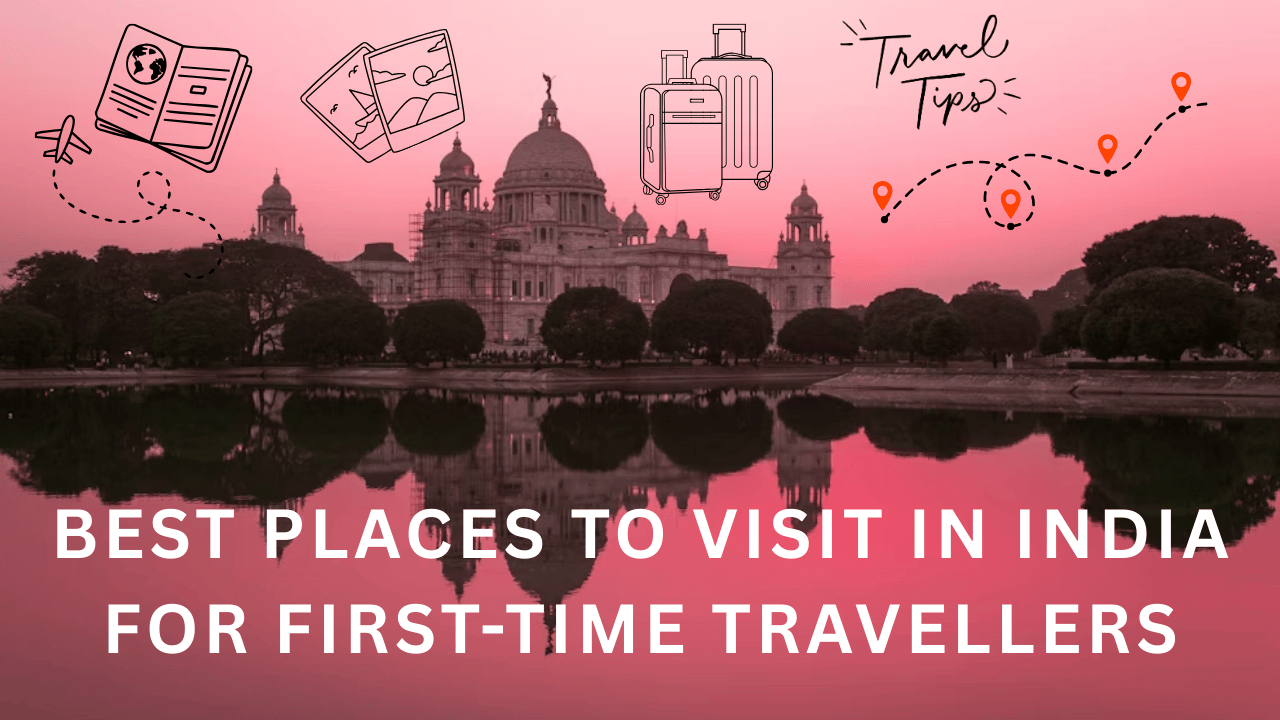
Planning your first trip to India can feel overwhelming because the country is vast, diverse, and culturally layered. For most first-time travellers, the best places to visit in India include Delhi, Agra, Jaipur, Kerala, Goa, Rishikesh, Udaipur, Jodhpur, and Ladakh. These are destinations that balance iconic sights, accessibility, and beginner-friendly experiences.
In this Blog
What makes India a good destination for first-time international travellers?
India offers a rare mix of world-famous monuments, living traditions, varied landscapes, and strong tourism infrastructure. Major routes such as the Golden Triangle (Delhi–Agra–Jaipur) are well connected by flights, trains, and highways, making travel within the country manageable even for newcomers.

Key reasons first-timers choose India:
- High concentration of UNESCO World Heritage Sites
- English widely spoken in tourist areas
- Broad range of budgets from backpacker to luxury
- Distinct regional cultures within one country
- Growing digital payments and app-based transport
Best time to visit India for first-time travellers in 2026
India’s climate varies by region, so timing affects comfort and experience. This quick month-wise guide helps first-time visitors decide the which regions to cover around and when to visit them.
| Months | Best Regions | Why it works for first-timers |
|---|---|---|
| Oct–Mar | Delhi, Agra, Jaipur, Udaipur, Jodhpur, Rishikesh | Pleasant weather for sightseeing |
| Dec–Feb | Goa, Kerala | Ideal beach and backwater climate |
| Apr–Jun | Ladakh, Manali & Kullu | Mountain escapes from heat |
| Jul–Sep | Kerala (Backwaters: Alappuzha & Kumarakom) | Lush landscapes, fewer crowds |
October to March is the best time to visit India for first visit covering multiple regions.
Which are the top places to visit in India for first-time travellers?
These destinations are frequently recommended because they combine cultural depth, good connectivity, and traveller-friendly services.
Delhi – Where most India journeys begin
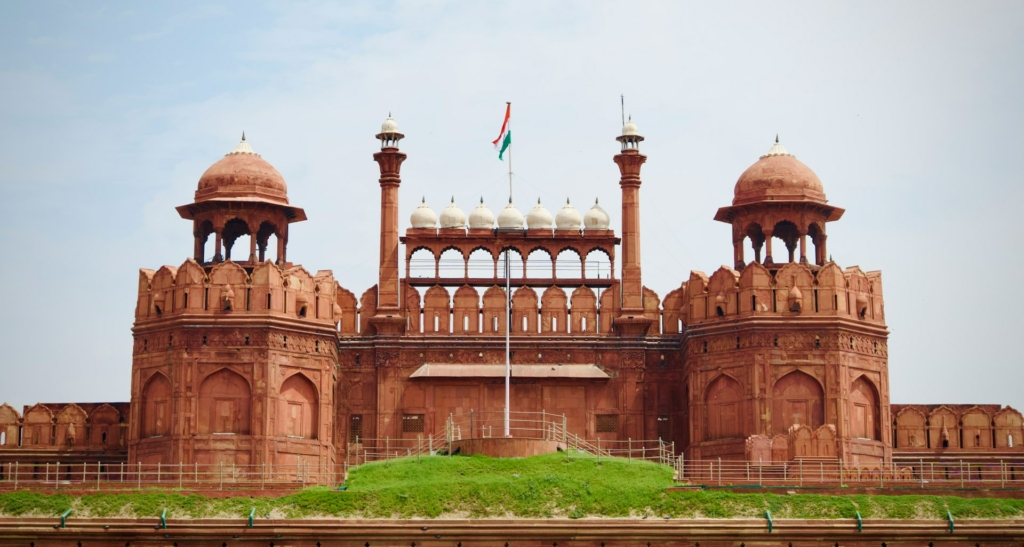
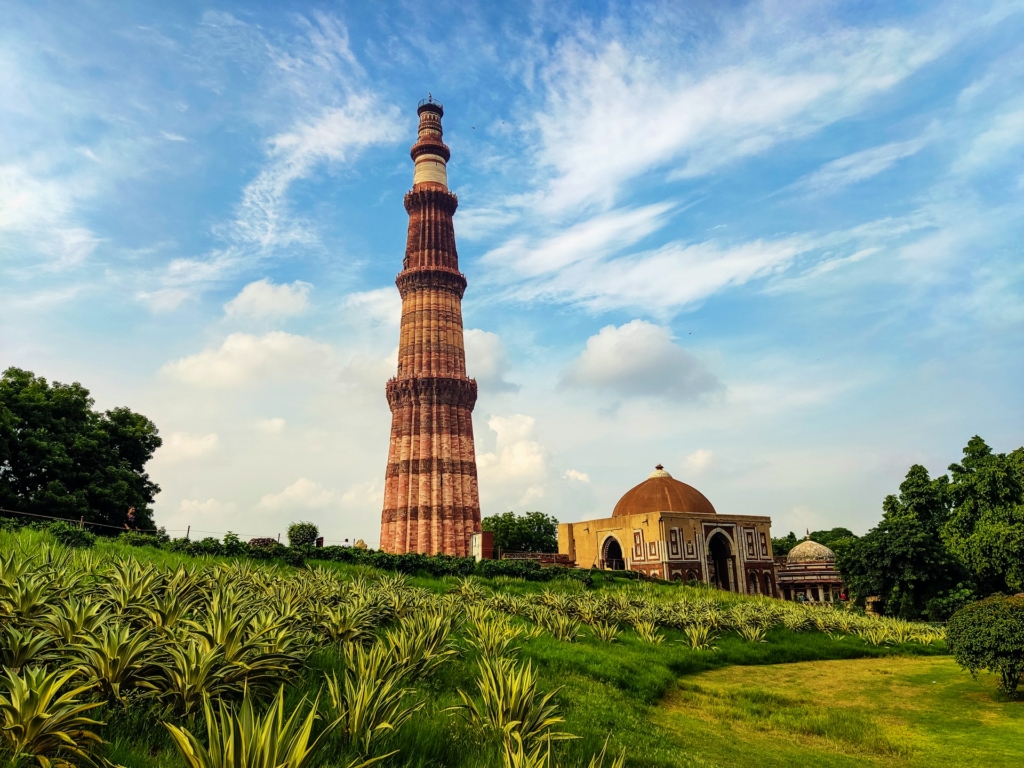
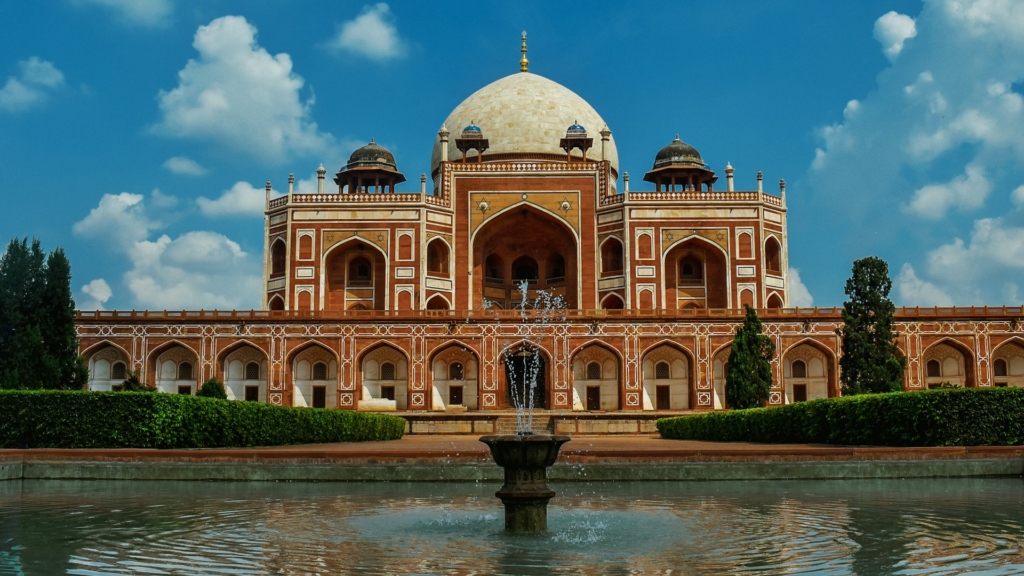
India’s capital introduces travellers to Mughal architecture, street food, and modern city life. Top places to visit:
- Red Fort – 17th‑century Mughal fortress and UNESCO site showcasing imperial architecture and museums.
- Qutub Minar – 73‑metre victory tower from the 12th century, surrounded by historic ruins and carvings.
- Humayun’s Tomb – Grand garden-tomb that inspired the design of the Taj Mahal.
- Chandni Chowk – Historic market famous for street food, spice lanes, and old Delhi culture.
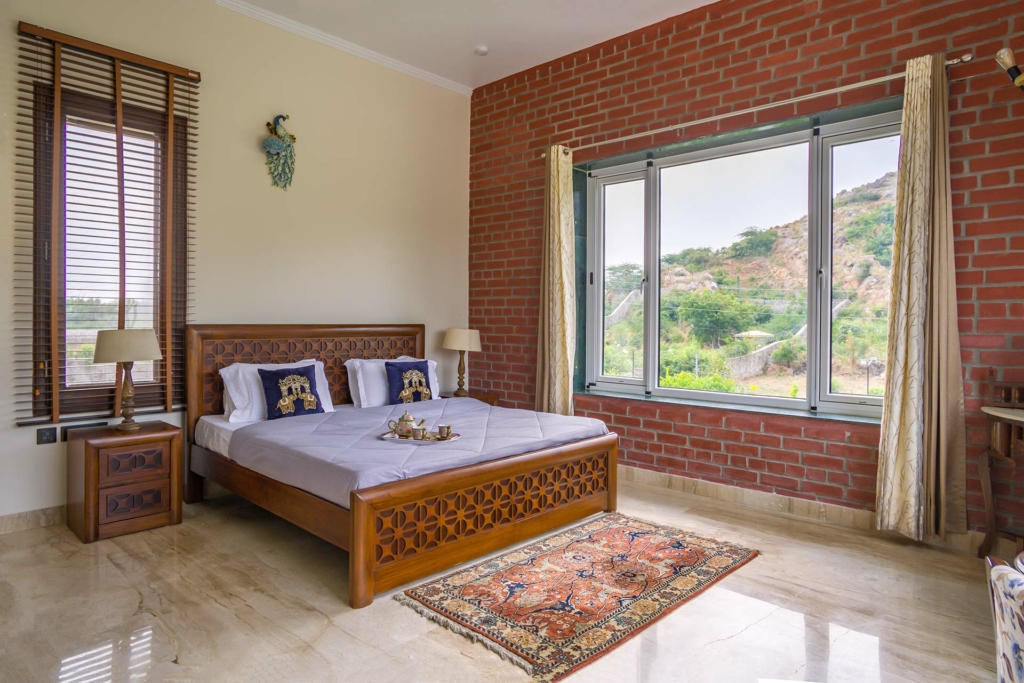
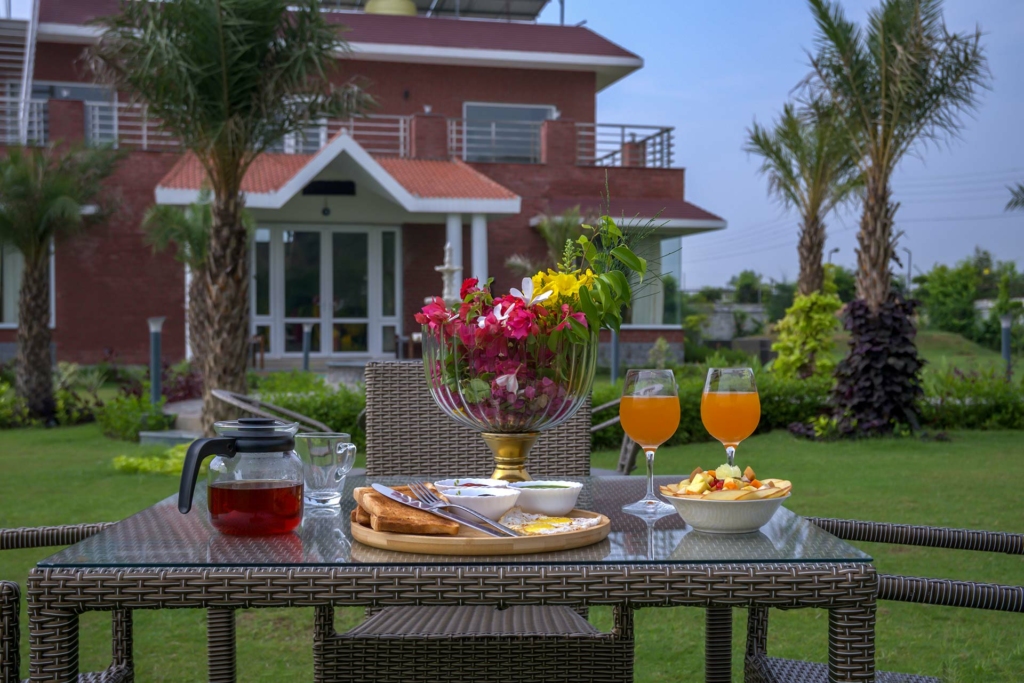
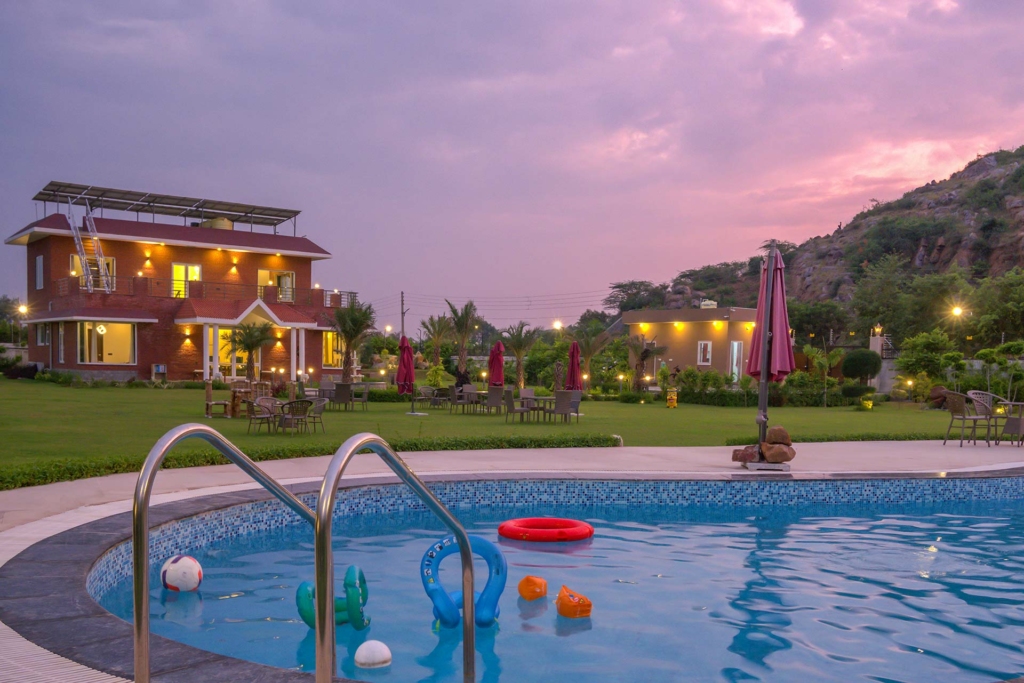
Places to Stay in Delhi
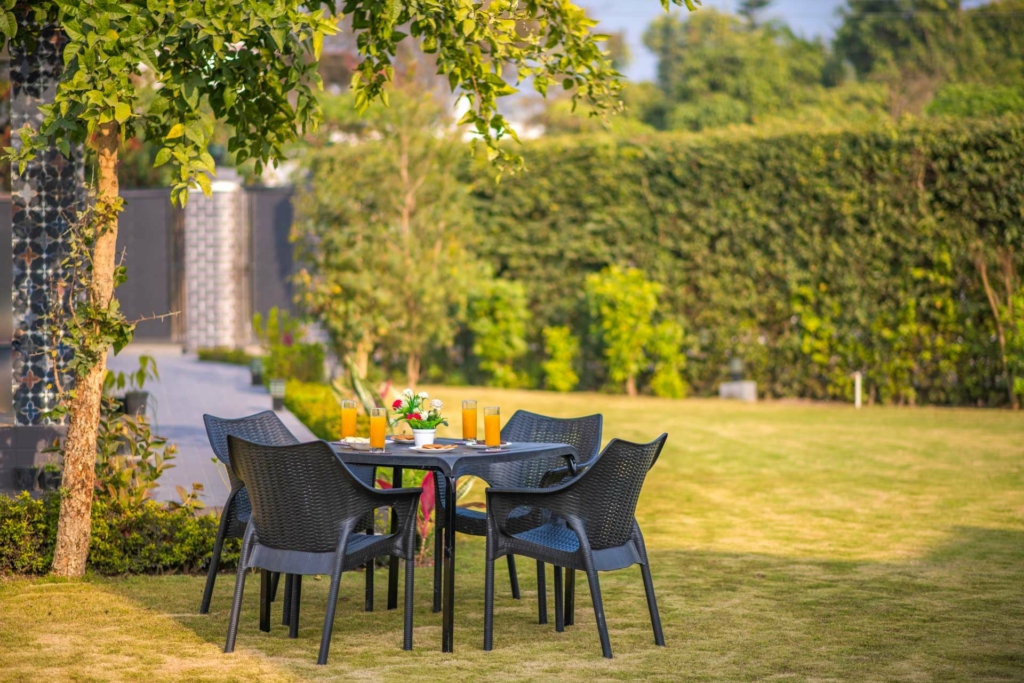
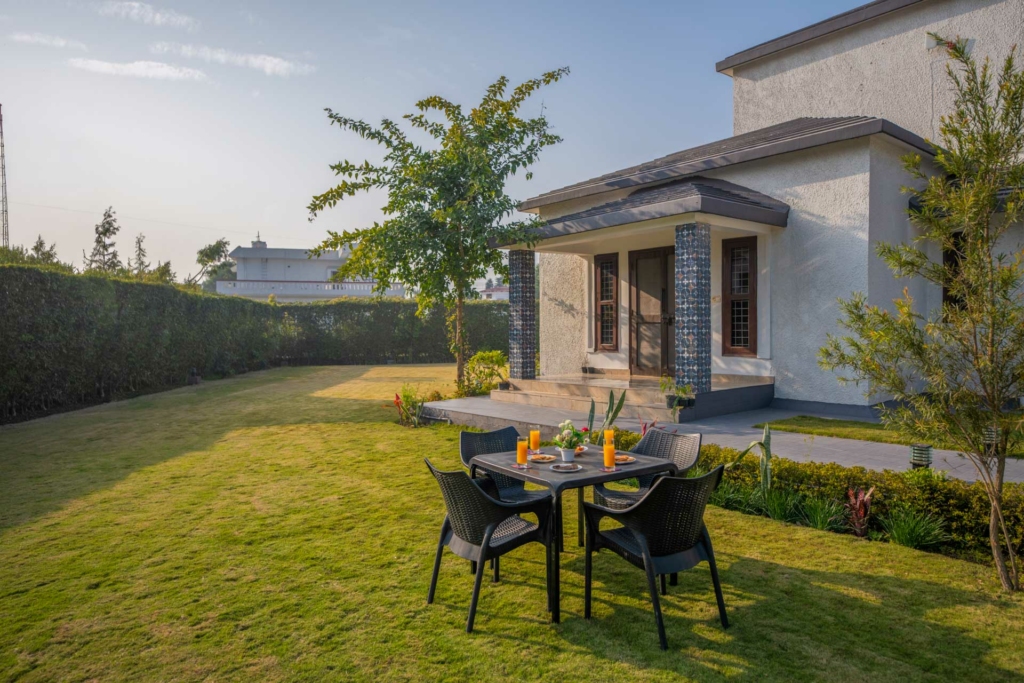
Palash Van – Faridabad
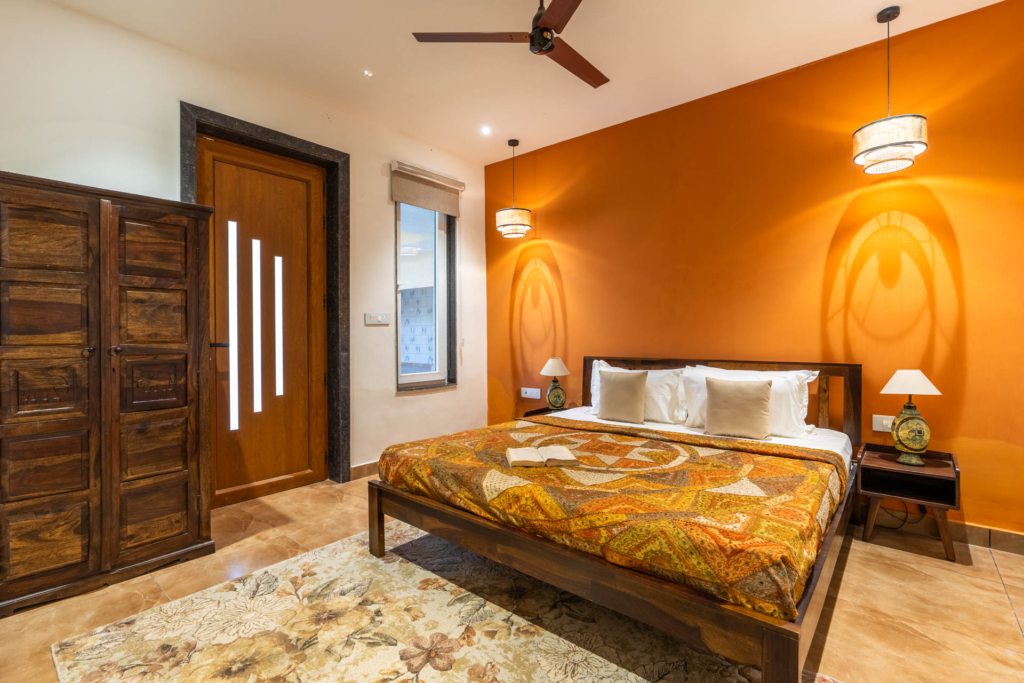
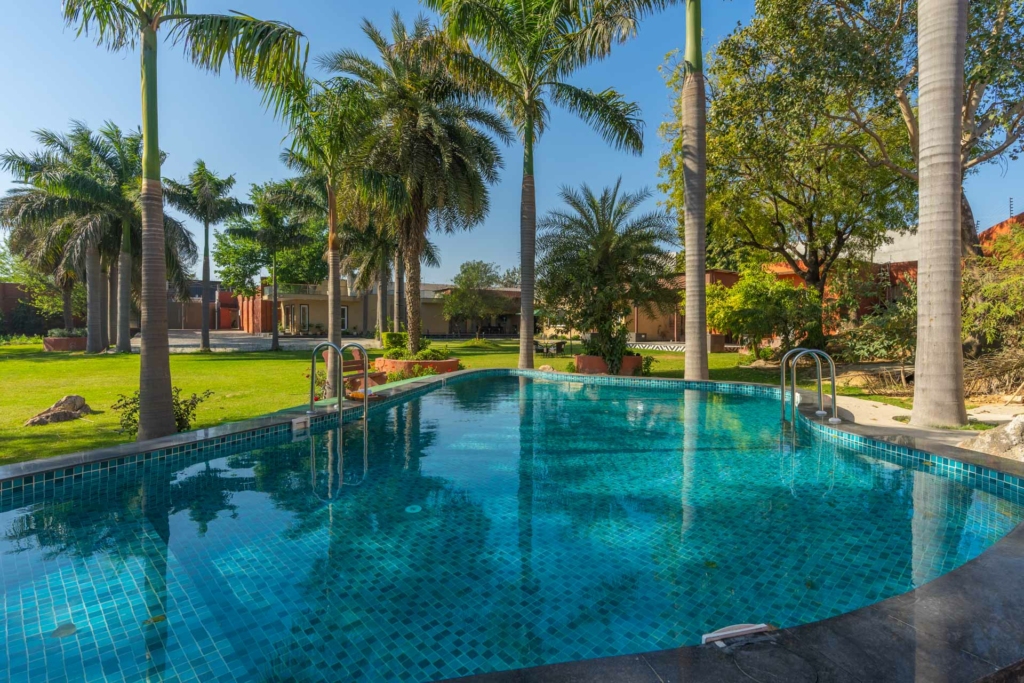
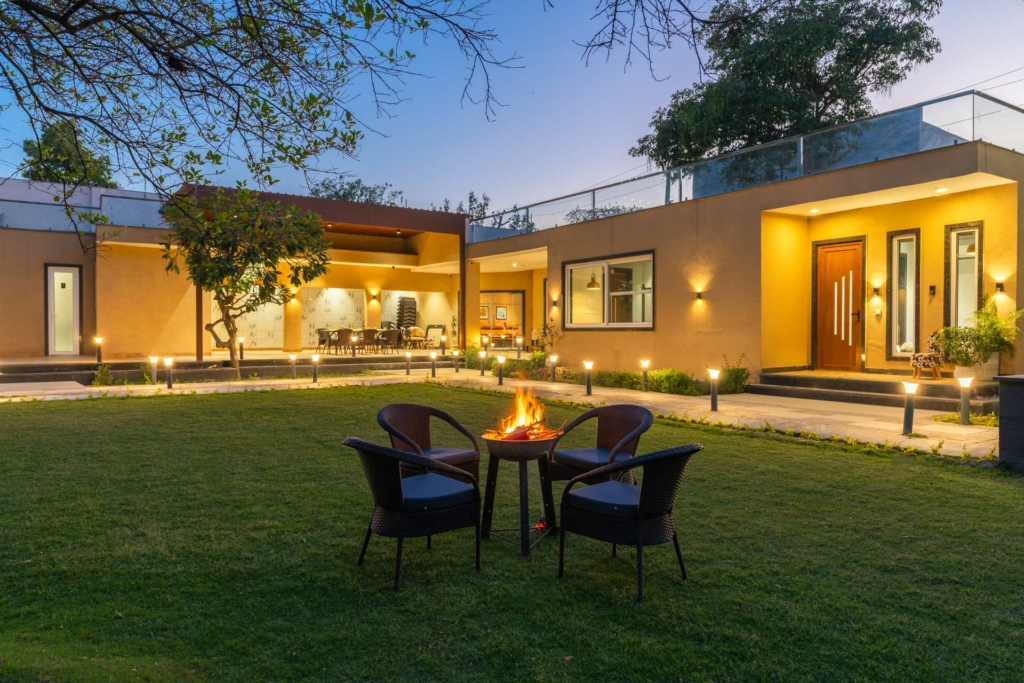
Hillside Paradise W/ Private Pool, Sohna
Agra – Home of the Taj Mahal
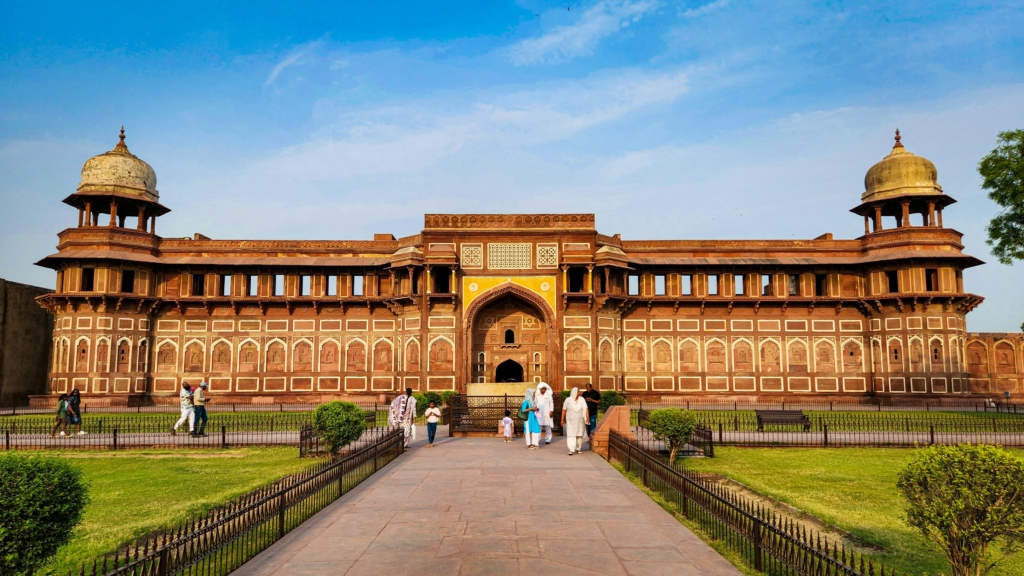
Agra is typically a one- or two-night stop focused on Mughal heritage. Key places to visit:
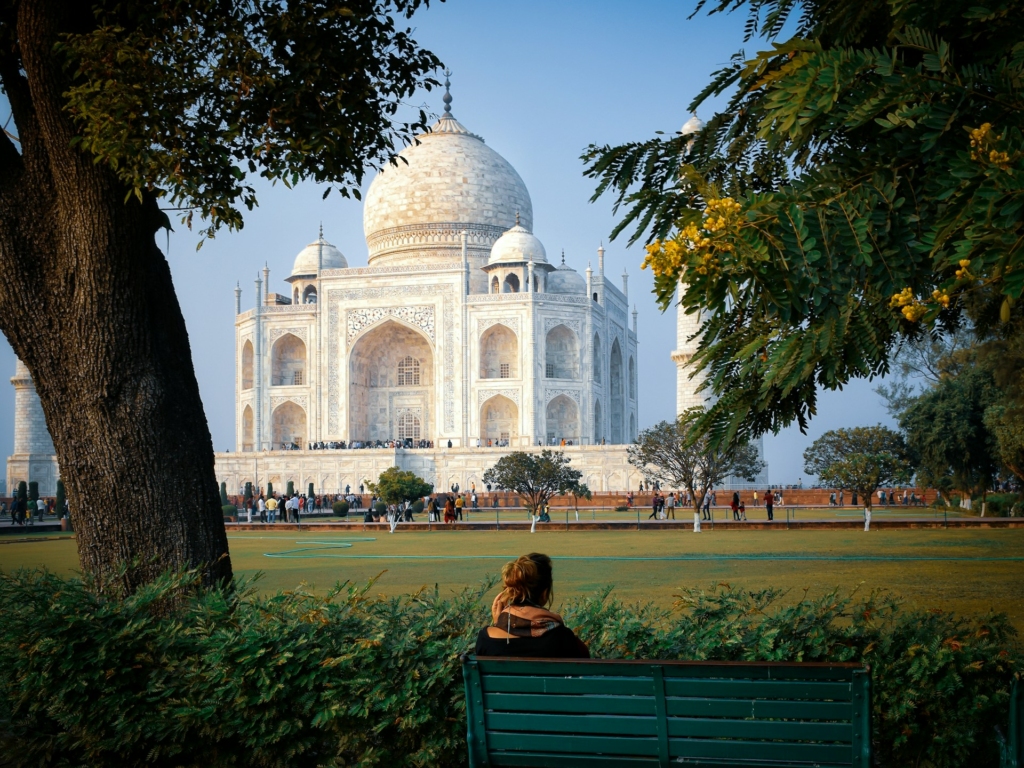
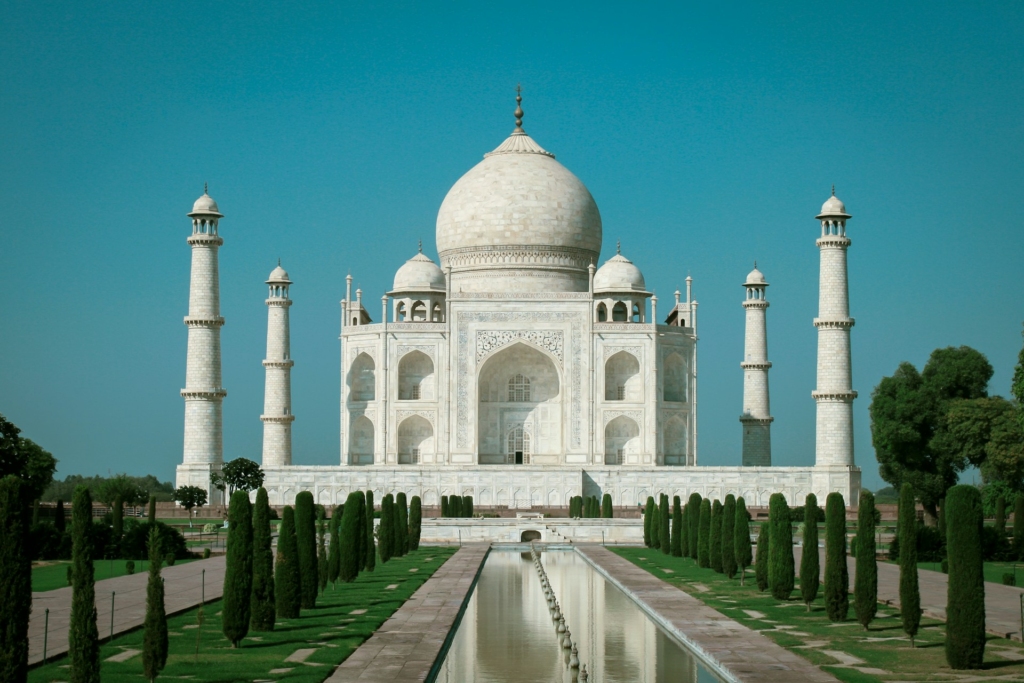
- Taj Mahal – White-marble mausoleum built by Shah Jahan, considered one of the Seven Wonders of the World.
- Agra Fort – Massive red sandstone fort-palace where Mughal emperors once lived.
- Mehtab Bagh – Riverside garden offering peaceful sunset views of the Taj Mahal.
- Itmad-ud-Daulah (Baby Taj) – Delicate marble tomb known for intricate inlay work.
Best Place to Stay in Agra
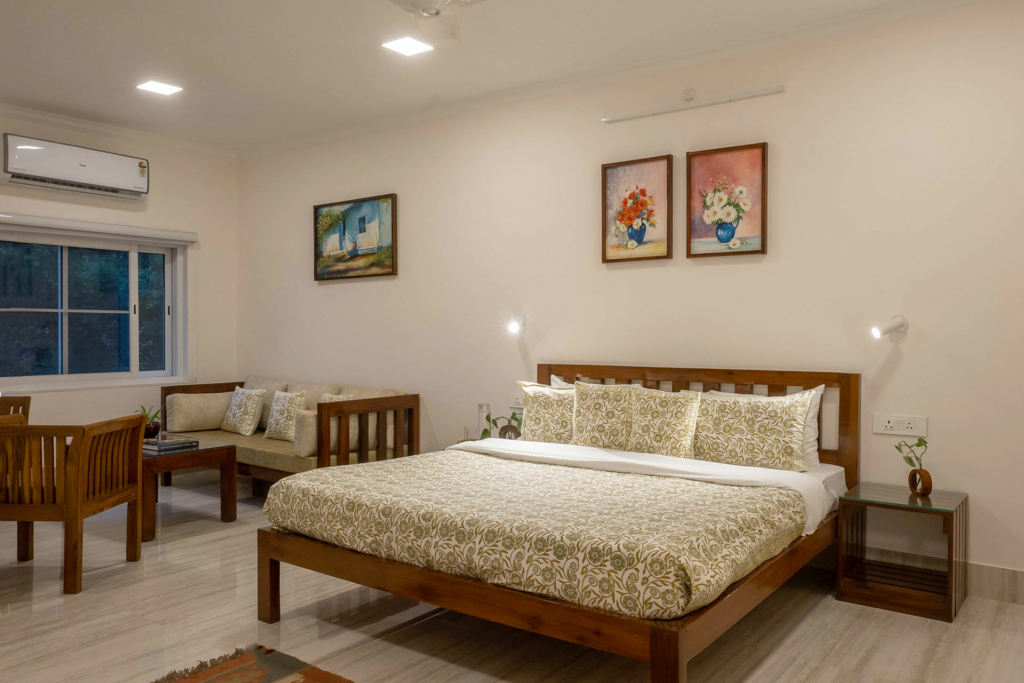
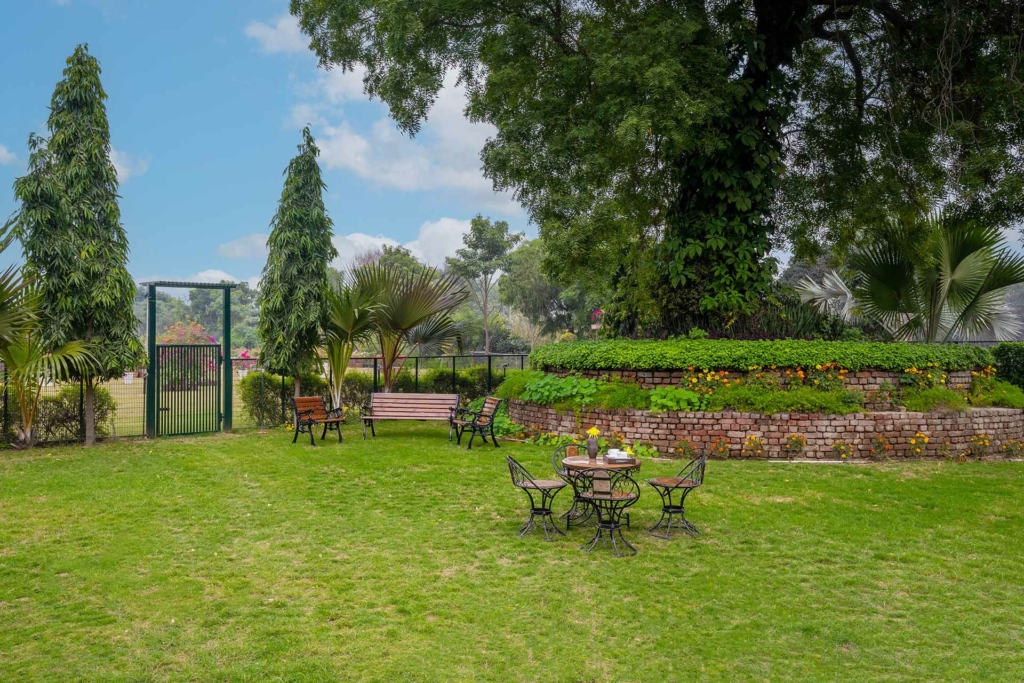
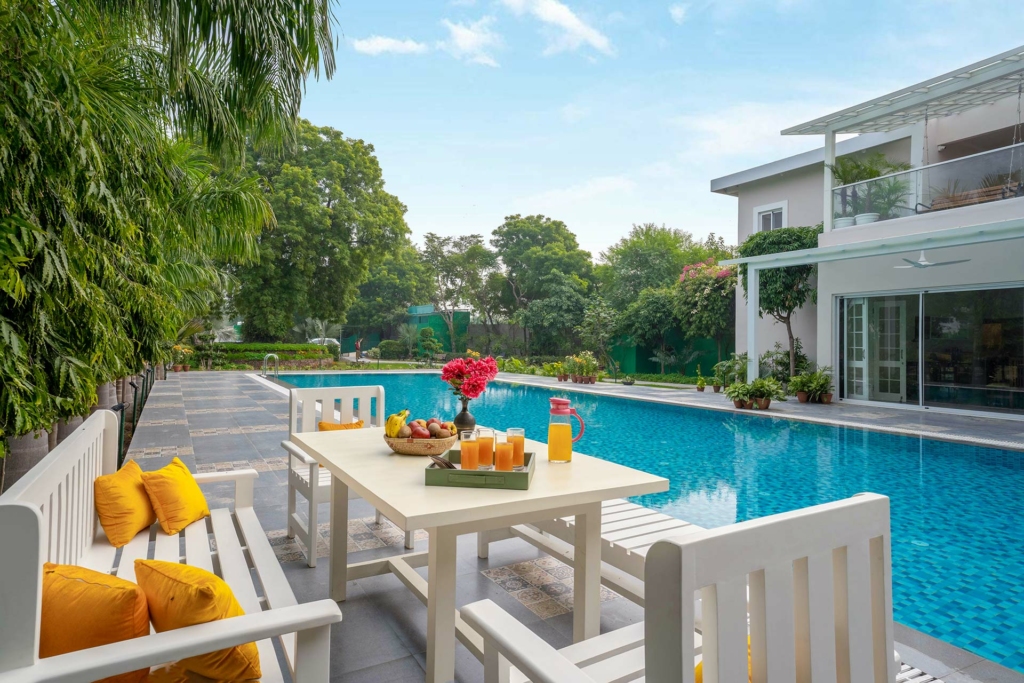
Verdant Acres
Jaipur – Palaces and desert heritage
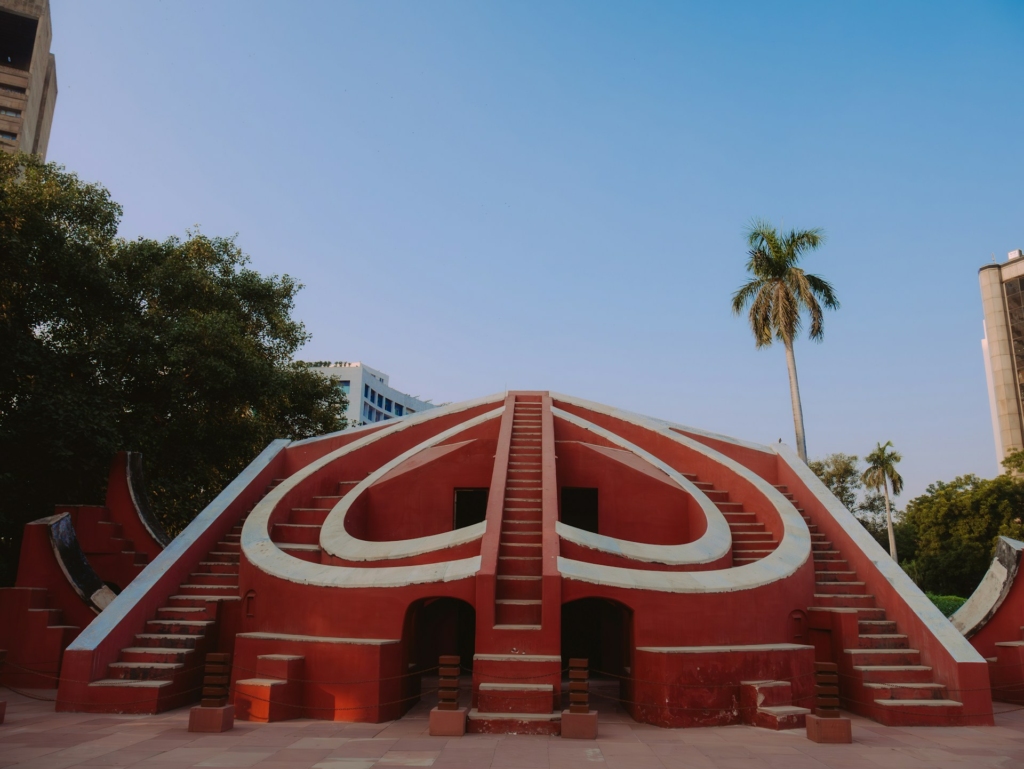
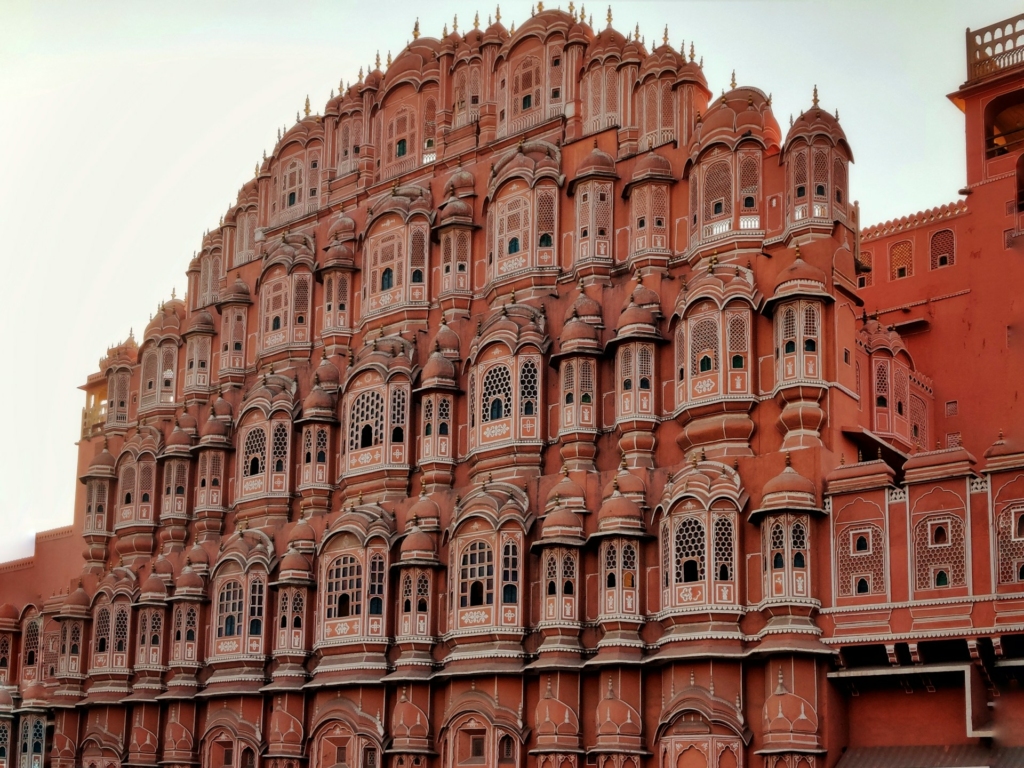
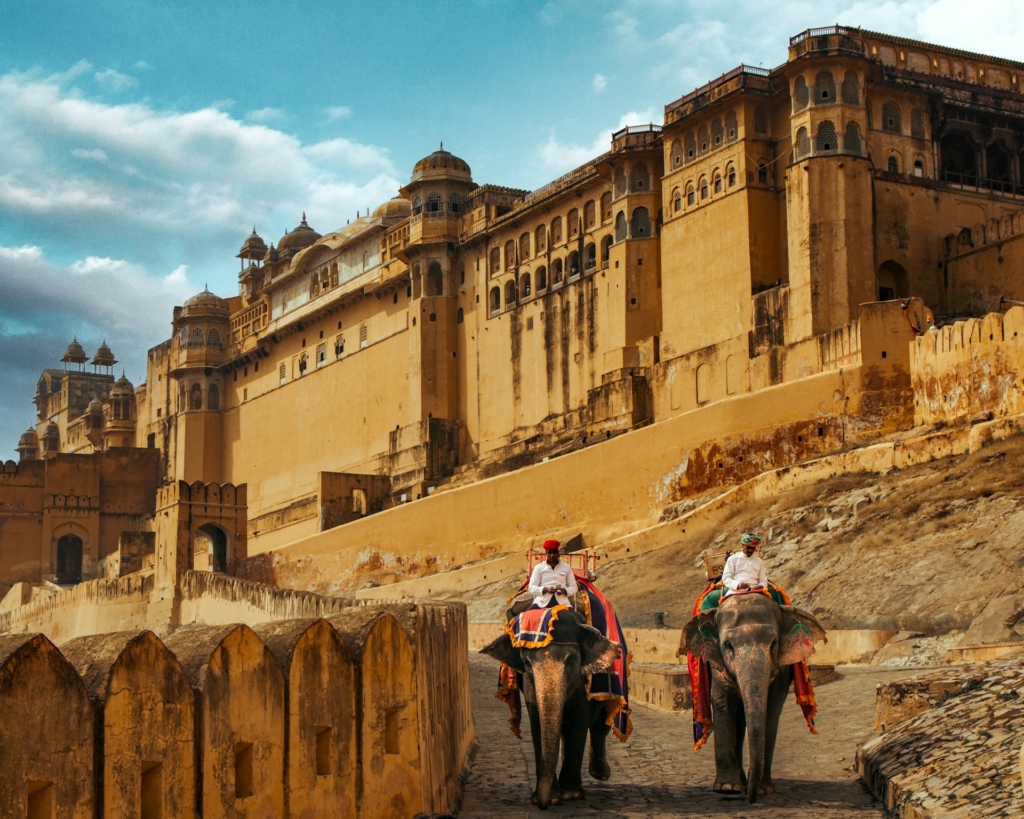
Jaipur, the Pink City, blends royal history with vibrant bazaars. Must-visit places:
- Amber Fort – Hilltop fort with mirror halls and sweeping views.
- City Palace – Royal residence complex with courtyards and museums.
- Hawa Mahal – Iconic “Palace of Winds” with honeycomb windows.
- Jantar Mantar – UNESCO-listed astronomical observatory with giant instruments.
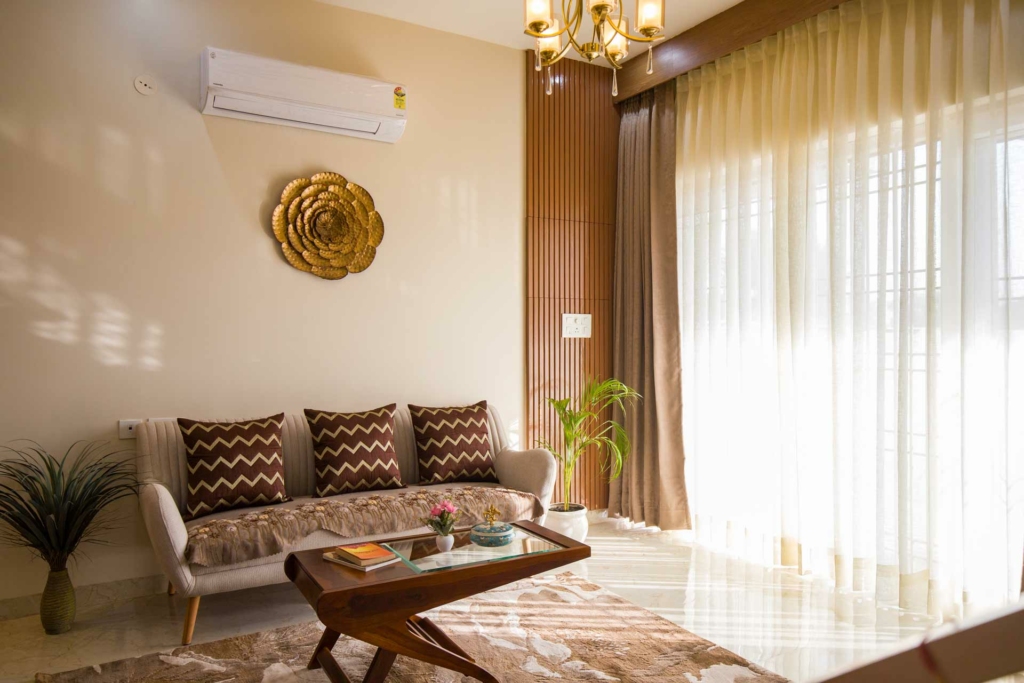
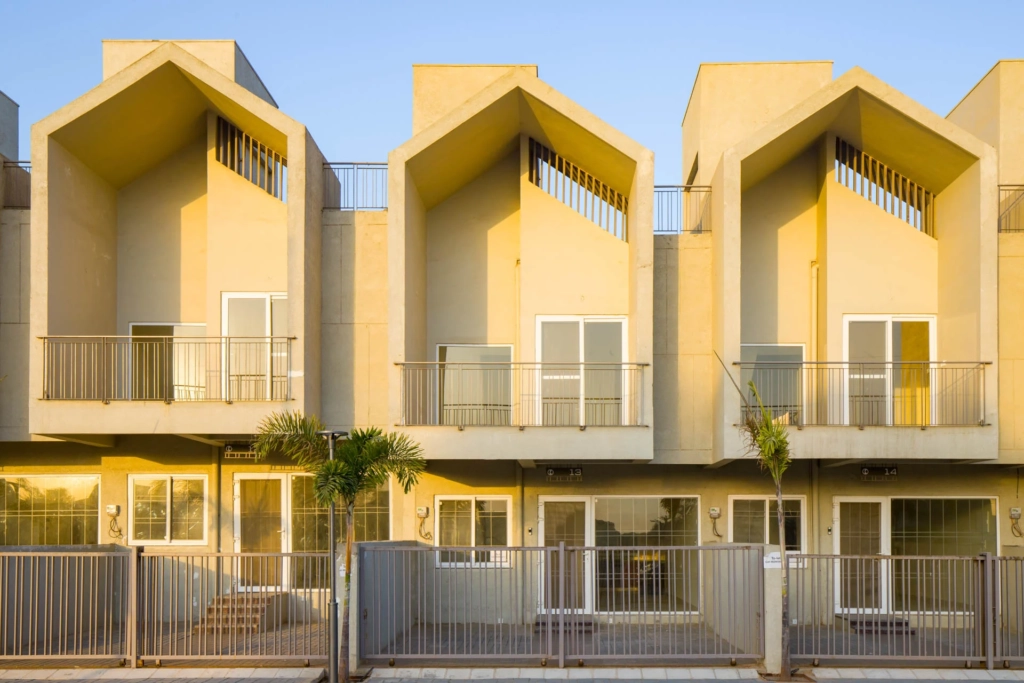
Villas in Jaipur
Cassias
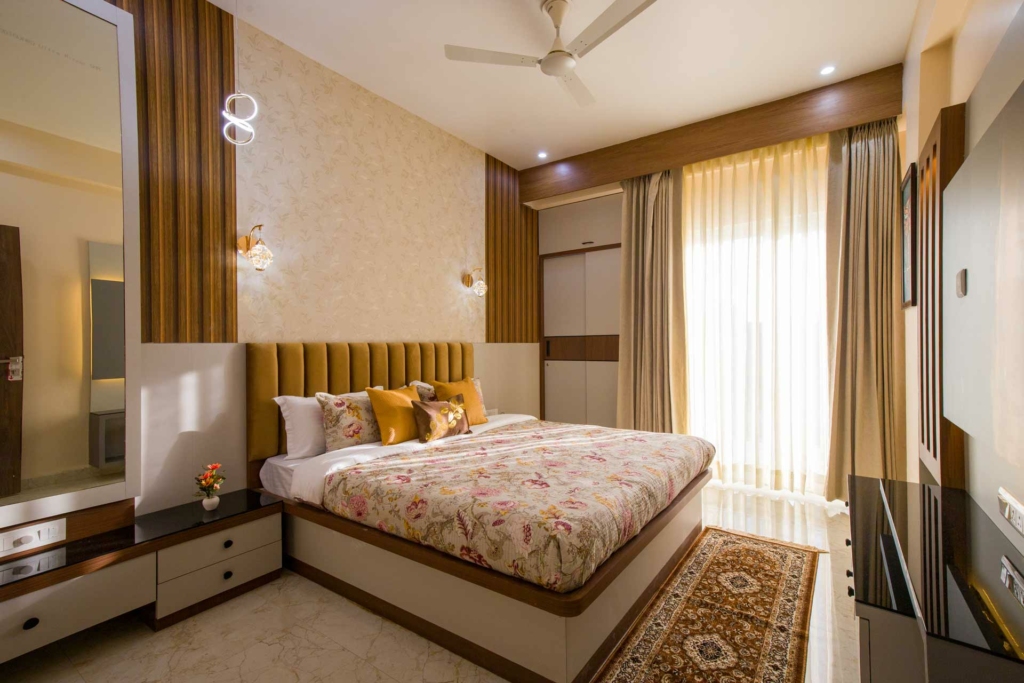
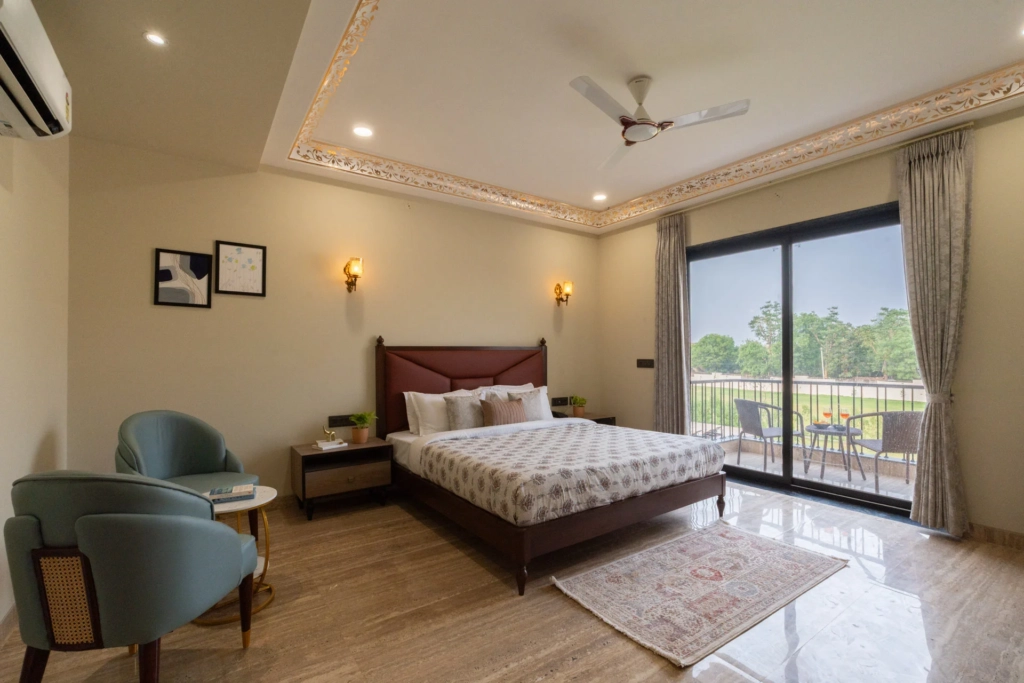
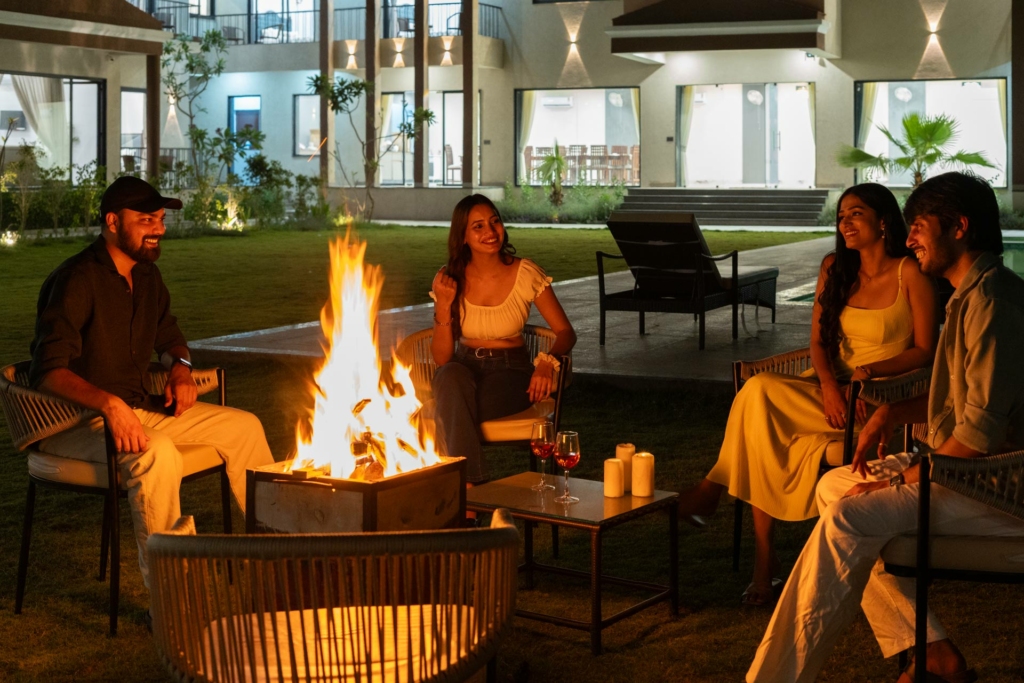
Eleganza Resort
Rishikesh – Yoga and the Ganges
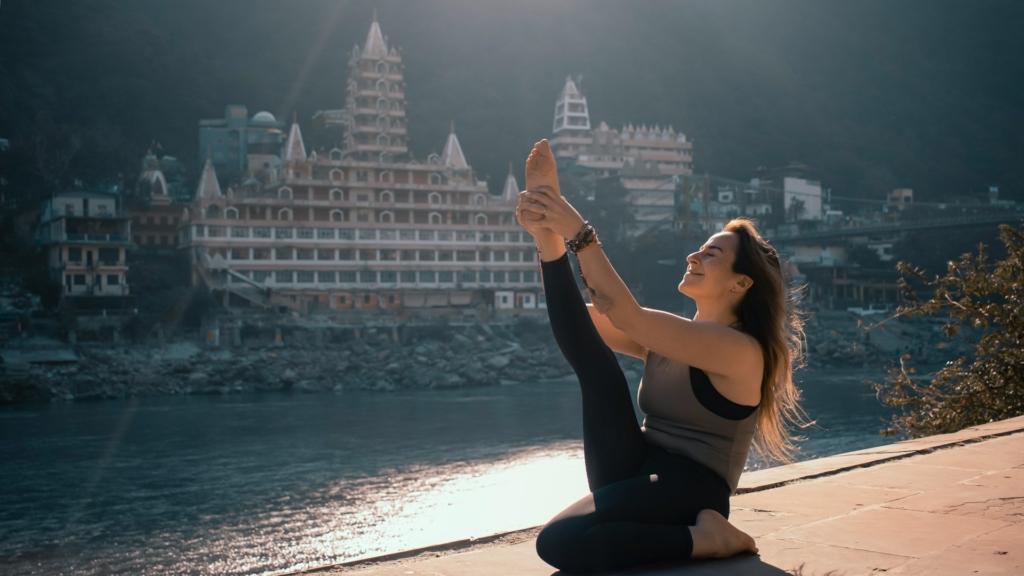
Rishikesh is known for spirituality and outdoor adventure. Top places to visit:
- Laxman Jhula – Suspension bridge and landmark overlooking the Ganges.
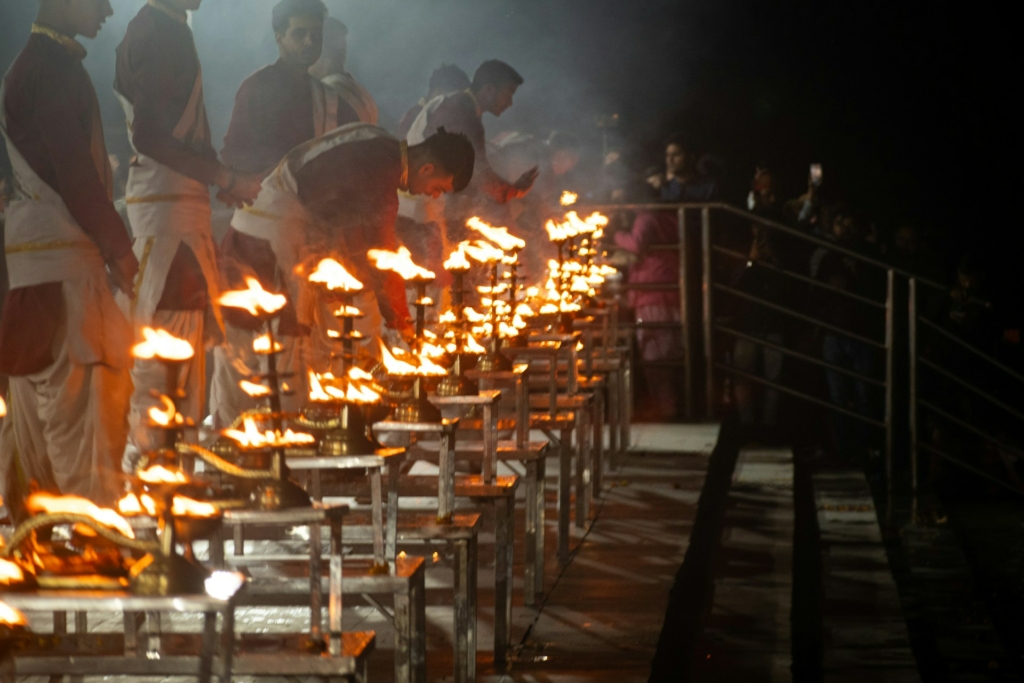
- Triveni Ghat – Main ghat for evening Ganga Aarti rituals.
- The Beatles Ashram – Famous meditation centre linked to the Beatles’ 1968 visit.
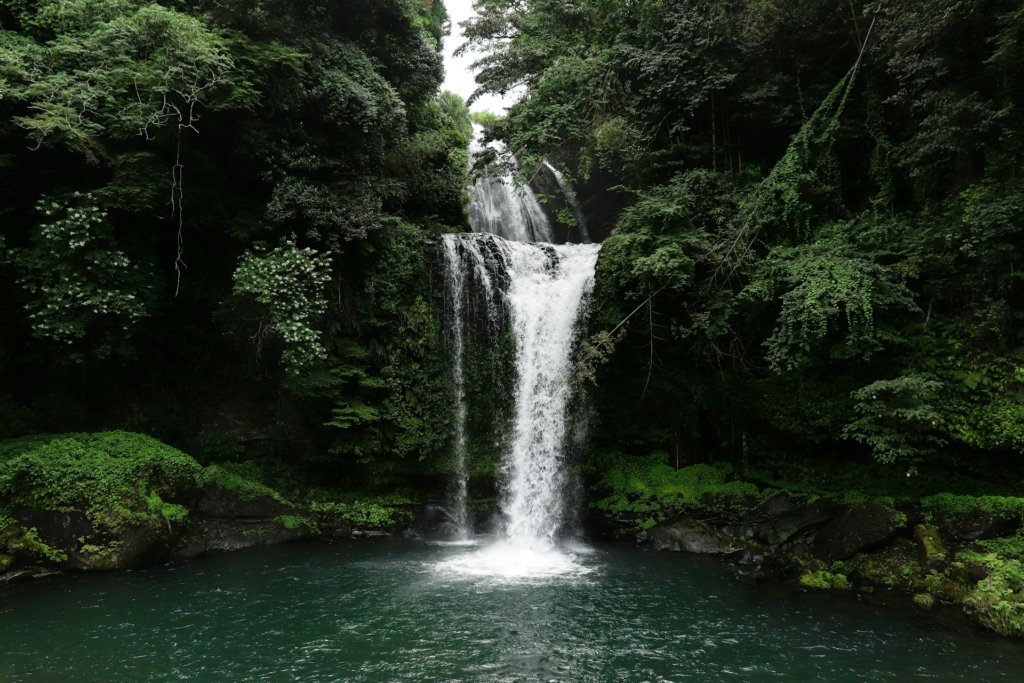
- Neer Garh Waterfall – Short trek leading to refreshing natural pools.
Places to Stay in Rishikesh
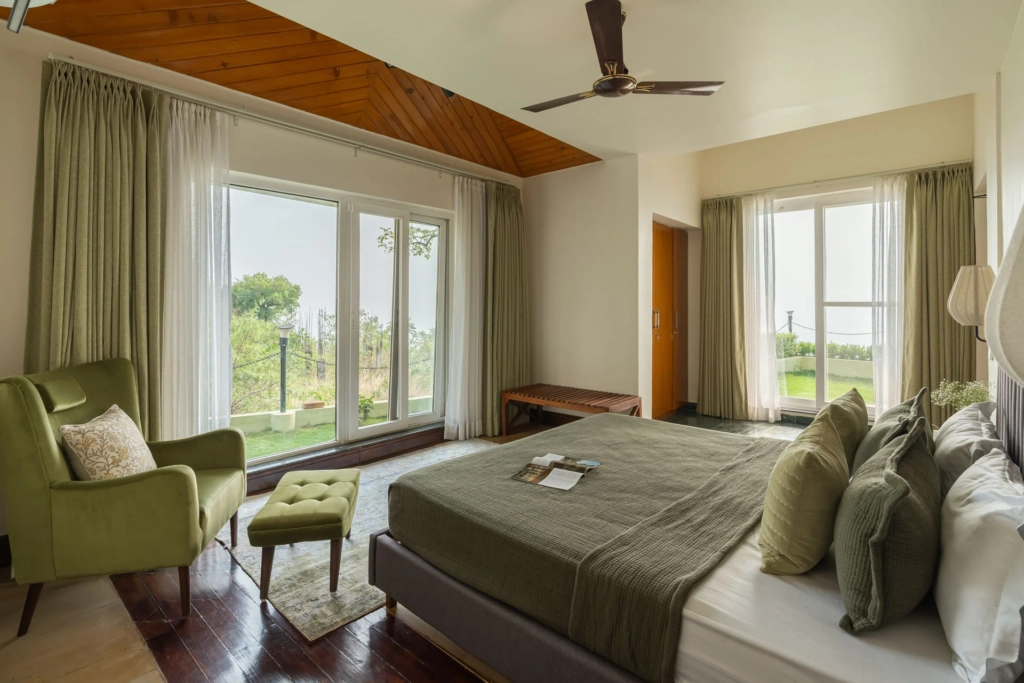
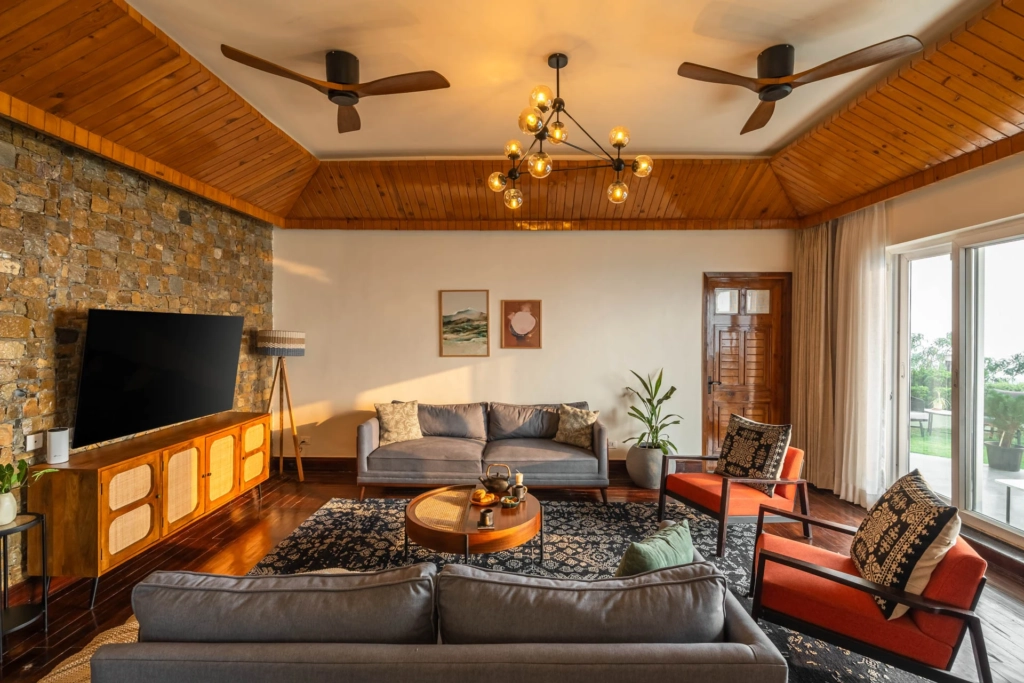
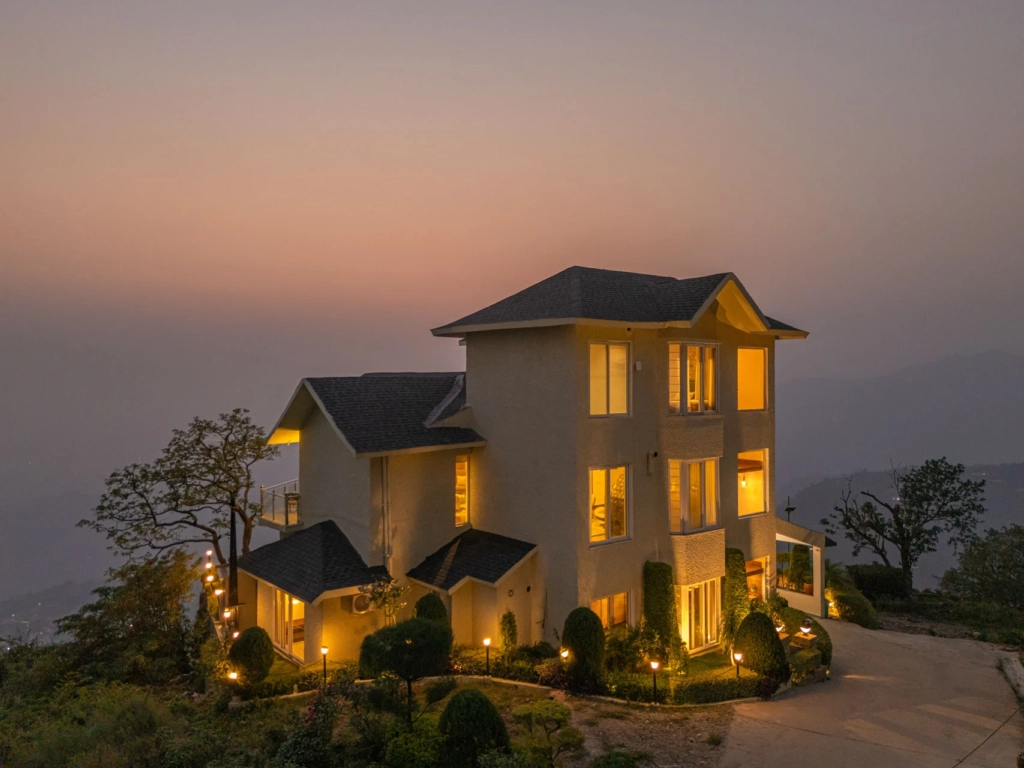
Villa Mirador
Olive fields
Kerala Backwaters – Slow travel and nature
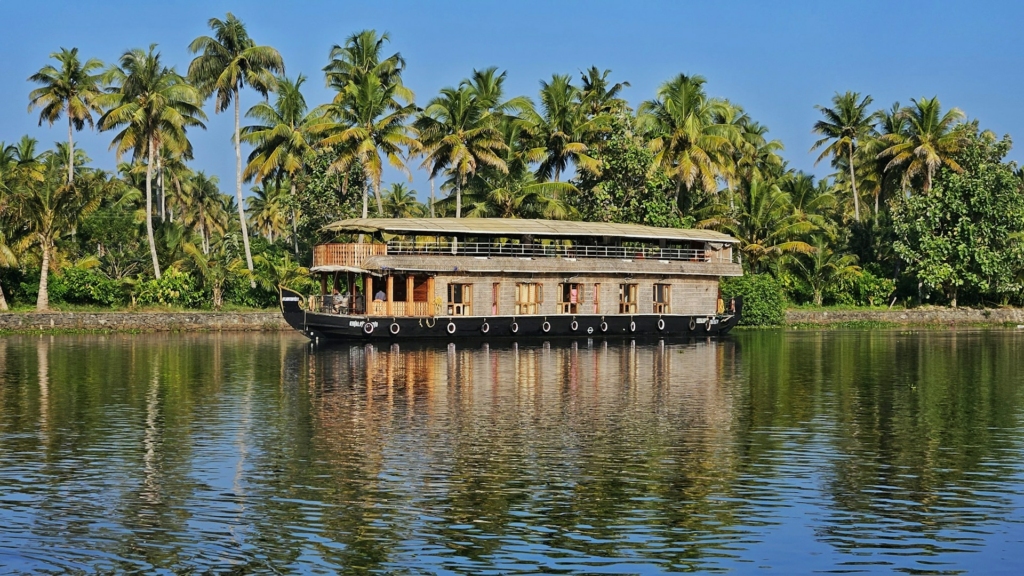
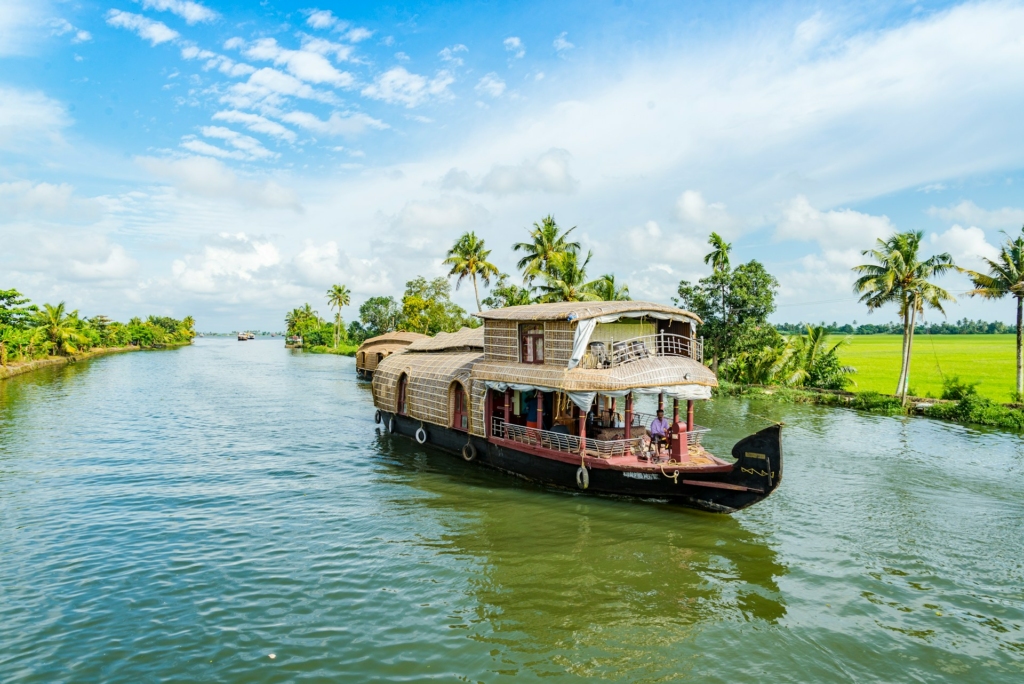
Kerala’s backwaters offer relaxed scenery and village life. Key places to experience:
- Alappuzha (Alleppey) – Hub for houseboat cruises through canals and lagoons.
- Kumarakom – Quiet backwater village known for bird sanctuaries and resorts.
- Vembanad Lake – Kerala’s largest lake with scenic waterways.
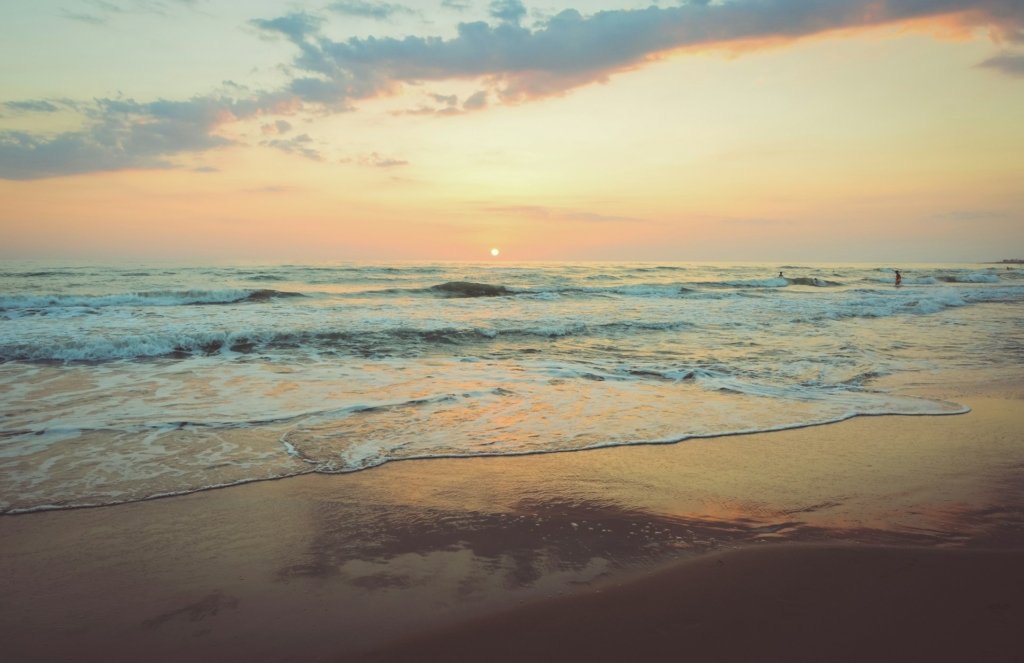
- Marari Beach – Peaceful coastal stretch near the backwaters.
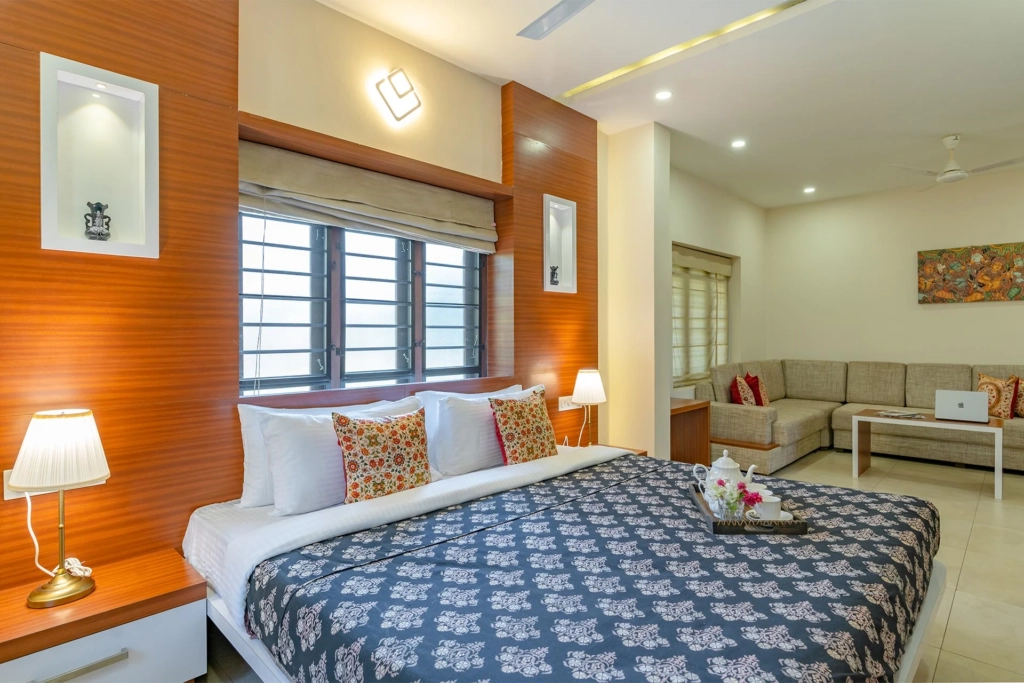
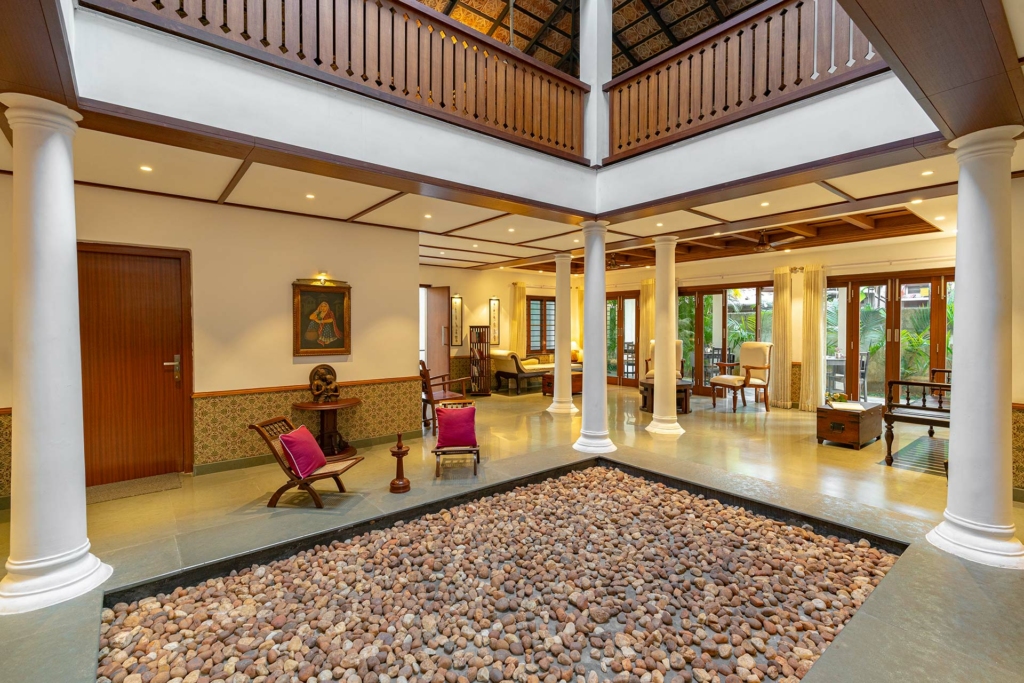
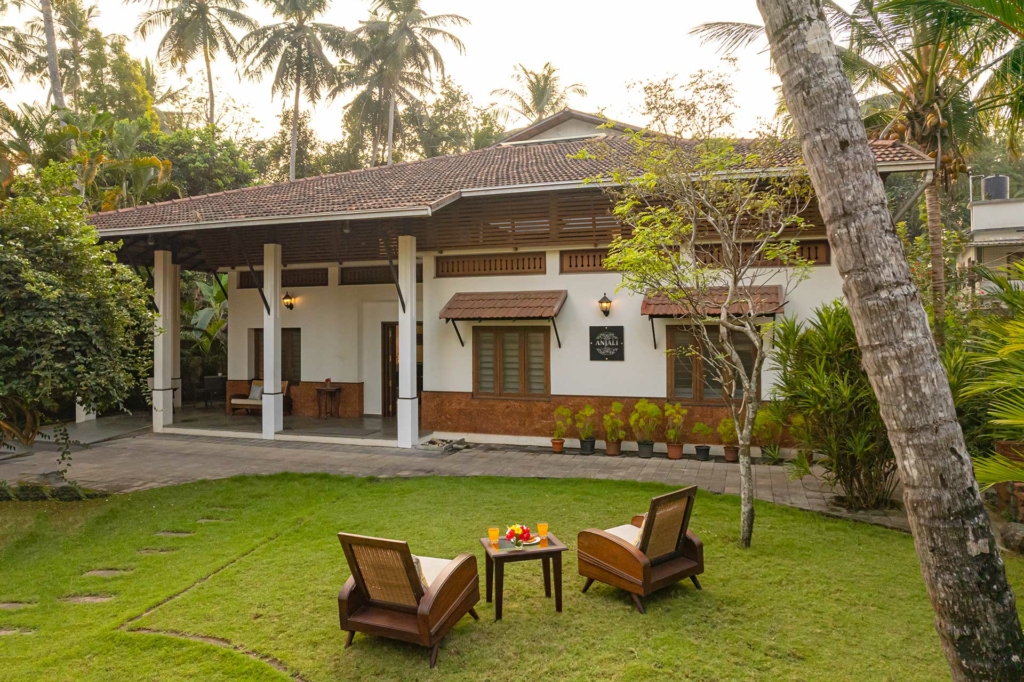
Places to Stay in Kerala
Palms @ Anjali
Aradhya Villa
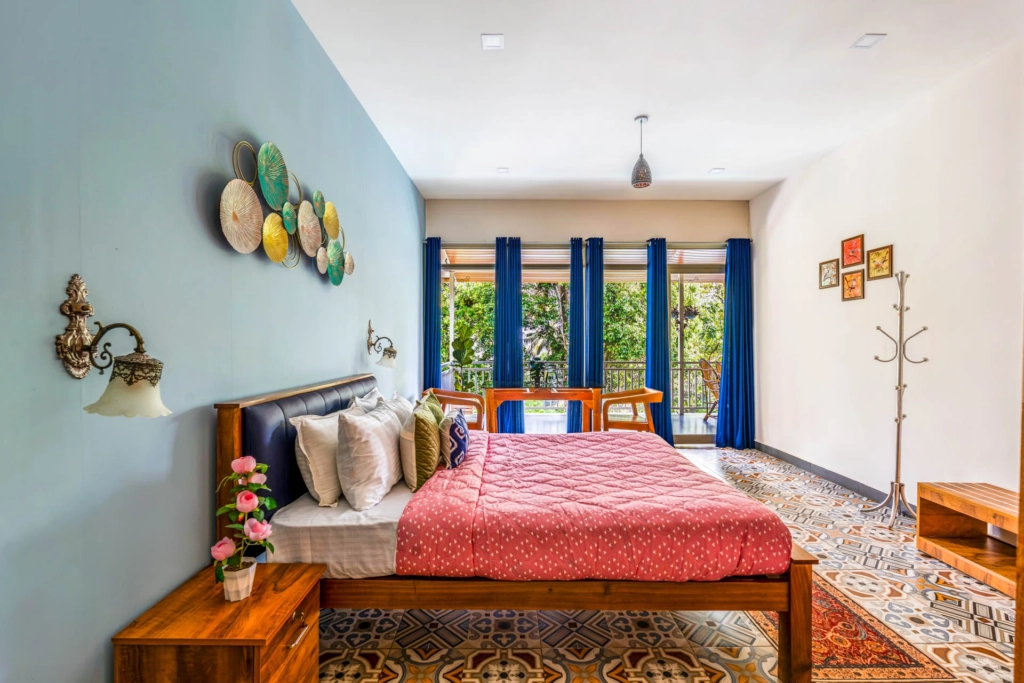
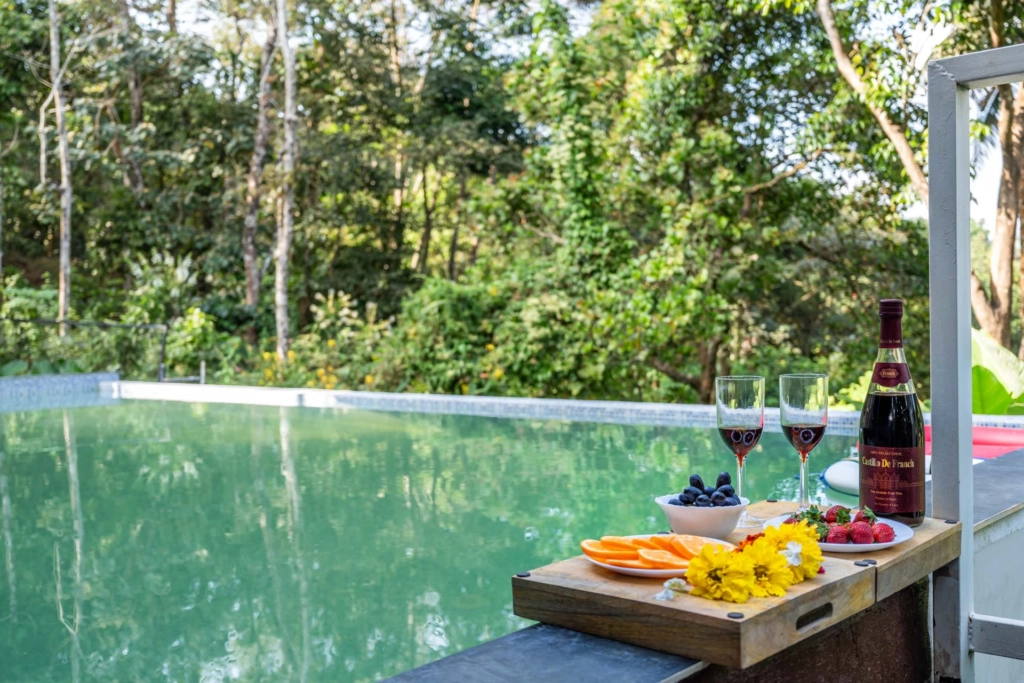
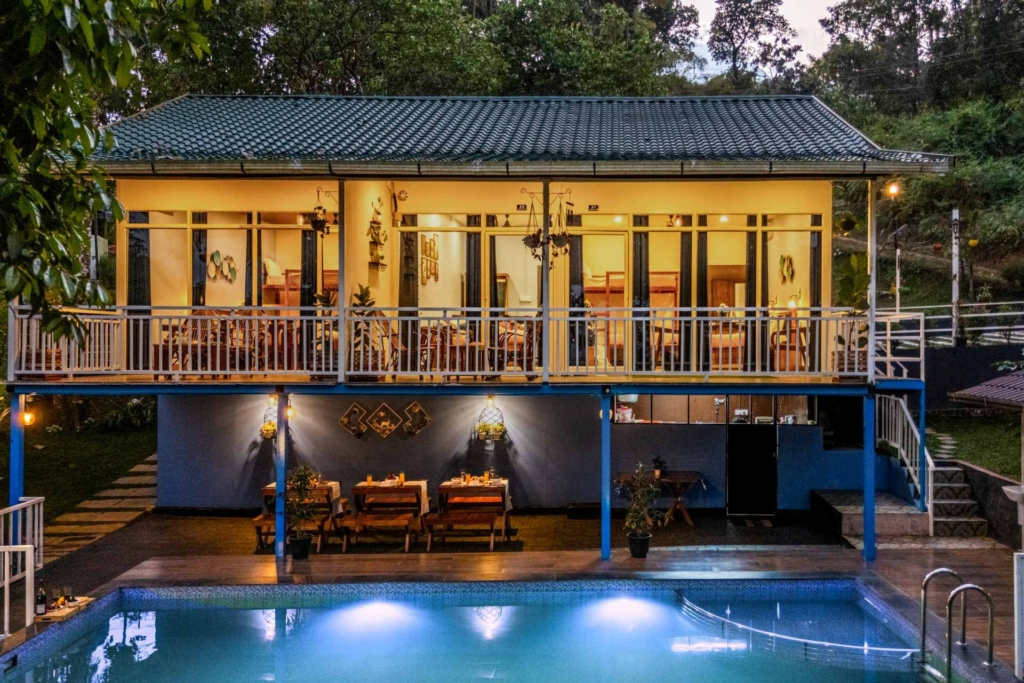
Goa – India’s most accessible beach destination
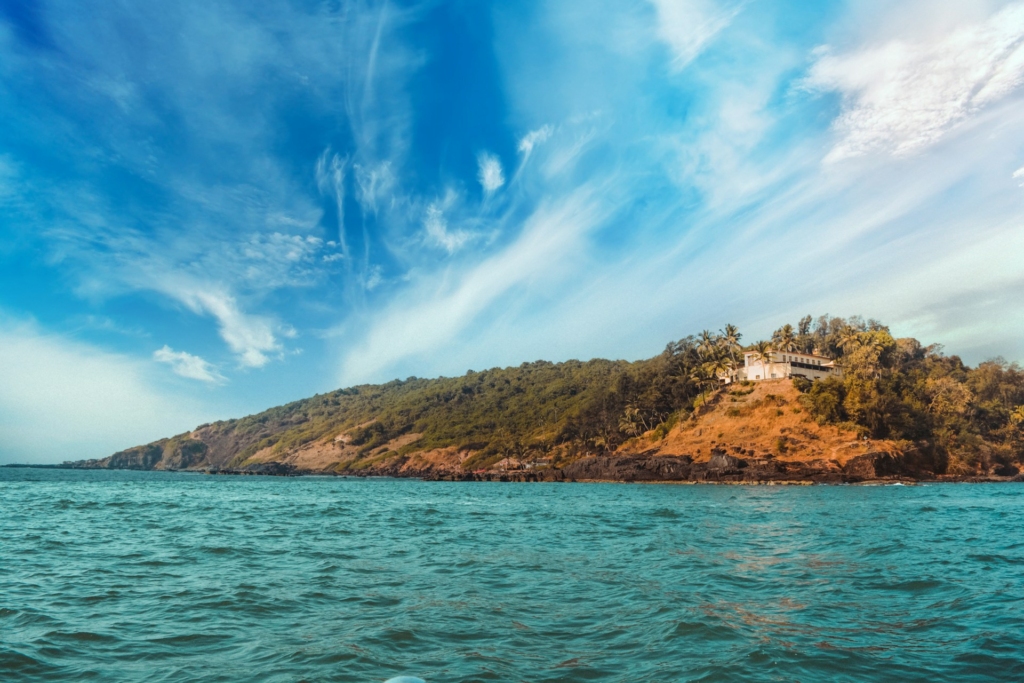
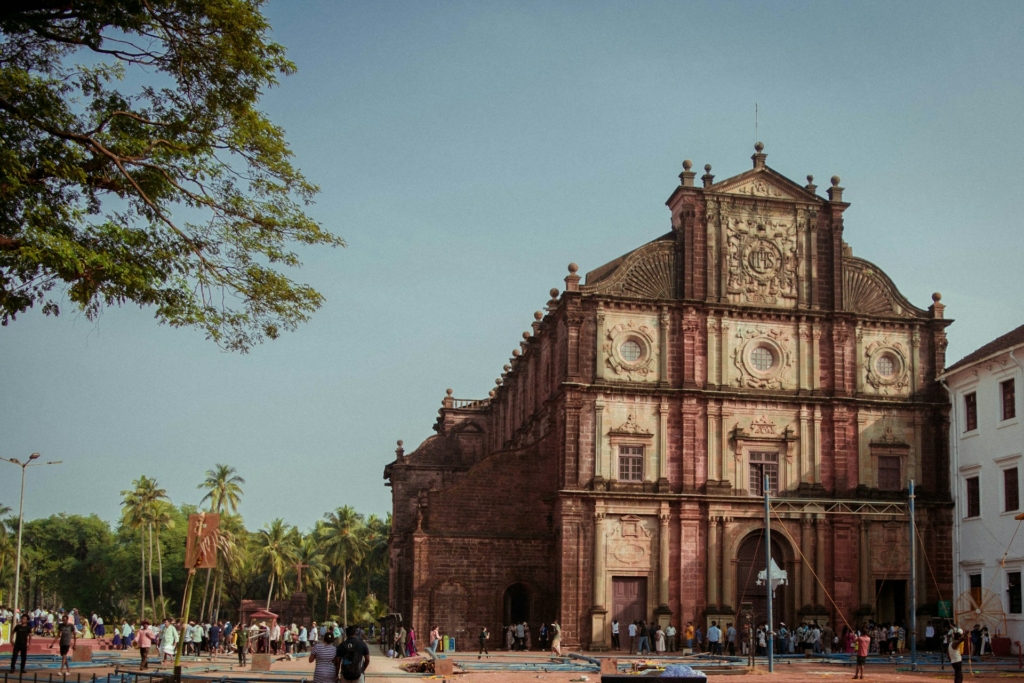
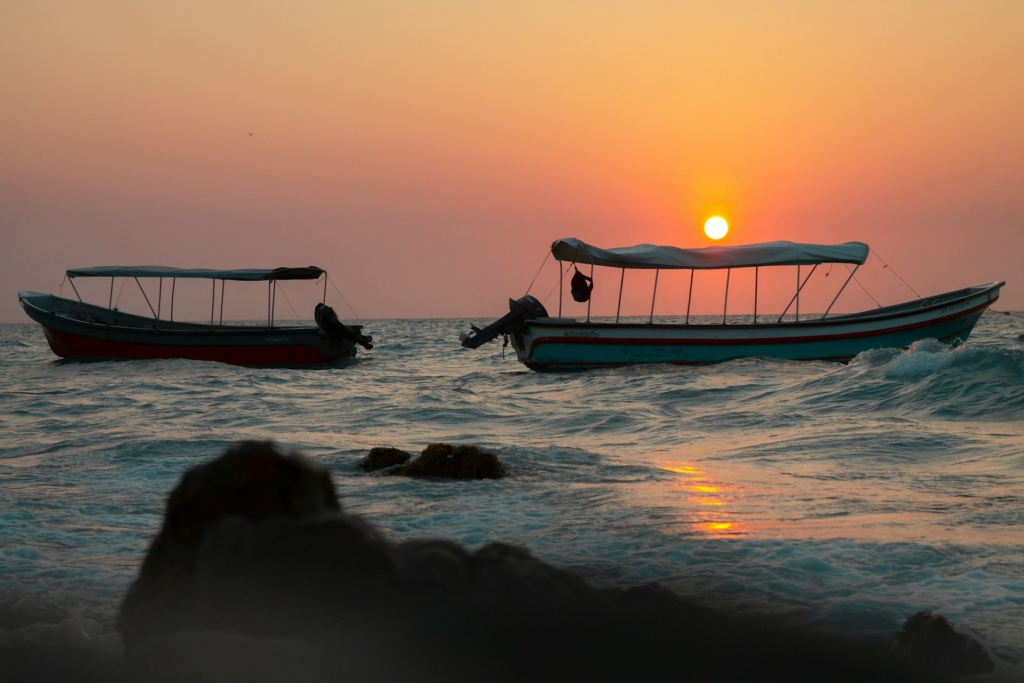
Goa mixes beaches, heritage, and nightlife. Top spots to visit:
- Calangute Beach – Lively beach with water sports and shacks.
- Baga Beach – Popular for nightlife and cafés.
- Old Goa Churches – UNESCO-listed Portuguese-era cathedrals.
- Fontainhas (Panaji) – Latin Quarter with colourful Portuguese houses.
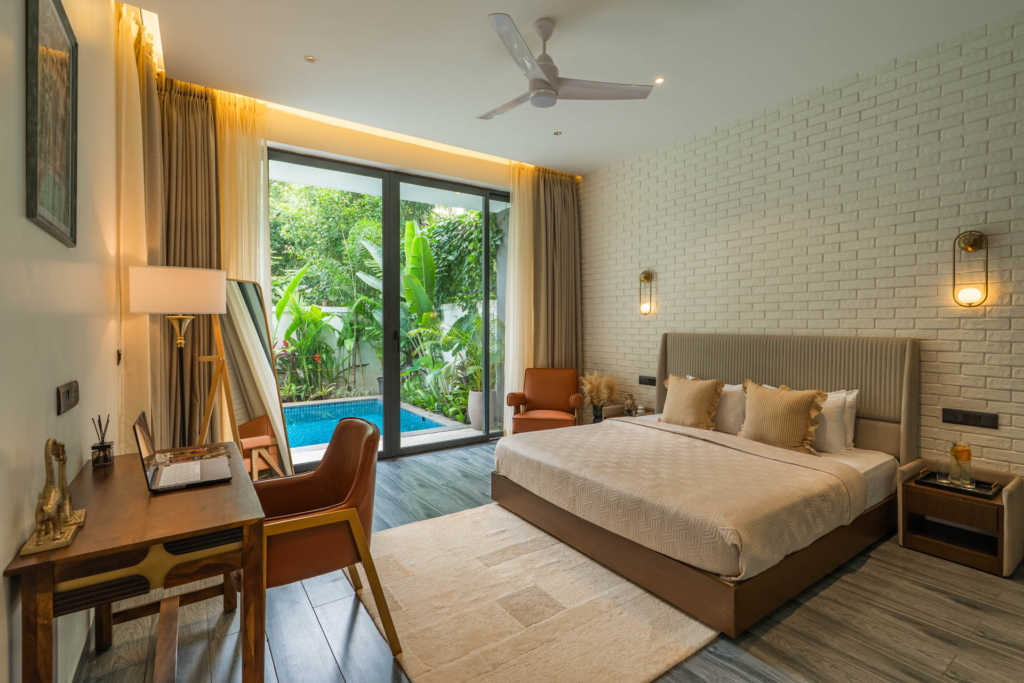
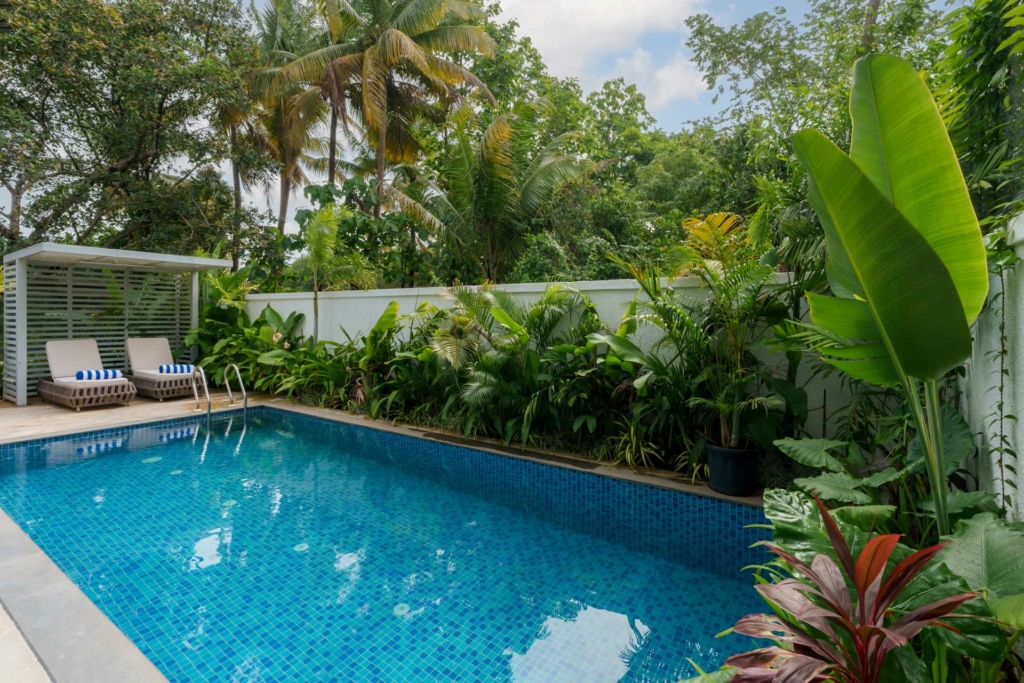
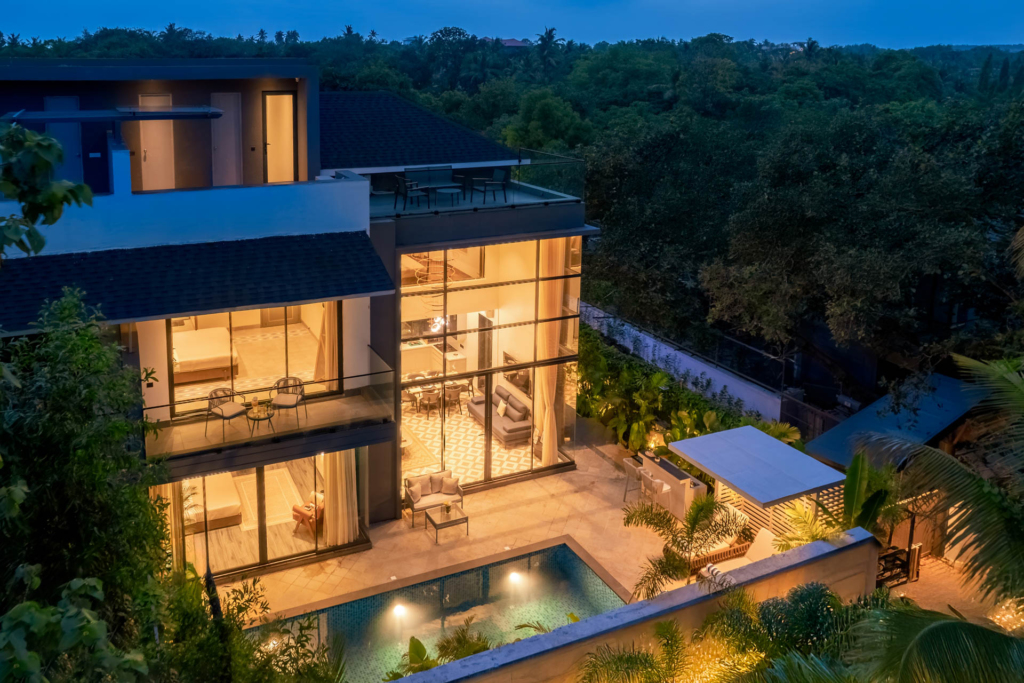
Villas in Goa
Casa Solis
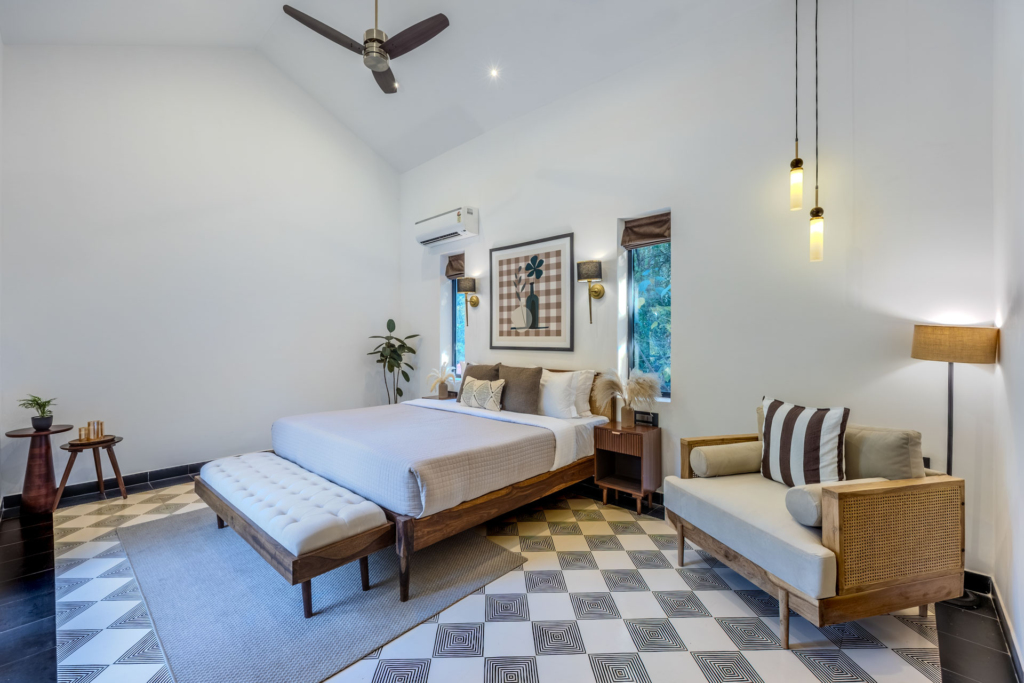
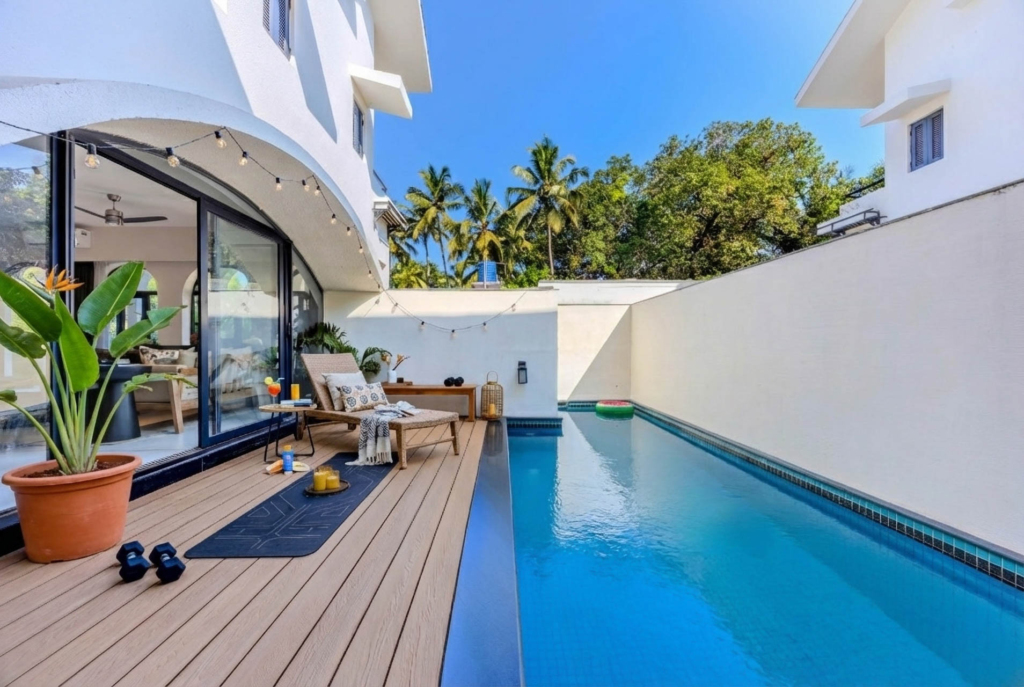
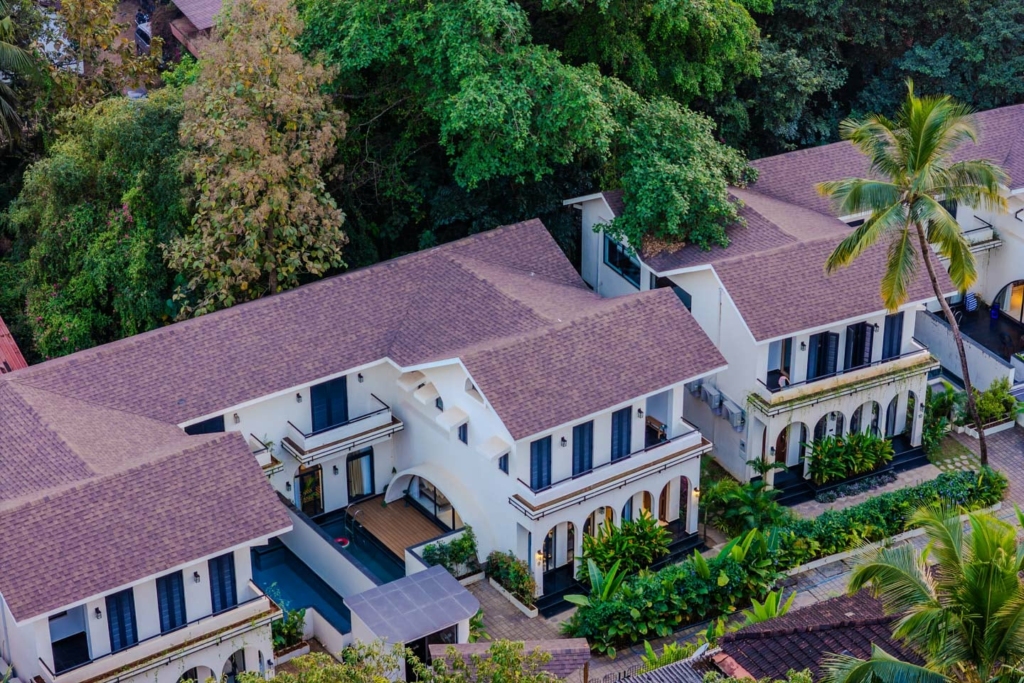
Casa Joe – Premium Villa with Complimentary E-Cycles
Udaipur – Lakes and royal architecture
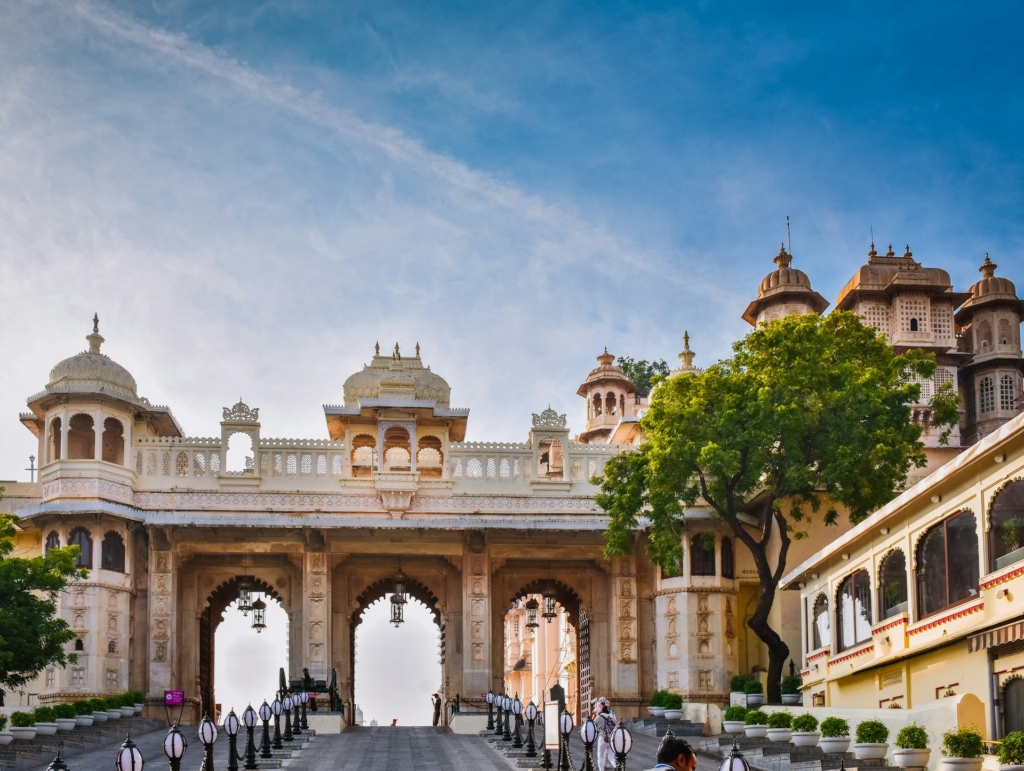
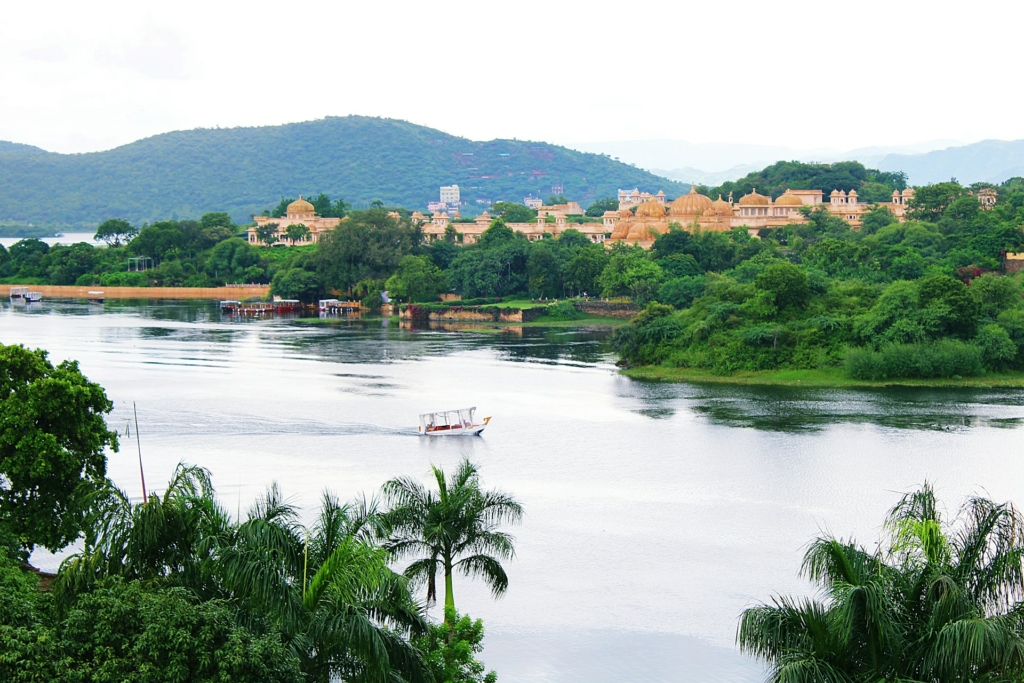
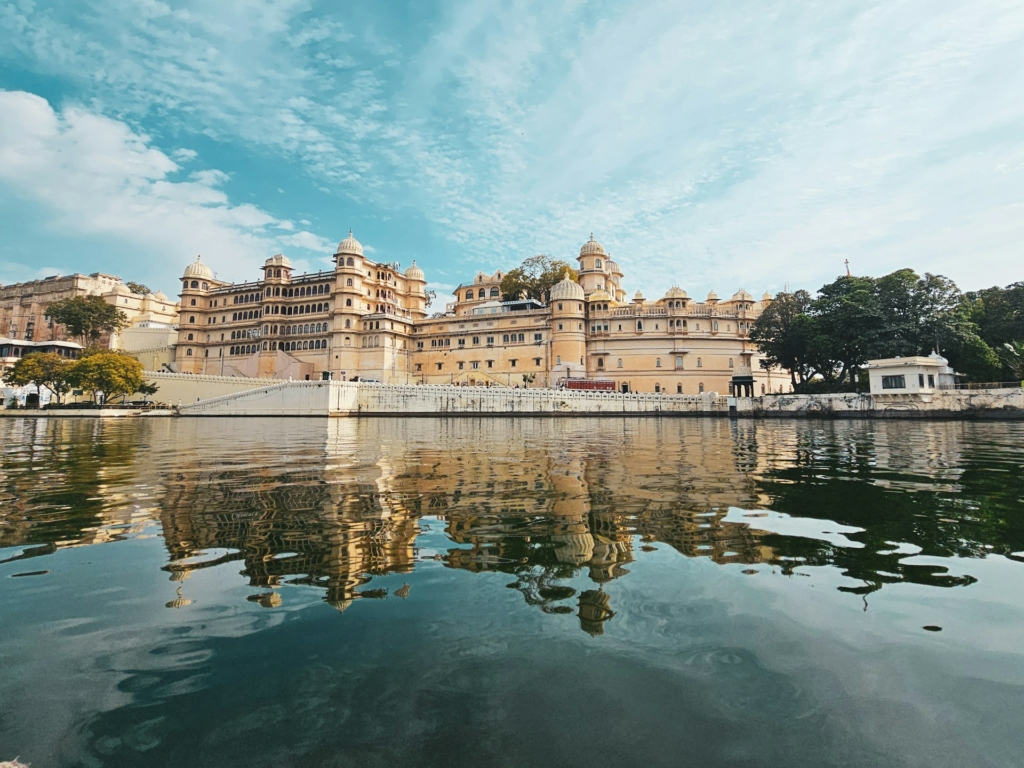
Udaipur is known for romance and lake views. Must-visit places:
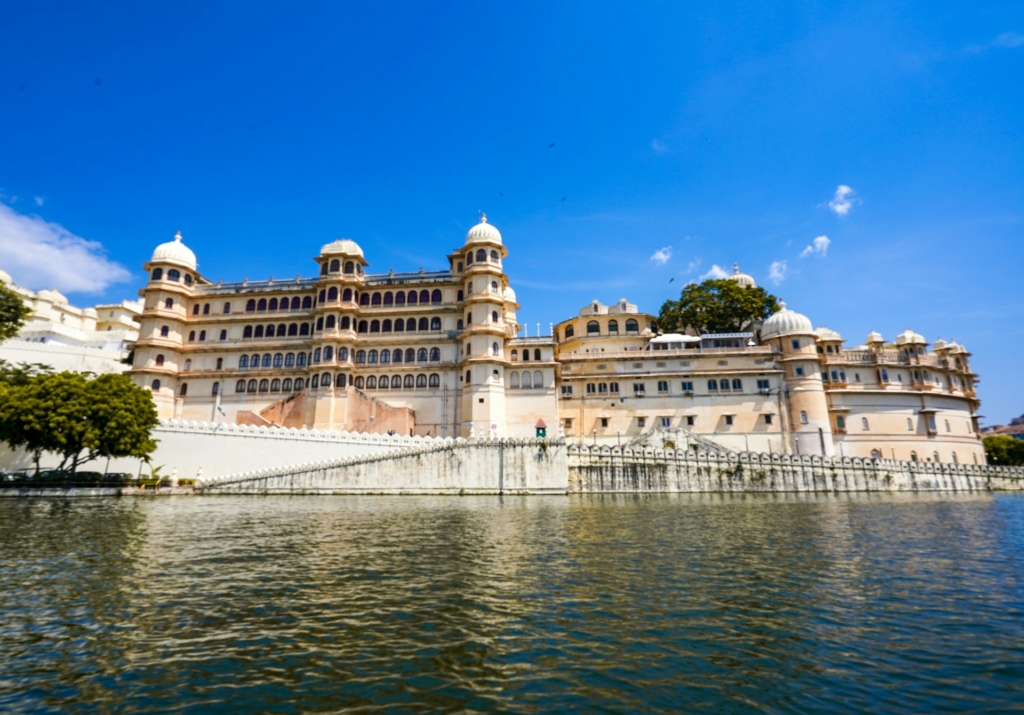
- City Palace – Grand palace complex overlooking Lake Pichola.
- Lake Pichola Boat Ride – Scenic ride past ghats and palaces.
- Saheliyon ki Bari – Historic garden with fountains and marble pavilions.
- Bagore ki Haveli – Heritage mansion hosting cultural shows.
Places to Stay in Udaipur
Samar Fateh Garh
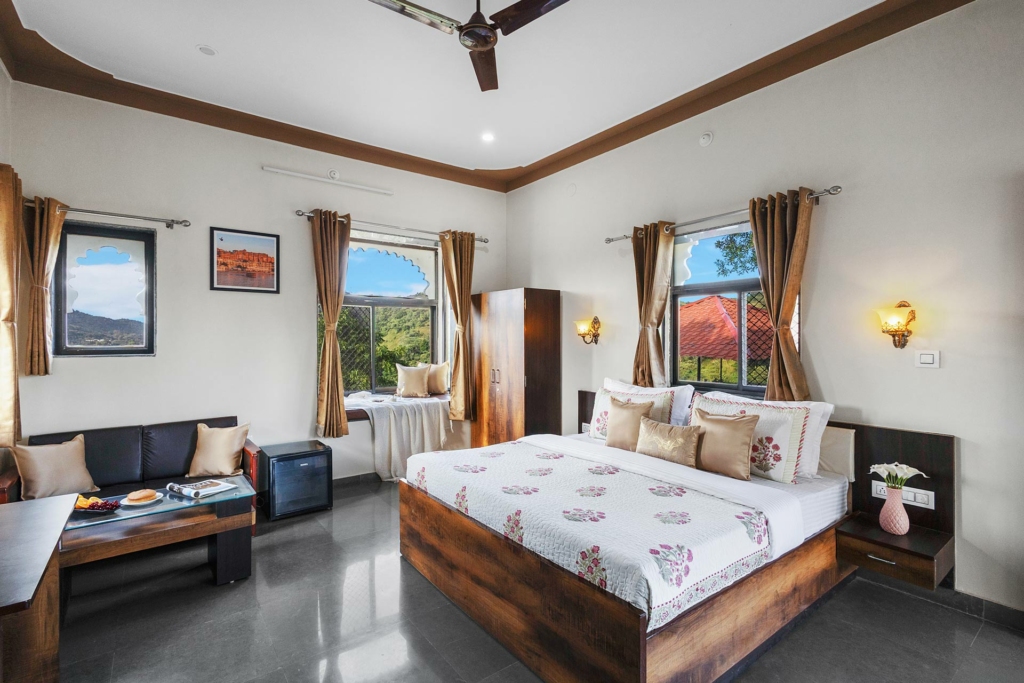
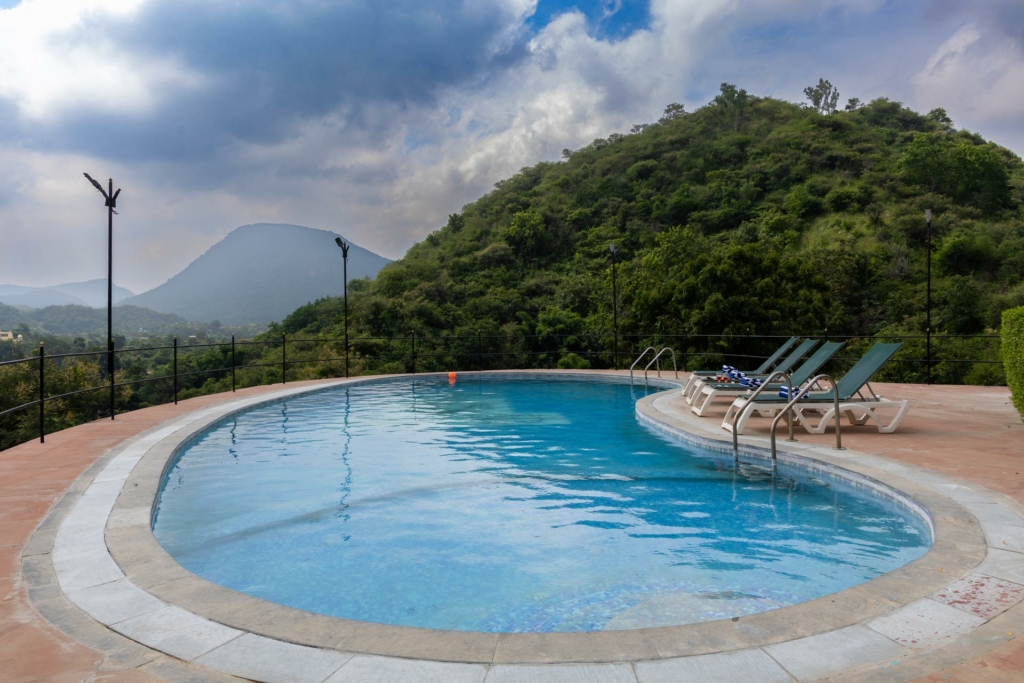
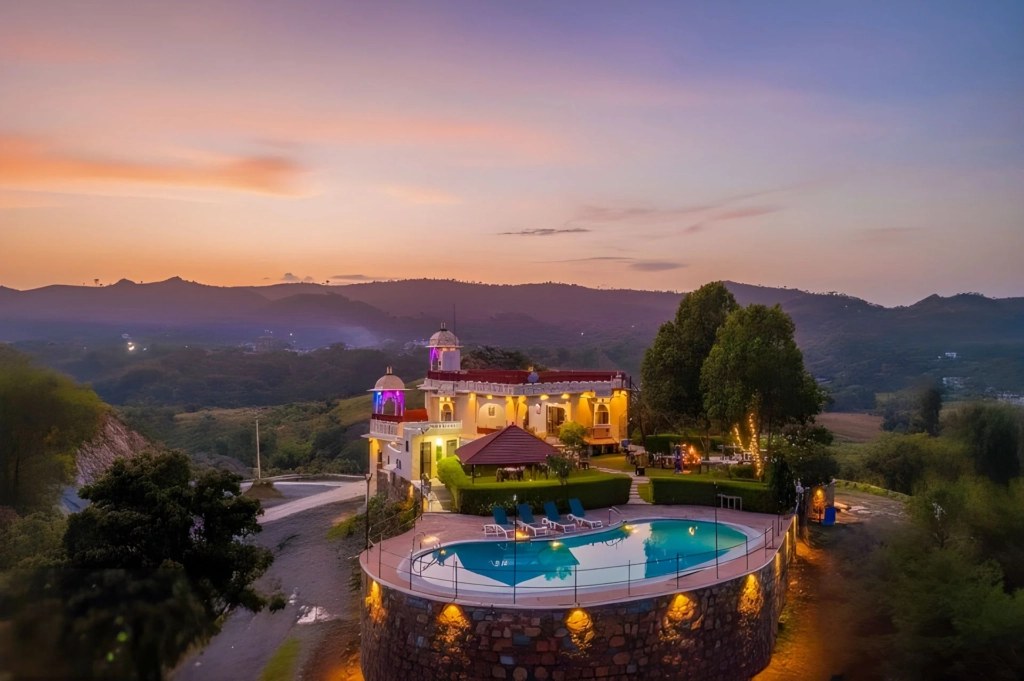
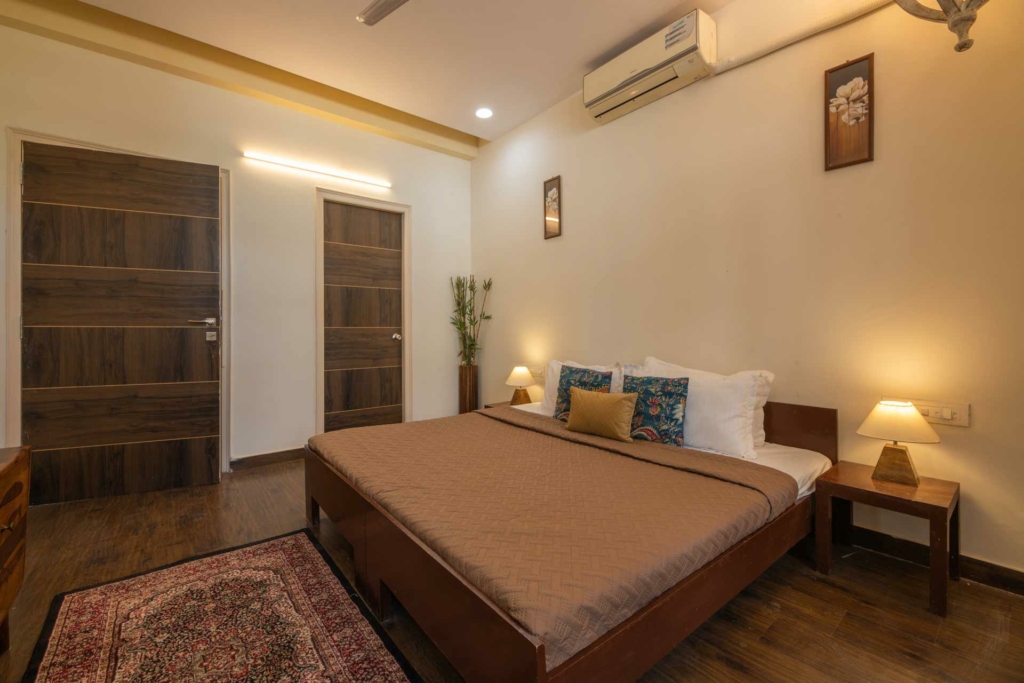
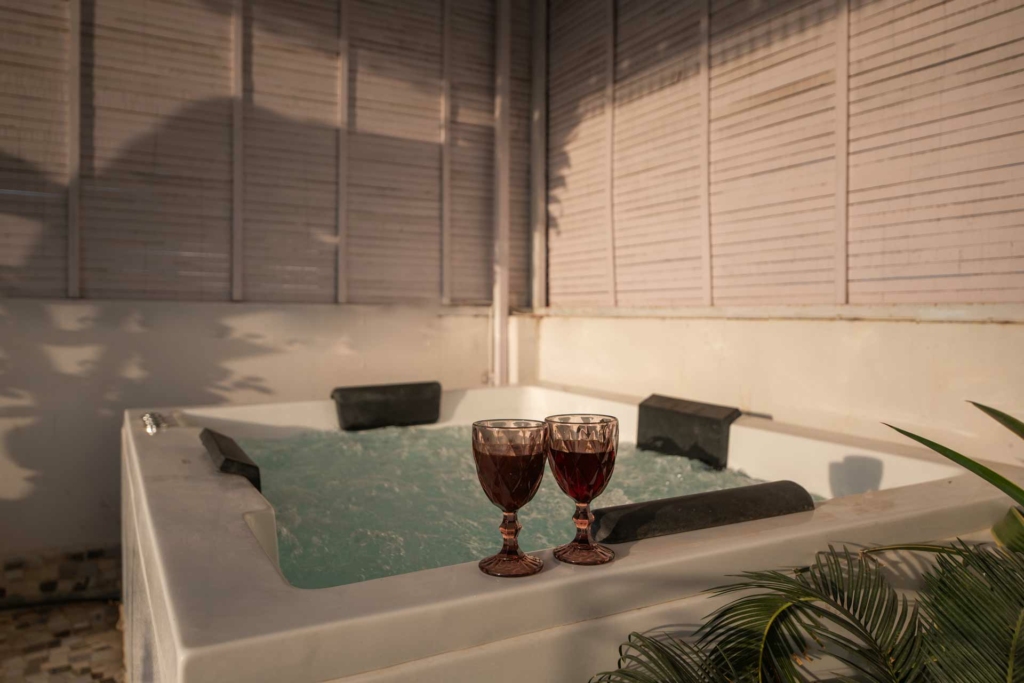
Arka Crest
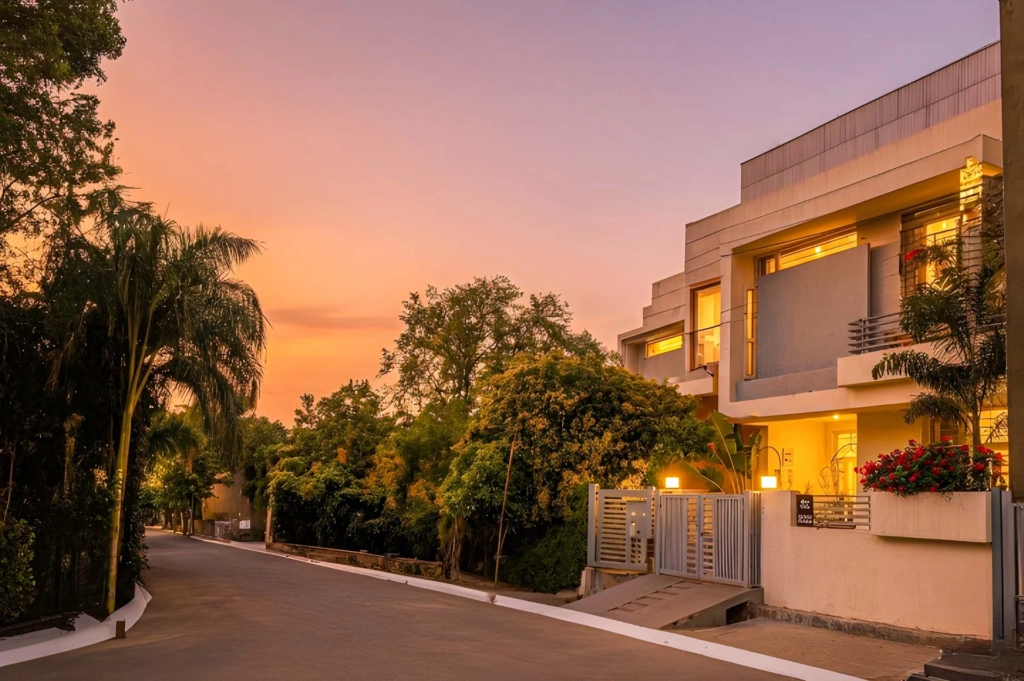
Jodhpur – The Blue City
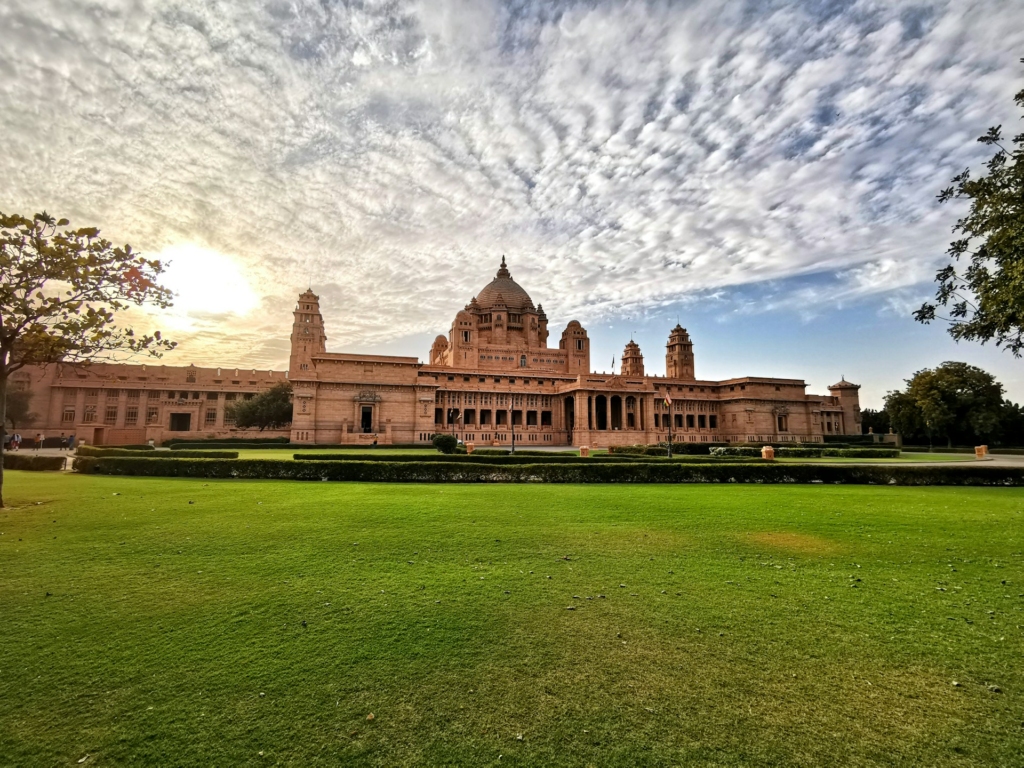
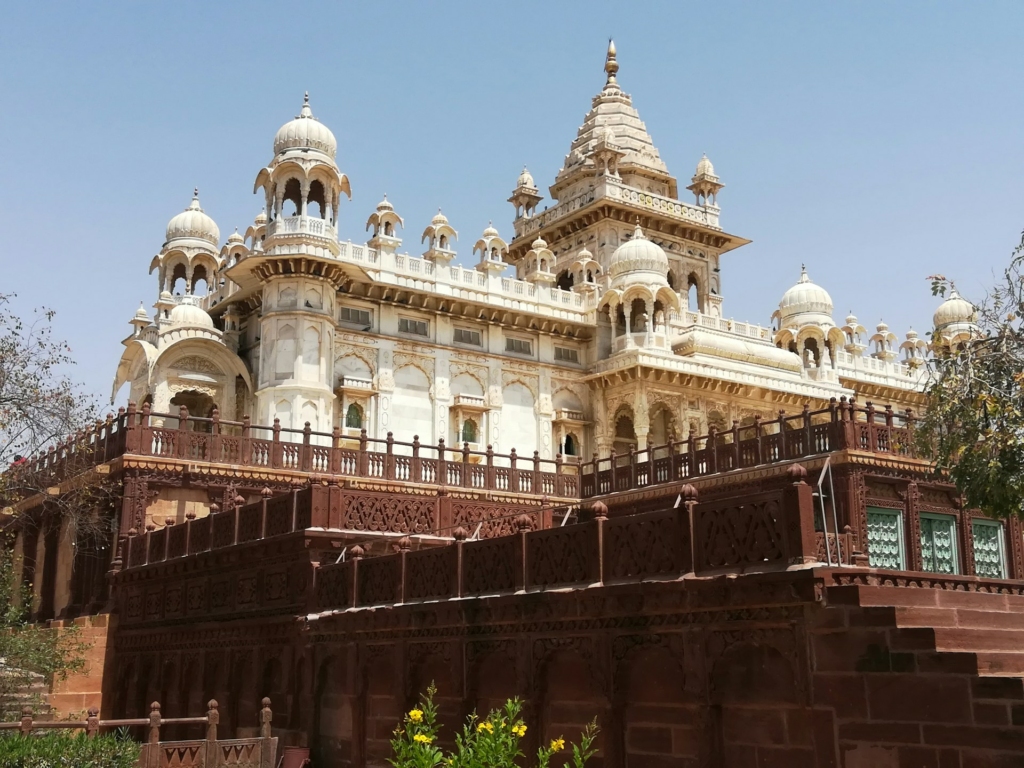
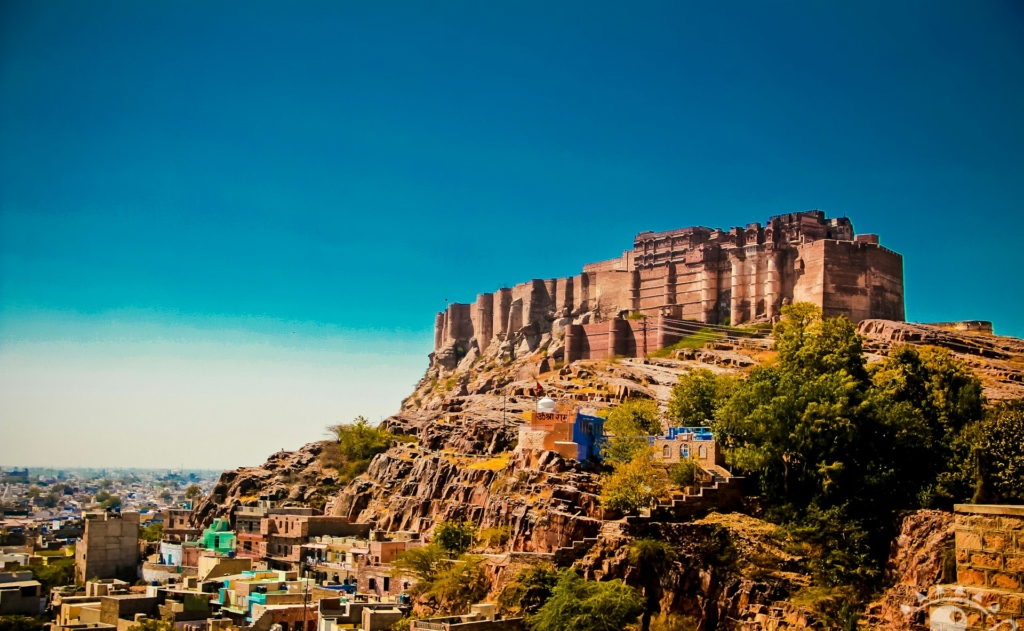
Jodhpur blends desert culture and history. Key places to visit:
- Mehrangarh Fort – One of India’s largest forts with museums and views.
- Jaswant Thada – White marble cenotaph set in a peaceful garden.
- Clock Tower Market – Bustling bazaar for spices and textiles.
- Mandore Gardens – Historic garden complex with royal memorials.
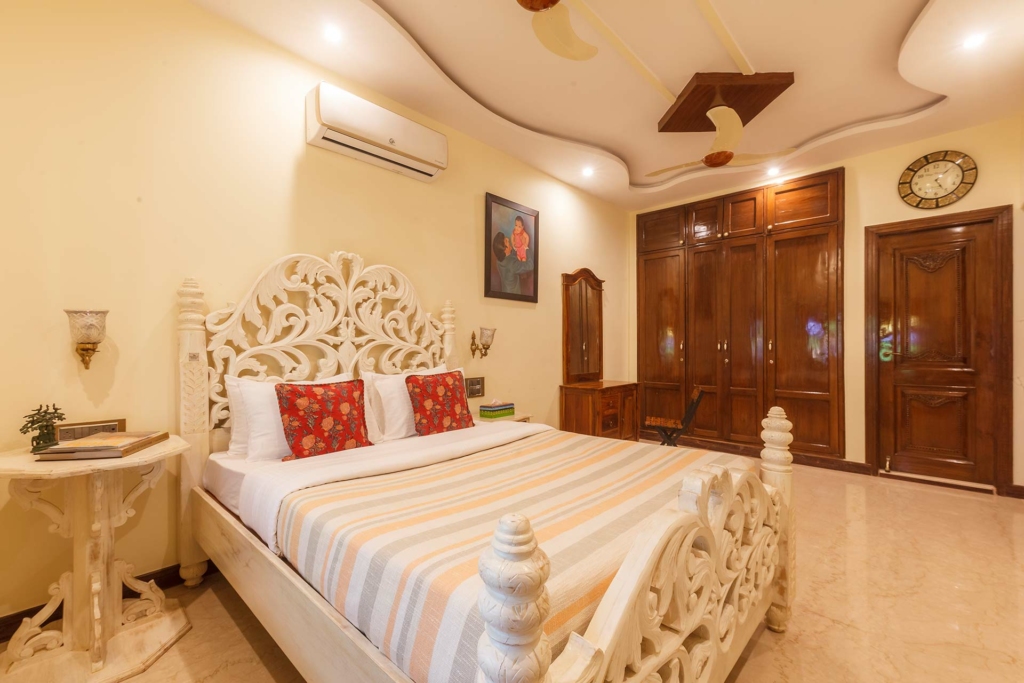
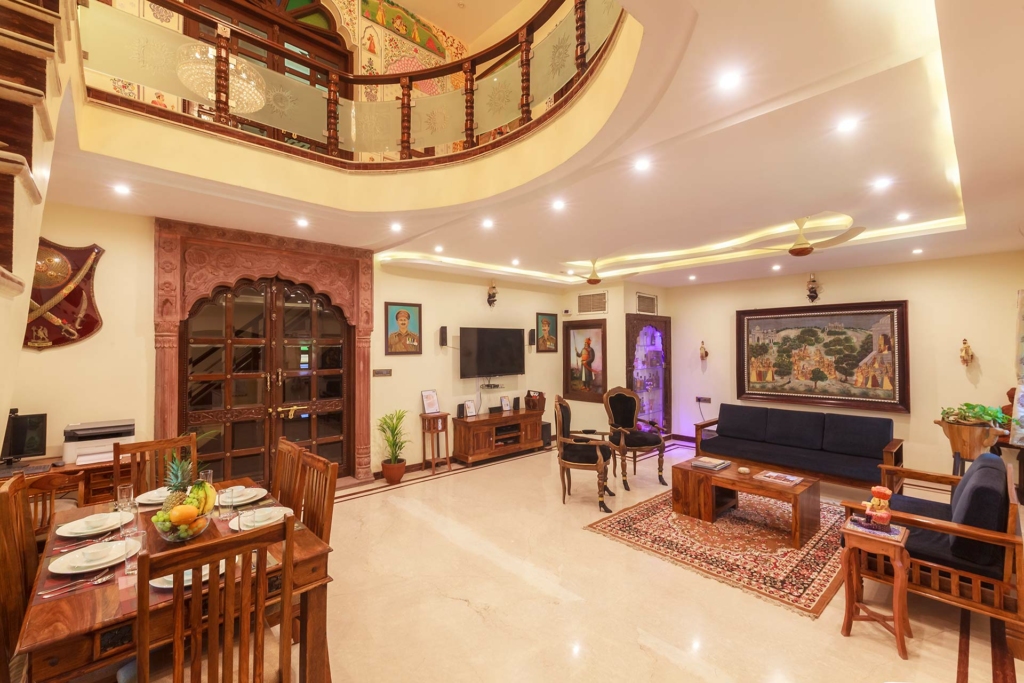
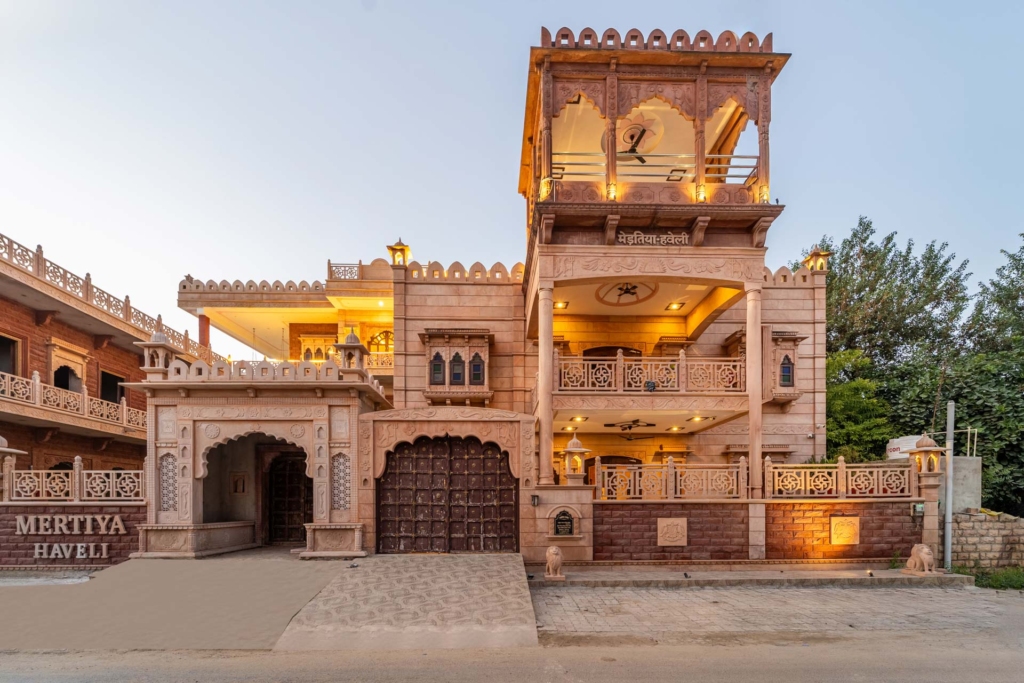
Places to Stay in Jodhpur
Sunset Escape
Ladakh – Dramatic Himalayan landscapes
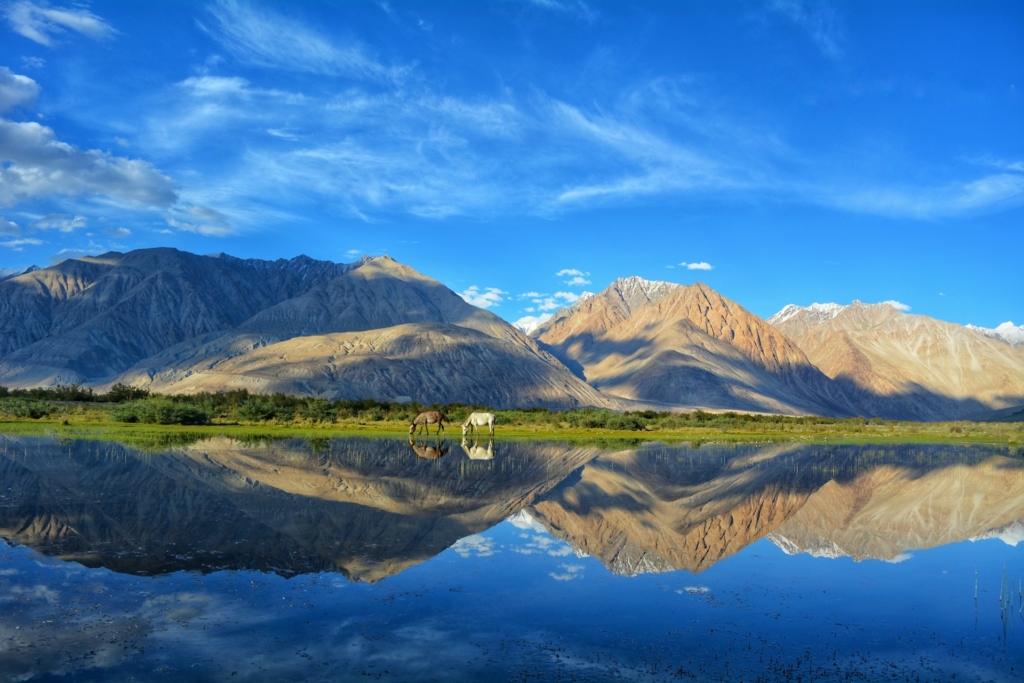
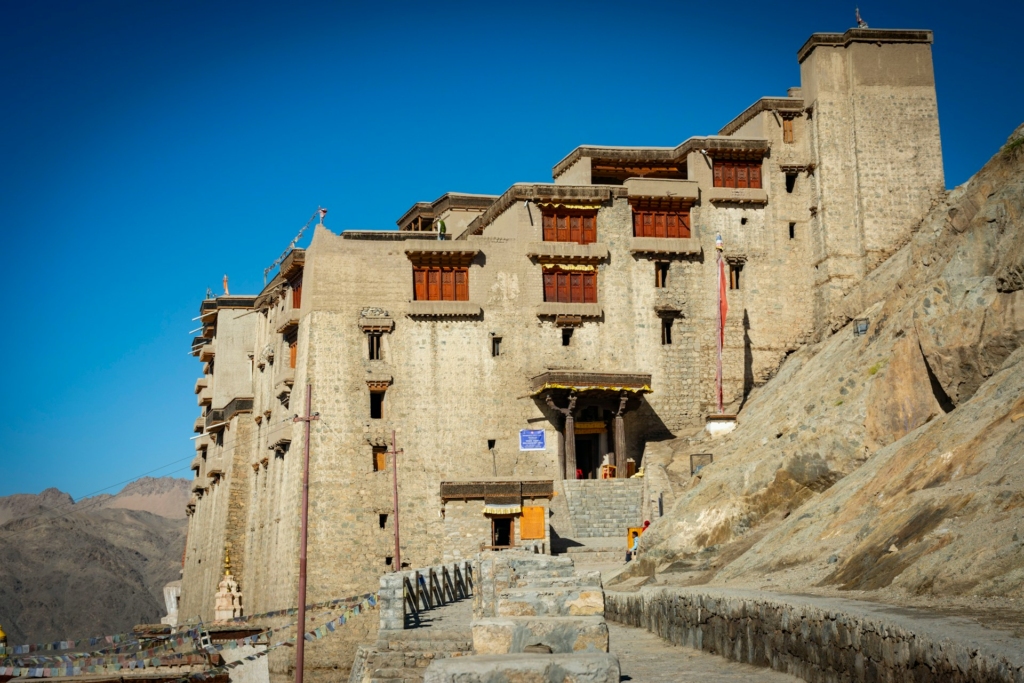
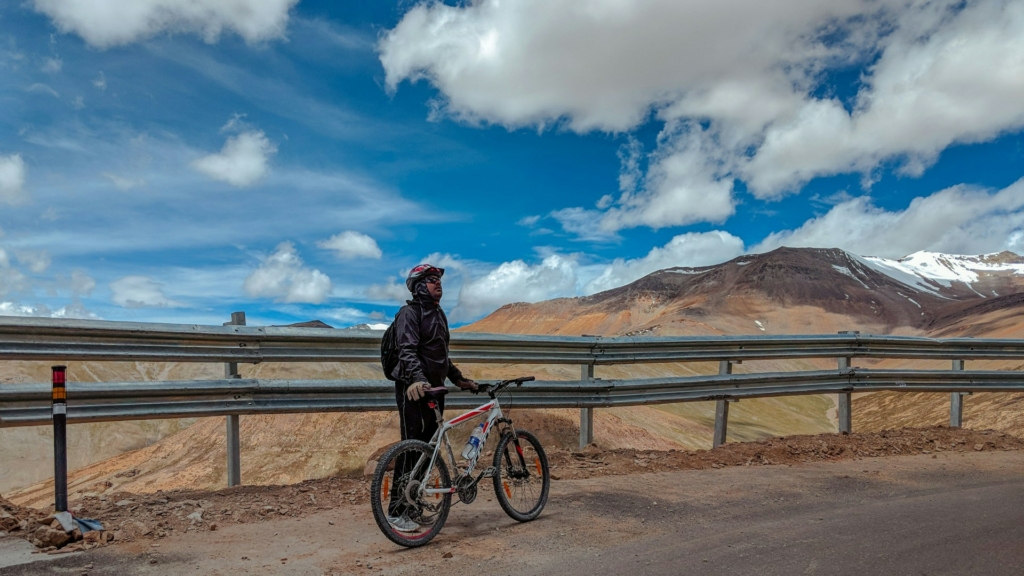
Ladakh is best for summer exploration and nature. Top places to visit:
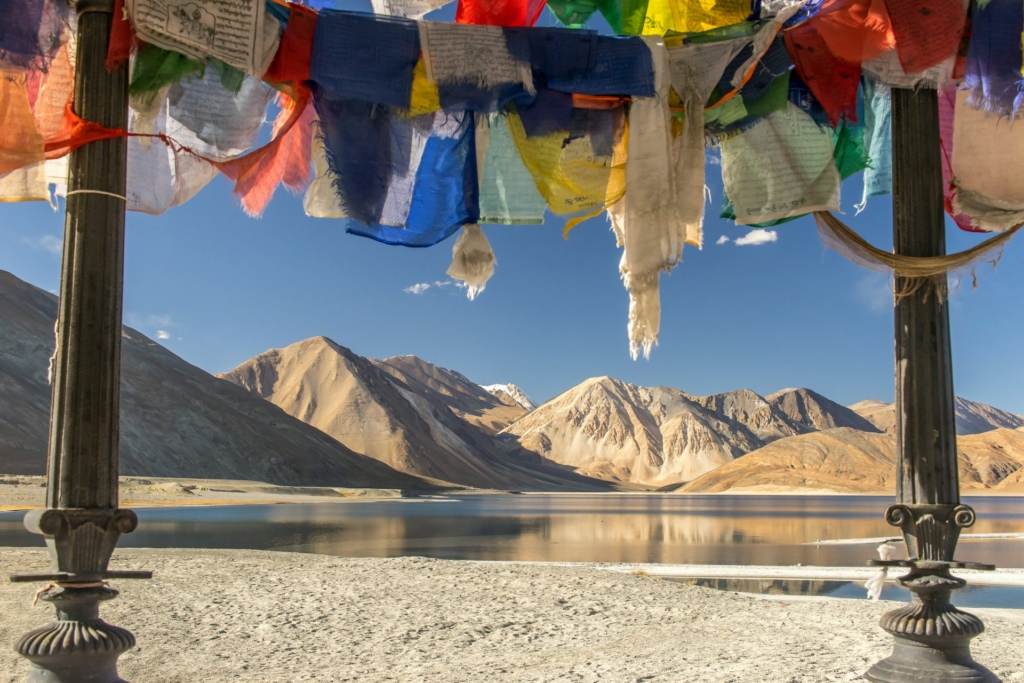
- Pangong Lake – High-altitude lake known for changing colours.
- Nubra Valley – Cold desert valley with dunes and monasteries.
- Leh Palace – Former royal palace overlooking Leh town.
- Thiksey Monastery – Hilltop Buddhist monastery resembling a mini Potala Palace.
Manali & Kullu – Himalayan hill escapes
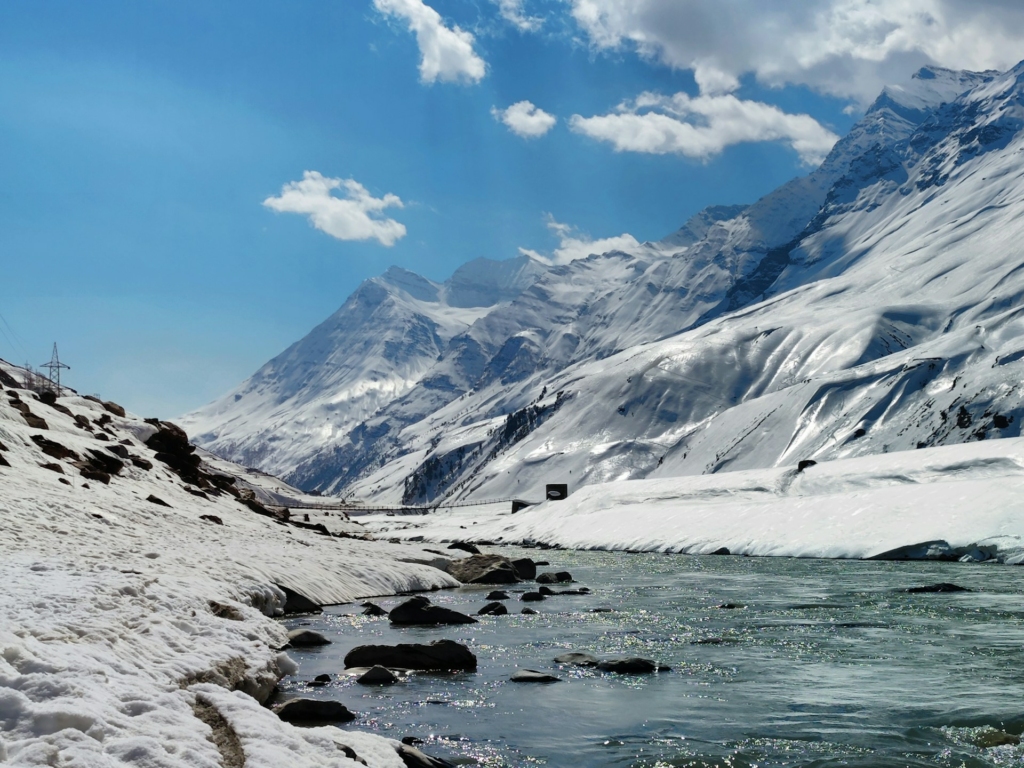
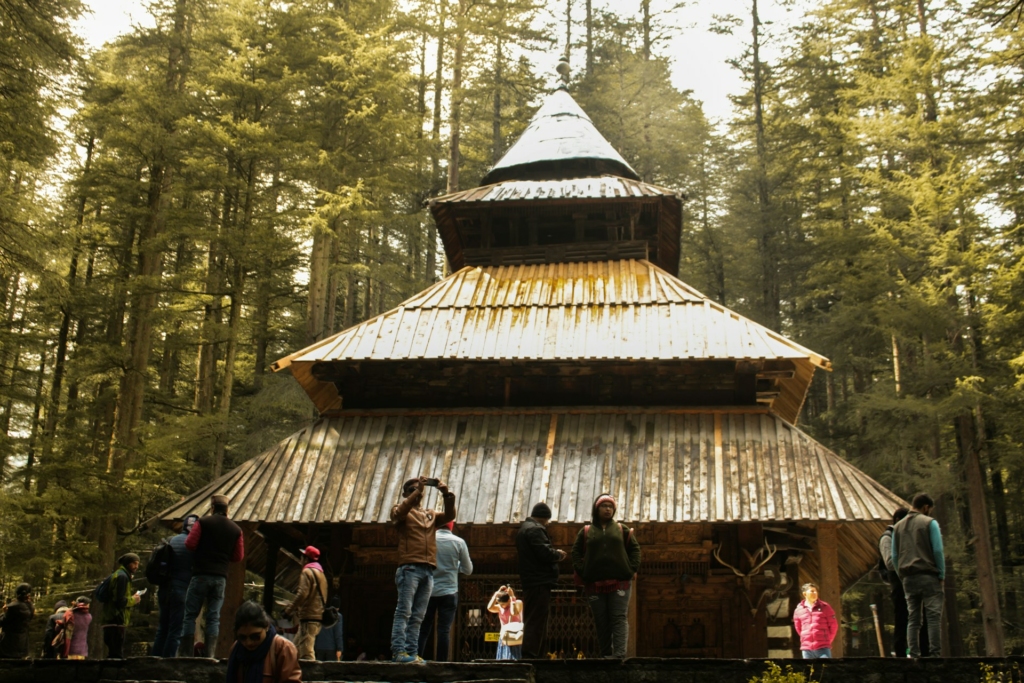
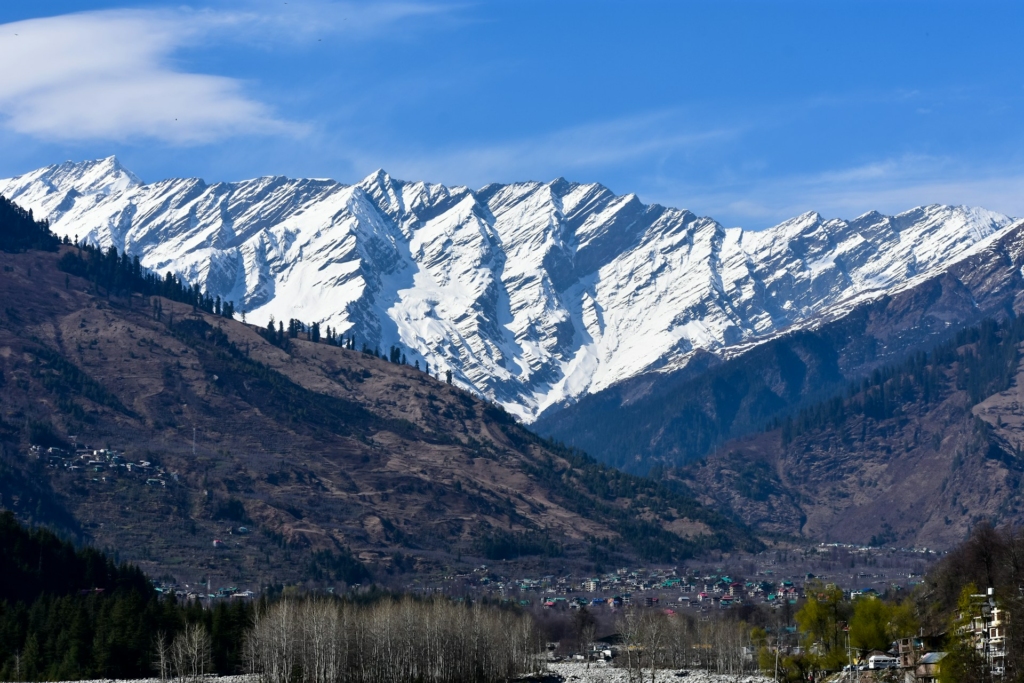
These Himachal Pradesh towns are ideal for mountain scenery and activities. Places to visit:
- Solang Valley – Adventure hub for paragliding and winter sports.
- Rohtang Pass – High mountain pass with snow views (seasonal access).
- Hadimba Temple – Wooden temple set amid cedar forests in Manali.
- Great Himalayan National Park (Kullu) – UNESCO-listed park for trekking and wildlife.
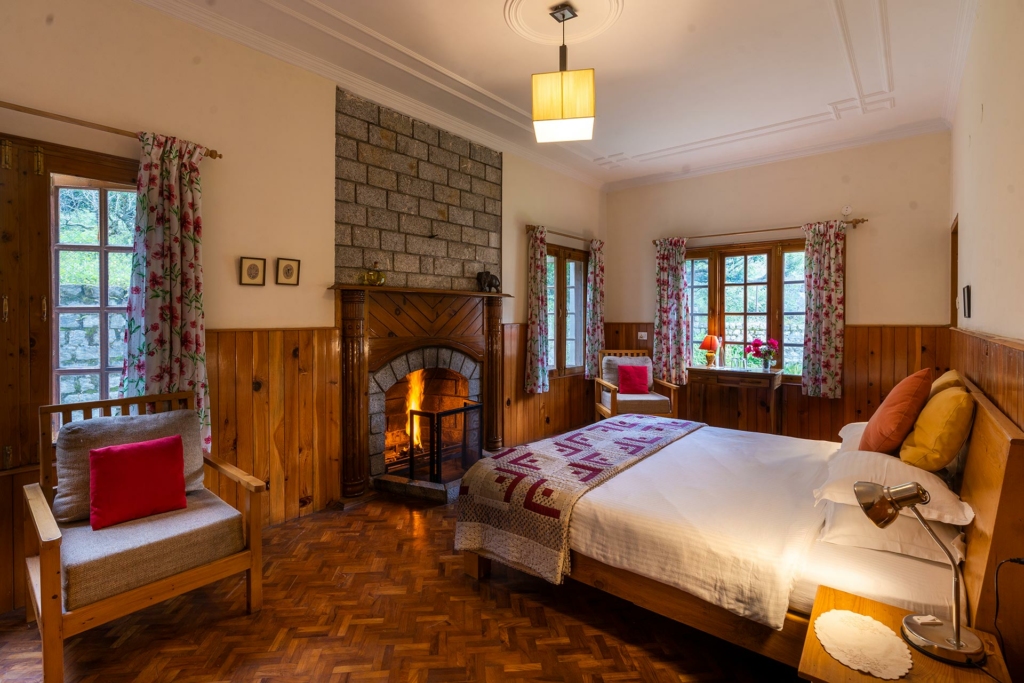
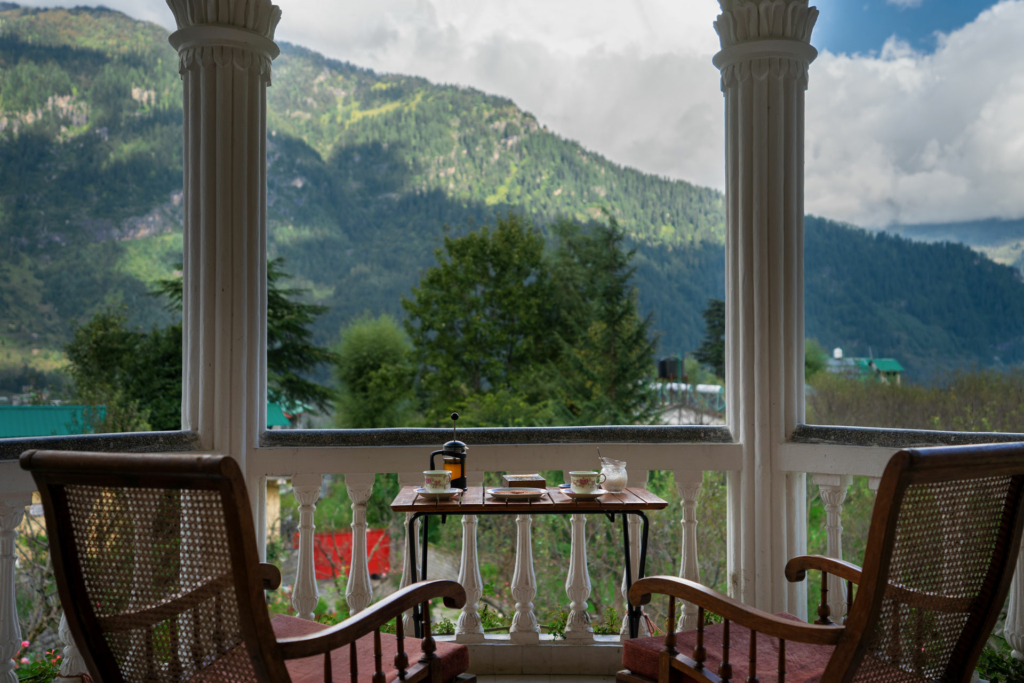
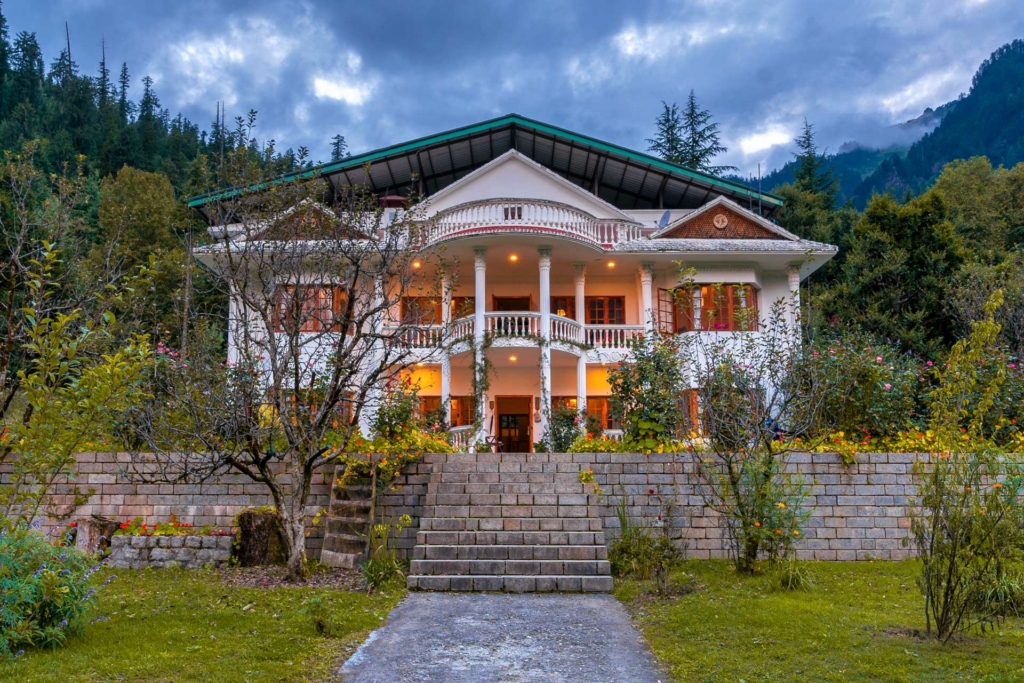
Places to Stay in Manali
Riverside Symphony
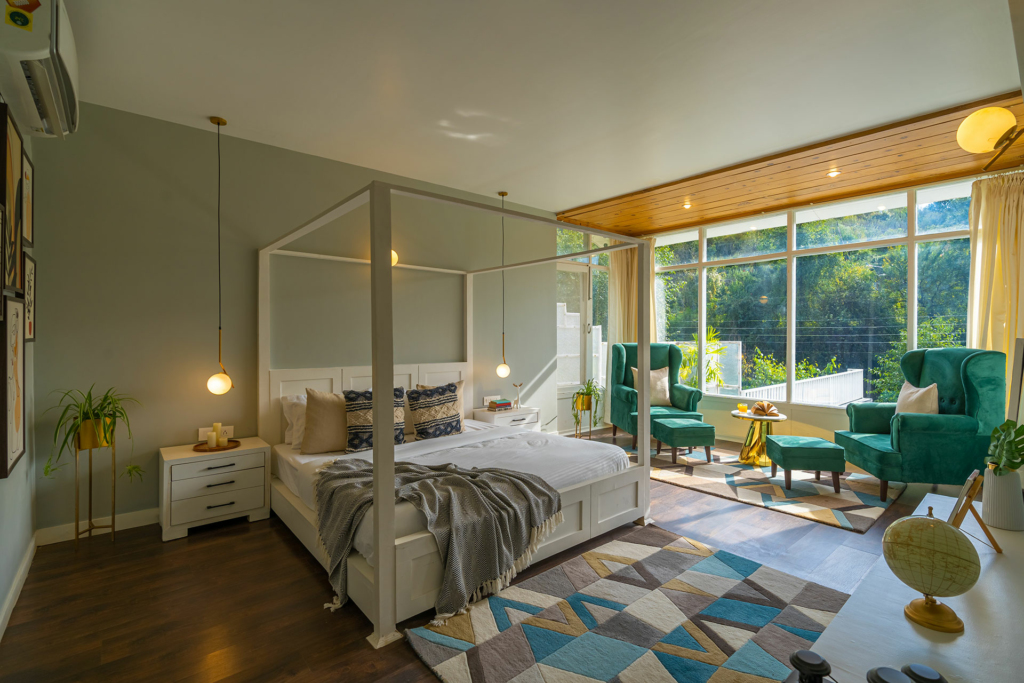
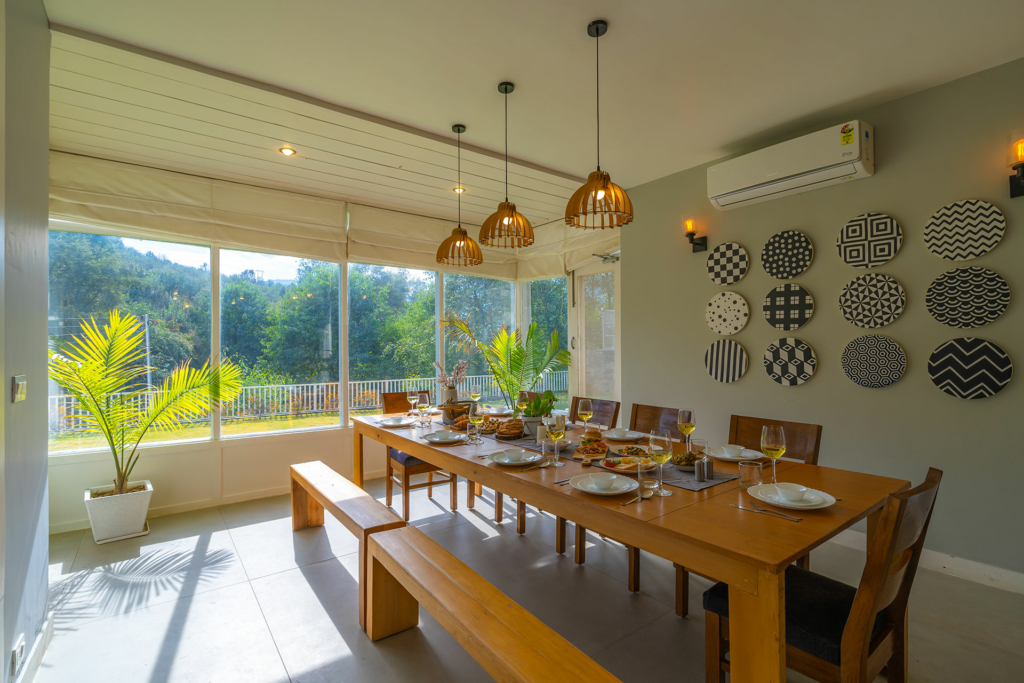
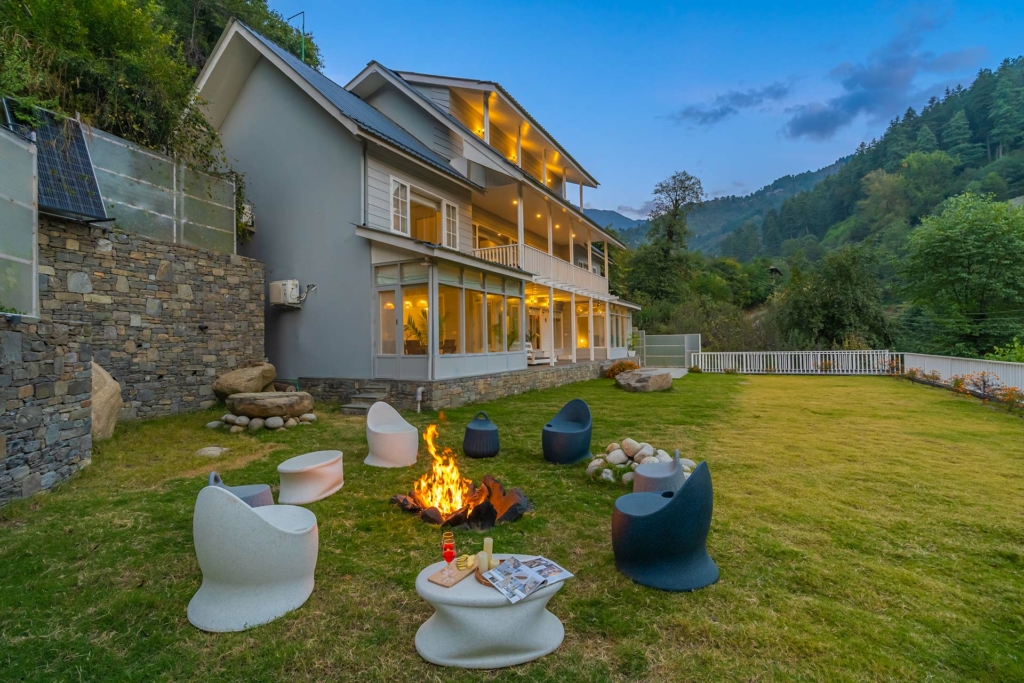
The Lama House
Offbeat and less-crowded places to visit in India for first-time travellers
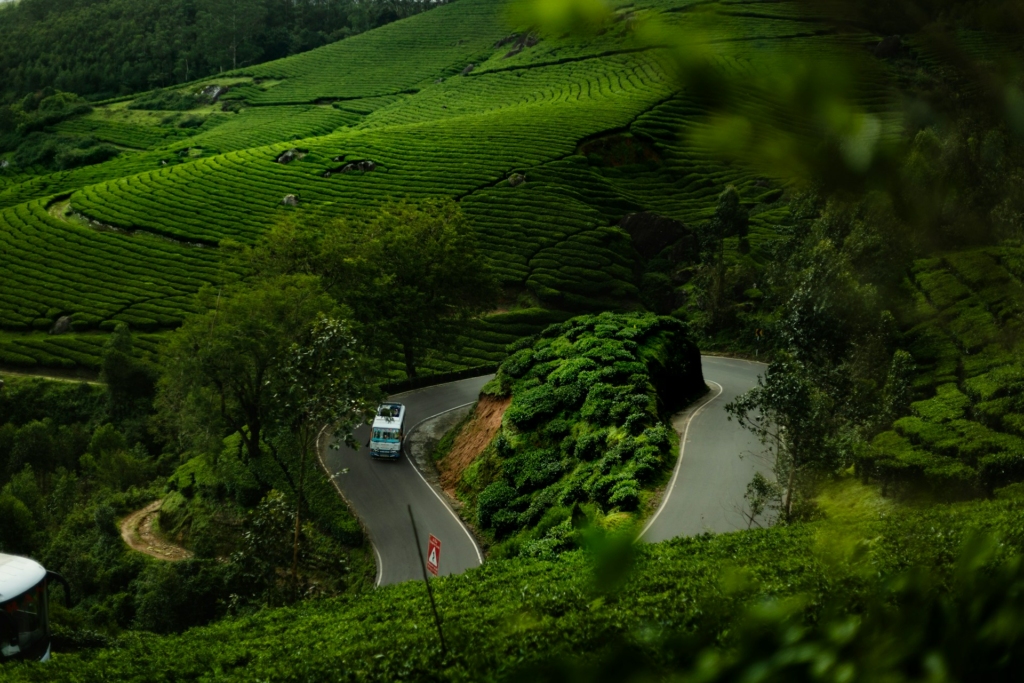
If you want flexibility in your itinerary or prefer destinations that feel less tourist-heavy, these places are close to the cities already covered. They work well as swaps or short extensions without major rerouting.
- Neemrana (near Delhi, Rajasthan) – Home to Neemrana Fort Palace, this heritage town is about 2–3 hours from Delhi and offers a quieter royal experience without Jaipur’s crowds.
- Fatehpur Sikri (near Agra, Uttar Pradesh) – A UNESCO-listed abandoned Mughal capital located 1 hour from Agra, known for grand courtyards and red sandstone architecture.
- Pushkar (near Jaipur, Rajasthan) – A sacred lake town 3 hours from Jaipur, famous for Brahma Temple, ghats, and a relaxed backpacker atmosphere.
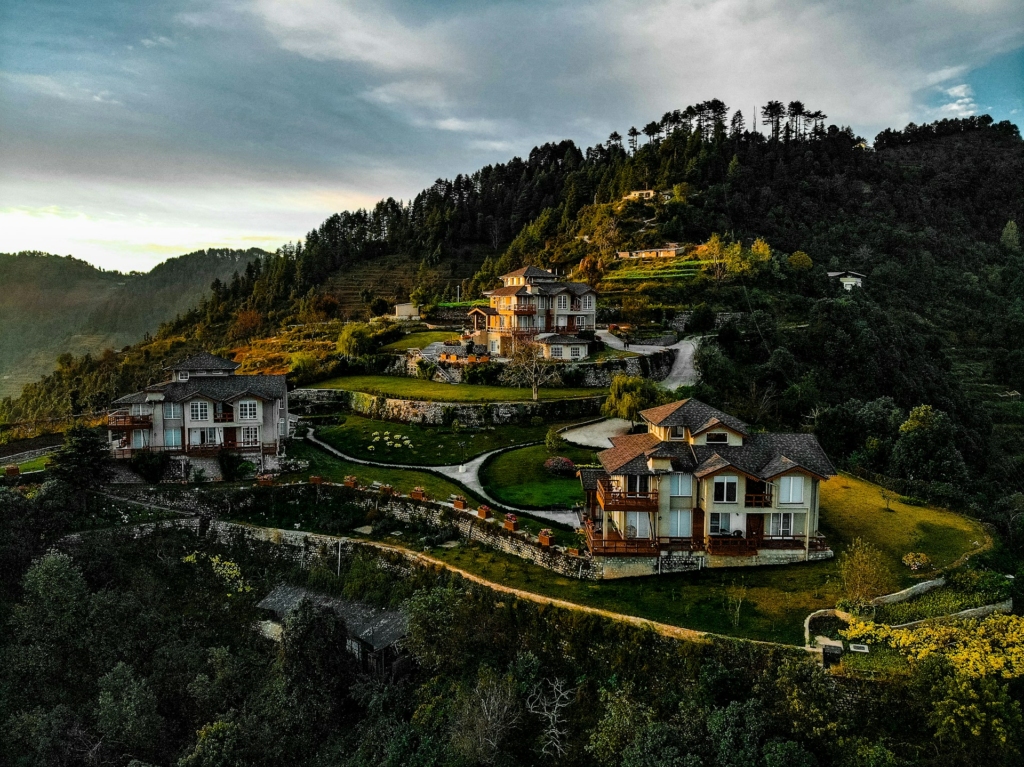
- Mussoorie (near Rishikesh, Uttarakhand) – A colonial-era hill station about 2 hours from Rishikesh offering Himalayan views and cooler weather.
- Wayanad (near Kerala backwaters, Kerala) – A forested hill district reachable from Kochi, known for waterfalls, spice plantations, and wildlife sanctuaries.
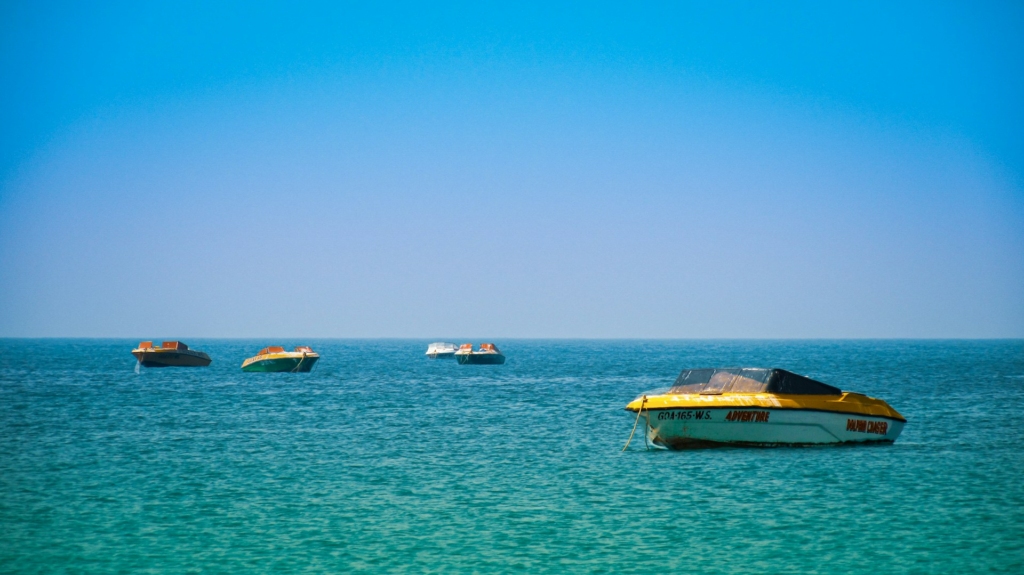
- Colva Beach (South Goa) – A calmer alternative to Calangute and Baga, offering wide sandy stretches and fewer party crowds.
- Ranakpur (between Udaipur and Jodhpur, Rajasthan) – Renowned for its intricately carved Jain temples set in a quiet valley, ideal as a scenic stop between the two cities.
- Tso Moriri Lake (Ladakh region) – A more remote and less-visited high-altitude lake compared to Pangong, suited for travellers seeking solitude and dramatic landscapes.
How to plan a 14-day first-time India itinerary?
This detailed route shows exactly what to see each day using the attractions listed above, while keeping travel realistic for first-time foreign visitors.
Day 1 – Arrive in Delhi
Visit Humayun’s Tomb for a relaxed outdoor introduction, then explore Chandni Chowk for dinner and street food.
Day 2 – Delhi sightseeing
Tour Qutub Minar in the morning and explore the interiors of the Red Fort in the afternoon.
Day 3 – Delhi → Agra
Drive or take a train to Agra. Visit Agra Fort and sunset at Mehtab Bagh.
Day 4 – Agra → Jaipur
Sunrise at the Taj Mahal, then visit Itmad-ud-Daulah before driving to Jaipur.
Day 5 – Jaipur highlights
Explore Amber Fort in the morning, then City Palace and Jantar Mantar.
Day 6 – Jaipur cultural day
Photograph Hawa Mahal and spend the evening in local bazaars before flying to Dehradun for Rishikesh.
Day 7 – Rishikesh
Walk across Laxman Jhula, visit The Beatles Ashram, and attend Ganga Aarti at Triveni Ghat.
Day 8 – Rishikesh → Kerala
Morning visit to Neer Garh Waterfall, then fly south to Kochi and transfer to Alappuzha.
Day 9 – Alleppey houseboat
Board a houseboat in Alappuzha and cruise across Vembanad Lake.
Day 10 – Kumarakom & Marari
Explore Kumarakom village and relax at Marari Beach.
Day 11 – Kerala → Goa
Fly to Goa and unwind at Calangute Beach.
Day 12 – North Goa
Spend the day at Baga Beach and enjoy nightlife.
Day 13 – Old Goa & Panaji
Visit the Old Goa Churches and walk through Fontainhas Latin Quarter.
Day 14 – Goa → Udaipur
Fly to Udaipur. Take a Lake Pichola boat ride at sunset and watch a show at Bagore ki Haveli.(If extending your trip, add a day to explore City Palace and Saheliyon ki Bari in Udaipur.)
Practical tips for first-time visitors to India

First-time travellers benefit from clear preparation. These essentials will help you have a smoother experience.
- Apply for India’s e-visa online before arrival
- Use Uber, Ola, and prepaid taxis in cities
- Drink bottled or filtered water only
- Dress modestly at religious sites
- Carry small cash plus digital payment options
- Buy a local SIM or eSIM for data
- Learn a few polite phrases like “Namaste” and “Dhanyavaad” for positive interactions
- Remove footwear before entering temples, mosques, and some homes
Is India safe for first-time foreign tourists?
Yes, India is generally safe for first-time visitors who use common travel awareness. Most issues involve overcharging or minor scams rather than serious crime. Using registered transport, reputable hotels, and basic caution greatly reduces risk.
What first-timers in India should keep in mind:
- Most problems involve overcharging, aggressive sales tactics, or minor scams rather than violent crime
- Use registered taxis, ride-hailing apps, or hotel-arranged transport
- Avoid isolated areas late at night, especially if unfamiliar with the neighbourhood
- Keep valuables secure in crowded markets and train stations
- Politely decline unsolicited help at railway stations and tourist sites
- Women travellers should consider booking reputable hotels and using app-based transport at night
- Follow local guidelines in border regions such as Ladakh and carry required permits
India rewards curiosity. First-time travellers who plan realistically, pace their itinerary, and choose well-connected destinations often leave with a deeper appreciation of the country’s scale and diversity. Starting with classic routes and adding one or two slower destinations creates a balanced first impression.
FAQs
For a balanced introduction, 12–14 days are ideal. This duration allows visitors to explore the Golden Triangle (Delhi, Agra, Jaipur) and add one contrasting region such as Kerala, Goa, Ladakh, or Rishikesh without excessive rushing.
North India is often recommended for first-time visitors because major historical landmarks are located within short travel distances. The Golden Triangle route offers Mughal architecture, royal palaces, and vibrant markets in a compact, well-connected circuit.
November to February is generally the most comfortable period for international tourists, especially in North and Central India. Southern destinations like Kerala and Goa are also pleasant during this time, with lower humidity and minimal rainfall.
India offers a wide cost range. Budget travellers may spend 30–50 USD per day, mid-range travellers 60–120 USD, while luxury stays significantly increase costs. Accommodation, domestic flights, and guided tours are the primary expenses.
Most foreign nationals require an e-visa before arrival. The Indian e-visa system allows online application for tourism purposes, typically valid for 30 days to 5 years depending on nationality and visa type.
Food is generally safe when eaten at busy, reputable establishments. Travellers should drink bottled or filtered water, avoid raw street-side salads, and prefer freshly cooked hot meals to minimise stomach-related issues.
Yes. English is widely spoken in airports, hotels, major tourist attractions, and urban areas. Signage in metro cities and key destinations is usually bilingual (English and local language), making navigation manageable for foreign visitors.
Routine vaccinations should be up to date. Many health authorities recommend Hepatitis A, Typhoid, and Tetanus vaccinations. Travellers should consult their local healthcare provider 4–8 weeks before departure for personalised advice.
Yes, many women travel solo in India successfully. Choosing reputable accommodations, using ride-hailing apps, avoiding isolated areas at night, and dressing modestly in conservative regions help enhance comfort and safety.