
Frozen Waterfalls in India in January | Best Winter Ice Falls
In this Blog
Why January Is the Best Month to See Frozen Waterfalls in India
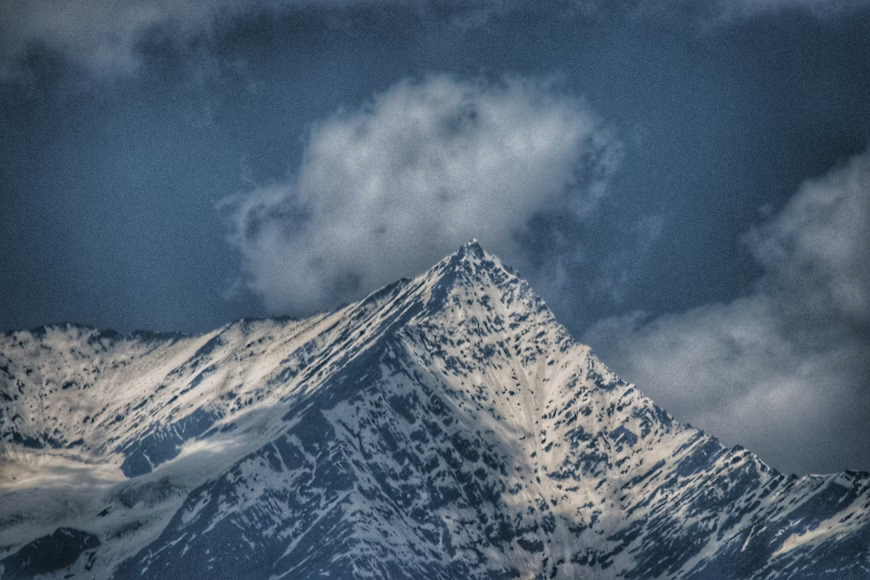
Frozen waterfalls in January in India are one of the country’s most surreal winter spectacles- where roaring cascades transform into towering ice sculptures under extreme cold conditions. From the stark valleys of Spiti and Lahaul to the snow-laden landscapes of Kashmir, January offers peak conditions to witness frozen cascades in India at their dramatic best.
If you’re a winter trekker, photographer, or simply someone chasing rare natural phenomena, this guide covers where to find frozen waterfalls in India, why January matters, and how to experience them safely and responsibly.
January is the best time to see frozen waterfalls in India, especially in high-altitude regions like Spiti Valley, Lahaul, Kashmir, and parts of Sikkim, where sub-zero temperatures freeze active water flows into massive ice formations.
What Are Frozen Waterfalls?
Frozen waterfalls are active or semi-active waterfalls that freeze due to sustained sub-zero temperatures, forming vertical ice walls, icicles, and cascades. Unlike glaciers, these formations are seasonal and most prominent during peak winter months- December to February, with January being ideal.
Why January Is Ideal for Frozen Waterfalls in India
January ice formations in India are at their peak due to:
- Consistent sub-zero temperatures (-10°C to -30°C in some regions)
- Minimal snowmelt, allowing water to freeze instead of flowing
- Stable ice structures, safer for viewing and ice climbing
- Clear winter skies, ideal for photography
January combines extreme cold, stable ice, and accessibility—making it the most reliable month for frozen waterfalls in India.
1. Frozen Waterfalls of Spiti Valley (Himachal Pradesh)
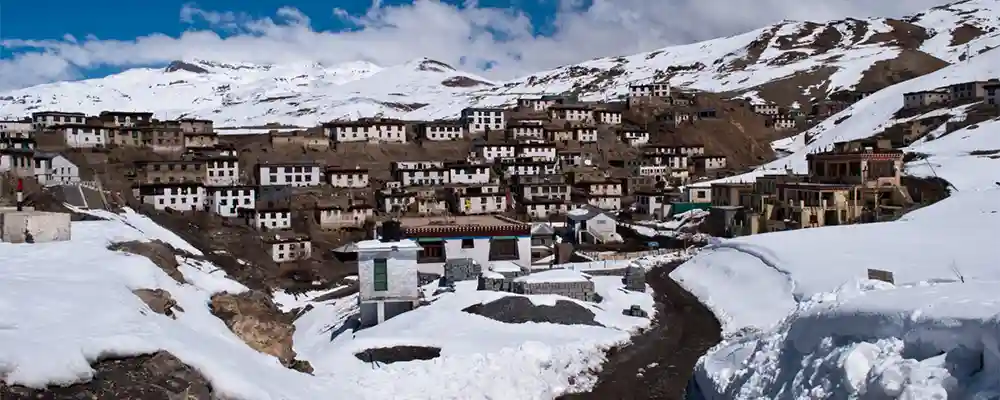
Primary region for frozen waterfalls Himachal
Spiti Valley frozen waterfalls are among the most iconic icy landscapes in India. This cold desert experiences temperatures as low as -25°C, freezing even powerful streams.
Best Spots in Spiti
- Lingti Valley Ice Falls
- Kibber–Gette region frozen cascades
- Pin Valley side waterfalls
Why Spiti Is Special
- High-altitude cold desert = dramatic ice textures
- Minimal crowds compared to mainstream winter destinations
- Popular for ice climbing and winter expeditions
Spiti Valley offers India’s most dramatic frozen waterfalls in January, with towering ice walls formed by extreme cold and minimal sunlight.
Accessibility
Road access is limited in winter; most trips start via Manali–Kaza route (weather permitting) or guided winter expeditions.
2. Lahaul Valley: Hidden Frozen Cascades of Himachal
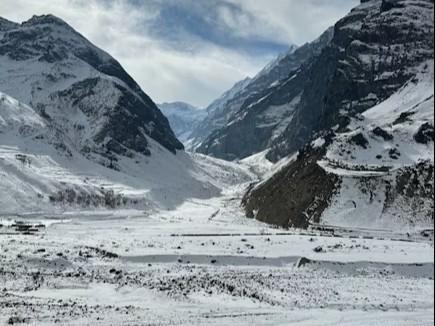
Often overshadowed by Spiti, Lahaul Valley hosts stunning winter waterfalls in India that freeze beautifully in January.
Notable Areas
- Keylong region
- Udaipur–Triloknath belt
- Side valleys off the Chenab River
Why Visit Lahaul in January
- Slightly more accessible than Spiti
- Fewer extreme conditions but equally photogenic ice falls
- Ideal for winter trekking in Himachal
Lahaul’s frozen waterfalls are often broader and layered, making them excellent for long-exposure winter photography.
3. Kashmir: Snow Waterfalls Turned Ice Curtains
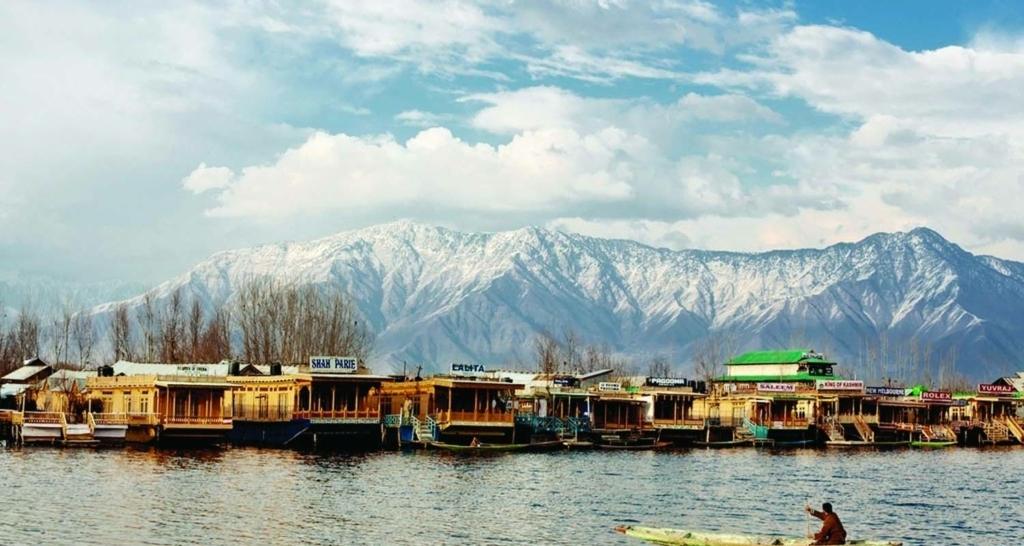
Frozen waterfalls in Kashmir are lesser-known but breathtaking, especially in January, when alpine streams freeze into ice curtains.
Best Areas
- Gurez Valley
- Lolab Valley
- Upper reaches of Pahalgam & Sonamarg
What Makes Kashmir Unique
- Combination of pine forests + icy waterfalls
- Softer, more romantic winter landscapes compared to Spiti
- Easier accessibility from Srinagar (weather dependent)
Kashmir offers a softer yet equally stunning frozen waterfall experience—perfect for travelers who want icy landscapes without extreme expedition-style travel.
4. Sikkim Frozen Waterfalls: The Eastern Himalaya Surprise
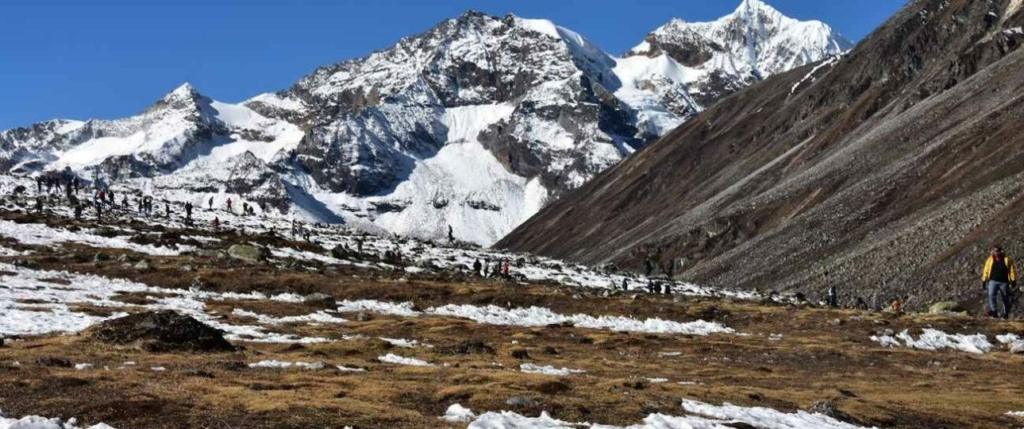
While less talked about, Sikkim frozen waterfalls appear in North Sikkim during January, especially at higher elevations.
Where to Look
- Lachung & Yumthang Valley
- Roadside cascades near Zero Point
Why They’re Special
- Contrast of ice formations with rhododendron forests
- Less harsh cold than Spiti, but still visually stunning
- Ideal for winter road trips and photography
Climatic Conditions in January (What to Expect)
Understanding climatic conditions in January in India’s Himalayas is crucial.
| Region | Avg Temp | Snowfall | Accessibility |
| Spiti | -15°C to -25°C | Low | Difficult |
| Lahaul | -10°C to -20°C | Moderate | Limited |
| Kashmir | -5°C to -15°C | High | Moderate |
| Sikkim | -5°C to -10°C | Moderate | Easier |
Frozen Waterfalls & Winter Treks in India
Many Himachal winter treks revolve around frozen cascades.
Popular Activities
- Ice climbing (Spiti & Lahaul)
- Winter photography treks
- Snow camping near frozen streams
Safety Tip: Always go with certified local guides—frozen waterfalls are beautiful but unpredictable.
Photography Tips for Frozen Waterfalls
Photography spots frozen waterfalls require planning.
- Use ND filters for texture control
- Carry spare batteries (cold drains power fast)
- Shoot early morning for best ice clarity
Pro Insight: January sunlight creates blue and turquoise hues in ice-perfect for dramatic shots.
Responsible Travel & Safety
Frozen waterfalls are fragile.
- Avoid climbing without permission
- Do not chip ice for photos
- Respect local ecosystems
Winter Stays Near Frozen Landscapes
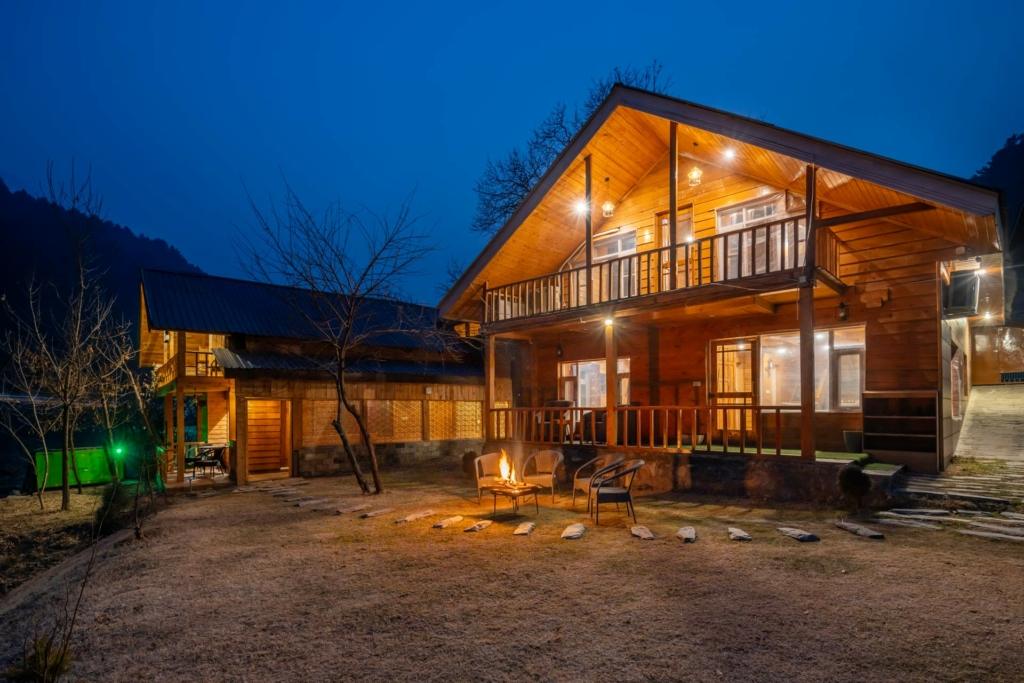
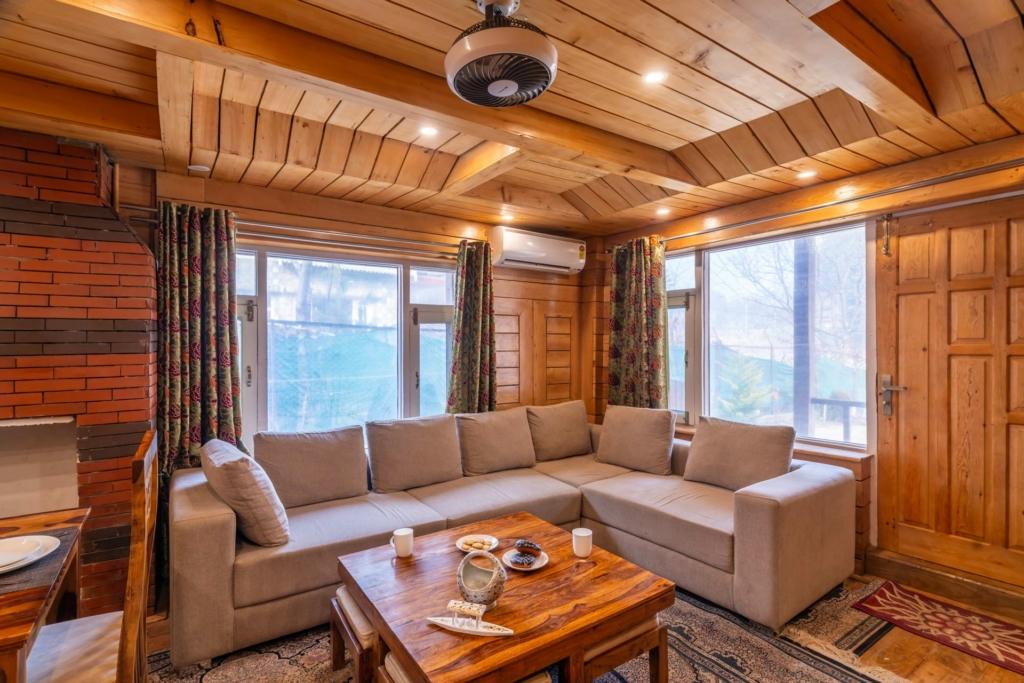
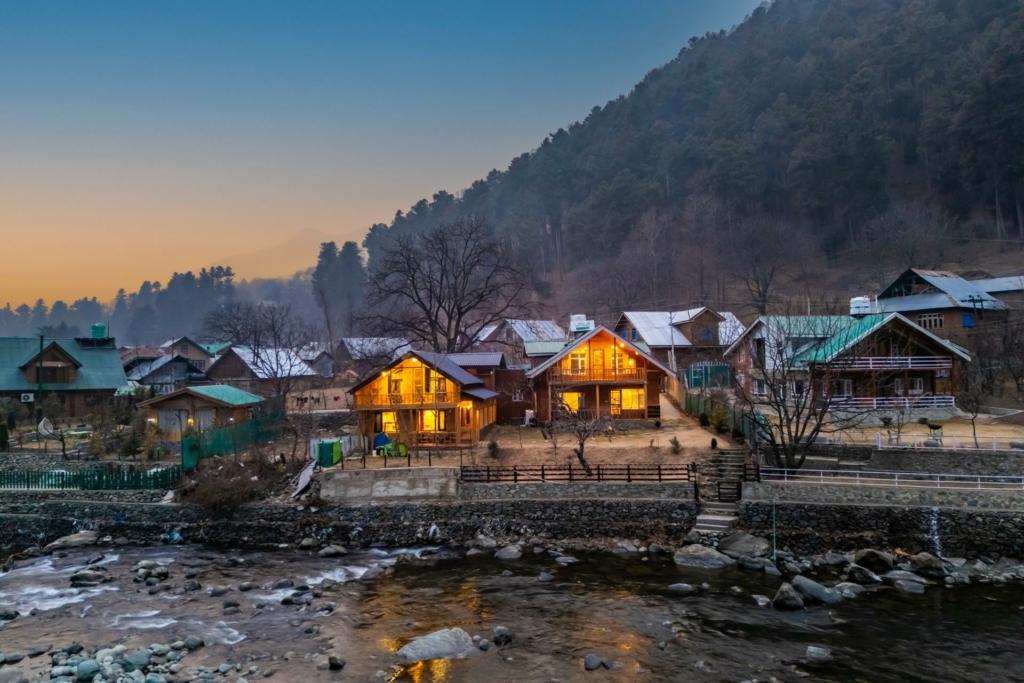
While most frozen waterfall regions are remote, StayVista villas in nearby winter destinations like Manali or Kashmir outskirts can serve as comfortable base camps before heading into higher altitudes.
Amanat
FAQ: Frozen Waterfalls in India (People Also Ask)
Yes, if visited with guides and proper winter gear. Conditions are extreme but manageable with planning.
Spiti Valley frozen waterfalls are considered the most dramatic due to extreme cold and scale.
In January, most remain stable throughout the day due to consistently low temperatures.
Yes, in Kashmir and Sikkim. Spiti and Lahaul require prior winter trekking experience.
Why Frozen Waterfalls in January Are Worth the Journey
Frozen waterfalls in January in India are more than seasonal attractions—they’re fleeting masterpieces shaped by extreme cold and time. Whether you’re drawn to the raw intensity of Spiti Valley, the hidden beauty of Lahaul, or the poetic winters of Kashmir, January unlocks landscapes few ever witness.
Some wonders don’t roar-they freeze, shimmer, and wait for those brave enough to seek them.
If icy landscapes fascinate you, explore related guides on hidden winter spots in India, extreme cold destinations, and winter trekking routes next.
Banner Image Credit: Saubhagya gandharv via Unsplash