
India Festival Calendar 2026: Best Places to Celebrate April–December
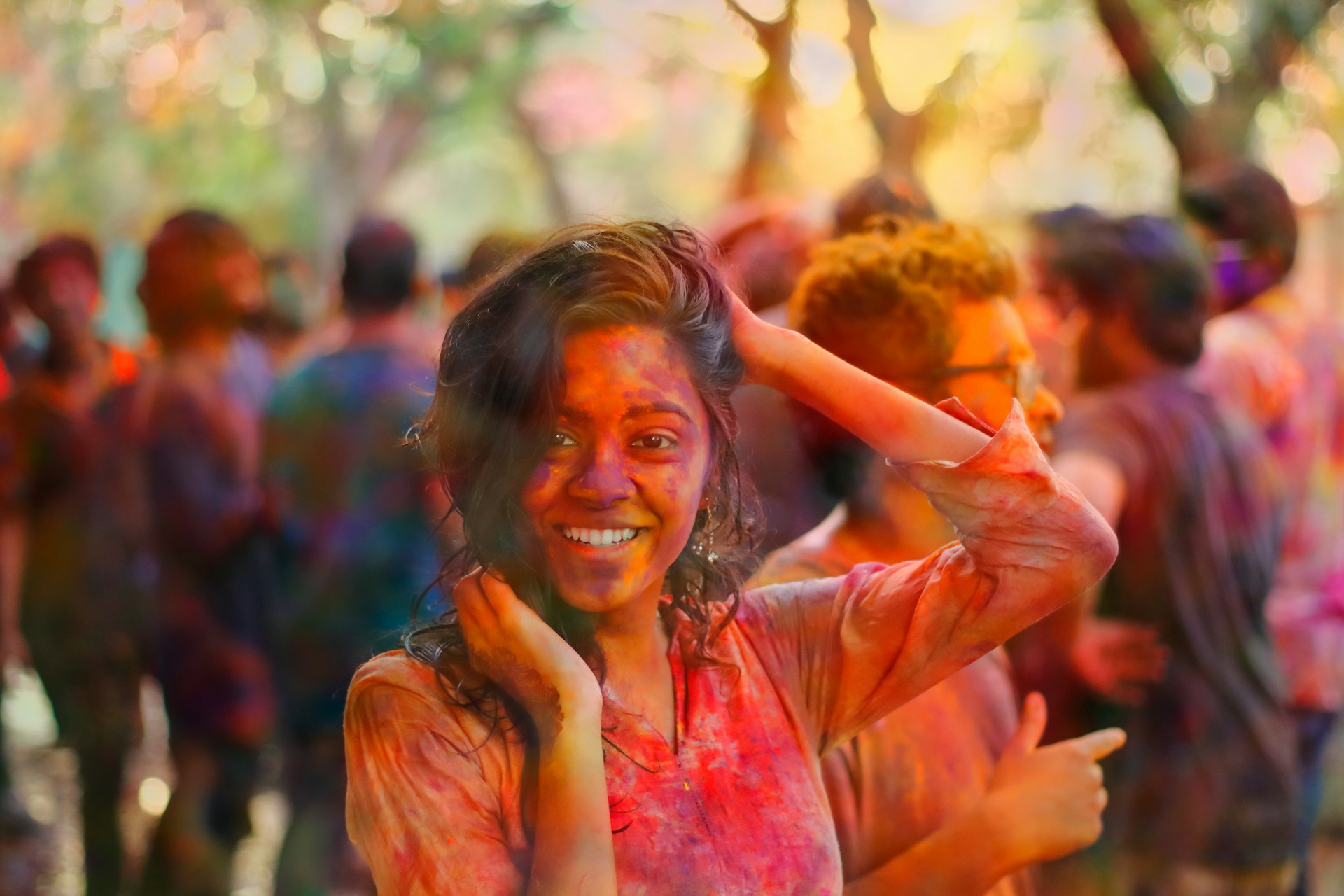
Note (April 2026): Holi 2026 has passed (it was celebrated on March 14). But India’s festival calendar for the rest of 2026 is loaded with incredible travel opportunities. Here’s your complete guide to the best festivals and where to celebrate them — from Baisakhi in April to Diwali in October and the Pushkar Camel Fair in November.
In this Blog
India Festival Calendar April–December 2026: Where to Be and When
India’s festival season doesn’t end with Holi. The months ahead — from Baisakhi in Punjab to the Pushkar Camel Fair in Rajasthan — offer some of the most vivid, immersive travel experiences on earth. This calendar covers every major upcoming festival in 2026, with the best places to celebrate each one, what to expect on the ground, and where to stay.
Whether you’re planning a long weekend around Eid in Kashmir, a spiritual pilgrimage for Akshaya Tritiya, or a once-in-a-decade Rath Yatra experience in Puri — this is your reference guide for festival travel in 2026.
[stayvista_cta text=”Browse StayVista’s curated stays near India’s top festival destinations”]
A Quick Note on Holi 2026
Holi 2026 fell on March 14 (with Holika Dahan on March 13). The main celebrations happened in Mathura, Vrindavan, Jaipur, Udaipur, Goa, and across India. If you missed it, the next Holi is on March 3, 2027 — set a reminder now. Many travellers book Mathura–Vrindavan homestays and villas 6–8 weeks in advance for Holi, so early planning pays off enormously.
Meanwhile, here’s everything coming up this year that deserves your attention.
Baisakhi — April 13, 2026 | Amritsar, Punjab
Baisakhi marks the Punjabi New Year and the Sikh harvest festival — one of the most joyful, high-energy celebrations in north India. The Golden Temple in Amritsar hosts special prayers, the city fills with dhol beats and bhangra, and the Khalsa Parade through the streets is a moving spectacle of faith and community.
For travellers, Baisakhi in Amritsar is about more than the festival day itself. Arrive a day or two early to experience the Golden Temple langar (free community kitchen serving thousands daily), walk the illuminated Wagah Border ceremony at dusk, and eat your way through Amritsari kulcha, lassi, and makki di roti in the old city lanes.
Best stay: A heritage stay or homestay within the old walled city puts you closest to the temple and the celebrations. Alternatively, Punjab farmhouses on the outskirts offer space and calm after the festivities. Browse StayVista properties near Amritsar for curated options.
Practical tips: The Golden Temple is accessible 24 hours. Cover your head and remove footwear before entering. Baisakhi falls on April 13 annually (April 14 every fourth year) — 2026 is April 13. Book accommodation at least 4 weeks ahead.
Eid-ul-Fitr — April 20–21, 2026 | Kashmir, Hyderabad, Lucknow
Eid-ul-Fitr marks the end of Ramadan, and across India, celebrations centre on early morning prayers, family feasts, and sweets shared with neighbours. The exact date is subject to moon sighting and may shift by a day. Three destinations stand out as particularly special places to experience Eid in India.
Srinagar, Kashmir sees the Hazratbal Shrine overflow with thousands of devotees for the Eid prayer — the holy relic of Prophet Muhammad is displayed on this day. The Dal Lake and the Boulevard are quieter than usual, and the valley has a particularly serene atmosphere. Spring flowers are at their peak in April — cherry blossoms have mostly finished, but tulips and mustard fields are still brilliant. A shikara ride on the Dal during Eid morning is unforgettable.
Hyderabad hosts one of India’s largest Eid prayers at the Mecca Masjid, followed by an explosion of haleem (the city’s iconic slow-cooked meat dish, typically made only during Ramadan), biryani, and sheer khurma at restaurants and homes across the old city. The lanes of Charminar during Eid evening are extraordinary.
Lucknow’s Nawabi culture makes Eid here particularly refined — the streets of Aminabad and Chowk fill with shoppers in embroidered sherwanis and ornate dupattas, and the evening air smells of ittar, kebabs, and sewai (vermicelli cooked in milk and sugar).
Practical tips: Eid is a public holiday. Restaurants and shops in Muslim-majority areas close for morning prayers (typically 7–9 AM) and reopen by mid-morning. Flights and trains to Srinagar fill up weeks before Eid — book early.
Akshaya Tritiya — April 29, 2026 | Varanasi & Vrindavan
Akshaya Tritiya is one of the most auspicious days in the Hindu calendar — a day when any action taken is believed to bring perpetual good fortune. Pilgrimage, temple visits, and charitable acts are especially meritorious on this date. For travel, it opens up two destinations worth visiting even outside this festival.
Varanasi sees special rituals at the Kashi Vishwanath Temple and on the Ganges ghats. The ghats are particularly animated at sunrise on Akshaya Tritiya, with thousands taking a holy dip and offering prayers. Even if you’re not religiously inclined, witnessing the Ganga aarti on this day — with extra lamps, extra priests, and a more devout crowd than usual — is a rare experience.
Vrindavan hosts special pujas at ISKCON, Banke Bihari Temple, and Prem Mandir on Akshaya Tritiya. The temples are decorated, and priests conduct extended rituals through the day. Many devotees arrive from Delhi (it’s a 3-hour drive) for a day visit, but staying overnight lets you catch the evening aarti in peace.
Practical tip: Varanasi in late April is warm (30–38°C). Plan early morning temple visits (4–8 AM) and use afternoons for rest or indoor cultural experiences. The Kashi Vishwanath Temple official website lists puja timings and special schedules for festival days.
Buddha Purnima — May 12, 2026 | Bodh Gaya & Sarnath
Buddha Purnima (also called Vesak) marks the birth, enlightenment, and passing of Gautama Buddha — all on the same full moon day. It is one of the most spiritually significant dates in the Buddhist calendar and brings pilgrims from across Asia to India’s two most sacred Buddhist sites.
Bodh Gaya, Bihar is where the Buddha attained enlightenment under the Bodhi Tree — the same tree (or its descendant) still stands at the Mahabodhi Temple Complex, a UNESCO World Heritage Site. On Buddha Purnima, the complex is decorated with thousands of lamps and flowers, monks from Thailand, Sri Lanka, Japan, Tibet, and Myanmar offer prayers through the night, and the atmosphere is one of remarkable peace despite the crowds.
Sarnath, near Varanasi is where the Buddha delivered his first sermon after enlightenment. The Dhamek Stupa, the Mulagandhakuti Vihara, and the Archaeological Museum are the main draws. On Buddha Purnima, a grand procession and prayers are held at the Tibetan and Japanese monasteries.
Practical tips: May in Bihar is extremely hot (38–44°C). Carry water, wear light cotton, and plan visits before 9 AM and after 5 PM. Accommodation in Bodh Gaya is limited — book at least 6 weeks ahead for May 12. Entry to Mahabodhi Temple is free; Archaeological Museum at Sarnath charges ₹40 for Indian citizens, ₹600 for foreigners.
Rath Yatra — June 26, 2026 | Puri, Odisha
Rath Yatra in Puri is one of the world’s largest religious gatherings — and one of the oldest annual events still held in India. Lord Jagannath (an avatar of Vishnu), his brother Balabhadra, and sister Subhadra are ceremonially placed on massive wooden chariots and pulled through the main street of Puri by thousands of devotees. The chariots are built fresh each year, stand 13–14 metres tall, and are pulled by ropes by tens of thousands of hands.
The procession goes from the Jagannath Temple to the Gundicha Temple (roughly 3 km), where the deities “visit” for 8 days before the return journey (Bahuda Yatra). The entire period is considered sacred.
For travellers, the main Rath Yatra day (June 26, 2026) draws millions of visitors. The Grand Road (Bada Danda) fills completely. To see the chariots up close, arrive the evening before and secure a viewing spot on a rooftop or balcony along the route. The best views are from heritage havelis and guesthouses lining Bada Danda — many rent out rooftop access during Rath Yatra week.
Where to stay: Puri’s beach resorts are 20–30 minutes from the temple area. For Rath Yatra, proximity to Grand Road is more valuable than sea views. Book 3 months in advance minimum — accommodation fills by March for June 26. The Odisha Tourism official website provides event updates and travel logistics.
Practical tips: Puri in June is humid and can be rainy (monsoon begins). Carry a waterproof layer. The Lord Jagannath Temple is restricted to Hindus only — non-Hindus can observe the procession on Grand Road. Prasad (mahaprasad) from the temple is sold outside and is considered especially sacred during Rath Yatra.
Ganesh Chaturthi — August 24, 2026 | Mumbai
No city celebrates Ganesh Chaturthi like Mumbai. Over 10 days, the city installs thousands of Ganesh idols — from small clay figures in apartment buildings to massive, elaborately decorated public pandals in Lalbaug, Girgaon, and Dadar. The 11th day culmination (Anant Chaturdashi, September 3, 2026) sees the immersion procession: idols carried through the streets to Chowpatty Beach, Juhu Beach, and Versova for visarjan (immersion in the sea).
The most visited pandal is the Lalbaugcha Raja in central Mumbai — queues stretch for hours but the idol is considered exceptionally auspicious. GSB Seva Mandal in King’s Circle uses gold and silver in their decoration. Andhericha Raja and Chinchpoklicha Chintamani are other major pandals worth visiting.
For travellers, Ganesh Chaturthi is also a perfect lens through which to experience Mumbai’s neighbourhood culture. Each area’s pandal reflects the community — from Bollywood-themed decorations in film industry neighbourhoods to traditional Peshwa-style arrangements in older parts of the city. Street food stalls offer modak (the coconut-filled sweet associated with Ganesh) in steamed and fried varieties.
Where to stay: Mumbai hotels during Ganesh Chaturthi fill fast and prices spike, especially for the visarjan weekend. Consider staying in Alibaug (1.5 hours by ferry from Gateway of India) or Karjat (2 hours by train) for more space and value — day trips to the festival are easy from either.
Navratri & Durga Puja — October 2–11, 2026 | Kolkata, Vadodara, Delhi
Navratri falls October 2–11 in 2026, with Dussehra (Vijayadashami) on October 12. Different regions celebrate very differently:
Kolkata’s Durga Puja is in a category of its own. Over five days (Shashthi to Dashami), the city transforms into an open-air art installation. Thousands of pandals compete to outdo each other — themes range from recreated historical monuments to conceptual art installations, sometimes occupying entire city blocks. The five days of Durga Puja are when Kolkata is at its most electric: people visit pandals through the night, restaurants stay open around the clock, and the streets fill with families in new clothes. Dashami (immersion day) sees processions carry the clay idols to the Hooghly River — an emotional, spectacular conclusion. Plan to visit at least 2 nights. The West Bengal Tourism website lists major pandals and routes.
Vadodara’s Navratri is India’s largest Garba celebration. The nine nights fill stadiums, parks, and neighbourhood grounds with dandiya and garba dancers in elaborate mirrored costumes. The International Navratri Festival at Navlakhi Ground draws performers and visitors from around the world. Gujarat Tourism provides festival logistics and accommodation lists.
Delhi’s Ramlila performances run across the city through Navratri, culminating in the Ravan Dahan (burning of the Ravana effigy) on Dussehra. The largest events are at Ramlila Maidan and in Dwarka. Delhi also hosts large Durga Puja celebrations in its Bengali community neighbourhoods like Chittaranjan Park.
Diwali — October 20, 2026 | Varanasi, Jaipur, Udaipur
Diwali 2026 falls on October 20. This is the festival of lights — five days of lamps, sweets, fireworks, and family. Celebrated across India, three cities stand out for travellers wanting to experience it at its most spectacular.
Varanasi is where Diwali is most atmospheric. The ghats along the Ganges are lined with diyas (earthen lamps) — Dev Diwali, the larger celebration that falls two weeks after Diwali on the full moon (November 5, 2026 this year), is when the ghats truly come alive with millions of lamps. Many visitors plan around Dev Diwali specifically, which has the Ganga Aarti at an even grander scale than usual. Book a riverside heritage hotel or guesthouse 6–8 weeks ahead.
Jaipur’s Diwali is a feast of colour and light. The City Palace and Hawa Mahal are illuminated, fireworks light the sky above the old city, and bazaars overflow with mithai and sparklers. Rajasthan’s craft markets — kites, pottery, textiles — also come alive in the weeks before Diwali.
Udaipur reflects Diwali in its lakes. The City Palace, Jag Mandir, and the surrounding Lake Pichola shimmer with lamp reflections on Diwali night. A rooftop dinner or a boat ride on the lake during Diwali evening is one of the most beautiful ways to experience the festival. StayVista has curated stays near Udaipur ideal for a festival long weekend.
Practical tips: Diwali air quality in Delhi, Mumbai, and other metros deteriorates significantly due to firecrackers. Smaller cities like Udaipur and Varanasi offer a more pleasant experience. The days around Diwali are public holidays — flights and trains fill up weeks in advance.
Pushkar Camel Fair — November 1–9, 2026 | Pushkar, Rajasthan
The Pushkar Camel Fair is one of the world’s most extraordinary annual events — and one of India’s most photographed. Every year around the Kartik Purnima full moon, thousands of camels, horses, and cattle are brought to Pushkar by traders from across Rajasthan. What began as a livestock fair has evolved into a massive cultural event: folk performers, acrobats, turban-tying competitions, camel races, and the famous “longest moustache” contests run alongside the trading.
The fair runs roughly November 1–9, with Kartik Purnima (the full moon night and the most sacred day) on November 5, 2026. On this night, pilgrims take a holy dip in Pushkar Lake, lamps are lit on the water, and the sky over the desert is extraordinary with no light pollution.
The dunes and desert camps around Pushkar fill with travellers during the fair. Tented camps offer a romantic way to stay — falling asleep to the sound of camels and waking to a desert sunrise. Book tented camps and heritage havelis by September.
Where to stay near Pushkar: Many travellers combine Pushkar with Ajmer (11 km away) and Jaipur (145 km). StayVista’s Jaipur properties offer a comfortable base with easy day-trip access to Pushkar during the fair.
Practical tips: Pushkar is a holy city — alcohol is not served anywhere in the town. The camel grounds are dusty; wear a scarf or mask. Best photo time: golden hour at the dunes (6–7 AM and 5–6 PM). Entry to the fair grounds is free; some cultural events charge separately.
Your 2026 Festival Travel Calendar at a Glance
| Festival | Date (2026) | Best City | Book By |
|---|---|---|---|
| Baisakhi | April 13 | Amritsar | March 20 |
| Eid-ul-Fitr | ~April 20–21 | Srinagar / Hyderabad | March 25 |
| Akshaya Tritiya | April 29 | Varanasi / Vrindavan | April 10 |
| Buddha Purnima | May 12 | Bodh Gaya | April 1 |
| Rath Yatra | June 26 | Puri | March 2026 |
| Ganesh Chaturthi | August 24 | Mumbai | July 15 |
| Navratri / Durga Puja | Oct 2–11 | Kolkata / Vadodara | August 2026 |
| Diwali | October 20 | Varanasi / Udaipur | September 2026 |
| Pushkar Camel Fair | Nov 1–9 | Pushkar | September 2026 |
Where to Stay for Festival Travel: StayVista Recommendations
Festival travel works best when your accommodation is sorted well in advance. StayVista curates private villas, homestays, and heritage stays near India’s top festival destinations — giving you a calm, spacious base away from the crowds, with the festival just a short drive away.
- Near Jaipur / Pushkar: StayVista Jaipur properties — ideal for Diwali and Camel Fair
- Near Mumbai: Alibaug villas — peaceful base for Ganesh Chaturthi weekend
- Near Udaipur: Udaipur heritage stays — perfect for Diwali on Lake Pichola
- Near Mathura–Vrindavan: Great for Akshaya Tritiya and Janmashtami (August 2026)
Frequently Asked Questions
After Holi (March 14, 2026), the next major festivals are Baisakhi on April 13 in Punjab, followed by Eid-ul-Fitr around April 20–21. April is actually one of the best months for festival travel in India, with celebrations spread across different states and cultures.
Diwali in Udaipur or Jaipur is widely recommended for first-time visitors — the visual spectacle is extraordinary, cities are safe and tourist-friendly, and the celebrations are easy to participate in without prior cultural knowledge. Ganesh Chaturthi in Mumbai is another great choice for its energy and accessibility.
Rath Yatra 2026 is on June 26. Accommodation in Puri — especially along Grand Road — sells out by March or April. We recommend booking by March 2026 at the latest. Rooftop access and beachfront properties are the first to go.
Absolutely. The Pushkar Camel Fair (November 1–9, 2026) is one of the most visually stunning events in India. Even if you’re not interested in livestock trading, the cultural performances, desert camps, and Kartik Purnima night (November 5) on the lake make it a remarkable experience. Photography enthusiasts in particular should plan around the pre-dawn camel gathering.
Varanasi, Udaipur, and Jaipur are consistently cited as the best places to experience Diwali in India. Varanasi’s ghats lit with diyas, Udaipur’s lake reflections, and Jaipur’s illuminated forts each offer a different but equally spectacular experience. Note that Dev Diwali in Varanasi (two weeks after Diwali — November 5, 2026) is considered even grander than Diwali itself in the city.
Holi 2027 falls on March 3, 2027 (with Holika Dahan on March 2). If you missed Holi 2026 (March 14), start planning now for Mathura–Vrindavan, Jaipur, or Udaipur in 2027. Early bookings open 3–6 months ahead.