

How to Travel Between Delhi and Mumbai — Flights, Trains, Drive & Expressway (2026 Guide)
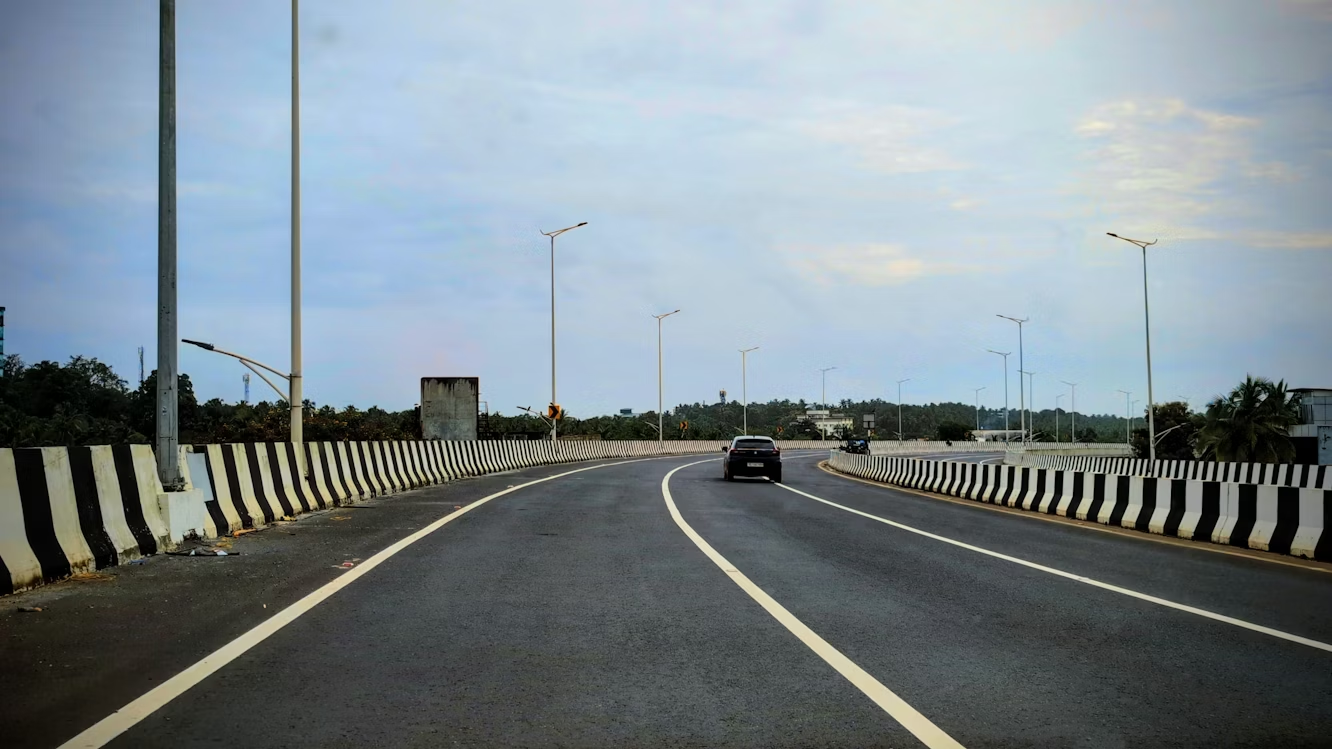
The Delhi to Mumbai corridor is one of India’s most travelled long-distance routes, linking the political capital with the financial capital. With expanding aviation, rail, and expressway infrastructure, travellers now choose between speed, affordability, and flexibility depending on purpose—business, relocation, tourism, or road trips.
Travel between Delhi and Mumbai in 2026 is fastest by flight (about 2–2.5 hours), most economical by train (12–16 hours), and most flexible by road via the Delhi–Mumbai Expressway (roughly 18–22 hours once fully operational). The best option depends on budget, urgency, comfort, and route accessibility.
This guide covers every major travel mode, booking strategy, seasonal factor, and stay planning insight for 2026.
In this Blog
What are The Main Ways to Travel Between Delhi and Mumbai in 2026?
There are three primary intercity travel modes:
- Flights for fastest connectivity
- Trains for economical and overnight journeys
- Road trips via highways and expressway corridors
Each mode suits different needs—time-sensitive travel, budget planning, or experiential journeys.
Delhi to Mumbai Distance, Travel Time, and Route Overview
The distance varies depending on air, rail, and road alignment.
| Mode | Distance | Typical travel time | Best for |
| Flight | ~1,150 km | 2–2.5 hrs | Business, quick travel |
| Train | ~1,350–1,450 km | 12–16 hrs | Budget, overnight travel |
| Road | ~1,400–1,500 km | 18–24 hrs | Road trips, flexibility |
Travel time depends on weather, congestion, and operational conditions.
1. Delhi to Mumbai Flights
What is the Fastest Way to Travel from Delhi to Mumbai?
Flights are the quickest and most frequent option.
Key details:
- Average flying time: 2–2.5 hours
- Door-to-door travel time: 4–6 hours
- Multiple daily departures
- Direct connectivity
Major hubs include Indira Gandhi International Airport and Chhatrapati Shivaji Maharaj International Airport.
Delhi to Mumbai Flights: Timing, Fares, and Booking Trends
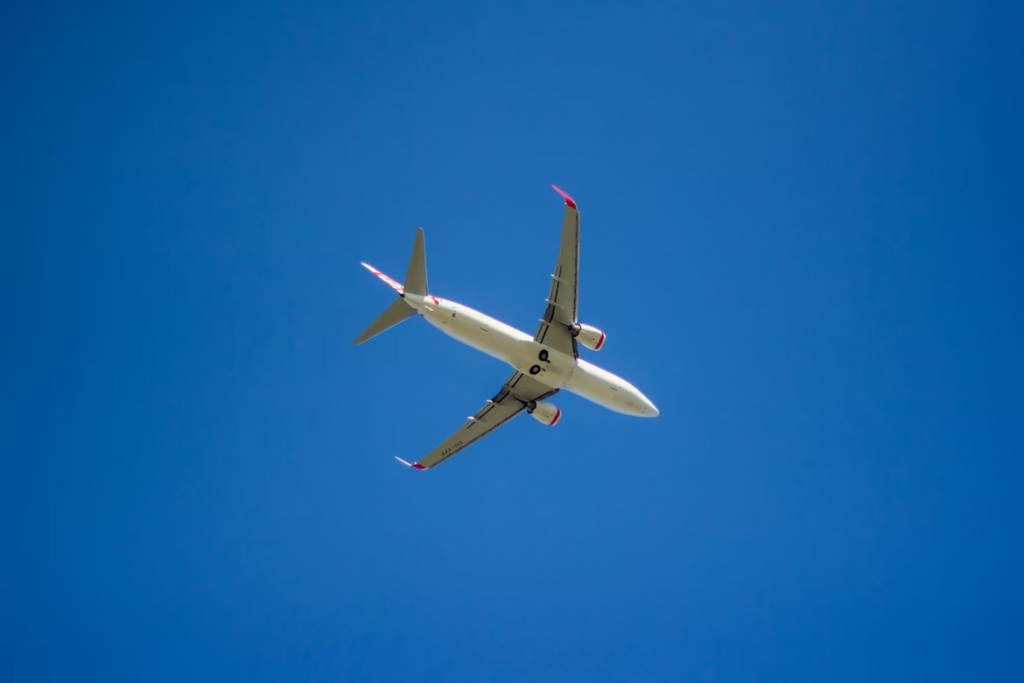
Flight pricing depends on seasonality and booking window.
Typical fare ranges:
- ₹4,000–₹6,500 (advance booking)
- ₹6,500–₹9,000 (regular fares)
- ₹10,000+ (peak travel periods)
Lowest fares usually occur:
- Midweek
- Non-holiday months
- Early morning or late-night flights
Note: Fog in north India and monsoon weather in Mumbai can impact schedules.
2. Mumbai To Delhi Trains
How Long Do Trains Take Between Delhi and Mumbai?
Train journeys remain one of the most consistent intercity travel options.
Average travel duration:
- Premium trains: 12–14 hours
- Standard express trains: 14–16 hours
Rail services are operated by Indian Railways and run daily across multiple routes.
Delhi to Mumbai Train Guide: Distance, Duration, and Travel Pattern
Rail travel spans approximately 1,350–1,450 km and connects multiple states including Rajasthan and Gujarat.
Travel characteristics:
- Overnight convenience
- Stable pricing compared to flights
- Suitable for families and long stays
- Higher luggage flexibility
Delhi to Mumbai Train Guide: Distance, Duration, and Travel Pattern
Rail travel spans approximately 1,350–1,450 km and connects multiple states including Rajasthan and Gujarat.
Travel characteristics:
- Overnight convenience
- Stable pricing compared to flights
- Suitable for families and long stays
- Higher luggage flexibility
Which are the Best Trains from Delhi to Mumbai?
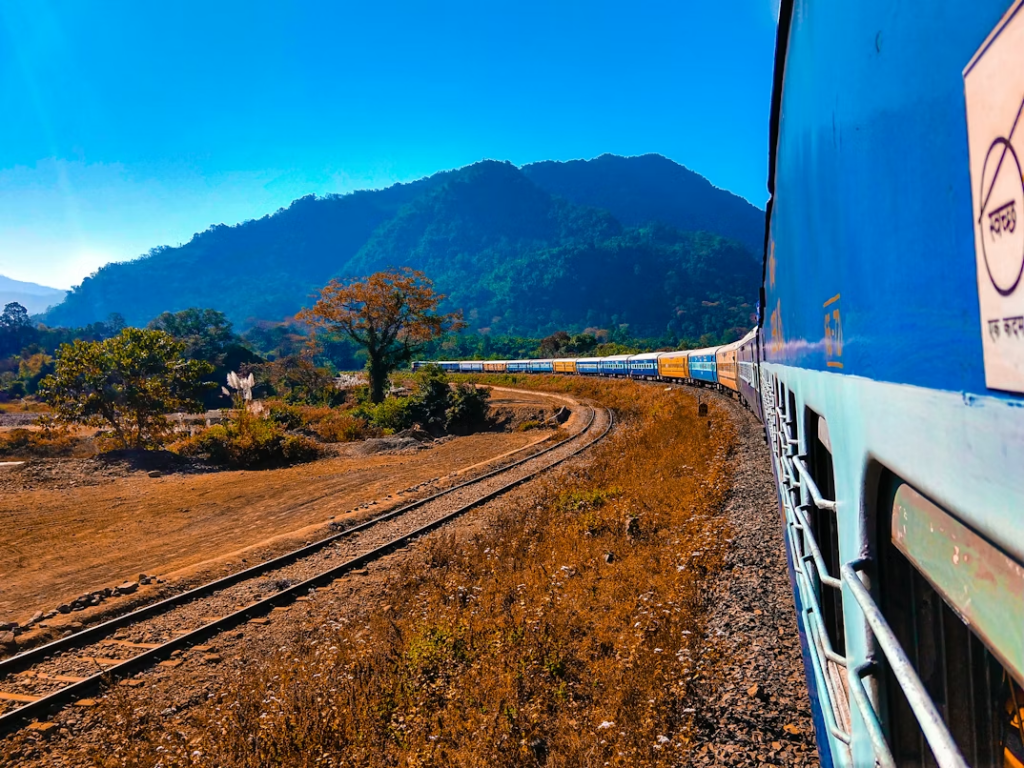
Several premium and superfast trains operate on this corridor.
Delhi–Mumbai Rajdhani Express Schedule and Experience
Rajdhani trains are among the fastest rail options.
Key features:
- Travel time: ~12–14 hours
- AC-only classes
- Meals included
- High punctuality
Preferred by business travellers and long-distance commuters.
Duronto Express Schedule and Experience
Duronto trains are designed for long-distance, point-to-point travel with minimal stops.
Key features:
- Travel time: ~13–16 hours
- Limited halts between Delhi and Mumbai
- AC and sleeper class options
- Select trains include onboard catering
- Preferred by travellers seeking faster journeys at moderate fares
Garib Rath Express Schedule and Experience
Garib Rath trains offer affordable air-conditioned travel between Delhi and Mumbai.
Key features:
- Travel time: ~14–16 hours
- Low-cost AC travel compared to other premium trains
- Reclining berths and basic amenities
- No-frills onboard services
- Popular among budget-conscious and student travellers
AC Superfast Express Schedule and Experience
AC Superfast Express trains provide reliable overnight connectivity with multiple AC class options.
Key features:
- Travel time: ~14–16 hours
- AC 2-tier and AC 3-tier coaches available
- Pantry services on most trains
- Regular daily operations
Preferred for overnight family and leisure travel between Delhi and Mumbai
Train Classes and Ticket Options Explained
Passengers can choose based on comfort and budget.
Available classes:
- AC First Class
- AC 2 Tier
- AC 3 Tier
- Sleeper Class
- General Class
Higher classes provide bedding, meals (select trains), and better privacy.
Ticket Booking Tips for Delhi and Mumbai trains
Advance planning improves seat availability.
Best practices:
- Book 2–4 weeks early for peak dates
- Use Tatkal for last-minute travel
- Compare stations and train timings
- Check live availability before payment
Festivals and long weekends see high demand.
Departure and Arrival Stations: What Travellers Should Know
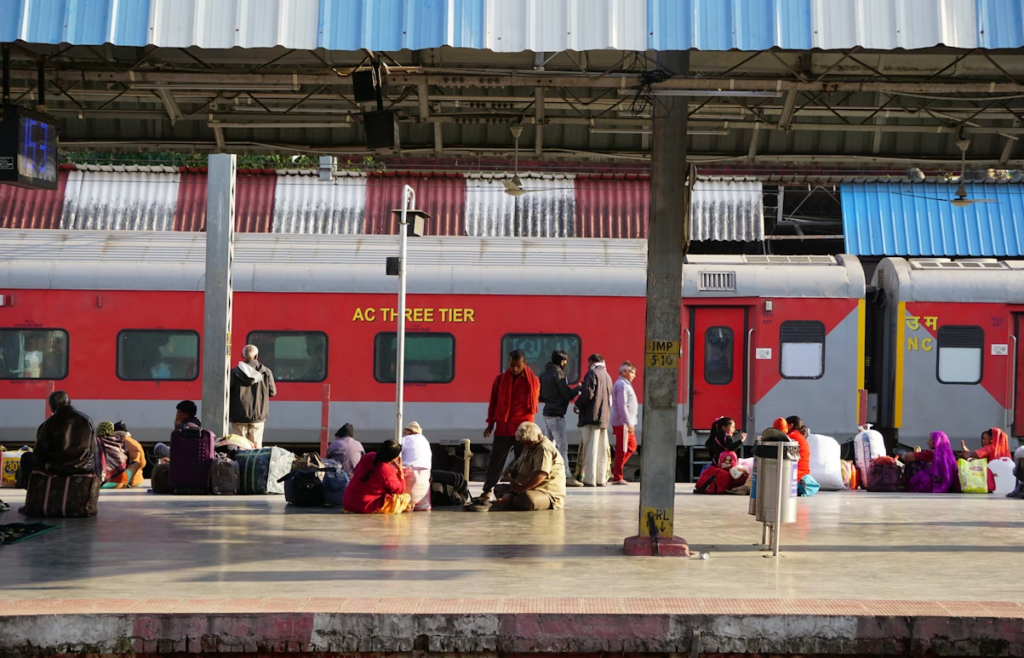
Station choice affects last-mile travel.
Delhi stations:
- New Delhi Railway Station
- Hazrat Nizamuddin
Mumbai stations:
- Mumbai Central
- Bandra Terminus
- Lokmanya Tilak Terminus
Selecting the right station reduces commute time.
Travel Comfort and Onboard Experience in Trains
Long-distance trains offer essential amenities.
Onboard facilities:
- Sleeping berths
- Pantry services
- Charging points
- Washrooms
Premium trains include meals, improved cleanliness, and fewer stops.
3. Delhi to Mumbai Road Trip
Is the Delhi–Mumbai Expressway Operational in 2026?
The Delhi–Mumbai Expressway is opening in phases and is expected to reshape intercity road travel.
Expressway advantages:
- Access-controlled highway
- Reduced congestion
- Faster travel time
- Modern rest infrastructure
Driving duration could drop to around 18–20 hours once fully operational.
How to drive from Delhi to Mumbai via Expressway (Route Plan)
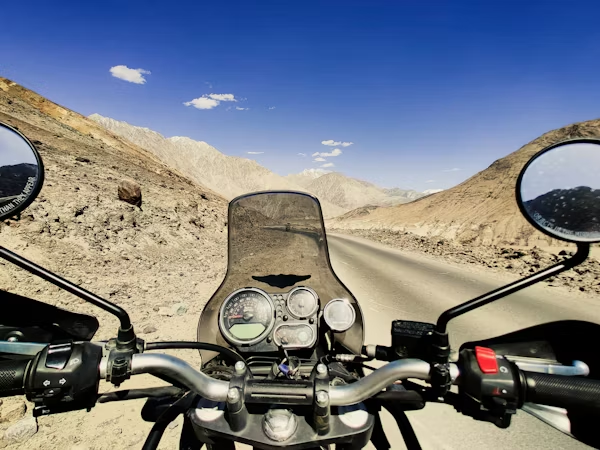
Major road travel routes include:
- Expressway via Jaipur–Kota–Vadodara
- NH48 via Jaipur–Udaipur–Ahmedabad
- Central route via Indore
Road trip facts:
- Distance: ~1,400–1,500 km
- Driving time: 18–24 hours
- Ideal split: 2 days
What is the Cheapest Way to Travel Between Delhi and Mumbai?
The most affordable travel options are:
- Sleeper class train tickets
- AC 3-tier early bookings
- Airline sale fares
- Shared road travel
Train travel generally offers the lowest consistent cost.
Seasonal Travel Considerations Between Delhi and Mumbai
Weather influences travel efficiency.
Winter: fog may delay flights and trains
Summer: long drives require hydration planning
Monsoon: road travel near Mumbai may slow down
Best travel period: October to March.
Delhi to Mumbai Road Trip Costs: Fuel, Toll, and Halts
Road travel expenses vary by vehicle type.
Estimated cost range:
- Fuel: ₹7,000–₹12,000
- Tolls: ₹2,000–₹4,000
- Stay & food: ₹2,000–₹6,000
Popular halt cities:
- Jaipur
- Udaipur
- Ahmedabad
- Vadodara
Where to stay in Delhi and Mumbai During Your Trip
Accommodation choice affects overall travel comfort, especially for late arrivals, early departures, and extended stays.
Premium villa rentals, serviced homes, and curated stays are increasingly preferred over traditional hotels for privacy and group travel.
Travellers planning leisure, relocation, or work trips often choose managed stays offered by StayVista.
Why villa stays are preferred:
- More space than hotels
- Suitable for families and groups
- Flexible check-in for late-night arrivals
- Kitchen and living spaces for longer stays
In Delhi:
Villa and residences stays in South Delhi, Gurgaon, and outskirts provide quick airport access and quieter surroundings.

Comfort Room @ StayVista Residences
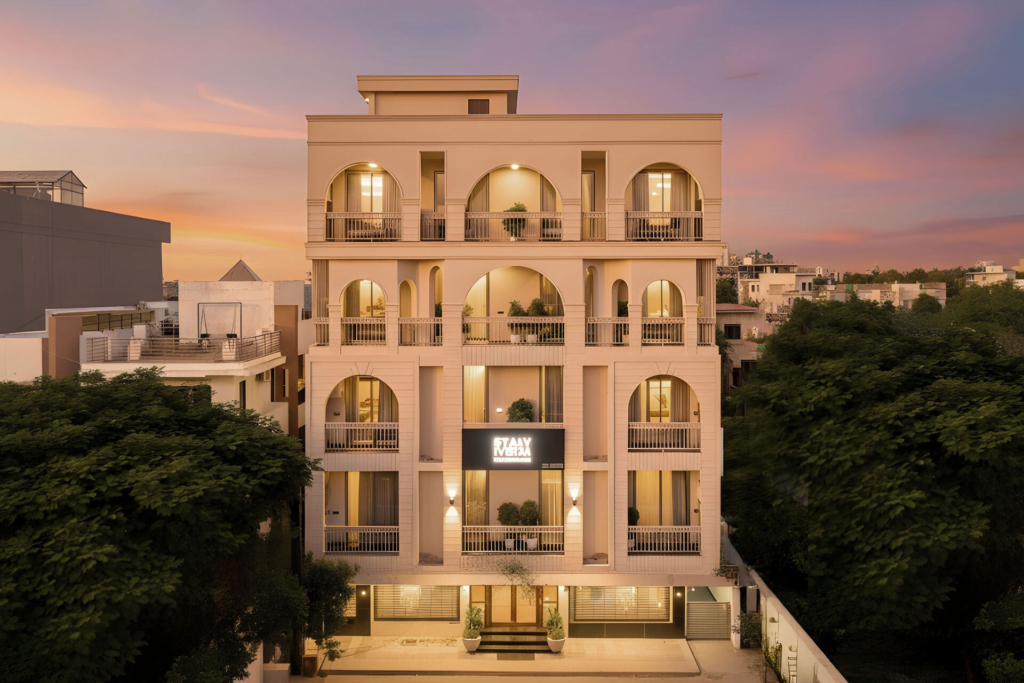
Executive Room @ StayVista Residences
In Mumbai:
Luxury homes in Bandra, Juhu, Alibaug-facing corridors, and suburban pockets offer privacy and connectivity to business districts and airports.
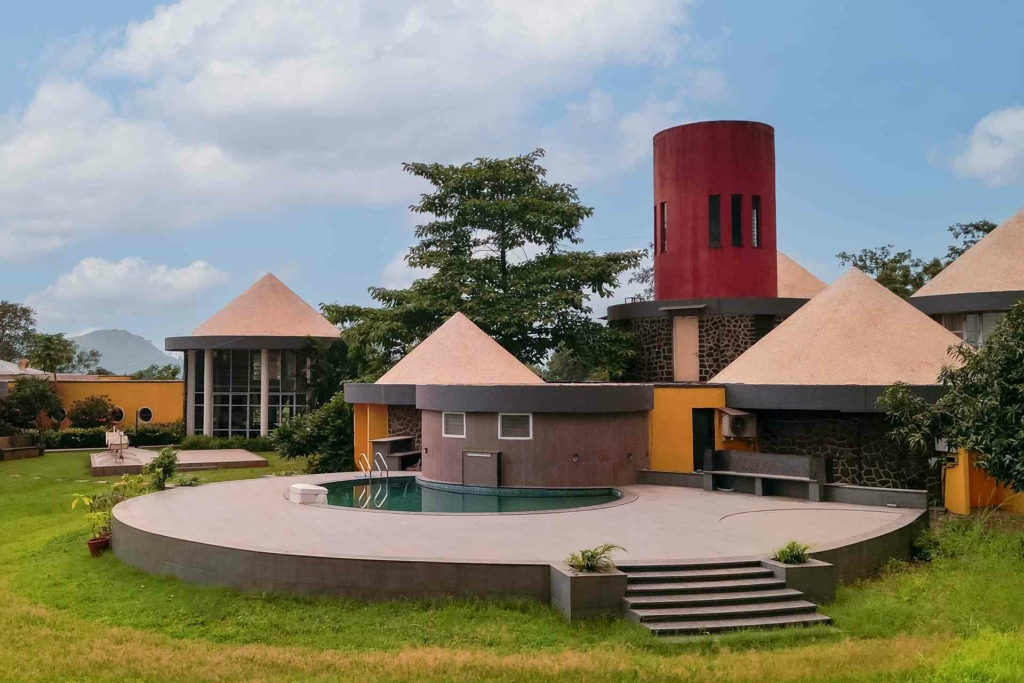
Villa Kornet
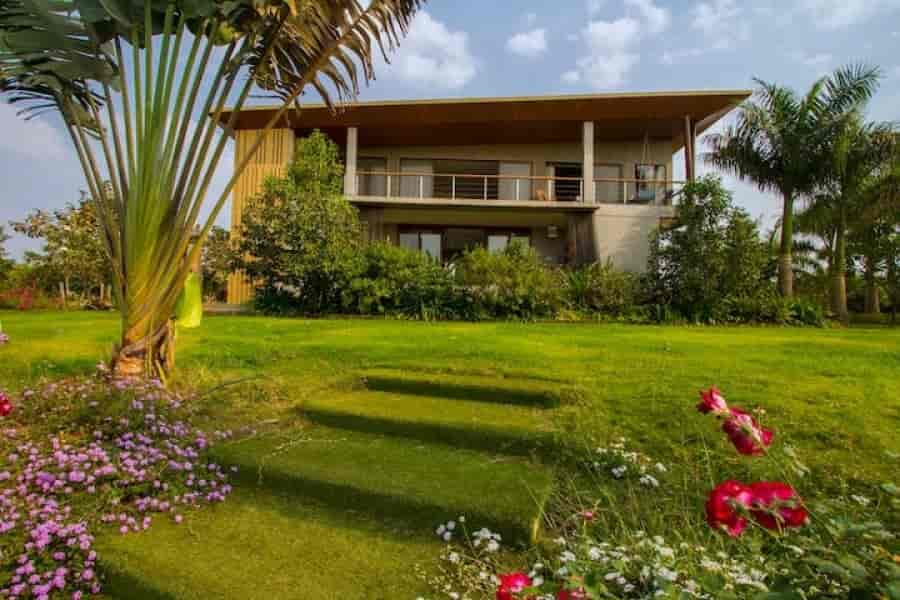
Shubmann Villa
Stay planning becomes crucial when trips involve early flights, overnight train arrivals, or road journeys.
When Should You Choose Flights vs Trains vs Driving?
Decision depends on urgency, comfort, and budget.
Choose flights if:
- Trip is time-sensitive
- Travel duration is short
- Budget is flexible
Choose trains if:
- Overnight travel preferred
- Budget planning required
- Carrying luggage
Choose driving if:
- Planning multi-city stops
- Travelling with family
- Seeking flexibility
Delhi to Mumbai travel time comparison
A quick snapshot helps decision-making.
- Flight: 2–2.5 hours
- Train: 12–16 hours
- Expressway drive: 18–22 hours
- Traditional highway drive: 22–26 hours
Mumbai to Delhi Return Travel: What Changes?
Return journeys show slightly different demand patterns.
Key observations:
- Mumbai departures peak early in the week
- Delhi sees higher arrival demand during festive seasons
- Train availability tighter for return travel
Advance booking improves seat and fare availability.
Infrastructure upgrades shaping Delhi–Mumbai travel
Transport expansion continues to reduce travel friction.
Major developments:
- Expressway connectivity
- Airport expansion
- Faster rail corridors
- Digital tolling and traffic systems
These upgrades support both tourism and business mobility.
Planning tips for Delhi–Mumbai travel in 2026
Short steps improve travel efficiency.
- Book flights and trains early
- Check weather before departure
- Plan airport/station transfers
- Pre-book stays for late arrivals
- Split road trips across two days
FAQs — Delhi to Mumbai Travel (People Also Ask)
Flights take about 2–2.5 hours in the air. Including airport processes and city transfers, total travel time typically ranges between 4 and 6 hours depending on traffic, queues, and baggage wait times
Rajdhani Express trains are generally the fastest, completing the journey in about 12–14 hours. Exact travel time depends on the specific service, route alignment, and operational conditions.
The expressway is opening in phases. Several operational stretches already reduce travel time, while full connectivity is expected progressively over the coming years.
Sleeper-class train tickets are typically the lowest-cost option. Early AC train bookings and airline sale fares may offer competitive pricing depending on timing and availability.
Road distance ranges between approximately 1,400 and 1,500 kilometres depending on the chosen highway, expressway connectivity, and route diversions.
Driving is generally safe on expressways and national highways. Risks increase with fatigue, night driving, and monsoon conditions. Planned halts and verified stays improve safety.
October to March offers the most comfortable travel weather. Summers and monsoons can affect road journeys and occasionally disrupt flight schedules.
It depends on booking timing. Advance flight deals can match AC train fares, but last-minute flights are usually more expensive than train tickets.
Continuous driving may take about 18–22 hours depending on expressway access and traffic. Most travellers split the journey into two days for safety and comfort.
Train journeys typically take 12–16 hours depending on the service, number of stops, and operational speed across the route.
Cover image credits: Sunil Sks