
Lathmar to Phoolon Wali Holi: A Complete 7-Day Braj Circuit Guide for 2026
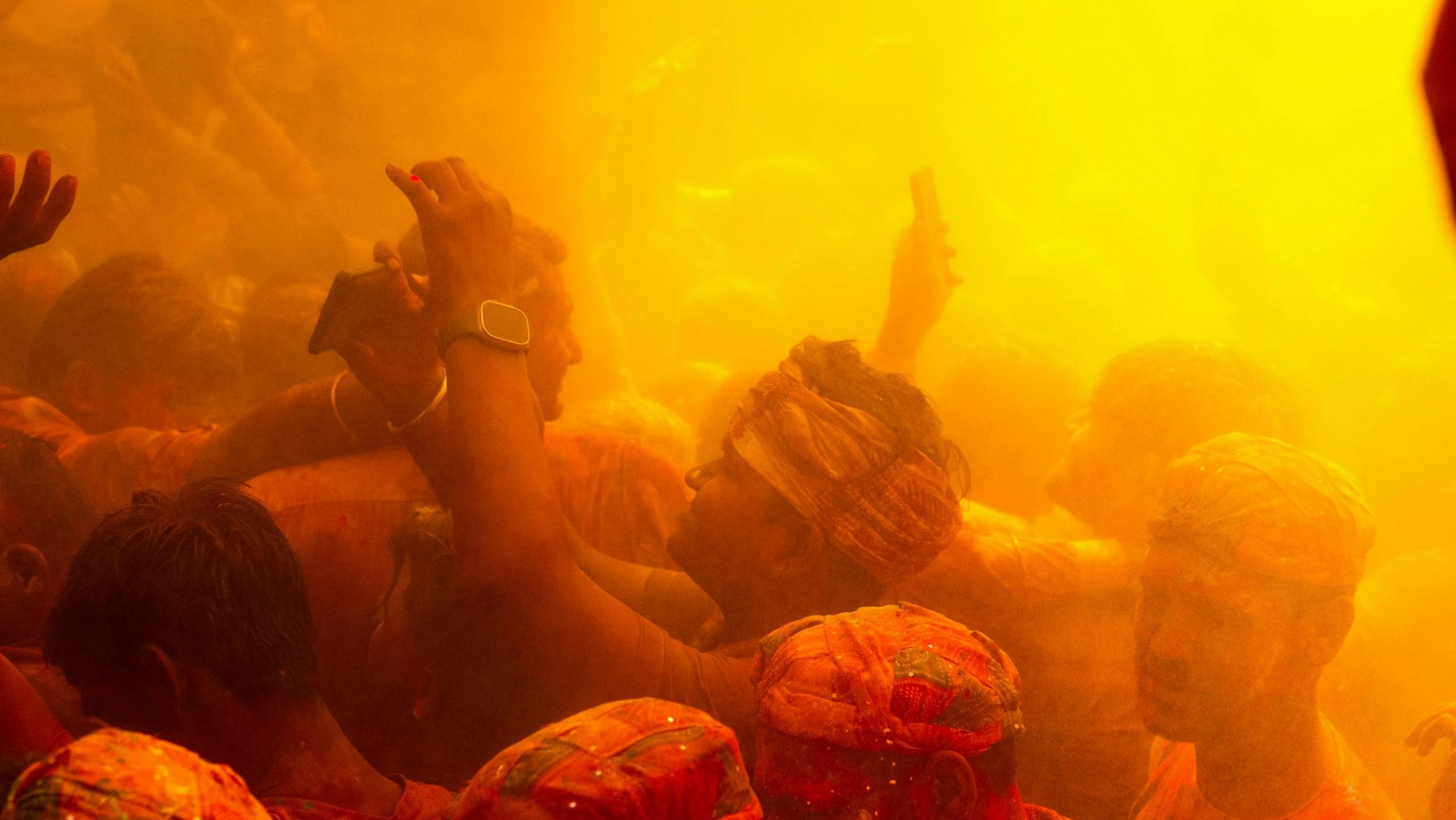
Magh Mela 2026 and Makar Sankranti 2026 marks the spiritual prelude to North India’s most immersive spring celebration: Braj ki Holi. If you want to experience Barsana Lathmar Holi, Phoolon Wali Holi in Vrindavan, and the sacred rhythm of Mathura–Gokul–Nandgaon in one seamless journey, this 7-day Braj Circuit guide shows you exactly how to do it. Day by day, temple by temple and color by color.

In this Blog
Why Is Braj Ki Holi Unlike Any Other Holi in India?
Unlike mainstream Holi, Brij ki Holi unfolds across villages linked to Lord Krishna’s life. Every place celebrates differently. There’s laddu holi in Barsana, lathmar holi in Nandgaon, flower holi in Vrindavan, and sacred rituals in Mathura and Gokul. This layered celebration blends mythology, devotion, music, and community participation.
- Celebrations span February–March (planning often starts after Makar Sankranti in 2026)
- Events are place-specific, not interchangeable. So visitors are requested to travel from town to town when the occasions transition.
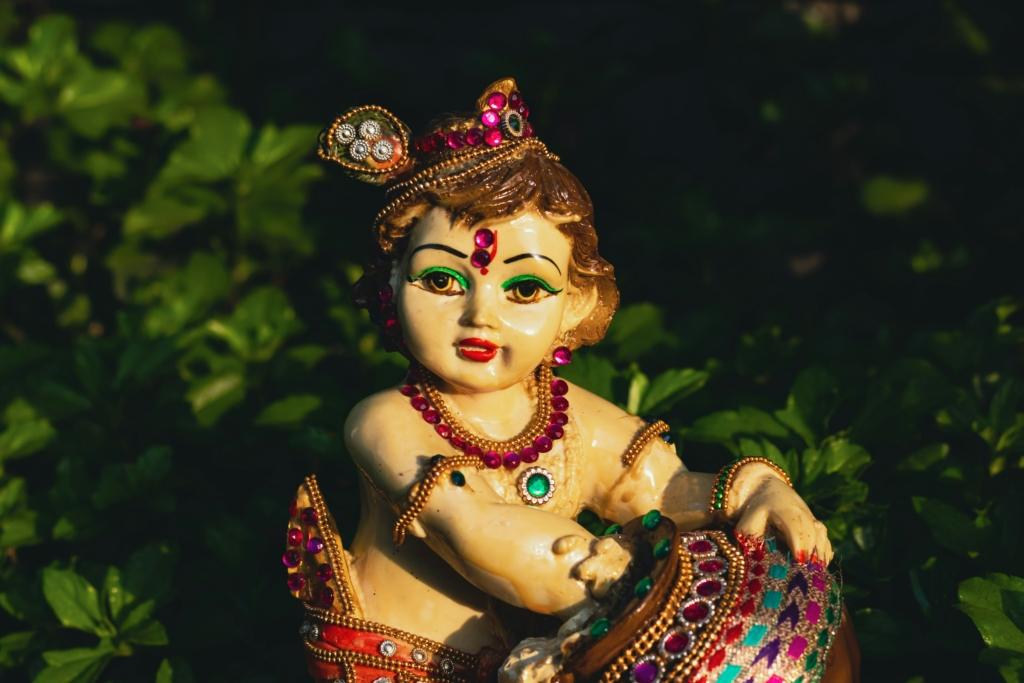
Deep links to holi puja, holika significance, and Krishna legends
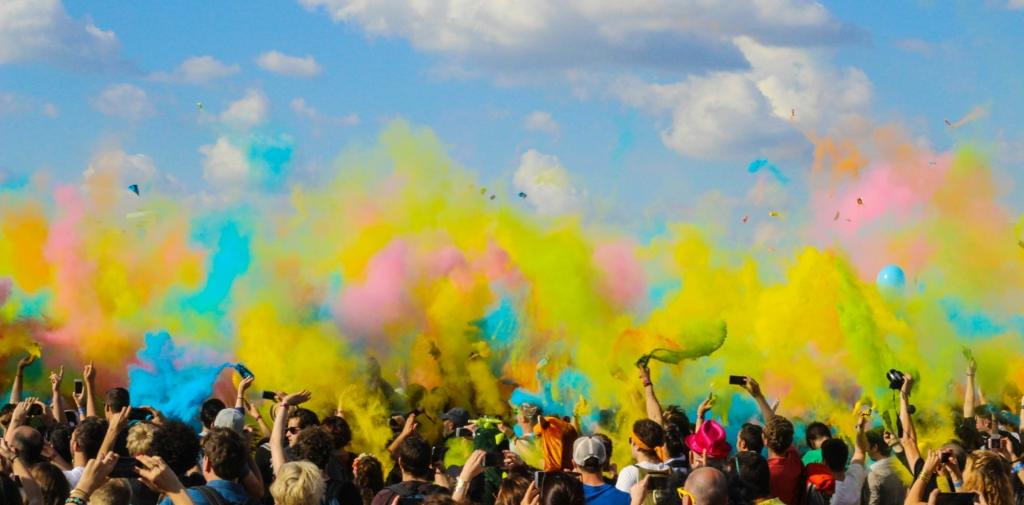
Holi 2026 Calendar: Key Dates You Must Know
Timing is everything in Braj. Miss one day and you miss an entire tradition.
| Event | Location | Why It Matters |
| Makar Sankranti 2026 | Braj Region | Marks the cultural and spiritual beginning of Holi preparations across Braj |
| Rangbhari Ekadashi | Vrindavan & Mathura | Celebrates Krishna’s return to Vrindavan with colours; the festive momentum officially begins |
| Laddu Holi | Barsana | Sweets replace colours as laddus are thrown in Radha Rani Temple |
| Barsana Lathmar Holi | Barsana | Iconic celebration where women playfully strike men with sticks (lathis) |
| Nandgaon Lathmar Holi | Nandgaon | Ritual “return Holi” where Nandgaon hosts Barsana villagers |
| Phoolon Wali Holi | Banke Bihari Temple, Vrindavan | Rare flower-petal Holi celebrated inside the temple for a few minutes only |
| Holika Dahan / Holi Ka Dahan | Mathura & Braj villages | Bonfire ritual symbolising the victory of good over evil |
| Dhulandi (Main Holi Day) | Entire Braj Region | Grand finale with colours, music, and community celebrations |
The Complete 7-Day Braj Circuit Itinerary for 2026
This itinerary balances crowds, rituals, and recovery time, ideal for first-timers. To understand the foundation of Braj ki holi, give our blog on Festival in Mathura, Vrindavan, Barsana & more a read.
How to get to Braj by Flight:
- Nearest Domestic Airport: Agra Airport (AGR) is approximately 50–65 km from Mathura. From Agra, you can reach Mathura in roughly 1–1.5 hours via taxi or bus.
- Nearest International Airport: Indira Gandhi International Airport (DEL) in New Delhi is the primary gateway, located about 145–170 km away. Travelers usually take a taxi or a pre-booked car from the airport directly to Mathura/Vrindavan via the Yamuna Expressway.
How to get to Braj by Train:
- Mathura Junction (MTJ): The main railhead for the entire Braj region, connected to all major Indian cities like Delhi, Mumbai, and Kolkata.
- Vrindavan Railway Station (BDB): A small station primarily serving local railbuses from Mathura Junction. Note that long-distance trains do not stop here.
- 2026 Special Trains: During the 2026 Holi season, expect special festive trains such as the Sgac Holi Spl (02982) and various Festive Special Trains from New Delhi (NDLS) and Hazrat Nizamuddin (NZM).
Road Routes and Highways to Braj
- Yamuna Expressway (Fastest): The primary route from Delhi/Noida, taking 2.5–3 hours to reach Mathura/Vrindavan.
- NH19 (formerly NH2): The alternative route via Faridabad and Palwal. It is more scenic but typically slower due to local traffic.
Day 1: Arrive in Mathura – Spiritual Orientation

This day is about easing into Braj’s spiritual rhythm before the colours arrive.
- Visit Shri Krishna Janmabhoomi: Walk through the prison cell believed to be Krishna’s birthplace, hear temple chants echo through marble corridors, and witness devotees offering prayers that set the devotional tone for the journey ahead.
- Evening aarti at Vishram Ghat: Stand by the Yamuna as lamps float on the river, priests chant mantras, and the sky glows saffron. This is where Krishna is believed to have rested after defeating Kansa.
- Explore old Mathura bazaars: Wander narrow lanes filled with sweets, brass idols, temple bells, and early Holi supplies.
Excited to know more about The Magic of Holi in Mathura and Vrindavan! Give it a read.
Day 2: Vrindavan – Rangbhari Ekadashi & Temple Trail

Expect your first real brush with colour, devotion, and joyful chaos.
- Morning darshan at Banke Bihari Temple: Experience the famous curtain-style darshan as priests intermittently reveal the deity, accompanied by collective chants of “Radhe Radhe.”
- Celebrate Rangbhari Ekadashi with locals: Join processions where Krishna is symbolically welcomed back to Vrindavan, with flower petals, gentle gulal, singing, and dancing in temple courtyards.
- Visit ISKCON & Prem Mandir: Balance energy with calmness that ISKCON offers serene kirtans, while Prem Mandir dazzles after sunset with illuminated carvings depicting Krishna’s life.
Pro Tip: Wear light, breathable holi festival clothes and carry a scarf to protect your hair and face.
Day 3: Barsana – Laddu Holi & Lathmar Holi

This is one of the most high-energy days of the circuit.
- Early ascent to Radha Rani Temple: Climb the hill at dawn as drums beat and crowds chant, rewarded with panoramic views of Barsana below.
- Experience Laddu Holi in the temple courtyard: Watch priests shower devotees with laddus while the crowd sings Radha-Krishna bhajans making your experience joyful, memorable and unforgettable.
- Witness Barsana Lathmar Holi: See women playfully strike men with sticks as shields fly up, recreating Krishna’s legendary teasing of Radha.
Want to know everything about Lathmar Holi in Barsana, give it a read.
Day 4: Nandgaon – The Return Lathmar Holi

Nandgaon is usually less crowded but has equal significance as Vrindavan.
- Visit Nand Bhawan: Explore the home of Krishna’s foster father, adorned with murals and devotional songs.
- Walk through Ter Kadamba: A quiet grove linked to Krishna’s childhood pastimes.
- Experience Nandgaon’s Lathmar Holi: Here, men symbolically ‘retaliate,’ completing the playful ritual begun in Barsana.
Places to visit in Nandgaon offer a slower, more intimate look at Braj traditions.
Day 5: Vrindavan – Phoolon Wali Holi

A brief but magical highlight.
- Arrive early at Gopinath and Banke Bihari Temples: Devotees pack the courtyard in anticipation.
- Witness Phoolon Wali Holi: For 15–20 minutes, priests shower the crowd with fresh flower petals as chants fill the air with no colours, just fragrance, devotion, and awe.
Phoolon Wali Holi at Banke Bihari Temple replaces colours with flower petals, creating one of India’s most serene Holi experiences.
Day 6: Gokul & Raman Reti – Krishna’s Childhood Trails
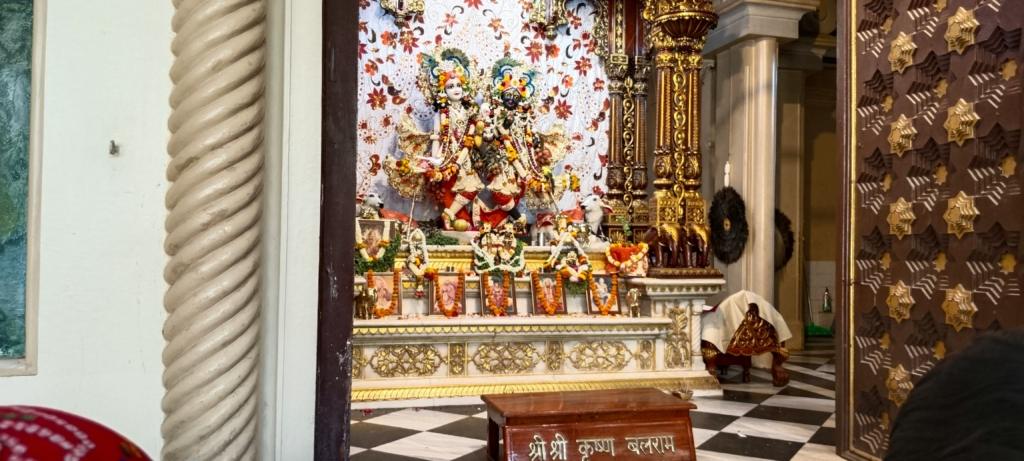
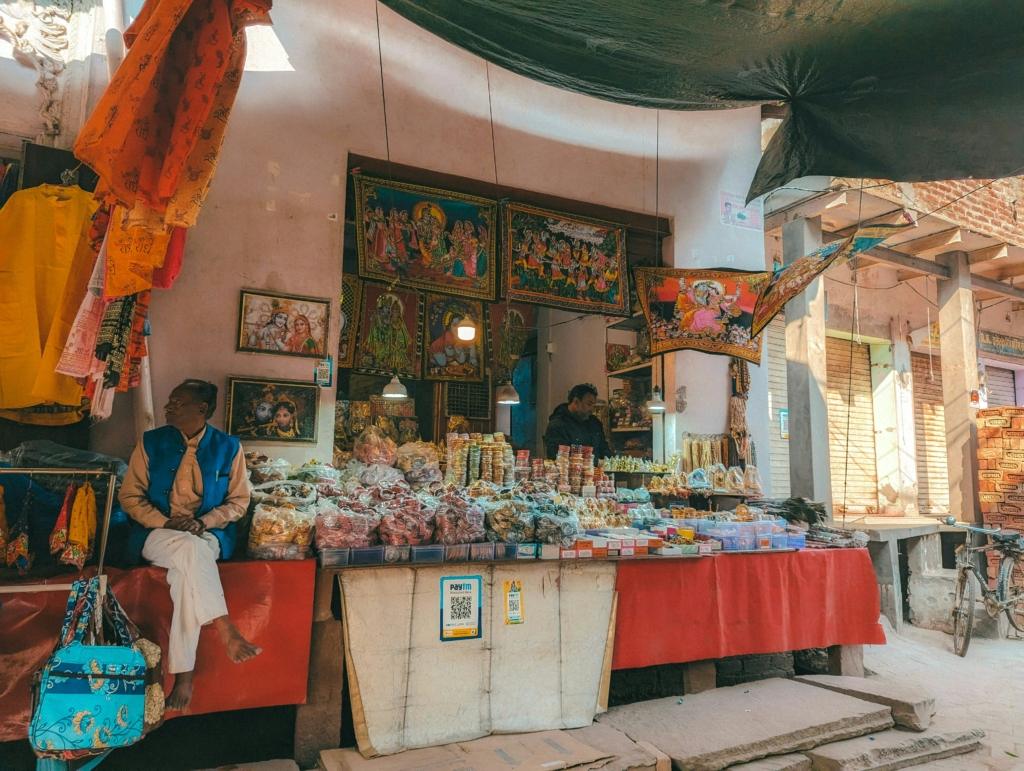
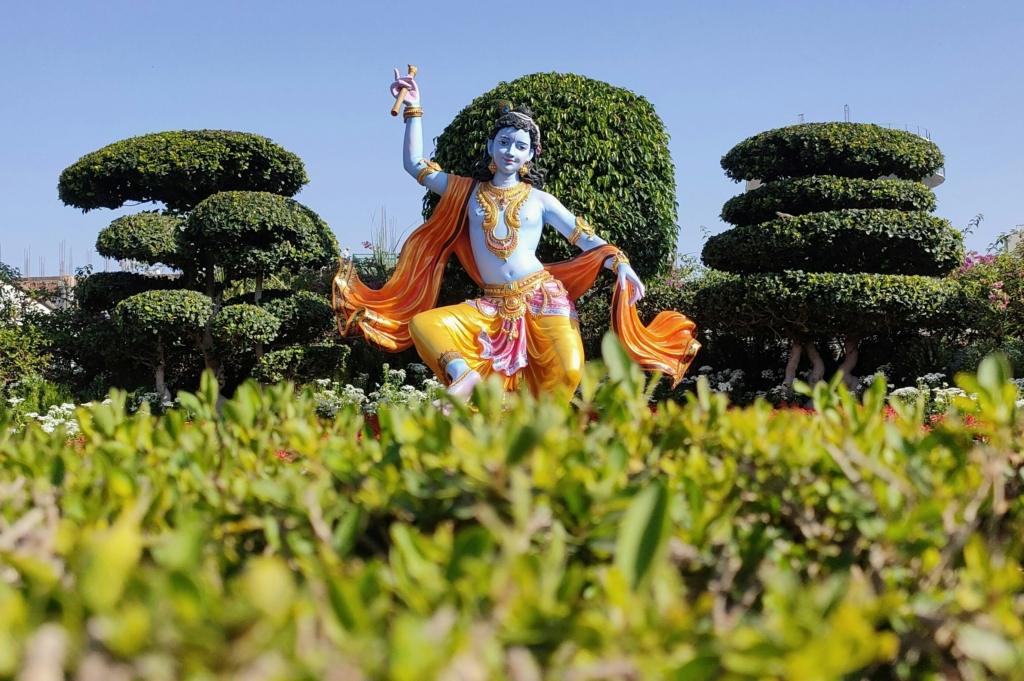
Both Gokul and Raman will give you a gentle pause after intense celebrations. It’ll foster you inner peace.
- Raman Reti: Sit, walk, or roll in the sacred sands believed to bear Krishna’s childhood footsteps.
- Chaurasi Khamba & Brahmand Ghat: Explore quiet temples and hear stories of Krishna revealing the universe to his mother.
Both towns suit family trips and spiritual or religious trips seeking reflection.
Day 7: Mathura – Holika Dahan & Dhulandi
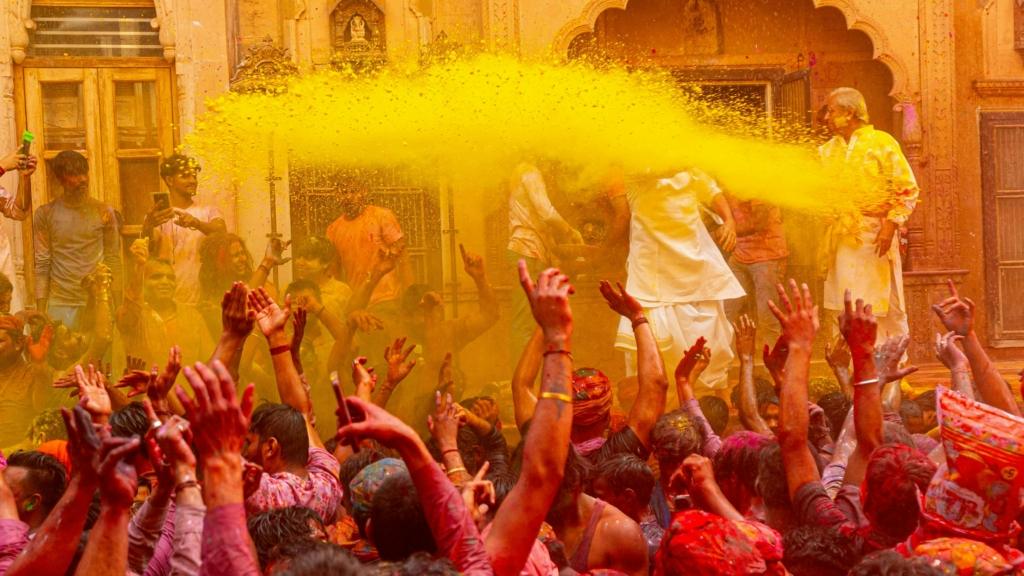
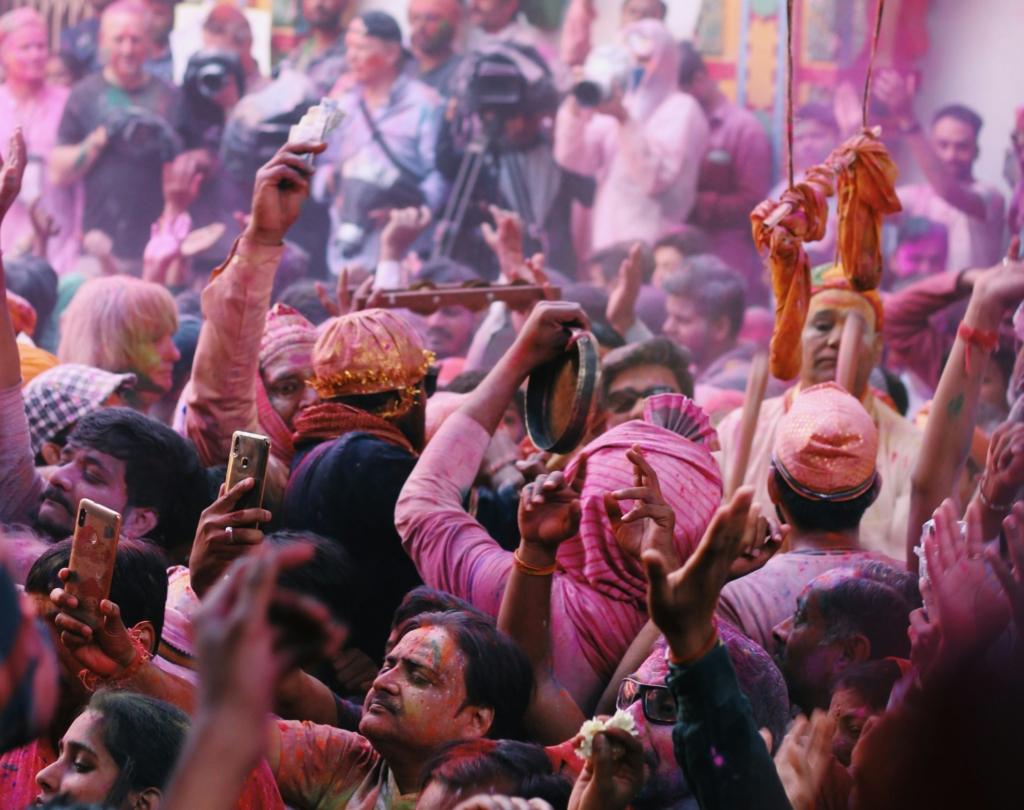
Every good celebration has to meet its end for a new beginning. Mathura denotes the end of your observance of authentic holi.
- Morning Dhulandi: Join locals for playing colours in neighbourhood lanes. The experience is lively and fun yet less ritualistic. Avoid wasting water and promote sustainable and environmentally safe colors.
- Evening Holika Dahan: Watch bonfires lit across Mathura, symbolising the victory of good over evil.
- Understand holika significance: Local priests narrate the story of Prahlad, adding depth to the ritual.
Still excited to sustain your Holi vibe, check out our Must-See Travel Spots in India for Holi!
What to Wear, Pack & Prepare for 7 Days of Braj Holi
Dressing right and packing smart can be the difference between soaking in the joy of Braj Holi and feeling overwhelmed by crowds, colours, and long days.
Key Essentials & Preparation Pointers
- Clothing: Loose, breathable cotton kurtas, salwars or pants, and dupattas. Old full-sleeved clothing for Barsana & Nandgaon; light clothes for Phoolon Wali Holi.
- Footwear: Sturdy sandals or floaters for temples; old sneakers for high-energy Lathmar Holi events.
- Accessories: Scarf or bandana to protect hair, snug sunglasses, waterproof phone pouch, small backpack or crossbody bag.
- Colours & Safety: Use herbal gulal, carry wet wipes, hand sanitiser, and apply coconut oil or moisturiser before stepping out.
- Sunscreen & Hydration: Essential for long outdoor celebrations under the sun.
- Cash & Essentials: Small denominations of cash for local purchases; light snacks if needed.
Stays near Braj in Uttar Pradesh
Vrindara Niwas at Mathura
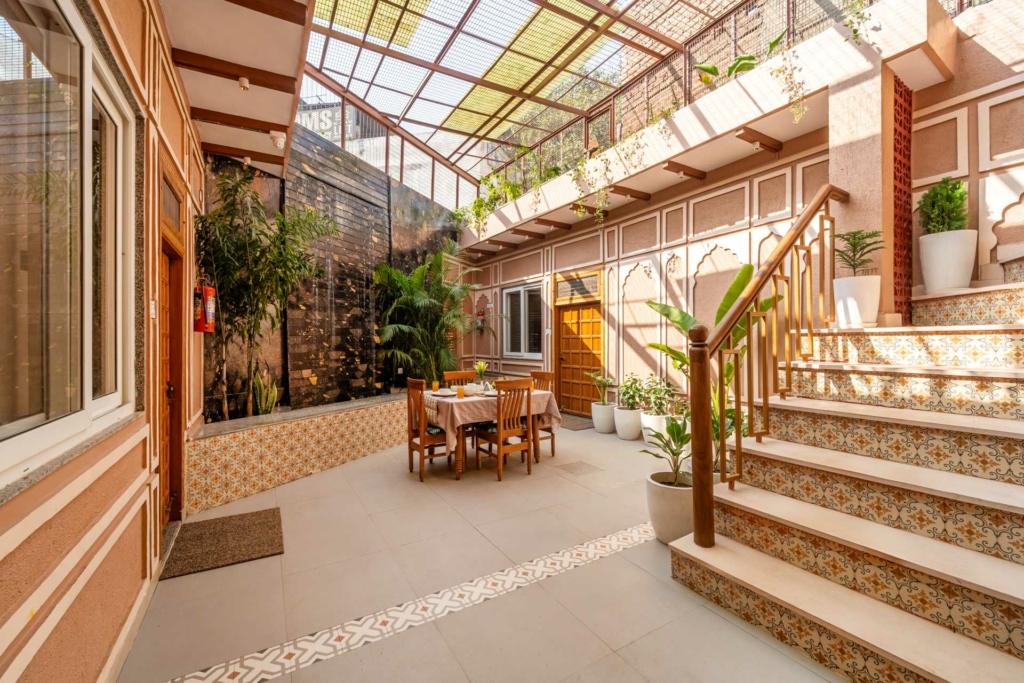
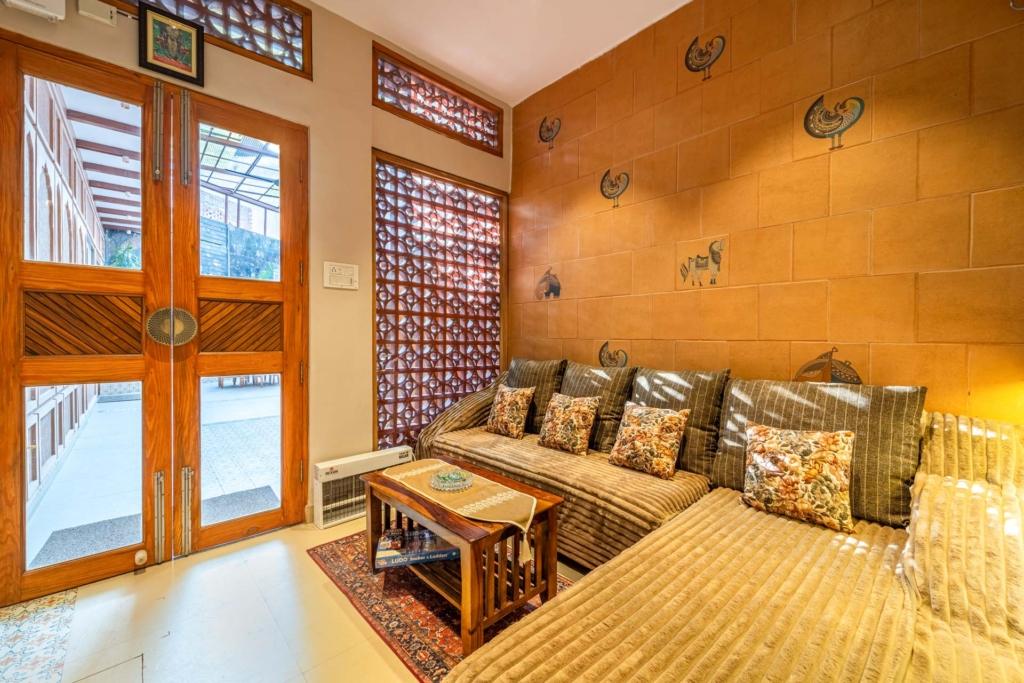
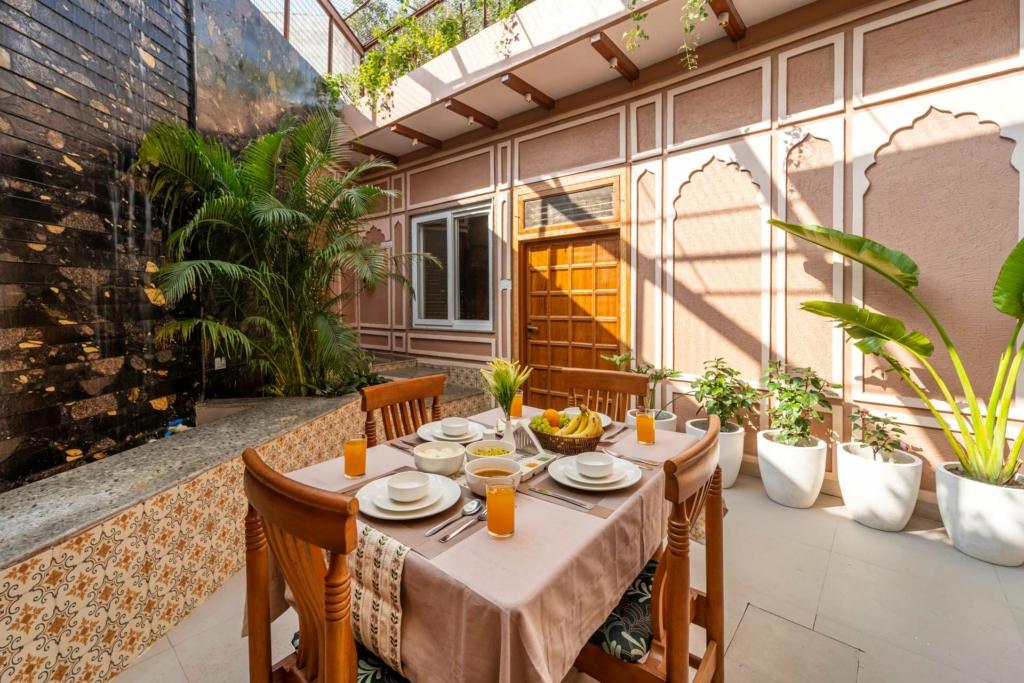
Vrindara Niwas is a refined haven in the heart of Mathura, blending minimalist elegance with the timeless soul of a royal haveli. Bathed in soft morning light, its serene bedrooms and scenic terrace offer quiet moments above the city’s bustle. With warm home-style meals and proximity to Krishna Janmabhoomi, it’s a thoughtfully crafted retreat where heritage and modern comfort meet effortlessly.
- Indoor/Outdoor games
- Internet Connectivity (Wifi)
- Heater
- Balcony/Terrace
- Workstation
Verdant Acres in Agra

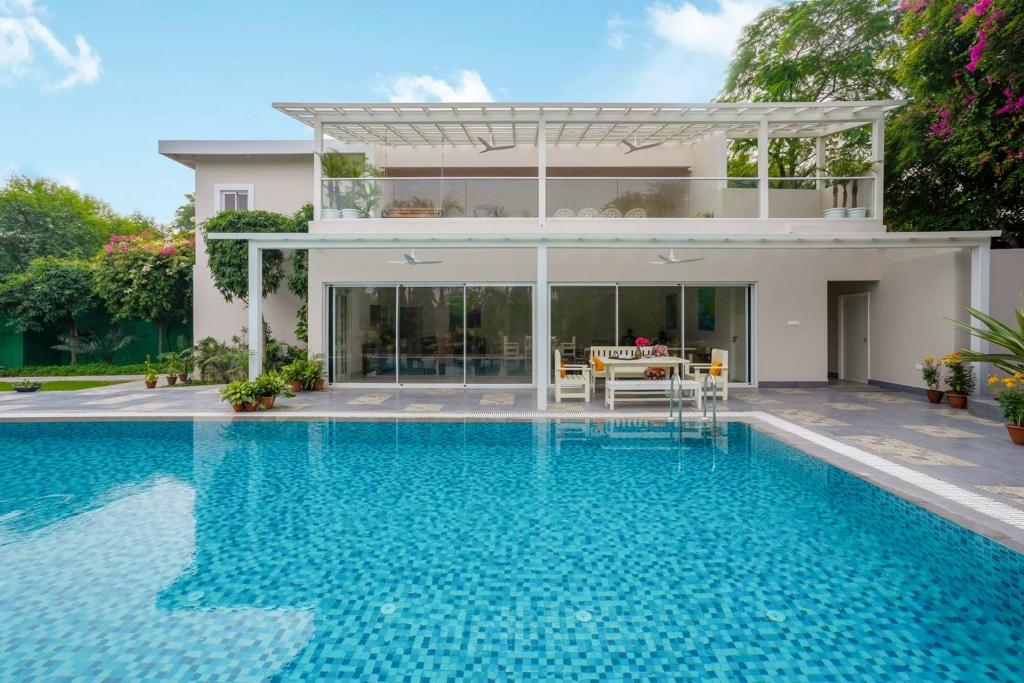
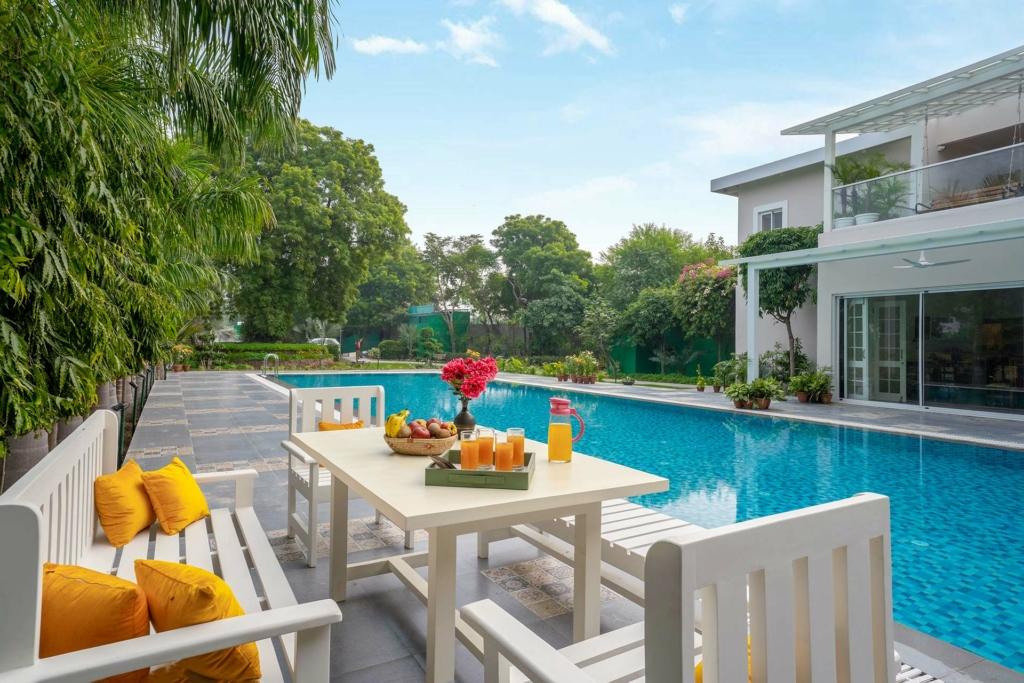
Verdant Acres is a luxurious, nature-rich retreat in Agra, just minutes from the Taj Mahal and in close proximity to Mathura, making it an ideal base for exploring Uttar Pradesh near Agra. With expansive lawns, a serene lily pond, an outdoor pool and family-friendly spaces, it blends regal comfort with peaceful experiences for a truly elevated stay.
- Bonfire
- BBQ
- Private Pool
- Parking Space
- Lawn
Madhuban in Mathura
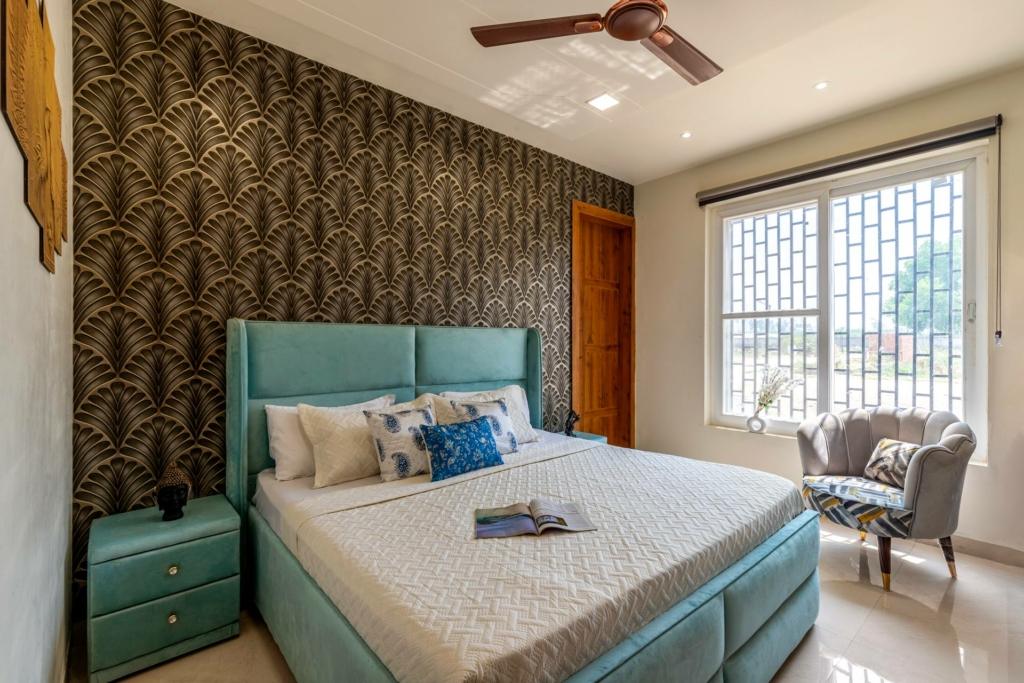
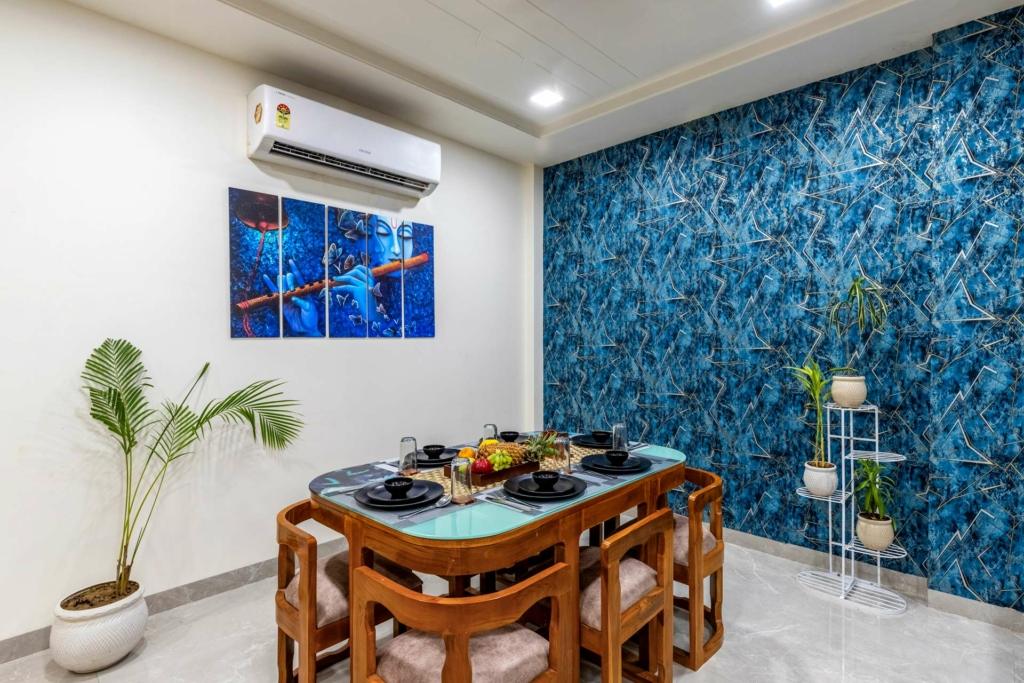
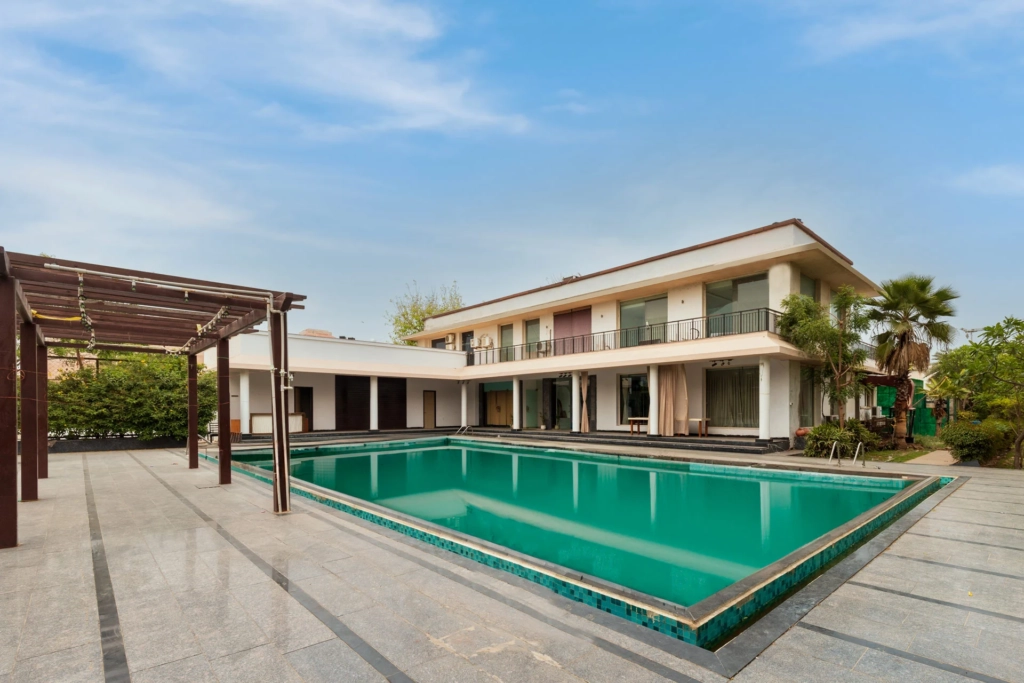
Nestled in the heart of Mathura, Madhuban is a charming retreat with vibrant interiors, earthy bedrooms and thoughtfully designed spaces for relaxed family time. With board games, a lush garden, and easy access to a nearby swimming pool, it offers laid-back comfort close to Prem Mandir and Vrindavan, perfect for a peaceful, memory-filled stay.
- Private pool
- Indoor/Outdoor Games
- Music System
- Parking Space
- Balcony/Terrace
Final Thoughts: Braj ki Holi is the best place to celebrate Holi in 2026

Braj ki Holi is not a festival you merely celebrate from your hometown. It’s an experience you step into, absorb, and carry home long from Braj after the colours fade. From the playful chaos of Barsana Lathmar Holi to the serenity of Phoolon Wali Holi in Vrindavan, this 7-day Braj circuit weaves together devotion, mythology, community, and celebration.
Each destination from Mathura, Vrindavan, Barsana, Nandgaon, Gokul, and Raman Reti, adds a distinct layer to the story of Krishna and Holi, making the journey feel both festive and deeply spiritual. Traveling slowly through one region allows you to understand the rhythm of Braj rather than rushing through events. To truly enjoy the experience, where you stay matters as much as where you go. Cannot reach Braj? Checkout 5 Other Destinations to Witness the Best Holi Celebrations in India.
Choosing StayVista villas near Vrindavan and Mathura gives you the comfort, privacy, and calm to unwind each day; so you can return refreshed, grounded, and ready for the next celebration. Planning your Holi 2026 escape? Explore StayVista villas near Vrindavan and Mathura for a peaceful base amid the celebration.
FAQs
Start by booking your travel and stay 2–3 months in advance, as Holi season draws large crowds and hotels fill up quickly. Plan a 5–8 day itinerary covering Barsana, Nandgaon, Vrindavan, Mathura and Gokul with temple visits, local sightseeing and festival events. Use local transport or a guided tour for smooth transfers between celebration sites and check event dates before finalising your schedule.
Braj ki Holi is filled with countless hues, delectable cuisine, ancient Hindu customs, and unbridled joy. Every year, many people travel to Vrindavan, the birthplace of Lord Krishna, and the surrounding districts to participate in the celebrations.
Barsana Holi period (at Radha Rani Temple and the surrounding courtyards) is often between 9:30 AM and 11:00 AM, when the famous Lathmar Holi plays begin. Colour play, chanting, and traditional rituals are at their height during the busiest hours of 10:30 AM to 2:00 PM.
People traditionally wear white during Holi because it denotes purity and serves as the ideal canvas for the colours of joy that follow! However, modern Holi attire combines heritage with design, as seen in colourful dupattas, fashionable kurtas, and chic accessories. Wearing white attire is typical at Holi events because it serves as a blank canvas for the vivid colours. Choose comfortable, breathable fabrics like cotton, but garments that you don’t mind being ruined – they may never be white again.
In the Braj tradition, Holi festivities begin about a week before the main festival, Lathmar Holi starts late February or early March, with Phoolon Wali Holi in Vrindavan typically on the Ekadashi before the main Holi date. In 2026, Braj Holi celebrations begin around Feb 25, with flower Holi at Vrindavan temples around 28 Feb–1 Mar, and the main Dhulandi Holi falls on 2 March.
Holi in Vrindavan in 2026 unfolds as a lively 7–10 day celebration. The festivities begin with Laddu Holi in Barsana around February 25th and build up through highlights like Lathmar Holi on February 26th and Phoolon Wali Holi on February 27th, before culminating in the grand Rangwali Holi on March 4th, 2026. Altogether, it’s a colourful, tradition-filled week of festivities.
The word Braj comes from the Sanskrit term व्रज (vraja). First mentioned in the Rigveda, vraja in Sanskrit refers to a pasture, shelter, or enclosure for cattle, and is derived from the root “vraj,” meaning “to go” in English.