

Varanasi 2 Day Itinerary (Feb–March) – Sunrise, Ghats, Sarnath & Street Food Guide
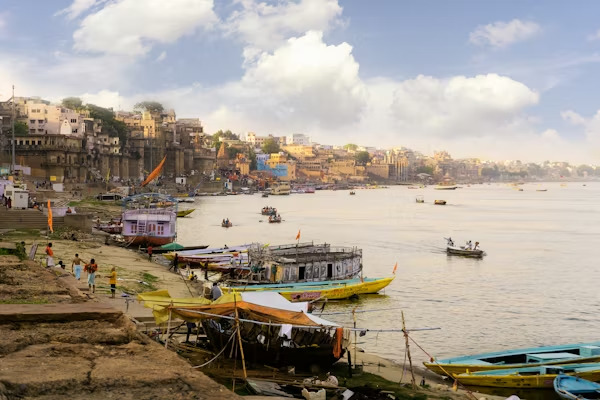
Planning how to spend 2 days in Varanasi can feel challenging because the city contains centuries of history, rituals, food traditions, and sacred sites packed into a compact area. Choosing the right plan becomes even more important during February and March, when pleasant temperatures and clear skies make sightseeing comfortable from morning until night.
This carefully structured varanasi 2 day itinerary is designed to help visitors experience sunrise rituals, important temples, historic sites, and famous local dishes without rushing. It balances spiritual activities with cultural exploration, ensuring each hour is meaningful. Because late winter and early spring bring ideal weather in Varanasi, visitors can comfortably walk between ghats, attend ceremonies, and enjoy outdoor meals.
The ideal Varanasi 2-day itinerary in February–March includes sunrise boat rides around 6:15–6:45 am, temple visits before noon, Sarnath sightseeing in the afternoon, and evening Ganga Aarti Timing around 6:30–7:00 pm. Arriving the night before Day 1 helps visitors begin early and follow the schedule comfortably.
The guide below explains each stop in detail, includes timing suggestions, and highlights practical tips so visitors can make the most of their stay.
In this Blog
Explore a Complete Varanasi Itinerary for First-Time Visitors (2 Days)
For first-time visitors, spending two days in Varanasi offers enough time to experience the city’s spiritual atmosphere, historic landmarks, and food culture without feeling rushed. Because many of the major attractions are located close to the river, planning the day around the ghats and nearby neighbourhoods helps make sightseeing efficient and enjoyable.
This itinerary is designed to balance the most important experiences — from witnessing sunrise on the Ganges and visiting significant temples to exploring historic sites and tasting local dishes. The first day focuses on the riverfront and the old city, where centuries-old rituals, temples, and bustling lanes define the character of Varanasi. The second day expands the experience with cultural exploration, a visit to Sarnath, and time to discover markets and local food spots.
By following this simple structure, visitors can see the highlights of Varanasi at a comfortable pace while still leaving room to observe the daily life, traditions, and atmosphere that make the city unique. The detailed day-by-day plan below breaks down the best way to organise your time.
Day 1 of Varanasi 2-day itinerary
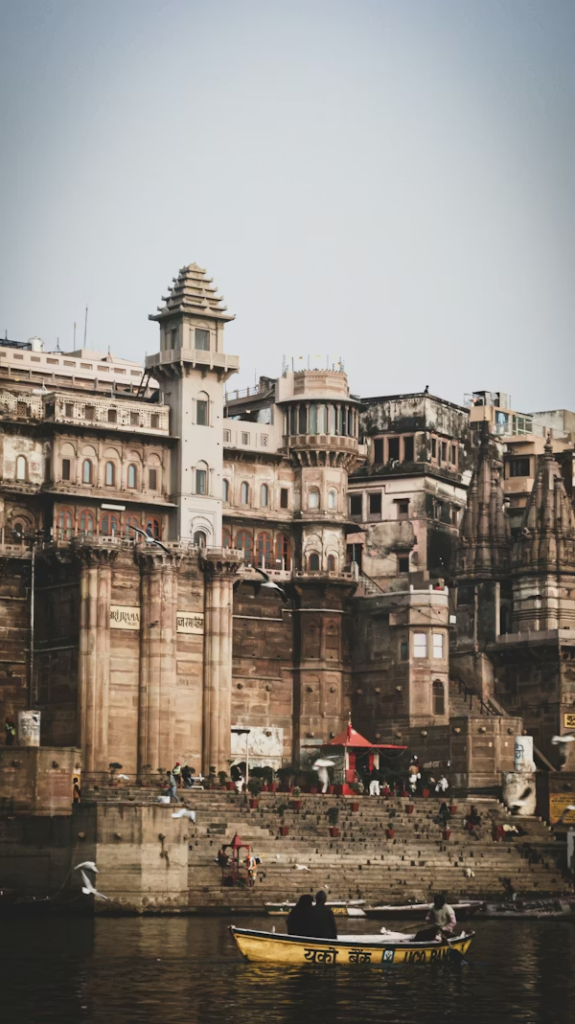
1. Sunrise Boat Ride
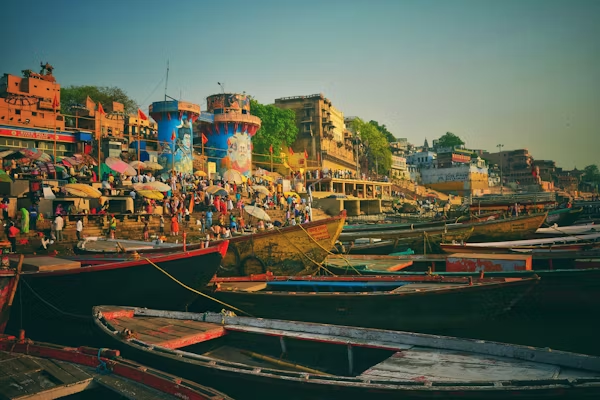
The first morning begins with a sunrise boat ride on the Ganges. Boats depart before dawn so visitors can watch the sky change colours as the sun rises. Priests perform early rituals along the river steps, and locals begin their daily prayers.
This calm start helps visitors understand why the river is central to the city’s identity. Morning light also provides excellent photography conditions.
2. Morning Visit to Temples
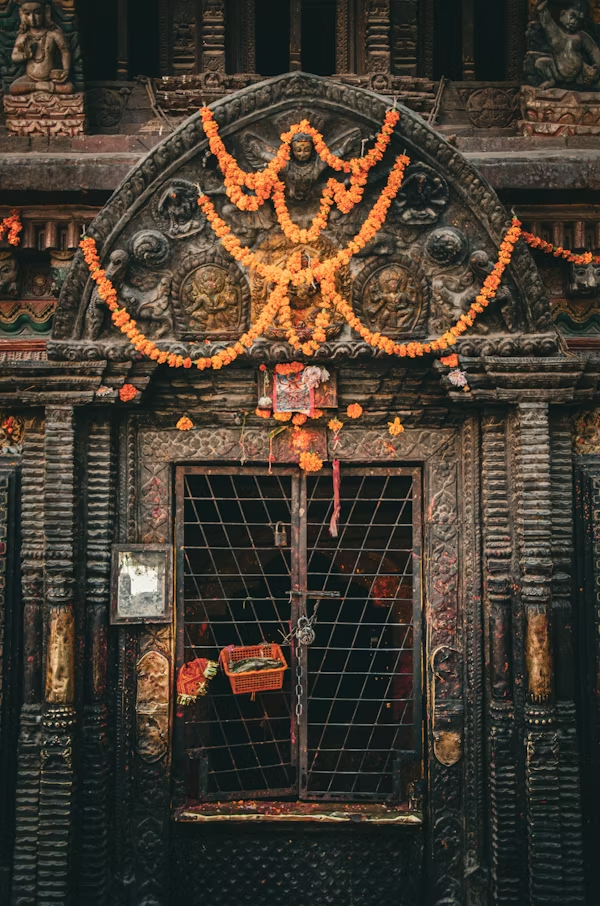
After the boat ride, visitors often walk through narrow lanes to reach the Kashi Vishwanath Temple. This temple is one of the most respected pilgrimage sites in India. Security checks are organised, and queues move steadily during February and March because temperatures remain comfortable.
Nearby streets contain small shrines, flower sellers, and incense stalls. Observing these daily activities gives insight into local traditions.
3. Breakfast Stop – Start the Varanasi street food list
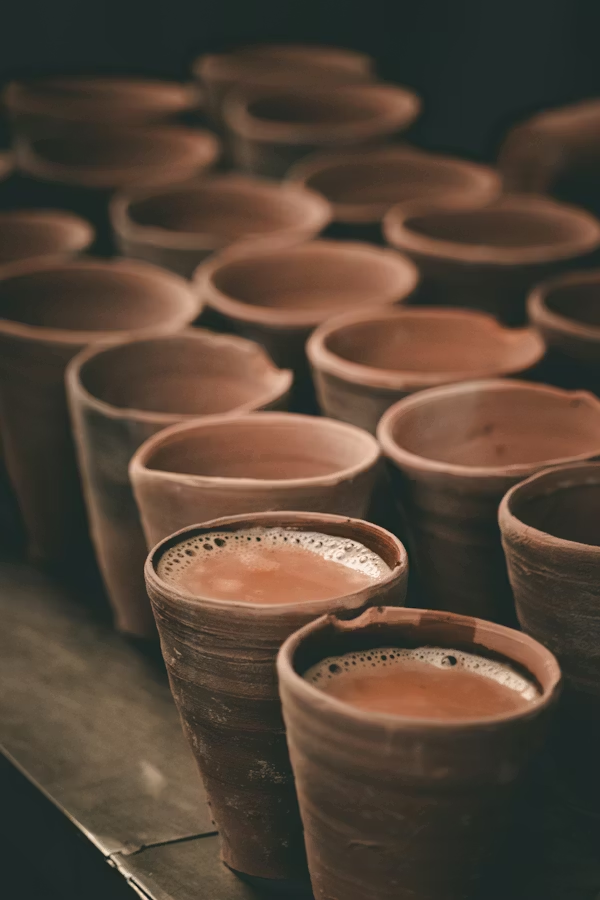
Morning is the ideal time to sample traditional breakfast dishes. Vendors prepare hot snacks early, making this the perfect moment to begin tasting items from the Varanasi street food list. Popular choices include kachori sabzi, jalebi, and milk-based drinks flavoured with spices.
4. Midday Rest – Smart Tip for How to spend 2 days in Varanasi
Even though February and March are pleasant, afternoons can still feel warm. Many visitors return to their hotel for a short rest. This break ensures enough energy for evening activities.
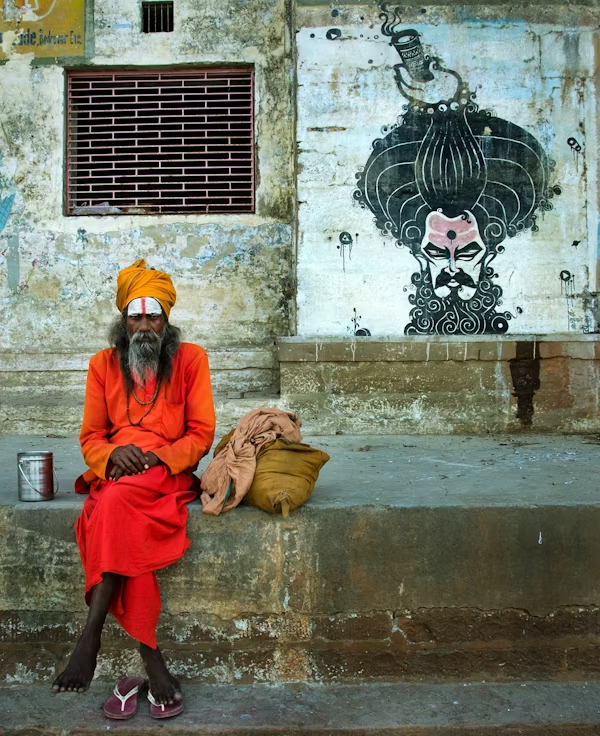
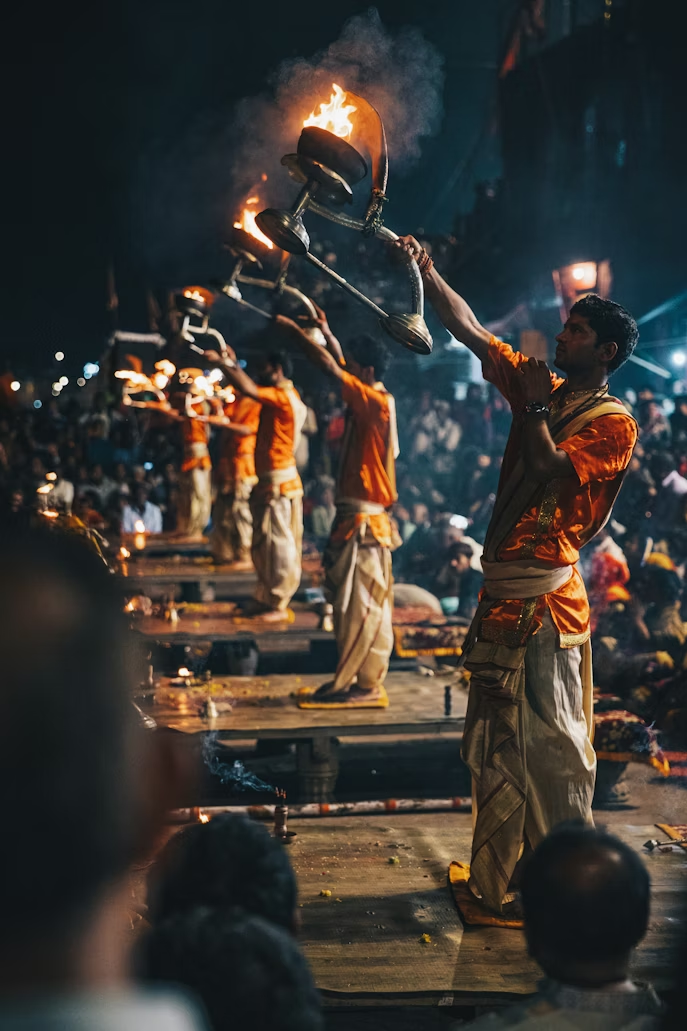
5. Evening Ceremony – Check Ganga Aarti Timing
The highlight of the first day is the evening ritual at Dashashwamedh Ghat. The ceremony usually begins shortly after sunset. Priests perform synchronised movements with lamps, bells, and chants.
Knowing the exact Ganga Aarti Timing helps visitors arrive early for a clear view. Seating areas fill quickly, especially during festival periods.
Day 2 – Culture, History, and Food in Varanasi
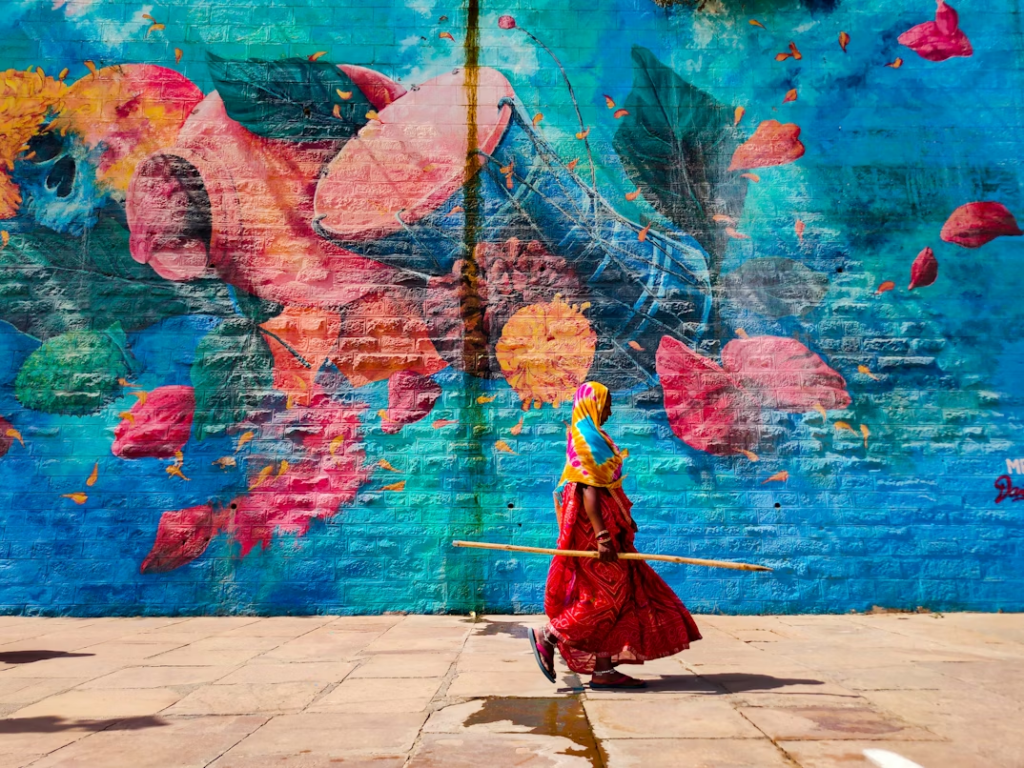
- Morning Walk – Visiting Famous Ghats in Varanasi
The second day begins with a walk along the riverfront steps. One of the most popular morning locations is Assi Ghat, known for yoga sessions and devotional music. This ghat often hosts cultural programmes and morning gatherings. Walking between ghats allows visitors to see daily life, rituals, and traditional activities that define the city’s character.
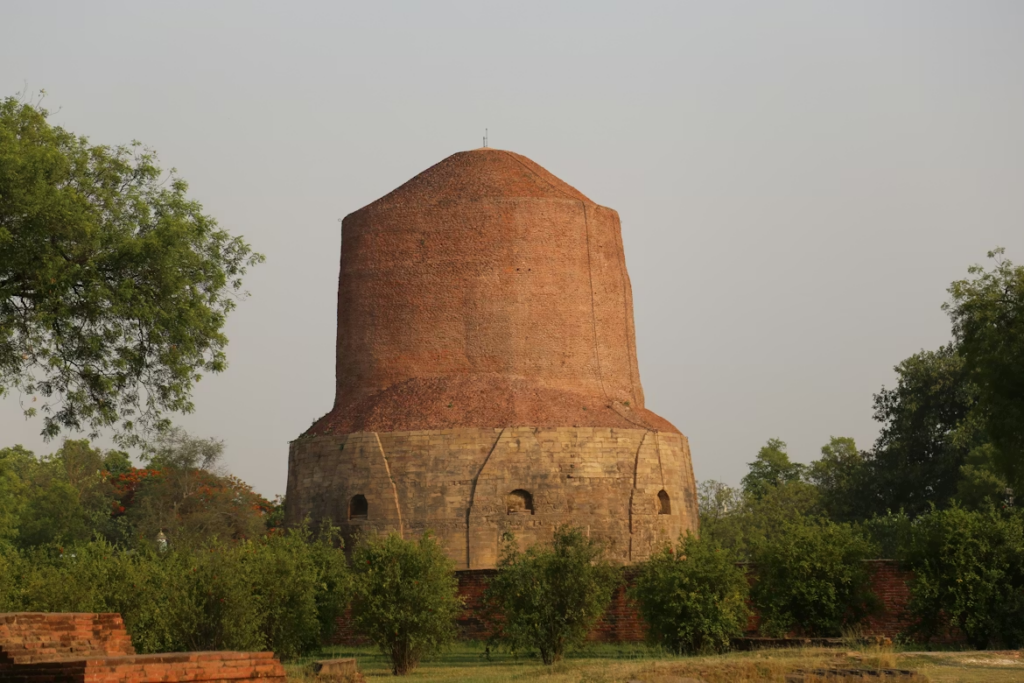
2. Excursion to Sarnath – Historic Stop in tourist attractions in Varanasi
Late morning is ideal for visiting Sarnath, located a short drive away. This historic site is associated with early Buddhist teachings. Visitors can explore ancient ruins, a museum, and peaceful gardens.
February and March weather make walking around the archaeological complex comfortable, which is why this site is often included in a Varanasi 2 day itinerary.
3.Afternoon Food Trail – Continue the Varanasi street food list
Returning to the city centre, visitors often spend the afternoon sampling local snacks. Trying multiple small dishes rather than one large meal allows them to experience a wider variety of flavours.
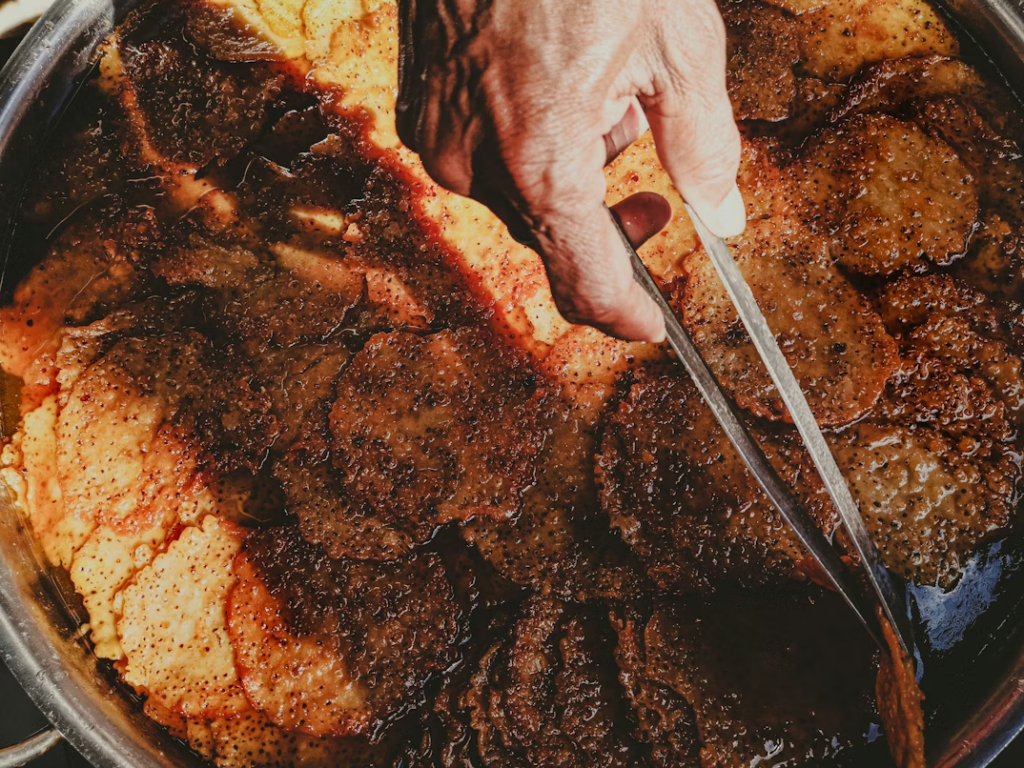
Several traditional stalls serve freshly fried kachoris filled with lentils or spices. These are usually paired with tangy curry and chutneys. Morning is considered the best time, but many vendors prepare fresh batches throughout the day.
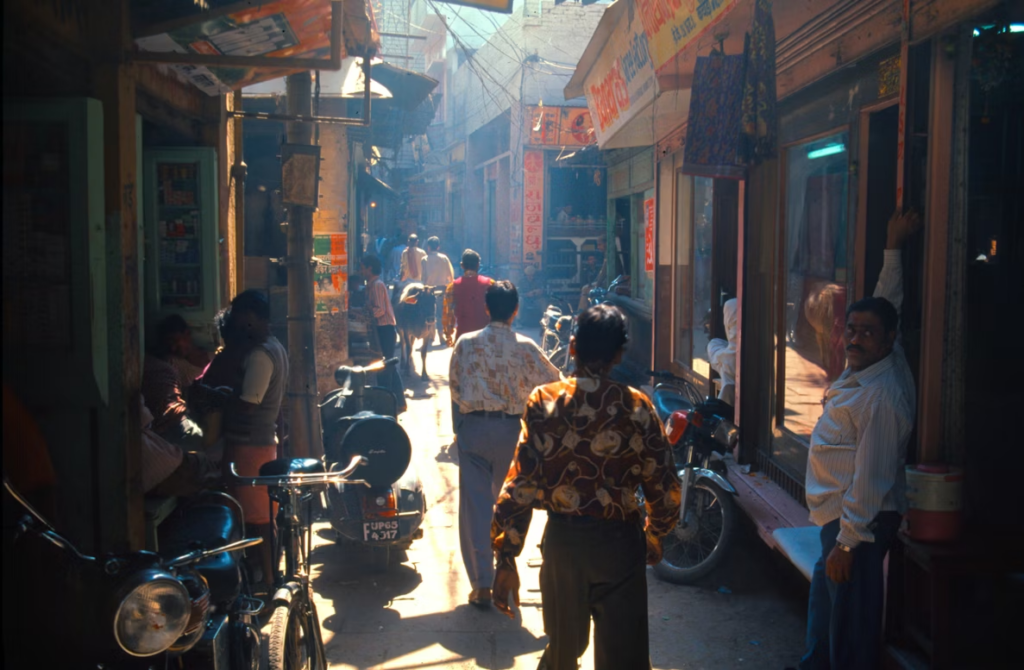
4. Evening Market Walk – Relaxed Things to do in Varanasi
Markets near the ghats sell silk fabrics, brass lamps, and handcrafted items. Walking through these markets during the evening is enjoyable because the temperatures are cooler. Many visitors also buy sweets to take home.
Special Seasonal Plan – Varanasi Holi itinerary
Visitors arriving in March may adjust their plan to include Holi celebrations. Morning colour play typically takes place in neighbourhood streets and open courtyards. Afternoon cultural performances and music events often follow.
Including festival activities can make a Varanasi Holi itinerary more vibrant while still leaving time for temple visits and sightseeing.
Varanasi 2 Day Itinerary With Best Time, Location & Tips
| Day | Best Time | Activity | Location | Distance / Insider Notes |
| Day 1 | 6:15–7:15 am | Sunrise boat ride | Varanasi Ghats | Boats leave before sunrise; arrive 20 min early for best seats |
| Day 1 | 7:30–9:00 am | Temple visit | Kashi Vishwanath Temple | Short walk through old lanes; minimal crowds early morning |
| Day 1 | 9:00–10:00 am | Breakfast tasting | Old City food lanes | Best time for fresh kachori and jalebi batches |
| Day 1 | 1:00–3:30 pm | Rest/break | At your Villa in Varanasi | Useful to avoid midday warmth |
| Day 1 | 6:30–7:15 pm | Evening ceremony | Dashashwamedh Ghat | Reach 30–40 min early for a clear view |
| Day 2 | 6:30–8:30 am | Morning walk | Assi Ghat | Cultural programmes and yoga sessions are held often |
| Day 2 | 10:30 am–1:30 pm | Heritage excursion | Sarnath | About a 10 km drive; ideal late-morning visit |
| Day 2 | 2:30–5:00 pm | Street food trail | City centre | Try multiple small dishes instead of one meal |
| Day 2 | 6:00–8:00 pm | Market stroll | Near ghats | Cooler temperatures and active evening shopping |
Accommodation – Choosing the Best area to stay near ghats
Old Quarter Stays
Staying close to the river steps allows visitors to attend sunrise rituals without long travel times. Guesthouses here are within walking distance of major sites, making them convenient for short visits.
Modern District Hotels
Hotels in wider-road areas provide easy vehicle access and modern facilities. These suites suit visitors who prefer quiet surroundings after a day of sightseeing.
Choosing a villa in Varanasi
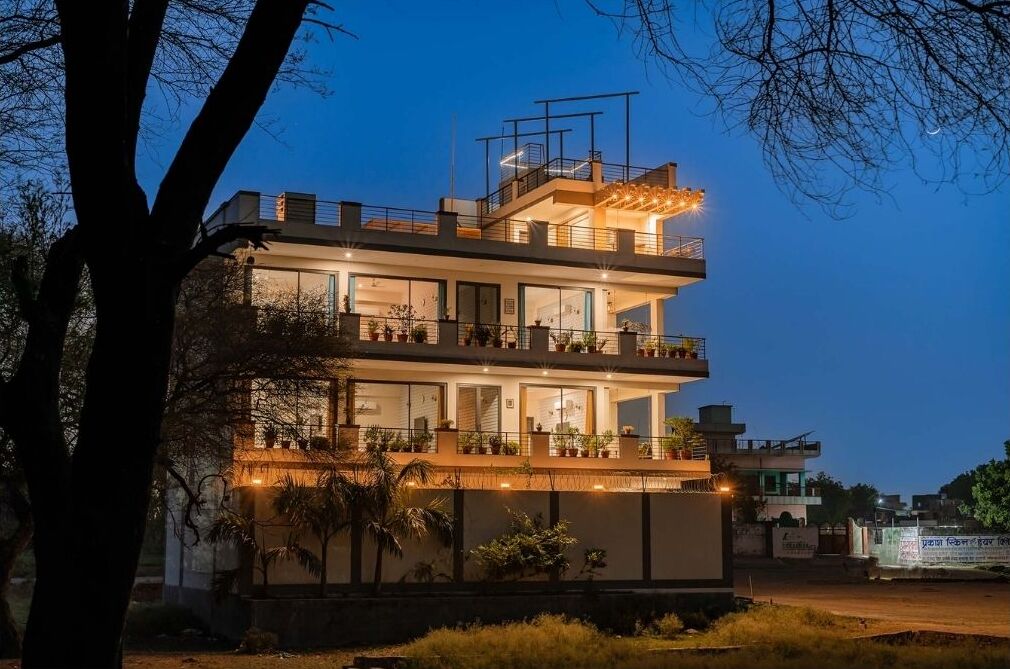
Private villas in Varanasi are available within and on the outskirts of the city. These properties usually include spacious interiors and gardens, making them suitable for families or groups who want privacy while staying near major attractions.
Here are some of our suggestions:

How to Reach for the Varanasi 2-day Itinerary
Reaching the city is convenient because it is well-connected by air, rail, and road. Visitors can choose the option that best suits their schedule and budget.
By Air:
The nearest airport is Lal Bahadur Shastri International Airport, located about 25 km from the city centre. Regular flights operate from Delhi, Mumbai, Bengaluru, and other major cities. Taxis and prepaid cabs are easily available outside the terminal, and the drive usually takes 45–60 minutes.
By Train:
The main rail station is Varanasi Junction, which connects the city with most regions of India. Overnight trains are popular because visitors can arrive early in the morning and immediately begin sightseeing. Auto-rickshaws and taxis are available outside the station.
By Road:
Several highways connect the city with nearby destinations such as Prayagraj, Lucknow, and Patna. Private buses, state transport coaches, and hired cars operate daily. Road travel is suitable for visitors planning multi-city trips.
2-Day Budget Guide for the varanasi 2 day itinerary
Understanding expected expenses helps visitors plan efficiently. Costs vary depending on travel style, but the estimates below provide a realistic range for two days.
Budget Estimate Table for How to spend 2 days in Varanasi
| Category | Budget Range (INR) | Notes |
| Stay (2 nights) | ₹1,200 – ₹6,000 | Depends on hotel type and proximity to ghats |
| Food | ₹400 – ₹1,200 | Street food costs less; cafés cost more |
| Local Transport | ₹300 – ₹1,000 | Autos, e-rickshaws, taxis |
| Boat Ride | ₹200 – ₹800 | Shared vs private boat |
| Entry Fees | ₹50 – ₹300 | Museums or monuments |
| Shopping | ₹500 – ₹2,000 | Optional purchases |
Average Total Budget: ₹2,500 – ₹11,000 per person for two days.
Practical Tips on How to spend 2 days in Varanasi Comfortably
- Begin sightseeing early to avoid crowds.
- Keep small cash notes for street food stalls.
- Drink bottled water during long walks.
- Follow local instructions near temples and ceremonies.
These small preparations make the trip smoother and more enjoyable.
Food Guide Expansion – Essential Stops in Varanasi street food list
Local cuisine reflects long culinary traditions. Must-try items include:
- Kachori sabzi
- Tamatar chaat
- Lassi served in clay cups
Tasting dishes from different stalls allows visitors to experience varied flavours without repeating meals.
Time Management Strategy for Varanasi 2-day itinerary
Efficient planning is important because the city has many closely located attractions. The best strategy is to group nearby places together. For example:
- Morning: riverfront and temples
- Afternoon: museums or Sarnath
- Evening: ceremonies and markets
Following this structure helps visitors cover more sites without feeling rushed.
Why February–March Is Ideal to Visit Varanasi
Late winter and early spring combine moderate temperatures with minimal rainfall. Clear skies improve visibility for sightseeing and photography. Comfortable climate conditions allow visitors to walk for long periods without discomfort, which is essential for a short trip.
Safety and Comfort Tips
- Choose licensed boats for river rides.
- Wear comfortable footwear for stone pathways.
- Keep personal belongings secure in crowded areas.
- Follow guidance from local authorities during events.
These measures ensure a relaxed and enjoyable experience.
FAQs– People Also Ask
The ideal approach is to divide the schedule into sunrise rituals, temple visits, afternoon sightseeing, and evening ceremonies. Keeping locations grouped by area saves travel time. Starting early each day helps visitors cover major experiences comfortably.
Visitors should focus on riverfront activities, historic temples, Sarnath, and local food. Walking between nearby sites and using short auto rides for distant ones ensures time is used wisely. Planning timings in advance prevents delays.
The ceremony usually begins shortly after sunset, typically between 6:30 pm and 7:00 pm, depending on the season. Arriving at least 45 minutes early helps secure a clear viewing spot near the river steps.
Dashashwamedh Ghat, Assi Ghat, and Manikarnika Ghat are commonly included. Each has a different atmosphere and ritual significance. Visiting them at different times of day provides varied experiences.
Popular items include kachori sabzi, tamatar chaat, jalebi, and lassi. Sampling small portions from multiple vendors helps visitors taste more dishes while keeping meals light during sightseeing.
Traditional breakfast lanes near temple areas are known for freshly fried kachoris. Morning hours are best because vendors prepare them in batches. Locals often recommend small, long-running stalls.
Staying close to the riverfront is practical because most activities happen nearby. Areas within walking distance of major ghats allow easy access to sunrise boat rides and evening rituals without needing transport.
Mornings are cool, afternoons are warm, and evenings are comfortable. This balance allows full-day sightseeing without extreme heat. Light layers and comfortable shoes make outdoor exploration easier.
Making the Most of This Varanasi 2 day Itinerary
A carefully planned Varanasi 2-day itinerary allows visitors to experience sunrise rituals, sacred temples, historic sites, and regional food traditions within a short time. February and March provide ideal conditions because the weather in Varanasi remains pleasant throughout the day, making walking tours and outdoor activities comfortable.
Anyone wondering how to spend 2 days in Varanasi will find that balancing spiritual landmarks, cultural excursions, and food exploration creates the most rewarding experience. Including important stops such as riverfront ceremonies, historic sites, and local markets ensures a well-rounded visit.
Cover image credits: Kishore Kumar CK
Written by Ruben Saha