
Varanasi in Feb–March: Complete Trip Guide (Weather, Festivals, Itineraries & Where to Stay)

Planning a trip to northern India during late winter or early spring often leads visitors to consider Varanasi in Feb–March, a period known for pleasant weather, colourful festivals, and comfortable sightseeing conditions. This time of year combines mild temperatures, clear skies, and vibrant cultural activities, making it ideal for anyone who wants a meaningful and well-paced experience.

Unlike peak summer months, when temperatures rise sharply, February and March allow visitors to walk through historic lanes, attend riverfront ceremonies, and explore temples without discomfort. Many cultural events also take place during this season, which adds depth and authenticity to the visit. Because of these advantages, people frequently ask, is february good time for varanasi and whether March might be even better. The answer lies in understanding climate, crowd patterns, and seasonal highlights, all of which this guide explains in detail.
In this Blog
Weather in Varanasi in Feb–March and Seasonal Conditions

Weather in Varanasi in February
February marks the end of winter. Daytime temperatures usually range between 12°C and 25°C, making outdoor sightseeing comfortable. Early mornings can feel cool, especially during boat rides along the river, so light jackets are useful. Clear skies and gentle sunlight create excellent conditions for photography and temple visits.
Weather in Varanasi in March
March begins the transition into spring. Temperatures typically rise to 18°C–32°C. Days are warmer than February but still manageable. Evenings remain pleasant, allowing visitors to attend outdoor rituals and street performances comfortably.
Is Feb or March better for Varanasi?
Both months are suitable, but preferences differ:
- February is slightly cooler and quieter.
- March has festive energy due to celebrations such as Holi.
Those who prefer calm sightseeing often choose February, while those wanting lively cultural experiences lean towards March.
Cultural Highlights and What to do in Varanasi in Feb-March
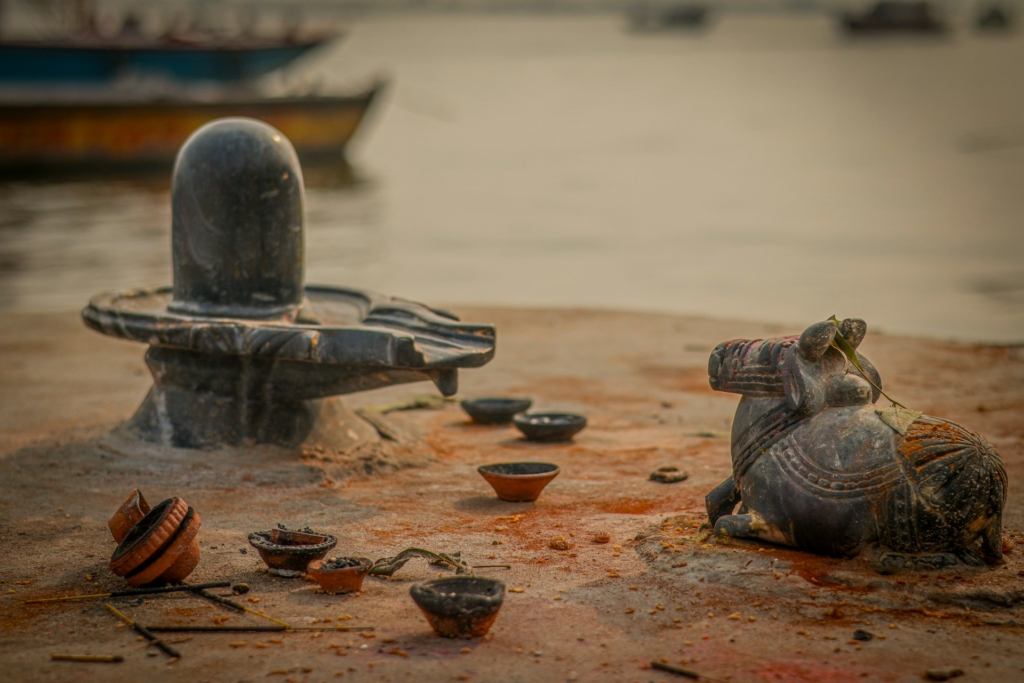
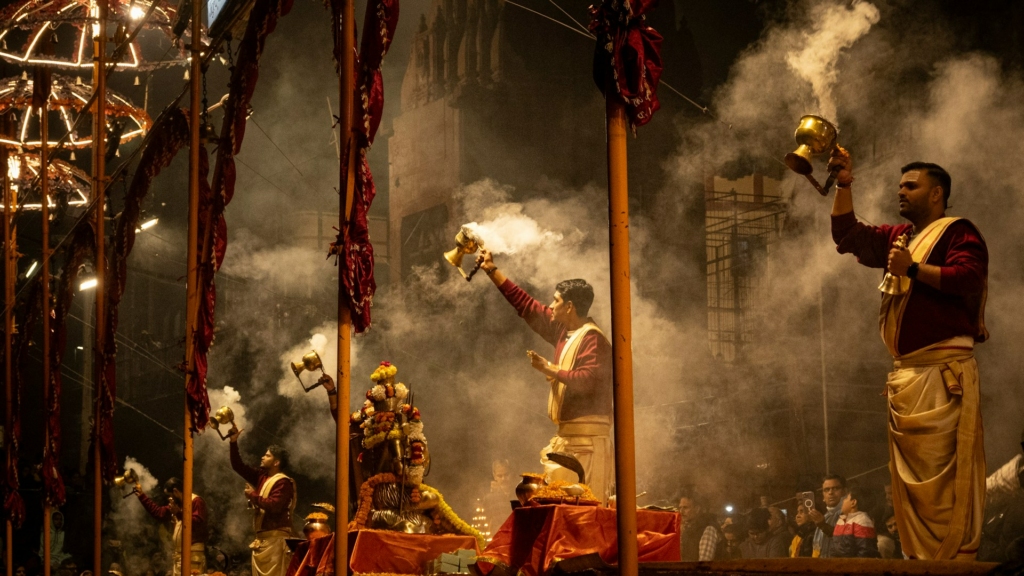
Late winter and early spring bring together spirituality, rituals, and traditional performances. This period is ideal for experiencing daily life along the river and exploring historic neighbourhoods.
Attend the Evening Ceremony at Dashashwamedh Ghat
One of the most memorable activities is watching priests perform synchronised rituals with lamps and chants. The ceremony takes place every evening and becomes especially atmospheric in pleasant weather. Visitors often arrive early to secure a good viewing spot.
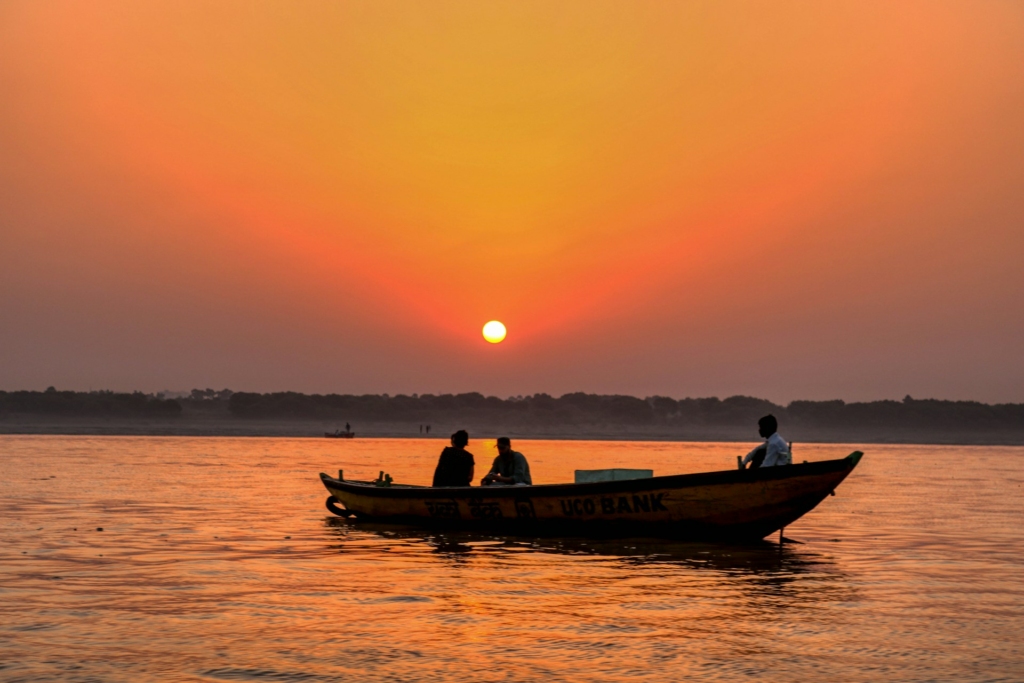
Sunrise Boat Ride on the Ganges
Morning boat rides are widely considered essential. During February and March, the calm water and cool breeze create ideal conditions. Observing the city slowly waking up while sunlight reflects on the river is a peaceful experience.
Visit the Sacred Kashi Vishwanath Temple
This revered temple draws pilgrims year-round, but the moderate weather in Varanasi in February makes waiting times more comfortable. Visitors often combine the visit with a walk through nearby markets selling incense, silk fabrics, and traditional sweets.
Walk Through Historic Streets of Varanasi
Exploring the old quarters reveals shrines, music schools, and centuries-old houses. Many visitors notice that local musicians practise classical ragas in courtyards during early mornings, which adds a unique cultural dimension.

Major Festivals During Varanasi in Feb-March Visits
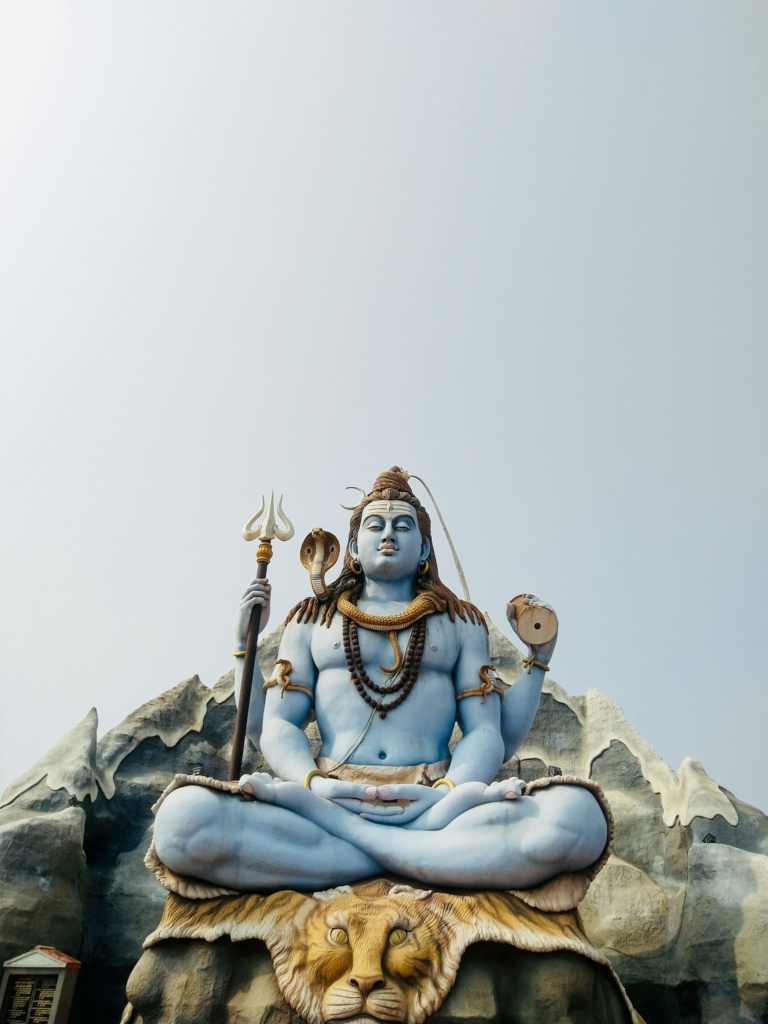
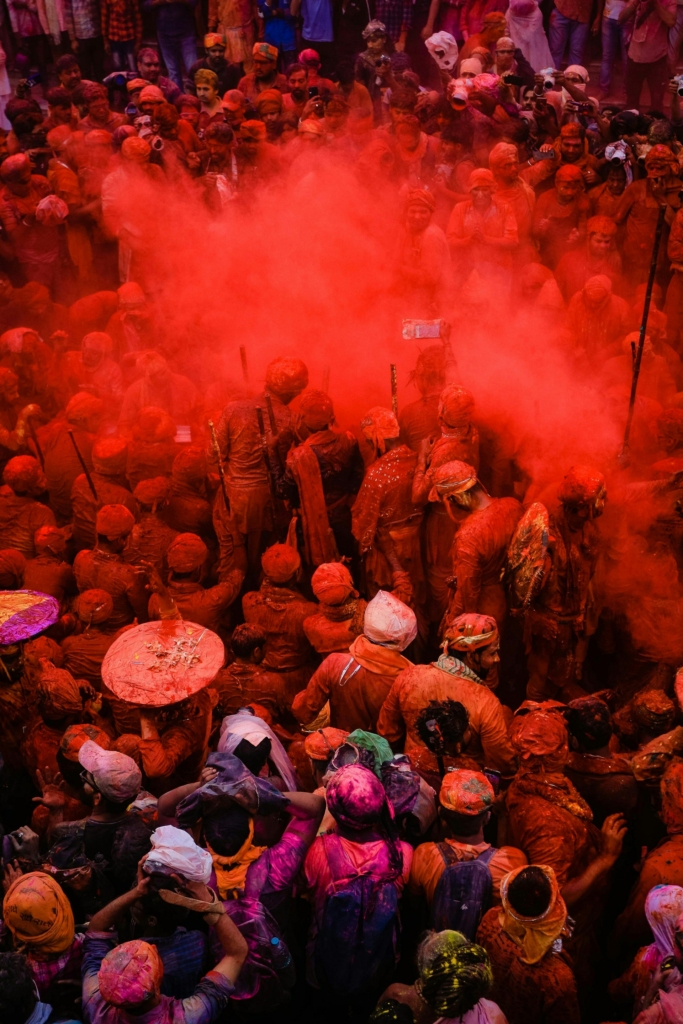
Varanasi in February
- Mahashivratri preparations often begin in late February, filling markets with decorations and devotional songs.
- Cultural music recitals are commonly organised in temple courtyards.
Varanasi in March
- Holi celebrations bring colours, music, and community gatherings.
- Spring fairs and street performances are common.
Seasonal festivities make this period one of the most culturally active times of the year.
Top tourist attractions in Varanasi to see in Feb–March
Ghats Along the River

The stepped riverbanks form the city’s most recognisable feature. Each ghat has its own identity.
- Assi Ghat is known for yoga sessions and morning recitals.
- Manikarnika Ghat is associated with ancient rituals.
- Panchganga Ghat is valued for its historical temples.
Visit Sarnath

Located a short drive away, this site is associated with early Buddhist history. February and March weather make exploring its ruins, museum, and gardens comfortable.
Museums and Cultural Centres

Local museums like Sarnath Museum, Deendayal Hasthkala Museum and Bharat Kala Bhavan Museum, display manuscripts, sculptures, and instruments linked to classical music traditions. Many visitors find these institutions especially interesting because they connect historical heritage with living culture.
Suggested Varanasi itinerary 2 days / 3 days
Varanasi itinerary 2 days / 3 days – Two-Day Plan
Day 1
- Sunrise boat ride
- Temple visits
- Afternoon market walk
- Evening ceremony at the ghat
Day 2
- Trip to Sarnath
- Lunch at a traditional restaurant
- Silk weaving neighbourhood visit
- Night walk along illuminated ghats
Best places to stay in Varanasi for Comfort and Accessibility
Arcadian Manor
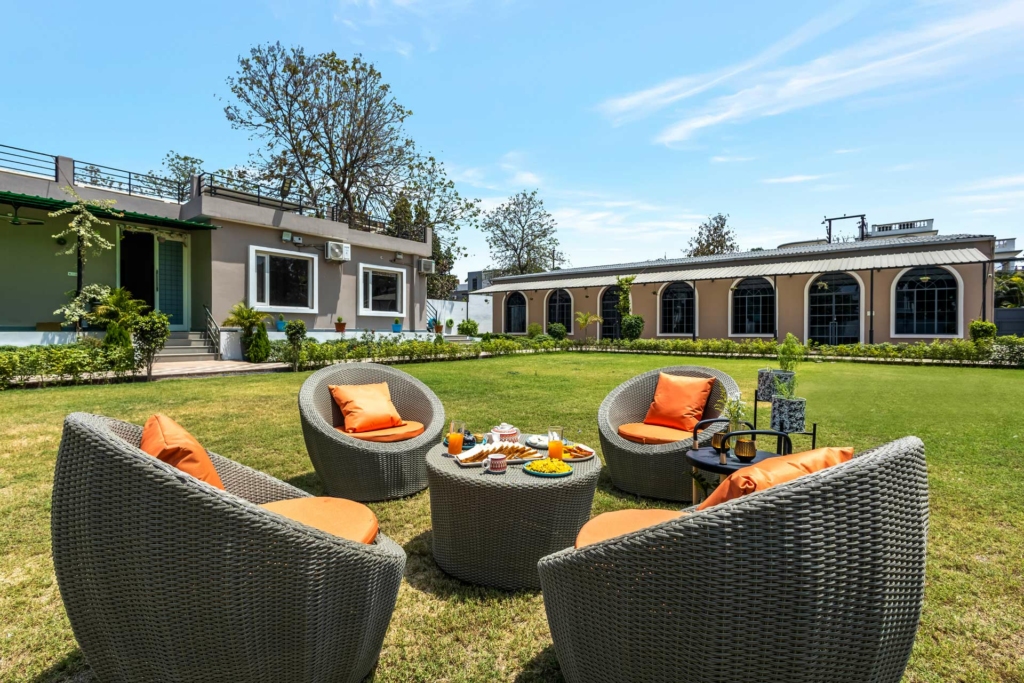
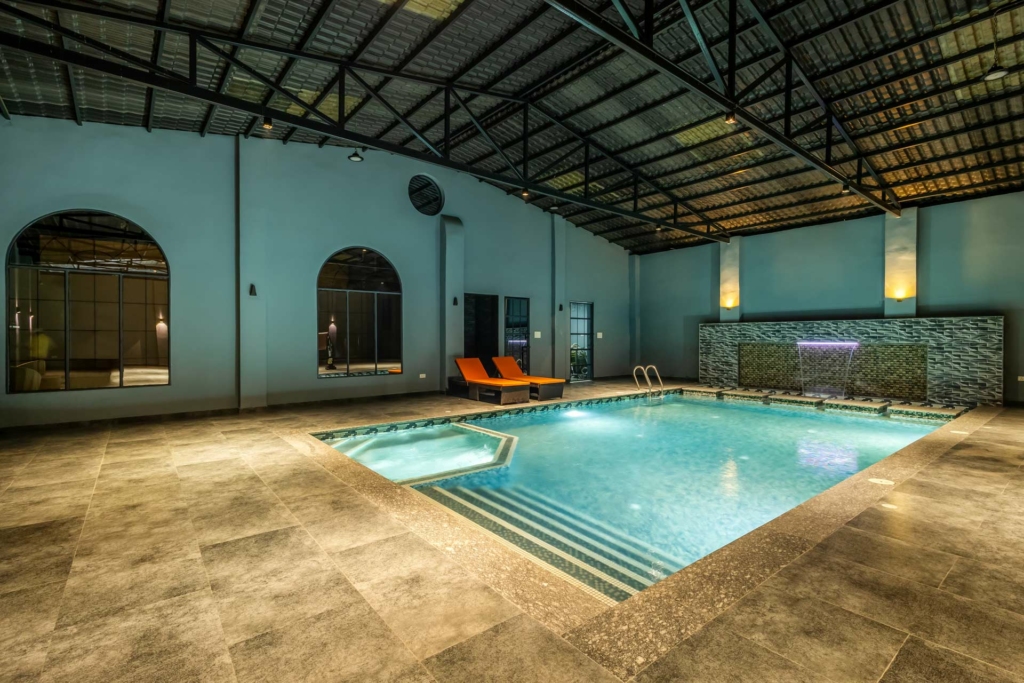
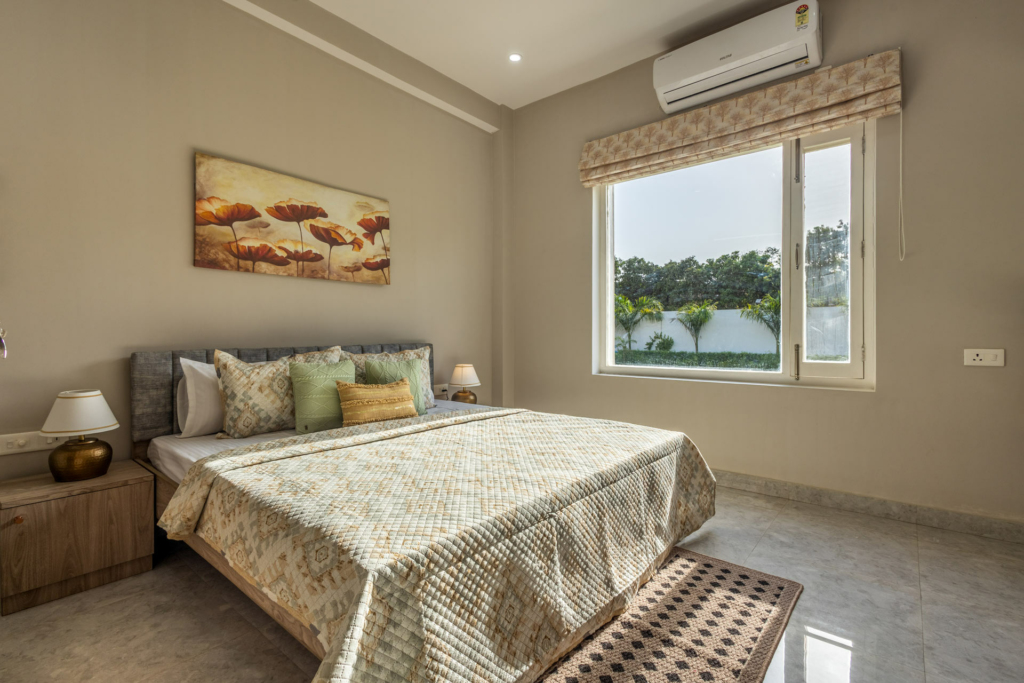
Terra Hue
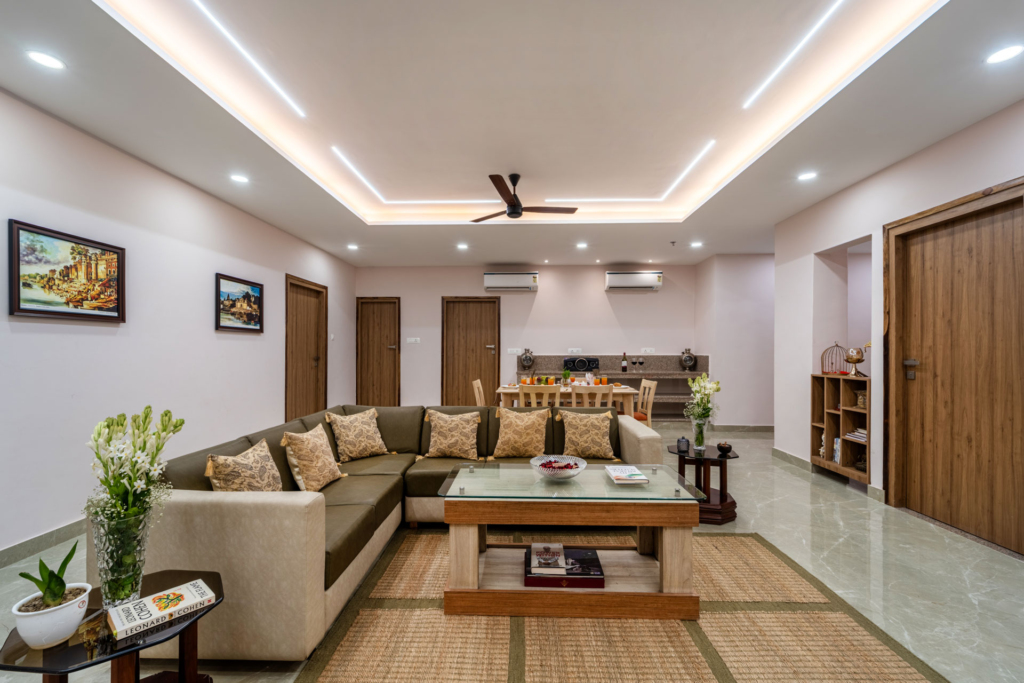
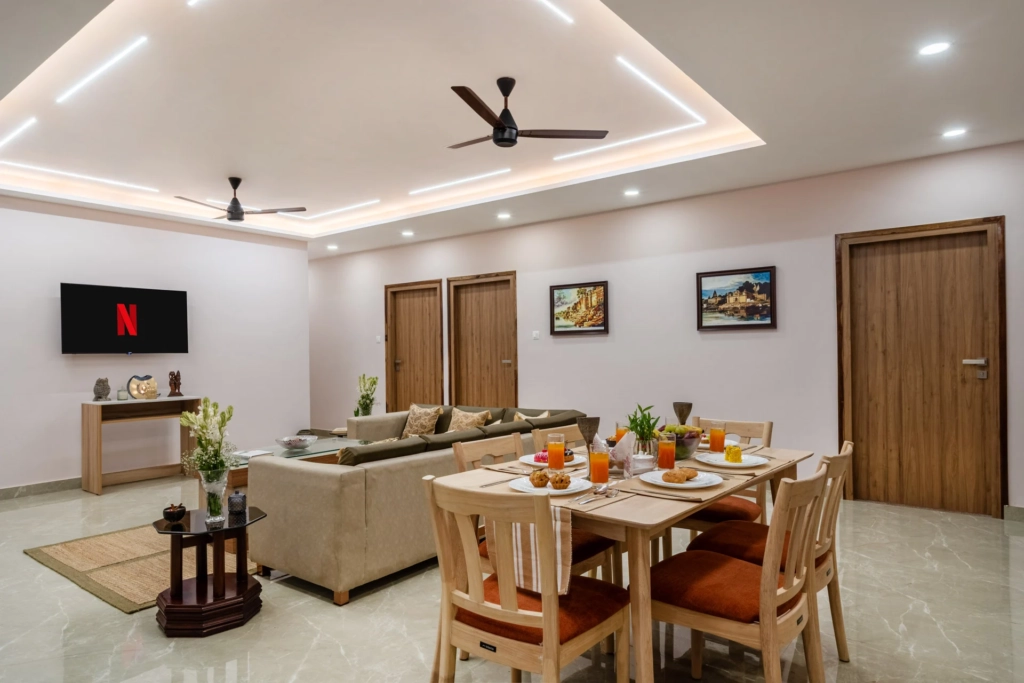
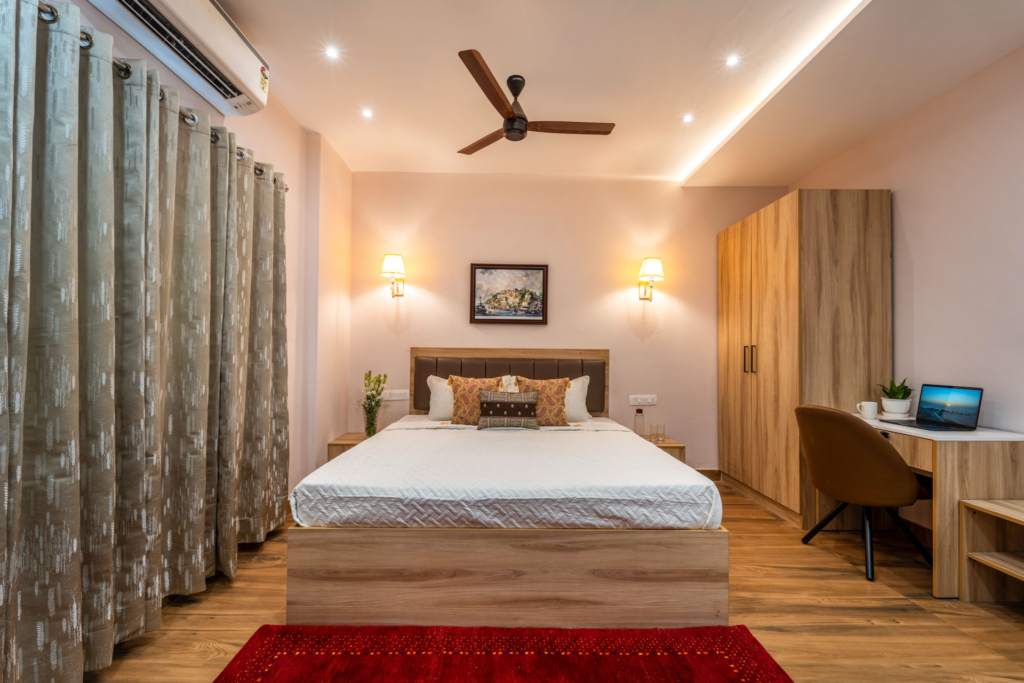
Sunrise Apartment
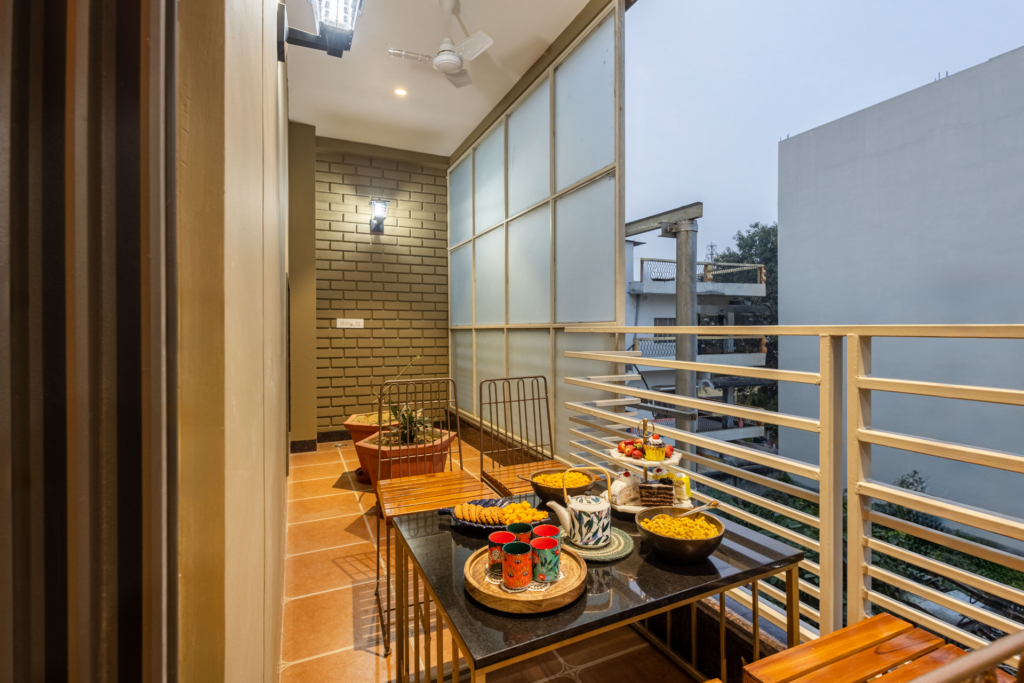
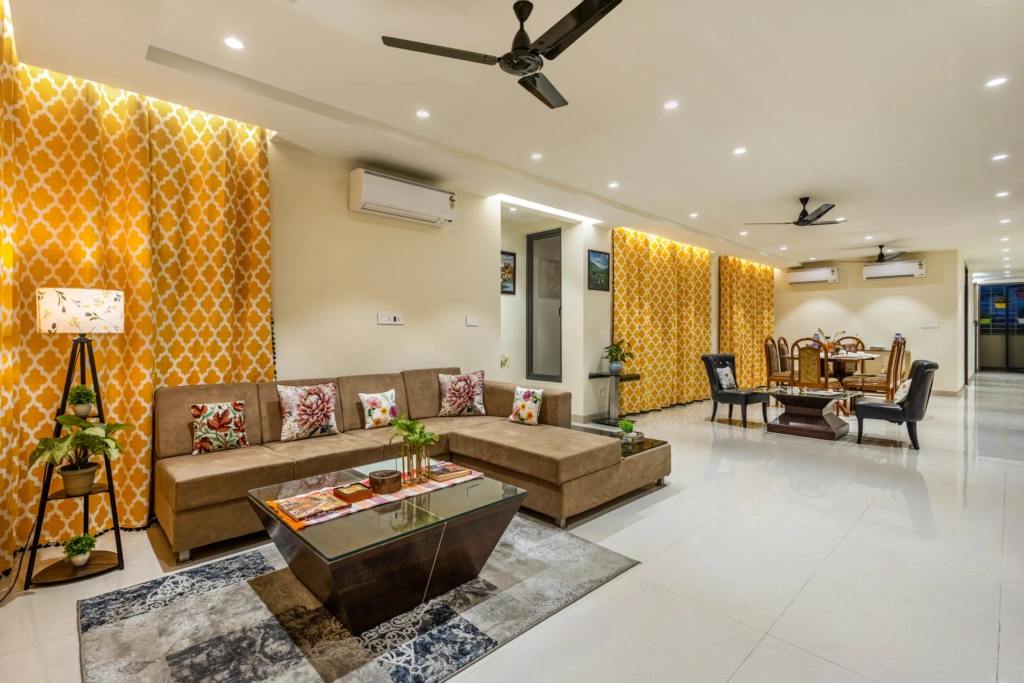

Vintage Varanasi by the Ganges
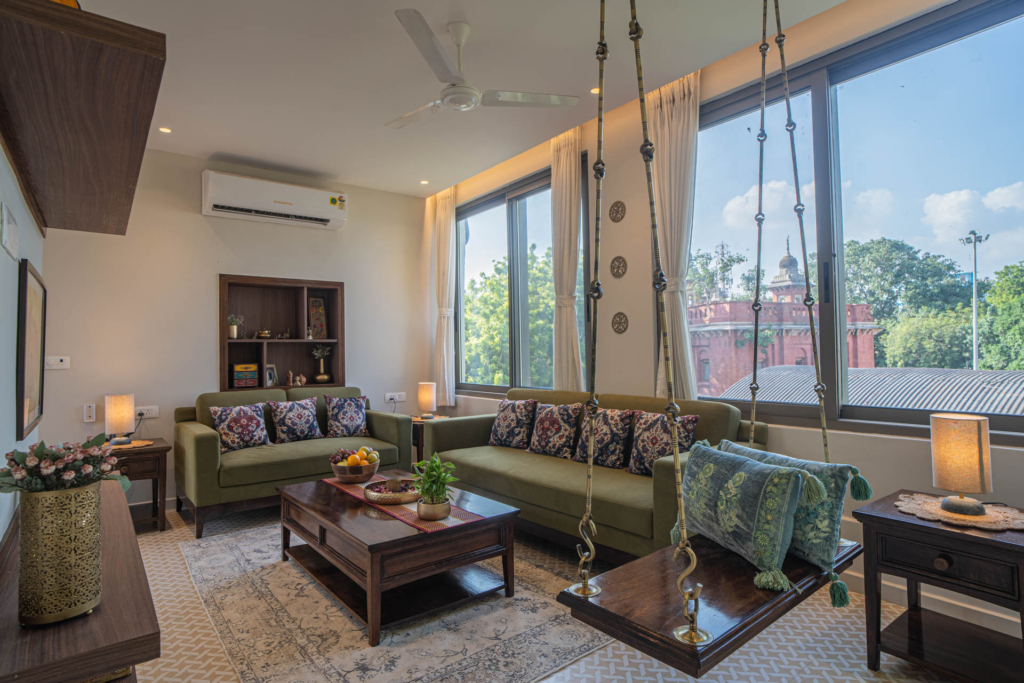
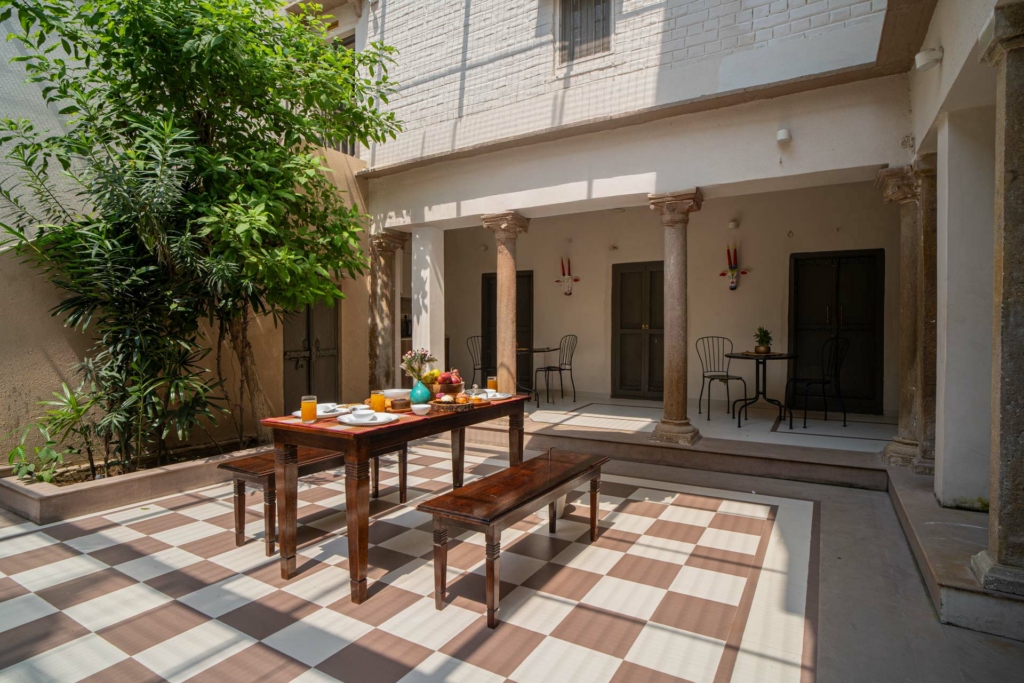
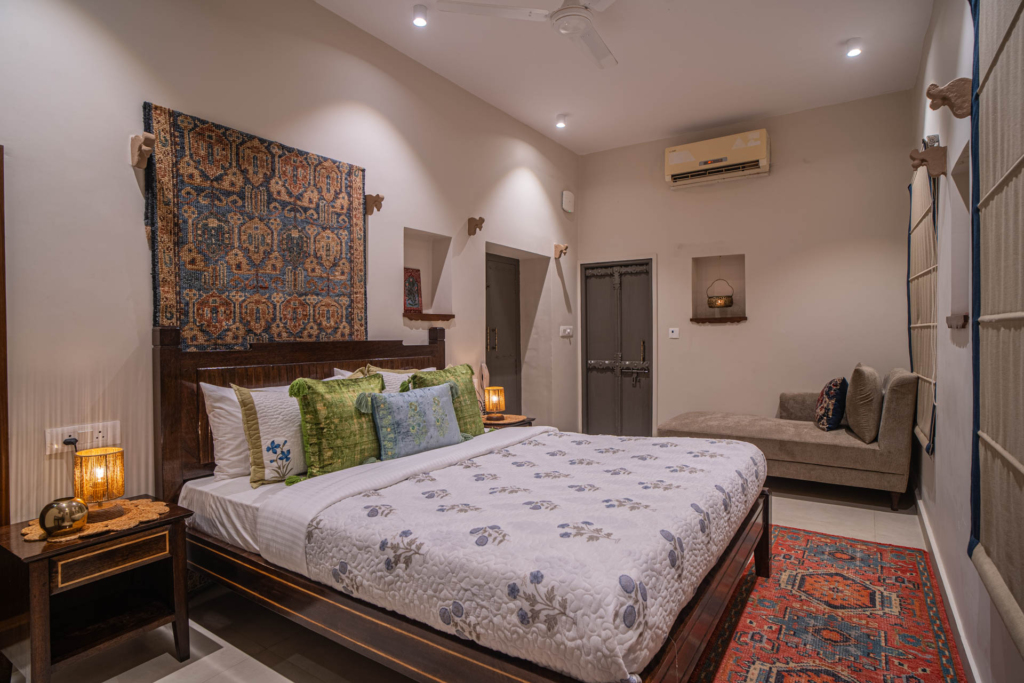
The Ganga House
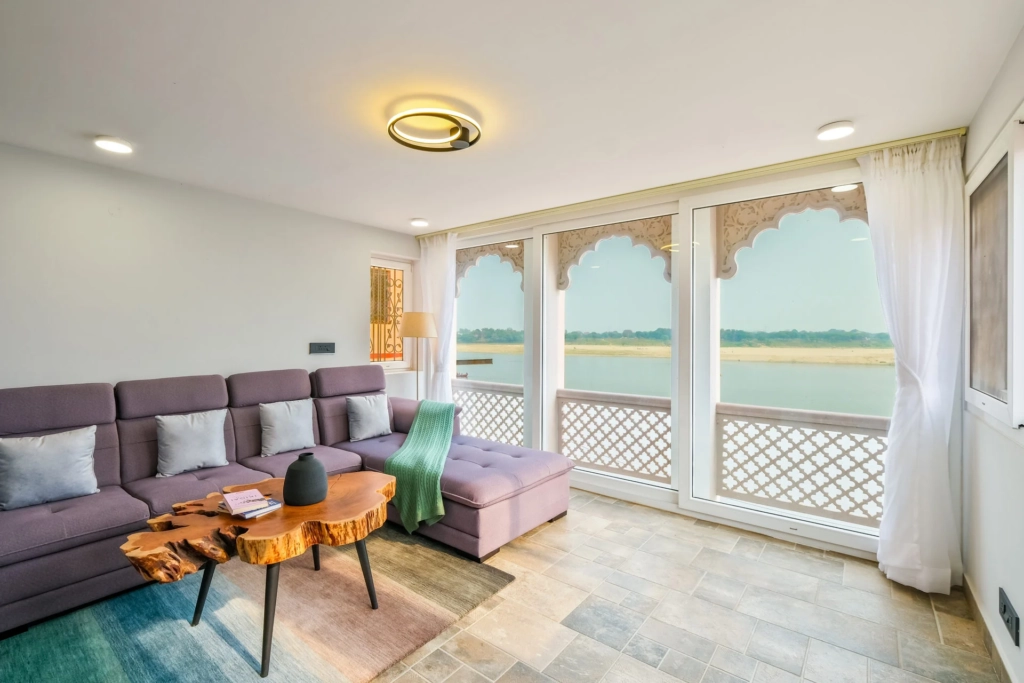
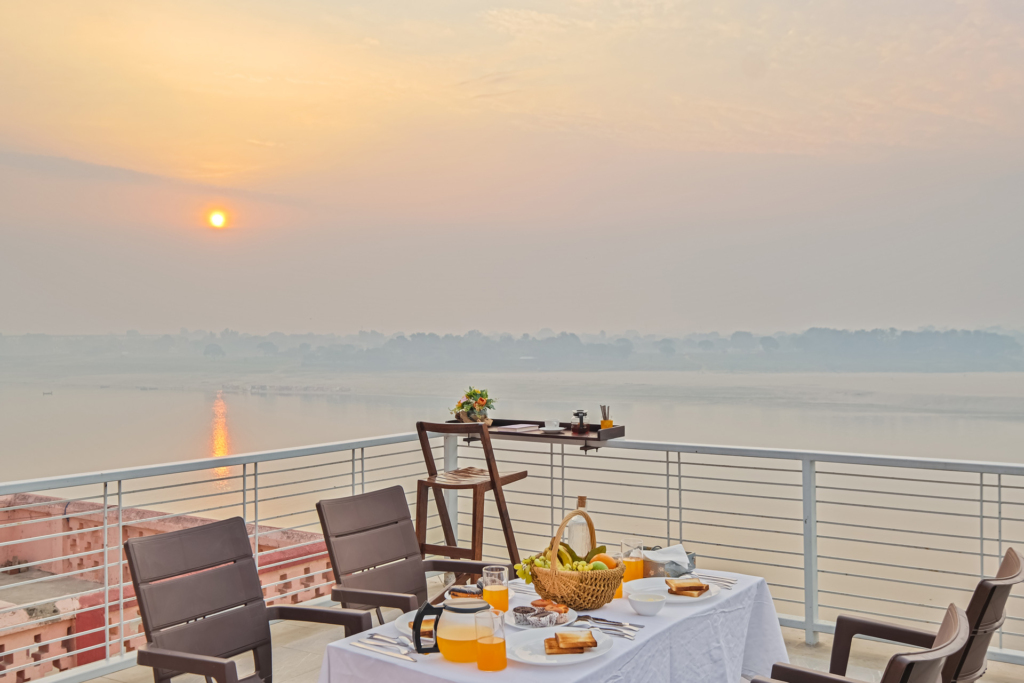

Local Experiences and Things to Do in Varanasi

Visitors often find that simple activities create the most memorable moments.
- Morning yoga sessions near the river
- Classical music performances in cultural halls
- Street food tastings featuring kachori, jalebi, and lassi
- Evening walks through illuminated streets
Because temperatures remain comfortable during late winter and early spring, these activities can be enjoyed throughout the day.
Food Specialities to Try

Local cuisine combines sweet and savoury flavours. Seasonal recommendations include:
- Warm milk drinks flavoured with saffron
- Freshly fried snacks during morning hours
- Traditional sweets prepared for spring festivals
Food stalls and restaurants operate throughout the day, allowing visitors to taste different dishes at a relaxed pace.
Practical Travel Tips for Visiting Varanasi in Feb–March
- Carry light layers for changing temperatures.
- Book accommodation early if visiting during festivals.
- Wear comfortable footwear for walking on stone pathways.
- Start sightseeing early to enjoy cooler hours.
These simple preparations make the visit smoother and more enjoyable.
Why Many Visitors Prefer Varanasi in Feb–March Over Other Seasons
Several factors explain why this period is often recommended:
- Balanced climate
- Cultural events and festivals
- Clear skies for photography
- Comfortable walking conditions
This combination creates an environment that supports both sightseeing and cultural participation.
Conclusion: Planning the Perfect Varanasi in Feb–March Trip

Choosing weather in Varanasi in February and March allows visitors to experience the city at a time when the weather, cultural life, and accessibility align perfectly. Moderate temperatures make temple visits, river activities, and walking tours comfortable, while seasonal festivals add energy and colour to daily life.
For anyone deciding whether February or March is better for Varanasi, the ideal choice depends on preference: February suits those seeking calm exploration, while March appeals to those wanting festive celebrations. Both months provide memorable experiences, making them among the best times to plan a visit.
FAQs
Both months are suitable, but February is slightly cooler, while March feels warmer and more festive due to Holi preparations. Those who prefer mild temperatures may choose February, while visitors interested in seasonal events may prefer March.
A two-day plan covers sunrise boat rides, temple visits, Sarnath, and street food walks. A three-day extension allows slower exploration, museum visits, and additional cultural experiences. The pleasant climate supports longer walking hours.
Key sites include the Kashi Vishwanath Temple, Dashashwamedh Ghat, Assi Ghat, and Sarnath. The clear skies and moderate temperatures improve visibility during boat rides and make heritage walks more comfortable.
Sunrise boat rides, evening Ganga Aarti, temple visits, food trails, and market walks are highly recommended. Seasonal festivals and cultural programmes often add extra vibrancy during this period.
February usually ranges between 12°C and 25°C, while March averages 18°C to 32°C. Mornings remain cool, and afternoons feel warm but manageable, making it ideal for outdoor sightseeing.