
Why Shoja in Himachal Is Suddenly Everywhere on Travel Reels
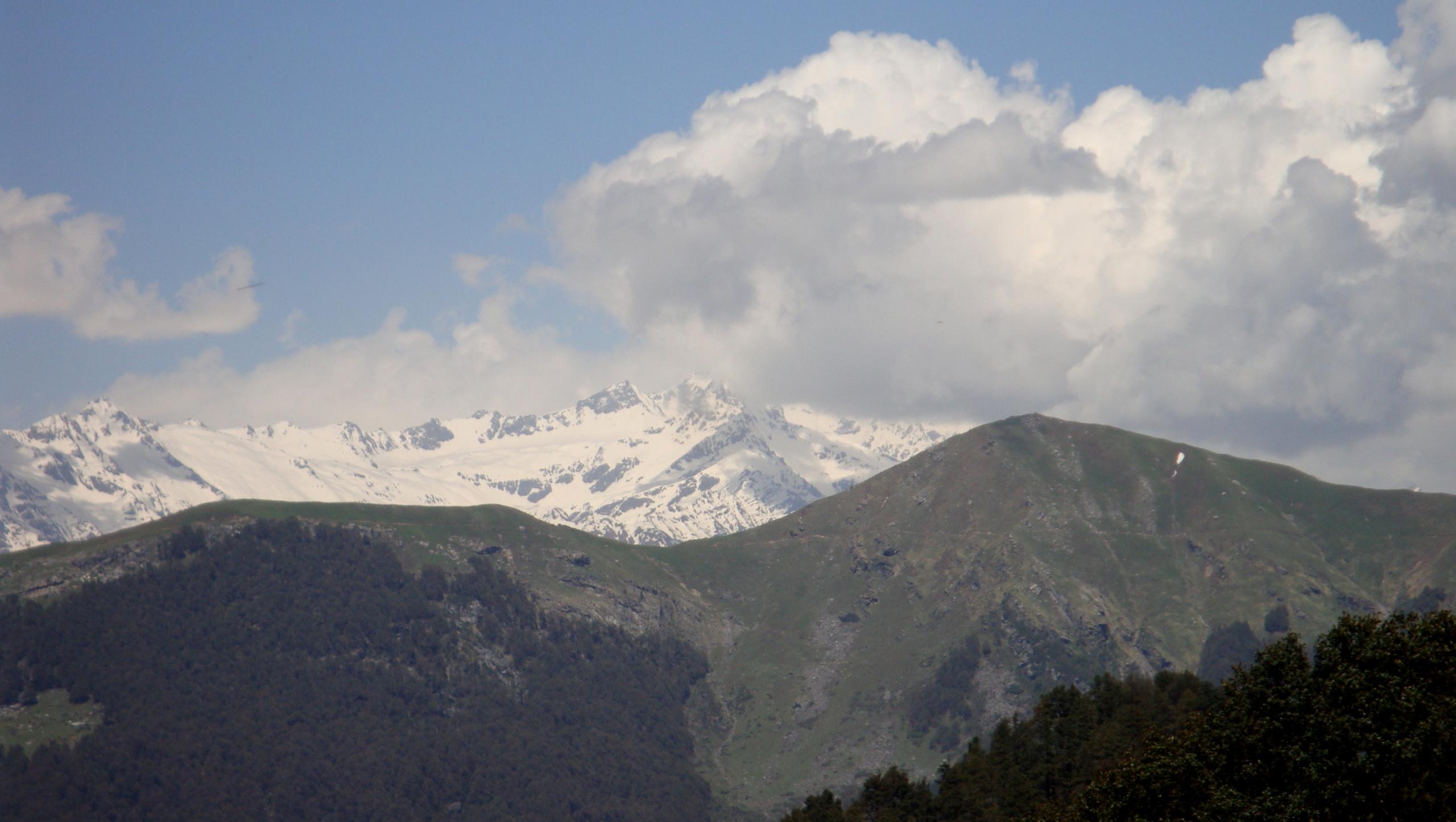
Over the past year, Shoja in Himachal has moved from being a little-known mountain village to becoming a frequent feature on travel reels across social media platforms. Shorts showing wooden homes, winding roads, and slow mornings have sparked curiosity among viewers who are looking for places that feel less hurried and more grounded.
What sets Shoja apart is not dramatic visuals or high-adrenaline activities. Instead, its appeal lies in simplicity. Shoja reflects a style of travel that values calm surroundings, limited crowds, and everyday village life. Travel reels often focus on moments rather than landmarks here, pouring tea by a window, walking on quiet roads, or watching changing light across hills.
This shift in travel preferences explains why Shoja has become a recurring name in online travel conversations.
Shoja in Himachal Pradesh is trending on travel reels because it offers quiet stays, wooden homes, cool weather, and slow-travel experiences near Jalori Pass. Unlike crowded hill stations, Shoja appeals to travellers seeking peaceful landscapes, village life, and aesthetic villa stays ideal for short-form travel content.
In this Blog
Where is Shoja located in Himachal Pradesh?
Shoja is a small village located in the Seraj region of Himachal Pradesh, close to Jalori Pass. It sits at an altitude of approximately 2,700 metres, making it cooler than many nearby towns.
Shoja is often included in travel plans alongside Jibhi, Tirthan Valley, and Banjar, but it has managed to maintain a quieter identity. Unlike towns that develop rapidly after becoming popular online, Shoja has remained steady in growth, which adds to its appeal.
Its road access is manageable, and the journey itself becomes part of the experience, something travel reels often highlight.
Weather in Shoja – A Major Reason Behind Its Growing Popularity
Weather in Shoja During Summer
The weather in Shoja between April and June stays cool and comfortable. Daytime temperatures usually range between 10°C and 20°C, making it suitable for those escaping the heat from the plains. Summer travel reels often show slow walks, open windows, and warm clothing even during daylight hours.
Weather in Shoja During Monsoon
From July to September, the weather in Shoja includes regular rainfall. Roads remain usable but require careful driving. This season attracts fewer visitors, which appeals to those seeking quiet stays. Reels during this time often focus on clouds passing through the village and the sound of rain on rooftops.
Weather in Shoja During Winter
Winter months bring snowfall and colder temperatures, often dropping below zero. The weather in Shoja during this period limits movement but increases visual interest. Many reels showing snow-covered homes and frozen paths come from this season.
Places to Visit in Shoja – What Reels Commonly Highlight
Shoja Village Area
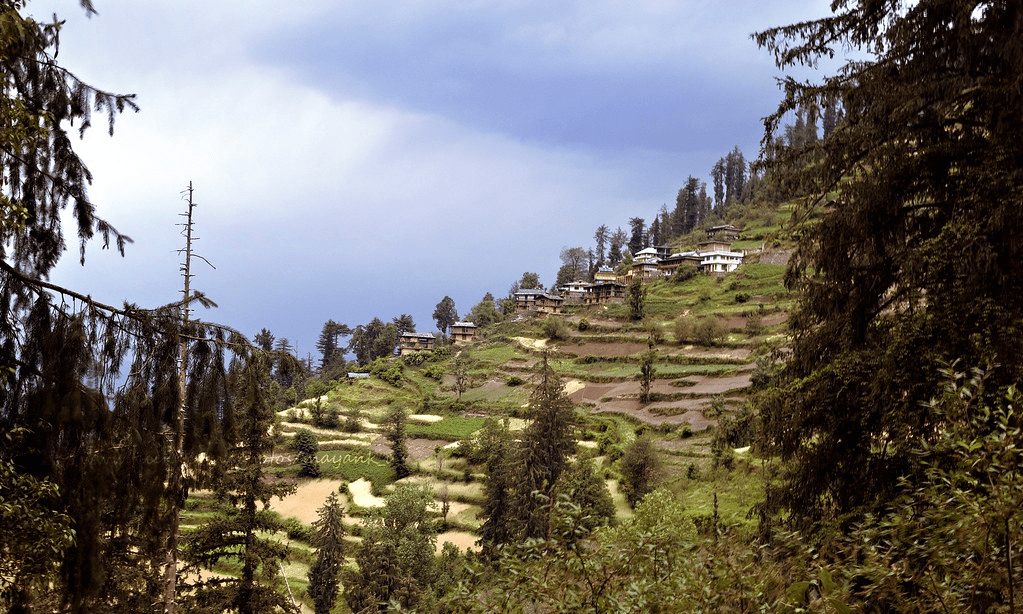
Among the top places to visit in Shoja, the village itself remains central. Wooden houses, narrow paths, and everyday routines form the backdrop of most travel reels. The focus stays on lived-in spaces rather than curated tourist spots.
Jalori Pass Near Shoja
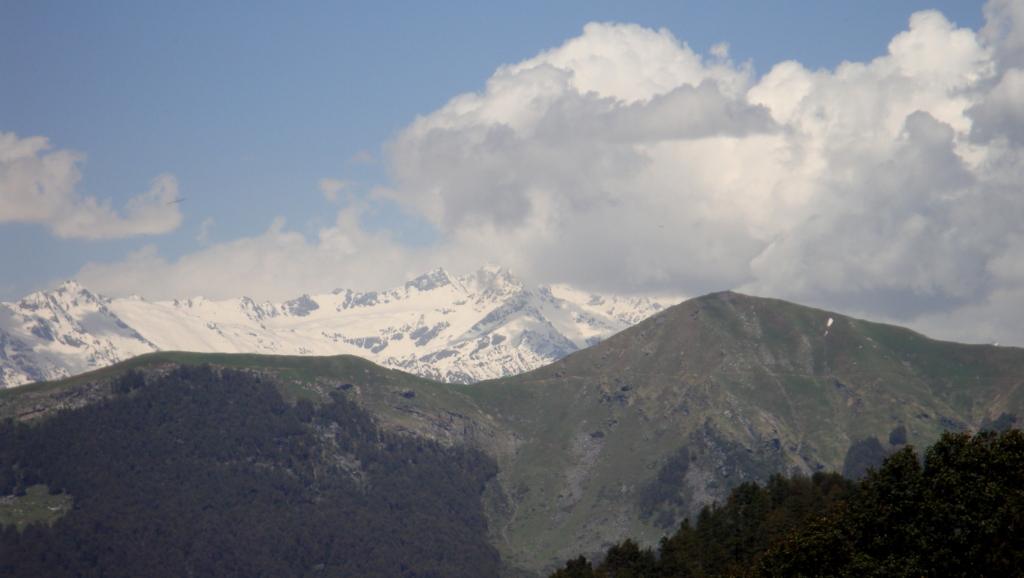
Located a short drive away, Jalori Pass is one of the more accessible high-altitude passes in the region. Many reels capture early morning drives or parked vehicles with open views. It serves as a simple addition to Shoja-based stays.
Also read: Places To Visit In Tirthan Valley
Serolsar Lake Access Point
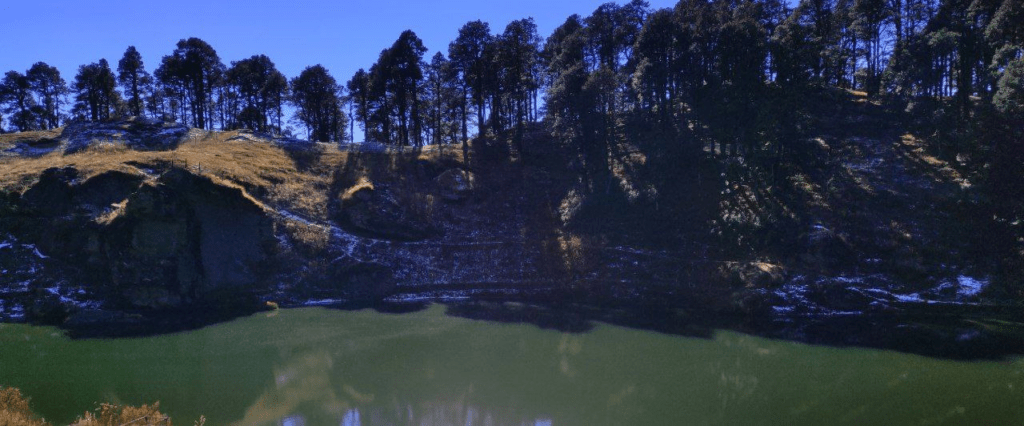
Though the lake requires a walk from Jalori Pass, reels often focus on the starting point rather than the full trail. The surrounding forest area is frequently featured for its quiet setting.
These places to visit in Shoja remain low-key and do not require fixed schedules, which suits the reel format well.
Things to Do in Shoja – Experiences That Translate Well on Camera
Things to Do in Shoja for Slow Travel
Among the most shared Things to do in Shoja is simply spending time without plans. Reels often show reading near windows, cooking simple meals, or sitting outdoors. These moments reflect a growing interest in unstructured travel.
Things to Do in Shoja Around Short Walks
Short walks around the village roads are common activities. These walks do not require guides or equipment, making them accessible to most visitors. Reels often capture shoes on muddy paths or pauses along roadside stretches.
Things to Do in Shoja in the Evenings
Evenings in Shoja are quiet, with limited artificial lighting. Many reels focus on low-light settings, lanterns, indoor lamps, or early dinners. This routine contrasts strongly with city life and resonates with viewers.
Where to Stay Near Shoja?
A villa in Shoja is often preferred over hotels. These properties are usually standalone structures built using local materials. Their design supports longer stays, which aligns with the slow-paced content seen on travel reels.
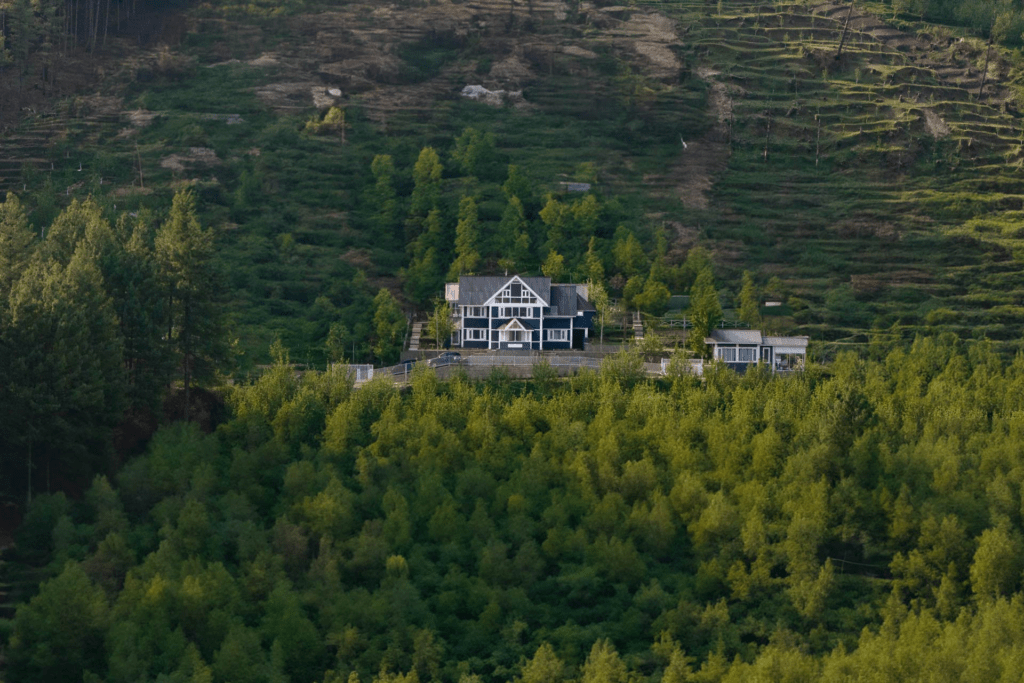
2 The Kathguni House Villa in Manali
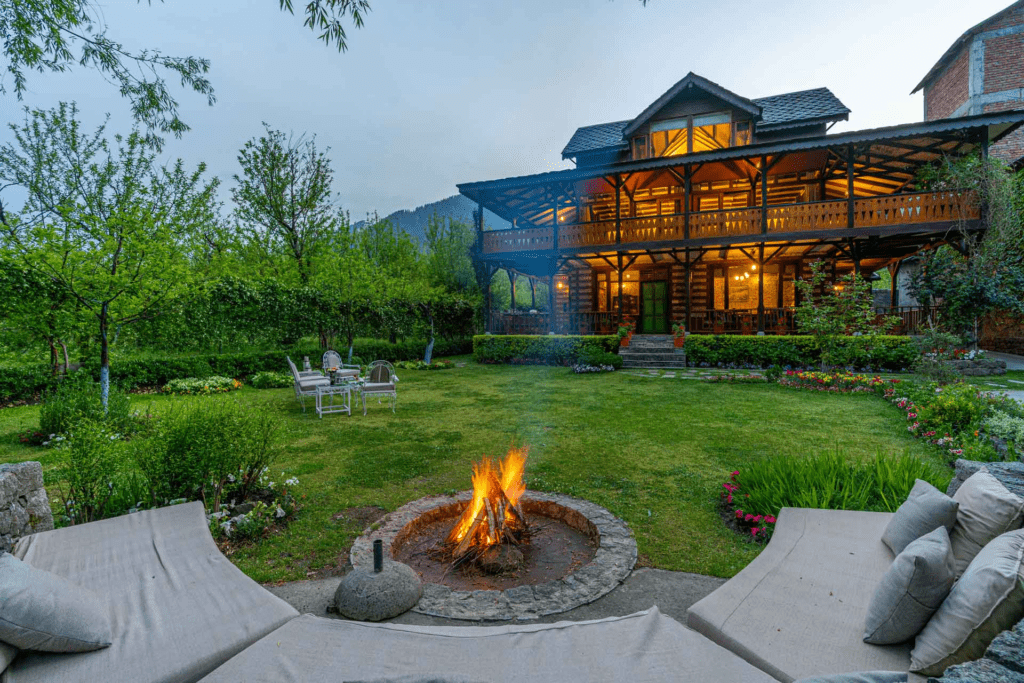
Why Shoja in Himachal Matches Current Travel Trends
Shoja in Himachal aligns with modern travel preferences in several ways:
- Limited commercial development
- Focus on personal space
- Minimal crowd density
- Emphasis on routine rather than activities
Travel reels now prioritise mood and atmosphere over attractions. Shoja fits naturally into this pattern without needing active promotion.
How Social Media Changed Interest in Shoja Without Overexposure
Unlike places that become overwhelmed after going viral, Shoja has remained relatively balanced. Reels tend to show similar scenes but from different perspectives, preventing content fatigue.
This steady exposure has helped Shoja gain recognition while retaining its identity. The village benefits from attention without undergoing rapid changes.
FAQs
Shoja is gaining attention due to travel reels showing quiet stays, mountain views, and slow-travel experiences near Jalori Pass.
Shoja suits travellers seeking calm stays, while Manali is better for activities and nightlife.
2–3 days are enough to explore the village, Jalori Pass, and nearby forest areas.
Yes, Shoja receives snowfall in winter, usually between December and February.
Yes, it is a quiet village destination suitable for families and slow travellers.
Yes, but weather conditions change significantly across seasons.
Why Shoja in Himachal Continues to Appear on Travel Reels
The growing presence of Shoja in Himachal on travel reels reflects a broader shift in how people choose destinations. Shoja does not rely on major attractions or packed itineraries. Instead, it represents balance, routine, and space, qualities increasingly valued by modern travellers.
With consistent interest and careful growth, Shoja remains relevant without becoming overwhelming. Its rise on social media is less about trends and more about timing. As long as people seek slower travel experiences, Shoja is likely to remain visible across digital platforms.
Cover Image credits:Prabhmeet Singh via Wikimedia
Written by Ruben Saha