Maharashtra received 189.4 million domestic tourist visits in 2024, up 17% from the previous year (Ministry of Tourism, India Tourism Data Compendium 2025). A massive chunk of those visits? Summer travellers fleeing 40°C+ plains for hill stations where temperatures hover around 20–30°C.
And it’s easy to see why. Mumbai hits 35°C in April, Pune crosses 38°C, and Nagpur soars past 43°C. When your city feels like a furnace, a weekend escape to cooler elevations isn’t a luxury — it’s survival. But which hill station should you actually pick?
We’ve ranked 15 of Maharashtra’s best hill stations by temperature, driving distance, activities, and villa availability. Whether you want the coolest temperatures (Toranmal at 14°C), the quickest escape from Mumbai (Karjat at 62 km), or something offbeat where you won’t fight crowds, this guide has you covered. This is part of our guide to the best hill stations in India to visit in April 2026.
Maharashtra received 189.4 million domestic tourist visits in 2024 (Ministry of Tourism), and its hill stations are the top summer escape for Mumbai and Pune residents. Toranmal (14–28°C) and Chikhaldara (15–30°C) are the coolest options, while Lonavala and Matheran are the quickest getaways under 2 hours from Mumbai. This guide ranks all 15 by temperature, distance, activities, and luxury villa availability.
In this Blog
Quick Comparison — All 15 Hill Stations at a Glance
Toranmal is the coolest hill station in Maharashtra, with temperatures ranging from 14–28°C in April–May. Matheran is the closest vehicle-free escape from Mumbai at 80 km. And Mahabaleshwar remains the most popular overall. Pune recorded 157.74 lakh travel searches in FY 2025 with 10.07% year-on-year growth — the highest among Indian metros (Techmagnate, 2025).
What no other guide offers is a combined temperature-plus-distance matrix. The table below lets you filter by “closest and coolest” — so you can find the sweet spot between a short drive and genuinely cool weather. We’ve also added crowd levels based on booking patterns from April–May 2025.
Hill Station
Altitude
Apr–May Temp
Mumbai Distance
Pune Distance
Best For
Crowd Level
Mahabaleshwar
1,353 m
15–30°C
260 km
120 km
Couples, families
High
Panchgani
1,334 m
15–30°C
250 km
100 km
Adventure, families
Medium
Lonavala
622 m
20–35°C
95 km
67 km
Weekend trips
High
Khandala
550 m
20–35°C
80 km
70 km
Couples, peace
Medium
Matheran
800 m
18–33°C
80 km
120 km
Families, nature
Medium
Igatpuri
600 m
18–34°C
130 km
210 km
Adventure, meditation
Low
Amboli
690 m
18–30°C
490 km
370 km
Nature, biodiversity
Low
Malshej Ghat
700 m
18–32°C
130 km
150 km
Trekking, birdwatching
Low
Bhandardara
750 m
17–32°C
165 km
185 km
Camping, stargazing
Low
Jawhar
520 m
20–35°C
150 km
250 km
Culture, tribal art
Low
Chikhaldara
1,118 m
15–30°C
700 km
600 km
Wildlife, coffee
Very Low
Toranmal
1,150 m
14–28°C
400 km
350 km
Solitude, cool weather
Very Low
Panhala
977 m
16–32°C
390 km
260 km
History, forts
Low
Lavasa
640 m
20–35°C
200 km
60 km
Cycling, waterfront
Medium
Karjat
200 m
22–36°C
62 km
100 km
Rafting, quick escape
Medium
Maharashtra’s 15 major hill stations span altitudes from 200 m (Karjat) to 1,353 m (Mahabaleshwar). In April–May, Toranmal at 1,150 m records the coolest temperatures at 14–28°C, while Karjat at 200 m is the warmest at 22–36°C (Weather Atlas; Climate-Data.org).
1. Mahabaleshwar — The Queen of Maharashtra Hill Stations
At 1,353 m elevation, Mahabaleshwar stays between 15–30°C in April–May, up to 15°C cooler than Mumbai (Weather Atlas). It’s Maharashtra’s most visited hill station and produces 85% of India’s strawberries across 4,000 hectares, earning a GI tag in 2010 (Wikipedia).
Perched in the Western Ghats, Mahabaleshwar earns its “Queen” title for good reason. The combination of pleasant weather, stunning viewpoints, and strawberry-farm tourism makes it the default choice for Mumbai and Pune families looking for a summer escape. But is it the right pick for you? That depends on your tolerance for crowds.
Weather in April and May
April mornings are genuinely pleasant — expect lows around 15–17°C with warm afternoons reaching 30°C. May gets slightly warmer and more humid as pre-monsoon moisture builds. Rain is rare in April but you might catch a surprise shower in late May. Pack light layers for mornings and evenings.
Top Things to Do
Arthur’s Seat offers the most dramatic viewpoint, with a sheer 600-m cliff drop into the Konkan valley. On clear April mornings, you can see all the way to the Arabian Sea. Venna Lake is perfect for a relaxed boating session with kids.
History buffs shouldn’t miss Pratapgarh Fort, about 24 km away. The fort is where Chhatrapati Shivaji Maharaj’s famous encounter with Afzal Khan took place. And of course, you’ll want to stop at a strawberry farm — April is the tail end of the season, so don’t wait until May.
Where to Stay
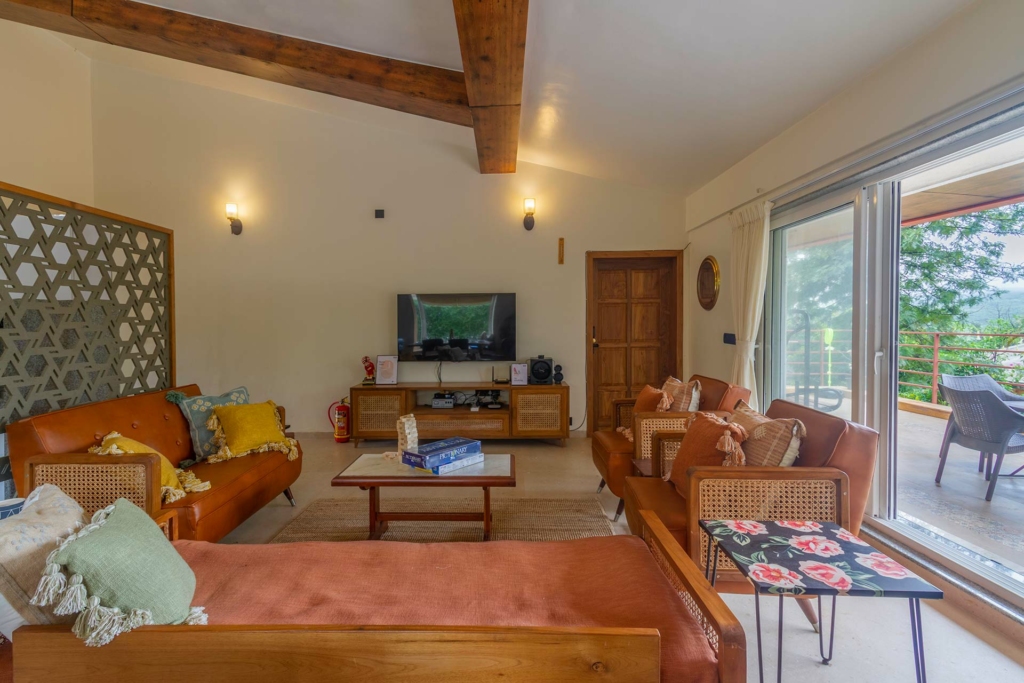
StayVista offers luxury villas in Mahabaleshwar with private gardens, valley views, and chef-on-call service. These properties work well for families and groups who want privacy without sacrificing comfort. Book early — April weekends fill up 3–4 weeks in advance.
From Mumbai, it’s roughly a 5-hour drive (260 km) via the Mumbai–Pune Expressway and then NH4. From Pune, the drive takes about 2.5 hours (120 km) through Panchgani. The Pune route is more scenic and less congested, especially on weekends.
Citation capsule: Mahabaleshwar, at 1,353 m in the Western Ghats, is Maharashtra’s highest mainstream hill station. April–May temperatures average 15–30°C, making it up to 15°C cooler than Mumbai. The region produces 85% of India’s strawberries across 4,000 hectares, earning a GI tag in 2010 (Weather Atlas; Wikipedia).
2. Panchgani — The Land of Five Hills
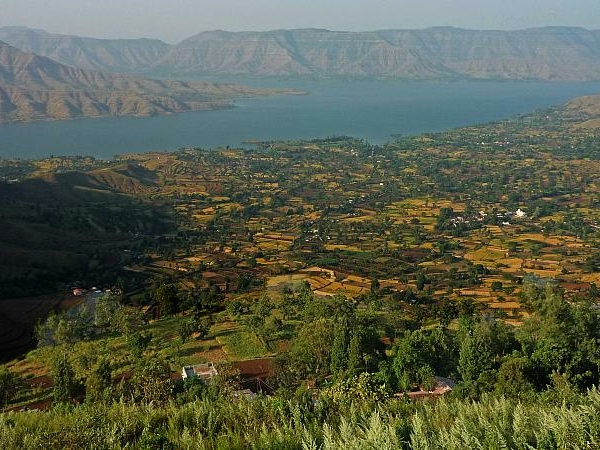
Panchgani sits at 1,334 m and features Table Land — Asia’s second-longest mountain plateau at 4,500 feet. At just 18 km from Mahabaleshwar and 100 km from Pune, it’s an ideal combo destination with temperatures mirroring its famous neighbour at 15–30°C in April–May.
The name literally means “land of five hills,” and the town sits at the meeting point of five surrounding ranges. While Mahabaleshwar gets the bigger crowds, Panchgani has carved out its own identity with adventure sports and a more relaxed boarding-school-town vibe.
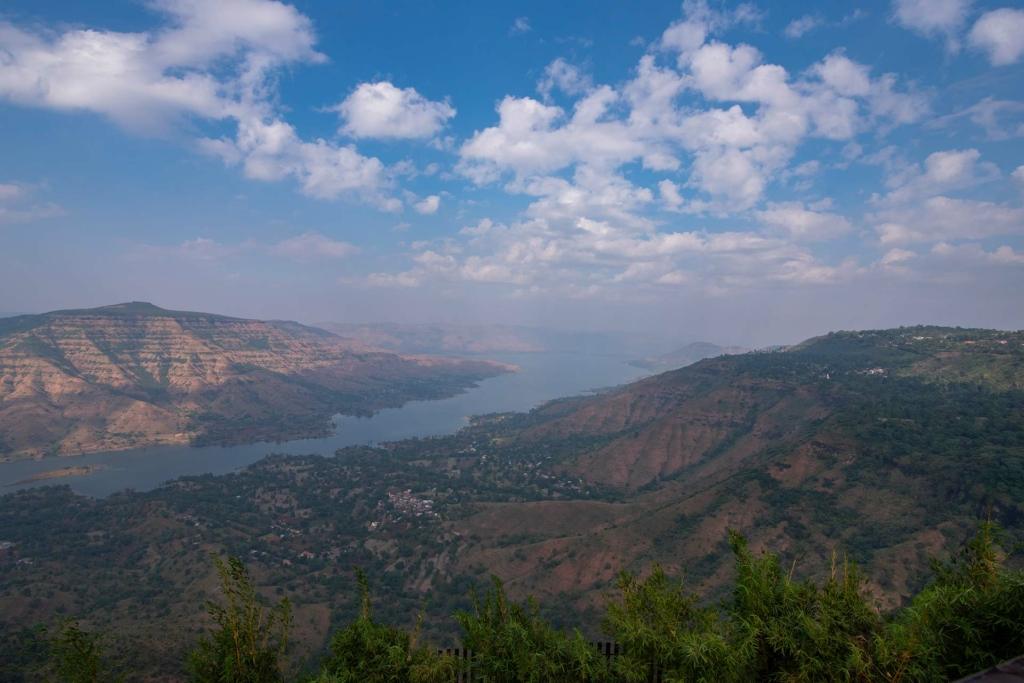
Panchgani mountain and lake view
Top Things to Do
Table Land is the star attraction — a vast volcanic plateau where you can try paragliding, horse riding, or simply walk across open grassland with valley views on all sides. Sydney Point offers a gorgeous sunset view overlooking the Krishna Valley.
Mapro Garden is a must-stop, especially with kids. It’s part strawberry shop, part pizza counter, part chocolate factory. Grab a strawberry milkshake — it’s the unofficial Panchgani ritual. For adventure seekers, paragliding costs roughly Rs 2,500–3,500 per tandem flight.
Where to Stay
StayVista’s Panchgani villas sit on hillsides with Table Land views. The quieter location makes Panchgani a better pick than Mahabaleshwar if you want to avoid weekend bazaar crowds. Many travellers base themselves here and day-trip to Mahabaleshwar — smart move.
Panchgani, meaning “land of five hills,” sits at 1,334 m in the Sahyadri range, 100 km from Pune. Its Table Land plateau is Asia’s second-longest volcanic plateau, offering paragliding, horse riding, and panoramic valley views in April–May at 15–30°C.
3. Lonavala — The Jewel of Sahyadri
Just 67 km from Pune and 95 km from Mumbai on the expressway, Lonavala is Maharashtra’s most accessible hill station. India recorded 3.03 billion domestic tourist visits in FY 2024–25 (WTTC via IBEF, 2025), and Lonavala captures a disproportionate share of that traffic thanks to its unbeatable location.
Here’s the trade-off, though: Lonavala sits at just 622 m, so April–May temperatures hit 20–35°C. It’s cooler than Mumbai, yes, but don’t expect Mahabaleshwar-level relief. What you gain is convenience — you can leave Mumbai after lunch and be poolside by tea time.
Top Things to Do
Bhushi Dam is the classic Lonavala stop, though it’s more fun during the monsoon. In April–May, head to Karla Caves instead — the 2,000-year-old Buddhist rock-cut caves are fascinating and well-shaded. Tiger Point and Lion Point give you wide valley views on clear mornings.
Rajmachi Fort is a rewarding half-day trek (about 15 km round trip from Udhewadi). And you can’t leave without buying chikki — Lonavala’s iconic brittle candy comes in dozens of flavours at shops along the main road.
Where to Stay
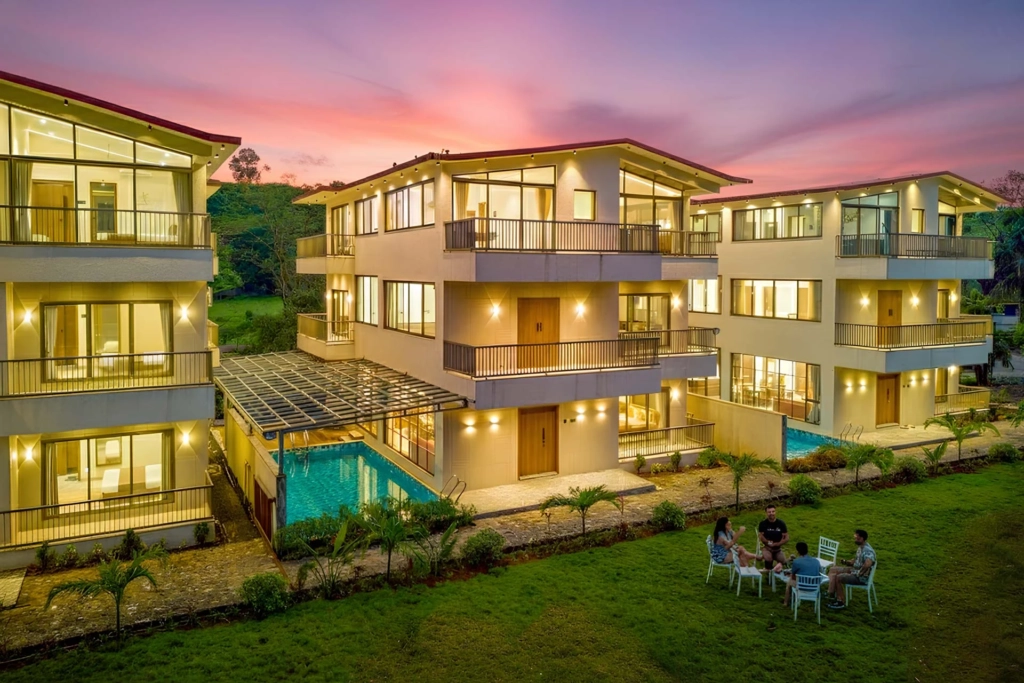
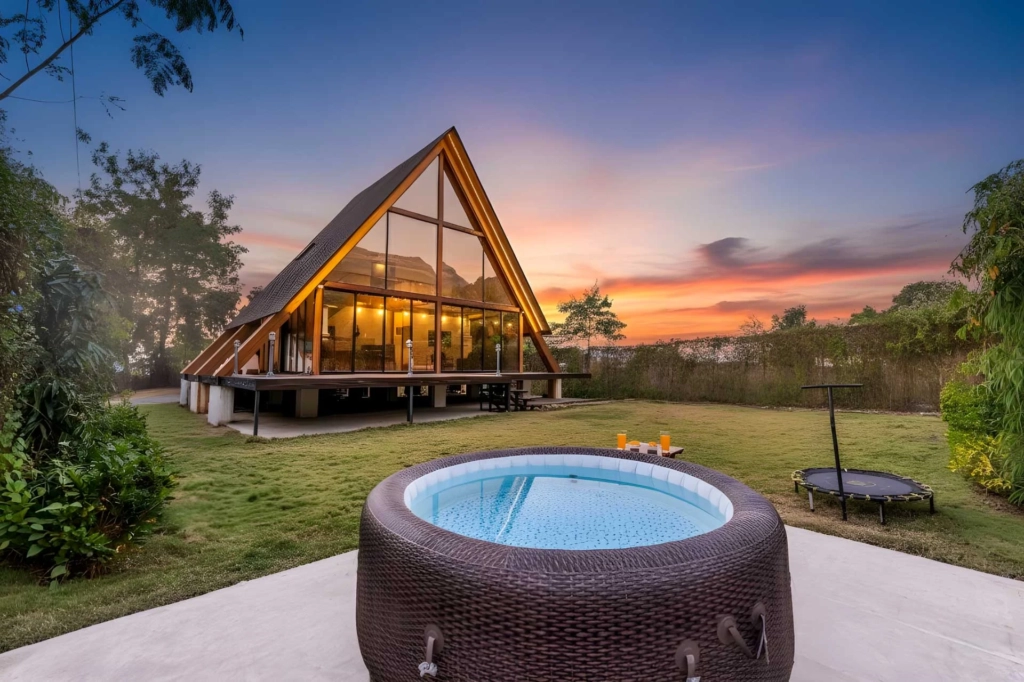
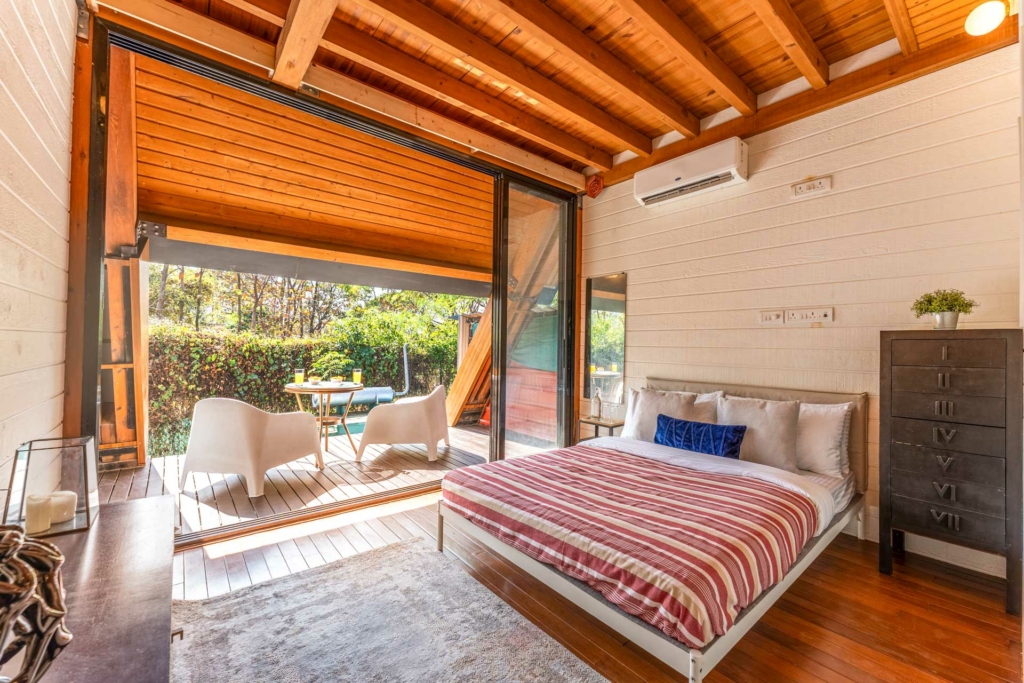
Lonavala has the densest concentration of StayVista pool villas in Maharashtra. Private pools are practically standard here, and many properties sit on hilltops with valley views. Weekend rates tend to be higher, so consider a Monday–Wednesday stay for better value.
Lonavala, at 622 m in the Sahyadri range, is Maharashtra’s most accessible hill station — 95 km from Mumbai and 67 km from Pune via expressway. April–May temperatures range from 20–35°C, with Karla Caves, Tiger Point, and Rajmachi Fort as top attractions.
4. Khandala — Lonavala’s Quieter Neighbour
Khandala is just 3 km from Lonavala but draws noticeably fewer crowds — making it the better pick for couples wanting valley views without the weekend rush. At 550 m elevation, temperatures mirror Lonavala at 20–35°C in summer.
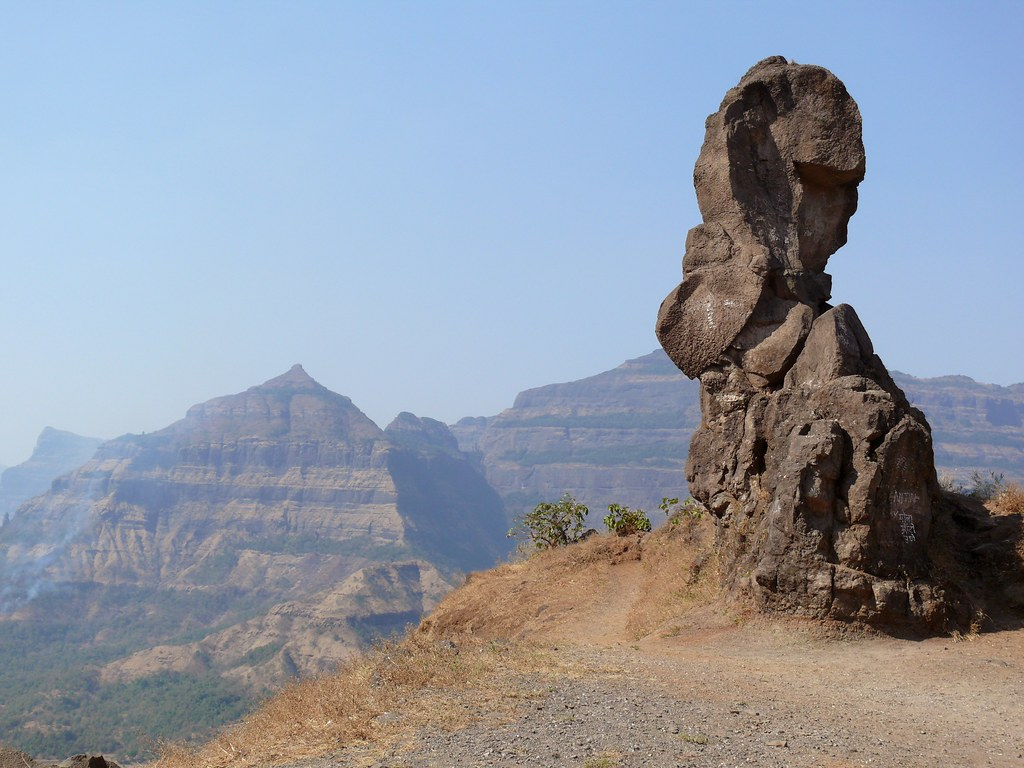
What sets Khandala apart is its trekking. Duke’s Nose is one of the most recognisable silhouettes in the Western Ghats — a pointed cliff that looks like the Duke of Wellington’s nose in profile. The trek to the top is moderate and takes about 2 hours round-trip.
Rajmachi Point gives you a bird’s-eye view of the twin fortresses of Shrivardhan and Manaranjan. Amrutanjan Point, named after the old headache balm factory nearby, offers panoramic views of the ghats. For a quieter experience, walk along the old railway line through tunnels — the engineering is impressive.
Accommodation-wise, Khandala has fewer commercial hotels than Lonavala, which is actually a plus. StayVista villas here tend to be more secluded and surrounded by greenery. If you’re after a peaceful couples’ retreat, Khandala beats Lonavala hands down.
5. Matheran — India’s Only Vehicle-Free Hill Station
Matheran is Asia’s only automobile-free hill station — no cars, no bikes, no pollution (Maharashtra Tourism). At 800 m elevation and just 80 km from Mumbai, it offers a unique summer escape where you explore by foot, horse, or heritage toy train. April–May temperatures range from 18–33°C.
Our team stayed at a StayVista property in Matheran last April — morning temperatures were 17°C while Mumbai was sweltering at 36°C. The absence of engine noise is striking. You hear birds, wind through trees, and the clip-clop of horses on the red laterite paths. It’s unlike anywhere else in Maharashtra.
How the Toy Train Works
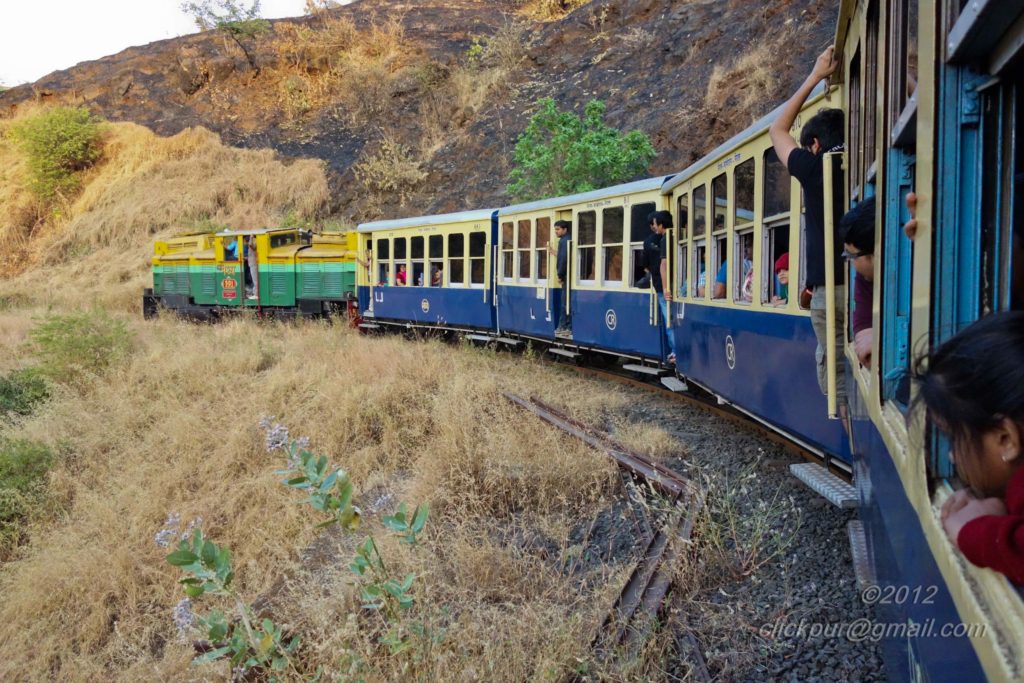
The Neral–Matheran heritage toy train is half the fun. It costs just Rs 75 for a one-way ticket and takes about 2 hours to cover the 21-km route. The narrow-gauge line runs along cliff edges with jaw-dropping valley views. Trains typically run 4–5 times daily, but check the schedule before you go — services are sometimes suspended in heavy rain.
Alternatively, park your car at Dasturi Naka (the last vehicle-accessible point) and walk 2.5 km into town. You can also hire a horse for about Rs 500–800.
Top Things to Do
Matheran has 33 officially named viewpoints. That sounds like a lot, but many are quick 5–10 minute detours off the main walking paths. Panorama Point is the best for sunrise. Charlotte Lake is a serene spot for a picnic. Echo Point does exactly what the name promises.
The car-free environment makes Matheran particularly good for families with young children. Kids can wander without the constant worry of traffic. It’s also surprisingly affordable compared to Lonavala and Mahabaleshwar.
Matheran, 80 km from Mumbai at 800 m elevation, is Asia’s only automobile-free hill station, certified by India’s Ministry of Environment and Forests. Visitors explore its 33 viewpoints by foot, horseback, or the Neral–Matheran heritage toy train (Rs 75, 2-hour journey) (Maharashtra Tourism).
6. Igatpuri — Where Meditation Meets Adventure
Igatpuri sits at 600 m along the Mumbai–Nashik highway, about 130 km from Mumbai. April–May temperatures range from 18–34°C. The town is home to the Vipassana International Academy, one of the world’s largest meditation centres, attracting thousands of silent retreat seekers each year.
But Igatpuri isn’t just for meditators. Adventure seekers come here for Kalsubai Peak — at 1,646 m, it’s the highest point in Maharashtra. The trek is challenging but doable in a day. Start early (by 6 AM) to avoid the afternoon heat in April. Iron ladders bolted into the rock face make the final ascent both thrilling and safe.
Bhavali Dam and Tringalwadi Fort offer less intense outings. The lake at Tringalwadi is perfect for a quiet morning, and the fort trek takes about an hour each way. Igatpuri’s low crowd levels make it a strong alternative if Lonavala and Matheran feel too busy for your taste.
Getting here is straightforward. Regular trains run from Mumbai’s Chhatrapati Shivaji Maharaj Terminus, and the drive takes about 2.5 hours via the expressway. StayVista offers hillside villas in the Igatpuri area with views of the surrounding ranges and private gardens.
Amboli sits at 690 m in the Sindhudurg district, far from the Mumbai–Pune corridor at 490 km from Mumbai. April–May temperatures stay pleasant at 18–30°C, and the town is classified as one of the most biodiverse spots in the Western Ghats — a UNESCO World Heritage region.
The distance keeps most casual tourists away, and that’s precisely Amboli’s charm. In April and early May, before the monsoon hits, you can spot endemic species like the Amboli bush frog and the Malabar pit viper without the slippery trails and leeches that come with monsoon visits.
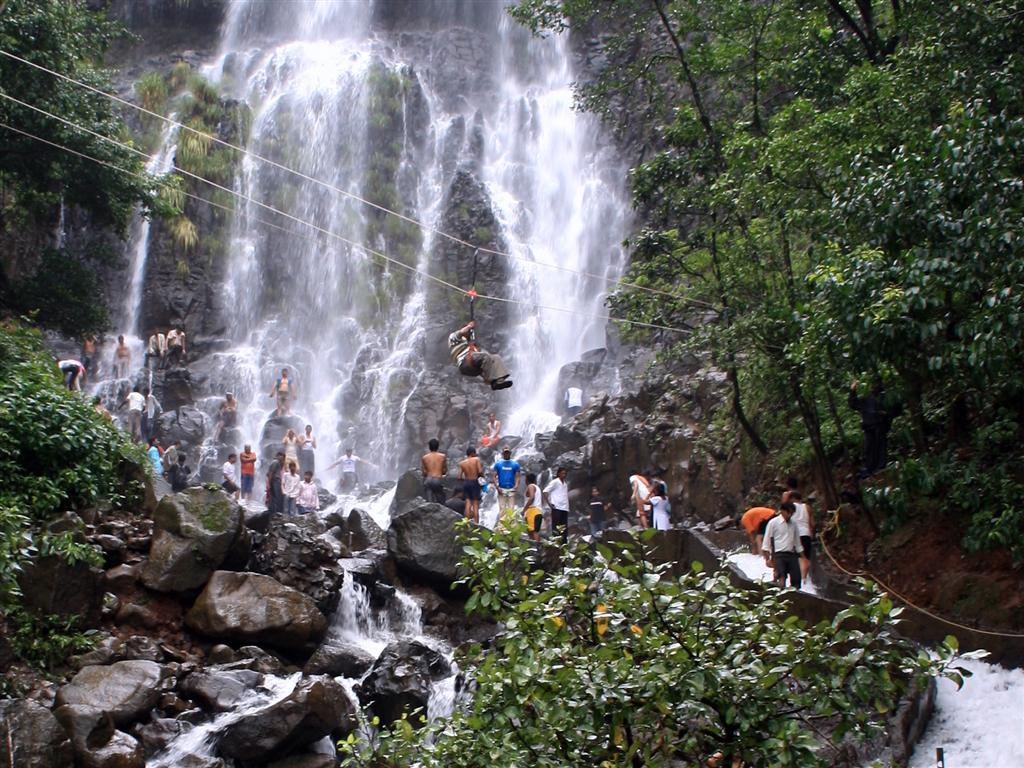
Amboli Falls is the signature attraction, though the flow is modest in April. Hiranyakeshi Temple, with its cave source of the Hiranyakeshi River, is worth a visit. Nature walks through the surrounding forest are the real draw — this is one of the few places in Maharashtra where the forest feels genuinely untouched.
If you’re planning an Amboli in the monsoon season trip, the biodiversity explodes tenfold. But April offers something different: clear skies, easy trails, and almost zero crowds.
8. Malshej Ghat — Flamingos and Fortress Treks
Malshej Ghat, at 700 m elevation and 130 km from Mumbai, is famous for its flamingo colonies that visit during the pre-monsoon season. April–May temperatures range from 18–32°C, making it comfortable for trekking and birdwatching.
The flamingo sightings are the biggest draw. These migratory birds arrive at the Pimpalgaon Joga Dam backwaters in late April and May, creating a visual spectacle against the green mountain backdrop. Carry binoculars — the birds tend to stay in the middle of the water.
For trekkers, Harishchandragad Fort is the crown jewel. The Konkankada cliff at Harishchandragad is one of the most photographed spots in Maharashtra’s trekking circuit — a concave cliff face that drops over 500 m vertically. The Nalichi Vaat route is the most adventurous approach, involving rock patches and near-vertical climbs.
Ajoba Hill Fort is a gentler alternative, suitable for families. The drive along the ghat road itself is scenic, with waterfalls appearing on cliff faces even in late May as underground streams emerge.
9. Bhandardara — Stargazing and Fireflies
Bhandardara sits at 750 m in the Ahmednagar district, about 165 km from Mumbai. April–May temperatures range from 17–32°C. The area around Arthur Lake and Wilson Dam is one of the least light-polluted zones near Mumbai, making it a top pick for stargazing.
Here’s a timing tip most guides miss. Late May to early June is firefly season at Bhandardara. Thousands of synchronous fireflies light up the forest canopy after dark, creating a natural light show. If you’re flexible with dates, aim for the last two weeks of May to catch this phenomenon.
During the day, Arthur Lake is ideal for kayaking and lakeside camping. Ratangad Fort, a moderate 3–4 hour trek, offers stunning views of the Sahyadri range. The Sandhan Valley (Valley of Shadows) is nearby and attracts canyoneering enthusiasts, though you’ll need proper gear and a guide. Bhandardara is a camping destination first and a hotel destination second. But StayVista offers select properties in the area for travellers who want nature without roughing it.
Bhandardara, at 750 m in Ahmednagar district, is one of the least light-polluted areas near Mumbai, ideal for stargazing. Late May to early June brings the synchronous firefly phenomenon near Arthur Lake and Wilson Dam, drawing nature enthusiasts from across Maharashtra.
10. Jawhar — The Tribal Art Capital
Jawhar sits at 520 m, about 150 km north of Mumbai in the Palghar district. Temperatures hit 20–35°C in April–May. What makes Jawhar stand out isn’t weather — it’s culture. This is the heartland of Warli art, and a growing wave of cultural tourism is putting it on the map. Tier 3 city travel searches grew 11.84% year-on-year versus metros at just 2.03% (Techmagnate, 2025).
Warli art workshops are the top draw. Local tribal artists teach you the traditional techniques — geometric patterns depicting daily life, painted on mud walls with rice paste. These workshops typically run 2–3 hours and cost Rs 500–1,000 per person.
Dabosa Waterfall (also called the “Mini Niagara of Maharashtra”) is impressive even in April, fed by perennial springs. Hanuman Point offers a wide view of the surrounding tribal landscape. The Jai Vilas Palace, built by the local Mukne dynasty, is a small but fascinating museum of tribal history.
Jawhar won’t win any “coolest temperature” awards, but it offers something rare: an authentic cultural experience within driving distance of Mumbai. If you’ve done Lonavala and Matheran to death, Jawhar is a refreshing change of pace.
11. Chikhaldara — Coffee and Tigers in Vidarbha
Chikhaldara, at 1,118 m in the Amravati district, records April–May temperatures of 15–30°C — tying with Mahabaleshwar for coolest. But here’s the catch: it’s 700 km from Mumbai. So why include it? Because it’s Maharashtra’s only coffee-growing region and home to the Melghat Tiger Reserve.
Most Maharashtra hill station guides skip Chikhaldara entirely. That’s a disservice. If you’re based in Nagpur (just 250 km away) or Amravati, Chikhaldara is your closest high-altitude escape. And even for Mumbai travellers, the combination of coffee plantations, tiger sighting possibilities, and near-zero crowds makes the journey worthwhile.
The Melghat Tiger Reserve covers over 1,500 sq km and is home to around 40–50 tigers. Safari options are available, though sightings aren’t guaranteed. Gavilgad Fort, spread across a massive hilltop, is one of the most underrated historical sites in Maharashtra. Pandit Nehru Botanical Garden showcases local plant species and is a gentle outing for families.
Chikhaldara coffee isn’t well-known even within Maharashtra. The plantations produce Arabica beans at an elevation that rivals Karnataka’s Coorg region. A visit to a working coffee estate, where you can see the beans drying on outdoor platforms, is something you simply won’t get at any other Maharashtra hill station.
12. Toranmal — Maharashtra’s Coolest Hill Station
At 1,150 m in the Satpura range, Toranmal drops to 14°C in April — the coolest temperature of any Maharashtra hill station. It’s located in the Nandurbar district, about 400 km from Mumbai, and remains almost completely off the tourist radar with “very low” crowd levels.
If you’ve ever wondered where to go when even Mahabaleshwar feels warm, Toranmal is your answer. April highs reach only 28°C here — cooler than some air-conditioned offices. The Satpura setting feels completely different from the Western Ghats. It’s drier, more rugged, and sparsely forested.
Lotus Lake (Yashavant Lake) is the centrepiece, a small but scenic lake surrounded by hills. Sita Khai is a dramatic natural gorge associated with Ramayana legends — the name means “Sita’s ravine.” The Gorakhnath Temple, perched on a hilltop, gives 360-degree views of the Satpura range.
Infrastructure is basic here. Don’t expect luxury resorts or StayVista-level amenities. You’ll find government rest houses and a handful of budget lodges. Toranmal is for travellers who prioritise temperature and solitude above everything else. If that’s you, this hidden corner of Maharashtra won’t disappoint.
Toranmal, at 1,150 m in the Satpura range of Nandurbar district, is Maharashtra’s coolest hill station with April temperatures as low as 14°C and May highs of just 28°C. Its near-zero tourist infrastructure keeps crowd levels at “very low,” making it ideal for solitude seekers (Climate-Data.org).
13. Panhala — Shivaji’s Mountain Fortress
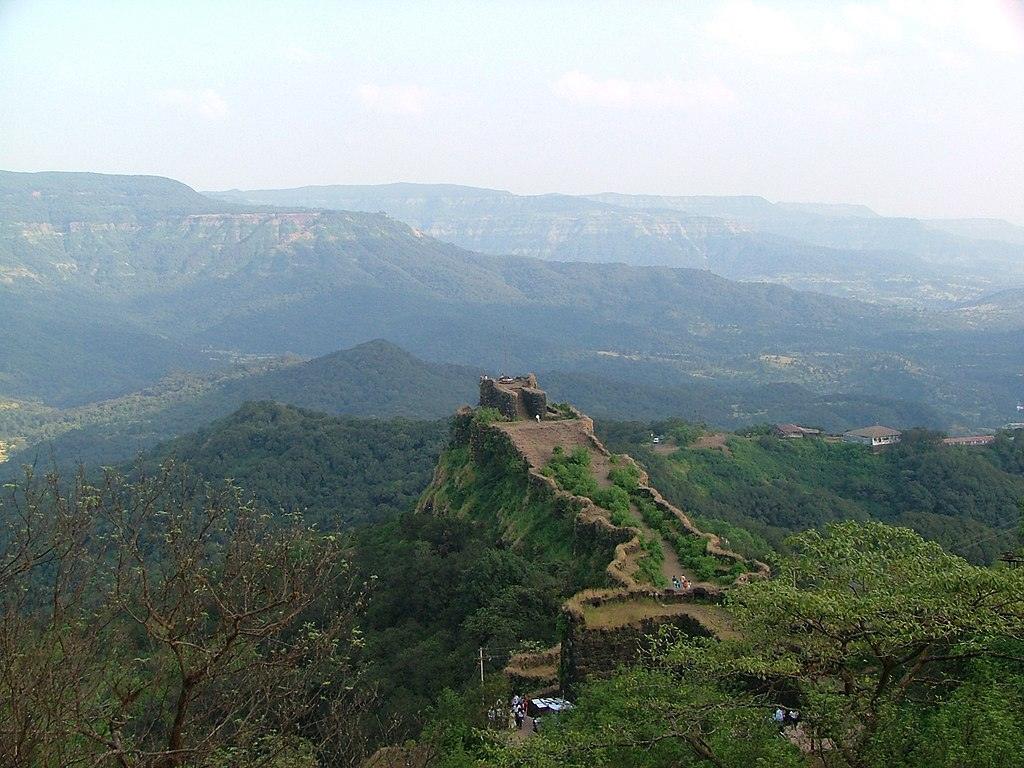
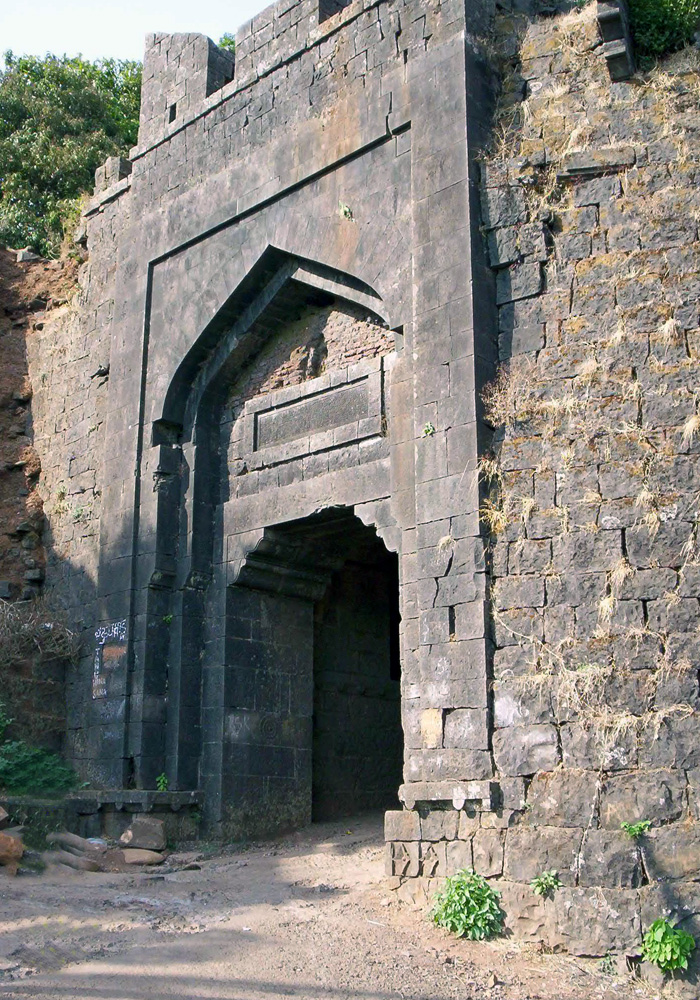
Panhala Fort, at 977 m near Kolhapur, is one of the largest forts in the Deccan region and a site of enormous historical significance in Maratha history. April–May temperatures range from 16–32°C, and the hilltop location catches breezes that the Kolhapur plains below miss entirely.
This is where Chhatrapati Shivaji Maharaj spent over 500 days during his longest stay at any fort. The fort’s massive walls, three entrance gates (Teen Darwaza), and the Sajja Kothi (the watch tower where Shivaji reportedly stayed) are well-preserved and walkable.
Panhala works best as part of a Kolhapur trip. Spend a morning exploring the fort, then head down to Kolhapur for its famous Kolhapuri cuisine — the misal pav and tambda-pandhra rassa here are legendary. The fort is just 20 km from Kolhapur city, making it an easy half-day trip.
For history enthusiasts, Panhala is arguably the most rewarding hill station on this list. The combination of altitude, Maratha history, and Kolhapuri food culture creates a trip that’s completely different from the typical “viewpoint and waterfall” hill station experience.
14. Lavasa — The Planned Hill City
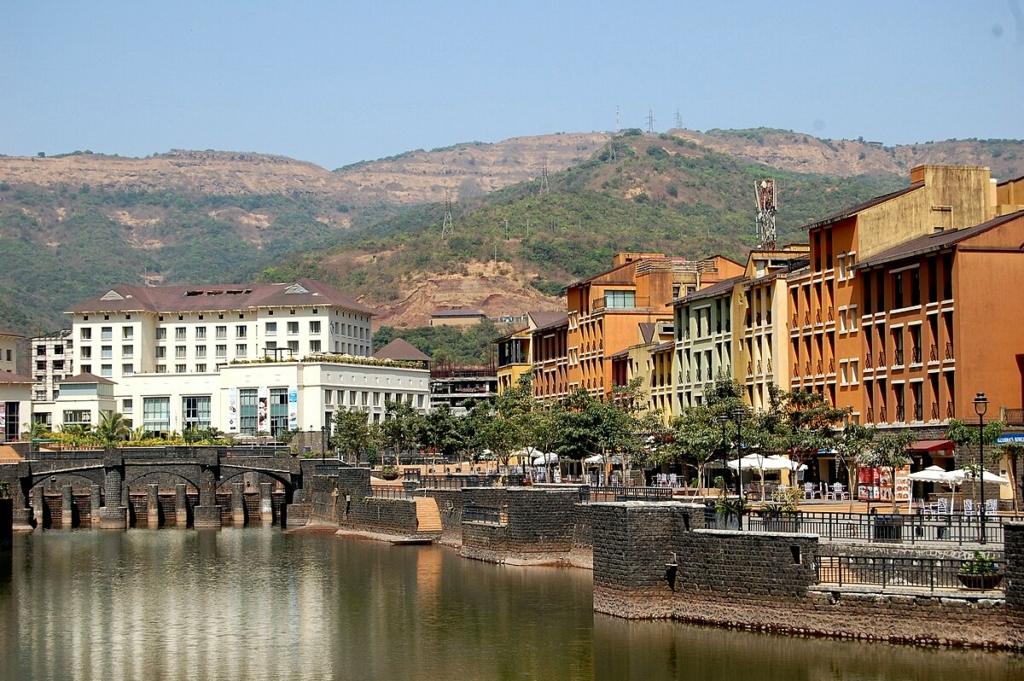
Lavasa sits at 640 m, just 60 km from Pune, making it the closest hill escape for Pune residents. April–May temperatures range from 20–35°C. Designed as India’s first planned hill city with Italian-inspired architecture, Lavasa is visually striking — but it comes with caveats.
Let’s be honest: Lavasa’s development story has been rocky. The project faced environmental clearance issues, financial troubles, and legal challenges. As of 2026, portions of the town are operational while other phases remain incomplete. The waterfront promenade along Dasve Lake, cycling paths, and a few operational hotels and restaurants make it visitable, but it’s not the fully realised city the original plans envisioned.
What works well: cycling along the lakefront road, a boat ride on Dasve Lake, and the drive itself through the winding ghat road from Pune. Temghar Dam is nearby and worth a quick stop. The colourful European-style buildings make for great photos, even if the town feels quieter than intended.
If you go in with realistic expectations, Lavasa offers a pleasant day trip from Pune. Just don’t expect Portofino.
15. Karjat — The Closest Escape from Mumbai
At just 62 km from Mumbai, Karjat is the closest hill-adjacent getaway on this list. It sits at a modest 200 m elevation, so April–May temperatures (22–36°C) aren’t dramatically cooler than Mumbai. But Karjat’s appeal isn’t altitude — it’s river rafting on the Ulhas River before monsoon water levels change.
April is actually the last month for rafting, as water levels drop by May. The rapids are Grade I–II, making them perfect for beginners and families. Rafting operators charge around Rs 800–1,200 per person for a 2–3 hour session.
Beyond rafting, the Kondana Caves are a set of ancient Buddhist rock-cut caves accessible via a short trek. Peth Fort (Kothaligad) is a compact hilltop fort with carved steps leading to the summit — a fun 2-hour trek. Bhivpuri Waterfalls, a short train ride from Karjat station, make for a refreshing excursion.
Karjat’s proximity to Mumbai makes it ideal for a spontaneous one-night escape. You can leave after work on Friday evening and be there by dinner. StayVista offers riverside and hillside villas in the Karjat area, many with private pools.
Which Hill Stations Near Mumbai Can You Reach in Under 3 Hours?
Indian travellers now prefer 4 mini-breaks over one long holiday, and couples make up 40% of weekend bookings (Skift India Travel Report, 2026). That trend explains why hill stations within driving distance of Mumbai are booked solid on April and May weekends.
Here’s your quick-reference list for Mumbai:
Karjat — 62 km, approximately 1.5 hours. Best for: rafting, quick overnight escape.
Matheran — 80 km, approximately 2 hours (plus 30-min walk/horse from Dasturi Naka). Best for: car-free environment, families.
Khandala — 80 km, approximately 1.5 hours via expressway. Best for: couples, quiet trekking.
Lonavala — 95 km, approximately 1.5 hours via expressway. Best for: pool villas, group weekends.
All four are reachable before lunch if you leave Mumbai by 8 AM on a Saturday. For a longer list, check our weekend getaways from Mumbai guide.
Best Hill Stations Near Pune for a Weekend Trip
Pune recorded 157.74 lakh travel searches in FY 2025 — a 10.07% year-on-year increase, the highest growth rate among all Indian metros (Techmagnate, 2025). Pune residents are hungry for weekend escapes, and five hill stations sit within a 2.5-hour drive.
Lavasa — 60 km, approximately 1 hour. Best for: cycling, waterfront walks, day trips.
Lonavala — 67 km, approximately 1 hour. Best for: pool villas, caves, weekend groups.
Khandala — 70 km, approximately 1 hour. Best for: couples, Duke’s Nose trek.
Panchgani — 100 km, approximately 2 hours. Best for: paragliding, Table Land, families.
Mahabaleshwar — 120 km, approximately 2.5 hours. Best for: viewpoints, strawberry farms, luxury villas.
The Pune–Mahabaleshwar drive through Wai and Panchgani is one of the most scenic road trips in western India. Combine Panchgani and Mahabaleshwar into a single weekend — they’re just 18 km apart. For detailed route planning, see our road trip guide to hill stations near Mumbai.
Frequently Asked Questions — Hill Stations in Maharashtra
Which is the coolest hill station in Maharashtra in May?
Toranmal is Maharashtra’s coolest hill station, with May temperatures as low as 14°C and highs of just 28°C. Chikhaldara (15–30°C) and Mahabaleshwar (15–30°C) are close runners-up (Weather Atlas). All three sit above 1,100 m elevation, which accounts for the significantly lower temperatures compared to plains cities.
Which hill station is closest to Mumbai?
Karjat is the closest, at just 62 km from Mumbai, reachable in about 1.5 hours by road. Matheran and Khandala follow at 80 km each. All three make excellent overnight escapes. India’s tourism sector contributed 5.22% of GDP, supporting 84.6 million jobs (PIB / Ministry of Tourism, 2025), and short-distance getaways drive a significant share of domestic tourism.
Is Mahabaleshwar or Panchgani better in April?
Mahabaleshwar is better for viewpoints, strawberry farms (85% of India’s strawberry production), and wider accommodation options. Panchgani wins for adventure — paragliding and Table Land exploration. They’re only 18 km apart, so the smartest move is to visit both in one trip. Base yourself at one and day-trip to the other.
Are the Maharashtra hill stations crowded in April and May?
Lonavala and Mahabaleshwar see heavy crowds on weekends, especially during school holidays. Weekday visits are significantly calmer. For genuinely low crowds, try offbeat options like Bhandardara, Jawhar, Toranmal, or Chikhaldara. Domestic tourism accounts for 88% of India’s total tourism spending (WTTC via IBEF, 2025), so popular spots will always draw numbers.
Can you drive to Matheran?
No. Matheran is Asia’s only automobile-free hill station (Maharashtra Tourism). Park your car at Dasturi Naka and walk the remaining 2.5 km, hire a horse (Rs 500–800), or take the Neral–Matheran heritage toy train (Rs 75, 2-hour journey). The vehicle ban is what keeps Matheran’s air and noise pollution near zero.
Which hill station is best for families with kids?
Matheran tops the list for families — its car-free environment means kids can walk freely without traffic risks. Panchgani’s Table Land offers safe open spaces, and Mahabaleshwar’s strawberry farms are a hit with children. All three have villa options with private gardens, kitchens, and child-friendly amenities for comfortable family stays.
What should I pack for a Maharashtra hill station trip in April?
Pack light cotton layers for daytime, a light jacket or hoodie for cooler mornings and evenings, sunscreen (SPF 50+), comfortable walking shoes with grip, and a rain jacket. Pre-monsoon showers are possible in May, especially at higher elevations like Mahabaleshwar (1,353 m). Carry a refillable water bottle — April heat can be dehydrating on treks.
Which offbeat hill stations in Maharashtra are worth visiting?
Four offbeat picks stand out: Jawhar for Warli tribal art workshops, Toranmal for the coolest temperatures in the state (14°C lows), Chikhaldara for coffee plantations and tiger safaris, and Bhandardara for fireflies in late May. Tier 3 city travel searches grew 11.84% year-on-year (Techmagnate, 2025), showing rising interest in lesser-known destinations.
How many hill stations are in Maharashtra?
Maharashtra has 25+ recognised hill stations spread across the Western Ghats (Sahyadri), Satpura range, and Eastern highlands. This guide covers the 15 best for April–May summer travel, ranked by temperature, distance from major cities, activities, and accommodation quality. The state’s diversity means you can find everything from 14°C solitude to river rafting 62 km from Mumbai.
Plan Your Hill Station Getaway
Based on booking patterns from April–May 2025, StayVista’s three most-booked Maharashtra hill station destinations were Lonavala, Mahabaleshwar, and Igatpuri — in that order. Lonavala dominated thanks to its expressway proximity, while Igatpuri saw the fastest year-on-year growth in bookings.
StayVista offers 500+ curated luxury villas across 50+ destinations in India, including dedicated collections for Maharashtra’s top hill stations. Each property is vetted for quality, privacy, and scenic value.
Book early for April–May. Our most popular hill station villas sell out 3–4 weeks in advance, especially for Friday–Sunday stays. Weekday bookings offer better availability and often better rates.
They may say that I talk too much, but hey, that’s the extrovert life (think Hermione trying to explain Hogwarts History to fellow witches and wizards). When I’m not chatting travel dreams into existence, I’m brewing up blog adventures for StayVista. With chai in one hand and wanderlust in my heart; travelling and shaping vacation concepts into great itineraries is something that thrills me. Writing a perfectly planned getaway for someone? It’s like sharing a delicious box of Bertie Bott’s Every-Flavour Beans – you never know what reaction you’ll get (but hopefully, mostly happy surprises!). So, buckle up fellow explorers, and grab your broomsticks – because we’re off to explore somewhere incredible with every post!