
Holi in Varanasi (2026 Complete Guide) | Where to Stay, Things to Do & Travel Tips
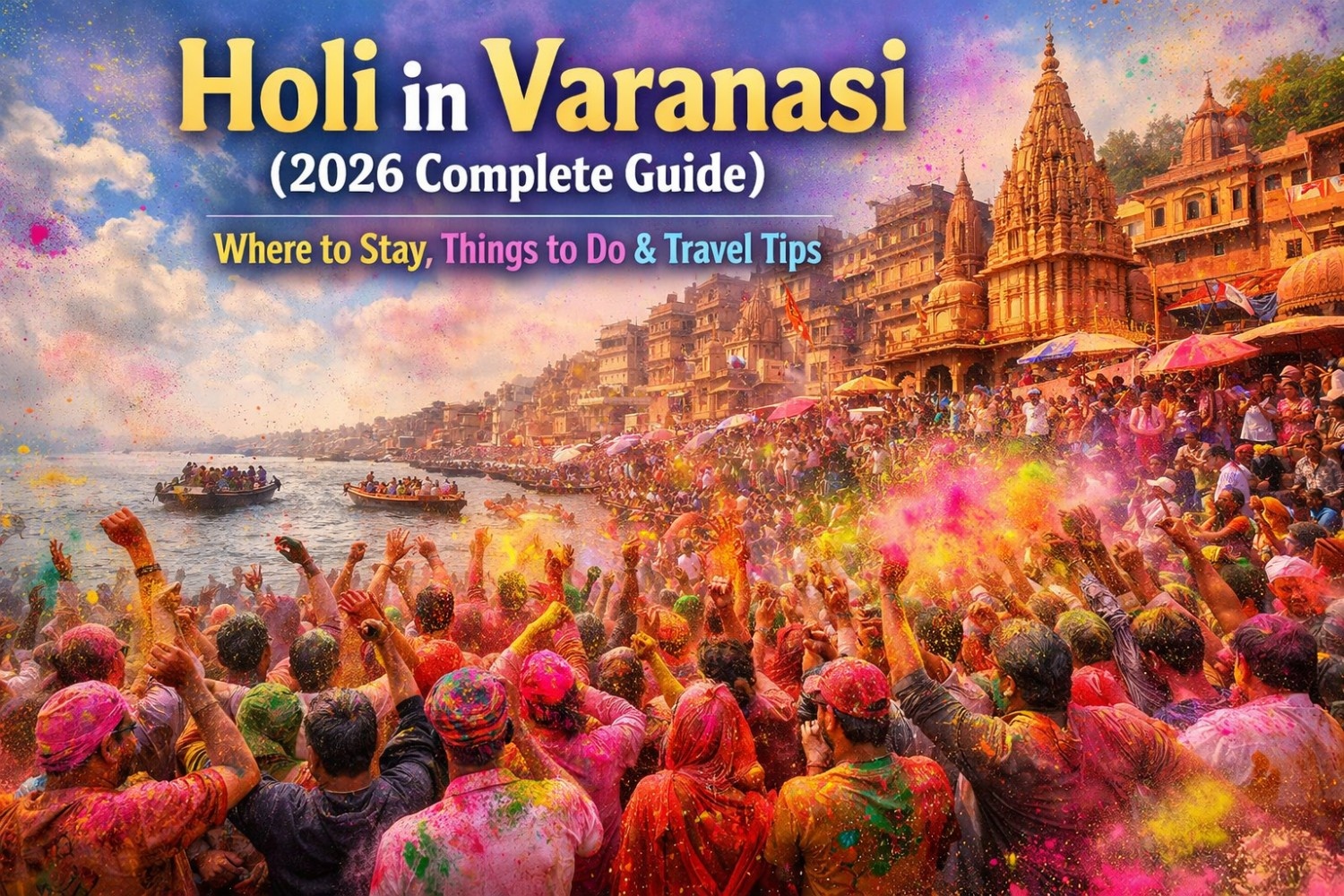
Holi in Varanasi is one of India’s most immersive festival experiences, blending colour play with temple rituals, riverfront ceremonies, devotional music, and centuries-old traditions. Travellers wondering whether celebrating Holi in the spiritual capital of India is worth it should know that this city celebrates the festival with spiritual depth, community warmth, and vibrant public gatherings along the ghats of the Ganges.
Unlike destinations known mainly for high-energy parties, Holi in Varanasi carries ritual meaning, neighbourhood bonfires, temple visits, and evening Ganga Aarti ceremonies. This guide explains what to expect, where to stay, safety tips, and how to plan your days wisely in 2026.
In this Blog
What Makes Holi in Varanasi Unique?
It stands out because the festival here is not limited to colour throwing. It is layered with religious rituals, neighbourhood gatherings, and sacred riverfront ceremonies.
Two distinct days define the celebration:
- Holika Dahan (Eve of Holi) – Bonfires are lit across neighbourhoods symbolising the victory of good over evil. Families gather, offer grains and coconuts into the fire, and sing devotional songs.
- Rangwali Holi (Main Colour Day) – Streets, lanes, and ghats come alive with colours, music, and community celebration.
It is both devotional and social. The morning is filled with colours, and the evening returns to spirituality with temple visits and river rituals.
The blend of sacred and celebratory makes it different from purely party-focused destinations.
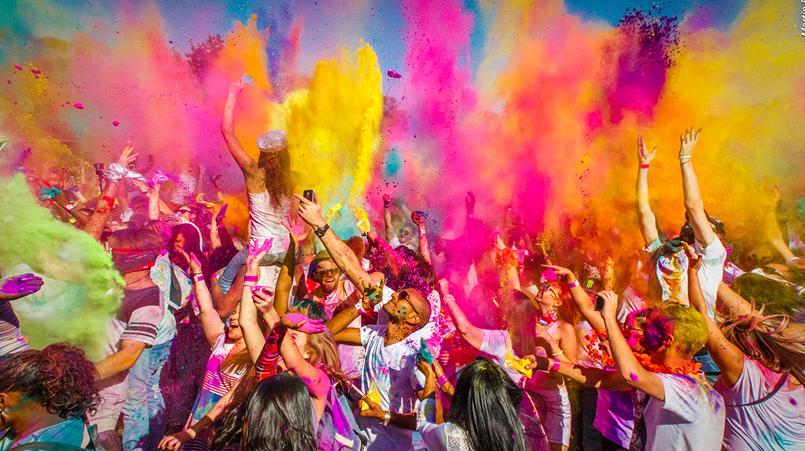
What Happens During Holi in Varanasi?
Morning: Colour, Music & Community
The most energetic hours during Holi are between 8 am and 1 pm.
What to Expect:
- Groups singing folk Holi songs
- Dhol and drum performances in old lanes
- Herbal colours and flower petals
- Community gatherings near major ghats
Areas around Dashashwamedh Ghat and the old city see lively but culturally rooted celebrations.
Unlike aggressive colour parties elsewhere, here it often begins with applying colour respectfully to elders as a gesture of blessings and unity.
Afternoon: Slowdown & Festive Food
By early afternoon, the celebrations gradually calm down. Shops reopen, and people gather for festive meals.
Popular Holi treats include:
- Gujiya
- Malpua
- Thandai
- Kachori and sabzi
Food becomes a central part of bonding during Holi.
Evening: Spiritual Calm Returns
Evenings are transformative.
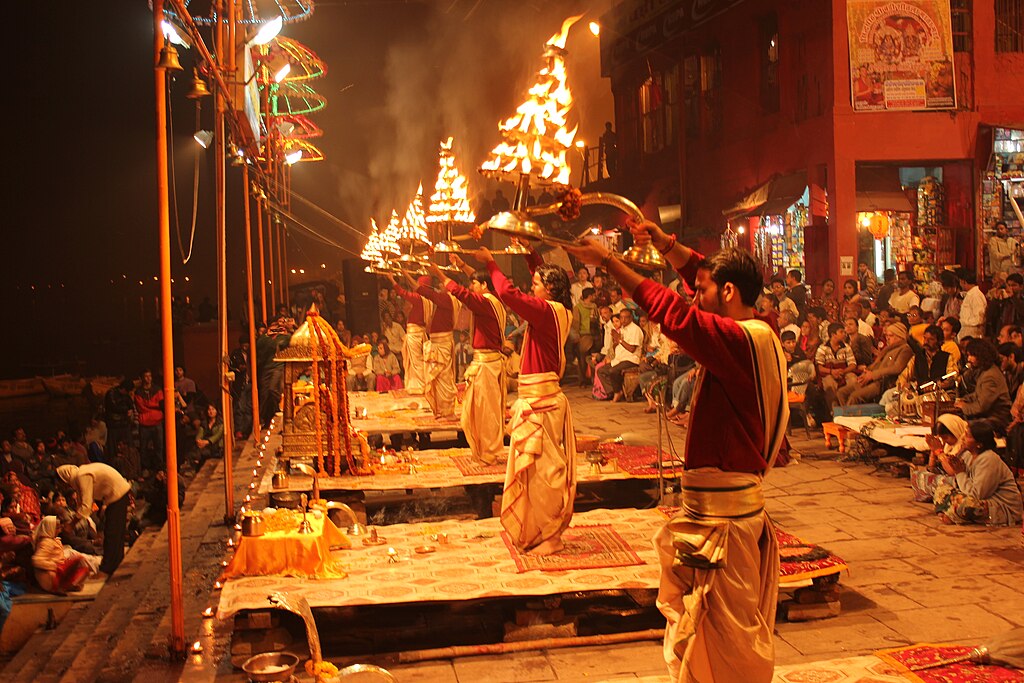
Many visitors attend the Ganga Aarti at Dashashwamedh Ghat, where priests perform synchronised rituals with fire lamps, chants, and bells.
Watching Ganga Aarti after a day of colour is often described as the most powerful moment of the Holi festival.
Is Holi in Varanasi Worth It?
Yes, it is worth it for travellers who value cultural authenticity, ritual depth, and a community atmosphere over commercial party scenes.
Reasons why visitors choose the City of Lights to celebrate Holi:
- Deep-rooted traditions
- Riverfront celebrations
- Temple rituals
- Intergenerational participation
- Blend of spirituality and festivity
If someone is looking for a festival that feels meaningful rather than only loud, iti delivers that balance.
Holi in Varanasi vs Vrindavan: Which Is Better?
Many travellers compare Holi in Varanasi with celebrations in Vrindavan.
| Feature | Holi in Varanasi | Holi in Vrindavan |
| Celebration Style | Spiritual + Community | Mythology-focused |
| Crowd Flow | Spread across ghats | Concentrated in temples |
| Key Setting | Riverfront | Krishna temples |
| Atmosphere | Devotional and cultural | Theatrical and dramatic |
Vrindavan is deeply connected to Krishna legends and temple ceremonies. Varanasi feels more community-driven and spread across historic riverbanks.
Both are culturally rich, but this City of Shiva offers a unique blend of public celebration and sacred ritual.
Is Holi in Varanasi Safe?
Safety is a common concern.
It is generally safe in central and well-populated areas, especially around the ghats and major temples.
Practical tips:
- Stay near the main ghats or central neighbourhoods
- Avoid isolated streets
- Carry minimal valuables
- Wear comfortable footwear
- Choose accommodation with reliable access
Authorities increase patrols during major festivals. Staying in organised areas ensures a smooth experience.
Things to Do During Holi in Varanasi
It is more than playing colours. It is an opportunity to explore heritage, spirituality, and local culture.
1. Visit Kashi Vishwanath Temple
A visit to Kashi Vishwanath Temple adds spiritual depth to the festival. Many travellers seek blessings before or after colour celebrations.
2. Take a Post-Holi Boat Ride
Once colours settle, an evening or next-morning boat ride along the Ganges offers calm views of ghats and temples.
3. Explore the Old City Lanes
The narrow lanes of Banaras city reveal:
- Silk weaving workshops
- Street snacks
- Local sweet shops
- Historic courtyards
4. Attend Ganga Aarti
Experiencing Ganga Aarti during Holi in the spiritual capital of India is often the highlight of the trip.
Quick Guide: Holi Festival in Varanasi 2026
| Detail | Information |
| Festival Dates (Tentative 2026) | Holika Dahan: March 2, Holi: March 3 |
| Best Celebration Areas | Dashashwamedh Ghat, Assi Ghat |
| Ideal Stay Location | Near the main ghats or central Varanasi |
| Safe Hours for Colour Play | Morning to early afternoon |
| Best Time for Aarti | Sunset |
Planning 2–3 days ensures travellers experience both festival energy and city heritage.
Where to Stay During Holi in Varanasi
Accommodation fills quickly during the Holi celebrations in Varanasi, so early booking is essential.
Options include:
- Riverside boutique stays
- Heritage homes in old city lanes
- Modern hotels in central neighbourhoods
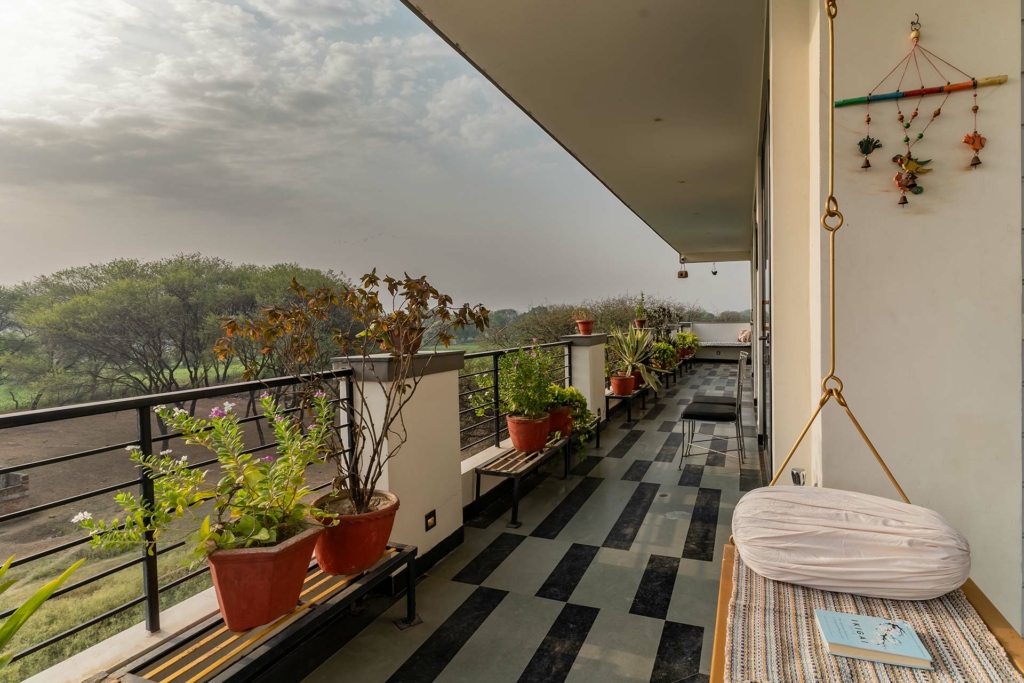
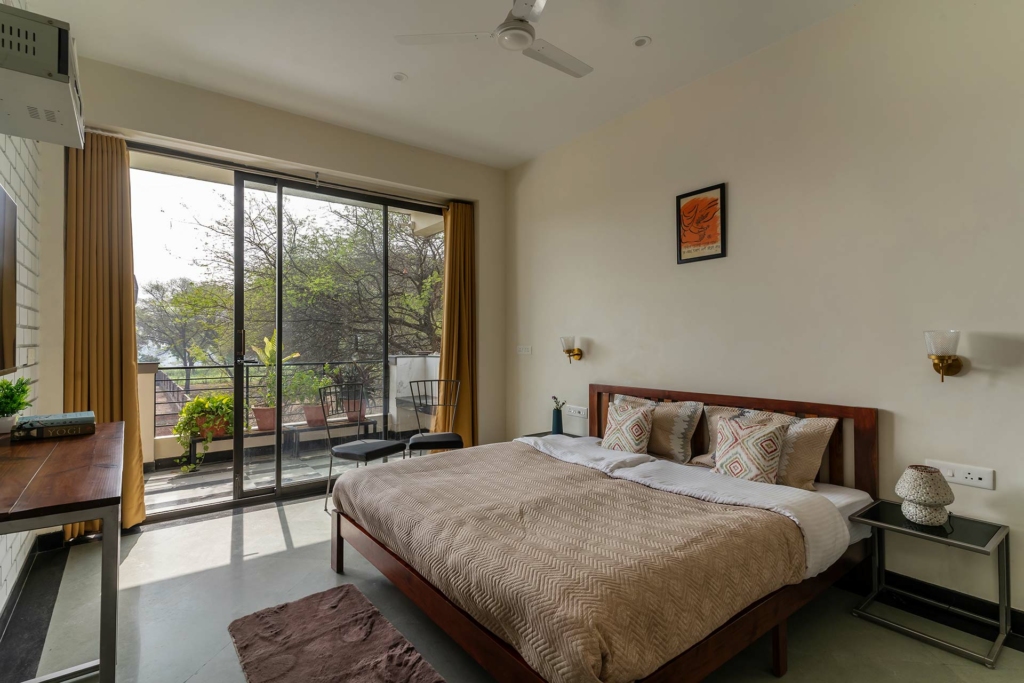
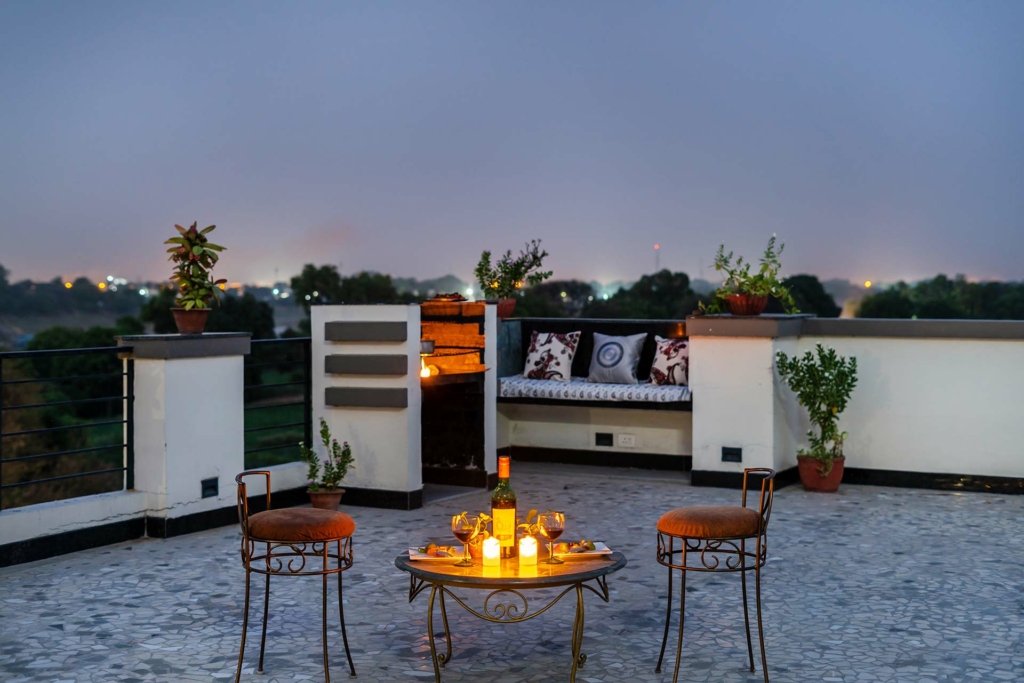
For travellers seeking privacy after festival crowds, a curated villa stay offers space, comfort, and security. StayVista villas in Varanasi provide handpicked villa experiences in cultural destinations, ideal for families or groups visiting during Holi.
Choosing a centrally located property reduces commute stress during peak celebration hours.
The Ganga House

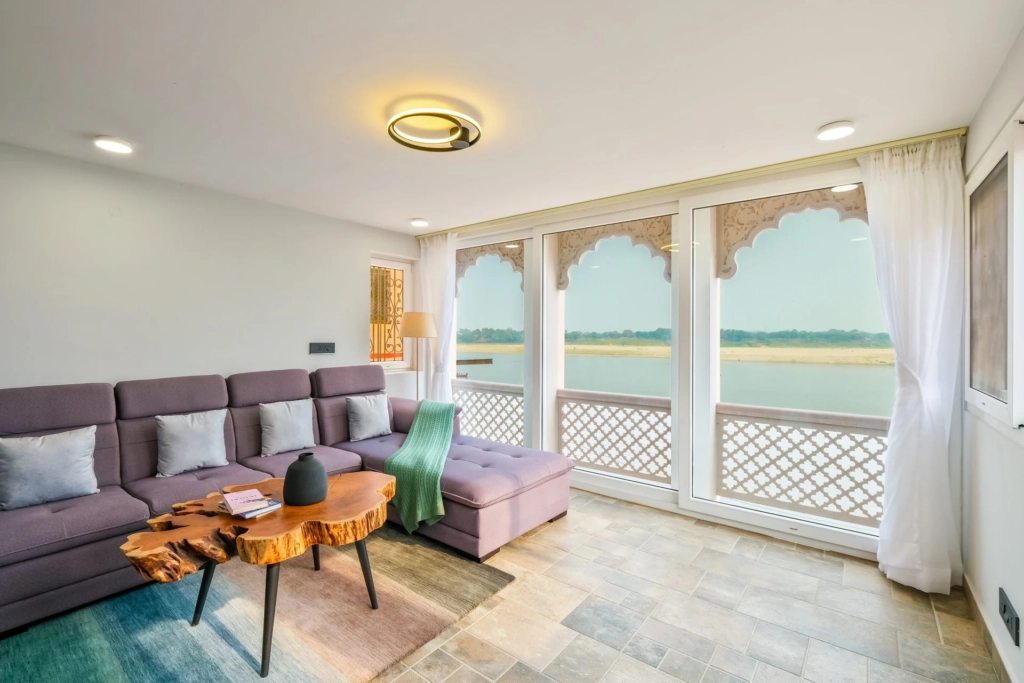
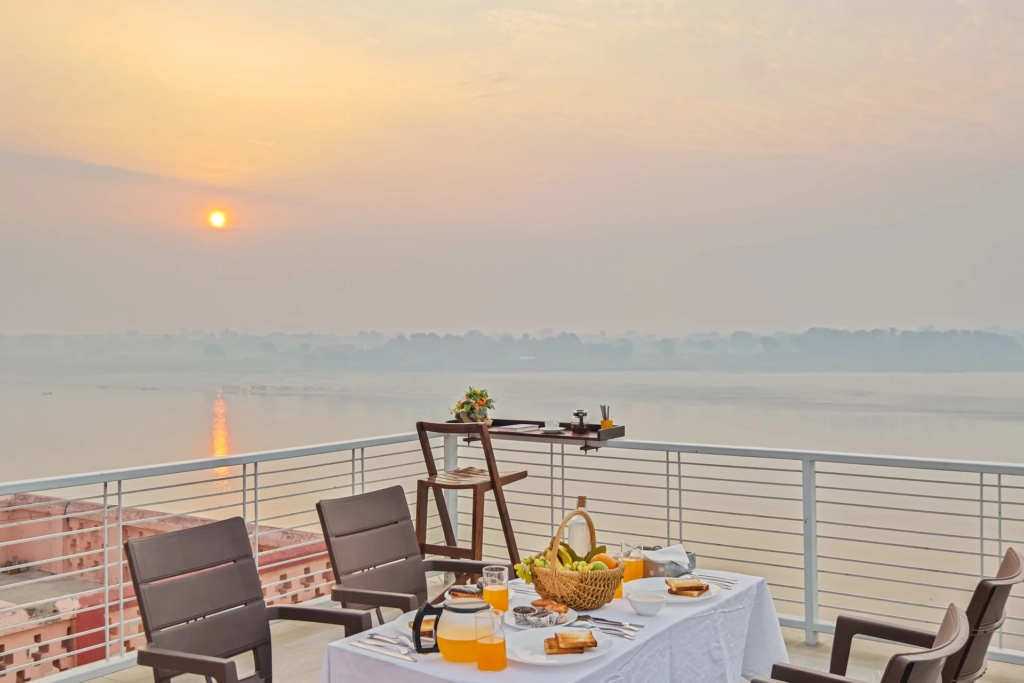
Serenity by the Ganges
Suggested 3-Day Holi Celebrations in Varanasi Itinerary
Day 1
- Arrive and explore ghats
- Attend Holika Dahan in the local neighbourhood
Day 2
- Morning colour celebrations
- Afternoon rest and festive meal
- Evening Ganga Aarti
Day 3
- Temple visit at Kashi Vishwanath
- Boat ride
- Silk market exploration
This structure balances festival participation with cultural discovery.
Travel Tips for Holi in Varanasi
- Wear old, light-coloured clothes
- Use coconut oil on skin and hair before stepping out
- Carry sunglasses to protect your eyes
- Keep your phone waterproofed
- Stay hydrated
Planning smartly ensures Holi festival in Varanasi remains joyful rather than overwhelming.
Frequently Asked Questions About Holi in Varanasi
Holi festival in Varanasi in 2026 is expected around early March, with Holika Dahan on the eve and colour celebrations the following day.
Yes, Holi celebration in Varanasi is family-friendly, especially in organised areas near ghats and temples.
A 2 to 3-day trip allows visitors to experience both the festival and key attractions.
Avoid isolated areas, over-crowded narrow lanes during peak hours, and carrying expensive items.
Yes, Ganga Aarti continues during Holi and is one of the most spiritually powerful experiences of the trip.
Should You Experience Holi Festival in Varanasi?
Holi Festival in Varanasi is not just about colours. It is about witnessing devotion beside celebration, ritual beside rhythm, and ancient heritage wrapped in festive joy.
For travellers seeking authenticity, spiritual energy, and meaningful cultural immersion, the Holi celebration in Varanasi is absolutely worth experiencing at least once.
The city does not just celebrate Holi. It transforms it into a ritual of colour, community, and continuity.
Also Read:
- Varanasi Food Guide | Best Street Eats & Where to Try Them
- Best Sunrise Boat Ride in Varanasi (When, Where & How to Book)
- Varanasi 2 Day Itinerary (Feb–March) – Sunrise, Ghats, Sarnath & Street Food Guide
Written By: Ruben Saha