
Jamnagar Travel Guide: Best Places to Visit, Things to Do and Hidden Gems
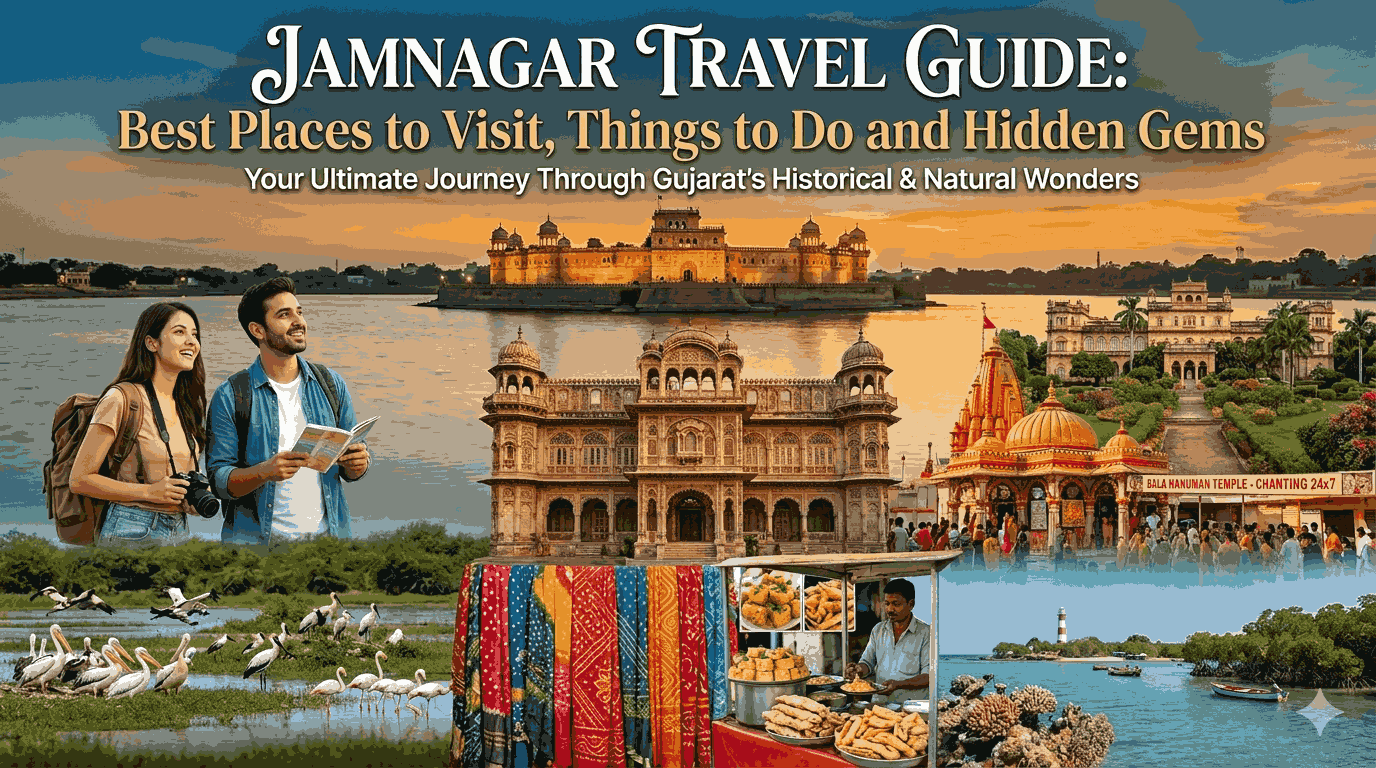
Most travellers in Gujarat loop through Ahmedabad and Dwarka without pausing at the city between them. That is a genuine oversight. Jamnagar, once the capital of the princely state of Nawanagar, holds more heritage per square kilometre than many better-advertised destinations in the region — and its wildlife credentials, anchored by India’s first Marine National Park, are quietly exceptional.
This guide covers everything from practical connectivity and hotel options to lesser-known sites that rarely appear on mainstream itineraries. Whether you have a weekend or a week, there is a version of Jamnagar that will suit you.
Jamnagar is a historic coastal city in the Saurashtra region of Gujarat, India, known for its medieval palaces, Bandhani textile tradition, and exceptional natural heritage. Key attractions include Lakhota Palace, the Marine National Park at Pirotan Island, and Khijadiya Bird Sanctuary. The city is well connected to Ahmedabad (≈320 km), Rajkot (≈88 km), and Mumbai by road, rail, and air. The best time to visit is October to March.
In this Blog
How to Reach Jamnagar from Major Cities
Jamnagar is accessible by air, rail, and road. It sits on National Highway 927 in western Saurashtra, making road access straightforward from most Gujarat cities. Below is a summary of the main routes.
| Origin | Mode | Distance / Time | Recommended Route |
|---|---|---|---|
| Mumbai | Flight | ~1 hr 15 min | Daily flights via IndiGo, Air India to Jamnagar Airport (JGA) |
| Mumbai | Train | ~14–16 hrs | Saurashtra Mail or Jamnagar Express from Bandra Terminus |
| Ahmedabad | Train | ~5–6 hrs | Saurashtra Express or Shatabdi to Jamnagar via Rajkot |
| Ahmedabad | Road | ~4–4.5 hrs (320 km) | NH 47 via Rajkot; GSRTC Volvo buses available |
| Rajkot | Road / Bus | ~1.5 hrs (88 km) | Fastest option; frequent state buses and shared taxis |
| Delhi | Flight + road | ~2.5 hrs flight + 90 min | Fly to Rajkot, then hire a cab to Jamnagar |
| Delhi | Train | ~24–26 hrs | Saurashtra Mail from H. Nizamuddin via Ahmedabad |
Traveller’s note
Jamnagar Airport (JGA) handles limited flights. If your city does not have a direct connection, flying into Rajkot and driving down is often more practical. Rajkot is also the nearest major rail hub with broad-gauge connections to Delhi and Mumbai.
By bus from major Gujarat cities
Gujarat State Road Transport Corporation (GSRTC) operates regular services from Ahmedabad, Rajkot, Surat, Vadodara, and Bhavnagar to Jamnagar’s ST Bus Stand near Bedi Gate. Journey times are longer than the train but buses depart frequently and are reasonably comfortable on the Ahmedabad–Rajkot–Jamnagar corridor.
Best Time to Visit Jamnagar
The city sits at the edge of the Gulf of Kutch, which means hot, dry summers and a concentrated southwest monsoon. The practical travel window breaks into three distinct phases.
Best season
October – March
Cool days (18–28°C), clear skies, and active migratory bird populations at Khijadiya. Ideal for all activities including boat tours to Pirotan Island.
Acceptable
September / April
Transition months. September sees the tail end of monsoon with some greenery; April is warming but manageable before peak heat sets in.
Avoid
May – August
Temperatures exceed 40°C in May–June. Heavy monsoon rains from July can make road access to coastal sites difficult and boat trips are suspended.
For wildlife specifically: Khijadiya Bird Sanctuary is at its best between November and February, when flamingos, pelicans, and over 300 migratory species are present. Marine National Park boat tours to Pirotan Island typically run October through May, subject to sea conditions.
Top Attractions in Jamnagar
Lakhota Palace and Museum
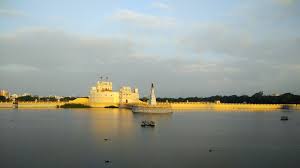
Situated on a small island in the middle of Lakhota Lake, this 19th-century palace was built by the Jadeja Rajput rulers of Nawanagar. The structure is connected to the shore by a stone bridge and houses the Jamnagar Museum, which displays an archaeological collection including pre-Harappan pottery, coins, and sculptures. The surrounding Lakhota Lake is a pleasant walking circuit, especially in the early morning when the water reflects the palace and the Ranjit Sagar ghats. Entry is nominal; the museum is closed on Fridays.
Pratap Vilas Palace
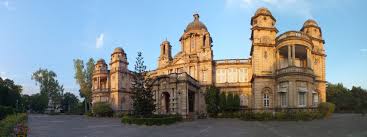
Built in the early 20th century in an Indo-Saracenic style, Pratap Vilas Palace was the official residence of Jam Ranjitsinhji — the cricketer widely regarded as one of the finest batsmen in English cricket history. The palace is now used by the Indian Railways as a staff training college and is not open to the general public for interiors, but the exterior and grounds are worth viewing. It stands on the outskirts of the city on the road toward Rajkot.
Darbar Gadh (Old Darbar Hall)
The older palace complex in the walled city area, Darbar Gadh is a mix of Rajput and Mughal architectural elements. Parts of the complex have been converted into shops and residences over time, giving the surrounding lanes an authentic character that a new-build heritage hotel could never replicate. Walking the internal streets here in the evening, when the carved wooden balconies are backlit, is one of Jamnagar’s more atmospheric experiences.
Balachadi Beach
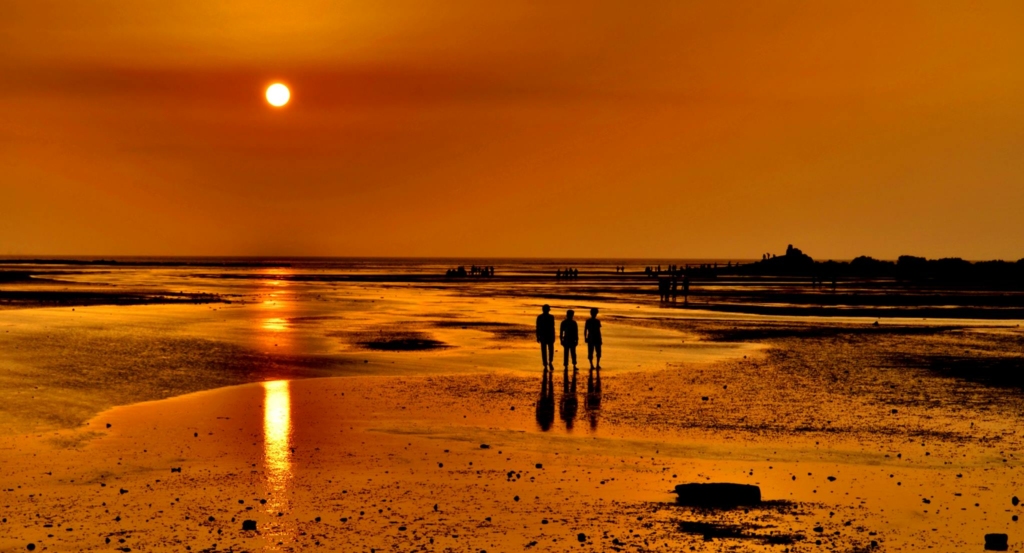
Located about 18 km north of the city, Balachadi is one of the calmer beaches accessible from Jamnagar. It lacks the infrastructure of tourist-developed beaches but compensates with quiet stretches of sand and, in winter, good birdwatching along the coastal scrubland. The beach carries historical significance as the location where Polish children were sheltered during World War II at the invitation of the Nawab of Jamnagar — a fact commemorated by a memorial.
Shivrajpur Beach
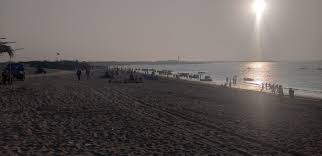
Awarded India’s Blue Flag certification for cleanliness and water quality, Shivrajpur Beach is approximately 12 km from the city centre. It is among the few Blue Flag beaches in Gujarat and offers a well-maintained alternative for those wanting a cleaner seaside experience. Facilities include changing rooms and a car park.
Hidden Gems and Offbeat Places near Jamnagar
Bohra Hazira Mausoleum
One of the most overlooked monuments in western Gujarat, Bohra Hazira is a Mughal-era mausoleum located within the old city. The structure features carved sandstone latticework (jali work) and arched niches in a style that feels transported from Agra. It receives a fraction of the visitors that comparable monuments in Ahmedabad attract, making it possible to spend time here without crowds. Local guides familiar with the walled city can point out additional carved doorways and wells in the adjacent lanes.
Ranjitsagar Dam and Lake
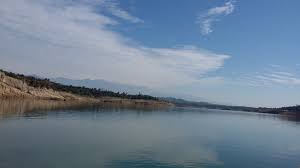
About 12 km from the city, the Ranjitsagar Dam forms a reservoir that is popular with local families as a picnic destination, particularly on weekends and in the cooler months. The surrounding area has some walking paths and, during winter, attracts waterfowl. It is not a dramatic landscape site, but it offers a quieter alternative to the city’s more visited spots and is accessible by auto-rickshaw.
Gaga Wildlife Sanctuary
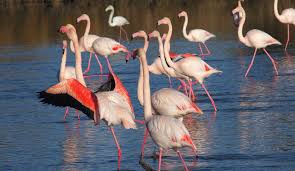
Located roughly 60 km from Jamnagar, Gaga Wildlife Sanctuary is a small protected area centred around a reservoir and the surrounding scrub forest. It is home to nilgai, wolves, Indian foxes, and various resident bird species. Unlike more famous sanctuaries in Gujarat, Gaga sees very few tourists and has minimal formal infrastructure. Visitors are advised to arrange transport from Jamnagar and ideally go early morning for the best chance of sightings. Permits are generally available at the entrance.
“Gaga Wildlife Sanctuary offers the kind of encounter with wilderness that used to require heading much farther afield — it is the sort of place that rewards visitors who do not need a guide app telling them where to look.”
Wildlife and Nature Around Jamnagar
Khijadiya Bird Sanctuary
Located approximately 10 km from the city, Khijadiya Bird Sanctuary covers 605 hectares of wetland, freshwater lakes, and scrubland. It is designated as a Ramsar Wetland Site, reflecting its international importance as a habitat for both migratory and resident birds. The sanctuary hosts over 300 species, with flamingos, painted storks, pelicans, cormorants, and various wader species among the highlights from November through February. Dawn visits yield the best sightings; the sanctuary opens at sunrise. An entry fee applies; guides are available at the gate.
Best time for Khijadiya
November to February for maximum migratory species. Flamingos typically arrive in large flocks from October onwards. The sanctuary is open year-round but activity drops significantly in summer.
Marine National Park and Pirotan Island
India’s first Marine National Park, established in 1982, covers 170 square kilometres of the Gulf of Kutch and includes 42 islands, mangrove forests, coral reefs, and mudflats. Pirotan Island, located roughly 30 km from Jamnagar, is the most visited island within the park and is accessible by boat from Bedi Port. The marine life includes corals, sea anemones, octopus, puffer fish, and sea turtles. Mangrove walks and shore-based exploration are possible at low tide. Boat tours are typically arranged through licensed operators; the Forest Department also organises guided visits. The best conditions are October to April.
Visitors should carry sunscreen, hats, and water, as facilities on the island are minimal. Tidal timing determines the schedule of tours; most depart early morning to coincide with low tide.
Religious and Heritage Circuit from Jamnagar
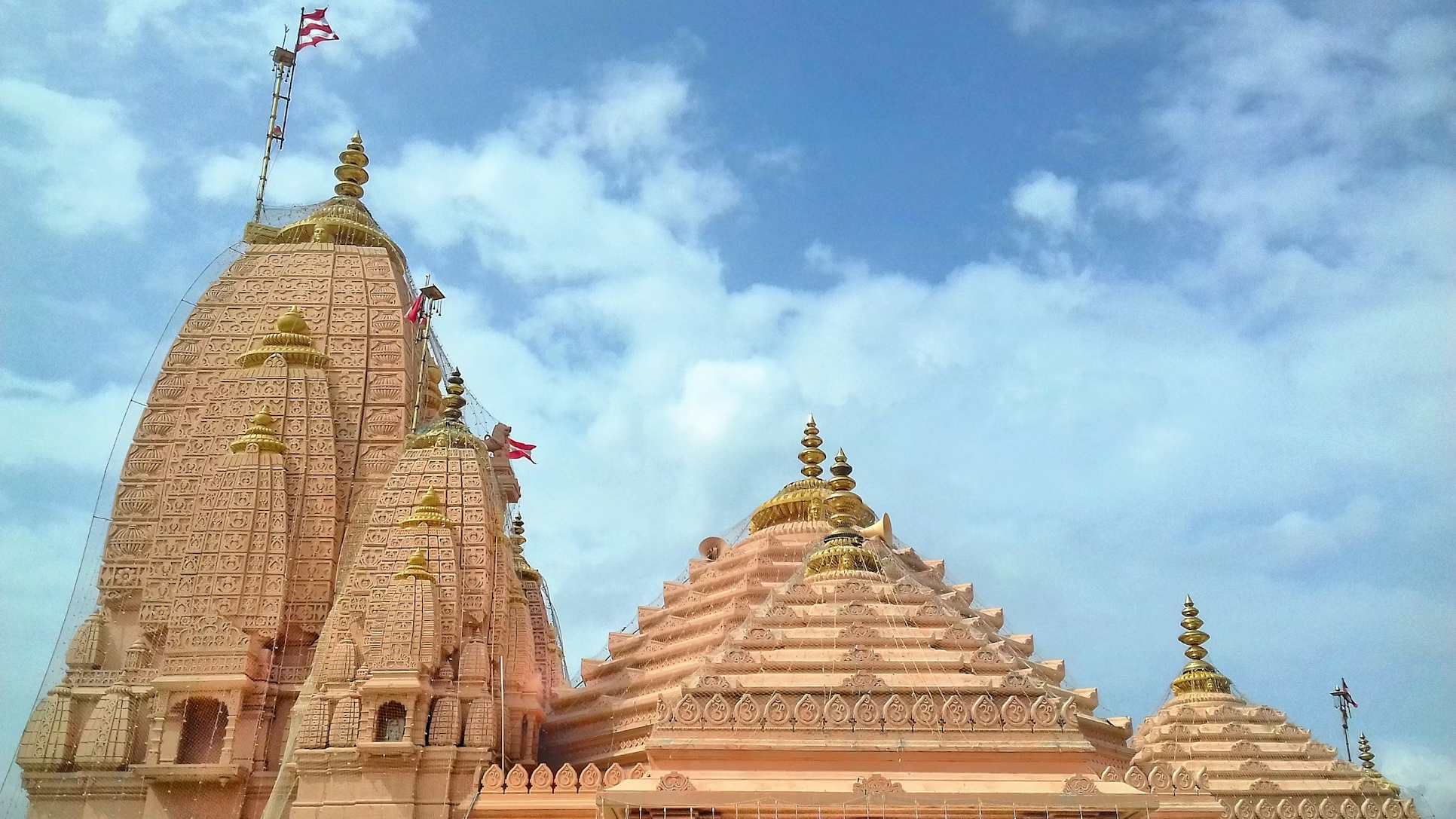
Jamnagar serves as a practical base for a religious circuit encompassing some of Gujarat’s most significant pilgrimage sites. The city itself has several important temples, and major sites like Dwarka and Nageshwar are within reasonable day-trip distance.
- Dwarkadhish Temple, Dwarka — One of the four sacred dhams in Hinduism, Dwarka is approximately 135 km from Jamnagar. The main temple is dedicated to Lord Krishna and draws pilgrims year-round. Most visitors make this as a day trip from Jamnagar, departing early to avoid midday crowds.
- Nageshwar Jyotirlinga Temple — Situated en route to Dwarka (about 15 km before the city), Nageshwar is one of twelve Jyotirlinga shrines dedicated to Lord Shiva. Entry is free; it is generally visited alongside the Dwarka trip.
- Ranmal Lake Temples — Jamnagar’s old city contains several small Jain and Hindu temples, particularly concentrated around Ranmal Lake. The carved stone facades and peaceful interior courtyards reward those willing to walk the lanes on foot.
- Vagheshwari Mata Temple — A local temple near the Ranjitsagar Dam road, popular with residents particularly on Navratri. It is not a pilgrimage site of national prominence but offers a look at active community worship.
Jamnagar Itineraries: 2-Day and 3-Day Plans
2-Day Jamnagar Itinerary (Best for first-time visitors)
Day 1
City heritage & lakeside
Morning: Lakhota Palace and Museum (1.5–2 hrs). Walk the lake perimeter. Afternoon: Darbar Gadh, Bohra Hazira mausoleum, walled city lanes. Evening: street food at Teen Batti or Bedi Gate market area. Sunset walk along Lakhota Lake.
Day 2
Birds, coast & marine life
Early morning: Khijadiya Bird Sanctuary (pre-dawn arrival recommended). Late morning: Shivrajpur or Balachadi Beach. Afternoon: Bedi Port for a brief look at the Marine National Park departure point, or book a boat tour in advance for this slot. Return to city for Bandhani shopping before departure.
3-Day Jamnagar Itinerary (With Pirotan Island)
Day 1
City heritage circuit
Lakhota Palace, Darbar Gadh, Bohra Hazira, Pratap Vilas Palace exterior. Evening market visit for Bandhani and local street food. Arrange Pirotan boat tour for Day 2 (book ahead).
Day 2
Pirotan Island marine tour
Full day. Depart Bedi Port early morning (typically 7–8 AM). Guided island exploration, mangrove walk, coral viewing at low tide. Return by afternoon. Evening rest or Ranjitsagar Dam picnic if energy allows.
Day 3
Birds, Dwarka, or Gaga
Choose based on interest: Khijadiya Bird Sanctuary (pre-dawn) + Dwarka day trip (135 km, includes Nageshwar), OR Gaga Wildlife Sanctuary (60 km, offbeat wildlife). Depart by evening or overnight at Dwarka.
Where to Stay near Jamnagar
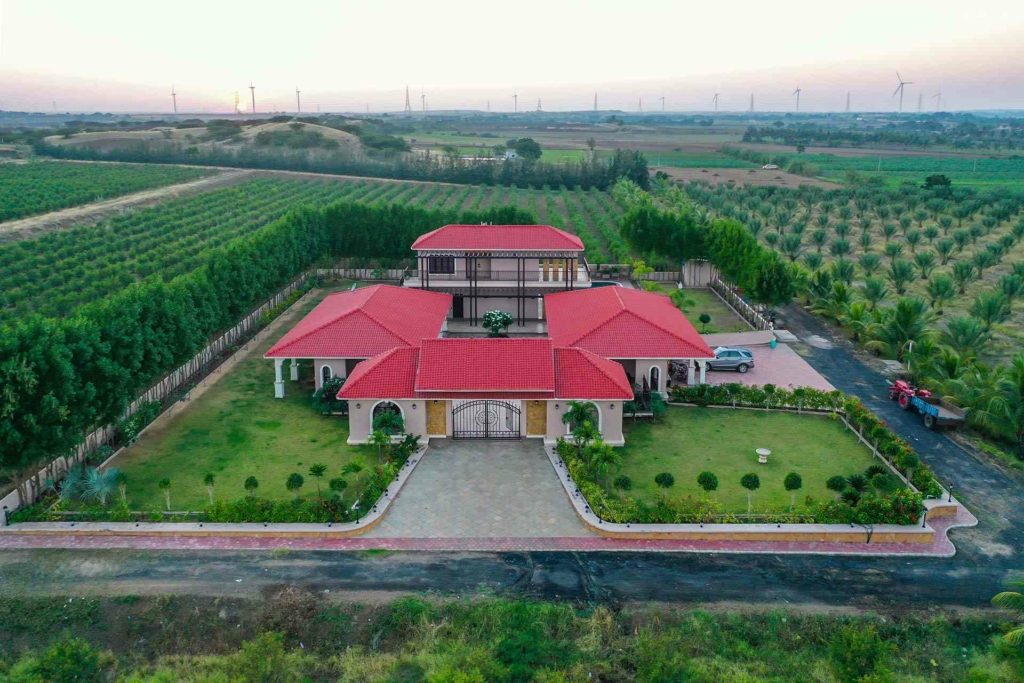
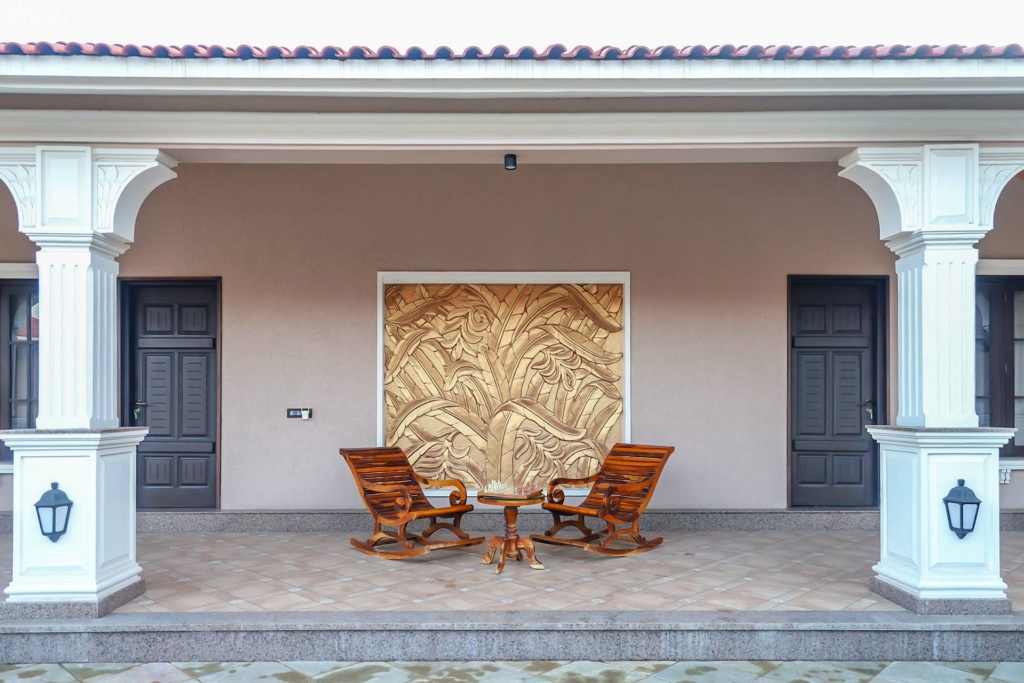
Accommodation near Jamnagar ranges from budget guesthouses to comfortable mid-range hotels, with a few charming heritage homestays tucked within the old walled city. While the city doesn’t currently have large five-star hotels, travellers will still find pleasant and well-located options. Most visitors prefer staying in Ahmedabad or Kutch which popular tourist spots and are often clubbed together with Jamngar during a Gujarat trip.
Local Experiences: Food, Shopping and Street Life
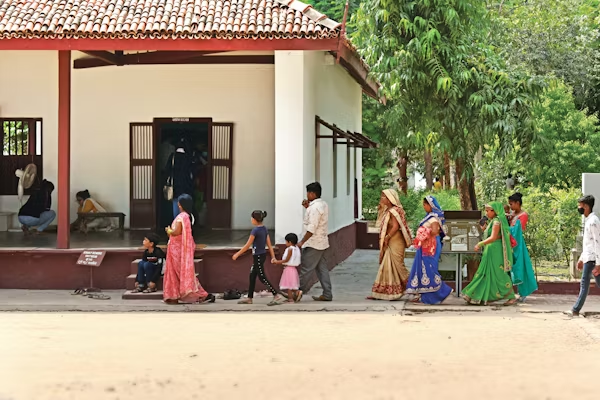
Street food to try in Jamnagar
Jamnagar has a distinct culinary identity rooted in the Saurashtra region’s preference for wheat-based snacks, dairy, and seafood. The Bedi Gate area and the lanes around Teen Batti circle are the main street food concentrations.
- Gathiya — Jamnagar’s unofficial signature snack. Thick, fried gram flour sticks, softer and more flavourful than standard farsan. Best eaten with chutney and chai at roadside stalls.
- Sev Usal — A filling street bowl of dried peas in a spiced broth, topped with sev, onion, and coriander.
- Basundi — A thickened sweetened milk dessert served chilled, widely available at milk bars (dudh bhandars) in the old city.
- Kesar Peda — Sweet milk fudge flavoured with saffron; a popular souvenir food from the region.
- Fresh seafood — The coastal location means pomfret, rawas, and prawn dishes are available at non-vegetarian dhabas near the port area, though the city has a strong vegetarian culture overall.
Shopping: Bandhani and handicrafts
Jamnagar is one of the historic centres of Bandhani (tie-dye) textile production in Gujarat. The craft involves tying thousands of tiny knots in fabric before dyeing, creating intricate patterns on saris, dupattas, and dress material. The Soni Bazaar and Moti Bazaar areas of the old city have traditional Bandhani workshops and shops. Prices are more reasonable here than in curated craft stores in Ahmedabad or Mumbai. Buyers interested in high-quality work should look for tightly spaced knots and even colour saturation as indicators of craftsmanship.
Sunrise and sunset spots
Lakhota Lake at sunrise is the obvious city-side choice — the palace reflection and the calls of waterbirds make for a peaceful start. For sunset, the western edge of Shivrajpur Beach or the Balachadi shoreline offers uninterrupted views over the Gulf of Kutch. Within the city, the rooftop of any hotel on the lake periphery serves well.
Practical Tips for Visiting Jamnagar
- Getting around the city: Auto-rickshaws are the main local transport. App-based cabs (Ola) operate in the city but with fewer vehicles than larger Gujarat cities. For day trips to Khijadiya, Shivrajpur, or Gaga, hiring a taxi for a full day (₹1,200–2,000) is most efficient.
- Pirotan Island bookings: Forest Department permits are required. Contact the Marine National Park office at Jamnagar in advance, or arrange through a licensed tour operator. Weekend slots fill up during the October–February peak.
- Language: Gujarati is the primary language; Hindi is widely understood. English is limited outside hotels, so having a translator app is useful for market navigation.
- Currency: ATMs are concentrated near the railway station and Lakhota Lake area. Most hotels and larger shops accept UPI payments, but carry cash for markets and entry fees at smaller sites.
- Safety for solo female travellers: Jamnagar is considered one of the safer small cities in Gujarat. The old city lanes can be narrow and dimly lit at night; evenings are more comfortable on the Lakhota Lake promenade or within the hotel zone. Standard city travel precautions apply.
- Connectivity: Jio and BSNL coverage is reliable within the city and on the main highways. Signal quality drops near Pirotan Island and at Gaga Sanctuary.
Frequently Asked Questions about Jamnagar
Jamnagar is known for its Bandhani textiles, Lakhota Palace, India’s first Marine National Park (Pirotan Island), Khijadiya Bird Sanctuary, and its heritage architecture from the Nawanagar princely era. It is also a base for trips to Dwarka.
How many days are enough to visit Jamnagar?
Two days cover the main city attractions and one nature site. Three days allow for a Pirotan Island boat tour plus Khijadiya Bird Sanctuary. Adding a Dwarka day trip requires a fourth day or an early departure on Day 3.
October to February is the optimal window. Migratory birds are active at Khijadiya, boat tours to Pirotan Island operate smoothly, and temperatures remain between 18°C and 30°C. Beaches are pleasant through March.
The Saurashtra Express and other trains connect Ahmedabad to Jamnagar in approximately 5 to 6 hours. The Jamnagar Railway Station is centrally located, roughly 2 km from Lakhota Lake.
Generally yes. Jamnagar is a relatively conservative and orderly small city. The Lakhota Lake area and main market zones are active and well-lit in the evening. Standard precautions apply for night travel in less-visited lanes.
Flying is the fastest option at approximately 1 hour 15 minutes, with direct flights on select carriers to Jamnagar Airport. By train, the Saurashtra Mail from Bandra Terminus takes roughly 14 to 16 hours. Road travel is feasible but long at 900+ km.
Yes. Boats depart from Bedi Port, roughly 10 km from Jamnagar city. A full Pirotan visit including travel, tidal exploration, and return takes a full day. Forest Department permits are required and should be arranged in advance.
Within the city, the Ranmal Lake temples and local Jain temples in the old city are notable. For a full religious circuit, Dwarkadhish Temple at Dwarka (135 km) and Nageshwar Jyotirlinga (120 km) are the major pilgrimage sites reachable from Jamnagar.
Several guesthouses and small hotels operate within walking distance of Lakhota Lake, with rates typically ranging from ₹600 to ₹1,800 per night. Booking platforms show current availability; options like Mayur Villa and Hotel President are consistently reviewed positively.
Yes. At 88 km and roughly 1.5 hours by road, Jamnagar is one of the more rewarding weekend options from Rajkot. A Saturday–Sunday trip can comfortably cover Lakhota Palace, the old city, and Khijadiya Bird Sanctuary.