

Jim Corbett vs Ranthambore? Best National Park in India for Your First Wildlife Trip
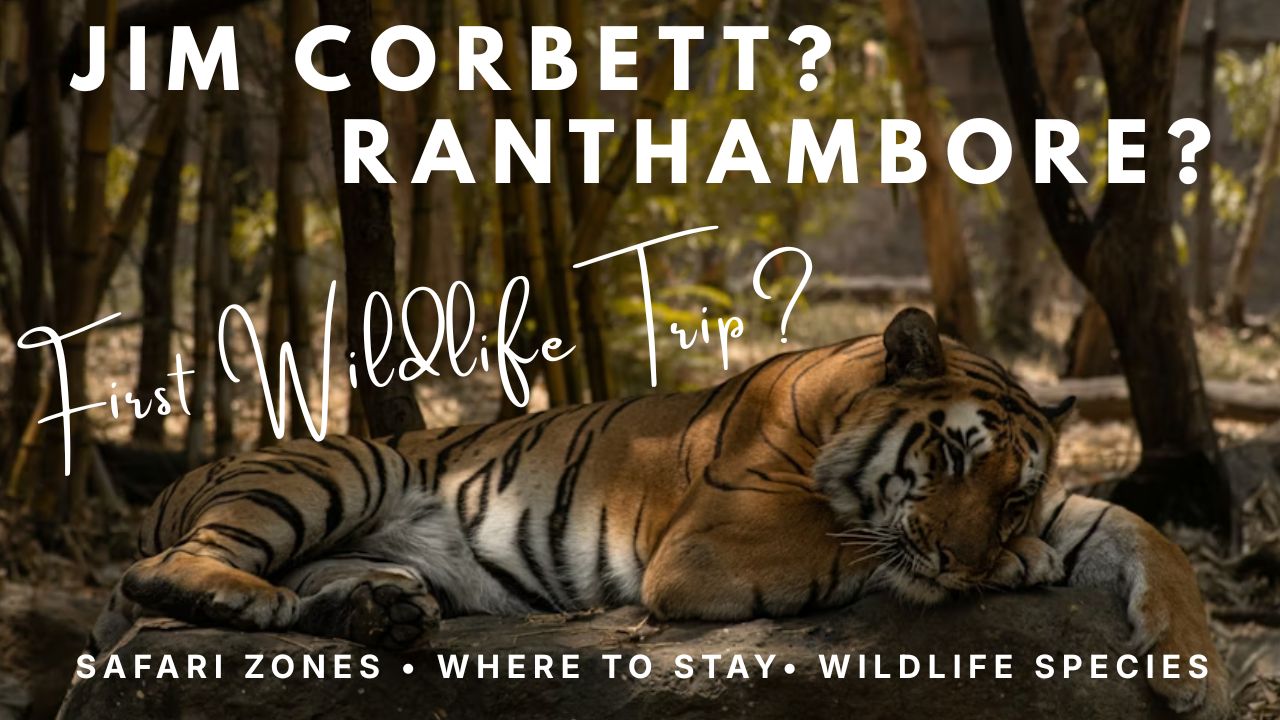
Jim Corbett National Park and Ranthambore National Park are two of the most popular tiger safari destinations in India. For a first wildlife safari, Ranthambore often offers higher tiger sighting chances due to its open terrain, while Jim Corbett provides richer biodiversity and a deeper jungle experience. The right choice depends on whether you prioritise tiger sightings or overall wildlife diversity.


In this Blog
How different are Jim Corbett and Ranthambore National Parks?
Jim Corbett National Park in Uttarakhand is India’s oldest national park and part of the larger Corbett Tiger Reserve. Located near Ramnagar, it is known for dense sal forests, river ecosystems, and remarkable biodiversity including elephants, gharials, and more than 600 bird species.
Ranthambore National Park in Rajasthan is one of India’s most famous tiger reserves, located near Sawai Madhopur. Its dry deciduous forests, lakes, and ancient fort ruins create open landscapes where tigers are often easier to spot compared to dense forest reserves.
Jim Corbett vs Ranthambore: Key Safari Comparison
| Factor | Jim Corbett National Park | Ranthambore National Park |
| Terrain | Dense forests and river valleys | Dry forest with lakes and open grasslands |
| Tiger Sightings | Moderate due to thick vegetation | High due to open landscapes |
| Biodiversity | Extremely high (birds, elephants, reptiles) | Focus on tigers and large mammals |
| Safari Zones | Dhikala, Bijrani, Jhirna, Dhela | Zones 1–10 |
| Best For | Nature lovers and birdwatchers | First-time tiger safari travellers |
Jim Corbett vs Ranthambore: Which Tiger Safari is Better for Your First Wildlife Trip?

For travellers booking their first tiger safari in India, Ranthambore National Park generally offers better odds of tiger sightings. The landscape is relatively open and water bodies attract wildlife during the dry months, making sightings more predictable.
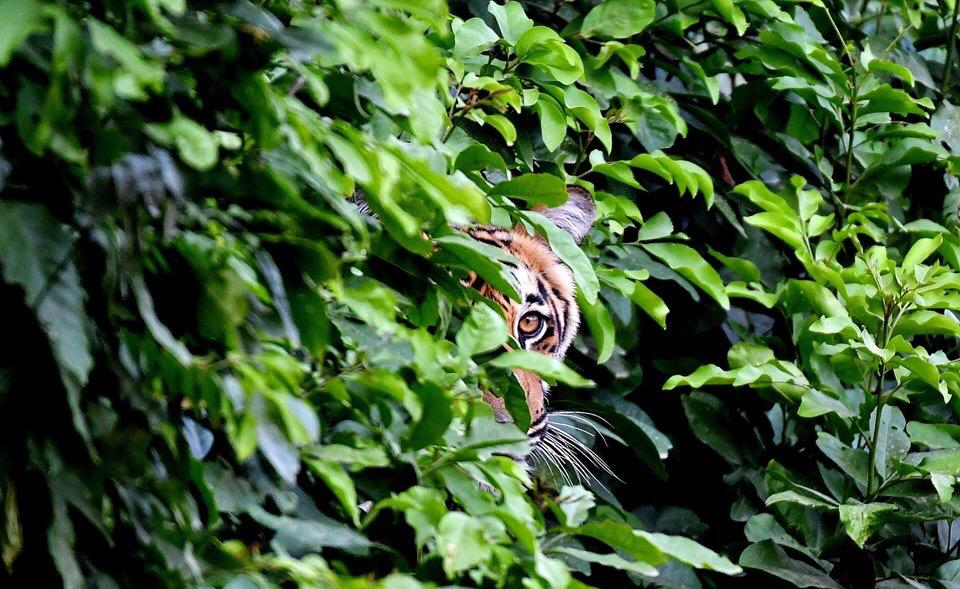
Jim Corbett also has a healthy tiger population, but its dense forests mean sightings can be more elusive. Instead, visitors often encounter elephants, deer species, crocodiles, and numerous birds.
Safari Zones Explained: Dhikala & Bijrani vs Ranthambore Zones
Dhikala Zone (Jim Corbett)
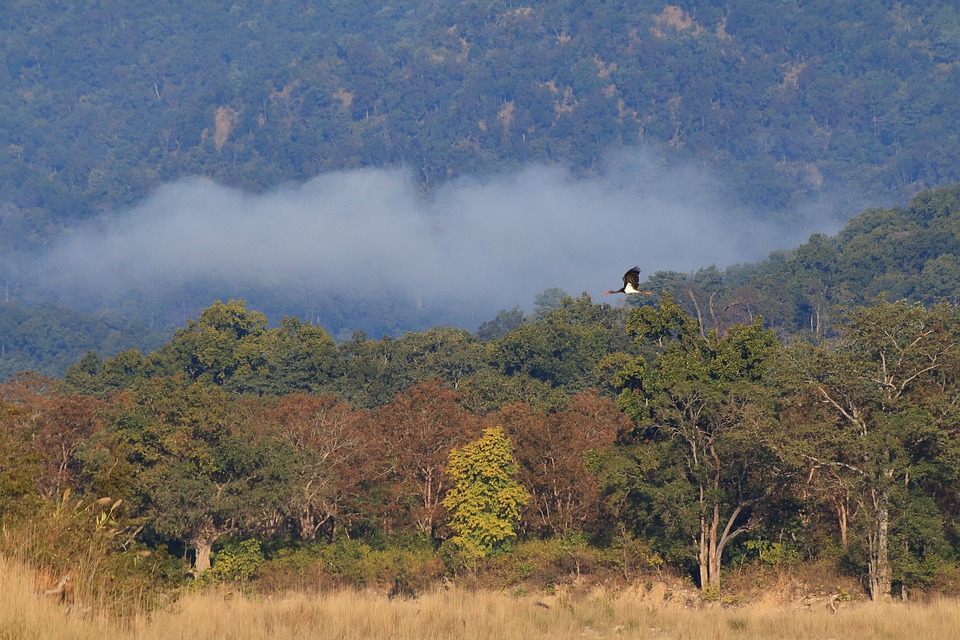
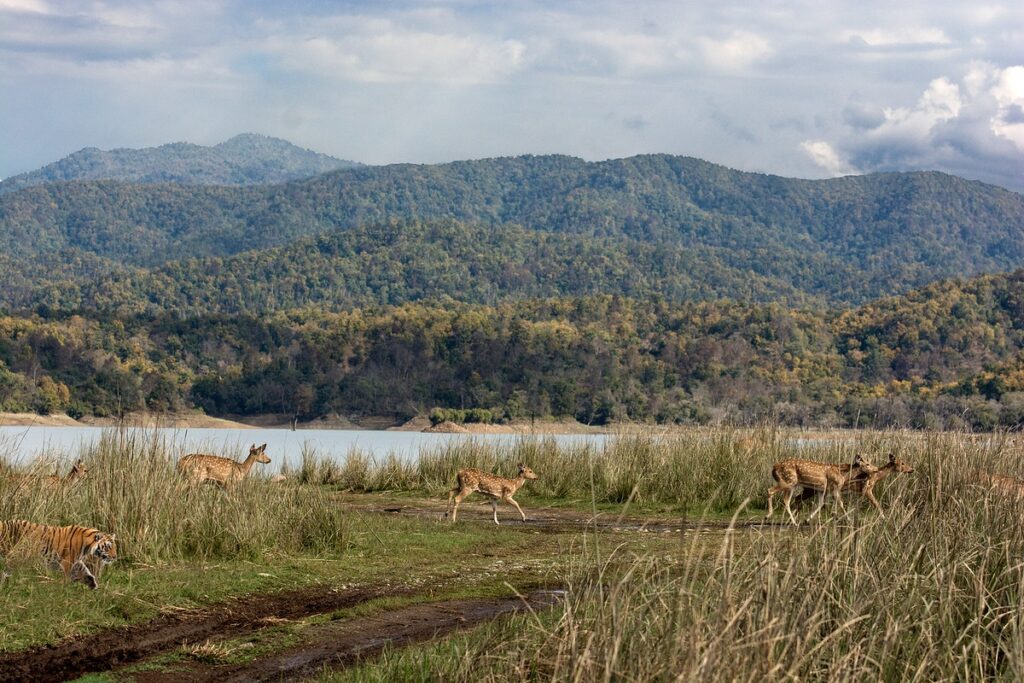
Dhikala is the most famous safari zone in Jim Corbett and offers grasslands, riverbanks, and open areas along the Ramganga River. Wildlife sightings include elephants, crocodiles, deer, and occasionally tigers. Staying inside the forest at Dhikala Forest Lodge is considered a unique wilderness experience.
Bijrani Zone (Jim Corbett)
Bijrani Zone is known for its beautiful sal forest landscape and frequent wildlife movement. Tigers, elephants, wild boar, and spotted deer are commonly spotted here. Morning safaris are especially rewarding as animals are active near forest clearings.
Ranthambore Safari Zones Explained (Zones 1–10)


Ranthambore National Park is divided into 10 safari zones, and while all zones belong to the same ecosystem, they are not exactly the same. Each zone has slightly different landscapes, water sources, and tiger territories, which can influence wildlife sightings.
Zones 1–5 (Core Zones)
These are the most famous and historically productive safari areas. They include iconic locations such as Padam Talao, Rajbagh Talao, and Malik Talao, where tigers are often photographed walking near lakes or ancient ruins. The terrain here combines rocky hills, lakes, and open forest patches, making wildlife easier to spot. Because of their reputation, these zones are usually the most requested by visitors.
Zones 6–10 (Buffer Zones)
These zones were opened later to distribute tourism pressure and expand safari coverage. The landscape is slightly more rugged with dry forests, plateaus, and grasslands. Wildlife sightings still occur regularly, including tigers, leopards, sloth bears, and deer species, but tiger movements can vary depending on territorial shifts.
Key Insight for Travellers: While Zones 1–5 historically report higher tiger sightings, tiger territories frequently shift, and recent sightings are often reported in zones like 6, 7, and 10 as well. In reality, any zone in Ranthambore can produce an excellent safari experience depending on wildlife movement on that day.
Best Time to Visit Jim Corbett National Park

The ideal time to visit Jim Corbett depends on what you want to experience, as different zones open in different seasons.
- March–June: Best time for tiger sightings as animals gather near the Ramganga River and waterholes during the hotter months.
- November–February: Pleasant weather with cool temperatures, excellent for birdwatching and forest landscapes.
- July–October: Many core safari zones remain closed due to the monsoon, though some buffer zones like Jhirna stay open.
Jim Corbett’s location in the Himalayan foothills keeps temperatures slightly cooler than central Indian parks, making winter safaris comfortable and scenic.
Best Time to Visit Ranthambore National Park

Ranthambore’s dry deciduous forests create excellent wildlife visibility, especially in the summer months.
- March–May: Peak tiger sighting season as wildlife gathers around lakes such as Padam Talao and Rajbagh Talao.
- October–February: Comfortable weather and good wildlife activity, ideal for travellers who prefer milder temperatures.
- June: Very hot but still good for tiger sightings before the park closes during peak monsoon.
Because Ranthambore has more open terrain than Corbett, animals are easier to spot during the dry season when vegetation is sparse.
Wildlife Diversity in Jim Corbett and Ranthambore
Wildlife Diversity in Jim Corbett and Ranthambore
Jim Corbett Wildlife


Jim Corbett National Park hosts one of the most diverse wildlife ecosystems in India due to its combination of riverine belts, dense sal forests, and grasslands. The park supports a rich variety of mammals, reptiles, and birds, making it one of the best destinations for both tiger safaris and birdwatching.
| Animals (Mammals & Reptiles) | Birds |
|---|---|
| Bengal Tiger | Crested Serpent Eagle |
| Asian Elephant | Himalayan Grey‑Headed Fishing Eagle |
| Indian Leopard | Changeable Hawk‑Eagle |
| Sloth Bear | Great Hornbill |
| Himalayan Black Bear | Oriental Pied Hornbill |
| Spotted Deer (Chital) | Pallas’s Fish Eagle |
| Sambar Deer | Indian Peafowl |
| Barking Deer (Muntjac) | Red Junglefowl |
| Hog Deer | Great Barbet |
| Wild Boar | Woodpeckers |
| Yellow‑Throated Marten | Kingfishers |
| Otters | River Lapwings |
| Gharial | Wagtails |
| Mugger Crocodile | Drongos |
| Monitor Lizard | Minivets |
Wildlife Fact: Jim Corbett National Park is India’s oldest national park, established in 1936 as Hailey National Park and later becoming the first reserve under Project Tiger in 1973.
Ranthambore National Park Wildlife
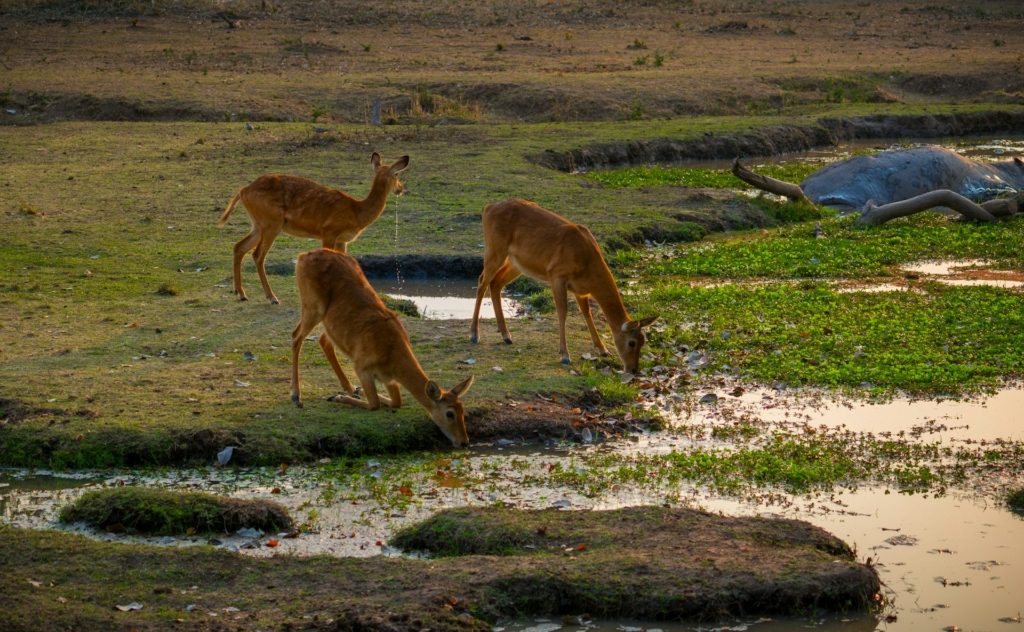
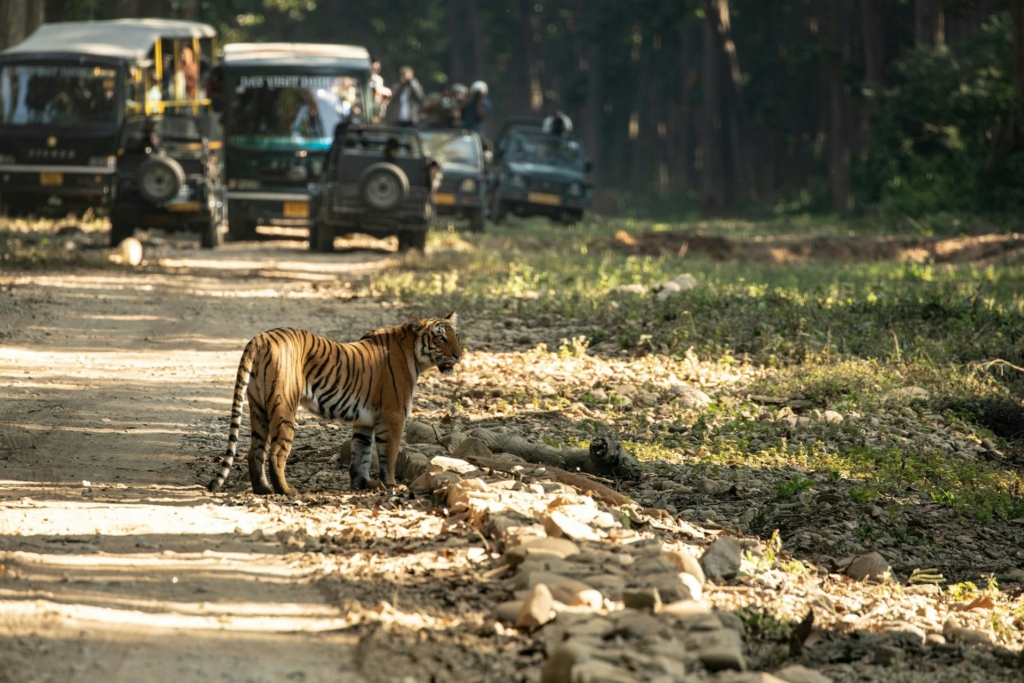

Ranthambore National Park, located near Sawai Madhopur in Rajasthan, is famous for its open dry forests and historic ruins that make wildlife sightings—especially tigers—relatively easier compared to denser forests. The park supports a wide range of mammals, reptiles, and bird species.
| Animals (Mammals & Reptiles) | Birds |
|---|---|
| Bengal Tiger | Crested Serpent Eagle |
| Indian Leopard | Painted Stork |
| Sloth Bear | Woolly‑Necked Stork |
| Striped Hyena | Black Stork |
| Jackal | Indian Peafowl |
| Jungle Cat | Grey Francolin |
| Spotted Deer (Chital) | Crested Hawk‑Eagle |
| Sambar Deer | Kingfishers |
| Nilgai (Blue Bull) | Parakeets |
| Wild Boar | Owls |
| Indian Fox | Eagles |
| Mugger Crocodile | Vultures |
| Monitor Lizard | Sandpipers |
| Python | Bee‑eaters |
Wildlife Fact: Ranthambore is considered one of the best places in India to see Bengal tigers in the wild, largely because its dry deciduous forests and open lakes make wildlife easier to spot during safaris.
How to Reach Jim Corbett National Park (Ramnagar)
Jim Corbett National Park is located near Ramnagar in Uttarakhand and is accessible from major Indian cities.
- Nearest airport: Pantnagar Airport (approx. 80 km)
- Major airport hub: Delhi (about 250 km away)
- Nearest railway station: Ramnagar Railway Station
- Road access: 5–6 hour drive from Delhi
Travellers coming from Mumbai typically fly to Delhi and then continue by train or road to Ramnagar.
How to Reach Ranthambore National Park (Sawai Madhopur)
Ranthambore National Park lies near the town of Sawai Madhopur in Rajasthan.
- Nearest airport: Jaipur International Airport (around 180 km)
- Nearest railway station: Sawai Madhopur Junction
- Road access: 3–4 hour drive from Jaipur
Visitors from Mumbai commonly fly to Jaipur and travel onward by road or train to Sawai Madhopur.
Jim Corbett National Park Things to Do Beyond Safaris

Beyond jeep safaris, Jim Corbett offers several nature and cultural experiences around Ramnagar and the surrounding forest landscape:
- Corbett Waterfall, a scenic forest waterfall located about 25 km from Ramnagar
- Garjiya Devi Temple on the banks of the Kosi River, a well‑known spiritual landmark
- Corbett Museum in Kaladhungi, dedicated to the life of Jim Corbett
- Riverside nature walks and birdwatching along the Kosi River
Ranthambore National Park Things to Do Beyond Safaris

Apart from jeep safaris, travellers can explore several cultural and historical attractions around the park:
- Ranthambore Fort (UNESCO site within the park)
- Surwal Lake for birdwatching
- Local village visits near Sawai Madhopur
- Photography tours focused on wildlife and landscapes
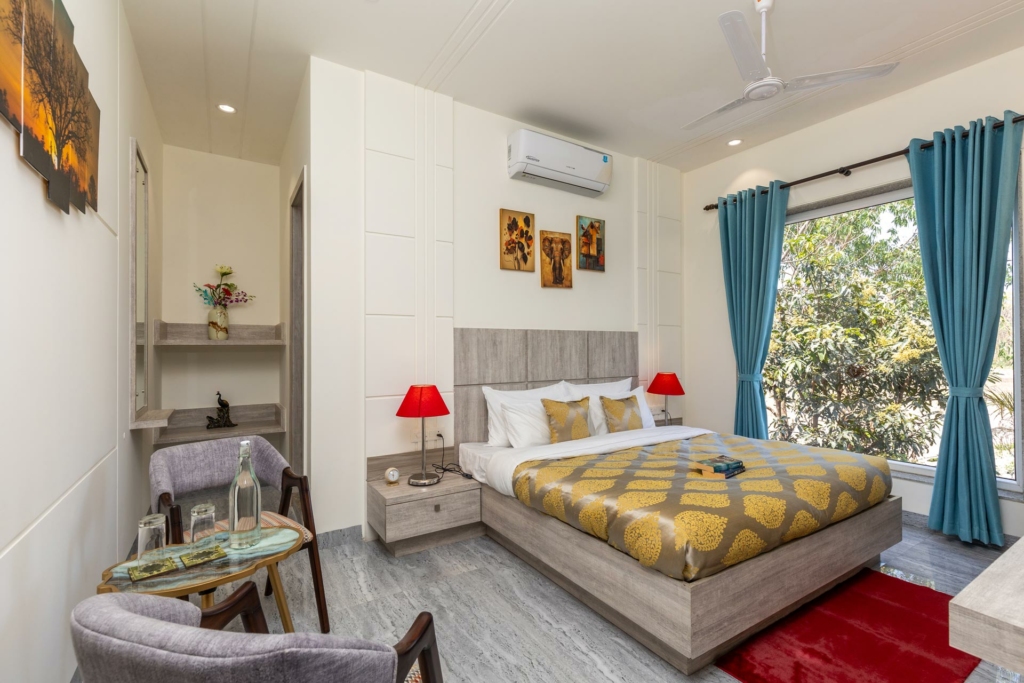
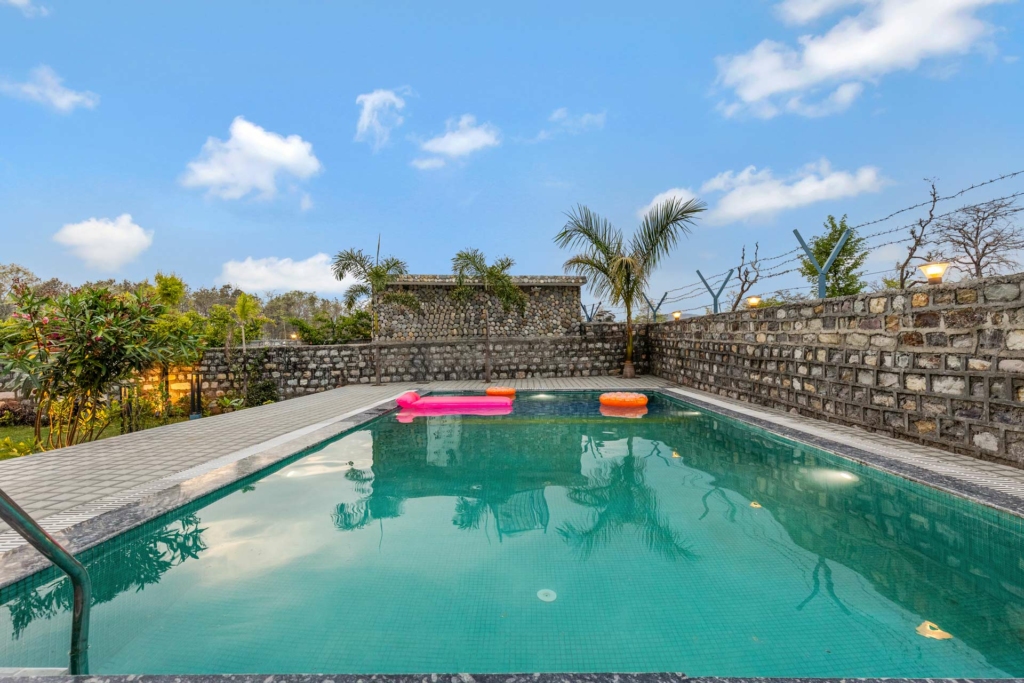
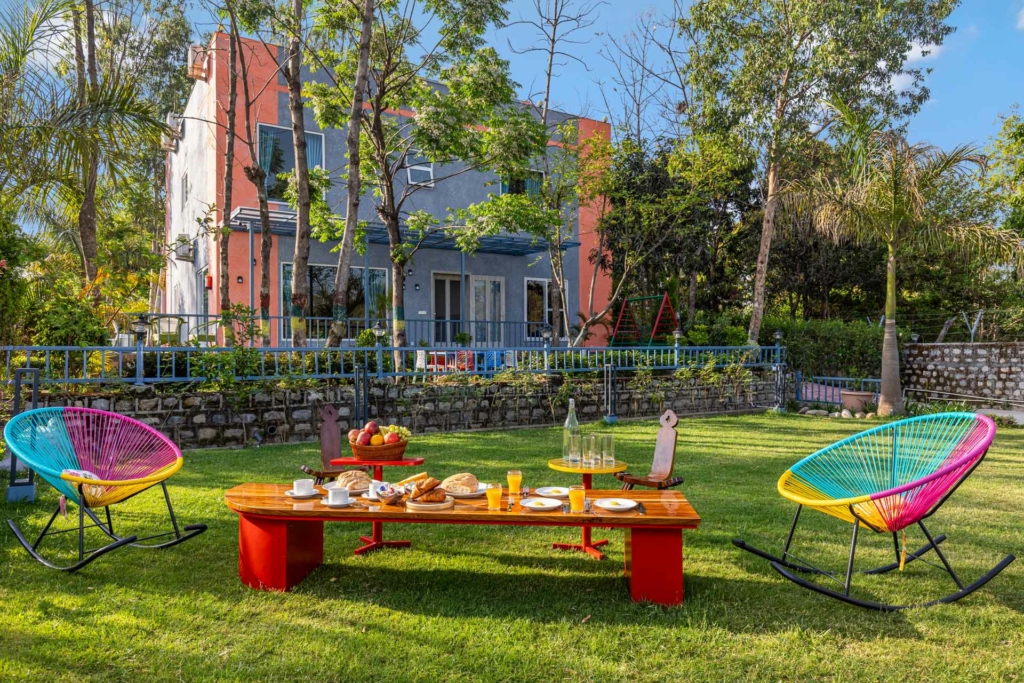
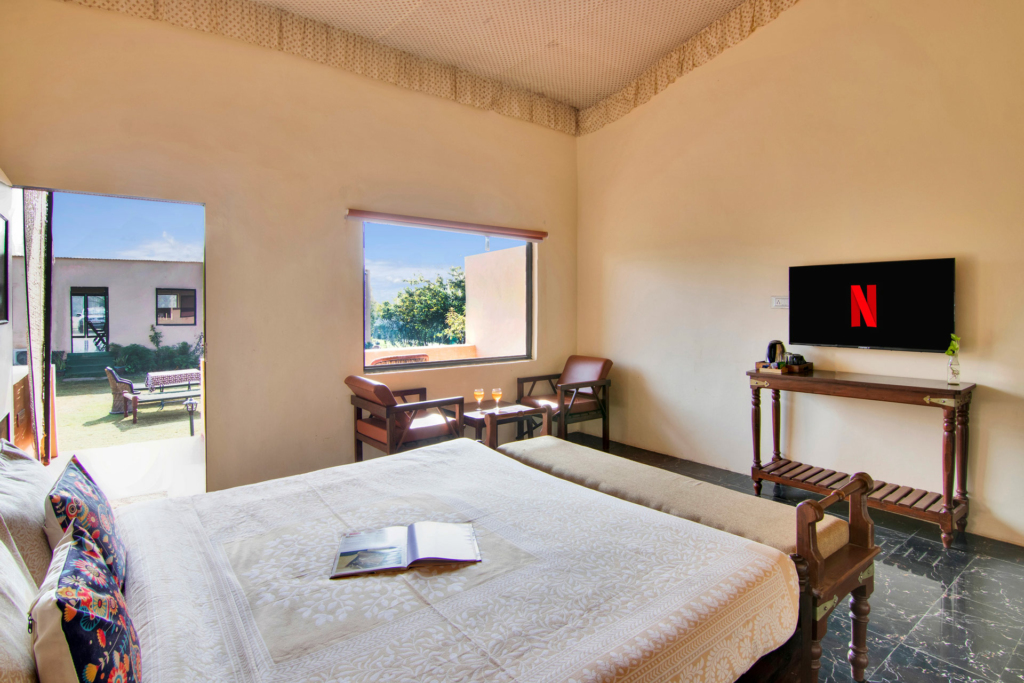
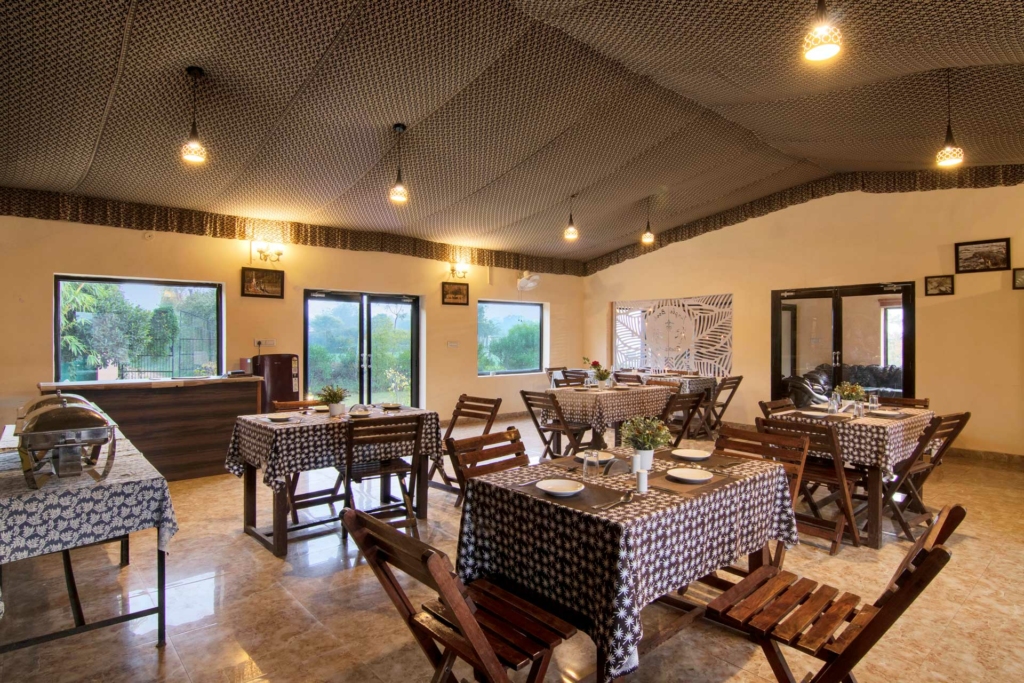
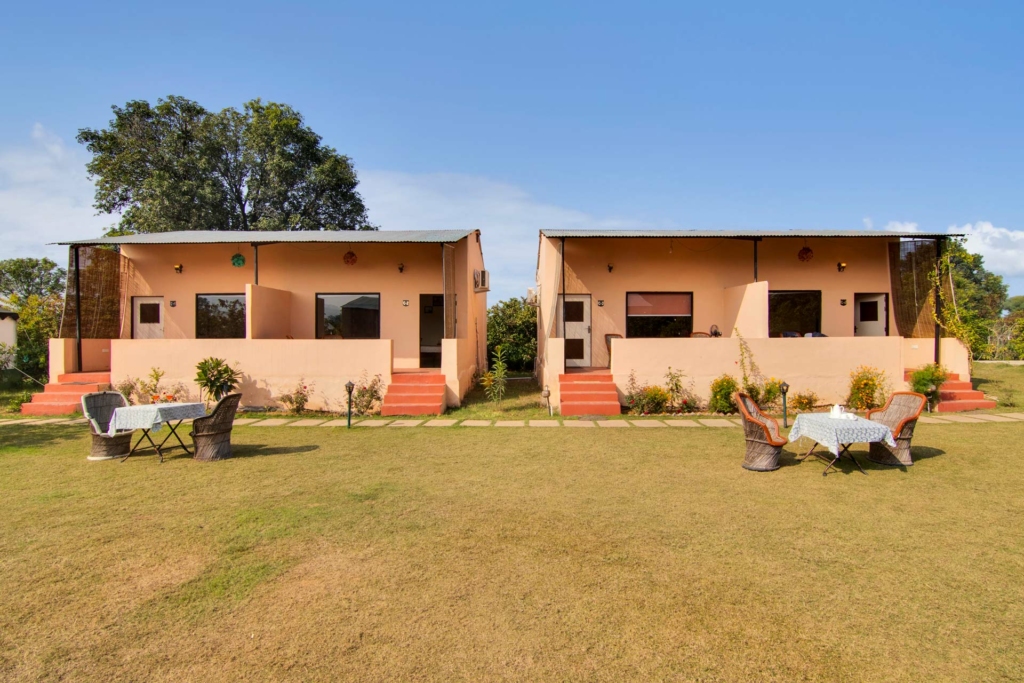
Where to Stay: Lodges, Resorts and Villas
Places to Stay in Jim Corbett
Whispering Arc



Cedar @ Corbett Calling
Ranthambore Reverie
Ultimate comparion: Jim Corbett vs Ranthambore Safari
The table below summarises the key differences between the two parks to help first‑time wildlife travellers quickly decide which safari destination suits them best.
| Feature | Jim Corbett National Park | Ranthambore National Park |
| Location | Uttarakhand near Ramnagar in the Himalayan foothills | Rajasthan near Sawai Madhopur in semi‑arid plains |
| Landscape | Dense sal forests, rivers, grasslands | Dry deciduous forest, lakes, rocky terrain and ruins |
| Tiger Sightings | Moderate – dense forest makes sightings harder | High – open terrain improves visibility |
| Biodiversity | Extremely rich with elephants, reptiles and 600+ birds | Strong tiger population with several large mammals |
| Famous Safari Zones | Dhikala, Bijrani, Jhirna, Dhela | Zones 1–10 (Zones 1–5 most popular) |
| Best Time to Visit | March–June for wildlife sightings, Nov–Feb for pleasant weather | March–May for best tiger sightings, Oct–Feb for cooler safaris |
| Birdwatching | One of India’s best birding parks with 600+ species | Around 300+ bird species near lakes and wetlands |
| Accessibility | Best reached via Delhi → Ramnagar | Best reached via Jaipur → Sawai Madhopur |
| Overall Safari Experience | Deep jungle immersion with diverse wildlife | Higher chance of tiger sightings in dramatic landscapes |
| Best For | Nature lovers, birdwatchers, and biodiversity enthusiasts | First‑time tiger safari travellers and photographers |
Book Safaris for your first Wildlife Trip in India
FAQs
Ranthambore is generally considered better for first-time tiger safaris because its open landscapes increase the chances of spotting tigers. Jim Corbett offers incredible biodiversity but sightings can be harder due to dense forest cover.
Both reserves support healthy tiger populations, but Ranthambore has one of the highest tiger densities in India. Its smaller area and open terrain make tiger sightings more frequent compared to Jim Corbett.
March to May is widely considered the best period for tiger safaris in India because animals gather near water sources and vegetation is thinner. This improves visibility in parks such as Ranthambore and Jim Corbett.
Ranthambore is typically easier for travellers from Mumbai because flights to Jaipur are frequent and the park is only a few hours away by road. Corbett usually requires flying to Delhi and then driving to Ramnagar.
Safari costs vary depending on vehicle type and zone, but jeep safaris usually range from ₹7,000 to ₹12,000 per vehicle for Indian visitors. Prices can increase during peak wildlife seasons.
Elephants are rare in Ranthambore because the park lies in Rajasthan’s dry forest region. Elephant sightings are far more common in Jim Corbett where the habitat supports large herds.
Final Thoughts
Choosing between Jim Corbett vs Ranthambore for your first safari ultimately depends on your wildlife priorities. Ranthambore often delivers higher tiger sighting chances, making it ideal for beginners, while Jim Corbett offers deeper biodiversity and richer forest landscapes. Both parks remain among the best tiger safari destinations in India for wildlife travellers planning India wildlife tours.