
Lyari Rock Beds in Kutch: A Guide to India’s Jurassic-Era Landscape
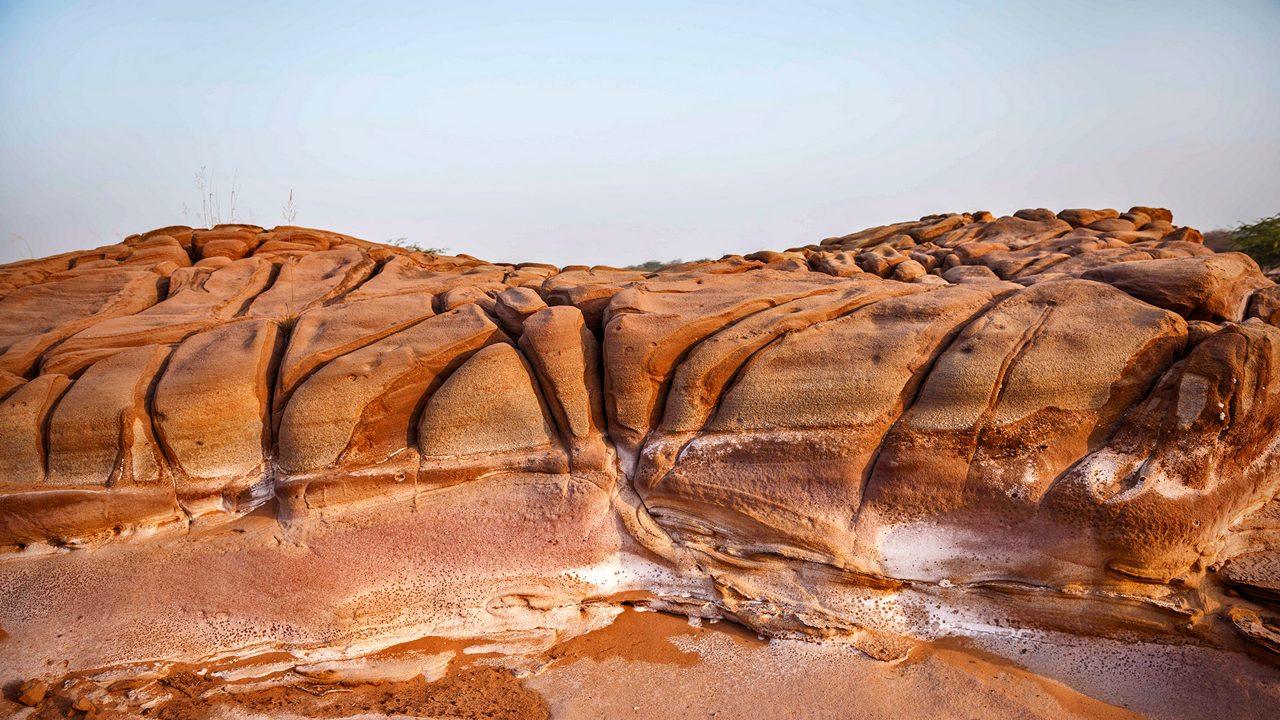
Lyari is one of the rare places in India where the land itself tells a story that predates humanity by millions of years, making it a must-visit for travellers drawn to geology, history, and raw natural beauty. Tucked away in the vast landscapes of Kutch, the Lyari rock beds offer a direct window into the Jurassic era, long before modern India took shape.
This guide explores what makes it extraordinary, how to plan your trip, what to see nearby, and why this geological marvel is quietly becoming one of the most fascinating additions to Kutch tourism.
In this Blog
What Are the Lyari Rock Beds?
Lyari rock beds are ancient sedimentary rock formations located in the Kutch region of Gujarat. These formations date back nearly 150–200 million years, placing them firmly in the Jurassic era, when dinosaurs roamed the Earth and the Indian subcontinent was part of the Gondwana supercontinent.
What sets it apart is the clarity of geological layering. Each stratum represents a different period in Earth’s history, preserved almost like pages in a stone-bound book.
Why Lyari Matters in India’s Geological Story
India has several fossil-rich zones, but it holds unique scientific and visual importance.
- It showcases marine sediment deposits, indicating that Kutch was once submerged under ancient seas.
- The formations help scientists understand tectonic plate movement before India collided with Asia.
- Fossil imprints found in nearby areas link it to early marine life of the Jurassic era.
For travellers, this transforms it from just another rocky landscape into a living classroom of Earth’s deep past.
Lyari and the Jurassic Era: What You’re Actually Seeing
When you stand among the Lyari rock beds, you’re not just seeing rocks, you’re seeing:
- Layered limestone and shale formed by ancient ocean beds
- Geological folds created by tectonic shifts
- Natural erosion patterns shaped over millions of years
Unlike curated museums, it is unfiltered, untouched, and raw, which is exactly what makes it powerful.
Where Is Lyari Located in Kutch?
It lies within the broader Kutch district of Gujarat, accessible via Bhuj, the primary gateway to the region.
Getting There:
- Bhuj to Kutch: Bhuj serves as the base for most Kutch explorations
- From Bhuj, it can be reached by road as part of a curated local itinerary
- Best visited with a local guide due to the terrain and lack of signage
This makes it ideal to include in a 3 day trip to Kutch, alongside cultural and natural landmarks.
Best Time to Visit Lyari Rock Beds
Timing matters when visiting geological landscapes.
Best months:
- November to February (pleasant weather, clear visibility)
This period also overlaps with the Kutch Festival, making it an excellent time to combine culture with exploration.
Avoid:
- Peak summer months, due to extreme heat
- Monsoon season, when terrain access can be unpredictable
Lyari as a Getaway from Mumbai
While it may feel remote, it’s increasingly gaining attention as an offbeat getaway from Mumbai for travellers seeking something beyond beaches and hill stations.
Why it works:
- Easily accessible via flights or trains to Bhuj
- Ideal for long weekends or extended cultural trips
- Pairs well with artisan villages, salt deserts, and heritage stays
For travellers looking to swap crowds for context, it offers a refreshing alternative.
What Else Is Famous in Kutch Near Lyari?
It fits beautifully into a broader Kutch itinerary. Nearby highlights include:
Ajrakhpur, Kutch
A short drive away, Ajrakhpur is known for its centuries-old Ajrakh block printing tradition. Visiting after it offers a striking contrast between prehistoric landscapes and living crafts.
White Rann of Kutch
Perhaps the most famous attraction in Kutch tourism, the salt desert is best visited at sunrise or during full moon nights.
Bhuj
The cultural heart of the region, Bhuj connects history, handicrafts, museums, and architecture.
Suggested 3 Day Trip to Kutch (Including Lyari)
Day 1:
- Arrive in Bhuj
- Explore local markets and museums
- Evening at leisure
Day 2:
- Morning visit to Lyari rock beds
- Afternoon stop at Ajrakhpur Kutch
- Sunset views across rural Kutch landscapes
Day 3:
- White Rann visit
- Local village interactions
- Return to Bhuj
This balance of geology, culture, and landscape is what makes Kutch so compelling.
Why Lyari Fits Perfectly into Kutch Tourism Today
Modern travellers are seeking depth, not just destinations. It aligns perfectly with this shift.
- Appeals to slow travellers and explorers
- Supports educational and sustainable tourism
- Adds scientific relevance to Gujarat tourism Kutch narratives
As Kutch tourism evolves, destinations like it help diversify the region beyond seasonal festivals.
Things to Know Before Visiting Lyari
Practical tips:
- Wear sturdy footwear
- Carry water and sun protection
- Avoid climbing unstable formations
- Hire local guides when possible
It is not commercialised, which is part of its charm, but preparation is essential.
Where to Stay Near Lyari
While Lyari itself has no accommodation, Bhuj and nearby countryside areas offer curated stays, including private villas and heritage properties.
StayVista villas in and around Gujarat provide a comfortable base to explore remote landscapes like Lyari, blending privacy with local immersion.
This allows travellers to return from rugged exploration to thoughtfully designed spaces.
Why Lyari Appeals to Modern Indian Travellers
It resonates strongly with:
- Solo travellers seeking meaningful experiences
- Families interested in educational travel
- Photographers and storytellers
- Travellers curious about India beyond mainstream circuits
It represents a shift from “where to go” to “why a place matters.”
Frequently Asked Questions (People Also Ask)
What is Lyari famous for?
It is famous for its Jurassic-era rock formations that reveal ancient marine and geological history in the Kutch region.
Is Lyari suitable for a short trip?
Yes, Lyari fits well into a 2–3 day Kutch itinerary when combined with Bhuj and nearby cultural sites.
How old are the Lyari rock beds?
The Lyari rock beds date back approximately 150–200 million years to the Jurassic era.
Can Lyari be visited during the Kutch Festival?
Yes, winter months during the Kutch Festival are ideal, offering pleasant weather and cultural experiences.
Why Lyari Deserves Your Attention
Lyari is not loud. It doesn’t demand attention with spectacle. Instead, it rewards curiosity, patience, and presence.
In a country overflowing with destinations, the Lyari rock beds stand out by offering something rare, perspective. A reminder that travel isn’t only about movement across space, but also across time.
If you’re planning your next getaway from Mumbai, or curating a thoughtful journey through Gujarat tourism Kutch, it deserves a place on your map.
Banner image credits: Incredible India