
Manali Snow Guide Jan–Feb 2026: Weekend Trips from Delhi & Chandigarh (Real Time Updates)
In this Blog
Is Manali Snowing Right Now? Quick Answer
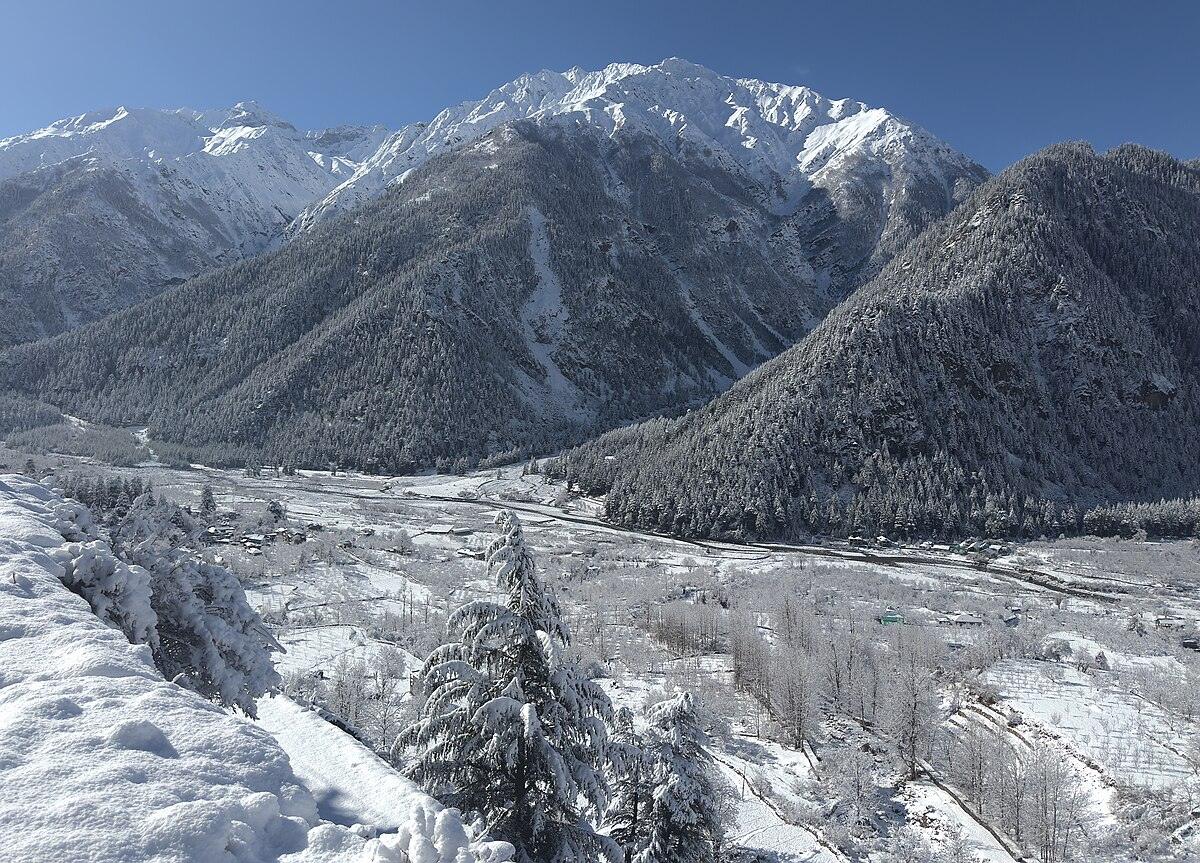
Yes, Manali receives consistent snowfall throughout January and February 2026, especially above 2,500 meters. Solang Valley, Gulaba, and higher zones see fresh snow almost daily during this period. Rohtang Pass remains closed until late May, but accessible alternatives like Solang, Gulaba, and Sissu (via Atal Tunnel) offer excellent snow experiences for weekend travelers from Delhi and Chandigarh.
Planning more snow destinations in India? Explore our comprehensive guide: “7 Best Places for Snowfall in India“. Also consider Shimla, Gulmarg, Auli, and other top winter destinations in North India.
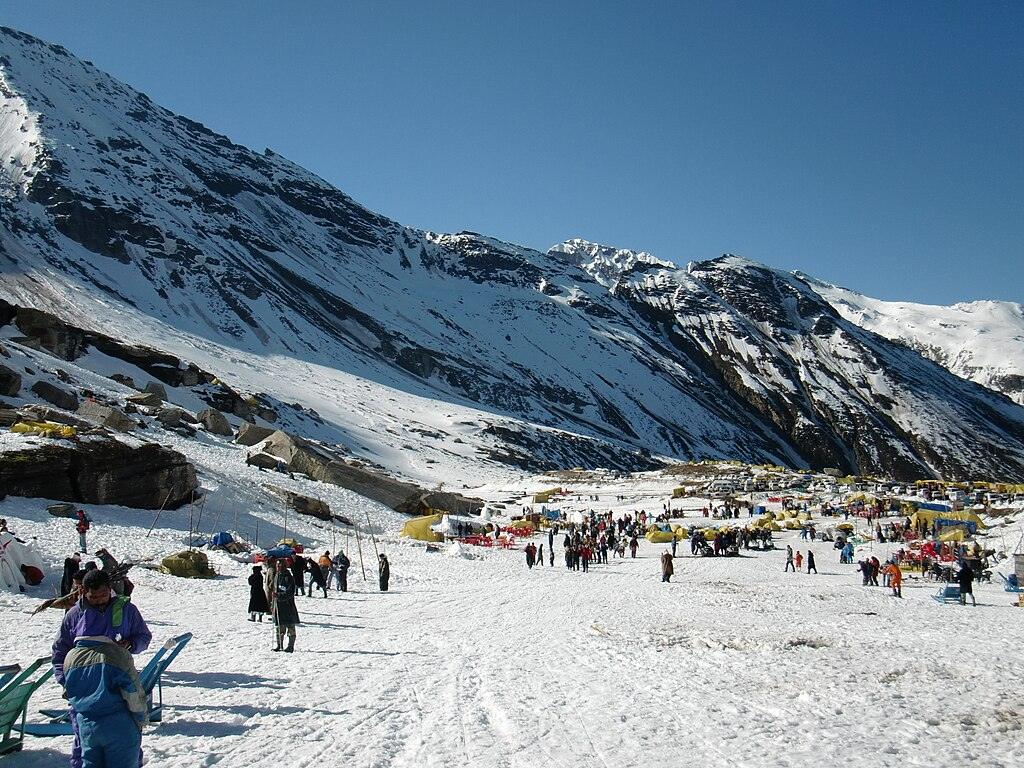
Live Snowfall Status & Road Advisory
Last updated: January 27, 2026
Current conditions show moderate to heavy snow across Manali’s higher elevations. The Manali–Leh highway remains closed for winter, and Rohtang Pass is inaccessible until late May. However, the Atal Tunnel provides year-round access to Lahaul Valley (Sissu) for those seeking pristine snow landscapes.
Road Advisory: NHAI recommends snow chains beyond Solang Valley. IMD forecasts predict intermittent snowfall through early February. Plan for 2–3 hour delays on NH3 during peak weekends due to increased tourist traffic. Check live road status via NHAI helpline (1033) before departure.
Best Spots to See Snow in Manali (January–February 2026)
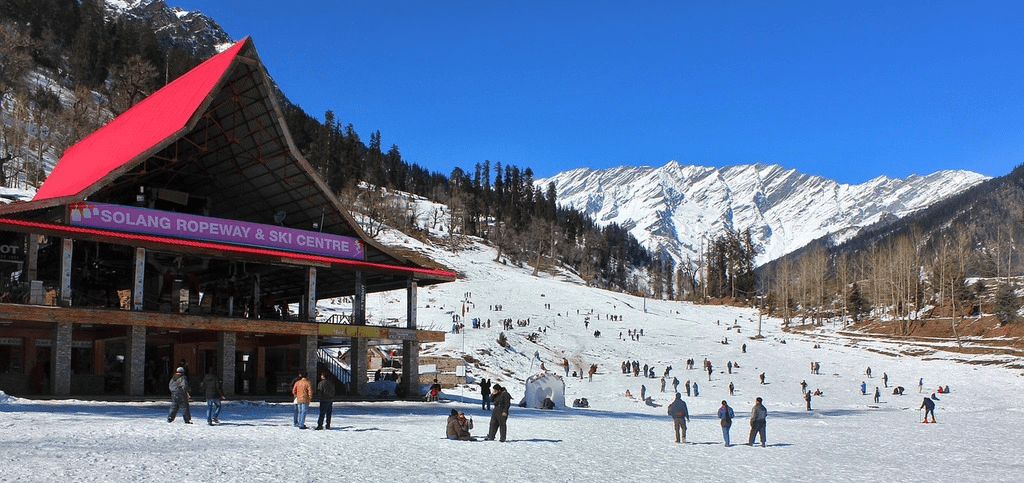
1. Solang Valley — Adventure Hub with Heavy Snow
- Elevation: 2,560 meters (8,400 feet)
- Why it’s ideal: Consistent snow cover, skiing, snowboarding, snowmobiling, and paragliding (weather permitting)
- Best time: Early morning (7–9 AM) for fresh snow and fewer crowds; avoid 11 AM–3 PM rush
- Crowd level: High on weekends, moderate on weekdays
- Photo tip: Capture wide-angle shots from the top gondola station at sunrise for dramatic Himalayan backdrops

2. Gulaba — Quiet Snow Viewpoint
- Elevation: 3,100 meters (10,170 feet)
- Why it’s ideal: Accessible alternative to Rohtang Pass; stunning snowfields without extreme cold or commercialization
- Best time: 10 AM–2 PM when visibility is clearest
- Crowd level: Low to moderate; significantly quieter than Solang
- Photo tip: Use the roadside pull-offs for unobstructed panoramic frames of snow-dusted deodars
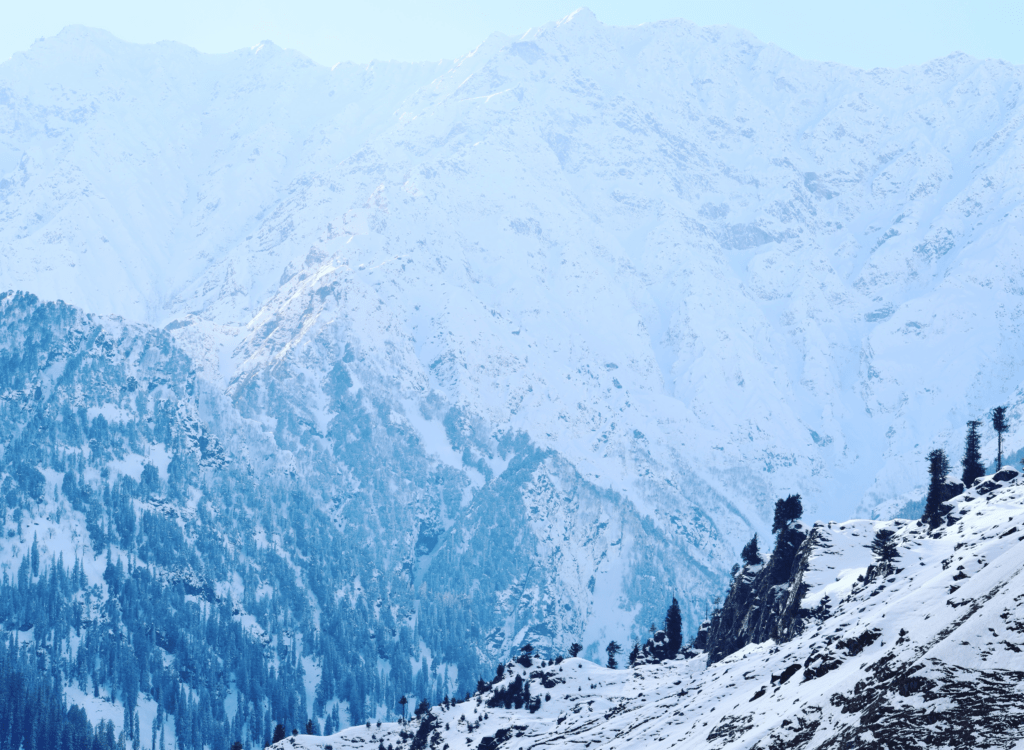
3. Sissu (Lahaul Valley) — Pristine, Heavy Snow Zone
- Elevation: 3,120 meters (10,236 feet)
- Why it’s ideal: Deep powder snow, dramatic valley views, and relative isolation; accessible year-round via the Atal Tunnel
- Best time: Midday (11 AM–1 PM) for optimal lighting in the valley
- Crowd level: Low; requires a 4×4 vehicle in heavy snow conditions
- Photo tip: Frame shots from the Sissu Waterfall viewpoint with snow-capped peaks in the background
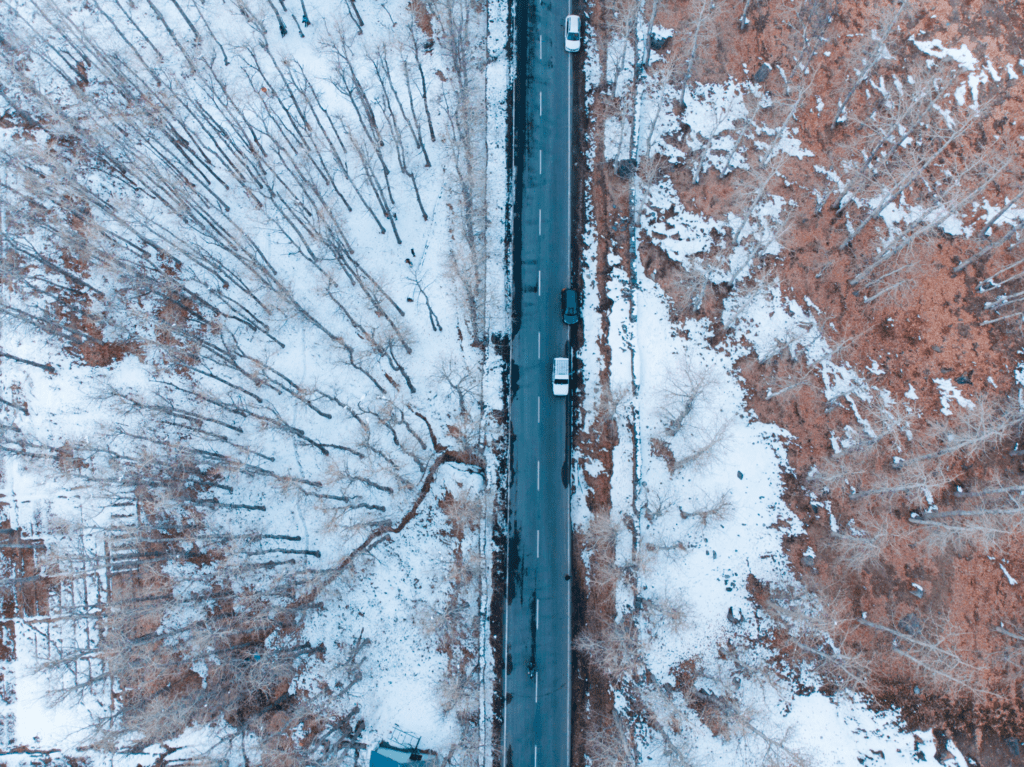
4. Naggar & Jana — Scenic Villages with Authentic Snowfall
- Elevation: 1,800–2,000 meters (5,900–6,560 feet)
- Why it’s ideal: Traditional Himachali architecture, art galleries, and moderate snowfall; less tourist-heavy
- Best time: Late afternoon (3–5 PM) for golden-hour photography against snow-covered slate roofs
- Crowd level: Low; favored by photographers and heritage travelers
- Photo tip: Naggar Castle terrace offers 270-degree views of the Kullu Valley blanketed in snow

Weekend Itineraries from Delhi & Chandigarh to Manali
36–48 Hour Weekend from Delhi
Day 0 (Friday Night): Depart Delhi at 8 PM via overnight Volvo (HRTC or private operators). Alternatively, drive in a personal vehicle—leave by 9 PM to reach Manali by 8 AM.
Day 1 (Saturday): Arrive Manali by 8–9 AM. Check into the property (early check-in recommended). Freshen up. Visit Mall Road and Old Manali for breakfast and light exploration.
Afternoon: Head to Solang Valley for snow activities (skiing, snowmobiling, gondola ride). Return by 5 PM.
Evening: Bonfire at a StayVista Manali cottage or explore Manali town cafes.
Day 2 (Sunday): Early breakfast. Drive to Gulaba (45 minutes) for a quieter snow experience and panoramic views. Alternative: Explore Naggar Village and castle if you prefer cultural immersion. Depart Manali by 1 PM for Delhi. Overnight Volvo passengers board by 6 PM; drivers should leave by 2 PM to avoid night mountain driving.
Weekend from Chandigarh (Shorter Distance)
Day 1 (Saturday): Depart Chandigarh by 5 AM (avoid traffic). Reach Manali by 1–2 PM (8–9 hours depending on road conditions). Lunch in Manali town.
Afternoon: Quick visit to Hadimba Temple or relax at hotel.
Evening: Explore Mall Road and local markets.
Day 2 (Sunday): Full-day Solang Valley snow activities. Optional: Add Gulaba or Naggar en route. Depart for Chandigarh by 4 PM. Reach by midnight.
Extended Winter Weekend (3 Days, Rohtang Alternative)
If you have an extra day and Atal Tunnel access is clear, add Sissu (Lahaul Valley) on Day 3. Depart Manali by 8 AM, reach Sissu by 10 AM (via tunnel), explore snowfields and waterfall viewpoint, return to Manali by 3 PM. This itinerary provides a pristine snow experience similar to Rohtang without the seasonal closure.
Travel Mode Recommendations:
- Overnight Volvo: Most economical for solo/couples; 10–13 hours Delhi to Manali
- Personal vehicle: Flexible timing, suitable for groups; ensure snow chains and spare fuel
- Flight: Kullu-Manali Airport (Bhuntar) has limited winter flights; check availability and weather-related cancellations; taxi to Manali takes 45–90 minutes
Also Read: Manali in January-February 2026: A Complete Winter Guide to Snow, Skiing & Valentines Fun
How to Reach Manali from Delhi, Chandigarh & Nearby Cities
Delhi to Manali
- Distance: Approximately 520–540 km via NH44 and NH3
- By bus: HRTC Volvo buses depart from Kashmere Gate ISBT (8–9 PM); arrive in Manali by 7–9 AM; fare ₹800–1,500
- By car: 11–14 hours depending on traffic and weather; route via Chandigarh → Bilaspur → Mandi → Kullu → Manali
- Best departure time: Leave Delhi after 8 PM for an overnight drive; arrive fresh in the morning
Chandigarh to Manali
- Distance: Approximately 310 km via NH3
- By bus: HRTC buses from Chandigarh bus stand; 8–10 hours; fare ₹500–1,000
- By car: 8–10 hours with stops; smoother roads compared to the Delhi route
- Best departure time: Early morning (5–6 AM) to avoid Chandigarh exit traffic and reach by afternoon
Flight Option: Kullu-Manali Airport (Bhuntar)
- Location: 50 km from Manali (1–1.5 hours by taxi)
- Airlines: Limited winter service from Delhi; check Air India, IndiGo, and SpiceJet for seasonal schedules
- Important note: Flights frequently get cancelled in January–February due to poor visibility and weather; always have a backup plan
Atal Tunnel Impact on Travel Times
The 9.02 km Atal Tunnel (Rohtang Tunnel) connects Manali to Lahaul-Spiti year-round, cutting travel time to Sissu from 4–5 hours to under 1 hour. This is especially valuable in winter when Rohtang Pass is closed. Travelers seeking heavy snow can now visit Lahaul Valley as a day trip instead of waiting for summer pass openings.
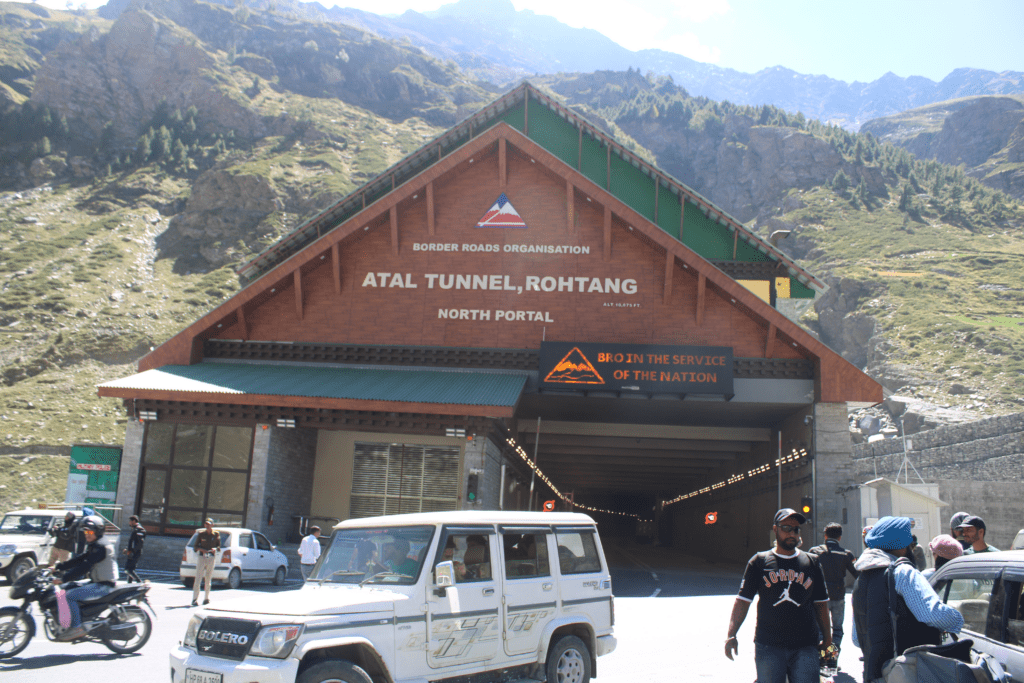
Vehicle Requirements & Safety Advisory
- Snow chains mandatory beyond Solang Valley; available for rent at local shops (₹300–500/day)
- 4×4 vehicles recommended for Gulaba, Sissu, and offbeat areas during heavy snow
- Sedans permitted on the main Manali–Solang route if chains are used
- Carry extra fuel—petrol pumps are sparse beyond Kullu; the next reliable pump is in Keylong (Lahaul)
- Check NHAI road status (1033 or nhai.gov.in) before departure during active snowfall
Offbeat Snowy Spots Near Manali (Low Crowds, Heavy Snow)
These locations offer authentic winter experiences away from commercial tourist zones. Ideal for photographers, nature enthusiasts, and travelers seeking solitude.
1. Gulaba Viewpoint
Located 20 km from Manali, Gulaba serves as a checkpoint on the Rohtang route. During winter, when Rohtang is closed, Gulaba becomes the final accessible point for snow lovers. The area features expansive snowfields, fewer crowds than Solang, and stunning sunrise views. No permits required; accessible by regular cars with chains.
2. Sissu (Lahaul Side of Atal Tunnel)
Sissu receives significantly heavier snowfall than Manali town due to its location deep in the Lahaul Valley. The village offers dramatic views of snow-covered peaks, a frozen waterfall (in peak winter), and traditional Lahauli homestays. Accessible year-round via the Atal Tunnel, but conditions can be extreme in January–February. Carry warm layers and confirm road status before departure.
3. Naggar Village & Jana Waterfall Area
Naggar, 22 km from Manali, is a heritage village known for its castle, art galleries, and Nicholas Roerich Art Gallery. In winter, the village transforms into a snow-dusted postcard scene with traditional wooden architecture standing against white peaks. Jana, a small hamlet nearby, receives good snowfall and remains largely untouched by mass tourism. Best visited mid-January through early February.
4. Hamta Valley & Sethan Village
For adventurous travelers, Hamta Valley offers winter trekking opportunities (organized groups only). Sethan, a village at 2,700 meters, has become popular among snow campers and photographers. While commercialization has increased in recent years, it still offers relative peace compared to Solang. Winter camping and igloo stays are available through local operators—call ahead to confirm safety and weather conditions.
How to Visit Safely:
- Always check local weather and road advisories before heading to remote areas
- Hire local guides for areas beyond Gulaba; they know safe routes and weather patterns
- 4×4 vehicles are strongly recommended for Sissu and Sethan during heavy snow
- Respect road closures—authorities close routes for avalanche risk or severe weather
- Carry emergency supplies: power banks, thermal wear, a medical kit, and extra food
Snow Activities & What’s Open in Manali (Jan–Feb 2026)
Manali’s snow season offers a wide range of activities for beginners and experienced winter sports enthusiasts alike. Most operators are concentrated in Solang Valley, with limited options in Gulaba and Rohtang areas (when accessible).
| Activity | Location | Typical Cost & Notes |
| Skiing | Solang Valley | ₹500–1,500/hour; beginner lessons available |
| Snowboarding | Solang Valley | ₹700–2,000/hour; equipment rental included |
| Snowmobiling | Solang, Gulaba | ₹500–1,000 per ride; duration varies |
| Gondola Ride | Solang Valley | ₹500–700 return; best aerial snow views |
| Paragliding | Solang Valley | ₹2,000–3,500; weather-dependent in winter |
| Horse/Sled Rides | Solang, Gulaba | ₹200–500 per person; family-friendly |
Booking & Operator Tips:
- Book activities directly at Solang Valley counters; on-site prices are often negotiable
- Avoid advance online bookings from unverified sites—many charge commissions without guaranteed service
- For certified skiing lessons, inquire at the Himachal Pradesh Tourism office in Manali or trusted local operators with IASI certification
- Weekday visits offer 20–30% lower activity costs compared to weekends
Winter Travel Safety & Essential Checklist
Traveling to Manali in peak winter requires preparation for sub-zero temperatures, icy roads, and limited daylight hours. Follow this checklist to ensure a safe and comfortable trip.
Vehicle Essentials:
- Snow chains (mandatory beyond Solang)
- Winter tires or all-season tires with good tread depth
- Full tank of fuel (petrol pumps are rare beyond Kullu)
- Spare tyre, jack, and basic repair tools
- De-icing spray or warm water for frozen windshields
- Updated vehicle insurance and registration papers
Personal Gear:
- Thermal innerwear (top & bottom)
- Waterproof winter jacket and snow pants
- Insulated gloves, woolen socks, and a neck gaiter
- Snow boots with anti-slip soles (or microspikes for icy trails)
- UV-protection sunglasses (snow glare is intense)
- Sunscreen (SPF 50+) and lip balm
Tech & Emergency:
- Fully charged power banks (cold drains batteries fast)
- Offline maps downloaded (Google Maps/Maps.me)
- First-aid kit with altitude sickness medication (Diamox), painkillers, bandages
- Flashlight or headlamp with extra batteries
- Emergency food (dry fruits, energy bars, chocolates)
Important Permits & Documents:
- Valid ID proof (Aadhaar/Passport/Driver’s License)
- Hotel booking confirmations
- No special permits required for Manali, Solang, Gulaba, or Sissu (as of Jan 2026)
Emergency Contacts:
- Manali Police Station: +91-1902-252108
- NHAI Road Helpline: 1033
- Regional Hospital Manali: +91-1902-252032
- Himachal Pradesh Tourism Office (Manali): +91-1902-252175
- National Emergency Number: 112
Where to Stay in Manali: Heated Cottages, Boutique Stays & Budget Options
Accommodation choices in Manali range from luxury heated cottages to backpacker hostels. In winter, prioritize properties with central heating, hot water, and bonfire facilities.
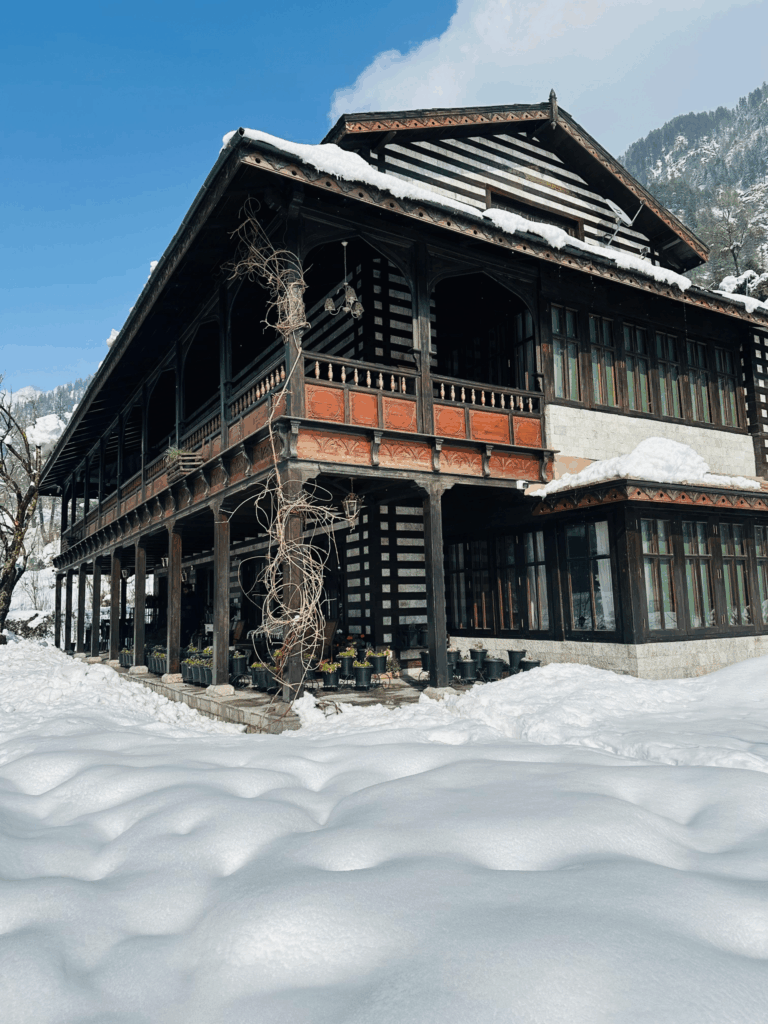
Booking Strategy:
Book 2–3 weeks in advance for weekends and long holidays. Weekday stays offer better rates and availability. Always confirm heating arrangements and hot water availability before finalizing winter bookings.
Top Instagram Photo Spots in Manali & Social Media Tips
Manali’s winter landscapes provide endless content opportunities. Here are six locations that consistently deliver stunning visuals, along with practical photography tips.
1. Solang Valley Gondola Top Station
Ride the gondola to the upper station for 360-degree snow panoramas. Best timing: 7–9 AM for soft morning light and empty frames.
2. Gulaba Roadside Pull-Offs
Natural snow arches form along the deodar tree lines. Shoot mid-morning (10 AM–12 PM) when sunlight filters through branches.
3. Hadimba Temple in Snow
Wooden pagoda-style temple surrounded by cedar forest. Snow-covered roofs create a dramatic contrast. Best timing: Early morning before tourist rush.
4. Naggar Castle Terrace
Heritage stone architecture with Kullu Valley snow views. Golden hour (4–5 PM) provides warm tones against white peaks.
5. Mall Road Evening Lights
Capture street lights reflecting on fresh snow during blue hour (5:30–6:30 PM). Use a tripod or stabilize your phone for low-light shots.
6. Beas River Bridge (Near Kullu)
Frozen river edges with snow-capped mountains upstream. Shoot from the bridge for symmetrical compositions.
Day Trips & Nearby Destinations from Manali
Extend your Manali winter trip with these nearby destinations, each offering unique cultural or scenic experiences.
Naggar Village (22 km, 45 minutes)
Heritage village with Naggar Castle, Nicholas Roerich Art Gallery, and traditional Himachali homes. Less crowded than Manali town; ideal for a half-day cultural exploration. Snow-covered wooden architecture provides excellent photography opportunities.
Jana Waterfall & Village (16 km, 35 minutes)
A small hamlet near Naggar known for a scenic waterfall (partially frozen in winter). Quiet snow-covered trails and traditional village life. Combine with Naggar for a full-day excursion.
Kullu Town (40 km, 1 hour)
Lower altitude (1,200 m) means less snow but better weather. Visit Raghunath Temple, shop for Kullu shawls at local markets, and explore riverside cafes. Useful as a base for budget travelers or those avoiding high-altitude cold.
Kasol & Manikaran (75 km, 2.5 hours)
Parvati Valley destinations with Israeli cafe culture (Kasol) and hot springs (Manikaran Sahib Gurudwara). Snow levels vary; usually lighter than Manali. Good option for a spiritual or offbeat day trip.

Read: Hidden Snow Destinations in North India for a Crowd-Free Winter Escape in 2026
Planning more snow destinations in India? Explore our comprehensive guide: 7 Best Places for Snowfall in India. Also consider Shimla (280 km from Manali), Gulmarg (Kashmir’s premier ski resort), and Auli (Uttarakhand’s hidden snow gem).
Frequently Asked Questions
Yes, Manali receives consistent snowfall throughout January, especially above 2,500 meters. Solang Valley, Gulaba, and higher zones see fresh snow almost daily. Lower Manali town gets intermittent light snow.
Yes, weekend trips are feasible. Leave Delhi by 8–9 PM Friday; reach Manali by 8 AM Saturday. Return Sunday afternoon. Ensure your vehicle has snow chains and check the NHAI road status before departure.
No, Rohtang Pass remains closed from November through late May due to heavy snow and avalanche risk. Gulaba serves as the highest accessible point during winter. For Lahaul Valley access, use the Atal Tunnel to Sissu.
Limited flights operate from Delhi to Bhuntar (Kullu airport) in winter. Schedules are subject to weather cancellations due to poor visibility and snow. Always have a backup plan via road travel.
Gulaba and Sissu (via Atal Tunnel) offer the heaviest snow with significantly fewer tourists compared to Solang Valley. Sethan and Hamta Valley are also quiet but require 4×4 vehicles and local guidance.
Visit on weekdays (Monday–Thursday) or arrive early morning (7–9 AM) on weekends. Peak crowd hours are 11 AM–3 PM. Late afternoon (4–5 PM) also sees reduced footfall.
No special permits required for Manali, Solang, Gulaba, or Sissu. However, always carry a valid ID proof. Some remote trekking routes may require local permissions—check with Himachal Tourism if planning offbeat treks.
Daytime temperatures range from 0°C to 10°C; nights drop to -5°C to -10°C, especially in Solang and Gulaba. Wind chill makes it feel colder. Layered thermal clothing and insulated jackets are essential.
Budget: ₹5,000–8,000 per person (Volvo bus, budget stay, local transport, meals). Mid-range: ₹10,000–15,000 (private car share, comfortable hotel, snow activities). Luxury: ₹20,000+ (private vehicle, heated cottage, premium activities).