
Pancha Dwarka Yatra by Rail – Exploring 5 Sacred Krishna Temples on the New Bharat Gaurav Train
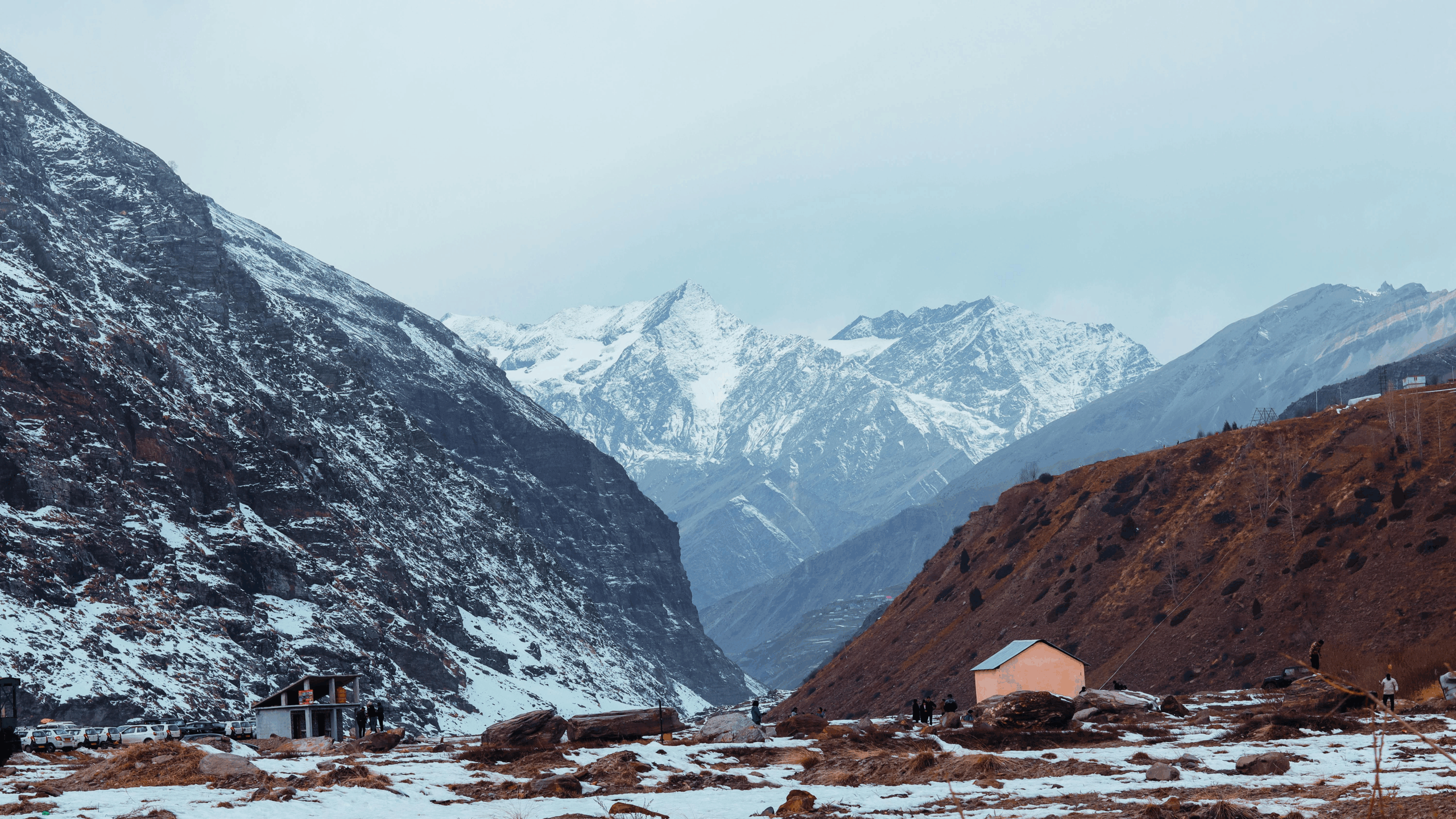
India’s spiritual landscape is dotted with countless pilgrimage routes, but few journeys capture the devotion and legend of Lord Krishna quite like the Pancha Dwarka Yatra by Rail.
Launched under the Bharat Gaurav Train initiative by IRCTC, this new circuit connects five of the most revered Krishna temples across Gujarat and Rajasthan—offering a seamless, comfortable, and culturally immersive way to experience divine heritage.
In this Blog
What is the Pancha Dwarka Yatra?
The term ‘Pancha Dwarka’ refers to a sacred pilgrimage to five major temples dedicated to Lord Krishna in Western India. These temples together represent different phases and forms of Krishna’s life — as a king, a child, and the divine protector.
The five temples covered in this circuit are:
- Dwarkadhish Temple, Dwarka (Gujarat)
- Bet Dwarka Temple, Okha (Gujarat)
- Ranchhodraiji Temple, Dakor (Gujarat)
- Shrinathji Temple, Nathdwara (Rajasthan)
- Dwarkadhish Temple, Kankroli (Rajasthan)
For centuries, devotees have undertaken this journey by road, often spending weeks navigating scattered temple towns. The Pancha Dwarka Yatra by Rail now transforms that effort into a single, curated spiritual circuit—linking faith with modern travel comfort.
The Bharat Gaurav Train: Redefining Religious Tourism
Introduced by the Ministry of Railways, the Bharat Gaurav Tourist Train series aims to promote theme-based tourism circuits across India. Each train showcases India’s cultural pride and provides a complete travel experience—including transport, meals, guided tours, and accommodation.
According to IRCTC, the Bharat Gaurav Pancha Dwarka Yatra Train is equipped with:
- Comfortable air-conditioned coaches
- On-board catering (vegetarian meals)
- Security and tour escorts
- Off-board transfers and sightseeing
- Accommodation at quality hotels
This initiative not only simplifies pilgrimage logistics but also preserves cultural narratives, bringing together travelers, devotees, and heritage lovers on one journey.
Pancha Dwarka Yatra by Rail: Journey Overview
The Pancha Dwarka Yatra by Rail typically spans 10 days and begins from southern boarding points like Vijayawada, Warangal, and Khammam, making it accessible to pilgrims from Andhra Pradesh, Telangana, and neighboring regions.
Key Highlights:
- Covers the five sacred Krishna temples across Gujarat and Rajasthan.
- Includes visits to iconic sites like Somnath Temple, Nageshwar Jyotirlinga, and Statue of Unity.
- Offers a mix of temple visits, cultural immersion, and sightseeing.
- Includes meals, hotel stays, and ground transportation in one package.
- Designed for both elderly pilgrims and modern spiritual travelers.
With everything organized under one ticket, the Bharat Gaurav route ensures travelers can focus on devotion and discovery—without worrying about routes, hotels, or local transfers.
Exploring the Five Temples of the Pancha Dwarka Circuit
1. Dwarkadhish Temple, Dwarka – The Kingdom of Krishna
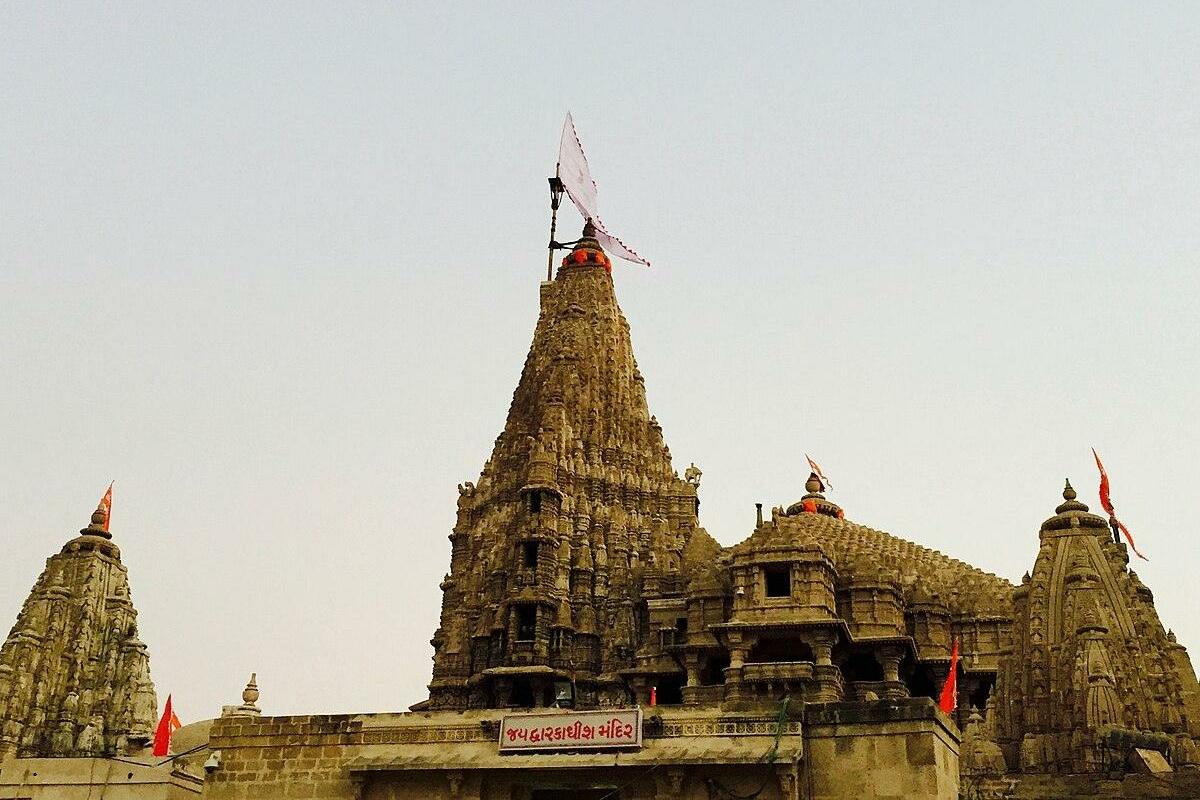
The magnificent Dwarkadhish Temple stands on the banks of the Gomti River and is believed to be built over the site of Krishna’s ancient kingdom.
With its five-storied structure supported by 72 pillars, the temple reflects the grandeur of devotion and architecture alike.
Every day, the temple flag—bearing symbols of Krishna—is changed multiple times, a tradition that has continued for centuries. The sight of this colorful banner fluttering over the Arabian Sea is said to symbolize Krishna’s eternal reign.
For pilgrims, Dwarka marks both the beginning and heart of the Pancha Dwarka Yatra.
2. Bet Dwarka Temple, Okha – Krishna’s Island Abode
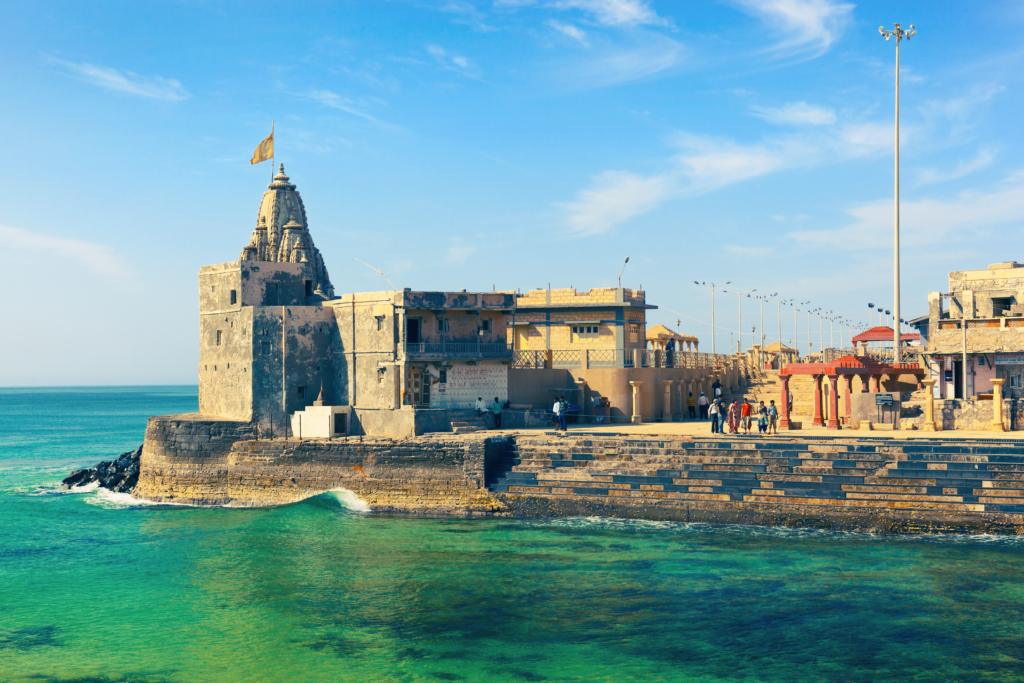
Accessible via a short boat ride from Okha jetty, Bet Dwarka is believed to be Krishna’s residential island. The Shri Keshavraiji Temple here houses idols donated by Rukmini Devi herself, according to legend.
The island atmosphere, coastal winds, and sound of temple bells make Bet Dwarka a spiritually soothing stop on the circuit. Pilgrims often describe this segment as the most peaceful part of the journey.
3. Ranchhodraiji Temple, Dakor – The Lord Who Turned Away from Battle
Located near Anand, Dakor represents Krishna’s compassionate side. Here, he is worshipped as Ranchhodrai—“the one who left the battlefield.” The temple’s legend speaks of mercy and surrender, attracting devotees who seek emotional solace as much as spiritual connection.
The architecture blends Mughal and Rajput influences, and the temple pond adds to the town’s devotional charm. Dakor also serves as an important trading town, giving pilgrims a glimpse of daily Gujarati life.
4. Shrinathji Temple, Nathdwara – The Child Krishna
Nestled near Udaipur, Nathdwara is home to Shrinathji, the child form of Krishna lifting the Govardhan hill. The idol—carved in black marble—is believed to have manifested itself in the 12th century.
The temple rituals here follow the Pushtimarg tradition, emphasizing seva (personal service) and bhakti (devotion). Every darshan (viewing) is a different expression of Krishna—from morning awakening to night repose.
Nathdwara adds a Rajasthani flavor to the Pancha Dwarka Yatra by Rail, connecting Gujarat’s coastal devotion with the heart of Mewar.
5. Dwarkadhish Temple, Kankroli – The Northern Dwarka
Situated on the banks of Rajsamand Lake, Kankroli’s Dwarkadhish Temple is known as the “Bade Dwarkadhish.” Managed by followers of the Vallabhacharya sect, this temple reflects the same spirit as Dwarka’s main shrine.
The tranquil surroundings of the lake, marble architecture, and melodious aartis make this temple a fitting finale to the circuit—completing the spiritual loop of Krishna’s divine journey.
Why Choose the Pancha Dwarka Yatra by Rail
1. Seamless Pilgrimage Experience
Unlike traditional travel, this IRCTC tour integrates transport, lodging, food, and guides in a single package. Travelers can simply board the Bharat Gaurav Train and immerse themselves in devotion.
2. Comfort for All Age Groups
The train offers clean berths, hygienic meals, and medical assistance—ideal for senior citizens and family groups.
3. Spiritual and Cultural Enrichment
From temple visits to cultural performances and onboard talks, every part of the journey celebrates India’s Krishna heritage.
4. Eco-Friendly & Hassle-Free
Rail travel reduces carbon footprint compared to road tours and ensures safety, convenience, and punctuality—making it a sustainable choice for pilgrimage tourism.
5. Budget-Friendly Packages
Government-subsidized fares under Bharat Gaurav make the yatra accessible to a wider audience.
Packages start at affordable rates and often include insurance coverage and meals.
Accommodation Alternatives
StayVista at Desert Palms (Kutch, Gujarat)
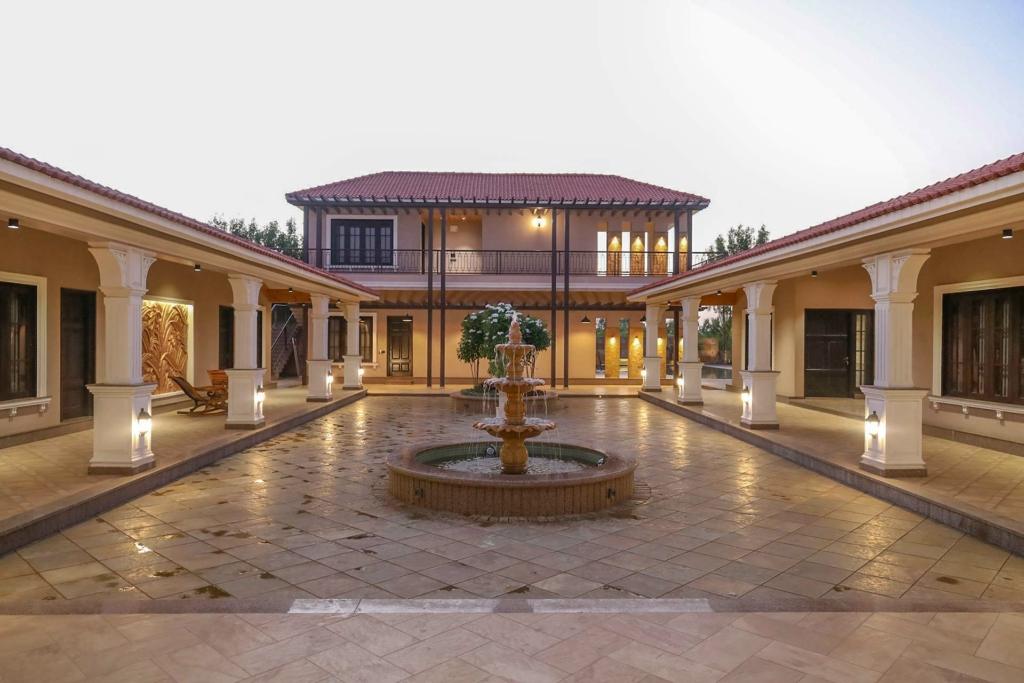
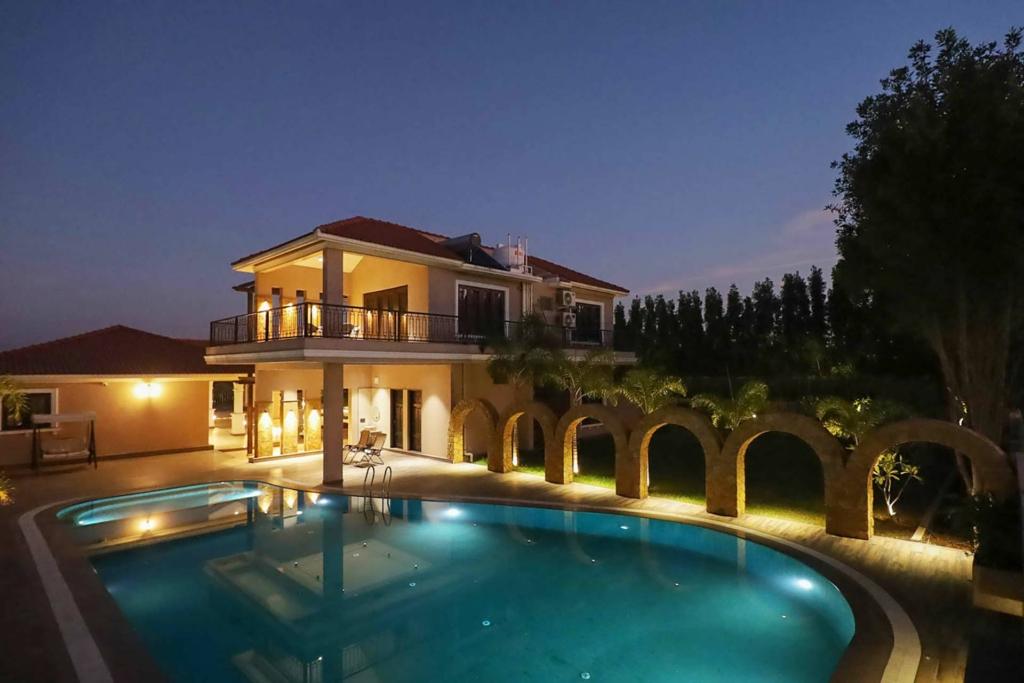
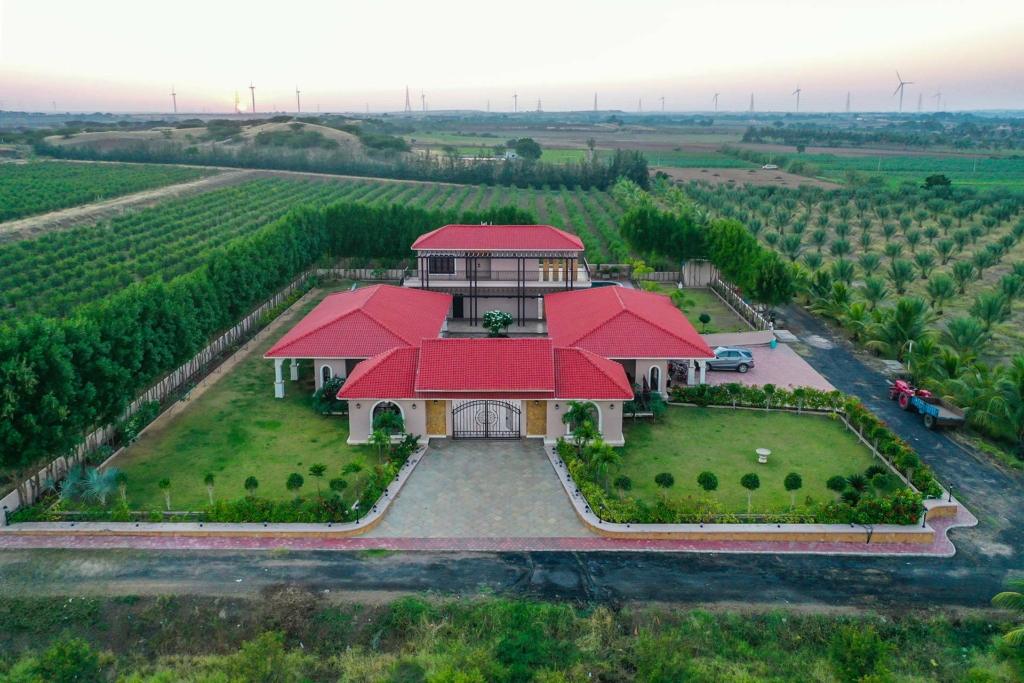
Though a bit farther (in Anjar, Kutch), this orchard-villa offers a swimming pool and scenic balcony; useful as a tranquil stay before/after the Dwarka stretch.
StayVista’s Sage Scenery Udaipur
Located on Nathdwara highway, Udaipur region, this 2-bedroom villa features an infinity pool, terrace and stunning mountain views; well suited for a stay near Nathdwara.
StayVista’s Tryst With Valleys
A premium villa with private pool, jacuzzi and games room, set in the Aravalli hills near Udaipur, making it a comfortable stay for the Nathdwara temple visit
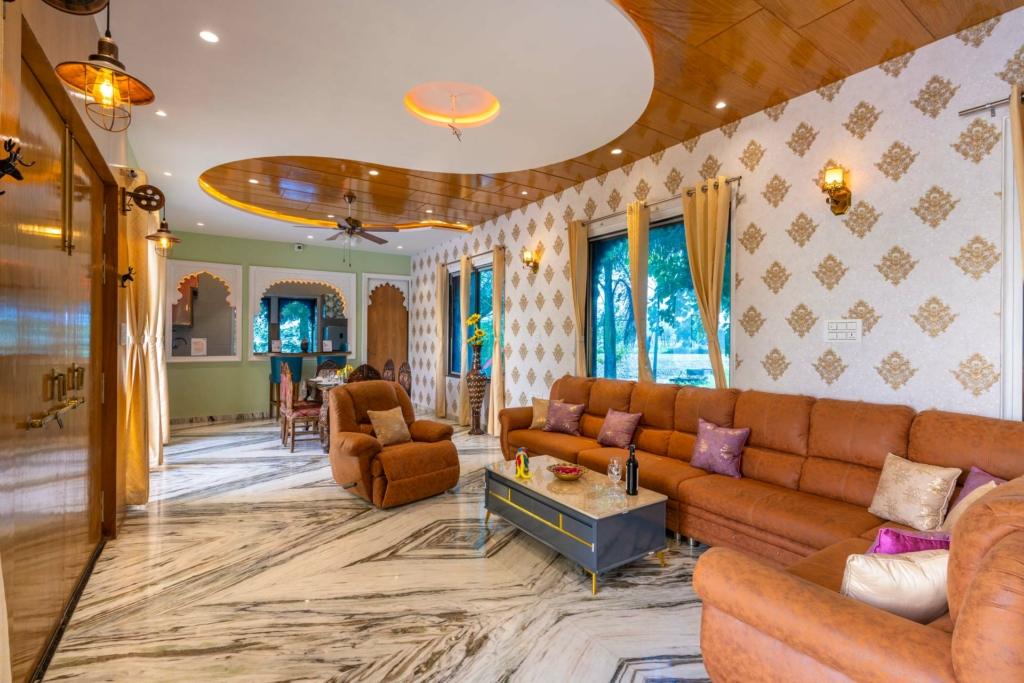
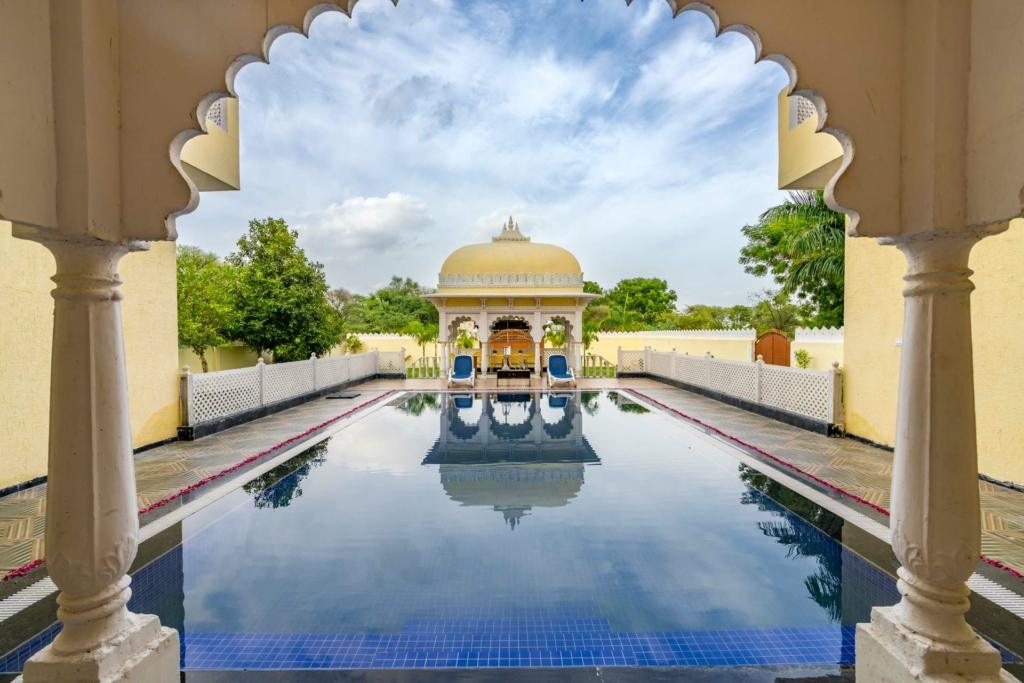
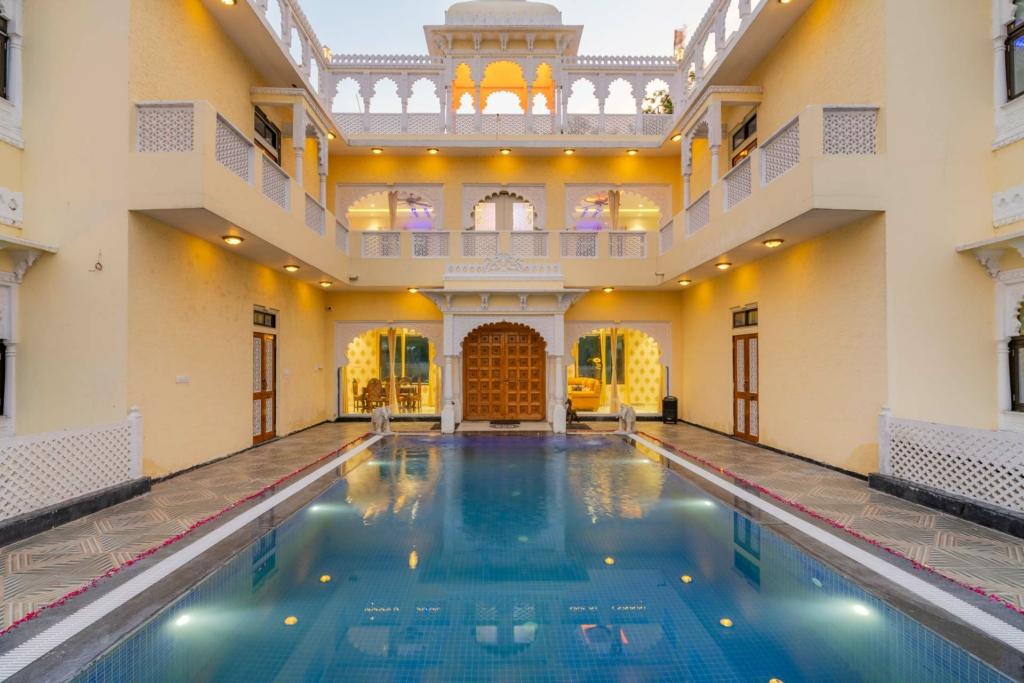
StayVista’s Panna Garh
Located in Rajsamand (near Kankroli/Dwarkadhish (Kankroli) region), this villa features a private pool, bar and indoor-outdoor activity spaces—ideal for the final legs of the Pancha Dwarka yatra.
Practical Tips for Pilgrims
- Book Early: Bharat Gaurav tourist trains have limited seats; reservations open on IRCTC Tourism.
- Carry Light: Since the journey involves local transfers, manageable luggage is ideal.
- Dress Modestly: Temples enforce dress codes—avoid shorts or sleeveless tops.
- Stay Hydrated: Gujarat’s coastal areas can be warm even in winter months.
- Respect Local Customs: Photography may be restricted inside temple premises.
- Check Weather: November–February is the best period for comfortable travel.
The Significance of Pancha Dwarka in Modern Pilgrimage
The Pancha Dwarka Yatra by Rail represents more than just a convenient travel option—it is symbolic of how faith and modern infrastructure can coexist.
It redefines religious tourism in India by making sacred circuits accessible, well-organized, and safe for families and senior devotees alike.
For many, the train becomes a moving temple—where devotion continues between destinations. Shared prayers, bhajans, and collective meals turn the journey itself into an act of worship.
How Bharat Gaurav Trains Are Changing Pilgrimage Tourism
The Bharat Gaurav initiative bridges tradition and innovation. With routes like the Ramayana Circuit, Jagannath Yatra, and now the Pancha Dwarka Yatra, it’s clear that India is investing in spiritual tourism as a cornerstone of cultural identity.
By connecting remote temple towns through dedicated rail lines, these trains promote domestic travel, local economies, and awareness of India’s sacred geography.
A Journey of Faith, Comfort, and Connection
The Pancha Dwarka Yatra by Rail is more than a pilgrimage—it’s an opportunity to retrace the footsteps of Krishna through Gujarat and Rajasthan, while enjoying the convenience of modern travel.
In ten days, travelers not only visit the five sacred Krishna temples, but also witness the diverse landscapes, cultures, and spiritual traditions that define Western India.
For those seeking a balanced blend of faith, comfort, and cultural exploration, the Bharat Gaurav Train Pancha Dwarka Yatra offers a truly timeless experience—one that turns every mile of the journey into a celebration of devotion.
Banner Image Credit: MADHURANTHAKAN JAGADEESAN via Unsplash