

8 Places in India Where You Can See Snow in May (With Exact Locations and How to Reach)
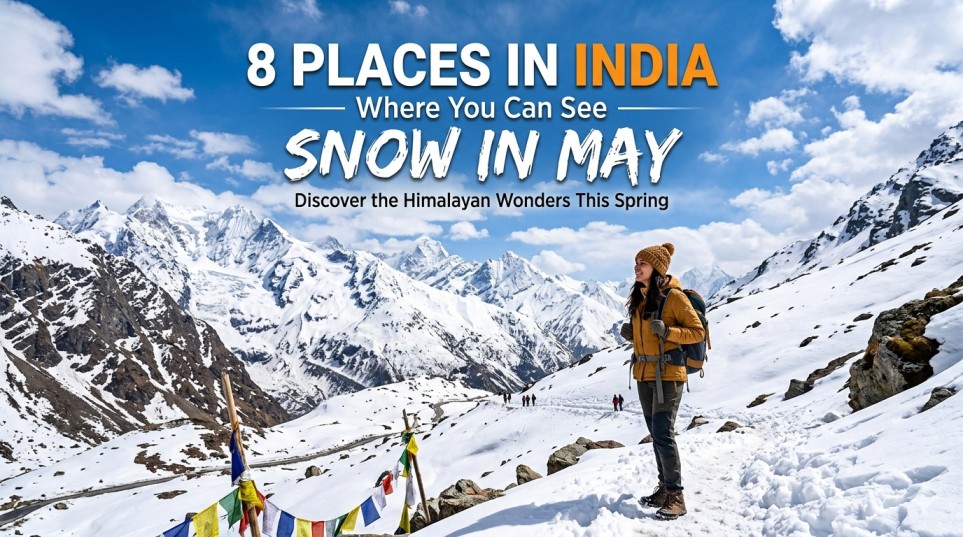
Most of India sweats through 40°C+ heat in May. But above 10,000 feet, winter still lingers. Thick snow blankets mountain passes, glaciers hold firm, and fresh flurries dust the highest peaks even as plains below bake.
Here’s the thing most travel blogs won’t tell you: finding snow in May isn’t about luck. It’s about altitude and timing. Every spot on this list sits above 3,000 metres, and we’ve mapped exact locations, road conditions, permits, and costs so you can plan without guesswork.
India recorded 2,948 million domestic tourist visits in 2024 — a 17.5% jump over 2023 (India Tourism Data Compendium, 2025). A growing slice of those travellers now chase snow during summer months, fleeing heatwaves for high-altitude escapes.
You can see snow in India in May at eight destinations above 10,000 ft — from Drass in Ladakh to Munsiyari in Uttarakhand. Early May (1st-15th) offers the best snow, while late May still delivers at Rohtang Pass and Spiti Valley. No special permits needed for most spots; Rohtang requires a ₹550 online vehicle pass. Budget ₹15,000-30,000 per person for a 3-day trip from Delhi.
In this Blog
Quick Reference: All 8 Snow Destinations at a Glance
| Destination | State | Elevation | Snow Reliability (May) | Difficulty | Best Dates | Permit Needed? | Est. Cost (3 Days from Delhi) |
|---|---|---|---|---|---|---|---|
| Drass | Ladakh | 3,200m / 10,760 ft | High | Moderate | May 1-15 | No (Indian ID only) | ₹20,000-25,000 |
| Gulmarg | J&K | 4,200m / 14,403 ft (Phase 2) | High | Easy | May 1-20 | No | ₹18,000-22,000 |
| Yumthang Valley / Zero Point | Sikkim | 4,500m / 15,300 ft | Moderate-High | Moderate | May 1-15 | Yes (PAP ₹100-200) | ₹22,000-28,000 |
| Spiti Valley | Himachal | 3,600m+ / 12,000 ft | Moderate | Hard | May 15-31 | No (Indians) | ₹20,000-30,000 |
| Rohtang Pass | Himachal | 3,978m / 13,050 ft | Very High | Easy | May 17 onwards | Yes (₹550 online) | ₹12,000-18,000 |
| Sonamarg | J&K | 2,740m / 8,990 ft | Moderate | Easy | May 1-20 | No | ₹18,000-22,000 |
| Auli | Uttarakhand | 2,500m+ / 8,200 ft | Moderate | Moderate | May 1-10 | No (Ropeway ₹750-1,000) | ₹15,000-20,000 |
| Munsiyari | Uttarakhand | 2,200m / 7,200 ft | Low-Moderate | Hard | May 1-10 | No | ₹15,000-22,000 |
Where Can You Actually See Snow in India in May?
Eight destinations above 10,000 feet retain snow well into May across four states — Ladakh, Jammu & Kashmir, Sikkim, Himachal Pradesh, and Uttarakhand. Snow reliability depends on altitude, latitude, and whether winter was heavy or light. The 2025 ICIMOD report flagged the lowest snow persistence across the Himalayas in 23 years (Mongabay India, 2025), which means timing your visit to early May matters more than ever.
Here’s each destination with everything you need to plan — entry fees, timings, road conditions, and how to actually get there.
Also Read: 13 Cool Hill Stations to Visit in India in May 2026 — Below 25°C
1. Drass, Kargil (Ladakh) — India’s Coldest Gateway to May Snow
Snow location: Drass Valley floor and surrounding peaks near Zoji La Pass
Elevation: 3,200m (10,760 ft)
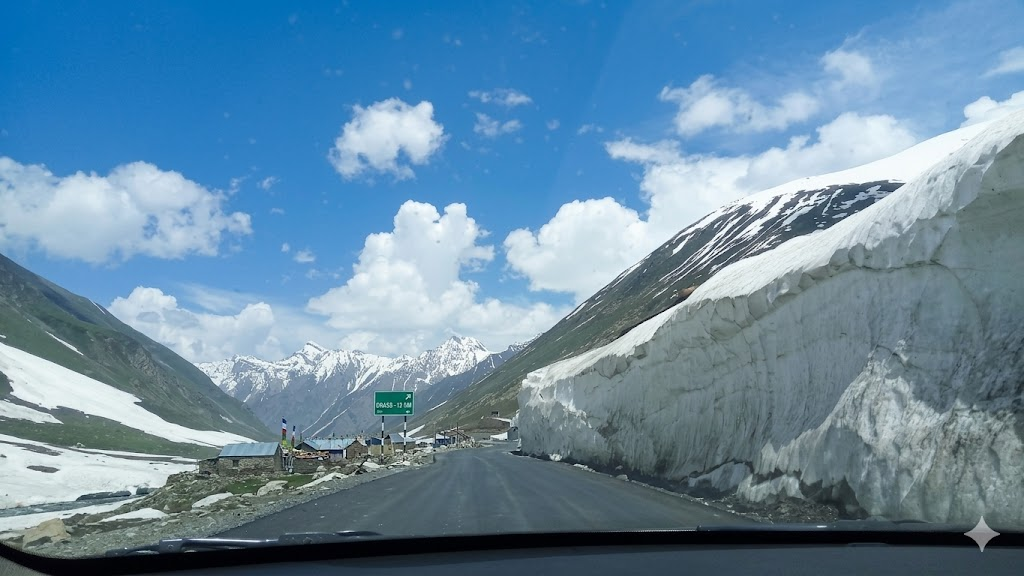
Drass holds the distinction of being the second-coldest inhabited place on Earth. Heavy snowfall from October through April leaves thick residual cover that persists through mid-May. The Drass War Memorial, snow-dusted peaks flanking NH1, and the approach via Zoji La Pass deliver the most dramatic snow views.
Temperatures in early May hover between 7°C and 20°C — comfortable for walking and photography, cold enough for snow to hold.
Entry fee: Free. No entry ticket required.
Timings: Accessible 24/7; War Memorial open 9 AM-6 PM.
Best time in May: May 1-15, before rapid melt begins.
Time required: 1-2 days to explore Drass and its surroundings.
Ideal for: Adventure seekers, photographers, and couples seeking offbeat destinations.
How to Reach Drass
- From Delhi: Fly to Srinagar (1.5 hours, ₹6,000-8,000). Hire a taxi from Srinagar to Drass via NH1 and Zoji La Pass — 150 km, 4-5 hours, ₹4,000-5,000.
- From Mumbai: Fly to Srinagar (3 hours, ₹8,000-12,000), then the same taxi route.
- Nearest airport: Sheikh ul-Alam International Airport, Srinagar (150 km).
- Nearest railway station: Jammu Tawi (400 km, 10-12 hours by road).
Road Conditions (May 2026)
Zoji La Pass typically opens in early May after BRO clearance. Expect icy patches, possible avalanche debris in the first week, and BRO convoy rules that restrict traffic to one-way slots. The road from Srinagar to Sonamarg is well-maintained; Sonamarg to Drass via Zoji La gets rougher. Carry anti-skid chains if self-driving.
Permits: No special permits for Indian citizens. Carry a government-issued photo ID for checkpoints. Foreign nationals need an Inner Line Permit for Ladakh UT areas beyond Drass (₹400-600 via a registered agent).
Pro tip: Start from Srinagar before 6 AM to cross Zoji La in daylight. The pass gets fogged in by afternoon, and BRO sometimes halts traffic after 2 PM. Carry snacks — there are no reliable eateries between Sonamarg and Drass.
2. Gulmarg (Jammu & Kashmir) — Gondola Ride to 14,000-Foot Snow
Snow location: Apharwat Peak via Phase 2 Gondola at 4,200m (14,403 ft)
Elevation: 2,650m base; 4,200m at Apharwat Peak
Gulmarg’s Phase 2 gondola takes you from green meadows to deep snow in 12 minutes flat. At the Apharwat Peak station, snow routinely exceeds 6 feet in May. Even Phase 1 (Kongdoori) holds patchy snow through mid-month. The lower meadows? Green by May. You need the gondola for guaranteed snow.
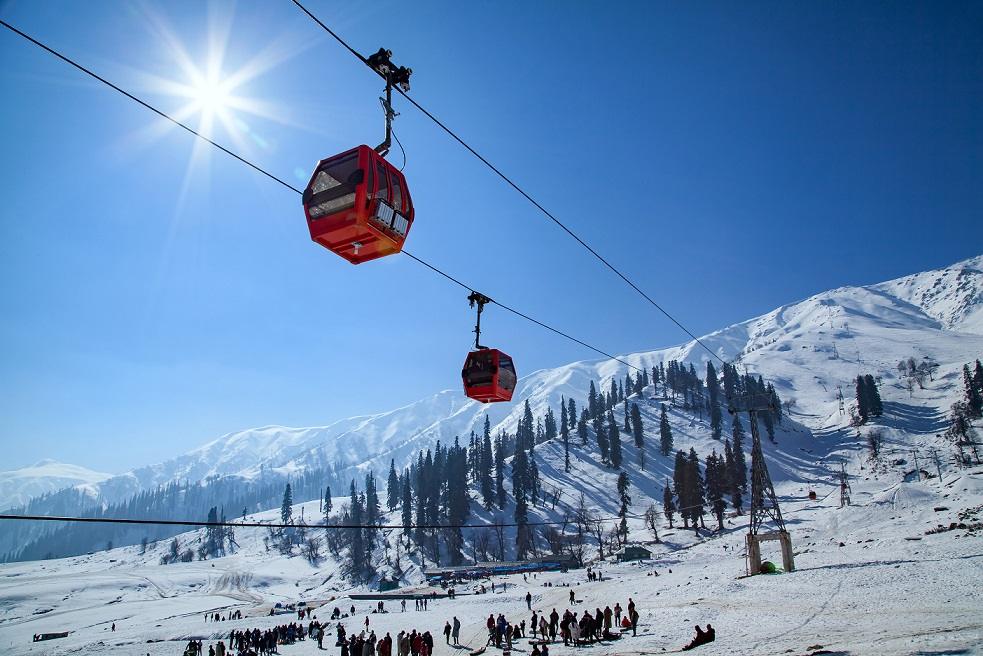
Worth knowing: Gulmarg’s ski season has shrunk from roughly three months to barely one month in recent years due to erratic snowfall (Mongabay India, 2025). May snow at Apharwat, though, remains fairly reliable because of the sheer altitude.
Entry fee: Gondola tickets — Phase 1: ₹800; Phase 2: ₹1,000; Tatkal: ₹1,110-1,310. Children under 3 ride free.
Timings: Gondola operates in time slots — Phase 1: 9 AM-11 AM, 11:15 AM-1:15 PM, 1:30 PM-3:30 PM. Phase 2: 9 AM-1 PM and 1 PM-3:30 PM. Walk-up tickets available from 8:30 AM. Summer hours may extend to 6 PM.
Best time in May: May 1-20. Phase 2 snow thins by month-end.
Time required: Half day for gondola + snow play. Full day with meadow walks.
Ideal for: Families with kids, couples, and first-time snow seekers.
How to Reach Gulmarg
- From Delhi: Fly to Srinagar (1.5 hours, ₹6,000-8,000). Taxi from Srinagar to Gulmarg via Tangmarg — 50 km, 1.5-2 hours, ₹2,000-2,500.
- From Mumbai: Fly to Srinagar (3 hours, ₹8,000-12,000), then taxi.
- Nearest airport: Srinagar (50 km).
Road Conditions (May 2026)
The Srinagar-Gulmarg road via Tangmarg stays in excellent condition year-round. No high passes to cross. Standard sedans work fine. Traffic can pile up on weekends — leave Srinagar by 8 AM.
Permits: None required. Just book gondola tickets at the counter or online.
Pro tip: Buy Phase 2 tickets first thing at 10 AM. Queues build fast after 11 AM, and tatkal tickets sell out on weekends. Carry sunglasses — UV reflection off Apharwat snow is brutal.
3. Yumthang Valley and Zero Point (North Sikkim) — High-Altitude Snow With Rhododendrons
Snow location: Zero Point (Yumesamdong) at 4,572m (15,300 ft); Yumthang Valley at 3,564m (11,700 ft) with mixed snow and wildflowers
Elevation: 3,564m-4,572m
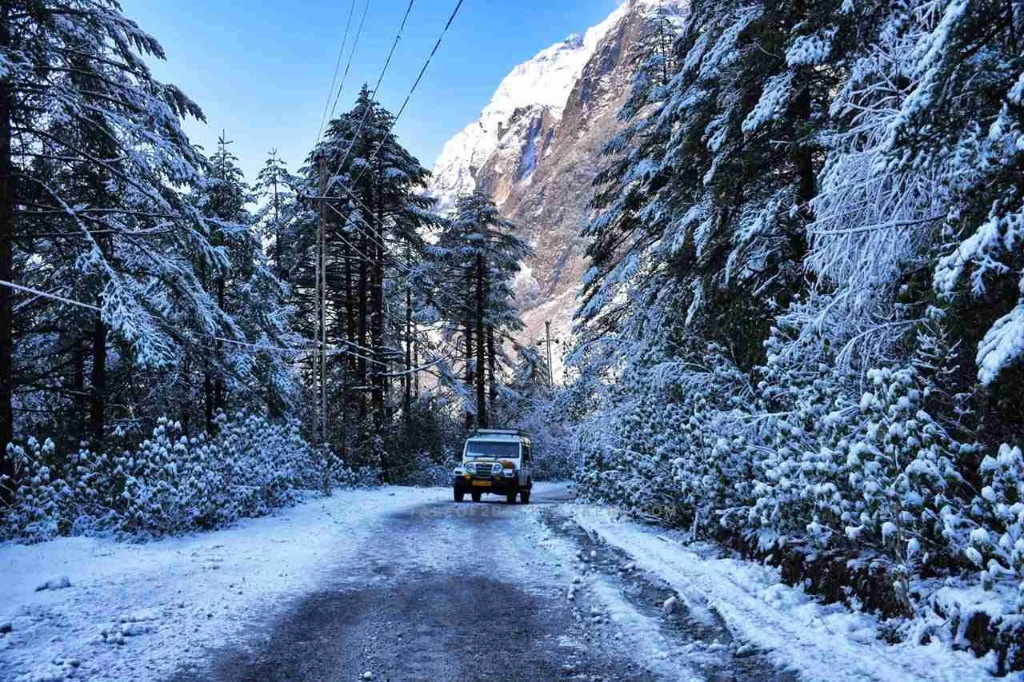
Yumthang in early May gives you something no other destination on this list offers: blooming rhododendrons surrounded by snow-capped ridges. But for actual walking on snow, you drive 23 km further to Zero Point — where temperatures drop to -5°C and thick snow blankets everything. It’s one of the coldest places in India in May.
The catch? You can’t go independently. North Sikkim requires a registered tour operator for all travel. No exceptions.
Entry fee: Protected Area Permit (PAP) is technically free, but tour operators charge ₹100-200 per person for processing. The operator package (mandatory), including vehicle and permit runs, is ₹5,000-6,000 for a Gangtok-Yumthang-Zero Point day trip.
Timings: Best visited between 8 AM and 2 PM. Return before dark — roads lack guardrails.
Best time in May: May 1-15. Snow at Zero Point recedes significantly after mid-month.
Time required: Full-day trip from Gangtok (start at 5 AM, return by 7 PM).
Ideal for: Nature lovers, photographers, couples.
How to Reach Yumthang Valley
- From Delhi: Fly to Bagdogra (2 hours, ₹5,000-7,000). Taxi to Gangtok — 4 hours, ₹2,000. Then registered tour vehicle to Yumthang/Zero Point — 135 km, 5-6 hours each way, ₹5,000-6,000 (includes permit).
- From Mumbai: Fly to Bagdogra (3 hours, ₹7,000-10,000), then the same route.
- From Kolkata: Fly to Bagdogra (1 hour, ₹3,000-5,000), then taxi to Gangtok.
- Nearest airport: Bagdogra (185 km from Gangtok).
Road Conditions (May 2026)
Gangtok to Yumthang roads are open again after significant disruptions from the 2023 South Lhonak Lake flood that damaged roads and bridges through 2024-25. Lachung and Yumthang routes are operational with strict traffic timing: cross Sankalang Bridge by 1 PM going up, Toong Check Post by 2 PM returning. Minor landslides possible after rain. The Yumthang to Zero Point stretch is rougher — SUVs only. No overnight stays at Zero Point (day visits from Lachung only).
Permits: Protected Area Permit (PAP) mandatory for all visitors, including Indians. Must travel with a registered Sikkim tourism operator. Permits are fully online as of 2026 (News Explurger).
Pro tip: Spend a night in Lachung (halfway point) instead of doing the punishing Gangtok-Zero Point round trip in one day. You’ll acclimatise better, catch sunrise over the snow, and avoid altitude sickness at 15,000 feet.
4. Spiti Valley (Himachal Pradesh) — Snow on the Roof of the World
Snow location: Kunzum Pass (4,590m), Chandratal Lake surroundings, and higher villages like Kibber and Langza
Elevation: 3,600m-4,590m (12,000-15,060 ft)
Spiti is the toughest destination on this list — and the most rewarding. In May, Kunzum Pass holds heavy snow, Chandratal Lake sits frozen or partially thawed with snow-covered banks, and Buddhist monasteries at Kibber and Key perch against blinding white backdrops.
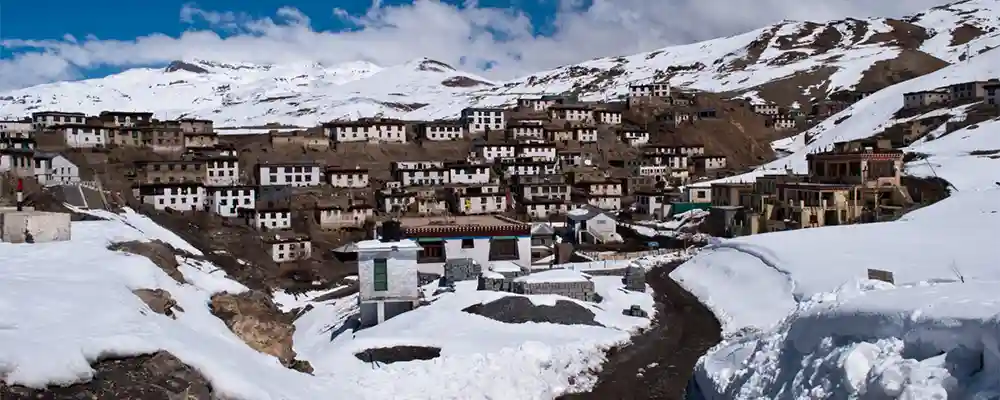
The Shimla-Kinnaur route into Spiti generally stays open year-round. The Manali route via Rohtang and Kunzum opens only after mid-May. Plan accordingly.
Entry fee: No entry fee for the Spiti Valley. Chandratal camping may have nominal fees (₹50-100).
Timings: Daylight hours only for travel. Most monasteries open 7 AM-6 PM.
Best time in May: May 15-31 (roads via Manali open; Shimla route accessible throughout).
Time required: Minimum 4-5 days to cover Kaza, Kibber, Key Monastery, and Chandratal.
Ideal for: Adventure seekers, motorcyclists, solo travellers, and experienced mountain travellers.
How to Reach Spiti Valley
- From Delhi (via Shimla): Fly to Shimla or drive to Chandigarh (4-5 hours), then taxi via Hindustan-Tibet Road through Kinnaur — 400 km, 12-14 hours, ₹8,000-12,000. Break journey at Reckong Peo or Kalpa.
- From Delhi (via Manali): Drive or fly to Kullu/Manali. Then Manali to Kaza via Rohtang and Kunzum — 200 km, 8-10 hours. Only available after Rohtang opens (mid-May). ₹6,000-8,000 taxi.
- From Mumbai: Fly to Delhi or Chandigarh, then by road.
- Nearest airport: Bhuntar (Kullu) for the Manali route; Shimla for the Kinnaur route.
Road Conditions (May 2026)
The Shimla-Kinnaur-Spiti route is generally open, but expect landslide-prone sections near Kinnaur. The Manali-Rohtang-Kunzum route opens when both the Rohtang and Kunzum passes are cleared. Rohtang opened May 17, 2026; Kunzum Pass typically opens between mid-May and early June (it opened May 24 in 2025, for 4×4 vehicles, with full access two weeks later). Snow walls line the Marhi-Rohtang stretch, and the Atal Tunnel provides a year-round bypass to Lahaul but not to Kunzum. Check live road status at Discover With Dheeraj before finalising dates.
Permits: No permits required for Indian citizens. Foreign nationals need an Inner Line Permit (₹250-500, valid 10 days).
Pro tip: Take the Shimla route in and the Manali route out (if open). You’ll see two completely different Himalayan landscapes. Stock up on fuel and cash at Reckong Peo — ATMs are unreliable beyond that point.
5. Rohtang Pass (Himachal Pradesh) — The Most Accessible Snow in May
Snow location: Rohtang Pass summit and the Marhi to Rohtang stretch
Elevation: 3,978m (13,050 ft)
Rohtang is the easiest snow destination on this list. Just 51 km from Manali, it consistently holds snow exceeding 10 feet thick through May and into June. Tourists at Rohtang in May 2025 encountered snow walls towering above their vehicles (Discover Kullu Manali, 2025).
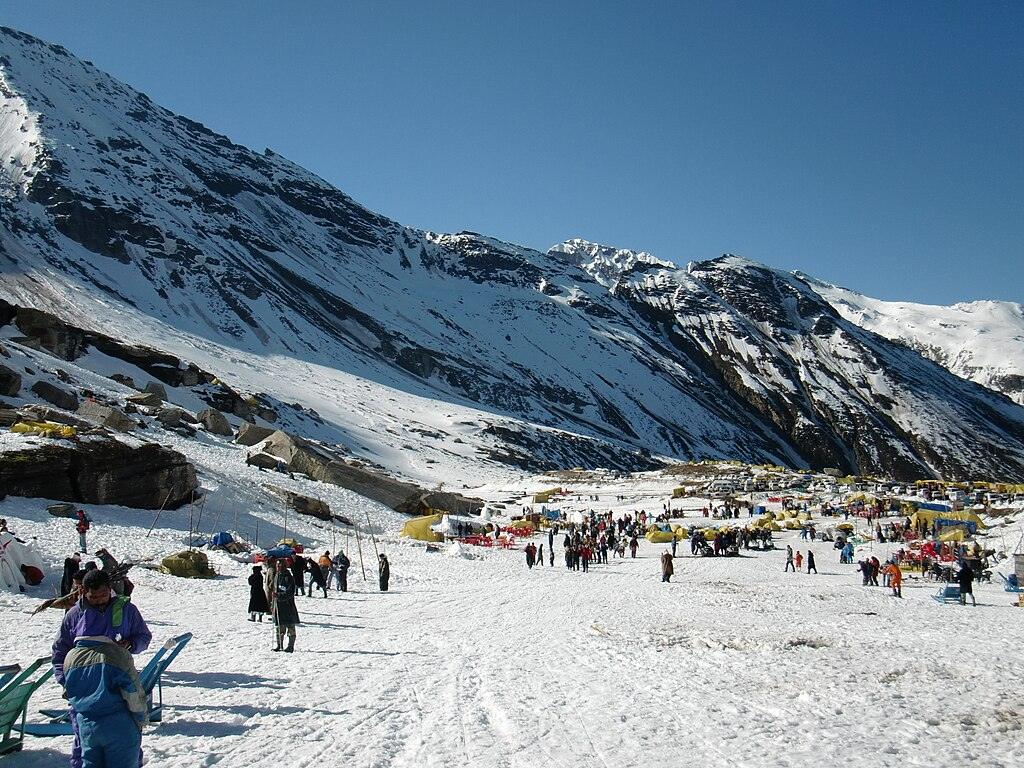
The downside? Crowds. Rohtang draws massive footfall, and the daily vehicle cap of 1,200 means permits sell out fast.
Entry fee: Vehicle permit ₹550 (₹500 permit + ₹50 congestion charge). Book online at rohtangpermits.nic.in.
Timings: Pass accessible 9 AM-5 PM. No permits issued on Tuesdays (maintenance day).
Best time in May: May 17 onwards (after BRO opens the pass). Snow stays thick through May-end.
Time required: Full-day trip from Manali. Leave by 7 AM, return by 5 PM.
Ideal for: Families, first-timers, anyone wanting guaranteed snow with minimal effort.
How to Reach Rohtang Pass
- From Delhi: Fly to Bhuntar/Kullu (1 hour, ₹4,000-6,000), taxi to Manali (1.5 hours, ₹1,500). Or overnight Volvo bus Delhi-Manali (12 hours, ₹1,200-1,800). Then taxi from Manali to Rohtang — 51 km, 2-3 hours, ₹3,000-4,000.
- From Mumbai: Fly to Delhi, then connect to Kullu. Or fly Mumbai-Chandigarh and drive (8 hours to Manali).
- Nearest airport: Bhuntar (90 km from Rohtang).
Road Conditions (May 2026)
BRO opens Rohtang after clearing winter snow accumulation — this happened on May 17 in 2026. The road from Manali to Marhi is good. From Marhi to the pass summit, expect snow walls, slush, and one-way traffic sections. The Atal Tunnel (year-round) takes you to Lahaul but bypasses Rohtang — so you won’t see snow through the tunnel.
Permits: Mandatory online vehicle permit. Book 6 days in advance for weekends. No permits on Tuesdays. The 1,200-vehicle daily cap means weekday visits are less chaotic.
Pro tip: Skip weekends entirely. Weekday permits are easier to get, and you’ll have far fewer tourists fighting for the same snow-play spots near the summit. Rent proper snow boots at Marhi (₹200-300) — regular shoes are useless on packed snow.
6. Sonamarg (Jammu & Kashmir) — Thajiwas Glacier and Snow-Fed Meadows
Snow location: Thajiwas Glacier (3,100m) and surrounding meadows
Elevation: 2,740m (8,990 ft) base; 3,100m+ at glacier
Sonamarg — literally “Meadow of Gold” — sits on the Srinagar-Leh highway, 80 km from Srinagar. The main attraction for May snow is Thajiwas Glacier, a 3 km pony ride or trek from the town. The glacier and its surrounding bowl hold snow year-round, with thick cover in May.
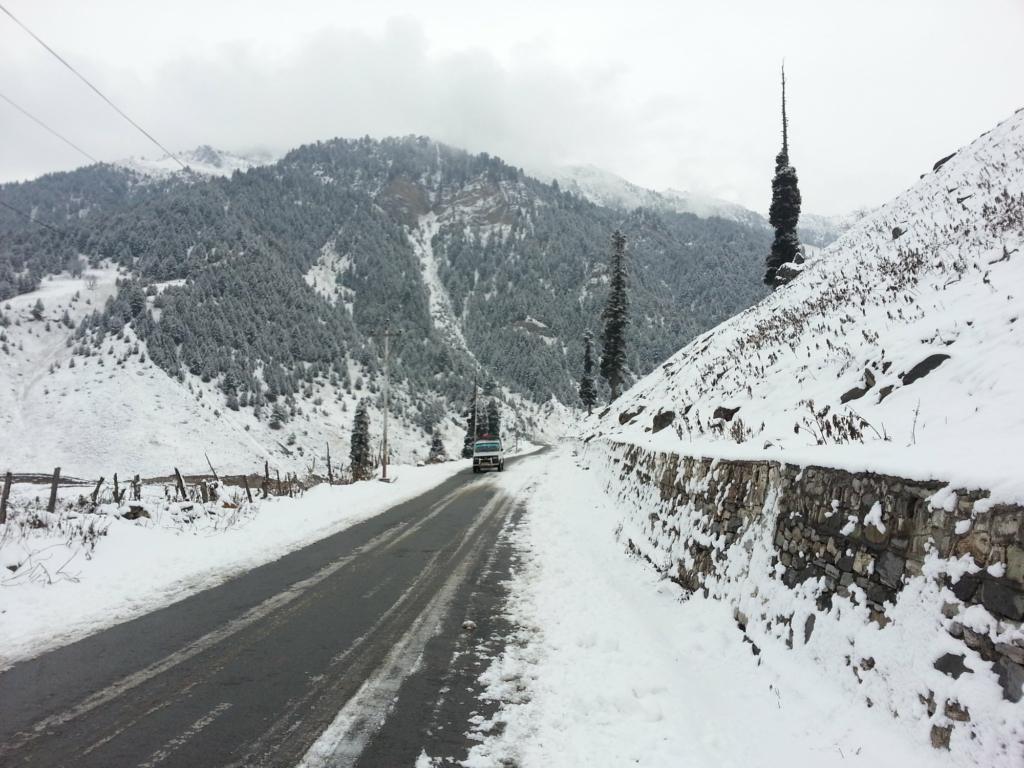
The town itself won’t have snow in May, but the glacier never disappoints. It’s also the last major stop before Zoji La, so you can combine it with a Drass trip.
Entry fee: Free to enter Sonamarg. Pony ride to Thajiwas Glacier costs ₹500-800 (negotiable).
Timings: Best visited 8 AM-4 PM. The glacier area gets windy and cold after 3 PM.
Best time in May: May 1-20 for thick glacial snow.
Time required: Half a day for Thajiwas Glacier. Full day with meadow walks.
Ideal for: Families, couples, easy-access snow seekers.
How to Reach Sonamarg
- From Delhi: Fly to Srinagar (1.5 hours, ₹6,000-8,000). Taxi from Srinagar — 80 km, 2-3 hours, ₹3,000.
- From Mumbai: Fly to Srinagar (3 hours), then taxi.
- Nearest airport: Srinagar (80 km).
Road Conditions (May 2026)
The Srinagar-Sonamarg highway (NH1) is well-maintained and snow-free by May. Standard sedans work fine. If continuing to Drass, you’ll hit Zoji La beyond Sonamarg — that’s where road quality drops.
Permits: None required.
Pro tip: Combine Sonamarg and Gulmarg into one Kashmir trip. Day 1: Gulmarg gondola. Day 2: Drive to Sonamarg, visit Thajiwas. Day 3: Drass via Zoji La if adventurous. We recommend basing yourself in Srinagar for the most comfortable stay.
7. Auli (Uttarakhand) — India’s Ski Town With Late-Season Snow
Snow location: Auli ski slopes and Gorson Bugyal meadow (3,049m)
Elevation: 2,500-3,049m (8,200-10,000 ft)
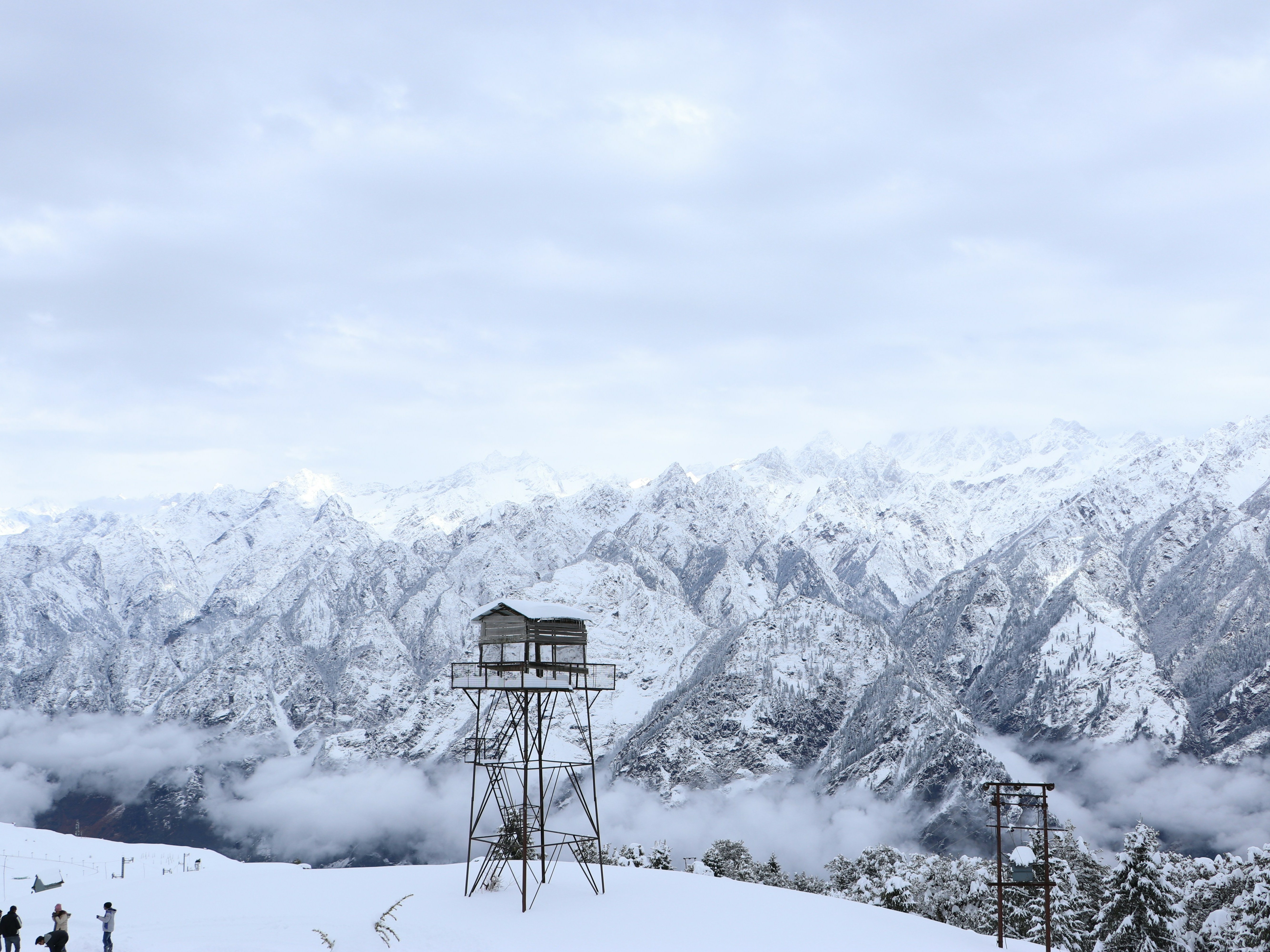
Auli is India’s premier ski destination, and while the ski season ends by March, residual snow clings to the upper slopes and Gorson Bugyal into early May. The Joshimath-Auli ropeway gives you direct access to snow-covered meadows at 10,000 feet, with panoramic views of Nanda Devi (7,816m).
Be realistic about timing: by mid-May, Auli’s snow turns patchy at lower elevations. Visit in the first week of May for the best conditions.
Entry fee: Ropeway ticket ₹1,000 for adults (round trip), ₹500 for children under 12. One-way available at ₹500-600. Counter booking only — no online booking available.
Timings: Ropeway runs 9 AM-5 PM (June-October). The 4.5 km ride takes about 25 minutes. Expect long queues in peak season — arrive early.
Best time in May: May 1-10. After that, the snow retreats to the highest ridges.
Time required: 1-2 days (half day for ropeway + snow, full day with Gorson Bugyal trek).
Ideal for: Couples, trekkers, families wanting an Uttarakhand snow experience.
How to Reach Auli
- From Delhi: Fly to Jolly Grant Airport, Dehradun (1 hour, ₹4,000-5,000). Taxi to Joshimath — 250 km, 8-9 hours, ₹4,000-6,000. Then the ropeway to Auli (20 minutes).
- From Mumbai: Fly to Delhi, connect to Dehradun, then by road.
- Nearest airport: Jolly Grant, Dehradun (270 km).
- Nearest railway: Haridwar or Rishikesh (275 km, 9-10 hours by road).
Road Conditions (May 2026)
The Rishikesh-Joshimath highway is well-maintained. Expect occasional fog and mild slush near Joshimath. No high-altitude passes to cross — the ropeway handles the altitude gain. Standard vehicles work for the entire drive.
Permits: None required. Just buy the ropeway ticket.
Pro tip: Stay in Joshimath rather than at Auli’s limited (and pricey) resort options. Joshimath has better food, ATMs, and is the gateway to the Valley of Flowers trek if you’re visiting later in the season.
8. Munsiyari (Uttarakhand) — Offbeat Panchachuli Snow Views
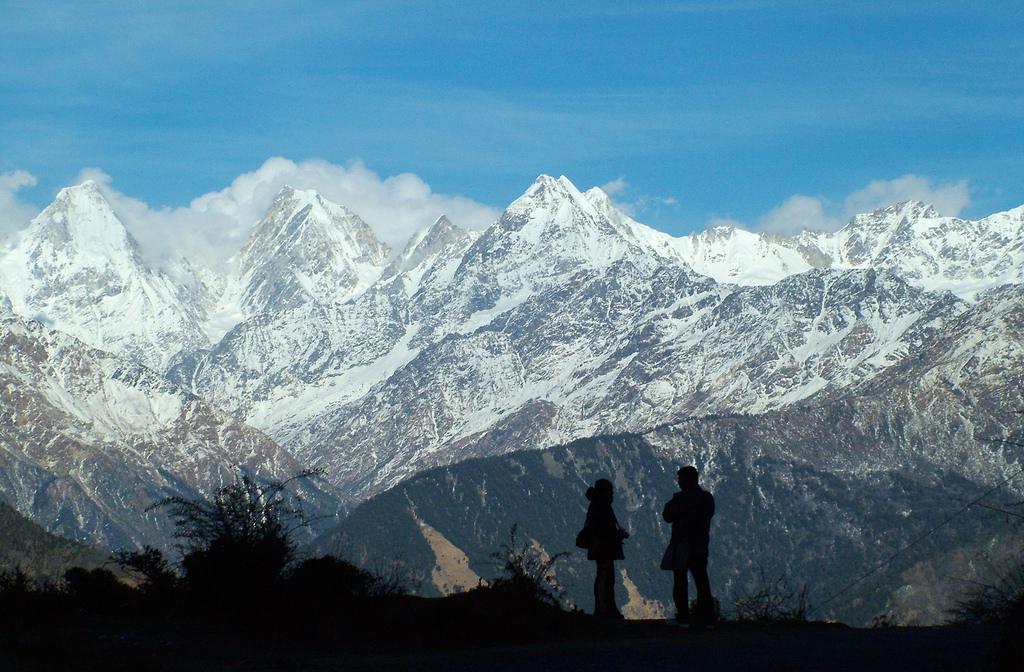
Snow location: Khaliya Top (3,500m) trek with views of Panchachuli peaks (6,312-6,904m); Birthi Falls area
Elevation: 2,200m (7,200 ft) town; 3,500m at Khaliya Top
Munsiyari won’t hand you walk-on snow at the town level in May. What it delivers is a front-row seat to the five Panchachuli peaks — permanently snow-covered — and the Khaliya Top trek that puts you at an elevation where residual snow patches remain into early May.
This is the most offbeat pick on our list. You won’t find crowds here, and that’s the entire point. Travellers who’ve done Kashmir and Himachal find Munsiyari’s raw, uncommercialised feel refreshing.
Entry fee: Free. No tickets for Khaliya Top trek.
Timings: Trek anytime during daylight. Start early (6 AM) for clear Panchachuli views before clouds build.
Best time in May: May 1-10 for snow patches at Khaliya Top. Panchachuli views are available all month.
Time required: 2-3 days (1 day for Khaliya Top trek, 1 day for Birthi Falls, and village exploration).
Ideal for: Trekkers, solo travellers, photographers, and anyone escaping tourist crowds.
How to Reach Munsiyari
- From Delhi: Fly to Pantnagar (1 hour, ₹4,000-5,000). Taxi via Almora and Birthi to Munsiyari — 200 km, 7-8 hours, ₹7,000-10,000. Or drive from Delhi — 500 km, 12-14 hours.
- From Mumbai: Fly to Delhi, connect to Pantnagar, then by road.
- Nearest airport: Pantnagar (275 km).
Road Conditions (May 2026)
The Almora-Munsiyari road is narrow but generally clear in May. Occasional fog and mild slush at higher stretches. No major passes. Self-driving is feasible for experienced hill drivers.
Permits: None required.
Pro tip: Munsiyari has limited accommodation — book homestays at least 2 weeks in advance for May. The Khaliya Top trail markers can be faint after snowmelt; hire a local guide (₹800-1,000/day) from the village.
What to Pack for a May Snow Trip
Packing incorrectly is the fastest way to ruin a snow trip. May is transitional — warm at lower elevations, freezing at snow level. Here’s what we recommend:
- Layering system: Thermal base layer + fleece mid-layer + waterproof outer shell. Don’t carry a single heavy jacket.
- Footwear: Waterproof trekking boots with grip. Rent snow boots locally at Rohtang or Gulmarg if you don’t own a pair.
- Sun protection: UV-rated sunglasses (essential above 10,000 ft), SPF 50+ sunscreen, lip balm with SPF.
- Altitude aids: Diamox (consult your doctor), ORS packets, chocolates or dry fruits for quick energy.
- Documents: Government photo ID, vehicle permit printout (Rohtang), Sikkim PAP printout if visiting Yumthang.
- Cash: ATMs are unreliable in Drass, Spiti, and Munsiyari. Carry ₹5,000-10,000 in cash beyond major towns.
Planning Your Trip: Suggested Itineraries
3-Day Weekend: Kashmir Snow Circuit (Gulmarg + Sonamarg)
- Day 1: Fly to Srinagar. Drive to Gulmarg. Phase 2 gondola for Apharwat Peak snow.
- Day 2: Drive from Srinagar to Sonamarg. Thajiwas Glacier pony ride/trek.
- Day 3: Morning in Sonamarg meadows. Drive back to Srinagar. Fly out.
- Budget: ₹18,000-22,000/person (flights from Delhi + taxi + gondola + meals).
5-Day Adventure: Ladakh Snow (Srinagar → Sonamarg → Drass)
- Day 1: Fly to Srinagar. Explore Dal Lake.
- Day 2: Drive to Gulmarg. Gondola to Apharwat Peak.
- Day 3: Drive from Srinagar to Sonamarg. Thajiwas Glacier.
- Day 4: Cross Zoji La to Drass. Explore the Drass War Memorial and snowfields.
- Day 5: Return to Srinagar via Zoji La. Fly out.
- Budget: ₹25,000-32,000/person.
7-Day Grand Snow Tour: Himachal + Uttarakhand
- Day 1: Fly from Delhi to Kullu. Drive to Manali.
- Day 2: Rohtang Pass (book permits in advance). Snow day.
- Day 3: Drive Manali via the Atal Tunnel to Lahaul. Proceed to Spiti via Kunzum (if open). Or take the Shimla route.
- Day 4-5: Explore Kaza, Key Monastery, Kibber. Kunzum Pass snow.
- Day 6: Drive to Shimla or Chandigarh. Overnight.
- Day 7: Fly/drive back to Delhi.
- Budget: ₹28,000-38,000/person.
Where to Stay Near These Snow Destinations
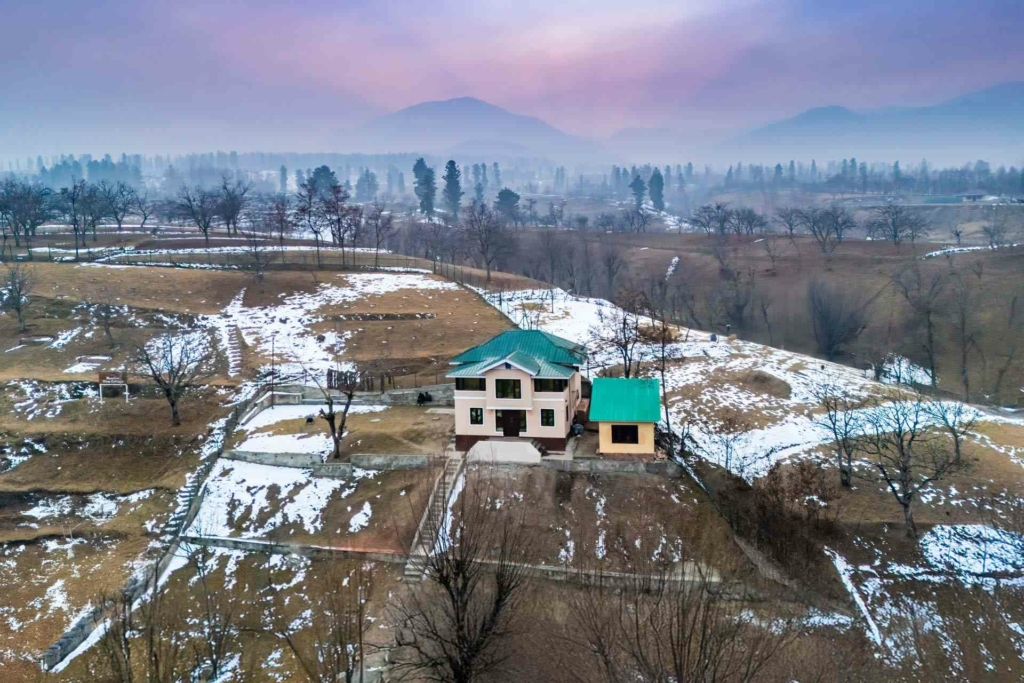
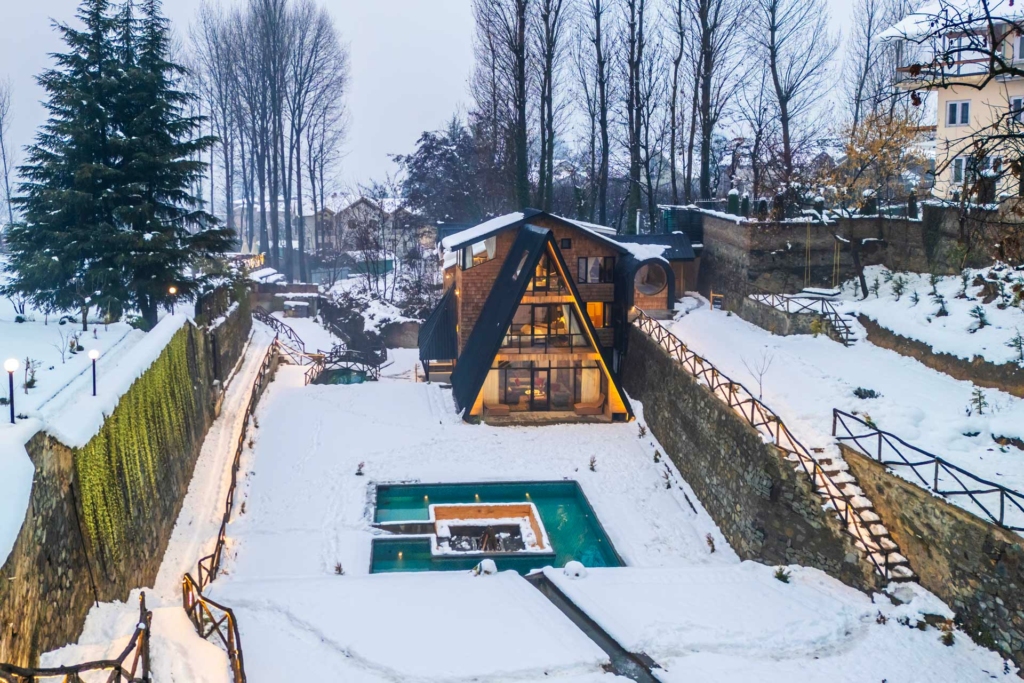
For Kashmir destinations (Gulmarg, Sonamarg, and the Drass route), base yourself in Srinagar, where you’ll find the most comfortable options. Explore StayVista villas in Srinagar for a cosy base between snow adventures.
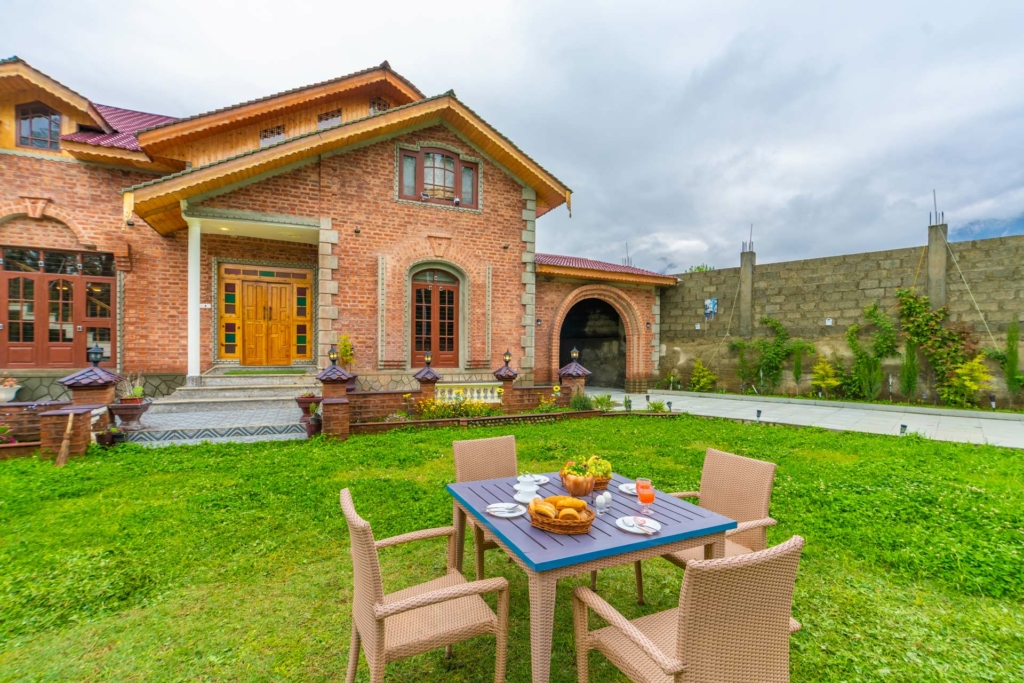
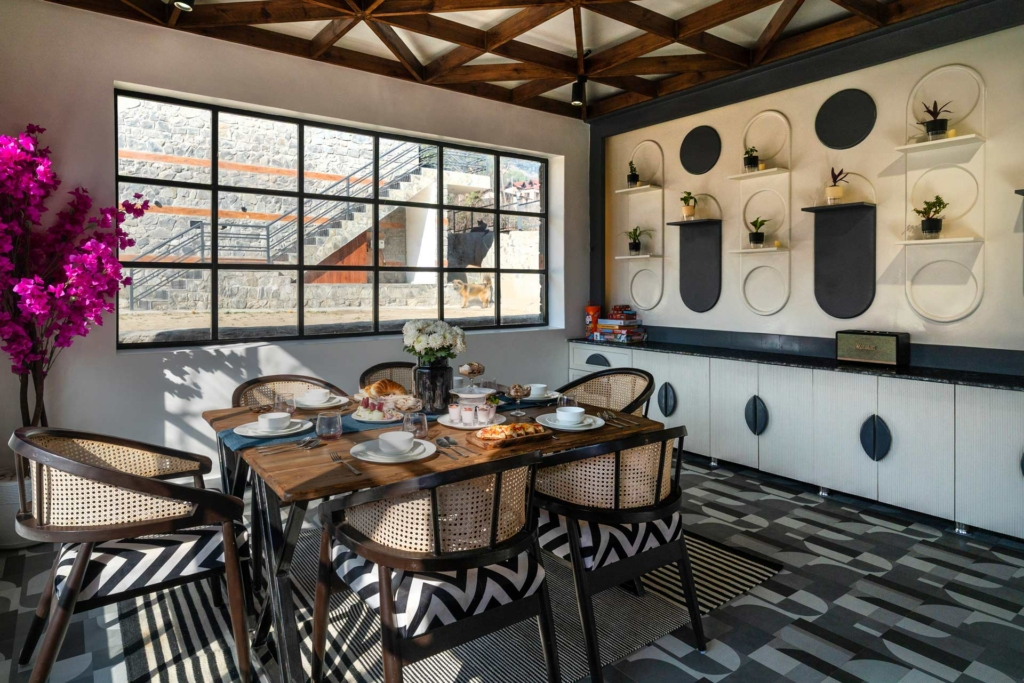
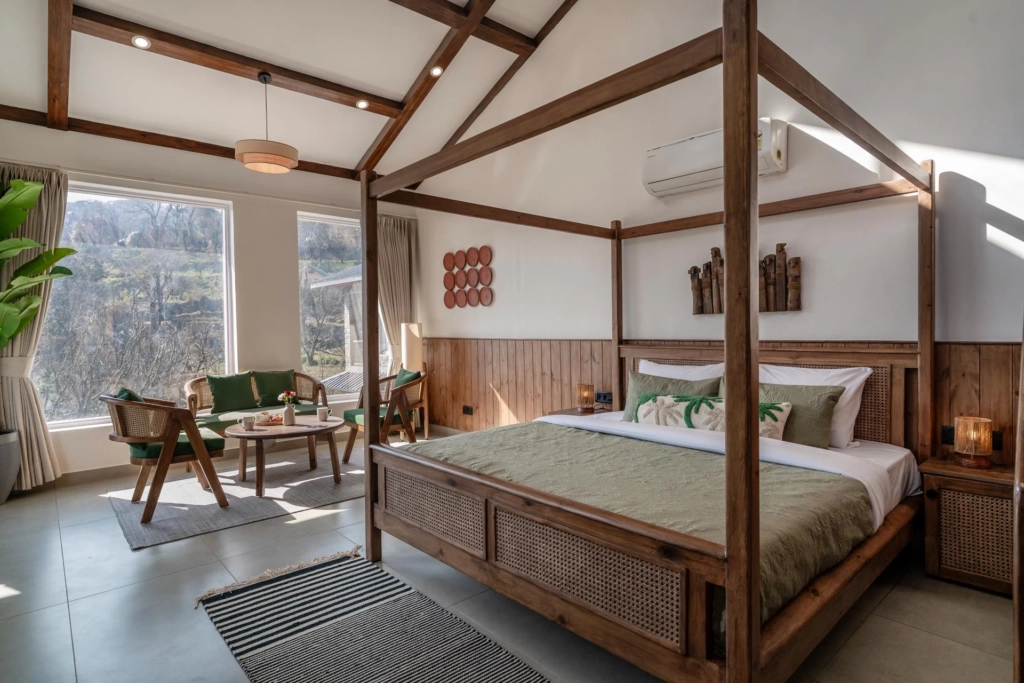
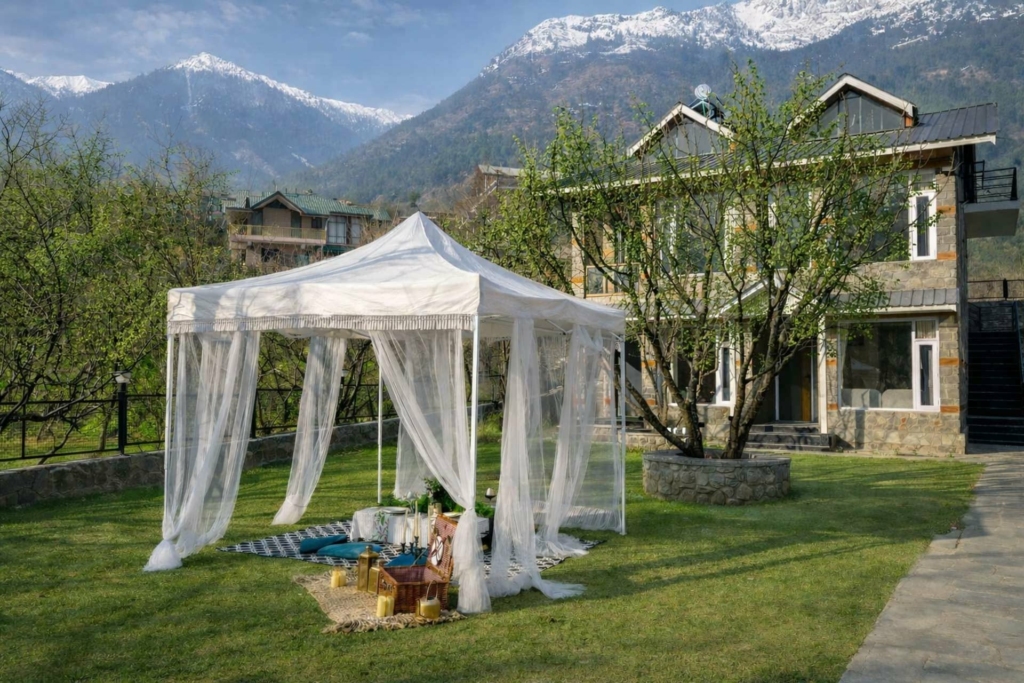
For Rohtang and Spiti trips, Manali is your best base. Travelers tell us that having a comfortable villa to return to after a freezing day on the pass makes all the difference. Browse StayVista stays in Manali.
For Auli, Joshimath, and the surrounding areas offer stays with mountain views. Check StayVista properties in Uttarakhand.
For Yumthang, Gangtok is the most practical base with good food and connectivity. See StayVista stays in Sikkim.
A Note on Climate Change and Snow Reliability
We’d be doing you a disservice if we didn’t mention this. Snow patterns across the Himalayas are shifting. The ICIMOD’s 2025 report documented the lowest snow persistence in 23 years — the third consecutive year of decline (Mongabay India, 2025). The Khelo India Winter Games 2025 at Gulmarg were postponed because there wasn’t enough snow for skiing events.
What this means for May snow seekers: high-altitude destinations (Rohtang, Apharwat Peak, Zero Point, Kunzum Pass) remain dependable. Lower-altitude spots like Munsiyari and Auli are becoming less reliable. If guaranteed snow is your priority, aim for spots above 12,000 feet.
Frequently Asked Questions
Fresh snowfall in May is rare across most of India, but residual snow from winter persists at elevations above 10,000 feet. Destinations like Rohtang Pass (13,050 ft) hold over 10 feet of snow through May, while Drass and Apharwat Peak retain thick cover until mid-month. Light flurries are possible at the highest elevations in early May.
Rohtang Pass offers the most accessible and reliable May snow, just 51 km from Manali, with snow exceeding 10 feet. For a more dramatic experience, Gulmarg’s Apharwat Peak (via Phase 2 gondola at 14,403 ft) delivers deep snow with panoramic views. Both are reachable within a day from a base town.
Manali town itself (6,725 ft) won’t have snow in May. But Rohtang Pass, 51 km from Manali at 13,050 ft, consistently holds heavy snow through May and June. You’ll need an online vehicle permit (₹550) booked at rohtangpermits.nic.in. The pass opens around mid-May each year.
Rohtang Pass opened on May 17, 2026, after BRO completed snow clearance. Once open, it stays accessible through October. Remember: no permits on Tuesdays (maintenance day), and the daily cap is 1,200 vehicles. Book permits 6 days in advance for weekends.
Most destinations on this list need no special permits for Indian citizens. Exceptions: Rohtang Pass requires an online vehicle permit (₹550), North Sikkim (Yumthang/Zero Point) requires a Protected Area Permit through a registered tour operator, and foreign nationals need Inner Line Permits for Ladakh (₹400-600) and Spiti (₹250-500).
Fly to Srinagar, then hire a taxi for the 150 km drive via NH1 and Zoji La Pass. Travel time is 4-5 hours, and taxis charge ₹4,000-5,000. Zoji La typically opens in early May — check BRO road status at vargiskhan.com for real-time updates. Start before 6 AM to cross in daylight.
Layer up: thermal base + fleece + waterproof jacket. Carry waterproof trekking boots, UV sunglasses (snow blindness is real above 10,000 ft), SPF 50+ sunscreen, and cash (ATMs fail in Drass, Spiti, Munsiyari). For altitude above 12,000 ft, consult your doctor about Diamox and carry ORS packets.
Most routes are safe in May with standard precautions. Zoji La (Drass route) and Rohtang require careful driving — icy patches, one-way traffic, and BRO convoy rules apply. The Kashmir highway and Uttarakhand roads are well-maintained. Avoid self-driving to Spiti unless experienced with mountain roads. Hire local taxi drivers who know the conditions.
Last updated: April 2026. Road conditions, pass openings, and permit costs may change. Always check BRO updates and official permit portals before travelling.
Also read:
- Hidden Snow Destinations in India (2026 Guide)
- 6 Best Places to Visit in India for Snowfall During Summer