
Rameshwaram for Non-Pilgrims: Scuba Diving, Ghost Town & Unique Experiences
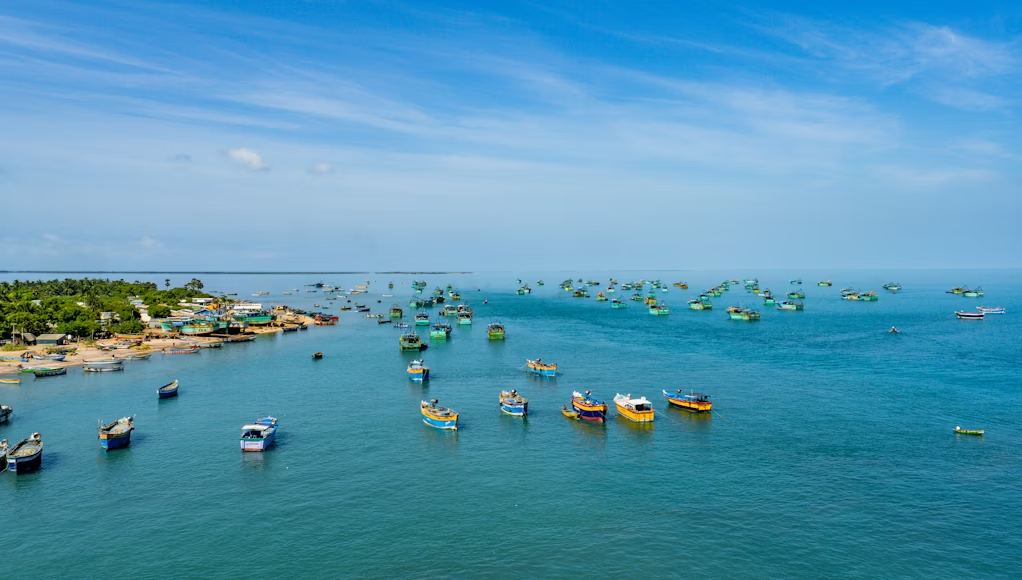
Rameshwaram is often reduced to a single narrative—one of temples and pilgrimage routes. But step slightly outside that frame, and the island begins to feel very different. There are long, wind-beaten roads that stretch into the sea, abandoned structures slowly dissolving into sand, and waters that hide one of India’s richest marine ecosystems.
For travellers not drawn to religious circuits, this shift in perspective opens up a more unusual itinerary. The pace is slower, the experiences are more landscape-driven, and the appeal lies in places that feel untouched rather than curated. These non-pilgrimage things to do Rameshwaram offer a way to engage with the destination on entirely different terms.
In this Blog
Scuba Diving in the Gulf of Mannar
One of the most distinctive experiences in Rameshwaram lies underwater.
Located along the ecologically sensitive Gulf of Mannar, the region is part of a protected marine biosphere known for its coral reefs and seagrass beds. Unlike more commercial diving destinations, this one remains relatively underexplored.
What defines scuba diving here:
- Shallow dive sites suitable for beginners
- Marine life including reef fish, corals, and sea cucumbers
- Less crowding compared to Andaman dive hubs
The visibility can vary, but the biodiversity is significant enough to make it worthwhile—especially for first-time divers looking for a quieter setting.
Best time: October to March, when sea conditions are more stable.
Dhanushkodi: The Ghost Town at Land’s End
Dhanushkodi is not a conventional tourist stop. It’s a place defined by what remains rather than what exists.
Once a functioning town, it was destroyed in the 1964 cyclone and abandoned thereafter. Today, only fragments remain—walls without roofs, a church facing the sea, and railway remnants partially buried in sand.
What makes it unique:
- One of India’s few officially recognised ghost towns
- A narrow stretch where the Bay of Bengal meets the Indian Ocean
- Stark, almost surreal coastal landscapes
The approach to Dhanushkodi, with the road cutting through shallow waters, is as visually striking as the destination itself.
Beaches That Feel Untouched
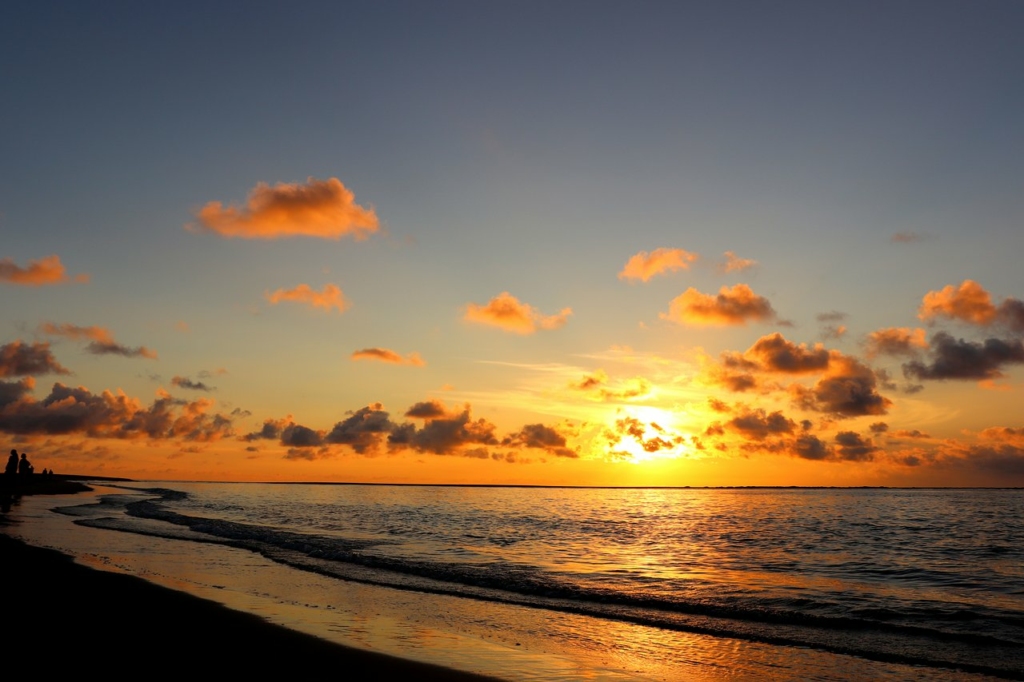
Rameshwaram’s coastline is not built around resorts or nightlife. Instead, it offers open stretches of sand with minimal intervention.
Beaches worth visiting include:
- Ariyaman Beach – One of the cleaner and more accessible options
- Olaikuda Beach – Quieter, with fewer visitors and good sunset views
- Kothandaramaswamy Beach – Scenic and less frequented
These beaches are better suited for walking, photography, and short halts rather than swimming, as currents can be unpredictable.
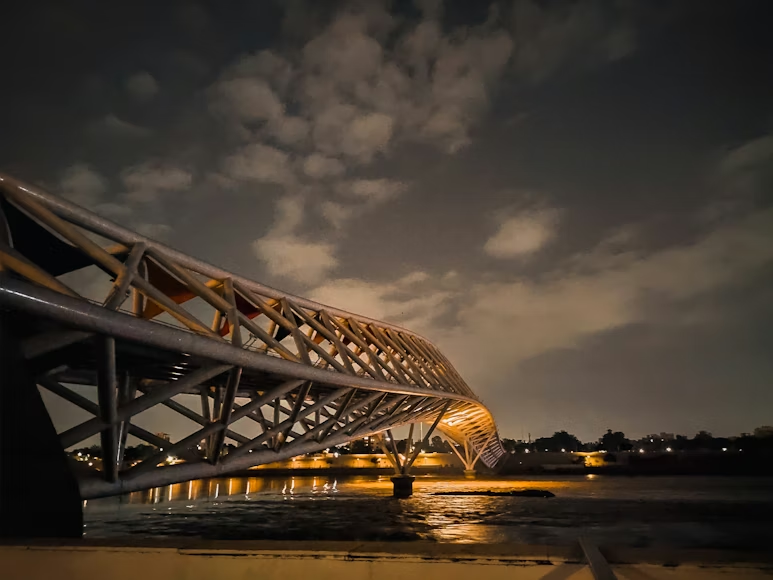
The Experience of Crossing Pamban Bridge
Pamban Bridge is integral to how Rameshwaram is experienced.
Connecting the island to mainland India, it’s India’s first sea bridge and continues to function as both a rail and road link. The railway bridge, in particular, opens to allow ships to pass—a rare mechanical feature.
Ways to experience it:
- Train ride across the bridge
- Stopping along the road bridge for panoramic views
- Visiting during early morning or sunset for clearer skies
It’s less about the structure itself and more about the perspective it offers—water stretching endlessly on both sides.
Local Food and Coastal Flavours
Food in Rameshwaram reflects its coastal geography rather than its religious identity—especially outside temple zones.
What to expect:
- Fresh seafood including fish curry, prawns, and crab
- Tamil-style meals served on banana leaves
- Small, local eateries rather than large restaurant chains
Vegetarian options are widely available, but stepping into local seafood spots offers a more grounded experience of the region.
Free Non-Pilgrimage Experiences in Rameshwaram
Not everything here requires planning or spending. In fact, some of the most memorable moments come without an entry fee.
Free non pilgrimage things to do Rameshwaram include:
- Walking along the shoreline at Dhanushkodi
- Watching sunrise and sunset across different beaches
- Observing local fishing activity
- Birdwatching in coastal wetlands
- Viewing Pamban Bridge from public vantage points
These experiences rely more on timing and observation than structured activities.
Best Time to Visit for a Non-Pilgrimage Trip
Seasonality affects how accessible and comfortable these experiences are.
- October to March: Most favourable weather; ideal for outdoor exploration and diving
- April to June: High temperatures and humidity limit daytime activity
- July to September: Fewer crowds, but sea conditions can be inconsistent
For a balanced trip focused on things to do in Rameshwaram, winter months offer the best conditions.
Getting to Rameshwaram
Despite its remote feel, Rameshwaram is well connected.
- By train: Direct routes via Chennai and Madurai
- By air: Nearest airport is Madurai (around 170 km away)
- By road: Accessible via highways, including the Pamban crossing
The final stretch across the bridge often becomes a defining part of the journey.
FAQs:
Scuba diving, visiting Dhanushkodi, exploring beaches, birdwatching, and experiencing Pamban Bridge are key non-religious activities that focus on nature and history.
Yes. Its marine ecosystem, coastal landscapes, and unique sites like Dhanushkodi make it appealing even without temple visits.
Yes. Most dive experiences are beginner-friendly with shallow depths and guided supervision.
Two to three days are sufficient to cover major non-pilgrimage attractions and experiences.
Yes. Beach visits, Dhanushkodi exploration, birdwatching, and bridge viewpoints are free or low-cost.
October to March offers the most comfortable weather and better sea conditions.
Yes. It is accessible by road and open during the day, though facilities are limited.
Not always. Many beaches have strong currents, so they are better suited for walking and sightseeing.
Banner Image Credit: Priya Singh via Unsplash