Snow in South India sounds unbelievable, until winter mornings in the Nilgiris and Eastern Ghats turn white, temperatures flirt with sub-zero levels, and travellers wake up to frost that looks and feels eerily like snowfall. In recent years, Talakunda near Ooty and Lambasingi in Andhra Pradesh have become the most searched answers to a once-unthinkable question: Does it snow in South India?
As a travel curator who has personally experienced these regions during peak winter, this guide blends on-ground observation, temperature data, and realistic travel planning. You’ll learn where snow-like conditions actually occur, what you’ll truly see, when to go, and how to plan responsibly—without falling for misinformation or reel-driven exaggeration.
In this Blog
Does It Snow in South India? The Honest Answer
South India does not receive regular Himalayan-style snowfall. However, rare winter cold waves cause frost and ice formation in high-altitude pockets like Talakunda and Lambasingi—creating snow-like landscapes for a few hours each morning.
This distinction is crucial. Searches such as does it snow in South India, south India snowfall places, and where can I see snow in South India spike every December because people are reacting to visuals of frost, not actual snowfall.
Why “Snow in South India” Is Suddenly Trending
Three factors have converged:
Unusually intense winter cold spells in late December
Viral visuals of frost-covered landscapes
A growing desire for rare, close-to-home winter experiences
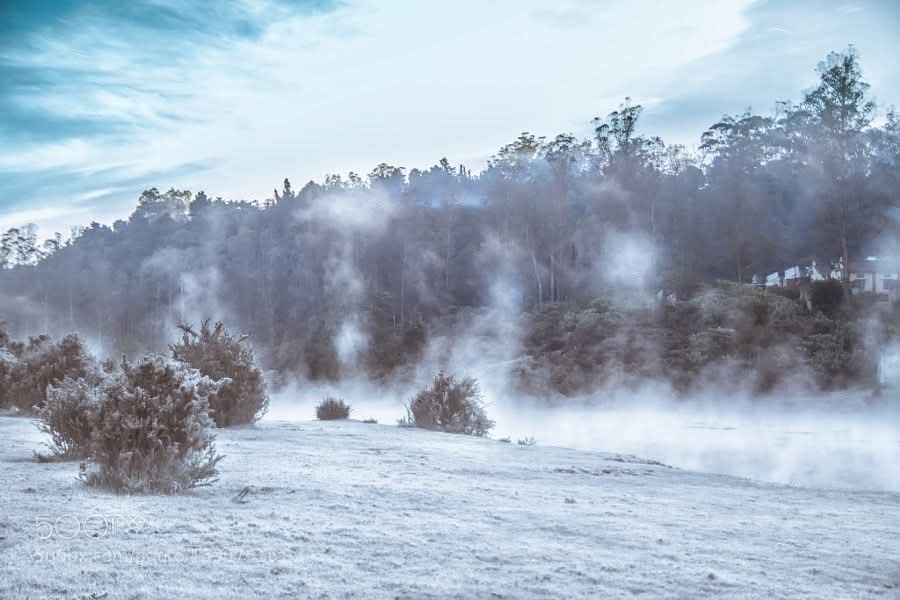
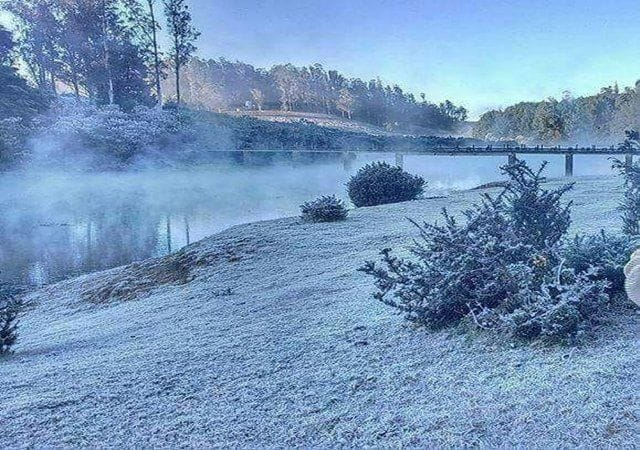
When overnight temperatures drop sharply after clear skies, moisture freezes into hard frost, coating grass, fields, rooftops, and even roads. For a brief window at dawn, parts of South India resemble a snow-draped hill station.
Talakunda: Where Snow in South India Felt Real
Talakunda—also referred to as Thalaikundha or Halaikundha—lies just beyond Ooty and has become the epicentre of conversations around snow in South India.
The –1°C Moment That Changed Everything
In late December, Talakunda recorded an exceptional temperature drop to around –1°C, making it one of the coldest winter readings documented in the Nilgiris belt in recent years. For South India, this wasn’t just rare—it was historic.
At –1°C, moisture froze instantly after sunset, resulting in thick, crunchy frost rather than light dew. By dawn, the transformation was dramatic:
Grasslands appeared white
Footsteps crunched under ice
Breath became visible
Mist hovered over a frozen countryside
Talakunda touching –1°C caused heavy frost that visually resembled snowfall, making it South India’s closest real-world “snow” experience in recent years.
This is why search terms like snow in Talakunda, halaikundha snowfall, nilgiris snowfall, Ooty thalakundha minus 1 degree, and even snow in Ooty today surged overnight.
Talakunda Temperature vs Ooty Temperature
Many travellers assume Ooty itself experiences this cold. In reality:
Ooty town typically stays above freezing
Talakunda, being more exposed and slightly higher, drops lower
Frost forms only during specific cold waves, not daily
This explains why snow in Ooty searches often lead people to Talakunda instead.
Best Time to See Talakunda’s Snow-Like Frost
This experience is extremely time-sensitive.
Best months: Late December to mid-January
Best time: 5:30–7:30 am
Ideal conditions: Clear skies after a cold night
By mid-morning, sunlight melts the frost completely—making Talakunda a classic arrive-early-or-miss-it destination.
How to Reach Talakunda
Distance from Ooty: ~5–6 km
Route: Ooty → Fingerpost → Ooty–Pykara Road
Travel tip: Use local taxis; avoid pre-dawn self-driving during frost
During extreme cold spells, authorities may temporarily restrict access due to icy roads, so checking local advisories is essential.
Where to Stay Near Talakunda
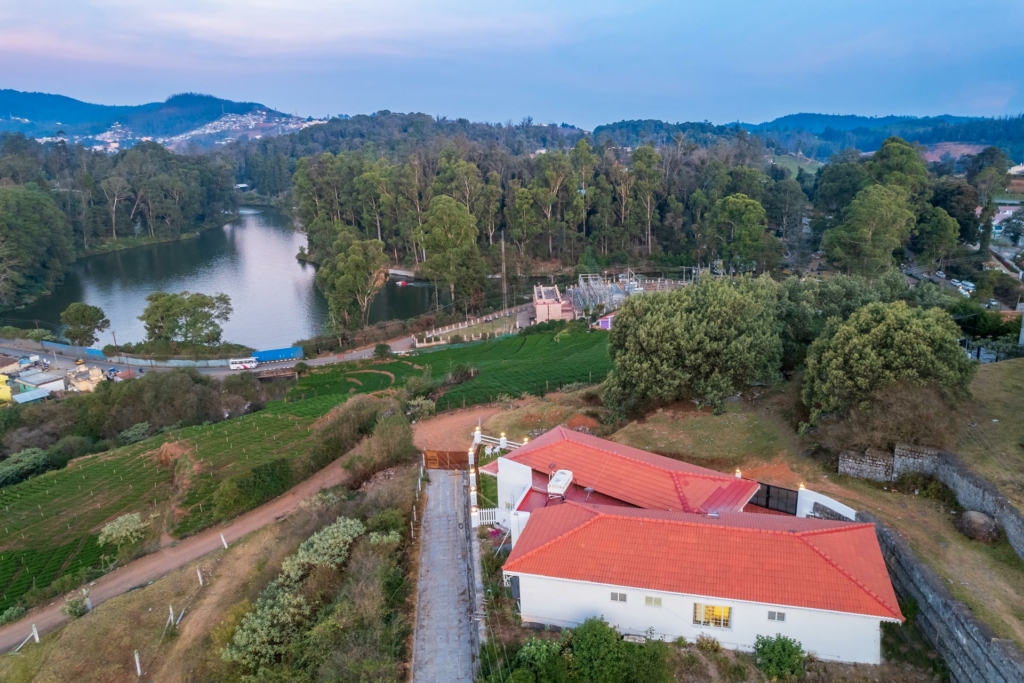
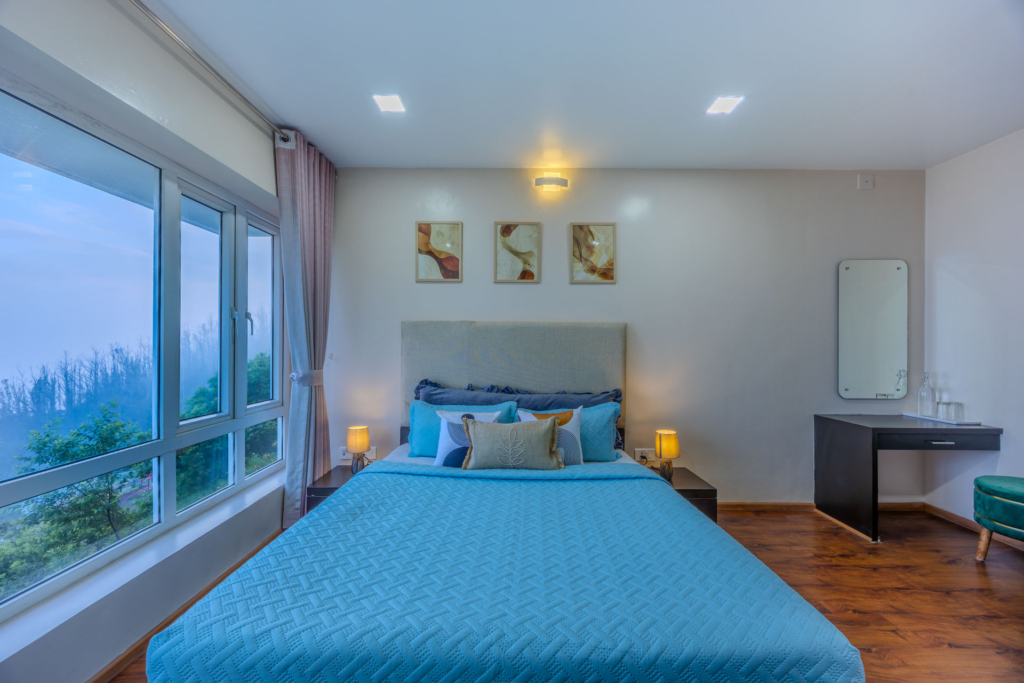
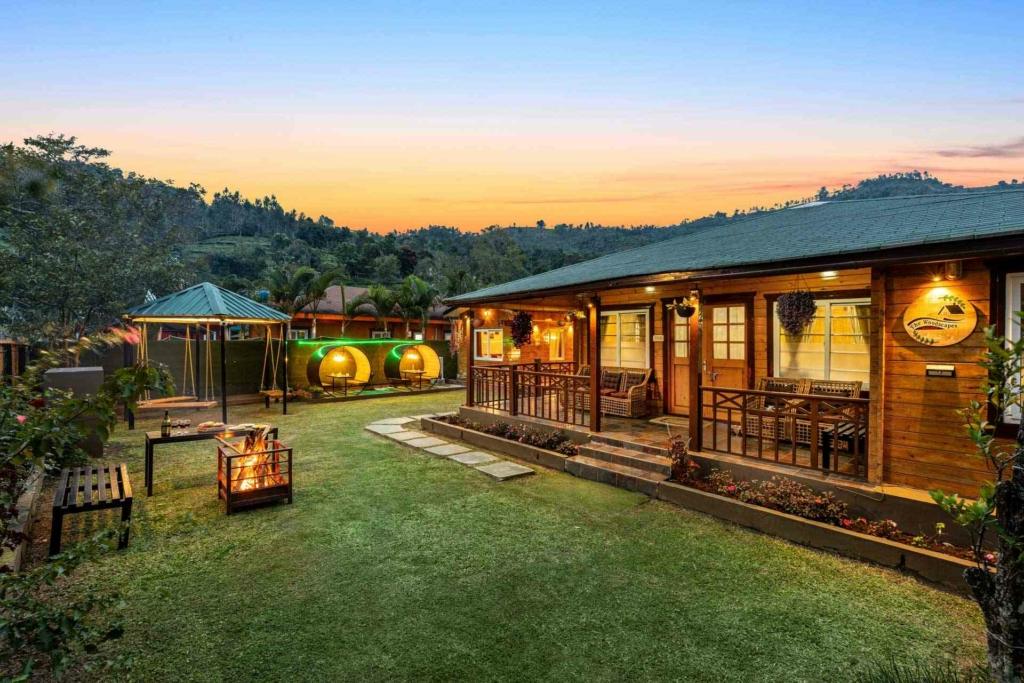
Staying in warm, well-insulated villas or heritage homes around Ooty allows you to step out early and return to comfort once the frost melts.
Lambasingi: Andhra Pradesh’s Answer to Snow in South India
Lambasingi, often called the Kashmir of the South, sits in the Eastern Ghats and offers one of the most consistent winter experiences associated with snow in South India.
Lambasingi Temperature & Frost Reality
During peak winter:
Temperatures drop to 0–2°C
Heavy dew freezes into visible frost
Dense fog blankets the village at sunrise
While Lambasingi does not receive snowfall, the combination of frost + fog + near-zero temperatures creates a convincing alpine illusion.
Lambasingi doesn’t get snow, but winter frost and fog make it South India’s most reliable snow-like destination.
Best Time to Experience Lambasingi’s Winter Magic
Season: December to January
Best hours: 6–8 am
Why it works: Frost here is more predictable than Talakunda
This reliability is why Lambasingi snowfall and Lambasingi snowfall time remain consistently searched every winter.
A Winter Itinerary for Lambasingi
To experience Lambasingi at its best:
Sunrise walk through frost-covered fields
Foggy viewpoints for photography
Coffee plantation strolls in crisp air
Slow breakfasts as mist lifts
Unlike Talakunda, Lambasingi allows for a more relaxed, unhurried winter itinerary.
Talakunda vs Lambasingi: Which Is Better for Snow in South India?
Factor
Talakunda
Lambasingi
Lowest recorded temps
❄️ –1°C
❄️ ~0–2°C
Frost intensity
Very high (rare)
Moderate & frequent
Planning ease
Weather-dependent
More predictable
Crowd levels
High during viral days
Relatively calmer
For extreme cold seekers: Talakunda For dependable winter vibes: Lambasingi
Practical Tips for Chasing Snow in South India
Dress in thermal layers, gloves, and caps
Wear footwear with a strong grip
Avoid night or pre-dawn driving in frost zones
Respect the forest department and local advisories
FAQs: Snow in South India
Where can I see snow in South India?
You can experience snow-like frost in Talakunda (near Ooty) and Lambasingi (Andhra Pradesh) during winter mornings.
Is it real snow or frost?
It is frost, not snowfall—but visually similar.
Does it snow in Ooty?
No. Frost forms in nearby Talakunda, not in Ooty town.
Which place is colder: Talakunda or Lambasingi?
Talakunda has recorded lower extremes (–1°C), while Lambasingi offers steadier winter cold.
Snow in South India isn’t about snowstorms—it’s about witnessing a rare moment when winter bends the rules. From Talakunda’s icy dawns to Lambasingi’s fog-wrapped mornings, these places prove that even the tropics can surprise you.
Time it right, plan smartly, and let South India show you its most unexpected side of winter.
They may say that I talk too much, but hey, that’s the extrovert life (think Hermione trying to explain Hogwarts History to fellow witches and wizards). When I’m not chatting travel dreams into existence, I’m brewing up blog adventures for StayVista. With chai in one hand and wanderlust in my heart; travelling and shaping vacation concepts into great itineraries is something that thrills me. Writing a perfectly planned getaway for someone? It’s like sharing a delicious box of Bertie Bott’s Every-Flavour Beans – you never know what reaction you’ll get (but hopefully, mostly happy surprises!). So, buckle up fellow explorers, and grab your broomsticks – because we’re off to explore somewhere incredible with every post!