
South India Travel Guide March 2026: Best Places, Festivals & Itineraries
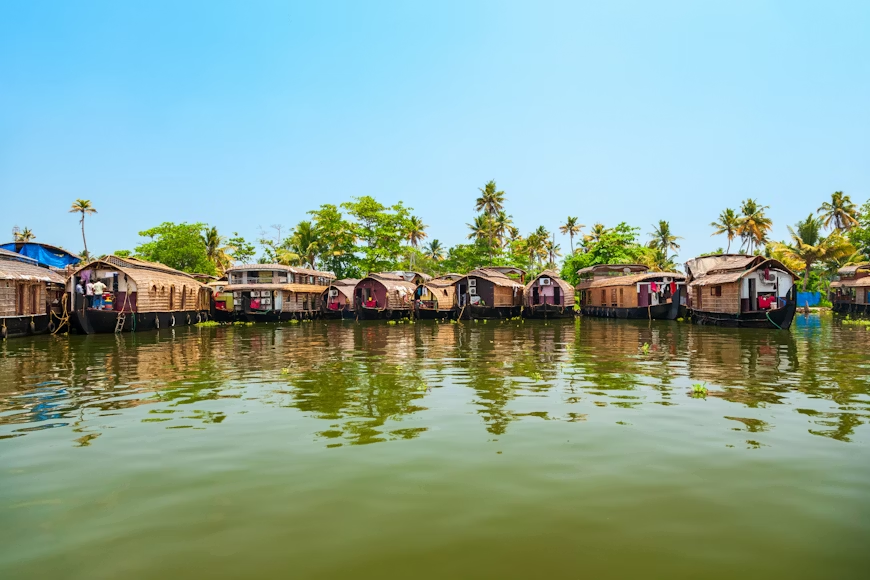
A South India travel guide for March 2026 highlights destinations with manageable pre-summer weather, cultural festivals, and diverse landscapes across Kerala, Tamil Nadu, Karnataka, Andhra Pradesh, and Telangana. Popular choices include hill stations such as Munnar and Coorg, heritage sites like Hampi and Madurai, coastal towns including Kochi and Varkala, and seasonal events like temple car festivals and Maha Shivaratri celebrations.
In this Blog
Why Visit South India in March?
March marks the transition from winter to early summer in South India. While daytime temperatures gradually increase in the plains, hill stations and coastal regions remain comfortable for travel.
Key reasons March is popular among travellers:
- Temperatures typically range between 20°C and 33°C
- Hill stations remain cool compared to northern India
- Wildlife safaris improve as animals gather around water sources
- Several temple festivals and cultural celebrations take place
- Clear skies make sightseeing and photography easier
Because the monsoon is still months away, travel disruptions due to rainfall are minimal.
Which Are the Best Places to Visit in South India in March?
The best destinations combine pleasant climate, cultural attractions, and accessibility. Many travellers prioritise hill stations, heritage towns, and coastal cities during this time.
Top destinations in March
| Destination | State | Why Visit in March |
| Munnar | Kerala | Tea estates, cooler temperatures, scenic viewpoints |
| Coorg | Karnataka | Coffee plantations, waterfalls, trekking routes |
| Hampi | Karnataka | UNESCO-listed ruins and open landscapes |
| Madurai | Tamil Nadu | Temple architecture and cultural heritage |
| Kochi | Kerala | Colonial neighbourhoods, art spaces, backwater access |
| Puducherry | Tamil Nadu / UT | French quarters, seaside promenades, cafés |
These destinations represent a balanced South India itinerary with culture, nature, and coastal experiences.
What Festivals Happen in South India in March 2026?
March hosts several significant religious and cultural festivals across South India. Many are linked to lunar calendars, so dates vary slightly each year.
Major festivals in March
1. Maha Shivaratri Celebrations
Observed across temples in Tamil Nadu, Karnataka, and Andhra Pradesh, with night-long prayers and special rituals.
2. Temple Car Festivals (Rathotsavam)
Large temple chariots carrying deities are pulled through the streets in towns like Kanchipuram and Tirupati.
3. Hampi Utsav (depending on yearly schedule)
A celebration of local heritage with folk music, dance performances, and craft markets around the ruins of Hampi.
4. Ugadi Preparations
Late March often sees markets and temples preparing for Ugadi celebrations in Karnataka, Telangana, and Andhra Pradesh.
These festivals provide a deeper cultural context beyond sightseeing.
How to Plan a South India Itinerary for March
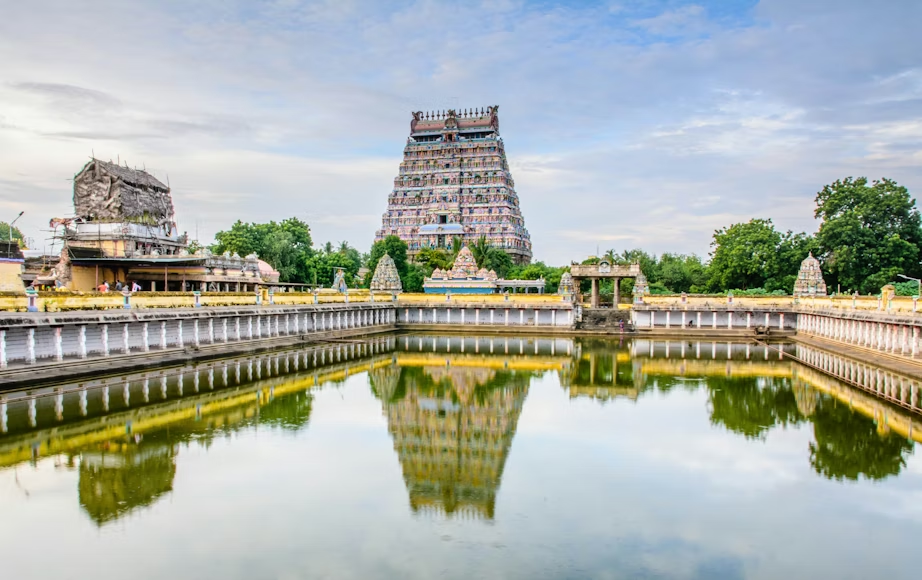
South India covers a vast geographic area, so focusing on one state or region per trip helps reduce travel fatigue.
Common South India travel routes
1. Kerala Nature Circuit (6–8 days)
- Kochi
- Munnar
- Thekkady
- Alappuzha
2. Tamil Nadu Heritage Route (5–7 days)
- Chennai
- Mahabalipuram
- Puducherry
- Madurai
3. Karnataka Culture & Nature Route (6–8 days)
- Bengaluru
- Mysuru
- Coorg
- Hampi
These routes cover major highlights while keeping travel distances manageable.
How Is the Weather in South India in March?
Weather patterns vary across coastal, inland, and mountain regions.
| Region | Average Temperature | Travel Conditions |
| Kerala Coast | 24–32°C | Warm with moderate humidity |
| Tamil Nadu Plains | 25–34°C | Hot afternoons |
| Hill Stations (Munnar, Coorg, Ooty) | 17–26°C | Pleasant and breezy |
| Interior Karnataka | 22–33°C | Dry and sunny |
Hill stations remain the most comfortable locations during March afternoons.
Which Hill Stations Are Best to Visit in March?
Hill stations provide relief from rising temperatures in the plains.
Recommended hill destinations:
- Munnar – rolling tea estates and viewpoints
- Coorg – coffee plantations and forest trails
- Ooty – colonial architecture and botanical gardens
- Kodaikanal – lakes, cliffs, and pine forests
March typically offers clearer skies before the haze of peak summer begins.
Which Beaches Are Best in South India in March?
Coastal destinations remain attractive during early summer.
Popular beach destinations include:
- Kovalam – lighthouse viewpoints and crescent beaches
- Varkala – cliffside cafés overlooking the sea
- Gokarna – quieter beaches compared to Goa
- Puducherry – promenade walks and sunrise views
Early mornings and evenings are the most comfortable times for beach exploration.
Wildlife Safaris in South India During March
March is often considered a strong wildlife viewing period because animals move closer to water sources.
Key wildlife reserves include:
- Bandipur National Park – elephants, deer, and tiger habitat
- Periyar Tiger Reserve – boat safaris on Periyar Lake
- Nagarhole National Park – leopards, elephants, and birdlife
- Mudumalai National Park – part of the Nilgiri biosphere
Safaris typically operate in early morning and late afternoon time slots.
Travel Tips for Visiting South India in March
A few practical considerations help travellers navigate the region comfortably.
Key travel tips
- Book hill station stays early as temperatures rise in the plains
- Carry breathable cotton clothing and sunscreen
- Stay hydrated when visiting temple towns or ruins
- Plan long drives early in the morning to avoid afternoon heat
- Check festival dates before booking travel
These steps improve comfort and help avoid seasonal travel challenges.
How Many Days Are Ideal for a South India Trip?
Trip duration depends on how many destinations or states travellers want to explore.
| Trip Length | Suggested Coverage |
| 4–5 days | One city and nearby hill station |
| 6–8 days | One state itinerary |
| 10–14 days | Multi-state South India exploration |
Many travellers combine coastal Kerala with hill stations or heritage towns with wildlife reserves for a balanced experience.
Frequently Asked Questions (FAQs)
Yes. March offers mostly dry weather and clear skies across South India. While afternoons can become warm in some cities, hill stations, wildlife parks, and coastal destinations remain comfortable for travel.
Kerala and Karnataka are often preferred because they combine hill stations, wildlife reserves, and cultural sites. Kerala offers backwaters and beaches, while Karnataka features heritage locations like Hampi and coffee landscapes in Coorg.
Most travellers plan 6–8 days for one state or 10–14 days for multiple states such as Kerala, Tamil Nadu, and Karnataka.
Tourism levels are moderate. Hill stations and heritage destinations receive visitors, but crowds are generally lower than the December holiday season.
Light cotton clothing is recommended for most regions. Travellers visiting hill stations should pack a light jacket because evenings can still be cool.
Yes. March is a favourable wildlife viewing month because animals frequently gather near water sources. Parks such as Bandipur and Nagarhole often report good sightings.
Yes. Many travellers pair destinations such as Kochi and Varkala with nearby hill stations like Munnar or Wayanad, which are typically 4–6 hours apart by road.
Banner Image Credit: getty images via Unsplash