

India’s Highest Railway Bridge Is Now Open | Srinagar-Katra-Udhampur Rail Route
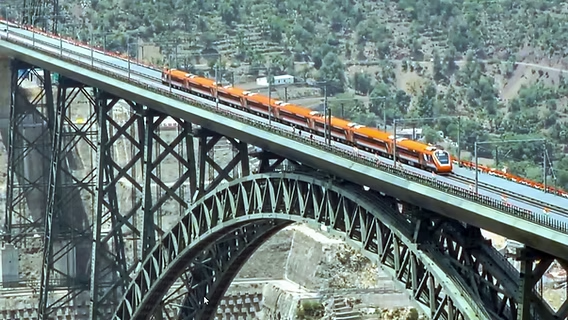
India’s highest railway bridge, the Chenab Rail Bridge, is now operational as part of the Srinagar–Katra–Udhampur rail route, enabling direct rail connectivity between the Kashmir Valley and the rest of India. This route completes a key segment of the Udhampur–Srinagar–Baramulla Rail Link, allowing all-weather train travel to Srinagar via Katra and Udhampur.
In this Blog
What is the Srinagar–Katra railway route and why is it important for India?
The Srinagar–Katra railway route is a strategic rail corridor in Jammu and Kashmir that connects the Kashmir Valley with India’s national rail network through Jammu. It significantly improves year-round accessibility to the region, which was earlier dependent on weather-sensitive road routes.
Why this route is nationally significant:
- Enables all-season rail access to Srinagar
- Reduces dependence on the Jammu–Srinagar highway
- Strengthens economic, tourism, and logistical movement
- Improves mobility for residents and pilgrims
What makes the Chenab Rail Bridge India’s highest railway bridge?
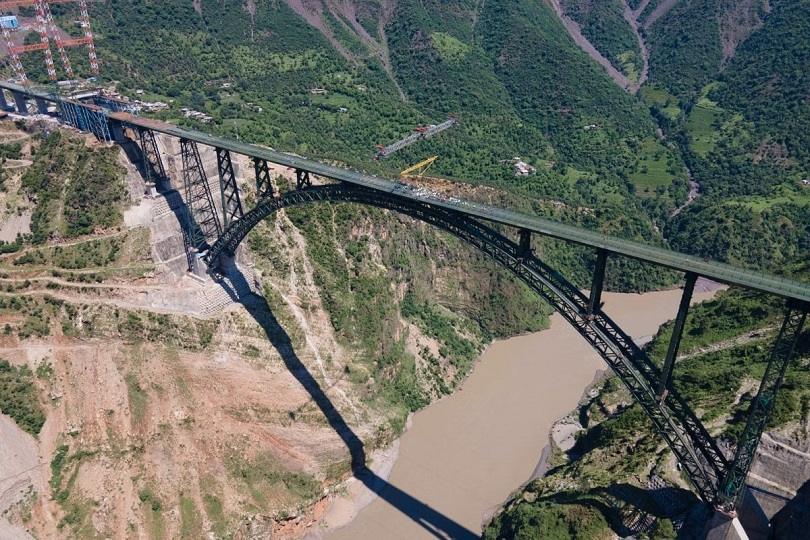
The Chenab Rail Bridge is a landmark structure spanning the Chenab River in the Reasi district of Jammu and Kashmir. It is the tallest railway bridge in India and a critical component of the Srinagar–Katra railway route.
Key facts at a glance:
- Tallest railway bridge in India
- Located between Katra and Banihal sections
- Designed for high wind speeds and seismic activity
- Integral to uninterrupted rail connectivity to the Kashmir Valley
How does the Srinagar–Katra–Udhampur rail route work?
This rail corridor links Srinagar with Katra and Udhampur, from where trains integrate with India’s main railway network.
Route structure explained:
- Trains operate from Srinagar through south Kashmir
- Pass through tunnels and bridges across the Pir Panjal range
- Reach Katra and Udhampur stations
- Connect onward to Jammu, Delhi, and other Indian cities
This configuration allows long-distance rail travel without seasonal interruptions.
Is the Srinagar–Katra railway route operational for passengers?
Yes. The Srinagar–Katra railway route has been commissioned following safety approvals, with passenger services being introduced in phases.
Current operational status:
- Core infrastructure fully completed
- Safety certifications granted
- Passenger services scaled gradually for reliability
Does Vande Bharat trains run on the Srinagar–Katra railway route
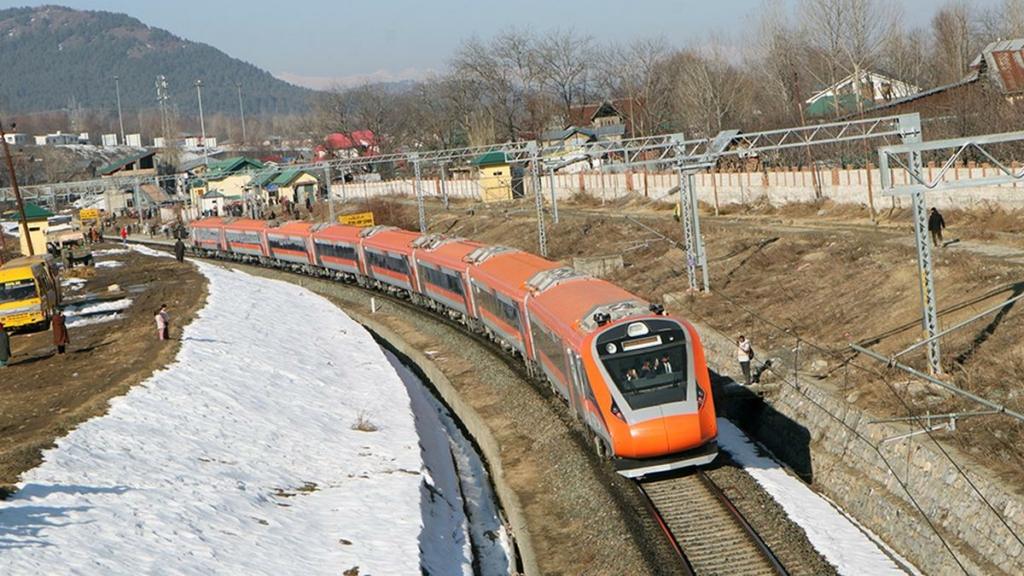
Yes. Vande Bharat trains are planned for operation on the Srinagar–Katra railway route, marking the first deployment of semi-high-speed trains in the Kashmir Valley.
What this means for passengers:
- Faster travel times between Srinagar and Katra
- Modern, climate-controlled coaches suitable for cold weather
- Improved onboard comfort for long-distance travellers
- Enhanced connectivity for tourism and pilgrimage traffic
These trains are designed specifically to handle the region’s temperature variations and terrain conditions.
How does the Srinagar–Katra rail route compare to road travel?
Rail travel offers significantly higher reliability than road routes, especially during winter and monsoon seasons.
| Factor | Rail Route | Road Route |
| Weather dependency | Low | High |
| Seasonal closures | Rare | Frequent |
| Winter accessibility | Reliable | Limited |
| Travel consistency | High | Variable |
Which tourist places become more accessible via this rail route?
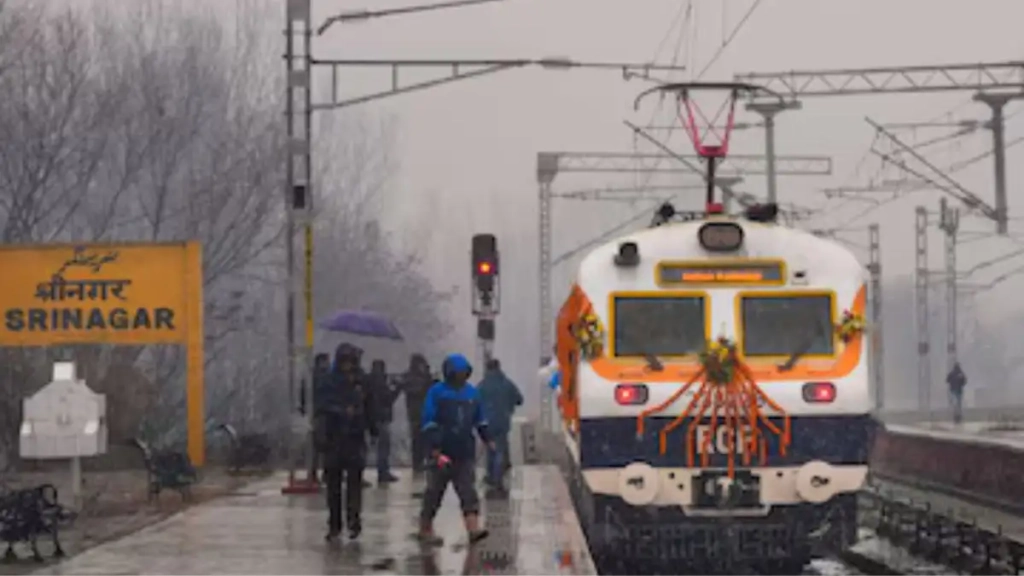
The route improves access to major tourist destinations across Jammu and Kashmir by reducing travel uncertainty. For travellers visiting Srinagar and beyond, this route opens doors to cultural sites, nature, lakes and stays
Key tourist hubs connected or supported by this route:
Srinagar — Cultural & Scenic Hub
- Heritage sites: Shankaracharya Hill, Hazratbal Shrine
- Gardens: Mughal Gardens (Shalimar Bagh, Nishat Bagh)
- Lakes: Dal Lake and Nigeen Lake (shikara rides, lakeside views)
Rail connectivity now ensures year-round ease of access to these sights from Katra/Udhampur/Delhi.
Katra — Pilgrimage & Gateway Town
- Base town for Vaishno Devi Shrine, one of India’s most visited pilgrimage routes
- Markets and local cuisine catering to pilgrims and travellers
Gulmarg (via Srinagar) — Alpine Meadow & Adventure
- Skiing, gondola rides, meadows, and winter sports
- Connected by road from Srinagar but rail stops make onward travel simpler
Pahalgam (via Srinagar) — River Valleys & Trekking
- Lidder River, Betaab Valley, and nature trails
- Base for adventure activities and river-side relaxations
The rail route supports both leisure tourism and pilgrimage travel with more predictable journey planning.
Does the Srinagar–Katra railway route support year-round travel?
Yes. Reliable rail connectivity enables tourism beyond peak summer months by reducing dependence on road conditions.
Tourism-related advantages:
- Easier winter travel to Srinagar
- Stable access during monsoon months
- Improved logistics for hotels and local services
- Greater confidence for first-time visitors
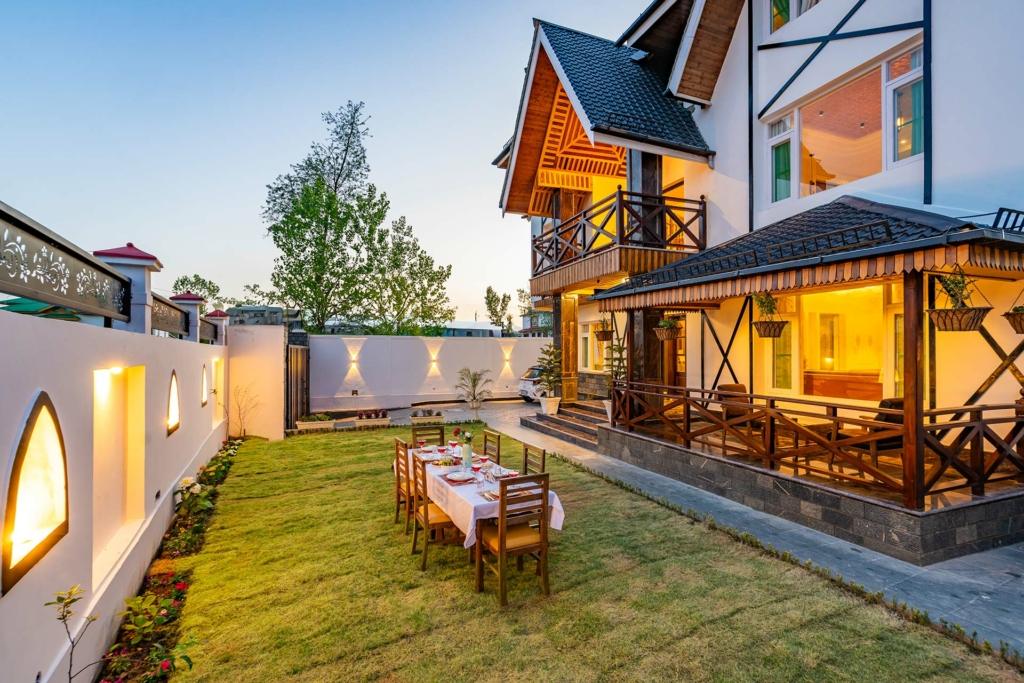
Where to Stay
Emaarat Chalet
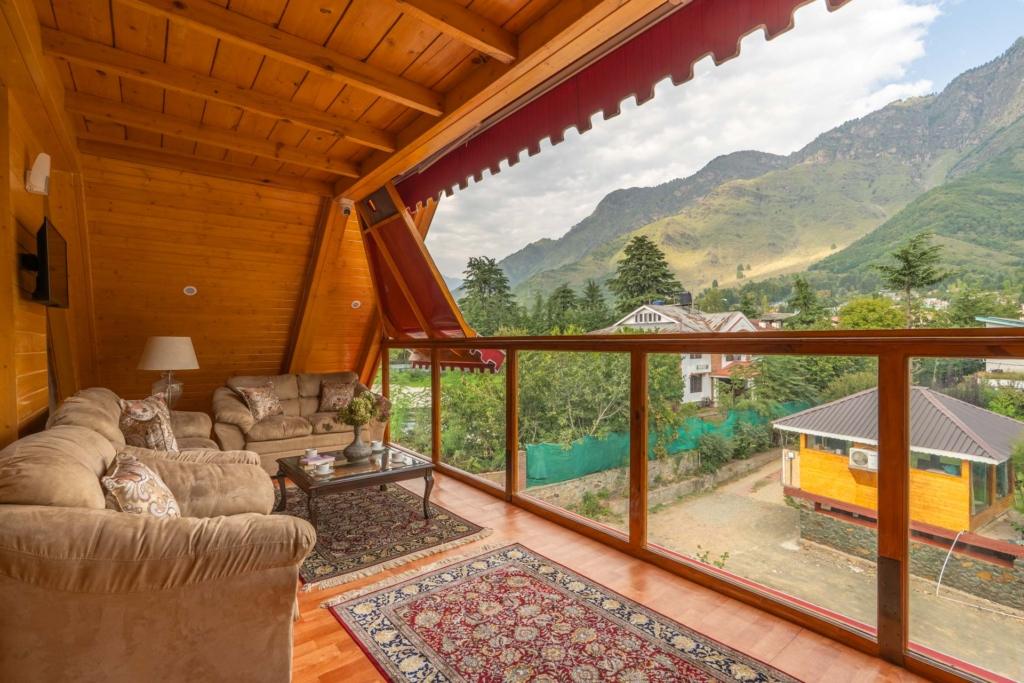
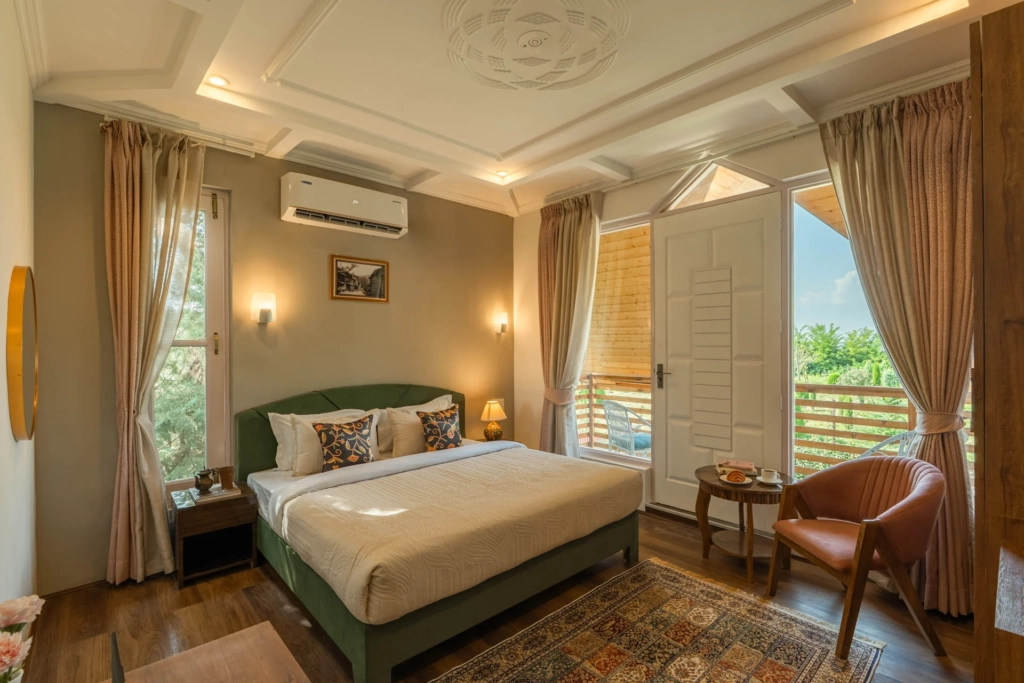
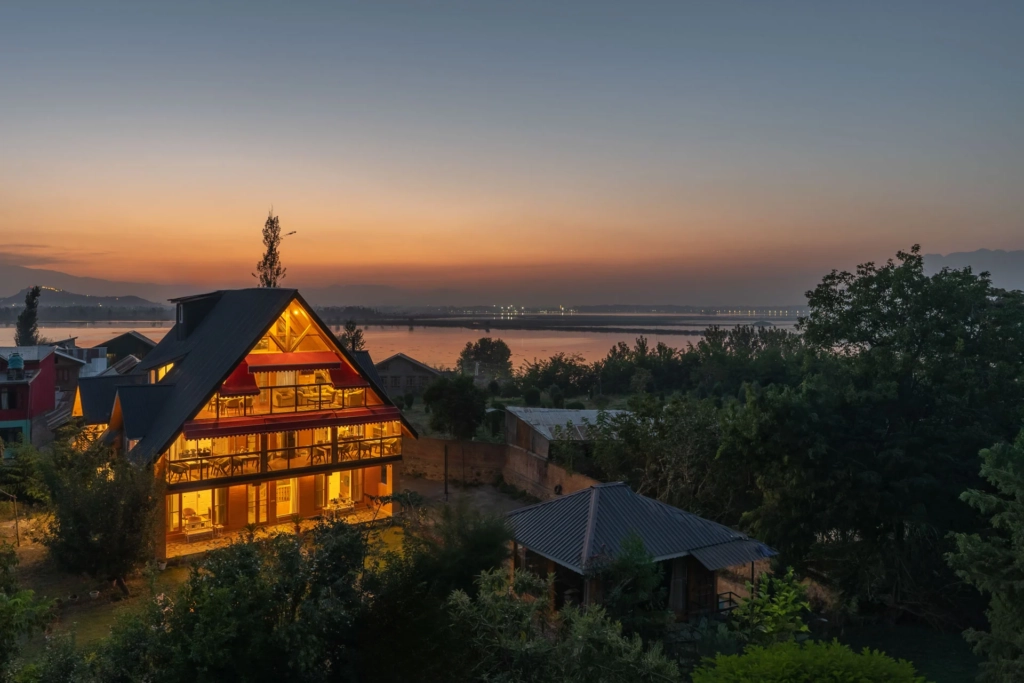
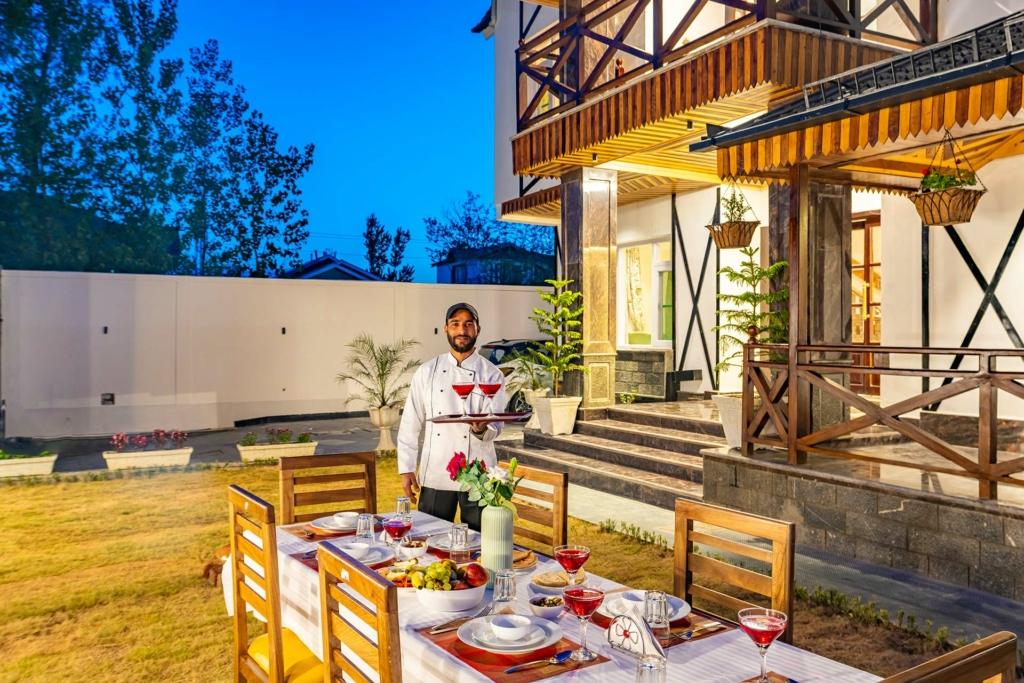
Gauhar

What should travellers know before planning a train journey on this route?
Travellers should monitor official railway schedules and seasonal advisories, especially during the initial phase of expanded services.
Practical guidance:
- Check train availability from Katra or Udhampur
- Book tickets early during holiday and pilgrimage seasons
- Expect standard security protocols at major stations
Frequently Asked Questions
Yes. The Srinagar–Katra railway route is operational, with passenger train services being rolled out in phases after safety clearances.
The Chenab Rail Bridge in Jammu and Kashmir is India’s highest railway bridge and part of the Srinagar–Katra railway route.
Yes. Vande Bharat trains are planned to operate on the Srinagar–Katra route, offering faster and more modern rail travel to the Kashmir Valley.
Yes. The rail route is designed for all-weather operations, making Kashmir accessible by train even during winter months
Does this route connect to Vaishno Devi?
Yes. Katra, the base for the Vaishno Devi shrine, is directly connected on the Srinagar–Katra railway route.
Rail travel is generally more reliable and less affected by weather disruptions compared to road routes in the region.
Yes. Passengers can travel from Delhi to Katra or Udhampur and continue onward to Srinagar via the railway route.