

Srinagar Turns Into a Sea of Tulips Every Spring; Here’s Exactly When to Go
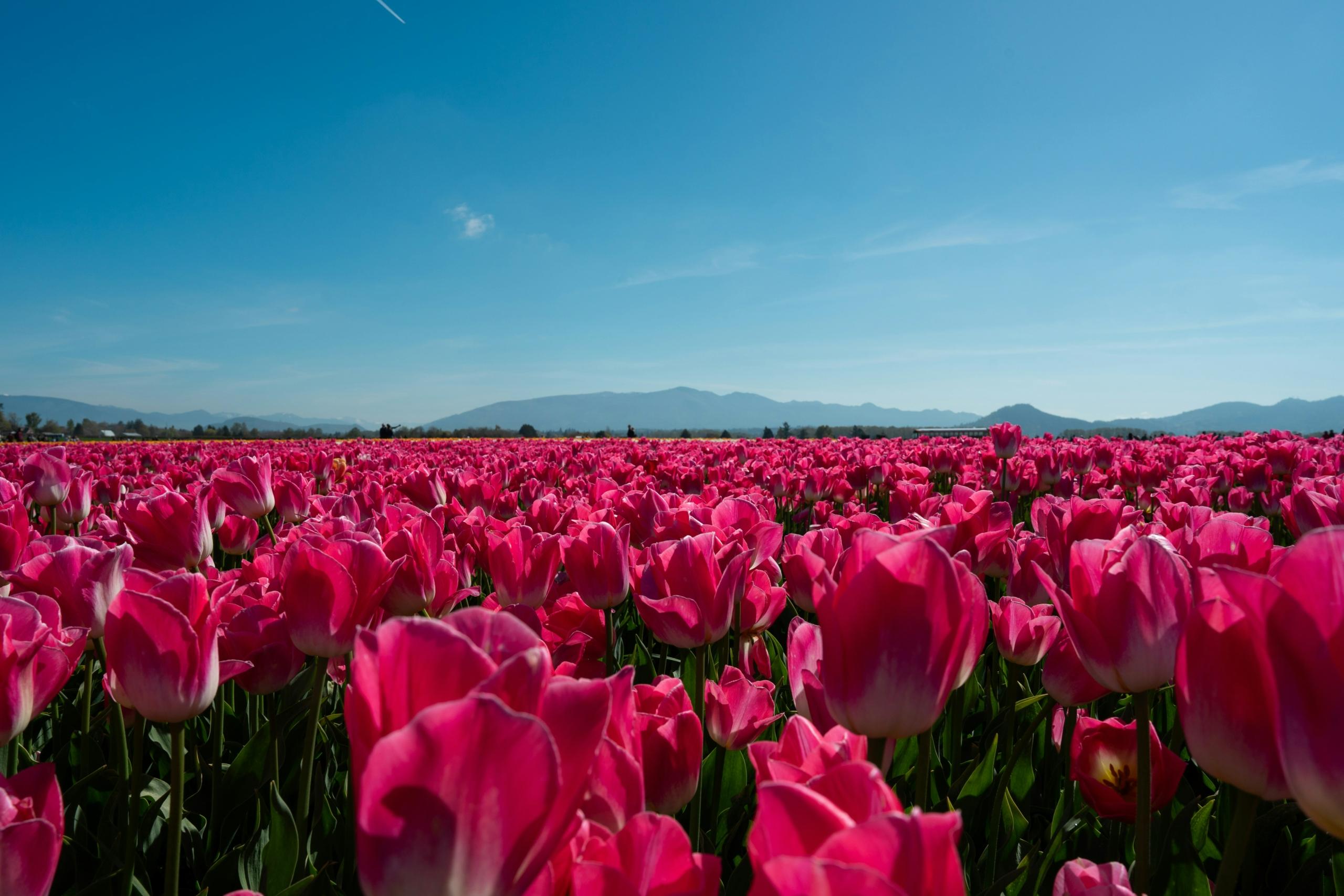
Every spring, Srinagar experiences a brief yet remarkable phase of planned floral activity that reshapes the city’s seasonal rhythm. The Tulip Festival in Srinagar in 2026 is not only about flowers in bloom; it is about timing, planning, and understanding how nature and people work together to create a limited-time seasonal festival.
Unlike year-round attractions, this festival exists for only a few weeks. The tulips follow a strict biological changes, influenced by soil temperature, daylight hours, and snowfall melt patterns from the surrounding mountains. Because of this, knowing the correct timing becomes essential for anyone planning a visit.

The festival is organised at the Indira Gandhi Memorial Tulip Garden, Asia’s largest tulip garden by area. The planning for each year starts months in advance, with bulb selection, staggered planting, and bloom prediction done carefully to ensure visitors can view flowers at different stages rather than all at once.
In this Blog
Srinagar Tulip Festival dates: Expected Timeline for 2026
The Srinagar Tulip Festival dates are announced closer to spring, but historical data helps estimate a reliable window. Based on previous years, the festival usually opens between the last week of March and the first week of April.
For the Tulip Festival in Srinagar in 2026, the most likely opening period is expected to fall between 23 March and 20 April 2026, depending on weather conditions in February and early March.
What makes this festival different from fixed-date events, is its flexibility. Authorities adjust the opening date after physically inspecting bud formation rather than relying only on the calendar. This approach ensures visitors see actual blooms rather than planted beds waiting to flower.

Best time to visit the Tulip Garden in Srinagar: Week-by-Week Bloom Guide
The Best time to visit the Tulip Garden in Srinagar depends on what a visitor wants to experience. Tulips do not bloom uniformly, and the garden is designed in terraces so that different sections reach peak bloom on different days.
Best time to visit the Tulip Garden in Srinagar
Early bloom:
During the first 5–7 days, early-blooming varieties appear. These are fewer in number but visually striking because of the colour contrast against still-cool spring surroundings. This phase suits visitors who prefer fewer crowds and softer colour patterns.
Peak bloom:
The second and third weeks are considered peak bloom. Nearly all tulip varieties open during this phase, creating dense colour coverage across terraces. This is when photography, guided walks, and cultural programmes are at their fullest.
Late bloom:
The final week highlights late-blooming and double-petaled tulips. While some early flowers may fade, the later varieties maintain structure and colour, providing a slightly different visual experience.
Kashmir Tulip Festival: Planning Beyond the Garden
The Kashmir Tulip Festival is designed to extend beyond the physical garden. While the tulips remain the centrepiece, the wider city adjusts its spring calendar to align with the event.
Local markets increase the availability of spring produce, traditional handicrafts see seasonal designs, and cultural evenings are organised at nearby venues. These additions help visitors understand how seasonal changes influence daily life in the region, rather than limiting the experience to a single site.
Importantly, the festival encourages shorter visits spread across weeks instead of crowding all visitors into one period. This balance helps maintain the garden’s quality while supporting sustainable tourism practices.
Nearby Attractions and Places to Visit Around the Tulip Festival in Srinagar in 2026
A visit planned around the Tulip Festival in Srinagar in 2026 becomes more meaningful when nearby locations are included without rushing.
Dal Lake

Located a short distance from the Tulip Garden, Dal Lake is best visited either early morning or late evening. During spring, the lake reflects snow-fed waters while local boat activity remains steady but calm. A short shikara ride after a garden visit balances walking fatigue.
Nishat Bagh

Nishat Bagh lies close to the Srinagar Tulip festival venue and fits easily into the same day’s plan. Its terraced design complements the Tulip Garden experience, offering a different perspective on structured planting without repeating the same visuals.
Shalimar Bagh
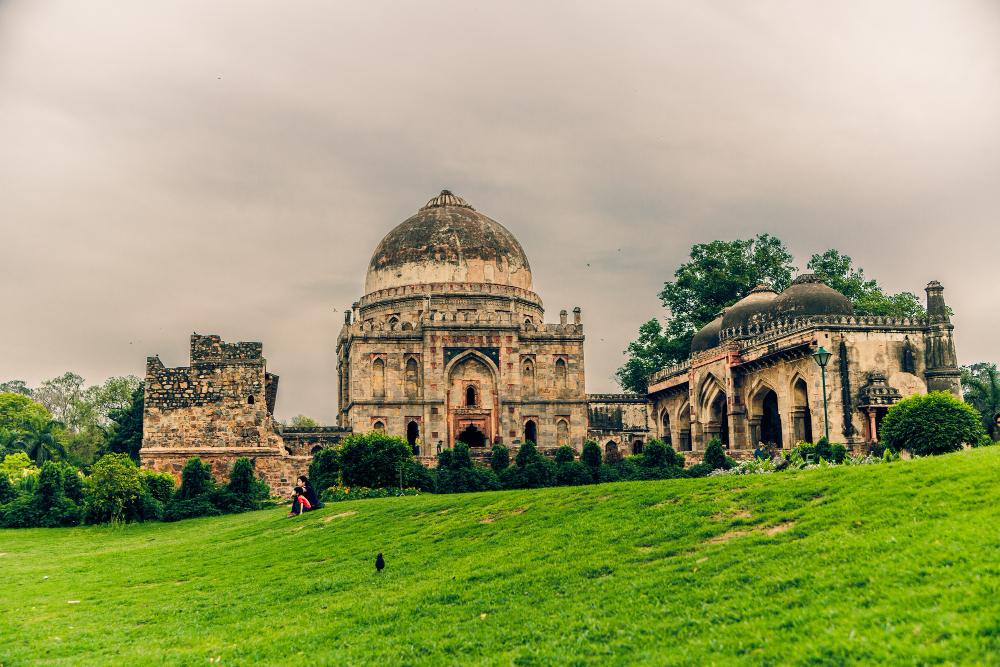
Shalimar Bagh showcases Mughal-era garden planning. Visiting it during the Kashmir Tulip Festival period adds historical context to the region’s long relationship with ornamental plants and water channels.
Hazratbal Shrine and Srinagar Spring Visits

Located near Dal Lake, Hazratbal Shrine is often visited quietly during spring mornings. Its location allows a calm stop before or after the Tulip Garden visit without affecting the day’s pace.
Weather in Srinagar: Spring Conditions During the Festival
Understanding the weather in Srinagar during the festival period helps with packing and daily planning. Spring weather in the city remains cool but stable. Daytime temperatures usually range between 12°C and 18°C, while evenings can drop to 5°C–8°C. Light rainfall may occur occasionally, but prolonged rain is uncommon during peak bloom weeks. The weather in Srinagar during this time supports slow walking, extended outdoor visits, and photography without harsh sunlight or heavy winds.

The weather in Kashmir directly influences bloom timing. Snowfall levels in January and February determine soil moisture, while March sunshine hours affect bud opening speed.A warmer-than-usual early March can shift the Srinagar Tulip Festival dates earlier by a few days. Conversely, extended cold spells may delay opening slightly. This is why official announcements usually come only two weeks before the festival begins.
Villa in Srinagar & Kashmir: Choosing the Right Stay for Festival Visits
Staying close to the garden can significantly improve the experience. Booking a villa in Srinagar allows flexible visit timings, especially for early morning or late afternoon garden walks.
For those planning extended visits, a villa in Kashmir outside central Srinagar can be practical. These stays provide easy access to the city while offering open surroundings suited to spring weather.
Some popular villas to stay in Kashmir
Emaarat Chalet
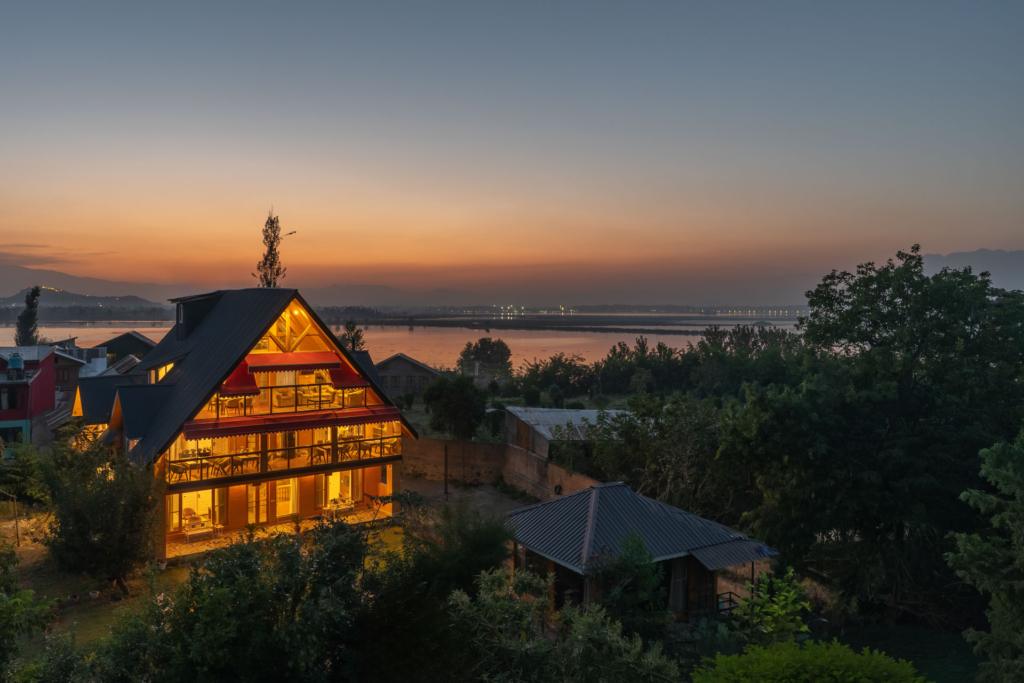

Emaarat Chalet in Srinagar is a serene luxury retreat set against stunning views of Dal Lake and the Zabarwan Mountains. With earthy, elegant interiors, a manicured lawn with a gazebo, and cosy spaces for bonfires, barbecues, and indoor games, it’s a perfect blend of nature, comfort, and quiet indulgence.
- Lawn
- Gazebo
- Barbecue Grill
- Bonfire
- Board Games
Buhayra Lakefront

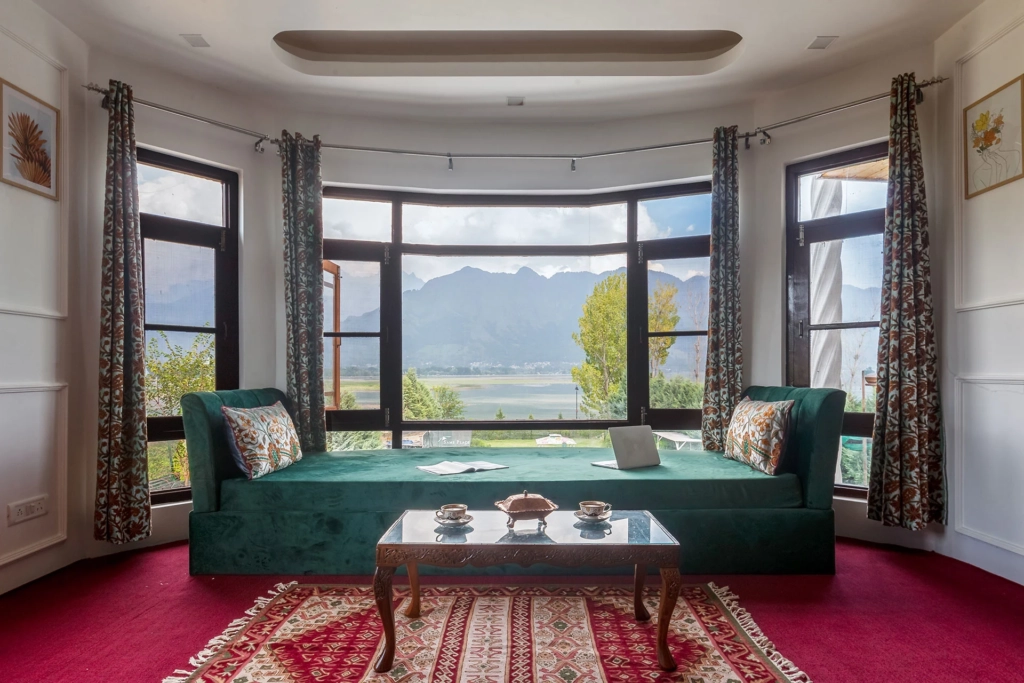
Set along the undisturbed banks of Dal Lake, Buhayra Lakefront is a colonial-style villa that beautifully reflects Kashmir’s rich heritage. With sunlit interiors, Kashmiri wooden accents, and a serene lawn with a gazebo overlooking drifting shikaras, it offers a peaceful escape steeped in culture and natural beauty.
- Fireplace
- Barbecue Grill
- AC Bedrooms
- Bonfire
- EV Charging Station
The Dewan Bagh
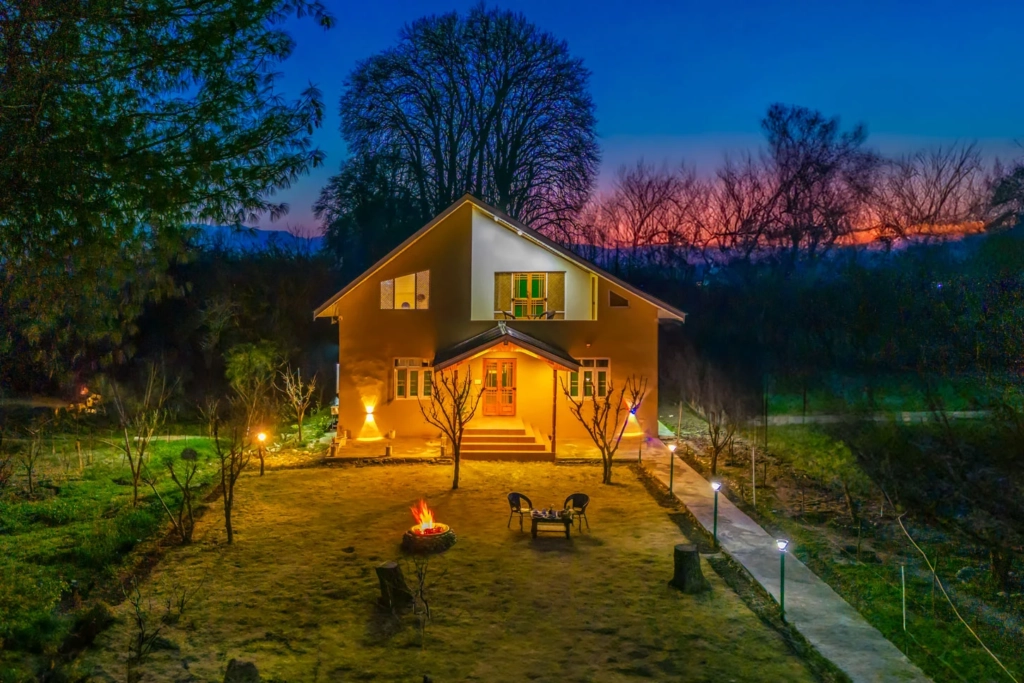

Just 25 km from Srinagar, The Dewan Bagh – Ganderbal is a charming rustic cottage that blends modern comfort with Kashmiri heritage. Surrounded by fruit orchards and set beside a gentle river, its warm wooden interiors, cosy fireplace, and open lawns create a peaceful retreat for slow, memorable moments.
- Garden
- Mountain View
- Fireplace
- Bonfire
- Heater
Maryam Cottage
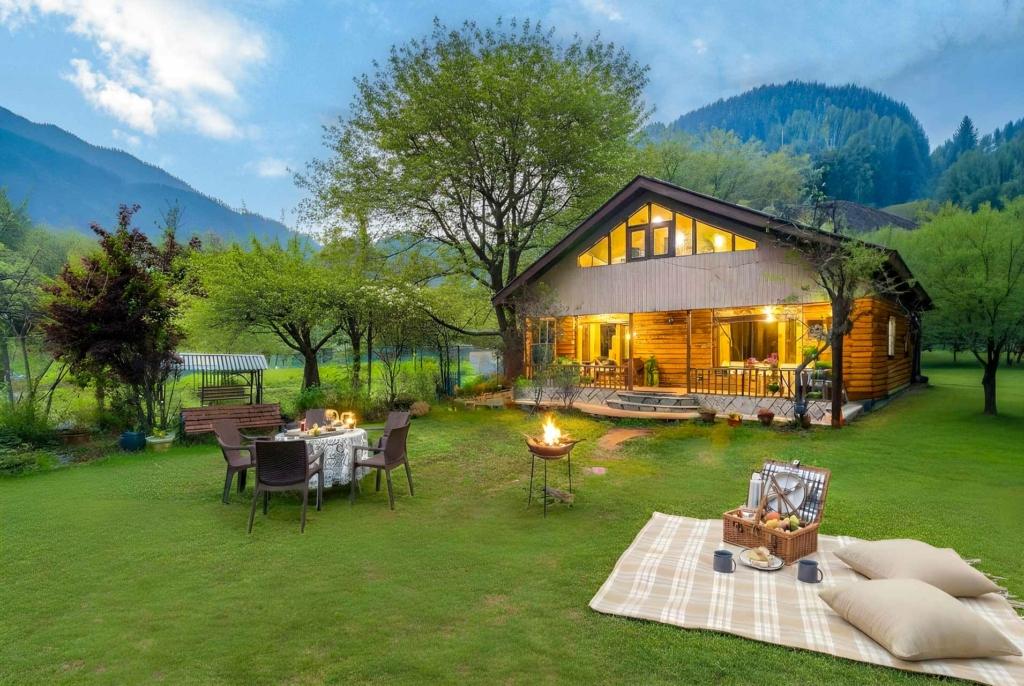

Tucked away in the scenic beauty of Pahalgam, Maryam Cottage is a charming homestay that blends traditional Kashmiri warmth with serene natural surroundings. With a manicured lawn, river-view terrace, and interiors rich in local décor, it’s a peaceful retreat for travellers seeking comfort, culture, and quiet moments in the heart of Kashmir.
- Barbecue Grill
- Bonfire
- Alfresco Dining
- Pet-friendly
- Heater
Water’s Edge
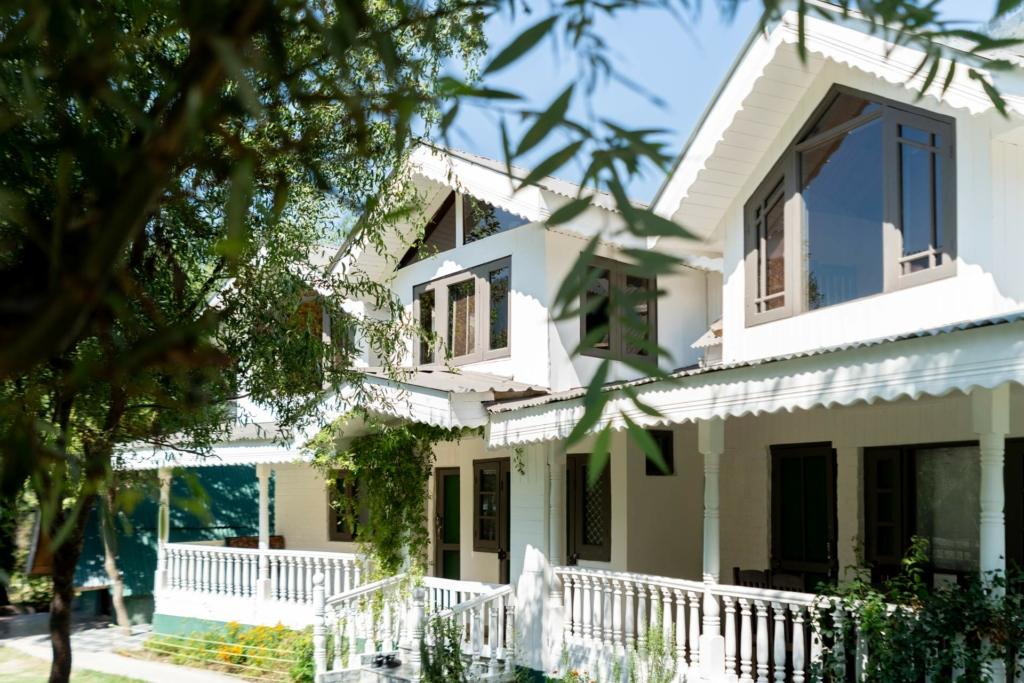

Situated in Kashmir’s rolling hills and serene valleys, Water’s Edge is a postcard-perfect mountain retreat where nature sets the mood. With charming wooden interiors, calming streamside views, and cosy outdoor spaces for tea by the water or bonfires under the stars, this villa promises a truly soul-soothing escape.
- Lawn
- Forest View
- Meals Available
- Barbecue Grill
- Bonfire
Alpha and Peek A Boo
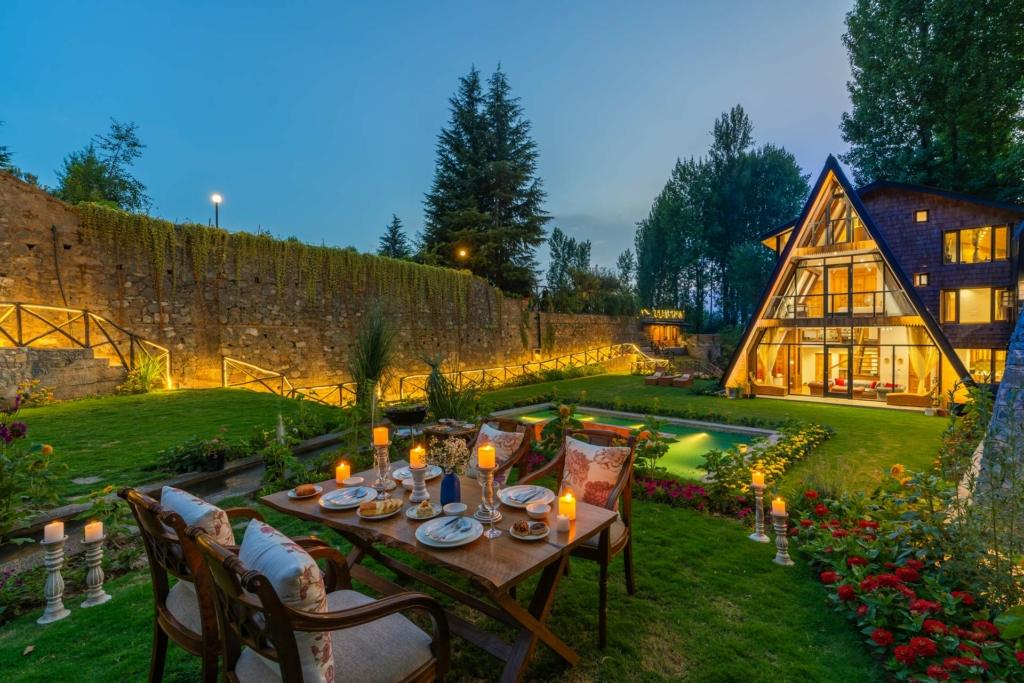

Hidden in Srinagar’s mountains, Alpha and Peek a Boo is a charming 9-bedroom retreat spread across two units, offering sweeping views and a peaceful escape from the everyday. With cosy interiors, playful common spaces, and balconies that peek into Dal Lake, this sanctuary invites you to slow down, unwind, and soak in the magic of the mountains.
- Lawn
- Mountain View
- Barbecue Grill
- Bonfire
- Board Games
Tulip Festival in Srinagar in 2026: Practical Tips for First-Time Visitors
Understanding logistics is essential for enjoying the Tulip Festival in Srinagar in 2026 fully.
- Visit the garden early in the morning for clearer views and shorter entry queues
- Wear layered clothing due to the changing weather in Srinagar
- Allocate at least two hours for the garden visit
- Check official announcements for updated Srinagar Tulip Festival dates
These small steps help visitors experience the festival comfortably and without rush.

Tulip Festival in Srinagar in 2026: Final Thoughts and Planning Advice
The Tulip Festival in Srinagar in 2026 is a time-bound experience shaped by climate, horticulture, and careful scheduling. Understanding bloom cycles, Srinagar Tulip Festival dates, and the Best time to visit the Tulip Garden in Srinagar ensures a well-planned visit.With supportive weather in Srinagar, structured flower planning, and multiple stay options such as a villa in Srinagar or a villa in Kashmir, the festival becomes more than a short visit; it becomes a seasonal highlight worth planning in advance.
FAQs
The Tulip Festival 2026 at the Indira Gandhi Memorial Tulip Garden in Srinagar is expected to run from 26 March 2026 to around 30 April 2026, although this can vary slightly depending on weather and the tulip blooming cycle. The festival period is planned to cover most of spring when tulips are at their most vibrant.
Tulips don’t all bloom simultaneously, so the colourful peak typically falls in early to mid-April, but the garden remains open throughout this window to allow visitors flexibility.
Ticket fees for the 2026 season are generally modest and set by the Department of Floriculture:
Adults (Indian citizens): approximately ₹75 per person
Children (usually 5–12 years): around ₹30 per child
Foreign tourists: typically ₹200 per person
These prices may vary slightly year to year, and sometimes local authorities round them depending on taxes and policies. Tickets can be purchased at the gate or online (recommended to avoid queues).
The best time to visit for peak tulip blooms in 2026 is the first two weeks of April, when the flowers are most abundant and colourful across the terraces.
Visiting early in the morning between 8:30 AM–10:30 AM is ideal to beat crowds, enjoy cooler weather, and capture the best light for photography. Afternoons can get warmer and more crowded, especially on weekends.
The Indira Gandhi Memorial Tulip Garden hosts an impressive diversity of tulips. For the 2026 season:
Approximately 74 tulip varieties are planted across the garden.
Overall, there are around 1.7 million tulip bulbs blooming in different colours and types.
This variety includes standard, parrot, fringed, and other hybrid tulips, making it one of the most colourful displays in Asia.
Yes — online ticket booking is available through the Jammu & Kashmir Floriculture Department’s official portal (often using a QR code system to reduce onsite queues). Many visitors also buy tickets at the entrance, but booking online in advance is recommended during peak season to avoid long waits, especially on weekends.
During the festival period, the Tulip Garden typically welcomes visitors daily with these standard hours:
Opening: around 8:00 AM – 9:00 AM
Closing: around 7:00 PM – 7:30 PM
Exact opening times can vary year to year, but generally the garden operates from morning until early evening so visitors can enjoy tulips in both morning light and golden hour.
Yes — photography is allowed inside the Tulip Garden, and it’s one of the biggest reasons people visit. The garden’s landscaped terraces, Dal Lake backdrop, and Himalayan views make it a photographers’ favourite.
However, if you’re planning commercial photo shoots (e.g., weddings, fashion shoots with professional equipment) you may need prior permission from garden authorities or the Department of Floriculture. Check local rules before planning a paid photoshoot.
Spring in Kashmir can be variable — mornings and evenings are often cool (around 10–15 °C), while afternoons can be pleasant and warmer. Layered clothing is ideal:
– A light jacket or fleece for mornings and evenings
– Comfortable walking shoes (garden paths and terraces involve a lot of walking)
– A hat and sunscreen for sunnier midday conditions
– Dressing in layers lets you adapt to changing weather and enjoy the garden comfortably throughout your visit.
Written by Ruben Saha