
Tabo Himachal Winter Guide: Exploring the ‘Ajanta of the Himalayas’ in Snow
Tabo Himachal in winter is not a destination you rush through; it is a place you arrive at slowly, both physically and mentally. Tucked deep within the Tabo Spiti Valley, this ancient Himalayan village transforms into a snowbound sanctuary during winter months, offering silence, spirituality, and a rare sense of time standing still. Known as the “Ajanta of the Himalayas,” Tabo feels even more profound when winter strips away crowds and colour, leaving behind raw landscapes and centuries-old devotion.
For travellers willing to brave cold temperatures and high altitude conditions, Tabo Himachal Pradesh in winter offers one of the most meaningful offbeat travel experiences in India.
In this Blog
Why Visit Tabo Himachal in Winter
Winter reveals Tabo at its most authentic. With most tourists staying away, the village moves at its natural rhythm. Snow settles gently on monastery rooftops, prayer flags flutter against white mountains, and daily life slows down to essentials.
Unlike peak summer months, Tabo winter travel allows uninterrupted access to spiritual spaces, deeper interactions with locals, and a quieter understanding of Spiti culture in winter. This season is ideal for travellers seeking reflection, photography, cultural immersion, and an escape from fast-paced tourism.
Understanding Tabo Spiti Valley in the Winter Season
Located at over 10,000 feet, Tabo Spiti Valley experiences harsh winters with temperatures often dropping well below freezing. Snowfall varies year to year, but the cold desert landscape becomes starkly beautiful under winter light.
Electricity can be inconsistent, water pipes may freeze, and mobile connectivity is limited. Yet, these very challenges shape the unique winter charm of Tabo Himachal. Life continues with resilience, simplicity, and community warmth.
Quick Winter Travel Guide to Tabo Himachal
| Aspect | Details |
| Region | Tabo, Spiti Valley, Himachal Pradesh |
| Best Winter Months | December to February |
| Average Winter Temperature | -5°C to -20°C |
| Road Access | Via Kinnaur (Shimla–Reckong Peo–Tabo) |
| Accommodation | Winter homestays in Spiti |
| Ideal For | Slow travel, culture, photography, meditation |
| Not Ideal For | Luxury travel, rushed itineraries |
Tabo Monastery: The Soul of Tabo Himachal
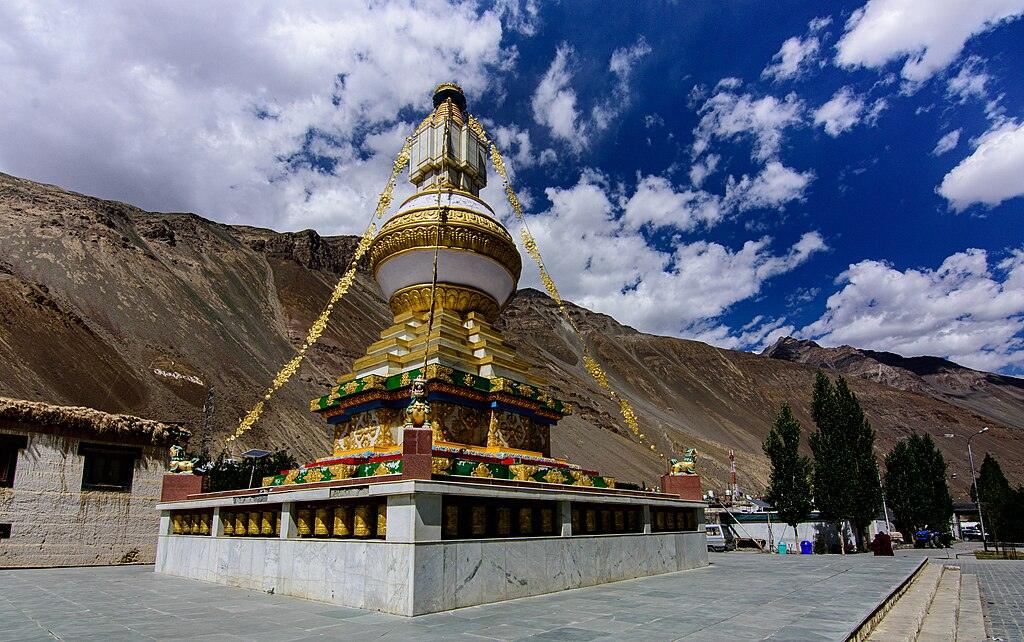
At the heart of Tabo Himachal stands the 1,000-year-old Tabo Monastery, one of the oldest continuously functioning Buddhist monasteries in India. Winter enhances its spiritual atmosphere. Snow muffles sound, amplifying the echo of chants and bells within ancient prayer halls.
The monastery complex houses nine temples, meditation caves, and priceless murals that have survived centuries of Himalayan extremes. In winter, fewer visitors mean you can spend hours inside, observing rituals, studying artwork, and absorbing the energy of this sacred space without interruption.
This is why Tabo ancient monastery guide searches peak among travellers planning winter journeys.
Things to Do in Tabo Himachal During Winter
Winter limits outdoor adventure, but it deepens experiential travel. Things to do in Tabo during winter focus on presence rather than activity.
Spend extended time inside the monastery complex, sitting quietly during prayer sessions or walking through snow-covered courtyards. Engage with monks when possible, learning about Spiti culture in winter and Buddhist philosophy.
Village walks become meditative experiences. Mud-brick homes, frozen streams, and smoke rising from chimneys create scenes perfect for Tabo photography spots. Every turn reveals how communities survive extreme cold with ingenuity.
If weather allows, visit the Tabo meditation caves, carved into cliffs above the village. These caves, historically used by monks for solitude, feel especially powerful surrounded by snow and silence.
Evenings are best spent indoors, sharing meals with locals, journaling, or simply watching snowfall from small windows, moments that define winter in Tabo Himachal.
3-Day Winter Itinerary for Tabo Himachal
A winter itinerary here prioritises acclimatisation, rest, and flexibility.
Day 1: Arrival and Acclimatisation
Arrive via the Kinnaur route, as Tabo road conditions in winter depend heavily on weather. After arrival, rest and hydrate. Take short walks around the village, avoiding exertion.
Spend the evening settling into your homestay, understanding heating arrangements, and adjusting to altitude and cold.
Day 2: Monastery and Village Exploration
Dedicate the day to Tabo Monastery. Explore temples, murals, and prayer halls slowly. Winter mornings offer the quietest atmosphere.
Post-lunch, walk through the village and interact with locals. Learn about winter food storage, traditional heating methods, and daily routines during snowfall.
If conditions permit, attempt a short hike towards the meditation caves before sunset.
Day 3: Reflection and Departure
Attend morning prayers if allowed. Use the final hours for photography, journaling, or revisiting spaces that resonated with you.
Depart early to account for weather variability, keeping buffer time for road delays.
Staying in Tabo During Winter
Luxury hotels are absent in winter, but winter homestays in Spiti provide warmth and authenticity. Expect basic amenities, heated rooms via bukharis, and hearty home-cooked meals.
Staying with local families allows deeper insight into life in Tabo Himachal Pradesh, especially how communities adapt to prolonged winters.
Food and Daily Life in Winter
Winter food in Tabo is nourishing and simple. Meals often include barley-based dishes, lentils, local vegetables, and butter tea. Eating together around a shared stove becomes a communal experience, reinforcing bonds between hosts and travellers.
Photography and Winter Light
Snow transforms Tabo Spiti Valley into a monochrome masterpiece. Soft winter light, dramatic shadows, and stark landscapes make it ideal for photographers seeking minimalism.
Early mornings and late afternoons offer the best lighting, especially around the monastery and village outskirts.
Responsible Winter Travel Tips
• Carry adequate winter gear and layered clothing
• Respect local customs and monastery rules
• Avoid plastic usage in the fragile cold desert ecosystem
• Prepare for limited connectivity and power outages
FAQs About Visiting Tabo Himachal in Winter
Yes, Tabo Himachal is safe to visit in winter for experienced and well-prepared travellers. Roads remain accessible via the Kinnaur route most of the season, though occasional closures due to snowfall can happen. Visitors should plan buffer days, monitor weather conditions, and avoid travelling at night.
Winter temperatures in Tabo Spiti Valley can drop to -15°C to -20°C, especially at night. Daytime temperatures remain cold but manageable with proper layering and insulated clothing.
Yes, Tabo Monastery remains open throughout winter. In fact, winter is one of the best times to visit as there are fewer tourists, allowing a quieter and more immersive experience inside the monastery complex.
Tabo winter travel is better suited for travellers who are comfortable with basic amenities and cold weather. First-time Himalayan travellers can visit, provided they plan carefully, travel slowly, and stay in heated accommodations like local homestays.
Connectivity is limited. BSNL works intermittently, while other networks may not function reliably. Internet access is minimal, which adds to the slow, disconnected charm of winter in Tabo Himachal Pradesh.
Pack heavy woollens, thermal layers, insulated jackets, snow boots, gloves, caps, moisturisers, sunscreen, and personal medicines. Power banks and offline maps are also recommended due to limited electricity and network availability.
Is Tabo Himachal Worth Visiting in Winter?
Winter strips Tabo Himachal down to its essence. There are no distractions, no packed itineraries, and no rush to tick attractions off a list. What remains is silence, spirituality, and a profound connection to the mountains and their people.
If you are looking for snow experiences mixed with culture, reflection, and meaningful travel, Tabo Spiti Valley in winter offers something far more lasting than a conventional holiday. It is not about comfort or convenience, but about presence, patience, and perspective.
For travellers willing to slow down, adapt, and listen, Tabo in winter becomes less of a destination and more of an inner journey.
Where to Stay: Exploring StayVista Villas Nearby
While accommodation options within Tabo itself are primarily homestays during winter, travellers often prefer breaking their journey or extending their trip in comfort-led villas in Himachal Pradesh before or after entering the Spiti region.
StayVista offers thoughtfully curated villas across Himachal, ideal for acclimatisation stops or post-Spiti relaxation. From mountain-view homes to serene retreats surrounded by pine forests, these stays balance privacy, warmth, and scenic beauty.
This approach allows travellers to experience both sides of the Himalayas, the raw stillness of Tabo Himachal and the relaxed luxury of well-equipped mountain villas.