

This Small Indian City Is Suddenly Everywhere on Google -Plan a Trip to Jorhat
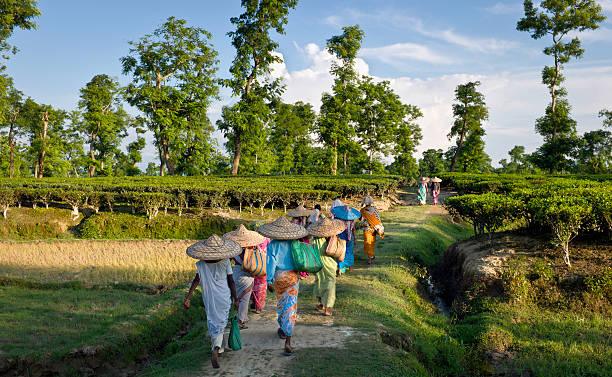
Jorhat in Assam, India, has become one of the most searched travel destinations in 2026, driven by burgeoning interest in its tea culture, cultural heritage, and role as the gateway to Majuli — the world’s largest river island. This rise reflects travel preferences shifting toward authentic, less commercialised experiences across India.
In this Blog
What Is Jorhat, Assam’s Emerging Travel Hub?
Jorhat is a city in Upper Assam, known for lush tea gardens, colonial-era landmarks, cultural institutions, and proximity to riverine landscapes shaped by the Brahmaputra. Historically a centre of the Ahom kingdom, today it functions as a regional urban hub with cultural, ecological, and tourism appeal.
What Makes Jorhat a Trending Travel Destination in 2026?
Jorhat’s prominence in search behaviour stems from multiple factors:
Tea Culture & Heritage:
Jorhat is the heart of Assam’s tea industry with hundreds of estates and the world’s oldest dedicated tea research centre, the Tocklai Tea Research Institute (est. 1911), providing context to tea agriculture and production.
Gateway to Majuli:
Accessible by ferry, Majuli Island is a cultural and spiritual epicentre for Assamese Vaishnavite traditions with historic satras (monasteries) and tribal art forms.
Authentic Regional Experiences:
The city blends tea-estate landscapes with wildlife sanctuaries, historical sites, and heritage architecture that showcase Assam’s living culture.
This trend reflects Indian travellers prioritising experiential travel and cultural immersion over conventional, crowded destinations.
Key Attractions and Experiences in Jorhat
Tea Estates and the World’s Oldest Tea Research Centre
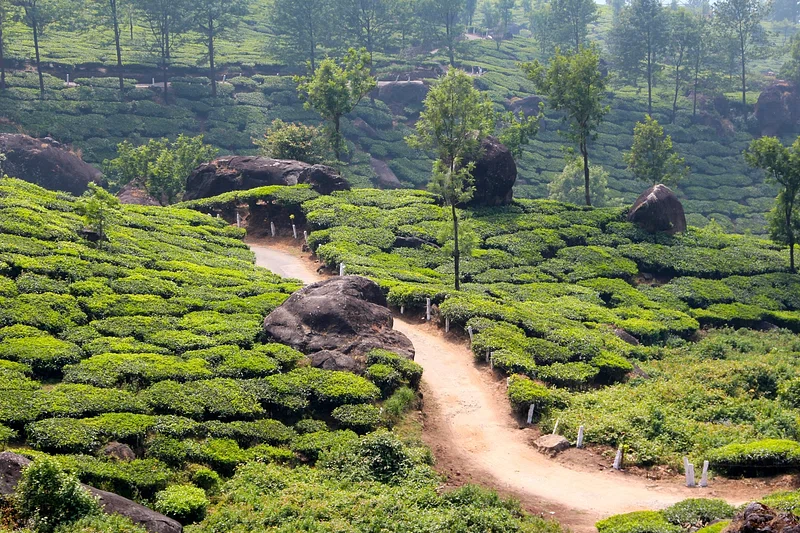
The Tocklai Tea Research Institute offers an in-depth look at tea cultivation, processing innovations, and the science behind Assam tea. Visits often include insights into plantation management and tastings that highlight regional flavours.
Surrounding tea estates, such as Cinnamora Tea Estate, are scenic locations for leisurely walks and understanding the local tea economy.
Wildlife and Nature
Hoollongapar Gibbon Wildlife Sanctuary (also called the Gibbon Sanctuary) is a dense evergreen forest reserve named after the hoolock gibbon, India’s only ape species. The sanctuary is rich in biodiversity and ideal for nature walks and photography.
The Brahmaputra River corridors around Jorhat also offer opportunities for riverside views and birdwatching during seasonal migrations.
Cultural and Historical Landmarks
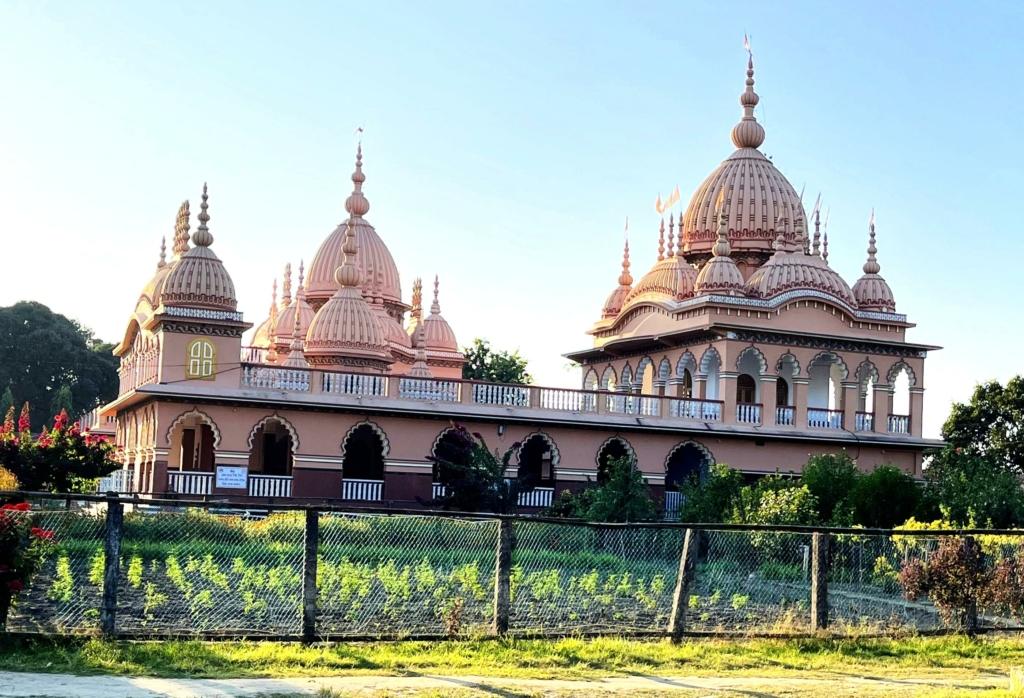
Jorhat’s urban environment blends local tradition with historical sites:
- Jorhat Gymkhana Club — Established in 1876, it’s the third oldest golf club in the world and a living remnant of colonial social life in the region.
- Dhekiakhowa Bornamghar and Satras — Traditional prayer halls and Vaishnavite cultural centres scattered around Jorhat reflect centuries of spiritual practice.
- Sukapha Samannay Kshetra — A memorial celebrating the founder of the Ahom dynasty.
- Jorhat Theatre — An institution with roots back to the late 19th century and a venue for regional drama and cultural performance.
- Historic Temples and Monuments — Sites like Burigosai Than and local temples reveal architectural and religious traditions of the region.
Local Markets and Urban Life
Jorhat’s markets and cafes contribute to the city’s contemporary cultural vibe. Urban spots and bistros such as Urban Tea Bistro and Atomix Cafe reflect a growing café culture, while traditional markets offer local handlooms, crafts, and tea products.
Cultural Festivals and Local Life
Seasonal celebrations play a key role in Jorhat’s cultural calendar. Rongali Bihu, the Assamese New Year festival, is marked by traditional dance, music, and community gatherings. Tea festivals and cultural fairs celebrate the region’s heritage and usually include tastings, cultural performances, and exhibitions.
Religious observances linked to Vaishnavite traditions and events commemorating cultural figures also bring communities together throughout the year.
Practical Travel Planning
Best Time to Visit:
Jorhat’s climate is most comfortable from October to March, with mild temperatures suitable for outdoor experiences. The monsoon season (June–September) brings lush greenery, though heavy rains can limit some activities.
Access and Connectivity:
- Air: Jorhat Airport connects seasonally with major Indian cities like Guwahati, Kolkata and Delhi.
- Rail & Road: Mariani Junction and Jorhat Town Railway Stations link to regional networks, and national/state highways connect the city with Upper Assam towns.
Local Transport & Connectivity:
Connectivity inside rural and heritage areas may be limited; planning for local taxi or private transfers improves flexibility.
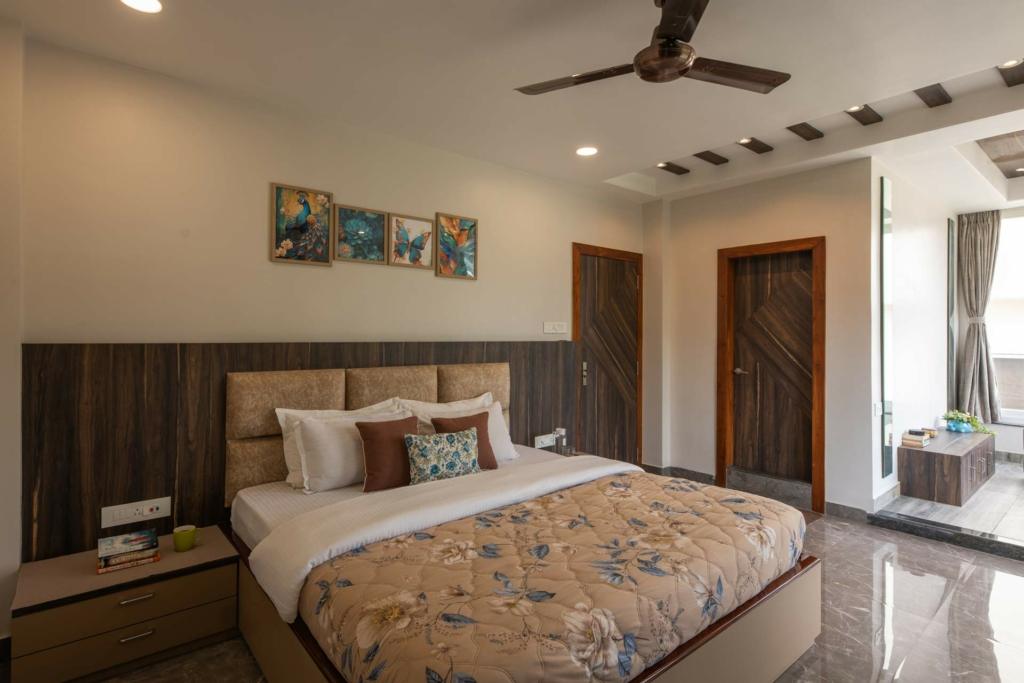
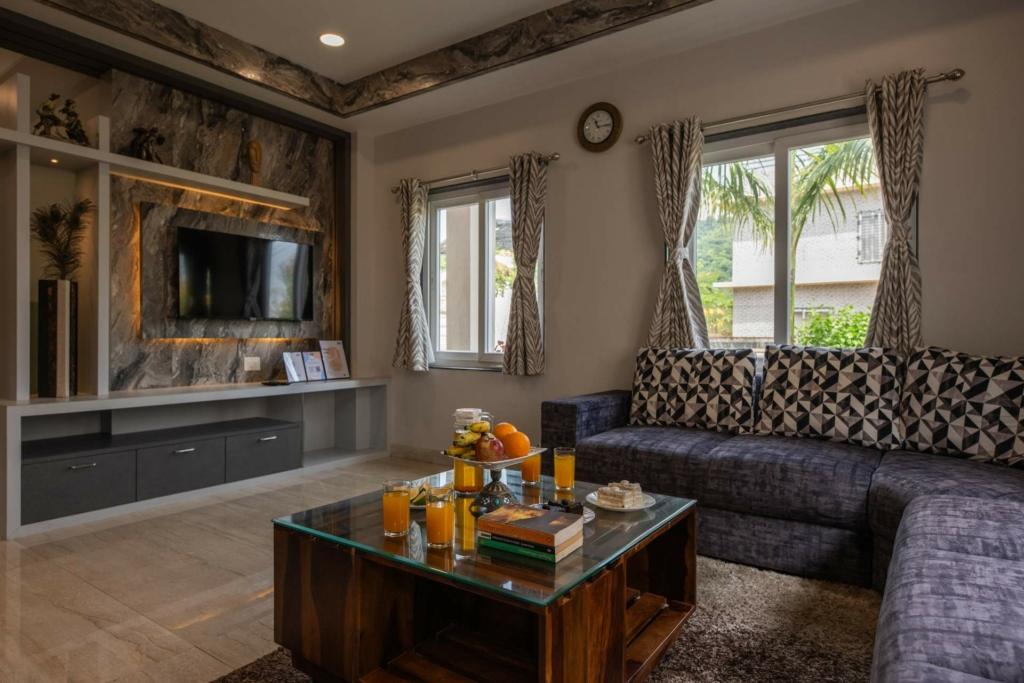
Where to Stay near Jorhat
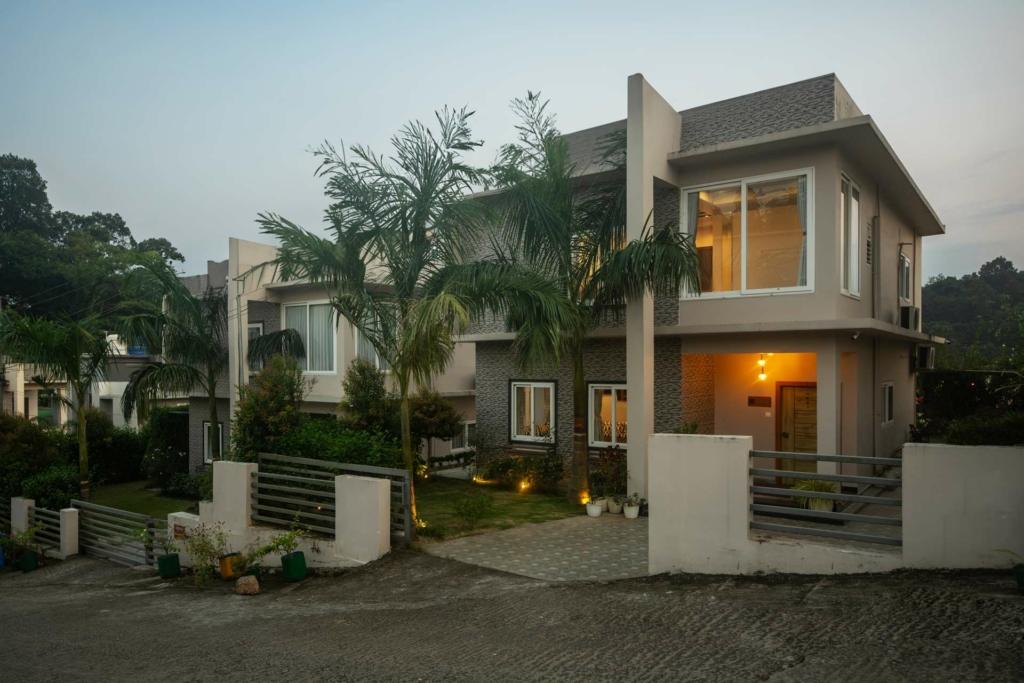
Ohana 36
Sustainable and Responsible Tourism
Given Jorhat’s ecological and cultural sensitivity – from fragile tea plantations to riverine islands – practising responsible tourism enhances both traveller experience and long-term destination health. Respect local customs, minimise plastic use, support licensed guides and restaurants, and follow advisories around wildlife sanctuaries.
FAQs
Jorhat has surged in travel searches due to its unique tea culture, rich traditions, and position as the gateway to Majuli – attracting interest from Indian travellers seeking cultural depth and natural experiences.
The tea gardens around Jorhat are historic and productive, offering guided insights into Assam’s tea cultivation and processing alongside tastings that showcase regional varieties.
Yes — Majuli is reachable by ferry from Jorhat and is known globally as the world’s largest river island with deep cultural heritage.
The Hoollongapar Gibbon Wildlife Sanctuary near Jorhat hosts hoolock gibbons, langurs, macaques, and varied bird species amid dense forest.
The period from October to March provides comfortable weather for outdoor exploration and cultural visits
Banner Image Credit: istockphoto