

When Do Ladakh Roads Open in 2026? Manali and Srinagar Route Status and Travel Advice
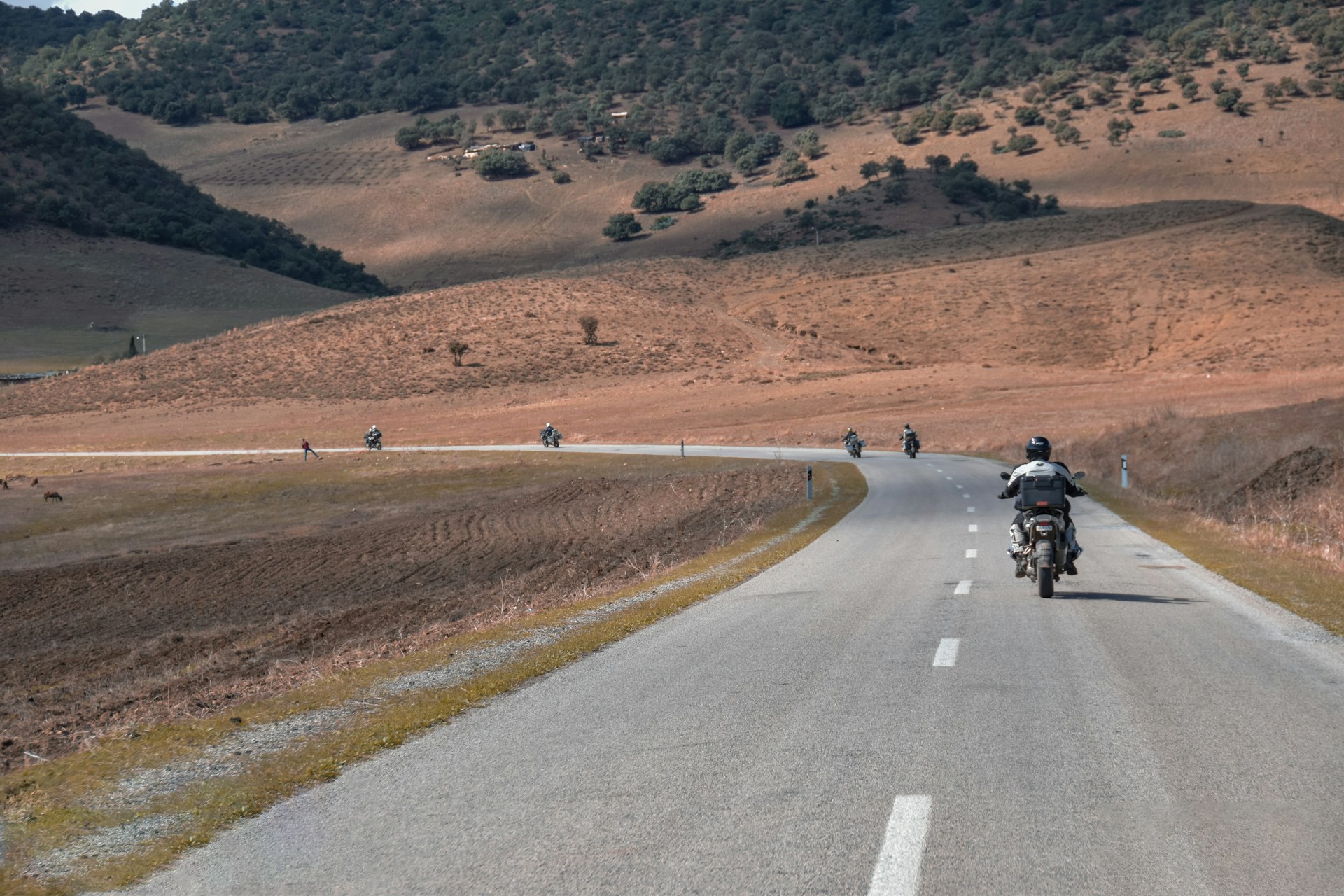
The Srinagar-Leh Highway opens between late March and mid-April 2026, and the Manali-Leh Highway follows between May 15 and May 25. Both timelines are set by snow clearance on the key passes by the Border Roads Organisation (BRO) and can shift by one to two weeks depending on how heavy the winter has been. If you are trying to lock in travel dates for a Ladakh trip, these are the windows to build your plan around.
In this Blog
Best Time to Drive to Ladakh in 2026

When planning a road trip to Ladakh, timing is the most important factor, because it determines which routes are even possible and what kind of experience you will have.
Key timing insights:
- May–June: Best period for driving via the Manali–Leh Highway. Mountain passes are freshly cleared and snow is still visible at higher elevations. Early June usually offers stable weather with manageable crowds.
- July–August: Both major highways to Leh are fully open and infrastructure is at its best. However, this is peak tourist season, meaning crowded routes (especially toward Pangong Tso) and heavy day-trip traffic around Rohtang near Manali.
- Ladakh’s monsoon pattern: Despite the monsoon hitting Himachal and the Kashmir Valley during July–August, Ladakh remains relatively dry and warm.
- September–October: One of the most underrated travel windows. Roads remain open, crowds decrease, accommodation prices drop, and the autumn light on Ladakh’s mountains is exceptional.
- Highway closure period: Before May and after November, both main highways are typically closed due to snow.
For much of the year, access to Ladakh depends on these seasonal windows. Outside the road-trip months, flying into Leh is the only practical way to reach the region, as overland routes are not available.
Srinagar Route or Manali Route: Which One Should You Take

When planning a road trip to Leh, you have two main road routes, and the choice is not just logistical—it shapes the entire journey, from scenery to acclimatisation.
Key route facts
- Two routes: Srinagar–Leh Highway and Manali–Leh Highway.
- Round-trip strategy: Enter via Srinagar for gradual acclimatisation and Kashmir Valley scenery, and return via Manali for the dramatic high-altitude pass experience.
The Srinagar–Leh Highway (NH-1) stretches 434 km and is usually completed over two days at a comfortable pace. The route runs through the Kashmir Valley, passing Sonmarg, crossing Zoji La (3,528 m), and continuing through Drass and Kargil before reaching Leh.
Important points about the Srinagar route:
- Distance: ~434 km
- Typical travel time: 2 days
- Major sections: Sonmarg → Zoji La → Drass → Kargil → Leh
- Altitude advantage: Gradual altitude gain helps with acclimatisation
- Seasonal advantage: Opens earlier than the Manali route because Zoji La is lower than the passes on the Manali side
The Manali–Leh Highway is longer at 490 km and far more dramatic. It crosses several high-altitude passes and passes through remote, stark Himalayan landscapes, making it one of the most iconic road trips in the world.
Important points about the Manali route:
- Distance: ~490 km
- Nature of route: More remote and physically demanding
- Major high-altitude passes crossed:
- Rohtang Pass – 3,978 m
- Baralacha La – 4,890 m
- Nakee La – 4,739 m
- Lachulung La – 5,059 m
- Tanglang La – 5,328 m
- Seasonal limitation: Opens later because several passes exceed 5,000 m and require longer snow clearance
Together, these two highways offer very different experiences—the Srinagar route prioritizes acclimatisation and cultural scenery, while the Manali route delivers extreme altitude and raw Himalayan landscapes.
Driving the Srinagar Route: What to Expect

The Srinagar–Leh Highway is widely considered the best entry route into Leh for first-time visitors and for travelers who want to include the Kashmir Valley in their road trip. One of its biggest advantages is the gradual altitude gain, which helps the body acclimatise before reaching higher elevations.
Key advantages of the Srinagar route
- Ideal for first-time Ladakh travelers
- Gradual altitude gain, making acclimatisation easier
- Opportunity to experience the Kashmir Valley before entering Ladakh
The journey begins in Srinagar and passes through scenic alpine landscapes before climbing into Ladakh.
Major stops and route flow
- Sonmarg – A beautiful meadow town and a good place to spend a night
- Thajiwas Glacier – Popular day hike from Sonmarg
- Zoji La – High mountain pass at 3,528 m connecting Kashmir to Ladakh
- Drass – One of the coldest inhabited places in the region
- Kargil – Major stopover town at 2,676 m
- Leh – Final destination at 3,524 m
Important driving points
- Typical travel time: 2 days from Srinagar to Leh
- Best overnight halt: Kargil
- Landscape change: From green Kashmir Valley to the stark terrain of Ladakh
Zoji La driving conditions
- The Zoji La section can be narrow and rough, especially early in the season.
- April conditions: patches of ice, melting snow, and muddy stretches.
- Traffic may sometimes be managed as one-way by the Border Roads Organisation to control congestion on the pass.
- Driving tip: Maintain a slow pace and avoid rushing through the pass.
This route gradually transitions from the lush valley landscapes of Kashmir to the dramatic high-altitude desert of Ladakh, making it one of the most scenic road journeys in the Himalayas.
Driving the Manali Route: What to Expect

The Manali–Leh Highway is the route most travelers dream about. It delivers dramatic landscapes, extremely high passes, and long stretches of remote Himalayan terrain. However, it is also the route that tends to catch people off-guard if they underestimate the conditions or fail to plan properly.
Key things to know about the Manali route
- Total distance: about 490 km between Manali and Leh
- Recommended travel time: minimum 2 days (one-day drives are unsafe and strongly discouraged)
- Nature of route: remote, high altitude, and physically demanding compared to the Srinagar highway
Most travelers break the journey in the Lahaul Valley to help with acclimatisation and to avoid driving dangerously long distances in a single day.
Common overnight stops
- Keylong – one of the main towns in the valley and a convenient first halt
- Jispa – quieter than Keylong and popular with road-trippers
- Sarchu – high-altitude plateau at 4,253 m, located on the Himachal–Ladakh border and a frequent second-night stop
Before leaving Manali, there are a few critical preparations that every driver should handle.
Essential preparations
- Rohtang Pass permit: Required for crossing Rohtang Pass; book it 24–48 hours in advance online
- Fuel planning: Petrol pumps are very sparse between Keylong and Leh, so carry spare fuel if needed
- Vehicle inspection: Check coolant levels, brakes, and tyre condition before starting the journey
- Rental vehicle check: Confirm the car has been recently serviced—do not assume it has been
Because of its extreme altitude and isolation, the Manali route rewards good preparation with one of the most spectacular drives in the Himalayas. The scenery becomes progressively harsher and more dramatic as you cross the high passes and move deeper into Ladakh’s high-altitude desert.
Pass-by-Pass Opening Dates for 2026
Road openings in the Himalayas depend heavily on snow clearance and weather. While the following historical averages give a good estimate, always confirm the latest status with the Border Roads Organisation and the Leh District Administration before travelling.
Expected opening timelines
- Srinagar–Leh Highway:
- Zoji La usually clears late March to mid-April.
- The full highway between Srinagar and Leh is typically driveable by the first week of April.
- Manali–Leh Highway:
- Rohtang Pass generally opens around mid-May.
- Higher passes such as Baralacha La and Tanglang La are usually cleared within about a week after Rohtang.
- The entire route between Manali and Leh is typically open between May 15 and May 25.
- Umling La near Hanle:
- Known as the world’s highest motorable road (5,883 m).
- Conditions remain weather-sensitive well into June, so always check access updates before planning the drive.
Important note:
An official opening date does not guarantee safe driving conditions. The most reliable day-to-day updates often come from local taxi operators in Manali or Srinagar, who know the real road surface conditions, not just whether a pass has been declared open.
Where to Stay Before and After the Drive
A Ladakh road trip usually begins in Manali, and spending at least one or two nights there before departure is strongly recommended.
Why stay in Manali before the drive
- Time to secure the Rohtang permit
- Opportunity to check and prepare the vehicle
- Helps the body start adjusting to elevation before crossing high passes
Staying in a comfortable base can also make logistics easier—having a kitchen to prepare supplies, space to organize gear, and reliable Wi-Fi to monitor weather updates or permit status the night before departure.
Ending the journey in Kashmir
Many travelers complete the circuit by returning via the Srinagar route and spending a few relaxing days in the Kashmir Valley.
Popular post-trip stops:
- Srinagar – famous for Dal Lake houseboats and Mughal gardens
- Gulmarg – alpine meadows and mountain views
The shift from Ladakh’s stark high-altitude desert to the lush landscapes of Kashmir creates one of the most memorable contrasts of the entire journey, making it a fitting way to wind down after the drive.

FAQs
Between May 15 and May 25, 2026. Rohtang Pass opens first, followed by the higher passes within a week.
Between late March and mid-April 2026. Zoji La is the key pass, typically cleared by BRO in the first week of April.
Srinagar. The altitude gain is gradual, the road is well-maintained in most sections, and you get Kashmir as part of the journey.
Yes, via the Srinagar-Leh Highway only. The Manali highway will not be open in April. Check road conditions with a local Srinagar operator before you depart.
Manali-Leh Highway closes in late October or early November. The Srinagar-Leh Highway closes in November or December depending on snowfall.
No Inner Line Permit is required for Indian nationals on either main highway. Permits are needed for specific areas within Ladakh including Pangong Tso, Nubra Valley, Tso Moriri, and Dah-Hanu. All can be obtained in Leh.