
12 Lesser-Known Waterfalls Near Mumbai Worth Visiting This Monsoon 2026 (Distance + How to Reach)

Last updated: October 2026
The best waterfalls near Mumbai aren’t always the ones that trend on Instagram. Within 50 to 200 kilometres of the city, a whole circuit of lesser-known cascades—from the thundering Dabhosa Falls in Jawhar to the eerily quiet Nanemachi Waterfall tucked into the Sahyadris—comes alive every monsoon. This guide covers 12 such hidden waterfalls near Mumbai with exact distances, travel directions, and everything you need to plan your 2026 monsoon escape.
Reading this in October or later? The 2026 southwest monsoon has ended. From early October, the Maharashtra Section 163 BNSS prohibitory orders that locked down waterfall access through June–September are being lifted, and the roadside and railed-viewpoint falls below are safe to visit again. Flow drops noticeably from mid-October onwards the first 10 to 15 days of October are the best post-monsoon window if you want both strong cascades and clear skies. By late October, falls like Umbrella, Kondeshwar, Nanemachi and Tapalwadi reduce to a trickle; the perennial or near-perennial ones — Lingmala, Randha, Dabhosa, Pandavkada — hold up into November. This guide retains its full value as a planning reference for the 2027 monsoon season.
“Mumbai’s monsoon is a season. The Sahyadris in monsoon are an experience.”
Whether you’re hunting for a waterfall trek near Mumbai, a quick one-day picnic, or a full weekend getaway, this list has you covered — with no overhyped tourist traps in sight.
In this Blog
Why Monsoon 2026 Is the Best Time to Chase Waterfalls Near Mumbai
The Sahyadri waterfalls near Mumbai live and die with the monsoon. Peak flow runs from the first week of July through mid-August; many of the smaller, less-engineered falls on this list only exist as waterfalls between June and early October — the rest of the year, they’re dry rock faces or a thin trickle at most. September to early October gives you the best balance of strong flow with safer footing and clearer skies. Mid-October onwards, the seasonal falls begin to disappear; only Lingmala, Randha, Dabhosa and Pandavkada hold meaningful flow into early November.
If you’re planning for the 2027 monsoon, read this guide as a shortlist of under-visited falls that get you away from the Khandala–Lonavala crowds. If you’re reading this in October 2026, the top-of-page callout tells you which of the 12 still have flow this month.
Most of these falls are seasonal — they exist only during and immediately after the monsoon months. Miss the window, and you’re looking at dry rock faces.
12 Lesser-Known Waterfalls Near Mumbai You Need to Visit This Monsoon
1. Dabhosa Waterfall — The Niagara of Maharashtra

Distance from Mumbai: ~130 km. How to reach: Drive via NH 48 toward Nashik, then take the Jawhar exit. Dabhosa is about 15 km from Jawhar town. By train, reach Igatpuri or Wada and hire a local cab. Trek difficulty: Easy | Best time: July–September
Often called Maharashtra’s own Niagara, Dabhosa Falls in Jawhar district is one of the widest waterfalls near Mumbai that most people have never seen in person. At roughly 65 feet in height and spanning a considerable width during peak flow, it puts on a show that’s genuinely hard to believe is only two and a half hours from the city.
The area around Dabhosa is also tribal heartland — Jawhar is home to the Warli painting tradition, so a detour into town before or after the falls adds real cultural texture to your trip.
Dabhosa Waterfall is located near Jawhar, approximately 130 km from Mumbai, and is best visited between July and September when water flow is at its highest.
2. Kondeshwar Waterfall — The Hidden Temple Fall of Ambarnath
Distance from Mumbai: ~65 km. How to reach: Take the Central Railway to Ambarnath station. The waterfall is a short auto or cab ride from there, near the ancient Shiva temple complex. Trek difficulty: Easy | Best time: June–September
A secret waterfall near Mumbai that doubles as a spiritual site — Kondeshwar sits adjacent to the 11th-century Ambarnath Shiva Temple, a lesser-visited monument of serious architectural significance. The falls cascade down a rocky hillside into a natural pool near the temple complex, creating an atmosphere that’s equal parts scenic and sacred.
This is a strong pick for a waterfall in Mumbai one-day picnic — it’s close, accessible by train, and rewards you with more than just water.
3. Ashane Waterfall — Konkan’s Quiet Giant

Distance from Mumbai: ~100 km. How to reach: Drive south on the Mumbai-Goa Highway (NH 66) and turn towards Mangaon. Ashane village is accessible via a rural road; a 4WD vehicle is recommended during heavy rain. Trek difficulty: Easy to moderate | Best time: July–August
Ashane Waterfall, located in the Raigad district’s Konkan belt, is one of those hidden waterfalls near Mumbai that rewards the effort it takes to get there. The fall itself is dramatic — it plunges from a considerable height into a gorge framed by dense tropical foliage. Locals visit, but urban crowds haven’t discovered it yet, which means you’ll likely have the valley mostly to yourself.
Pair this with a stay at a StayVista villa in the Alibaug or Konkan region for a proper two-day monsoon escape — wake up to rice paddy views, then drive to the falls.
4. Tapalwadi Waterfall — The Road-Tripper’s Stop
Distance from Mumbai: ~120 km. How to reach: Drive toward Murbad via the Kalyan-Murbad road. Tapalwadi village is off the main road — use Google Maps and local signage; network can be patchy. Trek difficulty: Easy | Best time: July–September
Tapalwadi Waterfall sits close to the Murbad–Bhandardara route and makes for an easy stop if you’re doing a longer road trip into the Sahyadris. The waterfall flows generously through the monsoon months, and the surrounding area is green to an almost theatrical degree. It’s a short trip near Mumbai that doesn’t require planning beyond filling your tank and packing a dry bag.
5. Kalu Waterfall — The Trek That Earns Its Reward
Distance from Mumbai: ~80 km. How to reach: Drive to Murbad, then to Kondivade village. The waterfall involves a 2–3 km trek through forest terrain. Guides are available locally. Trek difficulty: Moderate | Best time: July–August
If you’re looking for a genuine waterfall trek near Mumbai, Kalu Waterfall near Murbad is hard to beat. The approach trail runs through thick Sahyadri forest — muddy, slippery, completely worth it. The waterfall drops in multiple tiers, and there’s a natural pool at the base that’s popular for a quick dip.
Do not attempt this alone during very heavy rain. Go with a group, wear grip footwear, and tell someone your itinerary.
6. Randha Falls — Bhandardara’s Best-Kept Secret

Distance from Mumbai: ~165 km. How to reach: Drive via Nashik Highway to Akole, then to Bhandardara. Randha Falls is about 3 km from the Arthur Lake dam. MSRTC buses run from Mumbai to Akole. Trek difficulty: Easy | Best time: July–September
Randha Falls, fed by the Pravara River near Bhandardara, crashes down nearly 170 feet into a gorge below — making it one of the tallest waterfalls near Mumbai on this list. Despite being near the popular Bhandardara camping circuit, the falls themselves are often overlooked in favour of the lake and dam.
This is a weekend getaway from Mumbai that justifies a two-night stay. Bhandardara has a legitimate resort ecosystem now, and StayVista properties in the Nashik belt are within striking distance for those who want a more private base.
7. Umbrella Falls, Igatpuri — Named for a Reason
Distance from Mumbai: ~130 km. How to reach: Take the Mumbai–Nashik Highway to Igatpuri. The falls are accessible by road, about 5 km off the highway toward Ghoti. Igatpuri station also connects via Central Railway’s Nashik line. Trek difficulty: Easy | Best time: June–September
Umbrella Falls near Igatpuri is exactly what its name suggests — water cascading in a circular curtain off a rocky ledge, forming a natural umbrella shape. It’s one of the more visually distinctive waterfalls near Mumbai and completely safe for families during moderate rain. The area around Igatpuri itself is one of the better-developed weekend getaways near Mumbai, with accommodation, good food, and easy road access.
8. Naneghat Waterfalls — Ancient Pass, Modern Monsoon Magic
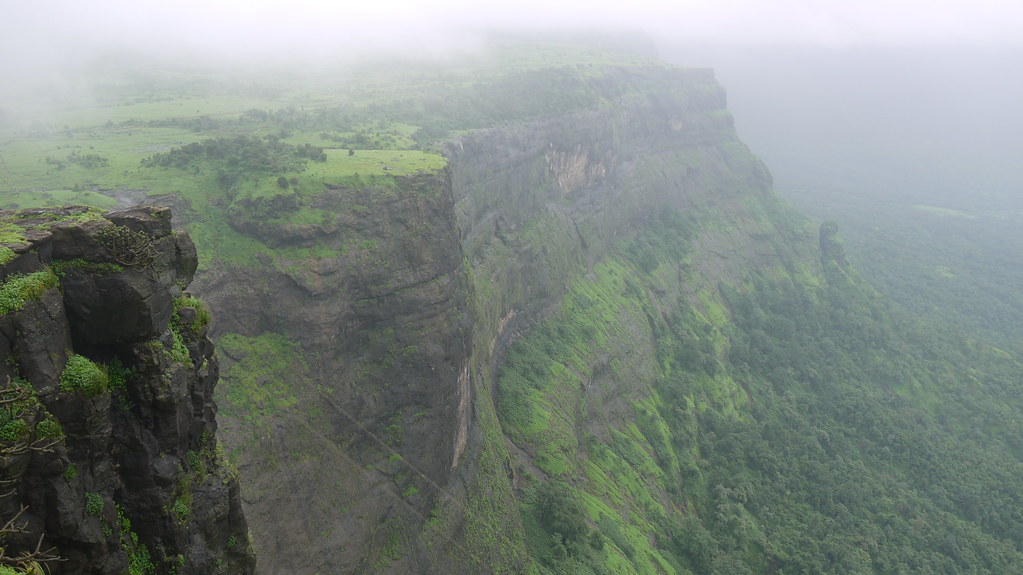
Distance from Mumbai: ~120 km. How to reach: Drive to Junnar via Pune (via Expressway) or via Kalyan–Murbad route. The Naneghat Pass trek starts from Vaishakhare village. Parking is available at the trailhead. Trek difficulty: Moderate | Best time: July–August
Naneghat is an ancient mountain pass historically used by traders crossing the Sahyadris, and during the monsoon, it transforms into a waterfall lover’s corridor. Multiple cascades line the rocky trail up to the pass, with Naneghat Waterfall being the most dramatic — a curtain of water pouring off basalt ledges that turns the ascent into something you’ll want to film from every angle.
This is also one of the best places to go near Mumbai if you want history, trekking, and waterfalls in a single day out.
9. Nanemachi Waterfall — Discovered by Almost No One
Distance from Mumbai: ~115 km. How to reach: Drive via Khopoli to Khalapur, then toward the Pali–Sudhagad road. Nanemachi is a small hamlet; the waterfall requires a short walk from the road. Trek difficulty: Easy to moderate | Best time: July–August
Nanemachi Waterfall may be the least-documented hidden waterfall near Mumbai on this list. It sits in a quiet valley near Sudhagad Fort, where tourist infrastructure is minimal, and the trail to the falls is largely word-of-mouth. That’s precisely the appeal — this is a quick getaway from Mumbai for the kind of traveller who finds “off the beaten path” a feature, not a bug.
Carry sufficient water, snacks, and a fully charged phone with offline maps downloaded.
10. Kalmandavi Waterfall — Gateway to Matheran’s Wild Side
Distance from Mumbai: ~90 km. How to reach: Drive toward Neral and take the road to Matheran. The Kalmandavi Waterfall Trail branches off the Garbett Plateau Trail. Entry into Matheran requires leaving vehicles at the base. Trek difficulty: Moderate | Best time: July–September
Kalmandavi Waterfall, accessible from Matheran’s trail network near Garbett Point, is one of those places to visit near Mumbai that most day-trippers completely miss. The main Matheran crowd sticks to the toy train and the viewpoints — but if you’re willing to trek out toward the plateau, Kalmandavi rewards you with a powerful cascade and sweeping valley views on the way back.
This pairs naturally with Matheran itself for a full weekend — stay a night at a property in Karjat or Neral and cover both.
11. Lingmala Waterfall, Mahabaleshwar — The Classified Classic

Distance from Mumbai: ~250 km. How to reach: Drive via Pune–Satara Highway to Mahabaleshwar. Lingmala is within the protected forest zone — entry is managed by the Maharashtra Forest Department. Trek difficulty: Easy | Best time: June–September
Entry fee: ₹20 per Indian adult, ₹10 per child; ₹100 for foreign nationals; ₹30 for a car or ₹20 for a two-wheeler at the parking area. Collected by the Maharashtra Forest Department at the entry gate.
Technically on the outer edge of a weekend getaway from Mumbai, Lingmala earns its place here because it remains criminally underrated compared to Mahabaleshwar’s more commercialised attractions. The upper fall drops nearly 500 feet through a forested gorge and is accessible only during sanctioned hours — which keeps crowds in check.
If you’re planning a Mahabaleshwar trip this monsoon, skip the strawberry stalls for an afternoon and walk to Lingmala instead.
12. Pandavkada Falls — Mumbai’s Own Backyard Waterfall
Distance from Mumbai: ~30 km (Kharghar, Navi Mumbai). How to reach: Take the Harbour Line to Kharghar station. Pandavkada Falls is a 20-minute auto ride from there, within the Kharghar Hills area. Trek difficulty: Easy | Best time: July–August
The most urban entry on this list — Pandavkada Falls sits inside Navi Mumbai’s Kharghar Hills and is technically the only waterfall in Mumbai (Greater Mumbai region) accessible by local train. At 107 feet, it’s taller than it looks, and the area is forested enough to make you forget you’re within the municipal limits.
This is your zero-planning waterfall in Mumbai, a one-day picnic option. Go on a weekday if possible — weekends draw sizeable crowds.
Quick Reference Table: Waterfalls Near Mumbai at a Glance
| Waterfall | Distance | Difficulty | Best For |
| Dabhosa Falls | ~130 km | Easy | Day trip + culture |
| Kondeshwar Falls | ~65 km | Easy | Train-accessible picnic |
| Ashane Falls | ~100 km | Moderate | Off-road Konkan escape |
| Tapalwadi Falls | ~120 km | Easy | Road trip stop |
| Kalu Waterfall | ~80 km | Moderate | Serious waterfall trek |
| Randha Falls | ~165 km | Easy | Weekend Bhandardara trip |
| Umbrella Falls | ~130 km | Easy | Family-friendly |
| Naneghat Waterfalls | ~120 km | Moderate | Trek + history combo |
| Nanemachi Falls | ~115 km | Moderate | Off-grid explorers |
| Kalmandavi Falls | ~90 km | Moderate | Matheran extension |
| Lingmala Falls | ~250 km | Easy | Mahabaleshwar weekend |
| Pandavkada Falls | ~30 km | Easy | Zero-planning day out |
Safety Essentials for Waterfall Visits Near Mumbai in Monsoon
Before you chase any of these waterfalls near Mumbai, run through this checklist:
- Check rainfall forecasts 24–48 hours before. Flash flooding is a real risk in the Sahyadris.
- Wear grip footwear — trail running shoes or trekking sandals, not flip-flops.
- Go in a group of at least 3–4 people for remote spots.
- Download offline maps before entering low-network zones.
- Never enter fast-moving water, even if it looks shallow.
- Inform someone of your exact destination and expected return time.
Post-monsoon (October onwards):
- Flash flood risk is sharply lower but not zero; sudden October depressions still trigger surges.
- Falls become dry rock faces by mid-October; always check recent trip reports on Google Maps or treks-and-trails forums for current flow.
- Trek permits (Andharban, Garbett Plateau) reopened after their monsoon suspension in mid-August 2026 and remain in force for the 2027 season.
Where to Stay Near These Waterfalls
Most of these waterfalls anchor naturally to a broader destination — Bhandardara, Konkan, Karjat, Lonavala, Matheran, Nashik, or Mahabaleshwar. StayVista offers curated private villas across all these pockets, giving you a proper base rather than a last-minute hotel scramble. Think infinity pools surrounded by monsoon mist, private sit-outs with forest views, and enough space for the whole group to unwind after a muddy waterfall day.
GRAM’S, Lonavala


FAQ — Waterfalls Near Mumbai: People Also Ask
Dabhosa Waterfall near Jawhar and Randha Falls near Bhandardara are widely considered the most spectacular waterfalls near Mumbai due to their height, width, and volume during peak monsoon.
Kondeshwar Waterfall (Ambarnath), Pandavkada Falls (Kharghar), Umbrella Falls (Igatpuri), and Kalu Waterfall (Murbad) are all suitable for a one-day trip from Mumbai.
July and August are the peak months. Most seasonal waterfalls near Mumbai are at full flow between late June and mid-September.
Yes — Kalu Waterfall near Murbad, Naneghat Waterfalls near Junnar, and Kalmandavi Waterfall near Matheran are popular waterfall trek options within 2–3 hours of Mumbai.
Nanemachi Waterfall near Sudhagad and Ashane Waterfall in Raigad district are among the least-visited, with minimal tourist infrastructure — ideal for travellers who prefer solitude.
Yes, with precautions. Avoid visiting during or immediately after extremely heavy rainfall, stay away from fast-moving water, wear proper footwear, and always travel in a group for remote locations.
Yes — early October (first 10–15 days) is a strong window. The monsoon prohibitory orders have lifted, skies are clearer than in August, footing is drier, and the perennial falls (Lingmala, Randha, Dabhosa, Pandavkada) still carry meaningful flow. By mid-to-late October, the seasonal falls (Kondeshwar, Nanemachi, Tapalwadi, Umbrella) reduce to a trickle; stick to the four perennial ones if you’re going after 20 October.
Devkund (not on this list but near), Bhushi Dam, Bekare, Tamhini Ghat, Secret Point and Pandavkada were under Section 163 BNSS prohibitory orders between 17 June and 30 September 2026 in Pune and Raigad districts. The ban did not cover railed-viewpoint falls like Lingmala, Randha or Umbrella, which remained accessible under managed-flow conditions. All bans expire with the monsoon season; always check the district collector’s current notifications for the latest.
Short answer: no, not safely. The 2024 Bhushi Dam incident, which killed five members of one family in minutes, happened at a fall that looked completely benign. During the monsoon, every Sahyadri waterfall carries a flash-flood risk from upstream rainfall you can’t see. Post-monsoon, specific pools (Kalu’s base pool, Dabhosa’s lower pool) are shallow enough for a controlled dip — but go with local guides, never alone, and never after a day of upstream rain.
Explore Hidden Waterfalls Near Mumbai
Mumbai’s hinterland is quietly extraordinary — and the monsoon is when it shows off. From the wide drama of Dabhosa to the train-accessible ease of Kondeshwar, from the Naneghat Waterfalls’ ancient trails to Pandavkada’s suburban surprise, the waterfalls near Mumbai listed here cover every kind of traveller and every level of ambition.
This monsoon, don’t just watch the rain from your window. Chase it into the hills.