

Beyond Auroville: 12 Offbeat Places to Visit in Pondicherry This Monsoon 2026

Pondicherry’s rain comes from the northeast monsoon (Oct–Dec), not the June–September one — November alone averages about 347 mm (IMD normals, 1991–2020). That means wetlands, mangroves and forts are at their greenest and emptiest. Give it 2–3 days, front-load your mornings before the showers, and pick nature over beach-swimming.
Ideal trip length: 2–3 days. Best months: October to early December. Expect short, heavy showers, cool 24–29°C weather, dramatic seas and 20–40% off-season discounts on stays.
| Best time to visit | Late September to early December (northeast monsoon); showers usually clear by afternoon |
|---|---|
| How to reach from Chennai | ~150 km / 3–3.5 hrs by road via ECR (East Coast Road) |
| Nearest airport | Chennai International Airport (MAA), ~135 km; Puducherry Airport (PNY) for limited domestic flights, ~5 km |
| Nearest railway station | Puducherry Railway Station (PDY), in-city; Villupuram Junction, ~38 km, for more connections |
| Ideal duration | 2–3 days (weekend + one) |
| Budget range | ₹3,500–₹7,000 per person for a 2-day trip (off-season rates) |
Everyone tells you to go to Auroville and the Sri Aurobindo Ashram. Both are lovely — but they are also where every tour bus stops. When the rains roll in off the Bay of Bengal, Puducherry (the Union Territory formerly written “Pondicherry”) quietly turns into one of the most atmospheric corners of South India, and the places to visit in Pondicherry in monsoon that reward you most are the ones the guidebooks skip. This is our on-ground guide to twelve of them — with real 2026 timings, fees and a route you can actually follow.
At StayVista we send a lot of travellers to the Coromandel coast in the wet months, and the feedback is consistent: fewer crowds, greener landscapes, cheaper rooms and a French Quarter that looks like a film set after a shower. Below, we group the best places to visit in Pondicherry in monsoon into wetlands, backwaters, heritage day-trips and quieter beaches, so you can plan around the weather instead of fighting it.
In this Blog
Travel Advisory: Monsoon Safety at a Glance
- Don’t swim — rip currents are strongest now at every beach; walk the shore instead.
- Check before you go — Chunnambar/Paradise ferries and Pichavaram boating pause in rough weather, and the Gingee hill climb is unsafe on wet rock.
- Do outdoor sights early — heavy rain usually builds after noon.
- Track alerts — from October to December, watch IMD cyclone bulletins; the northeast monsoon occasionally brings depressions to the coast.
When Is the Monsoon in Pondicherry — and Why It Changes the Places to Visit in Pondicherry in Monsoon

Unlike most of India, Pondicherry gets its main rain from the northeast monsoon between October and December, not the June–September southwest monsoon. October averages about 260 mm and November about 347 mm — the wettest month of the year — which is exactly why the wetlands, canals and greenery peak now (IMD climate normals, 1991–2020).
This single fact reshapes how you plan. In July and August you get patchy pre-monsoon showers, but the real, reliable rain — and the lushness that comes with it — lands from late September through December. That is the window when nature-led places to visit in Pondicherry in monsoon come alive: Ousteri Lake fills up and pulls in migratory birds, the Pichavaram mangroves flood into a green maze, and Gingee Fort’s boulders turn emerald.
A few honest ground rules from travellers we’ve hosted:
- Rain is short and sharp. Mornings are often clear; heavy showers tend to arrive by mid-afternoon or night. Front-load outdoor sightseeing before noon.
- Low-lying lanes waterlog. Parts of the town and some village roads flood briefly. Keep day-trip plans flexible and check for cyclone alerts on the IMD site during peak northeast monsoon.
- It is the value season. Room rates, boat rides and cafes are all quieter, so the same places to visit in Pondicherry in monsoon cost noticeably less than in the December–February peak.
Quick-Reference Table of all 12 Places
| Place | Fee | Distance | Time needed | Ideal for |
| 1. Ousteri Lake | Free (boat ~₹100) | 10 km · W | 1.5–2 h | Birdwatchers, photographers |
| 2. Chunnambar & Paradise Beach | ₹10 + ferry ~₹354 | 8 km · S | 2.5–3 h | Couples, families |
| 3. Arikamedu | Free | 7 km · S | 1–1.5 h | History buffs |
| 4. Pichavaram (day trip) | ~₹5–10 + boat ₹150+ | 75 km · S | Half–full day | Nature lovers, families |
| 5. Gingee Fort (day trip) | ₹30 | 71 km · inland | Half day | History, trekkers |
| 6. Serenity Beach | Free | 10 km · N | 1.5–2 h | Surfers, cafe-hoppers |
| 7. Botanical Garden | ~₹20 | 2 km | 45 min–1 h | Families, couples |
| 8. Sacred Heart Basilica | Free | 2 km | 30–45 min | Architecture, quiet time |
| 9. Bharathi Park | Free | 0.5 km | 30–45 min | Families, walkers |
| 10. Villianur Temple | Free | 10 km · W | 45 min–1 h | Culture, heritage |
| 11. Eden Beach | Free | 8 km · S | 1–1.5 h | Families, walkers |
| 12. Bahour Lake | Free | 20 km · S | 1–2 h | Birdwatchers, cyclists |
Directions: W = west, S = south, N = north of the city centre.
1. Ousteri (Osudu) Lake & Wetland

Ousteri Lake, roughly 10 km west of the city, draws more than 200 bird species and is recognised by the IUCN as one of Asia’s important wetlands and by the Bombay Natural History Society as an Important Bird Area (BirdLife DataZone). That makes it the single best monsoon spot for birdwatchers in Pondicherry.
As the northeast monsoon fills the tank, pelicans, painted storks, herons and open-billed cranes move in. A quiet boat ride or a walk along the bund at dawn, with mist over the water, is the kind of experience the beaches simply can’t offer in the rain.
- Entry fee: Free (boating charged separately, ~₹100 per short ride)
- Timings: 9:00 AM – 5:00 PM (boating till 6:00 PM); open daily
- Best time to visit:Early morning, October–March, for peak bird activity
- How to reach:~10 km from city centre; 25 min by auto/taxi
- Time required:1.5–2 hours
- Ideal for: Birdwatchers, photographers, families, solo nature lovers
- Pro tip: Carry binoculars and a rain cover for your camera; go on a dry morning after overnight rain for the best light and highest bird counts.
Weather in monsoonCool and overcast, 24–28°C, with mist hanging over the water at dawn. The tank fills to its fullest by November–December, and rain usually holds off until afternoon.
Monsoon-special nearby: Pair it with the Ariyankuppam backwaters (~8 km) and the Villianur Thirukameswarar temple tank (~5 km), both of which look their greenest right after the rains.
Monsoon-special things to do: Dawn birdwatching for pelicans, painted storks and open-billed cranes; a slow pedal-boat ride across the misty tank; and cycling the bund for uninterrupted wetland photography.
2. Chunnambar Backwaters & Paradise Beach

Chunnambar Boat House, about 8 km south of town, is where a river meets the sea — and a 30-minute ferry through the backwaters drops you at Paradise Beach, a sandbar island that feels wonderfully remote in the off-season.
In the monsoon the backwater ride is the real star: grey skies, green banks and near-empty boats. Swimming can be rough after heavy rain, so treat Paradise Beach as a walk-and-photos stop rather than a swim.
- Entry fee:₹10 boat house entry; ferry to Paradise Beach ~₹354 per adult (round trip)
- Timings:Boat house 9:00 AM – 6:00 PM; last ferry to the island ~4:00 PM, last return ~5:30 PM
- Best time to visit:Morning, on a clear-sky day; avoid immediately after a storm
- How to reach:~8 km / 6 km from bus stand; 20 min by taxi/auto
- Time required:2.5–3 hours including the ferry
- Ideal for:Couples, families, photographers
- Pro tip:Check the sea/ferry status before travelling — services pause in rough weather. Go on a weekday to beat queues.
Weather in monsoon: Humid and breezy, 26–30°C, with a choppy sea and sudden squalls that can halt the ferry. The backwater channel itself stays calm on clear mornings, which are your safest window.
Monsoon-special nearby: Arikamedu’s Roman ruins are just 3–4 km up the same road, and Eden Beach is a short drive south — an easy south-cluster morning.
Monsoon-special things to do: Glide through the green backwater channel by boat, try kayaking near the boat house, watch fishermen haul in catamarans, and stop for a seafood-shack lunch on the way back.
3. Arikamedu — Ancient Roman Trading Port

Arikamedu, only 7 km from the city, is a 2,000-year-old Indo-Roman trading settlement — known to the Romans as “Poduke” — where excavations have unearthed Roman amphorae, glassware and coins from the 1st century BCE.
The riverside ruins and the old Jesuit mission walls look especially moody under monsoon clouds, and you’ll often have the whole site to yourself. It’s a rare place where history and the wet, green Ariyankuppam riverbank meet.
- Entry fee: Free
- Timings:8:30 AM – 5:30 PM; open daily
- Best time to visit:Late afternoon for soft light; skip during active downpours (open, muddy ground)
- How to reach:~7 km via Ariyankuppam; 20–25 min by auto/bike
- Time required:1–1.5 hours
- Ideal for:History buffs, photographers, solo explorers
- Pro tip:Wear grippy shoes — the riverbank turns slippery. Combine it with a Chunnambar visit since both lie on the same southern road.
Weather in monsoon: Warm and humid, 26–29°C, with dramatic grey light that photographers love. The open, unshaded ground gets muddy fast, so time your visit between showers.
Monsoon-special nearby: Chunnambar backwaters (3 km), the old Ariyankuppam church, and Eden Beach all sit within a 10-minute drive along the southern belt.
Monsoon-special things to do: Explore the excavation trenches and Jesuit mission walls, photograph the moody ruins against storm clouds, and take a quiet walk along the rain-fed Ariyankuppam riverbank.
4. Pichavaram Mangrove Forest (Day Trip)

Pichavaram, about 75 km south near Chidambaram, spans roughly 45 km² and is India’s second-largest mangrove forest after the Sundarbans — a labyrinth of around 1,700 islands and 4,000 canals (Wikipedia / Tamil Nadu Forest Department). The monsoon is when those green tunnels are fullest and most spectacular.
About 177 bird species have been recorded here, so keep an eye out for kingfishers, egrets and cormorants as you row. Row-boat rides thread through low mangrove arches where the canopy nearly closes overhead. It’s a 2-hour drive on the ECR, so start early and make it a dedicated day out — easily the most memorable of the nature-led places to visit in Pondicherry in monsoon.
- Entry fee:~₹5–10 per person; boating from ~₹150 (paddle) up to ~₹1,000+ (motor boat) depending on type/duration
- Timings: 9:00 AM – 6:00 PM; open daily
- Best time to visit: Morning, October–February; go on a clear day for safe boating
- How to reach: ~75 km via ECR; ~2 hours by car from Pondicherry
- Time required: Half to full day (with travel)
- Ideal for: Nature lovers, families, couples, photographers
- Pro tip: Take a longer row-boat (not the quick motor loop) to reach the deep canopy tunnels; carry water and snacks as options are limited.
Weather in monsoon: Cooler and lush, 25–29°C, with the canals brimming and the mangroves at their densest green. Mornings are calmest; boating is suspended on stormy or high-wind days for safety.
Monsoon-special nearby: The famous Chidambaram Nataraja Temple is ~15 km away, and the Killai bird-nesting zone and Poompuhar coast make a natural extension of the trip.
Monsoon-special things to do: Row through the closing canopy tunnels, spot kingfishers, egrets and cormorants, and break the drive with the Nataraja temple — a perfect rain-friendly pairing.
5. Gingee Fort (Senji Fort) — Day Trip

Gingee Fort, 71 km inland from Pondicherry, is a sprawling three-hill citadel the British once called the “Troy of the East” — and after the rains its granite boulders and ramparts sit in a sea of green that you won’t see in dry months.
Maintained by the Archaeological Survey of India, the climb to Rajagiri hilltop is steep but rewarding. In monsoon the fort is cooler and greener, though slippery — go early and skip the summit if it’s actively raining.
- Entry fee:₹30 (Indians), ₹100 (foreign nationals); free for children up to 12
- Timings:9:00 AM – 5:30 PM daily; hill-climb entry closes ~3:00 PM
- Best time to visit:Early morning on a dry day; October–February
- How to reach:~71 km via Tindivanam; ~1.5–2 hours by car
- Time required:Half day (3–4 hours on site)
- Ideal for:History buffs, trekkers, groups, photographers
- Pro tip:Start the climb before 10 AM to avoid heat and afternoon rain. Wet rock is slick — don’t attempt Rajagiri after a downpour.
Weather in monsoon: Pleasant, 24–30°C, and greener than any other season, with cloud drifting around the hilltops. The granite turns slippery when wet, so a dry morning is essential for the climb.
Monsoon-special nearby: The temple town of Tiruvannamalai and Arunachaleswarar Temple lie ~37 km away, and Sathanur Dam is a scenic monsoon-fed detour.
Monsoon-special things to do: Climb Rajagiri on a clear day, explore the Kalyana Mahal and granaries, browse the ASI site museum during a shower, and photograph the emerald ramparts.
6. Serenity Beach

Serenity Beach, about 10 km north of town near Kottakuppam, is Pondicherry’s surf hub — and the monsoon swell brings the biggest, most photogenic waves of the year for watching (if not always for beginner surfing).
The fishing-village vibe, catamarans on the sand and a clutch of cafes make it a lovely, low-key morning. Surf schools may pause lessons in rough seas, so confirm ahead if you want to actually get in the water.
- Entry fee: Free
- Timings:Open access; best 6:00–9:00 AM for surf and calm light
- Best time to visit:Early morning; check swell/weather in peak monsoon
- How to reach:~10 km north; 20 min by auto/taxi/bike
- Time required:1.5–2 hours
- Ideal for:Surfers, couples, cafe-hoppers, photographers
- Pro tip:Come for sunrise before the clouds build; strong monsoon currents make swimming risky, so stay near the shore.
Weather in monsoon: Warm and windy, 26–30°C, with the year’s biggest, most photogenic swell and cloud-streaked sunrises. Expect strong currents and the odd heavy shower.
Monsoon-special nearby: Auroville and the Matrimandir gardens are ~6 km inland, and the Kottakuppam fishing village sits right beside the beach.
Monsoon-special things to do: Watch (or ride, if schools are open) the dramatic monsoon waves, shoot moody sunrise photos, hop between the surf-shack cafes, and watch fishermen launch at first light.
7. French (Botanical) Garden of Puducherry

Laid out by the French in 1826, the Botanical Garden holds around 1,500 plant species across roughly 30 sections — and monsoon is when the greenery, musical fountain and lily ponds look their absolute best.
It’s a compact, walkable garden right in town, so it’s an easy rain-friendly filler between showers. The French formal layout and old trees make it far prettier than its modest entry fee suggests.
- Entry fee:~₹20 adults; ~₹5 children (nominal)
- Timings:10:00 AM – 6:00 PM; open daily
- Best time to visit:Post-shower morning or late afternoon
- How to reach:~2 km from White Town; 10 min by auto
- Time required:45 min – 1 hour
- Ideal for: Families with kids, couples, casual strollers
- Pro tip:Time it for the musical fountain show; the toy train is a hit with children on a light-drizzle day.
Weather in monsoon: Fresh and green, 25–29°C, with the ponds full and the foliage vivid after rain. Sheltered pavilions make it comfortable even during a light drizzle.
Monsoon-special nearby: Bharathi Park is ~1.5 km away, with the Sacred Heart Basilica and the Puducherry Museum an easy add-on for a rainy afternoon.
Monsoon-special things to do: Catch the musical fountain, ride the toy train with kids, visit the aquarium, and photograph rain-washed foliage under the old French formal layout.
8. Basilica of the Sacred Heart of Jesus

The Sacred Heart Basilica is a striking Gothic-revival church with stained-glass windows and twin towers, and its cool, cavernous interior makes it one of the best rain-proof places to visit in Pondicherry in monsoon.
Built by French missionaries in the early 1900s, its ochre-and-white façade glows against grey skies. It’s a genuine working basilica, so visit respectfully around mass times.
- Entry fee: Free
- Timings:Mon–Sat 5:00 AM – 7:30 PM; Sun 4:30 AM – 8:00 PM. Mass (Mon–Sat): 5:30 AM, 12:00 noon, 6:00 PM
- Best time to visit:Mid-morning between services; especially good during a downpour
- How to reach:~2 km from Rock Beach on South Boulevard; 10 min by auto
- Time required:30–45 minutes
- Ideal for:Architecture lovers, families, quiet-time seekers
- Pro tip:Dress modestly and keep noise down during mass. The interior stained glass is best in soft, overcast light.
Weather in monsoon: The cool, dry interior is a perfect refuge from a downpour, while the ochre-and-white façade photographs beautifully against grey monsoon skies.
Monsoon-special nearby: The Botanical Garden, Immaculate Conception Cathedral and Manakula Vinayagar Temple are all within a short auto ride for a rain-proof town circuit.
Monsoon-special things to do: Admire the stained-glass panels in soft overcast light, quietly observe a service, and photograph the twin Gothic towers when the rain clears.
9. Bharathi Park & Aayi Mandapam
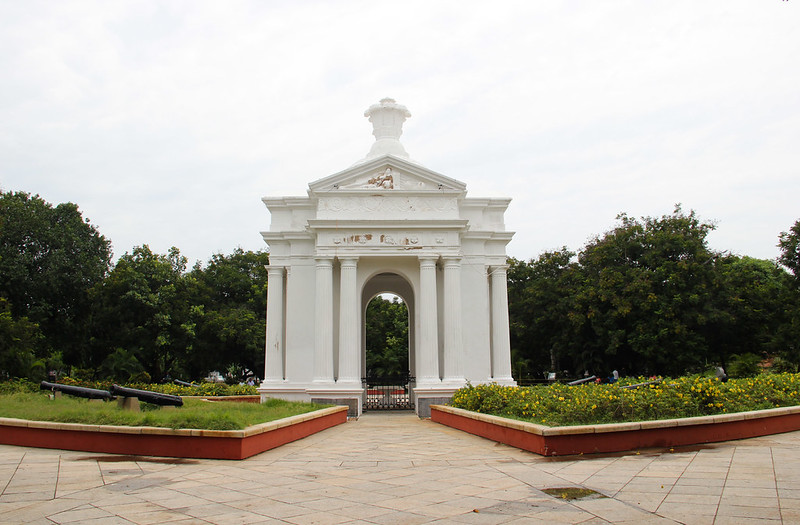
Bharathi Park sits at the heart of White Town around the Aayi Mandapam, a white Greco-Roman monument built in Napoleon III’s era — and after rain the lawns turn vivid green while the French quarter’s buildings frame it perfectly.
It’s the town’s most photogenic public square and a natural anchor for a walking tour of the colonial precinct. Benches, shade trees and a children’s play area make it an easy family stop.
- Entry fee: Free
- Timings:7:00 AM – 8:00 PM; open daily
- Best time to visit:Early morning or golden hour; lovely just after a shower
- How to reach:In White Town, 5 min walk from Rock Beach
- Time required:30–45 minutes
- Ideal for: Families, couples, morning walkers, photographers
- Pro tip: Pair it with a heritage walk of the surrounding French streets while the cobblestones are still glistening.
Weather in monsoon: Vivid green lawns and fresh, washed air, 25–29°C, with shaded benches for waiting out a brief afternoon shower.
Monsoon-special nearby: Step straight into the French Quarter — Rock/Promenade Beach is a 5-minute walk, with Raj Nivas and the French War Memorial close by.
Monsoon-special things to do: Take a heritage walk down glistening cobblestone streets, photograph the Aayi Mandapam framed by rain-soaked greenery, and let kids loose in the play area.
10. Sri Gokilambal Thirukameswarar Temple, Villianur
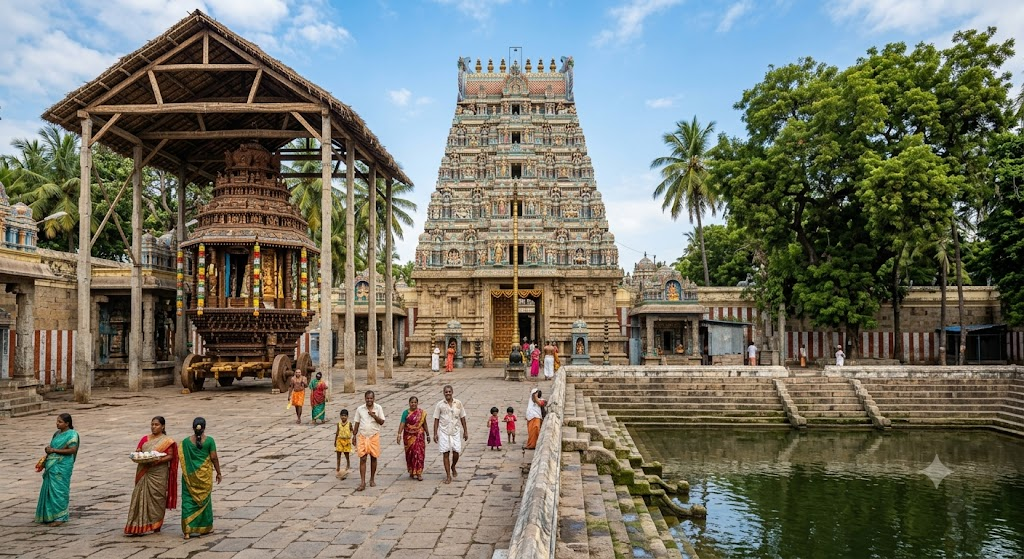
This 12th-century Chola-era temple in Villianur, about 10 km from the city, is Pondicherry’s most important Hindu shrine and offers a completely different, crowd-free cultural experience from the French quarter.
The towering gopuram and temple tank are atmospheric in the rains, and if you time it for the annual Brahmotsavam car festival (usually around May, so off-monsoon) you’ll see it at its most vibrant. Year-round, it’s a serene, free-to-enter stop.
- Entry fee: Free
- Timings:6:00 AM – 12:00 noon & 4:00 PM – 8:30 PM; open daily
- Best time to visit:Early morning for pooja and cooler weather
- How to reach:~10 km via Villianur; 20–25 min by auto/taxi
- Time required:45 min – 1 hour
- Ideal for:Culture & heritage travellers, families, photographers (exteriors)
- Pro tip:Remove footwear before entering, dress conservatively, and ask before photographing inside the sanctum.
Weather in monsoon: Cool mornings, 24–29°C, with the temple tank filling up and covered mandapams offering shelter. Rain tends to arrive later in the day.
Monsoon-special nearby: Ousteri Lake is only ~5 km away, making an easy west-cluster morning of temple darshan followed by wetland birdwatching.
Monsoon-special things to do: Attend early-morning pooja, photograph the towering gopuram reflected in the full tank, and soak in a crowd-free cultural experience away from the tourist beaches.
11. Eden Beach — India’s Blue Flag Coast

Eden Beach, around 8 km south of town, was the Union Territory’s first Blue Flag–certified beach, awarded in 2021 by the Denmark-based Foundation for Environment Education for clean, well-managed, eco-friendly coastline. That makes it the tidiest stretch of sand to enjoy the dramatic monsoon surf.
The clean shore, lifeguards and basic amenities make it more comfortable than the wilder beaches in the wet season. Swimming is restricted in rough monsoon seas, but a walk along the surf line is glorious.
- Entry fee: Free (parking may be charged)
- Timings:~6:00 AM – 6:00 PM
- Best time to visit:Sunrise or late afternoon; on a clear-sky monsoon day
- How to reach:~8 km south near Chinna Veerampattinam; 20 min by taxi/auto
- Time required:1–1.5 hours
- Ideal for: Families, couples, morning walkers
- Pro tip: Follow the lifeguard flags — monsoon rip currents are real. It’s quietest on weekday mornings.
Weather in monsoon: Warm and breezy, 26–30°C, with clean sand, strong surf and lifeguards on duty. Sudden showers pass quickly, and the Blue Flag upkeep keeps the beach usable.
Monsoon-special nearby: Chunnambar boat house (~2 km) and Arikamedu are close enough to bundle into one southern loop.
Monsoon-special things to do: Walk the surf line, catch a cloud-streaked sunrise, use the clean Blue Flag amenities for a comfortable family morning, and watch the powerful monsoon breakers roll in.
12. Bahour Lake & Village Wetland

Bahour Lake, a large centuries-old irrigation tank about 20 km south of the city, brims after the northeast monsoon and turns into a peaceful birding and cycling spot far from any tourist trail.
Ringed by paddy fields and small villages, it’s the kind of raw, rural monsoon scene that most visitors never see. Combine it with the nearby heritage temples for a slow, offbeat half-day.
- Entry fee: Free (no formal ticketing)
- Timings:Open access; daylight hours recommended
- Best time to visit:Early morning post-monsoon (Nov–Jan) for birds and full water
- How to reach:~20 km south via Bahour; 35–40 min by car/bike
- Time required:1–2 hours
- Ideal for:Birdwatchers, cyclists, off-grid explorers, photographers
- Pro tip:There are few facilities, so carry water and fuel up before you leave town; a local guide helps you find the best birding spots.
Weather in monsoon: Cool and rural, 24–28°C, with the tank brimming, paddy fields a brilliant green and misty mornings. Village tracks turn muddy, so a dry spell helps.
Monsoon-special nearby: The Bahour Sri Chandramouleeswarar temple and surrounding wetlands on the Karaikal road make a peaceful, offbeat rural circuit.
Monsoon-special things to do: Birdwatch at sunrise, cycle the paddy-field paths, picnic by the full tank, and photograph a rural monsoon landscape that few tourists ever reach.
How Far Apart Are These Places to Visit in Pondicherry in Monsoon?
Most of these spots cluster within 10 km of the city, with three heritage/nature day-trips further out. Grouping them by direction keeps you from criss-crossing town in the rain.
| Cluster (direction) | Places & approx. distance |
|---|---|
| In-town / North | Bharathi Park (0.5 km) · Sacred Heart Basilica (2 km) · Botanical Garden (2 km) · Serenity Beach (10 km) |
| West | Ousteri Lake (10 km) · Villianur Temple (10 km) |
| South | Arikamedu (7 km) · Eden Beach (8 km) · Chunnambar (8 km) · Bahour Lake (20 km) |
| Day-trips (far) | Gingee Fort (71 km, inland) · Pichavaram (75 km, coastal south) |
Practical takeaway: do the south cluster (Arikamedu → Eden → Chunnambar) on one morning, the west cluster (Ousteri → Villianur) on another, and reserve a full day for either Pichavaram or Gingee — not both, unless you have a third day.
Monsoon Itineraries: How to Plan Your Places to Visit in Pondicherry in Monsoon
Because rain usually builds through the afternoon, every plan below front-loads outdoor and travel-heavy activities into the morning and keeps rain-proof indoor stops (basilica, cafes, garden) as afternoon fallbacks.
1 Day
- 6:30–9:00 AM: Sunrise at Serenity Beach, then a cafe breakfast.
- 9:30–11:30 AM: Ousteri Lake for birdwatching.
- 12:00–1:30 PM: Sacred Heart Basilica + lunch in White Town (rain-proof).
- 2:30–5:00 PM: Chunnambar backwaters/Paradise Beach ferry (weather permitting) or Botanical Garden if it’s pouring.
- Evening: Heritage walk through the French Quarter around Bharathi Park.
2 Days / Weekend
Day 1 (in & around town): Serenity Beach sunrise → Ousteri Lake → Sacred Heart Basilica → lunch → Arikamedu → Eden Beach sunset.
Day 2 (day-trip): Early start for Pichavaram mangroves (row-boat by 10 AM) → return by late afternoon → Bharathi Park & French Quarter walk in the evening. This weekend plan covers the most rewarding places to visit in Pondicherry in monsoon without rushing.
3 Days
Day 3 adds the inland heritage circuit: Villianur Temple at dawn → drive to Gingee Fort (start the climb before 10 AM) → picnic lunch → back to Pondicherry, with a slow evening at Botanical Garden or a beachfront cafe. Add Bahour Lake at sunrise if you’re a keen birder.
Concise Monsoon Packing Guide for Pondicherry
You don’t need much — but the few right things make the wet season comfortable. Here’s the tight list we give our own guests for the places to visit in Pondicherry in monsoon:
| Rain gear | Compact umbrella + a light, packable rain jacket or poncho. A folding umbrella beats a big one on a scooter. |
|---|---|
| Footwear | Quick-dry sandals or waterproof shoes with grip — fort rocks and riverbanks get slippery. Avoid pure leather. |
| Clothing | Light, breathable cottons + one full-sleeve layer for cool, breezy evenings (24–29°C). Quick-dry fabrics over denim. |
| Electronics | Waterproof pouch/zip-lock bags for phone, camera and power bank; a rain cover for your camera at Ousteri/Pichavaram. |
| Health | Mosquito repellent, basic meds, and any personal medication — wetlands mean mosquitoes. |
| Documents | ID proof (needed at forts/boat houses) kept in a waterproof folder. |
| Extras | A dry bag or spare set of clothes for beach/boat days, and cash — smaller sites and boat counters may not take cards. |
Where to Stay for Your Pondicherry Monsoon Trip
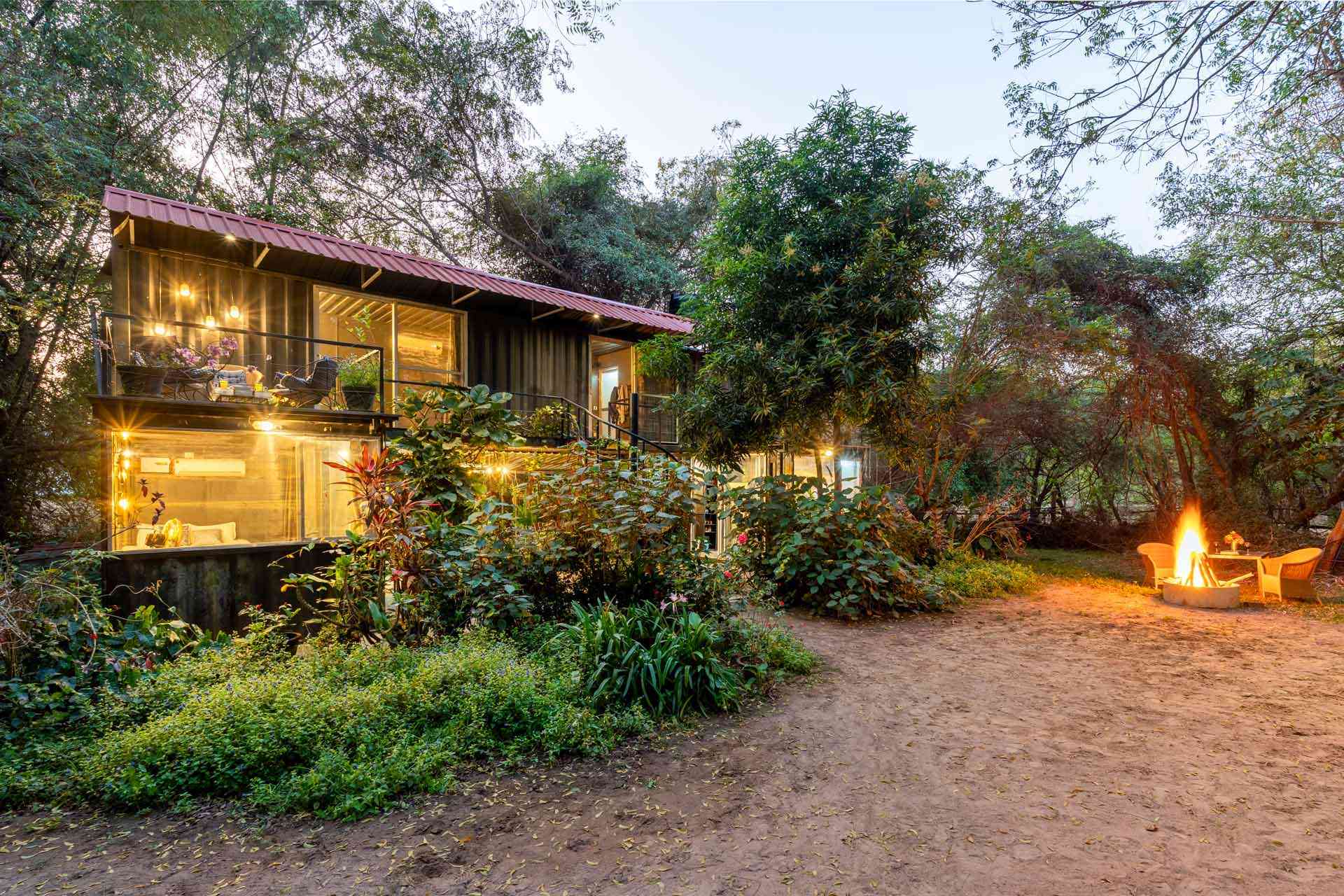
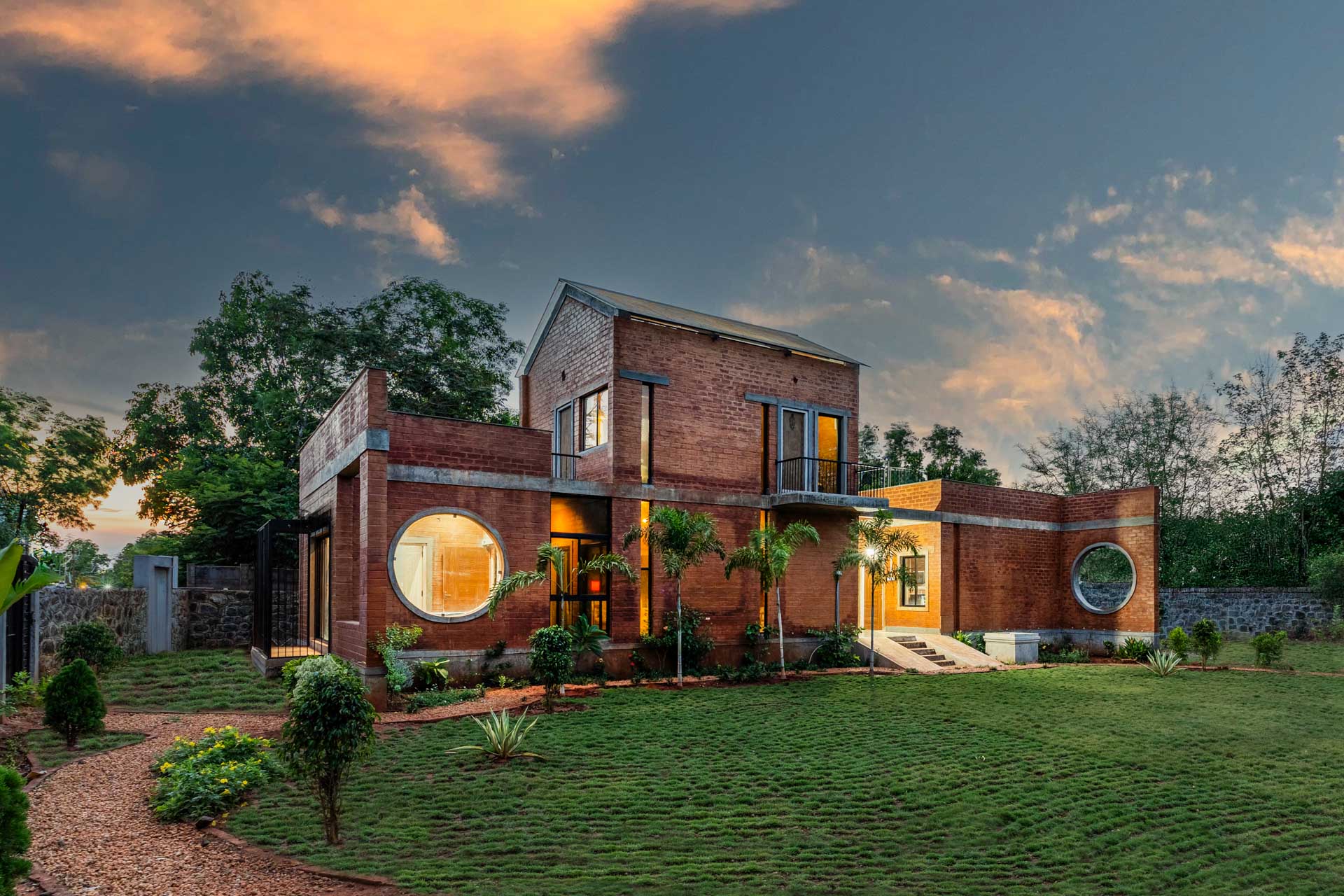
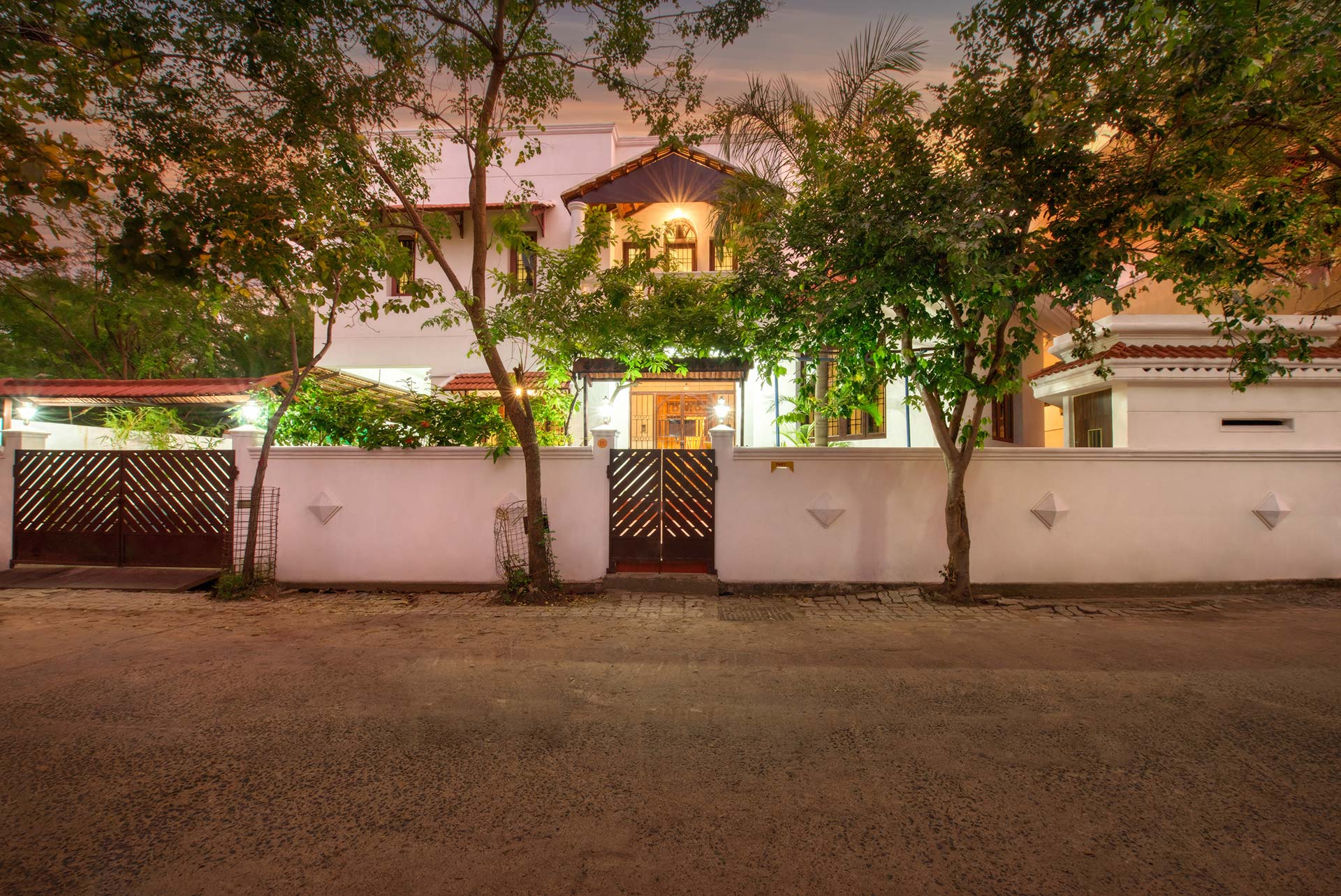
Monsoon is a smart time to upgrade your base, because off-season rates make private villas and heritage homes far more affordable. A place with covered verandahs and a courtyard is worth its weight in gold when you want to watch the rain with a coffee. Look for stays near White Town or the ECR so day-trips stay short, and confirm covered parking if you’re renting a scooter.
Final Word: Why the Rains Are Worth It

The monsoon rewrites the rulebook here — it trades beach-swimming for birding, big crowds for quiet lanes, and peak prices for genuine value. Plan around the afternoon showers, keep one day-trip in reserve, and these twelve places to visit in Pondicherry in monsoon will show you a greener, calmer and far more soulful side of the town than the dry-season rush ever could. Pack light, move early, and let the rain set the pace.
Frequently Asked Questions
Yes, if you go for atmosphere over beach-swimming. From October to December Pondicherry is lush, cool (24–29°C) and far less crowded, with 20–40% off-season discounts on stays. Expect short heavy showers, mostly in the afternoon, and occasional waterlogging — so keep day plans flexible.
Pondicherry’s main rain comes from the northeast monsoon, roughly October to December, with November the wettest month at about 347 mm on average (IMD normals, 1991–2020). That’s the opposite of most of India, which gets the June–September southwest monsoon.
Top offbeat picks are Ousteri Lake (birding), the Chunnambar backwaters, Arikamedu Roman ruins, Pichavaram mangrove forest, Gingee Fort, Serenity and Eden beaches, and Villianur temple. These are quieter and more rewarding in the rains than the standard promenade circuit.
You can visit the beaches for walks, surf-watching and photography, but swimming is risky during the monsoon because of rough seas and rip currents. Eden Beach (Blue Flag, with lifeguards) and Serenity Beach are the safest choices, and you should always follow the lifeguard flags.
Two to three days is ideal. Two days covers the in-town sights plus one nature day-trip (Pichavaram or Gingee), while a third day lets you add the inland heritage circuit or extra birding at Bahour and Ousteri lakes without rushing.
Absolutely — the monsoon is when the Pichavaram mangroves, India’s second-largest after the Sundarbans, are fullest and greenest. It’s about 75 km (2 hours) south via the ECR, open 9 AM–6 PM, with boating from around ₹150. Go early on a clear day for the calmest ride.
Pack a compact umbrella and light rain jacket, quick-dry grippy footwear, breathable cottons with one warm layer, waterproof pouches for electronics, mosquito repellent, and cash for smaller sites and boat counters. A dry bag for beach and boat days is very handy.