

Top 10 Things To Do in Goa: North Goa vs South Goa Edition
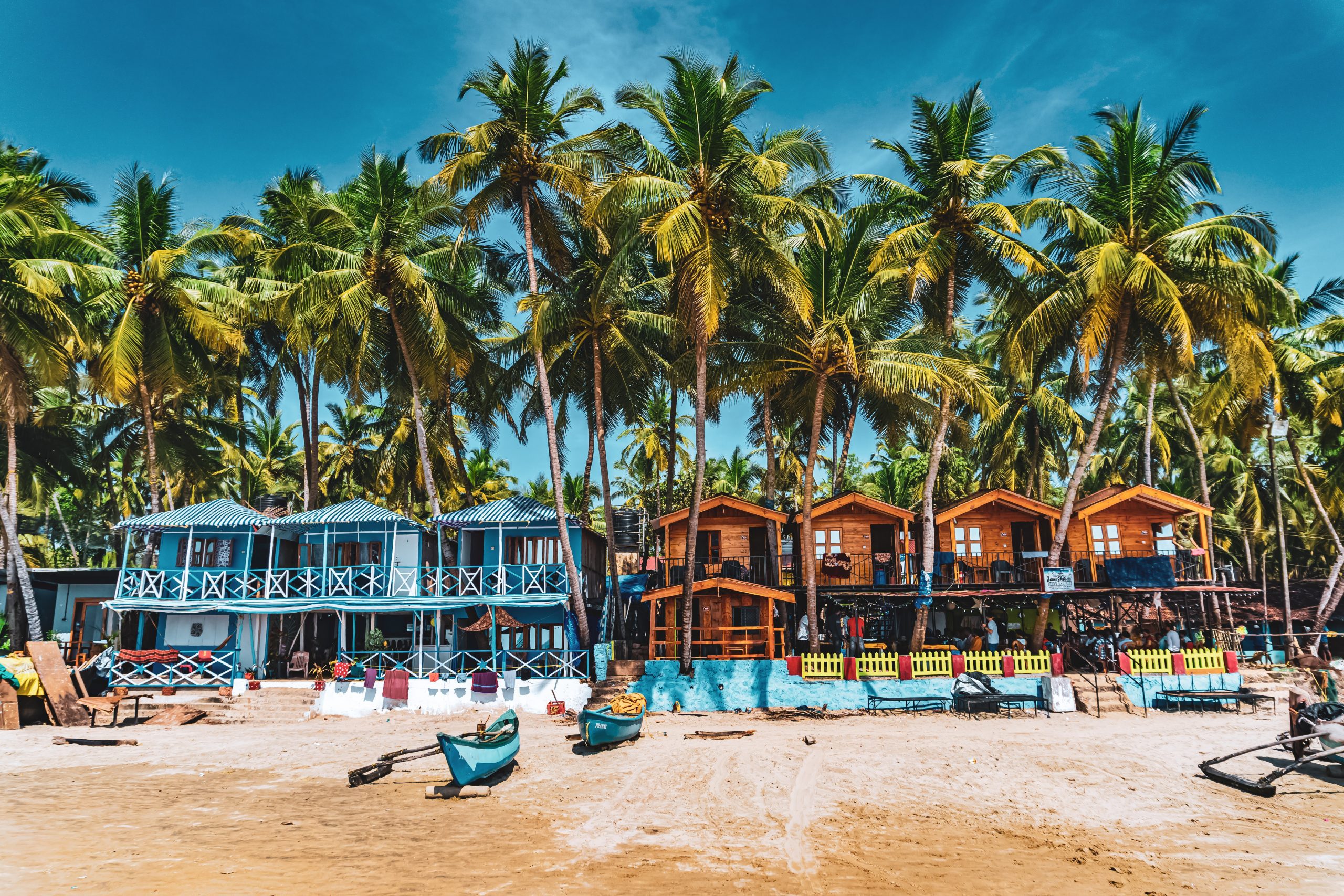
Beneath the sunny skies and amidst the crashing waves of the Arabian Sea lies a tropical haven that beckons all to its shores – Goa. A land of stunning beaches, vibrant culture, and mouthwatering seafood, it is a place where time slows down, and every moment is a celebration of life. Whether you’re a beach bum seeking serenity or a party animal ready to let loose, Goa has something for everyone.
Lucky for you, we can help settle the debate of choosing between North Goa vs South Goa. Once you’ve made your pick, here’s a cheat sheet to the best places to visit, things to do and the best beaches of Goa.
In this Blog
Famous Places in North Goa: Most popular neighbourhoods that are a must-visit
Anjuna: Anjuna is a charming neighbourhood that is known for its vibrant nightlife and stunning beaches. It’s home to the famous Wednesday Flea Market, which is a must-visit for tourists. The market offers a variety of goods, including handicrafts, clothes, jewellery, and food. Anjuna is also known for its beach parties and music festivals, making it a popular spot for young and adventurous travellers.
Baga: Baga is a popular neighbourhood in North Goa, known for its lively nightlife and beautiful beach. It’s a hub for water sports activities, including jet skiing, parasailing, and banana boat rides. Baga is also home to several famous restaurants and bars, which is a must-visit for party lovers.
Calangute: Calangute is a bustling neighbourhood that is known for its beautiful beach and water sports activities. It’s a popular spot for tourists looking for a fun-filled vacation, with a variety of restaurants, cafes, and shops lining the beachfront. Calangute is also known for its lively nightlife and music festivals, making it a popular spot for young travellers.

Candolim: Candolim is a serene neighbourhood that is known for its peaceful beach and historic Fort Aguada. It’s a great spot for water sports activities, including jet skiing, parasailing, and windsurfing. Candolim is also home to several famous restaurants and cafes, making it a great spot for foodies.
Panaji: Panaji is the capital city of Goa and is known for its beautiful architecture and vibrant markets. It’s home to several famous landmarks, including the Church of Our Lady of the Immaculate Conception and the Mandovi River. Panaji is a great place to explore if you’re interested in learning more about the local culture and history.
Mapusa: Mapusa is a charming neighbourhood that is known for its bustling market and historic landmarks. It’s a great place to shop for local handicrafts, spices, and clothing. Mapusa is also home to several famous landmarks, including the St. Jerome Church and the Hanuman Temple.
Vagator: Vagator is a peaceful neighbourhood that is known for its beautiful beach and stunning cliffs. It’s a popular spot for tourists looking for a quiet getaway, with several cafes, restaurants, and yoga centres in the area. Vagator is also home to several music festivals and parties, making it a great spot for young travellers.

Morjim: Morjim is a serene neighbourhood that is known for its beautiful beach and natural beauty. It’s a popular spot for birdwatching, with several rare bird species found in the area. Morjim is also home to several famous restaurants and cafes, making it a great spot for foodies.
Top 10 things to do in North Goa
- Visit the Beaches: North Goa is famous for its pristine beaches, including Calangute, Baga, Anjuna, Vagator, and Morjim. These beaches are perfect for relaxing, sunbathing, and water sports.
- Fort Aguada: Visit the historic Fort Aguada, which was built by the Portuguese in the 17th century and offers stunning views of the Arabian Sea.
- Visit the Churches: North Goa is home to some beautiful churches, including the Basilica of Bom Jesus, Se Cathedral, and St. Francis of Assisi Church.

- Water Sports: Enjoy a variety of water sports activities such as jet skiing, parasailing, banana boat rides, and more.
- Night Markets: Visit the famous night markets, including Anjuna Flea Market and Saturday Night Market at Arpora, which offer a variety of local handicrafts, souvenirs, and delicious food.
- Dudhsagar Falls: Take a trip to the spectacular Dudhsagar Falls, which is located on the Goa-Karnataka border and is one of the highest waterfalls in India.
- Spice Plantations: Visit the spice plantations of North Goa and learn about the cultivation of various spices like cardamom, cinnamon, and pepper.
- Dolphin spotting: Take a boat ride to spot dolphins in the Arabian Sea.
- Casinos: Try your luck at the various casinos in North Goa, including Deltin Royale, Casino Pride, and Casino Paradise.
- Yoga and Ayurveda: North Goa is a hub for yoga and Ayurveda centers. Take a break from the hustle-bustle and rejuvenate yourself with a yoga or Ayurveda session.

Best beaches in North Goa
Calangute Beach: Calangute Beach is the most popular beach in North Goa, famous for its lively atmosphere, water sports, and nightlife. The beach is surrounded by several shacks and restaurants serving delicious seafood, and it’s a great spot for shopping. The beach is also a popular destination for tourists, with several resorts and guesthouses located in the area.
Baga Beach: Baga Beach is another popular beach in North Goa, known for its vibrant nightlife and party atmosphere. The beach is lined with several shacks and restaurants serving food and drinks, and it’s a great spot for water sports such as parasailing, jet skiing, and banana boat rides. Baga Beach is also a popular spot for dolphin spotting, and you can take a boat ride from here to see these friendly creatures in their natural habitat.
Anjuna Beach: Anjuna Beach is famous for its bohemian vibe and hippie culture. The beach is lined with several cafes, bars, and shops selling handmade jewelry and clothing, and it’s a popular spot for flea markets. The weekly Anjuna Flea Market, held every Wednesday, is a must-visit for shoppers. Anjuna Beach is also a great spot for water sports such as surfing and windsurfing.

Vagator Beach: Vagator Beach is a picturesque beach in North Goa, known for its stunning sunset views and red cliffs. The beach is relatively quieter than the other popular beaches in North Goa, making it a great spot for swimming and relaxing. The beach is also a popular spot for water sports such as parasailing and jet skiing.
Morjim Beach: Morjim Beach is a quieter and more peaceful beach in North Goa, known for its clean and pristine waters. The beach is a popular spot for birdwatching, with several migratory birds visiting the area during the winter season. Morjim Beach is also a great spot for swimming and relaxing.
Arambol Beach: Arambol Beach is a beautiful and serene beach in North Goa, known for its laid-back atmosphere and bohemian vibe. The beach is a popular spot for yoga and meditation retreats, with several yoga centres located in the area. Arambol Beach is also a great spot for paragliding and other water sports.
Candolim Beach: Candolim Beach is a quieter and more secluded beach in North Goa, known for its serene atmosphere and scenic views. The beach is a popular spot for water sports such as parasailing and jet skiing, and it’s also a great spot for dolphin spotting.
Famous Places in South Goa: Most popular neighbourhoods to visit
Palolem: Palolem is famous for its stunning crescent-shaped beach, which is considered one of the most beautiful in Goa. It’s a great spot to relax and soak up the sun, go for a swim or try out water sports activities like kayaking and paddleboarding. Palolem is also known for its peaceful and laid-back atmosphere, making it a popular spot for tourists looking for a quiet and relaxing vacation. Additionally, there are several cafes, restaurants and yoga centres in the area, making it a great spot to enjoy some good food and wellness activities.
Colva: Colva is famous for its beautiful beach and vibrant nightlife. It’s a great spot to visit if you’re looking for a fun-filled vacation, with several bars, restaurants, and nightclubs in the area. The Colva Beach is a great place to go for a swim or try out water sports activities like parasailing and jet skiing. The Our Lady of Mercy Church is another famous landmark in Colva that is worth a visit, with its beautiful architecture and history.
Benaulim: Benaulim is famous for its peaceful and serene beach, which is considered one of the most beautiful in South Goa. It’s a great spot to relax and enjoy the natural beauty of the area, with several shacks and restaurants serving delicious seafood. Benaulim is also known for its local culture, with several temples and churches in the area that are worth a visit. If you’re interested in water sports, you can try out activities like parasailing and windsurfing here.
Cavelossim: Cavelossim is famous for its stunning beach and natural beauty. It’s a great spot for nature lovers and birdwatchers, with several rare bird species found in the area. The Cavelossim Beach is a great spot to relax and enjoy the beautiful scenery, with several shacks and restaurants serving delicious food. Cavelossim is also home to several luxury resorts and spas, making it a great spot for a relaxing vacation.

Varca: Varca is famous for its beautiful beach and local handicrafts. It’s a great spot to shop for local souvenirs, including handicrafts, clothing, and spices. The Varca Beach is a great spot to relax and enjoy the sun, with several shacks and restaurants serving delicious food. If you’re interested in water sports, you can try out activities like parasailing and jet skiing here.
Agonda: Agonda is famous for its beautiful and secluded beach, which is considered one of the most pristine in Goa. It’s a great spot to relax and enjoy the natural beauty of the area, with several shacks and restaurants serving delicious food. Agonda is also a great spot for nature lovers, with several rare species of birds and turtles found in the area.
Betalbatim: Betalbatim is famous for its beautiful beach and local culture. It’s a great spot to explore if you’re interested in learning more about the local history and traditions, with several temples and churches in the area. The Betalbatim Beach is a great spot to relax and enjoy the sun, with several shacks and restaurants serving delicious food. If you’re interested in water sports, you can try out activities like jet skiing and parasailing here.
Top 10 Things to do in South Goa
- Relax on the Beaches: South Goa is home to some of the most beautiful beaches in Goa, such as Palolem, Colva, and Benaulim. Spend a day lounging on the sandy shores, sunbathing, and enjoying the scenic views.
- Visit Dudhsagar Waterfalls: Dudhsagar Waterfalls is one of the most famous waterfalls in India and is located in South Goa. You can take a trek or Jeep safari to the falls to witness the stunning cascade of water.
- Explore the Spice Plantations: South Goa is home to several spice plantations, where you can take a tour to learn about the different spices grown in the region, see how they are harvested, and even taste them.
- Visit the Churches: South Goa is home to several beautiful churches, such as the Basilica of Bom Jesus, which is a UNESCO World Heritage Site, and Our Lady of the Immaculate Conception Church.
- Take a Dolphin Spotting Tour: Goa is famous for its dolphins, and you can take a boat ride from South Goa to spot these friendly creatures in their natural habitat.

- Enjoy Water Sports: South Goa is a great place to try out water sports such as parasailing, jet skiing, banana boat rides, and kayaking.
- Go Island Hopping: South Goa is surrounded by several beautiful islands that you can explore, such as Grande Island, Bat Island, and Butterfly Island.
- Attend a Music Festival: South Goa is home to several music festivals, such as Sunburn and Supersonic, which are held every year and attract music lovers from all over the world.
- Visit the Cotigao Wildlife Sanctuary: The Cotigao Wildlife Sanctuary is a must-visit for nature lovers, with several rare species of flora and fauna found in the area.
- Enjoy Local Cuisine: South Goa is known for its delicious seafood and local cuisine, such as Goan fish curry, prawn balchao, and sorpotel. Try out some of the local restaurants and shacks for a taste of authentic Goan food.
Best Beaches in South Goa
Palolem Beach: Palolem Beach is known for its crescent-shaped bay and turquoise waters, making it one of the most scenic beaches in South Goa. The beach is famous for its lively atmosphere, with several shacks and restaurants serving delicious seafood and hosting live music events. One can also indulge in activities like kayaking and dolphin spotting, making it a perfect destination for adventure enthusiasts.
Colva Beach: Colva Beach is a bustling beach that stretches over a long distance, and is famous for its lively atmosphere. It’s a popular spot for swimming and sunbathing, and visitors can also enjoy water sports like jet skiing and parasailing. Colva Beach is surrounded by shacks and restaurants that offer a range of food and drinks, making it a great place to unwind and relax.

Benaulim Beach: Benaulim Beach is a peaceful and tranquil beach that’s perfect for relaxation. Visitors can enjoy swimming in its clean waters or sunbathing on its soft sand. The beach is surrounded by several shacks and restaurants that offer delicious seafood, and visitors can also spot dolphins here, making it a popular destination for nature lovers.
Agonda Beach: Agonda Beach is a secluded and pristine beach that’s famous for its serene atmosphere and picturesque views. The beach is perfect for swimming and relaxation, and visitors can also enjoy activities like yoga and meditation retreats. The beach is surrounded by several shacks and restaurants that serve delicious food and drinks, making it a great spot for unwinding and rejuvenating.
Varca Beach: Varca Beach is known for its soft white sand and clear waters, making it a great spot for swimming and sunbathing. The beach is surrounded by several luxury resorts and hotels, and visitors can indulge in activities like parasailing and jet skiing. The beach is a popular destination for couples and families seeking a serene and relaxing holiday.

Mobor Beach: Mobor Beach is a picturesque and tranquil beach that’s perfect for relaxation and rejuvenation. Visitors can enjoy swimming in its pristine waters or sunbathing on its soft sand. The beach is surrounded by several luxury resorts and hotels, and visitors can indulge in activities like parasailing and jet skiing. The beach is popular among tourists seeking a peaceful and secluded holiday.
Cavelossim Beach: Cavelossim Beach is a popular destination among tourists seeking a lively and vibrant atmosphere. The beach is surrounded by several shacks and restaurants that offer a range of food and drinks, and visitors can enjoy water sports like jet skiing and banana boat rides. The beach is a great spot for unwinding and relaxing, and it’s a popular destination among families and adventure enthusiasts.
While North Goa is known for its bustling beaches, vibrant nightlife, and colourful markets, South Goa is more laidback, with pristine beaches, tranquil backwaters, and picturesque villages.
Despite their differences, both regions offer a unique glimpse into the cultural and historical heritage of Goa. North Goa is home to ancient forts, colonial-era churches, and colourful festivals like the Goa Carnival, while South Goa boasts charming Portuguese mansions, quiet fishing villages, and serene temples.
With Goa becoming more accessible than ever, it is easy to find your way to the city for short or long trips. Additionally, Mumbai-residents have cause for celebration with the Mumbai-Goa Vande Bharat bookings opening up to enjoy the most scenic way of reaching Goa.
So whether you choose to explore the lively beaches and markets of North Goa or the tranquil backwaters and villages of South Goa, you’re sure to experience the unique charm and beauty of this enchanting state.