
Karnataka Travel Guide: Best Places to Visit in April–June 2026

Karnataka shifts beautifully into a different gear from April through June. The Western Ghats get lush and misty as pre-monsoon moisture arrives. Coffee estates in Coorg burst into white bloom. Gokarna’s beaches empty out as weekend crowds move on, leaving Om Beach and Kudle Beach refreshingly quiet. Hampi becomes a dramatic sunrise-and-sunset destination — visit before 10 AM and after 4 PM to beat the April heat. Chikmagalur offers excellent pre-monsoon trekking on Mullayanagiri as the hills cool slightly from their summer peak. This guide covers what makes April–June 2026 an underrated and rewarding window for Karnataka travel.
In this Blog
Why visit Karnataka in April–June 2026?
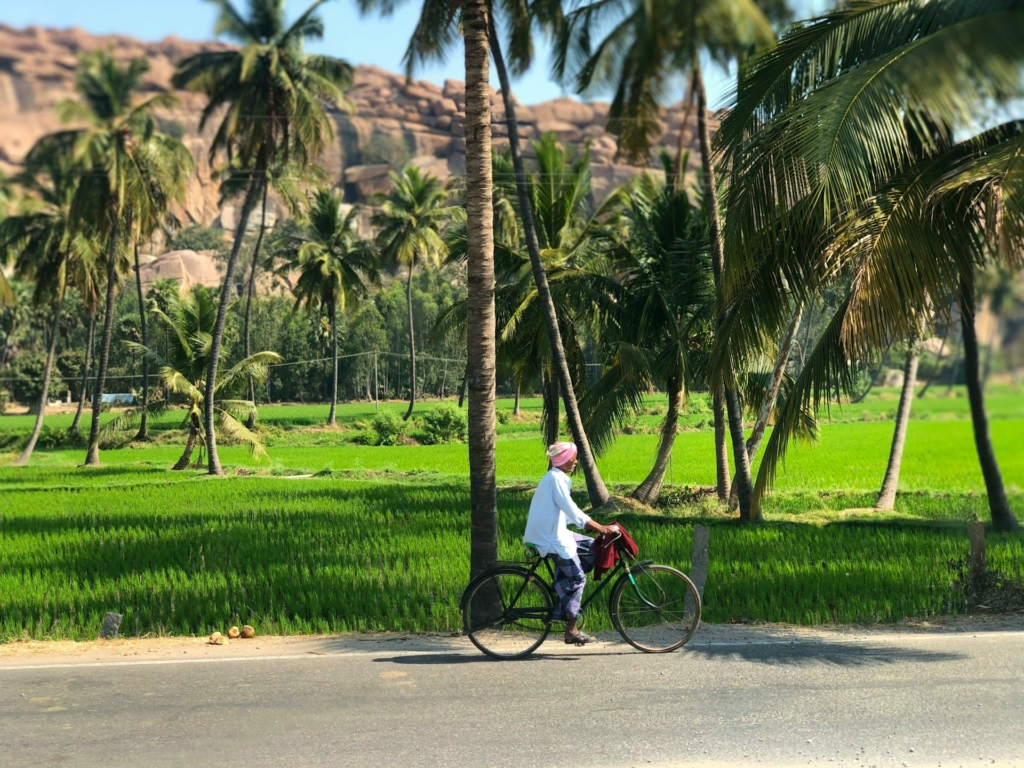
April to June marks Karnataka’s transition from the pleasant post-winter period into a pre-monsoon season that has its own distinct character. The Western Ghats remain cooler than the plains. Coastal humidity is still manageable in April and early May. Heritage circuits like Hampi are best explored in the golden light of early morning and late afternoon.
Weather snapshot for April–June 2026:
| Region | Avg Temperature (April) | Avg Temperature (May–June) | Travel Advantage |
| Coorg & Chikmagalur (Hills) | 20–30°C | 22–28°C (pre-monsoon cooling) | Coffee estates bloom, waterfalls start in May |
| Hampi & North Karnataka | 28–40°C | 30–38°C | Dramatic sunrise from Matanga Hill, fewer crowds |
| Gokarna Coast | 26–34°C | 27–32°C | Off-season beach calm, Om Beach nearly empty |
This period aligns with:
- Coffee estate bloom season in Coorg and Chikmagalur (April–May)
- First pre-monsoon waterfalls beginning in May
- Off-season quiet at Gokarna — ideal for off-grid stays
- Hampi’s ruins at their most dramatic in early morning golden light
For travellers searching for “hill stations near Bangalore Karnataka” or “weekend getaways from Bangalore” in summer, April to June offers a quieter, more affordable alternative to peak December holidays.
Top attractions in Karnataka April–June: Hills, Heritage and Beaches
The most visited attractions in Karnataka during February–March fall into three categories: hill stations, heritage sites, and coastal escapes.
Coorg in April–June: Coffee Estate Bloom, Waterfalls Starting, Jungle Stays

Coorg, officially Kodagu district, is known for rolling estates, forested hills, and plantation homestays.
Top attractions in Coorg:
- Abbey Falls
- Dubare Elephant Camp
- Raja’s Seat
- Talacauvery (source of River Cauvery)
- Nisargadhama forest island
Is Coorg good to visit in April and May?
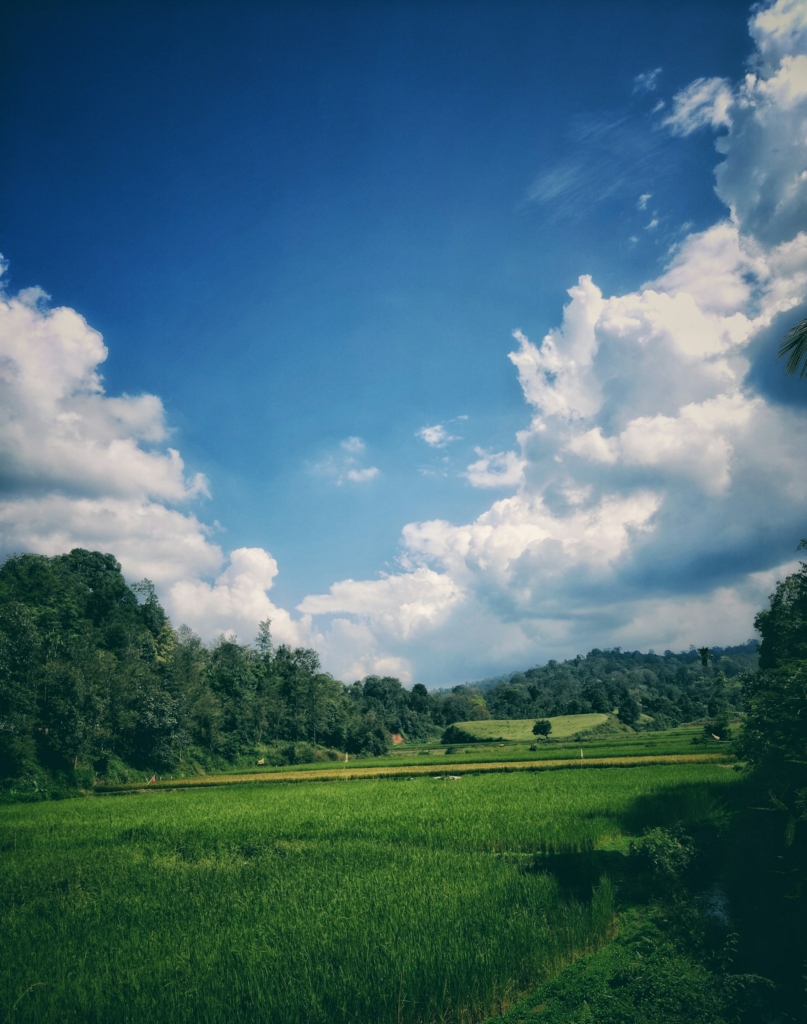
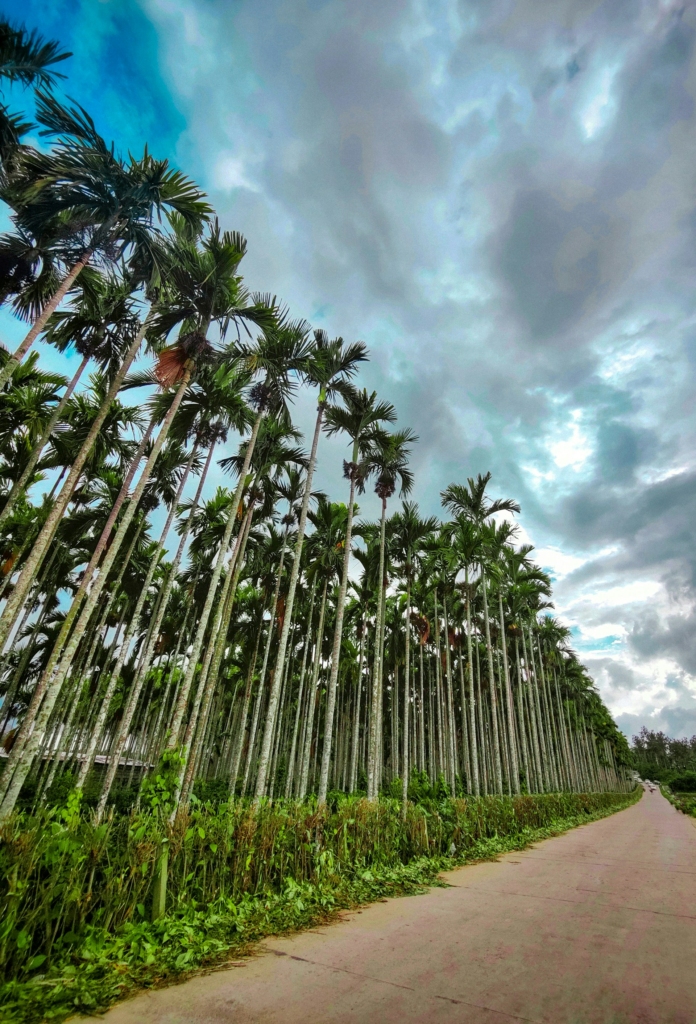
Yes. Coorg in April and May offers something special that February cannot: coffee estates in full white bloom. The arabica flowers create a heady fragrance across the estates that draws nature lovers from across South India. By May, early pre-monsoon showers begin, and Abbey Falls starts to gain volume. Leech activity remains low through May (it picks up only in heavy monsoon). Mornings are crisp and valley viewpoints from Raja’s Seat remain clear.
Travellers specifically interested in Coorg coffee estates in bloom can:
- Stay at working estate homestays
- Join guided plantation walks during bloom season (April–May)
- Learn about Arabica vs Robusta processing
- Purchase fresh single-origin beans
Local cuisine tip: Try traditional Kodava Pandi Curry and bamboo shoot dishes during estate stays.
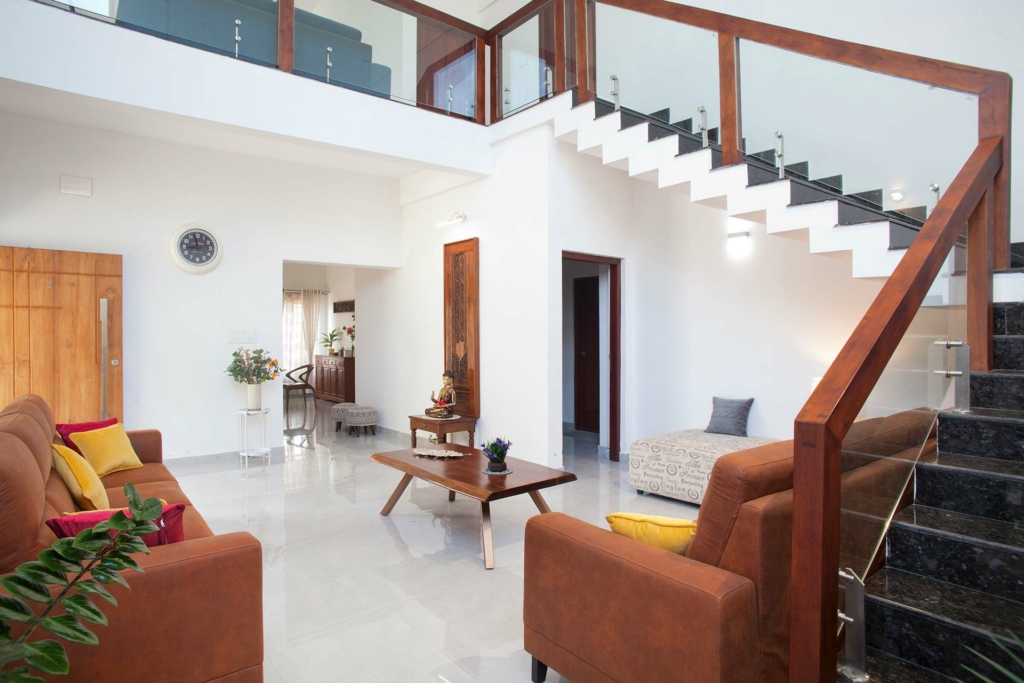
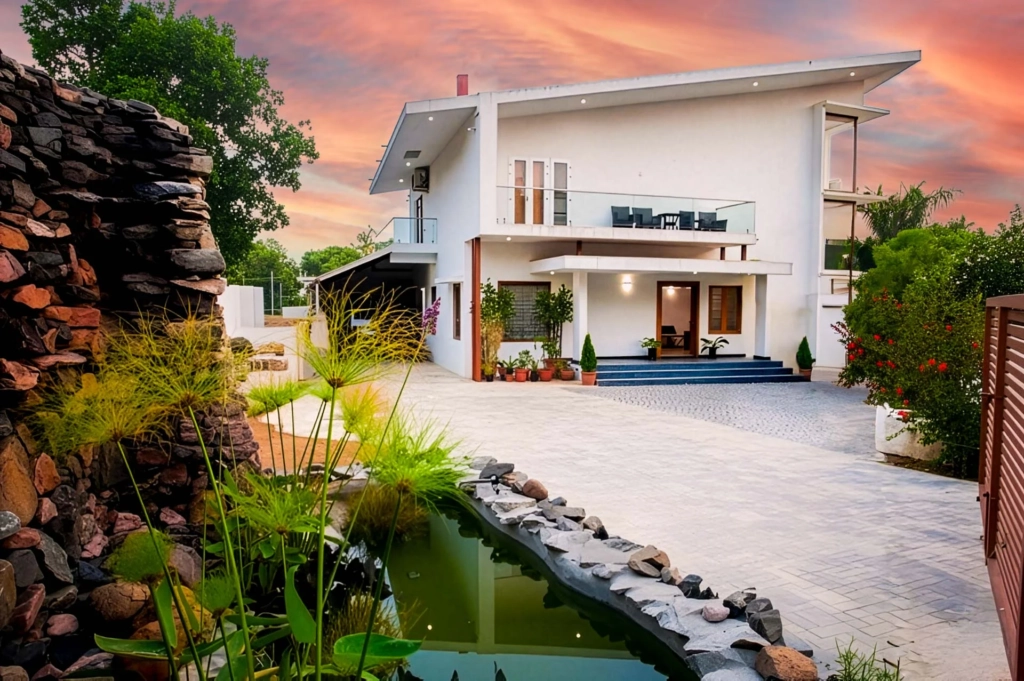
Places to Stay in Coorg
Green Pastures
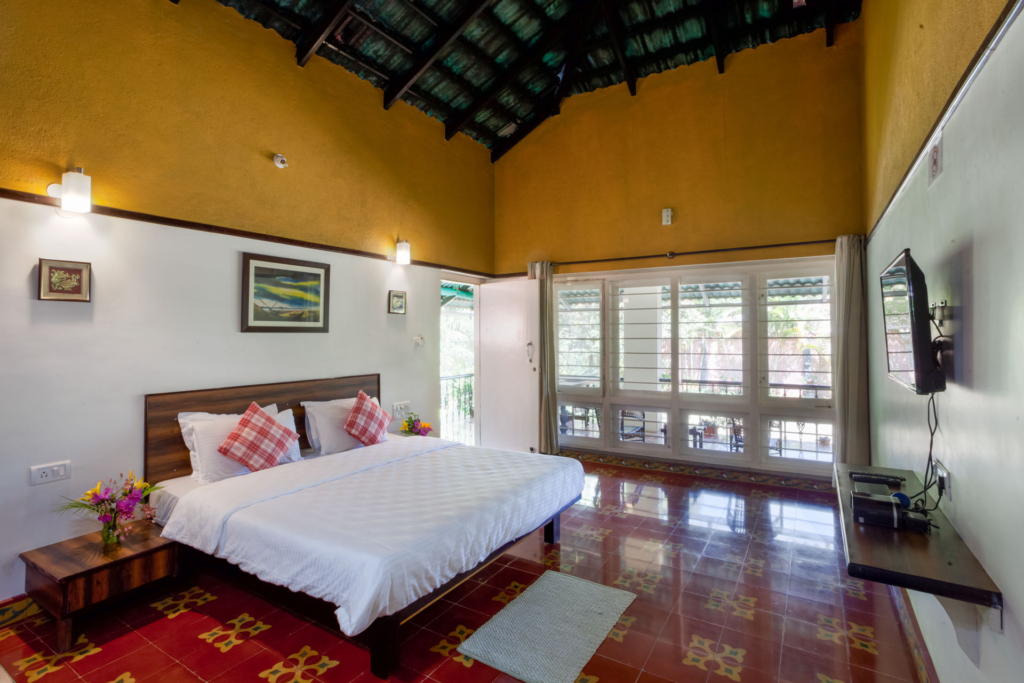
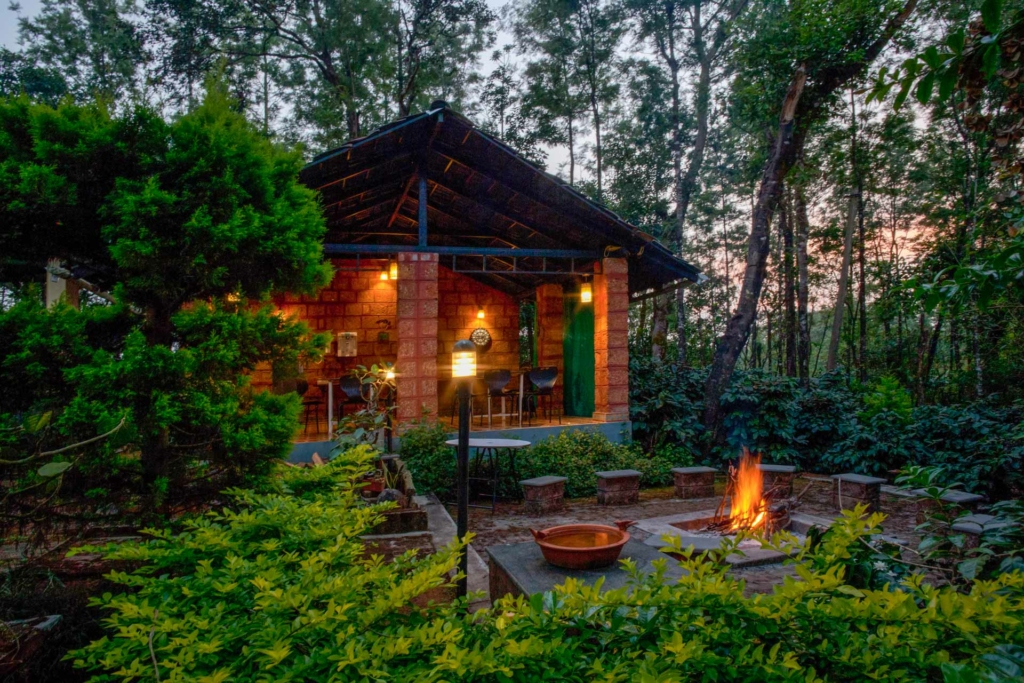
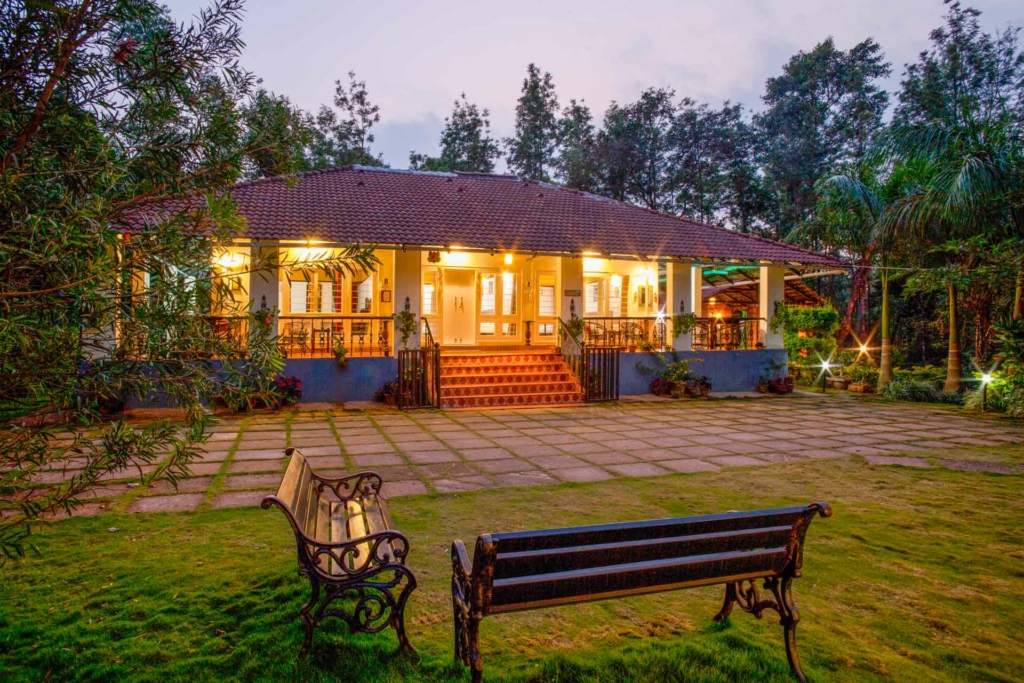
Hermitage (Boutique Stay)
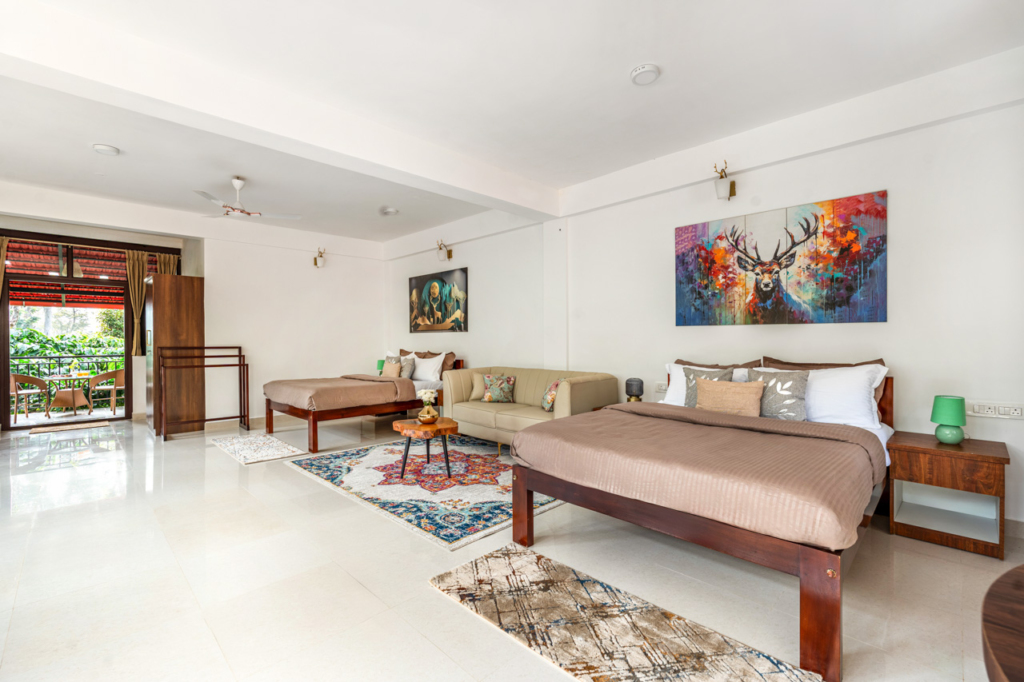
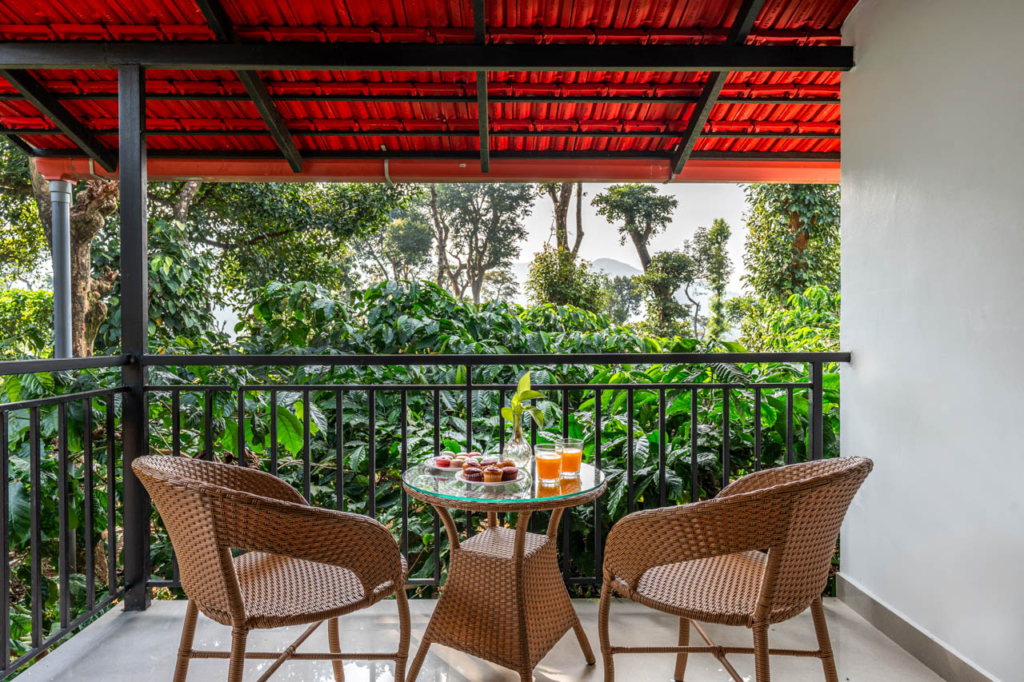
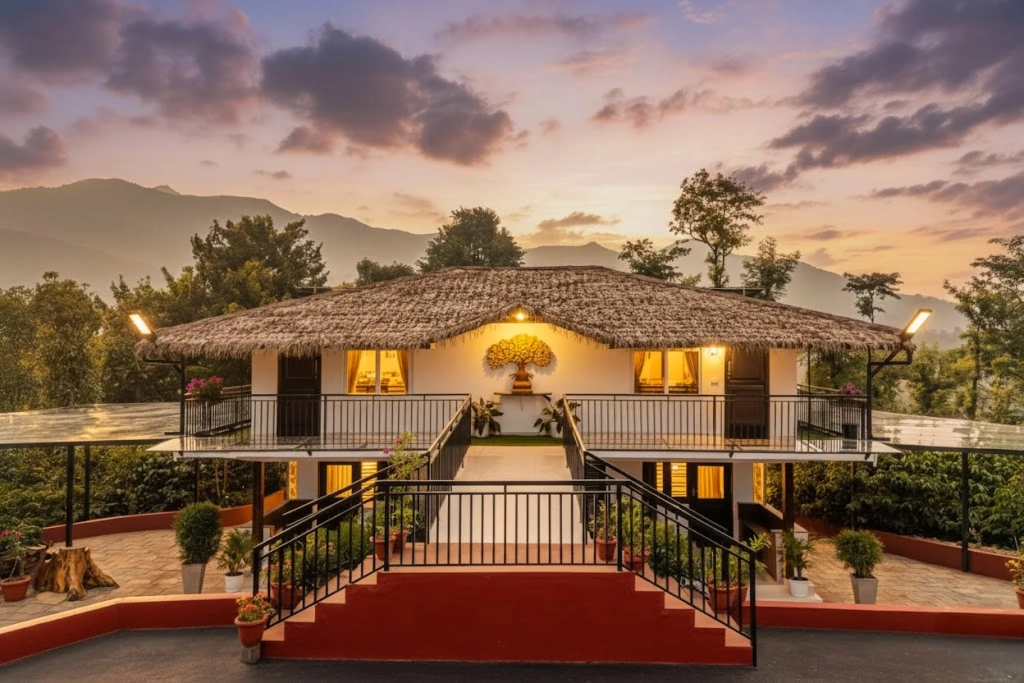
Ivory Hill – Madikeri
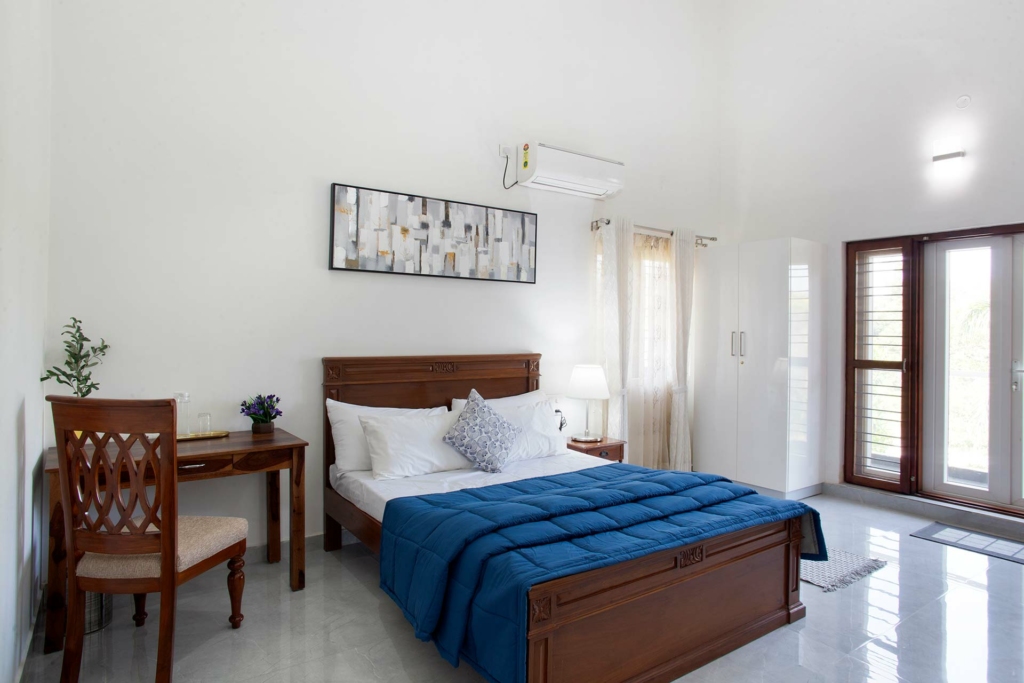
Chikmagalur Hill Station: Mullayanagiri Trekking & Western Ghats Views

Chikmagalur is among the most searched Karnataka places to visit in late winter. The highlight is Mullayanagiri (1,930 m), the highest peak in Karnataka.
Mullayanagiri trekking essentials:
- Early morning ascent recommended
- 3–4 km moderate trail
- Panoramic Western Ghats ridgelines
- Pre-monsoon trekking conditions with mist and cooler ridge temperatures
Other attractions in Coorg and Chikmagalur circuit include:
- Baba Budangiri hills
- Coffee Museum
- Hebbe Falls
For travellers planning weekend trips from Bangalore in summer, Chikmagalur is a 5–6 hour drive and pairs well with Coorg in a single circuit. The coffee-and-hills circuit works especially well in April–May when the estates are in bloom and the waterfalls are just starting.
Why is Chikmagalur a great place to visit in April–June in Karnataka?
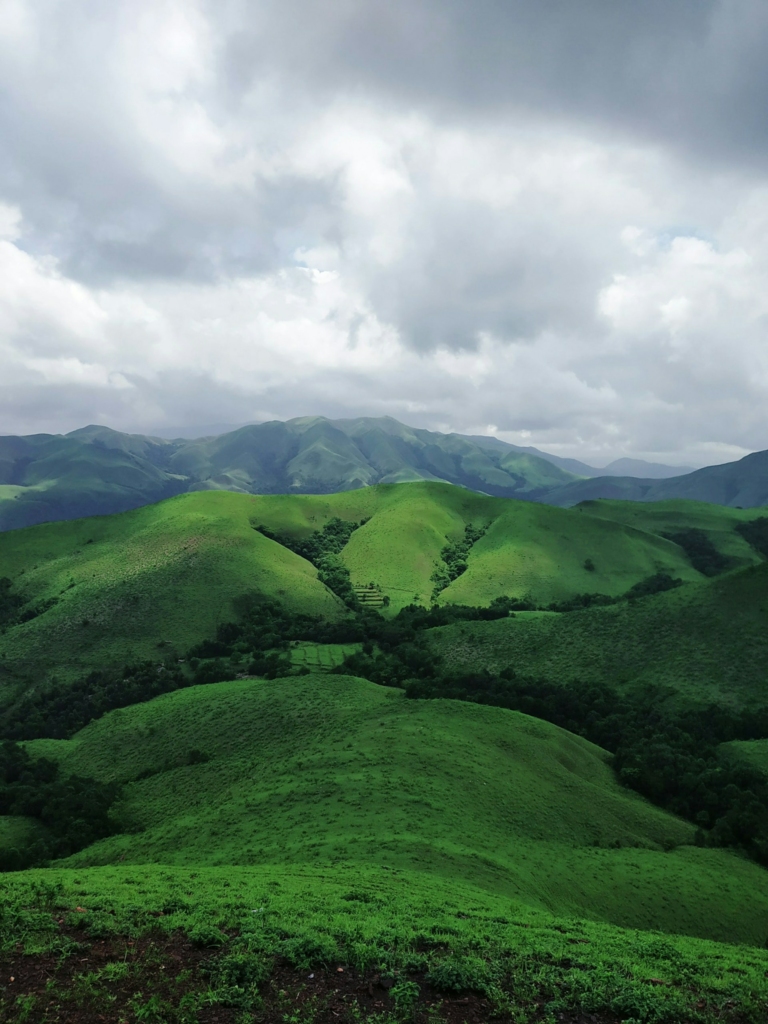
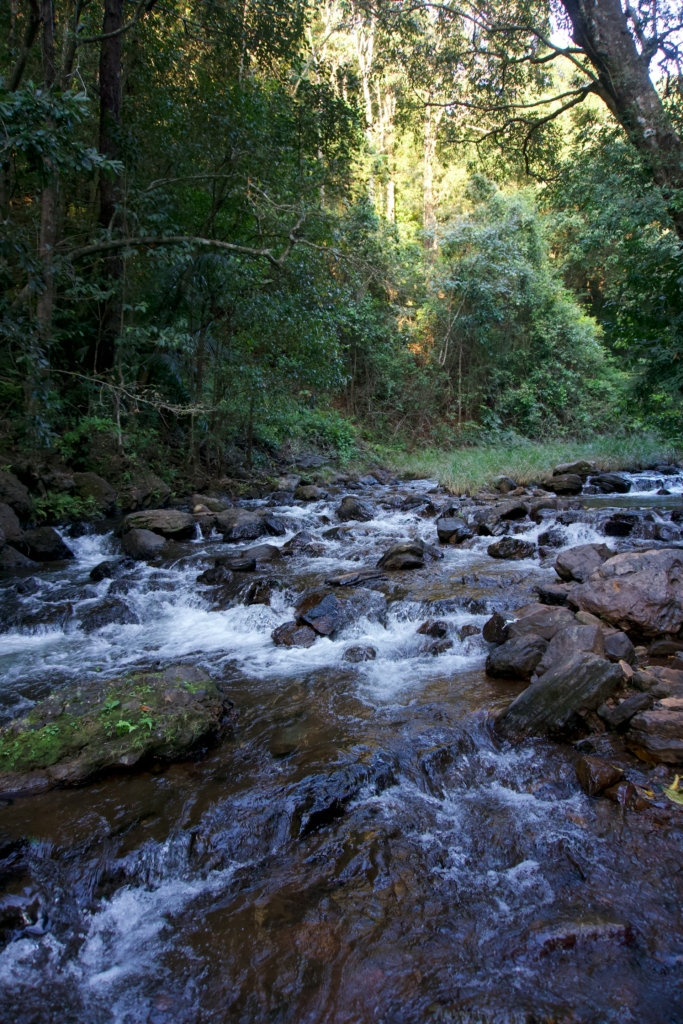
Chikmagalur in April–June offers pre-monsoon trekking on Mullayanagiri that most summer visitors miss. The peak (1,930 m) stays cooler than the plains even in May, and the pre-monsoon mist creates ethereal conditions for sunrise photography. Temperatures are 22–28°C at the summit, far cooler than Bangalore or Mysuru at the same time. Start your Mullayanagiri trek before 7 AM to beat any heat build-up and catch the Western Ghats ridge views in clear conditions.
Seasonal advantages include:
- Excellent visibility from Mullayanagiri and Baba Budangiri viewpoints
- Comfortable trekking weather without monsoon humidity
- Active coffee estate visits during late harvest and processing season
- Blooming greenery across the Western Ghats landscape
For travellers researching chikmagalur hill station experiences or trekking at Chikmagalur during late winter, this window combines adventure, landscape photography, and relaxed plantation living. The pre-monsoon period offers a unique mix of blooming estates, cooling highland air, and the first hints of monsoon green appearing on the hillsides.
Places to Stay in Chikmagalur
Sienna @ Strelitzia
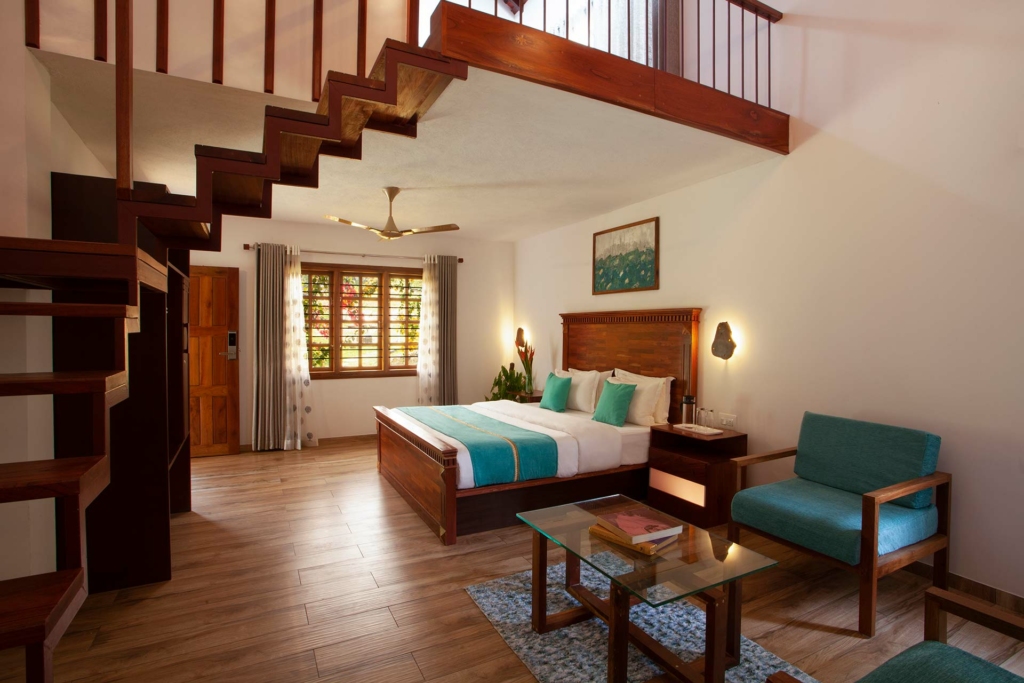
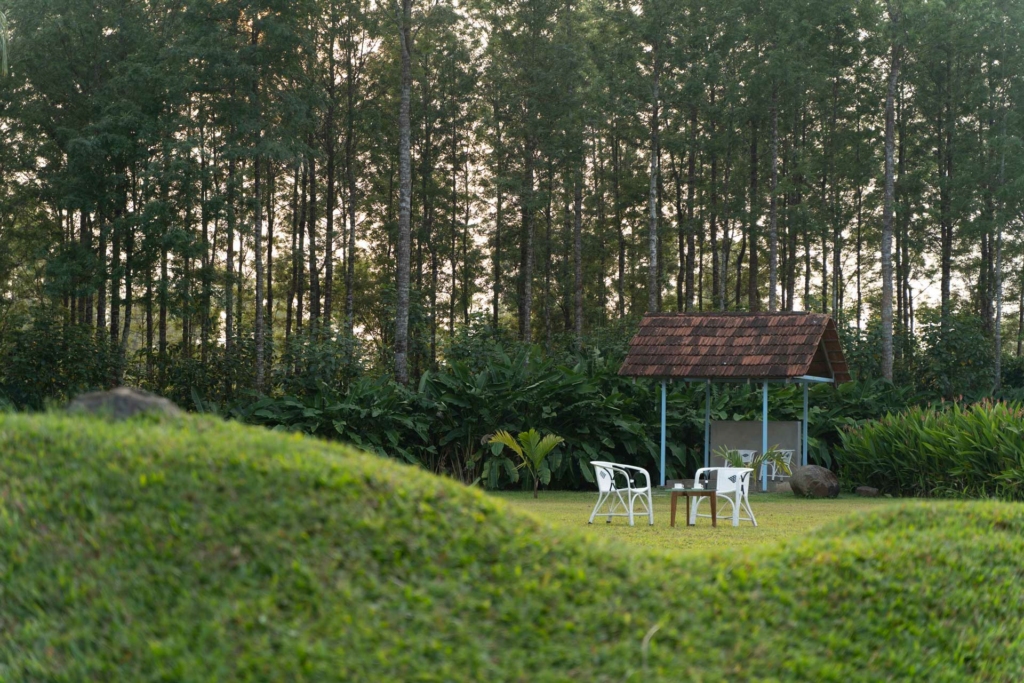
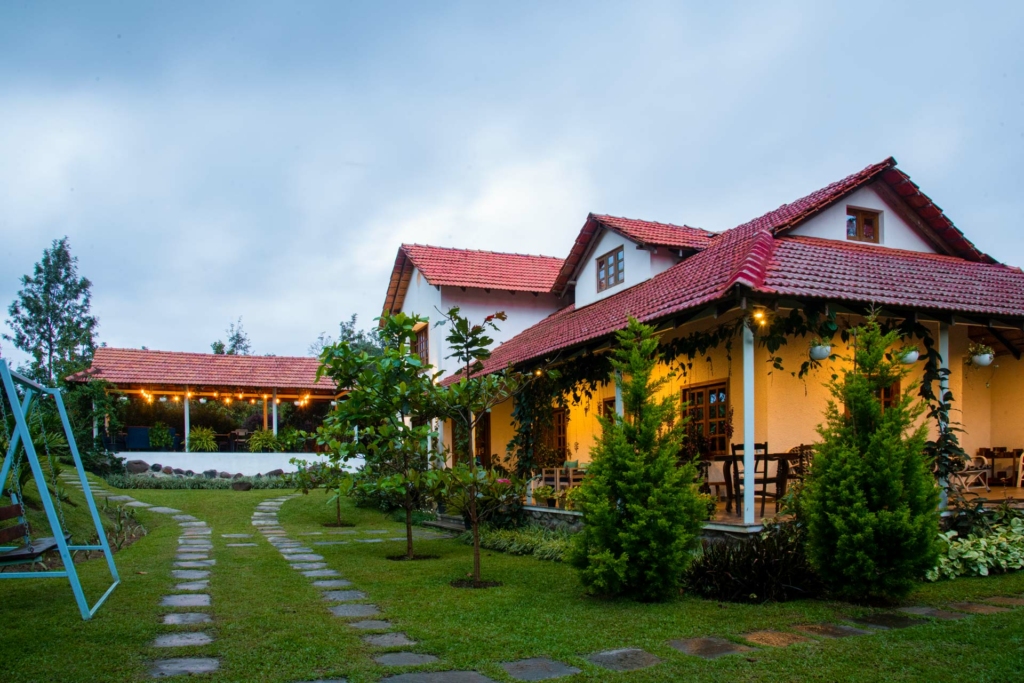
Mocha @ Misty Barn – Oodsey
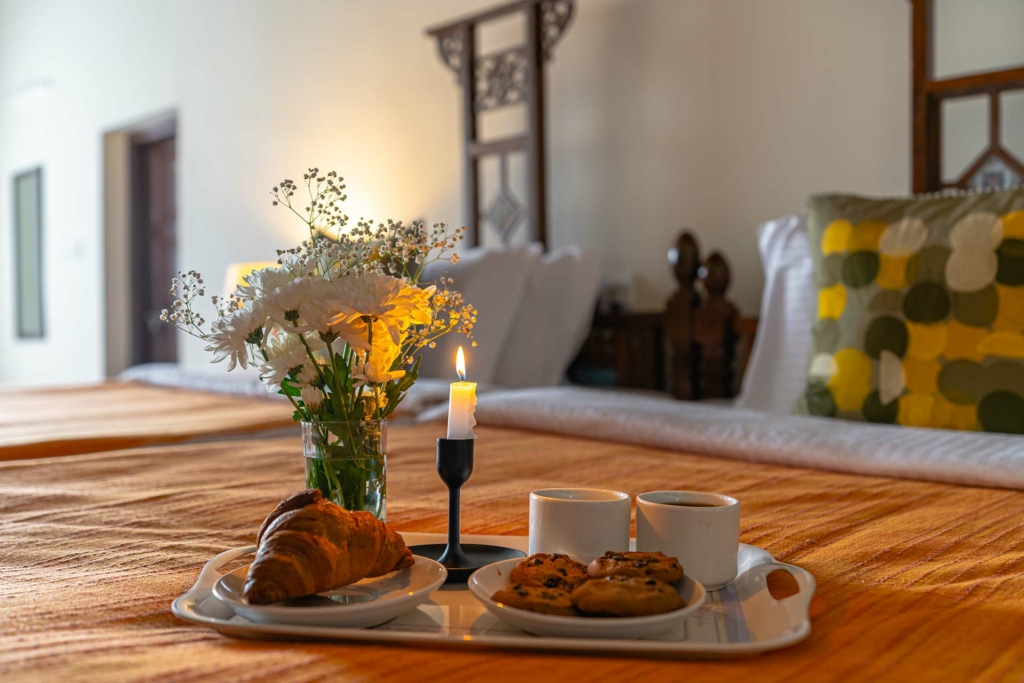
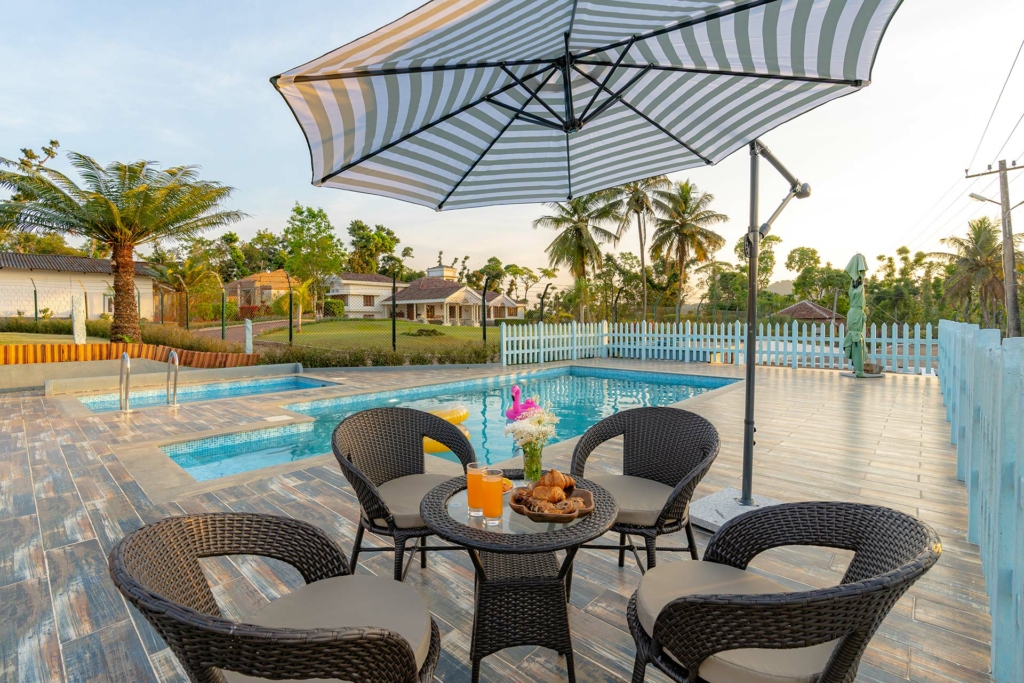
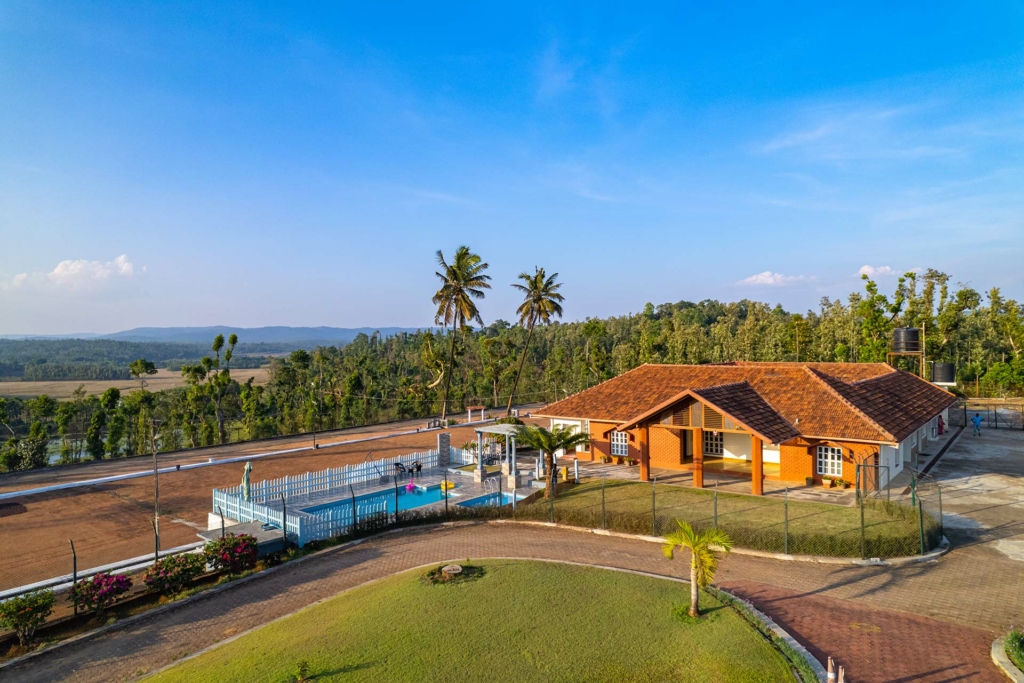
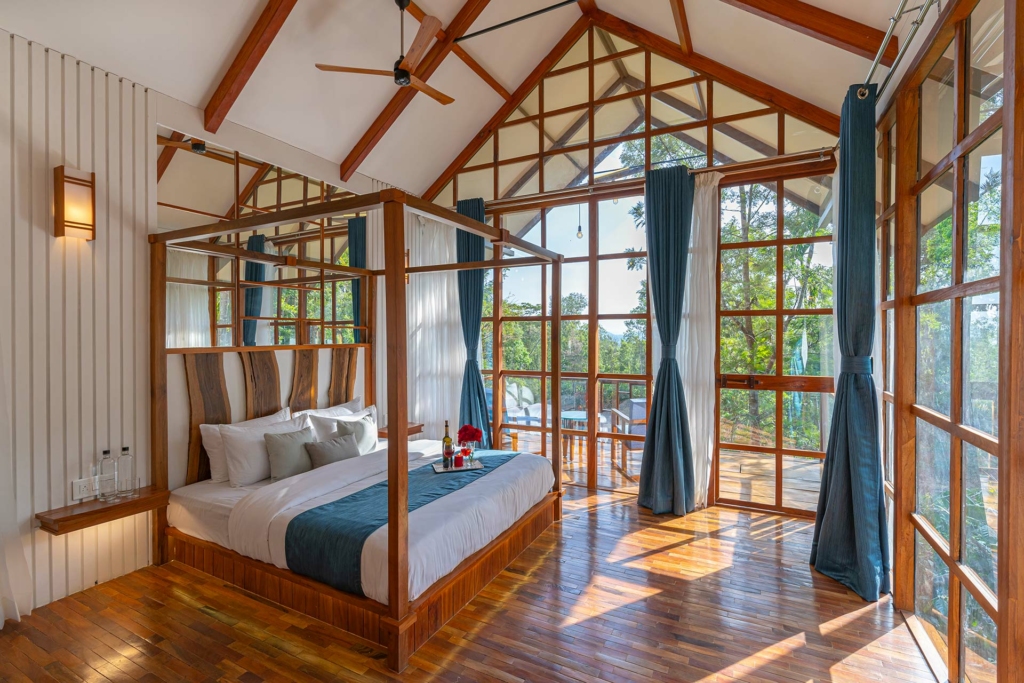
Cicada
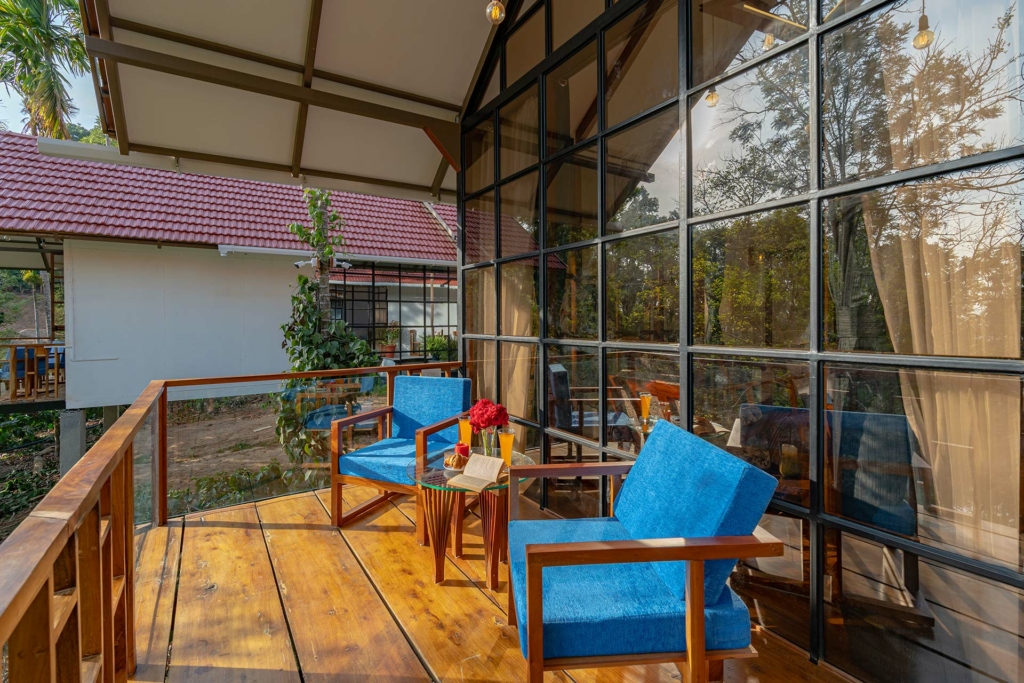
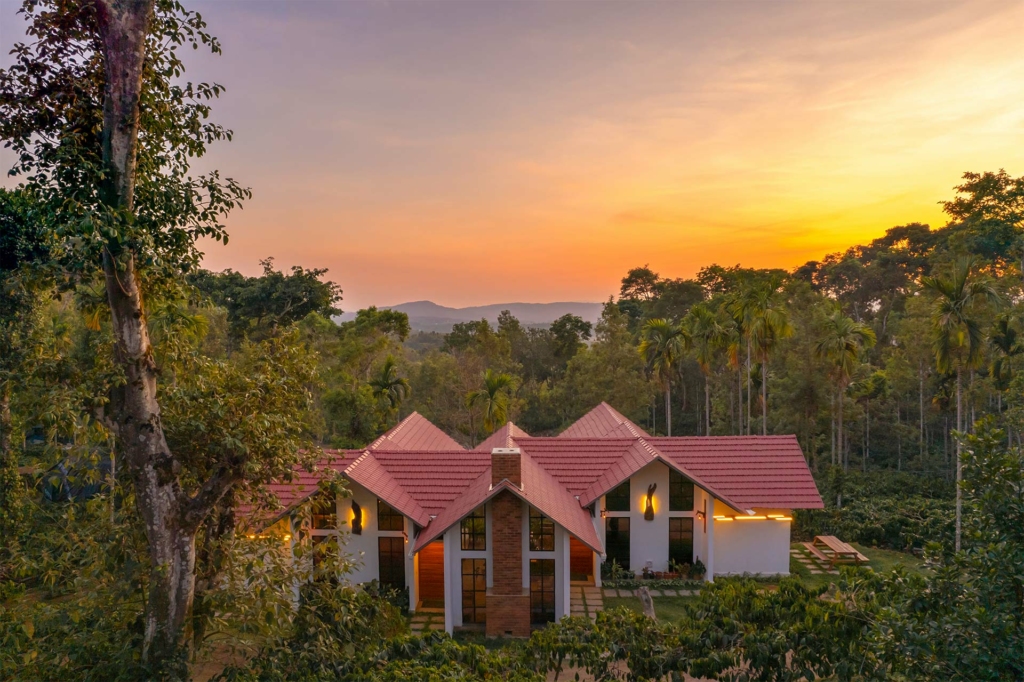
Hampi in April–June: Sunrise from Matanga Hill and Pre-Dawn Heritage Walks

Hampi is a UNESCO World Heritage Site known for Vijayanagara-era architecture.
Key highlights:
- Virupaksha Temple
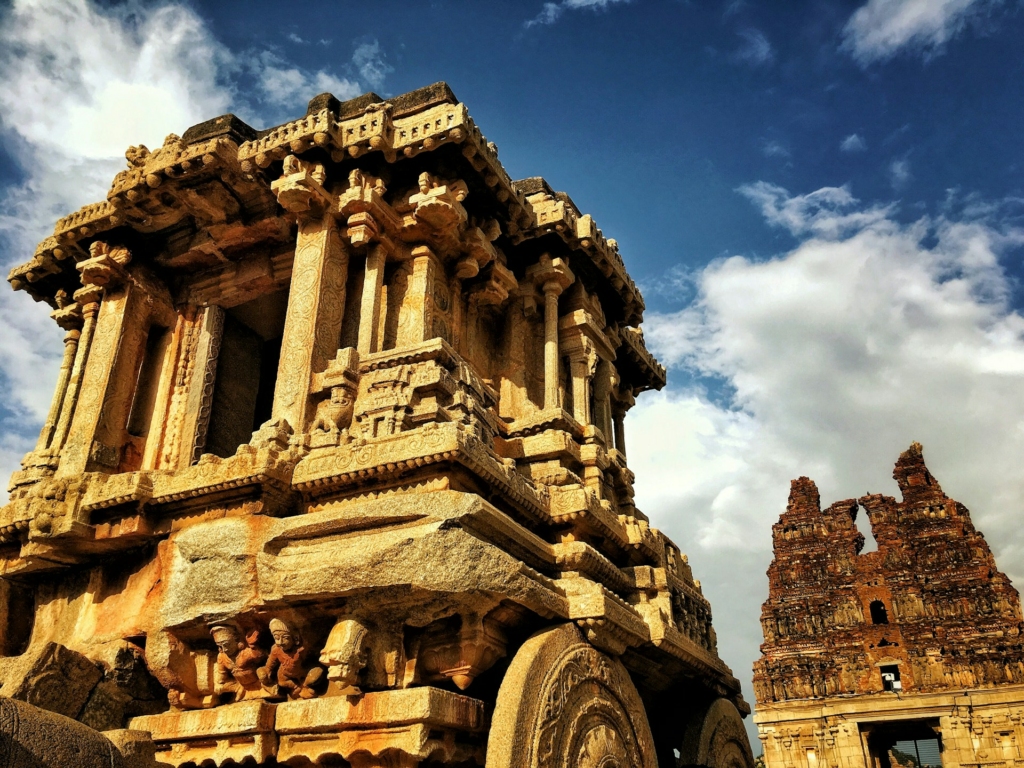
- Vittala Temple stone chariot
- Hemakuta hill sunset
- Royal enclosure and stepped tanks
In April and beyond, Hampi requires smart timing. Visit before 10 AM and after 4 PM to avoid the intense midday heat (up to 40°C). The reward: sunrise from Matanga Hill is one of the most spectacular sights in Karnataka — ancient boulder-strewn landscapes glowing orange-pink before the heat haze sets in. Sunrise photography at Hemakuta Hill is equally dramatic. The Tungabhadra river glints silver in the early light. Visitor numbers are lower than December, making the experience more contemplative.
Why is Hampi worth visiting in April in Karnataka?
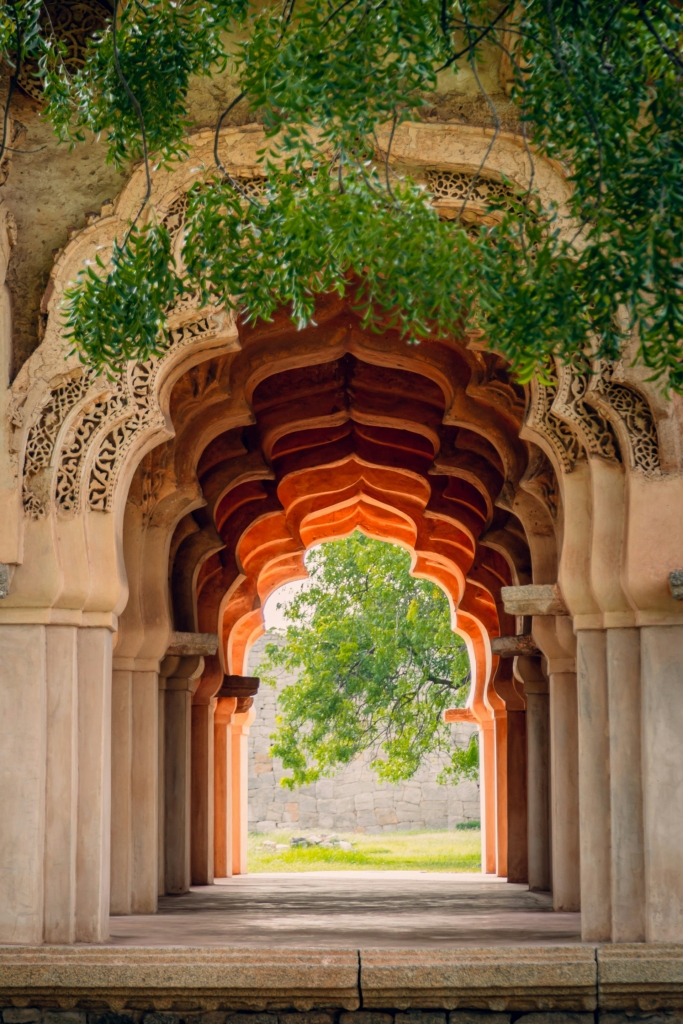
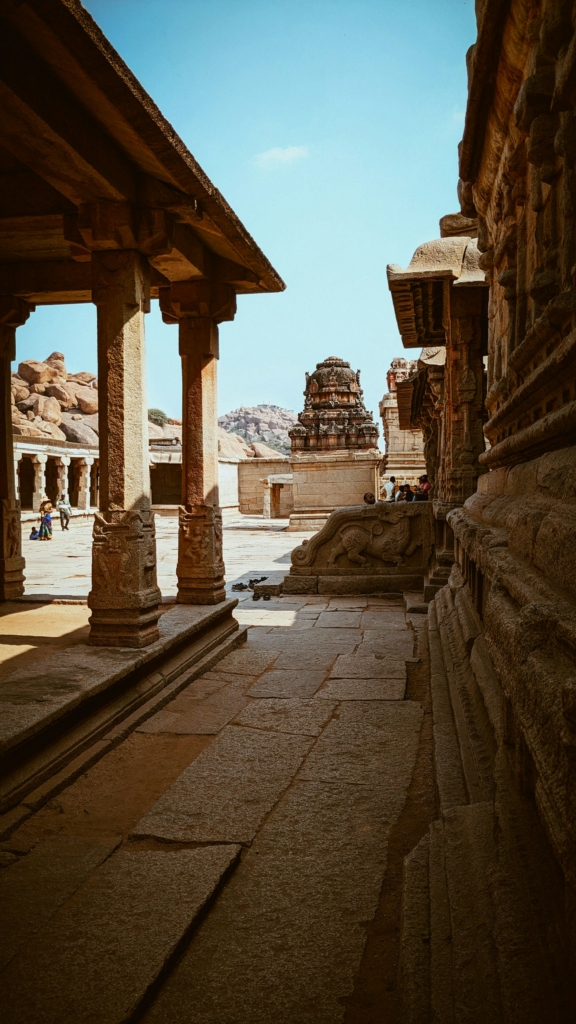
Hampi in April is a destination for early risers. Temperatures hit 38–40°C by midday, but the first two hours after sunrise and the last two before sunset are magical. The Virupaksha Temple catches morning light beautifully. The stone chariot at Vittala Temple glows gold at dawn. Cyclist tours across the UNESCO landscape work perfectly in the cooler morning window. Book accommodation with good AC for midday rest.
Seasonal advantages include:
- Spectacular sunrise from Matanga Hill (arrive by 6:00 AM) and sunset from Hemakuta Hill
- Better lighting conditions for photographing temple architecture
- Fewer crowds compared to December peak season
- Pre-dawn and post-dusk cycling tours across the UNESCO landscape (avoid 10 AM–4 PM)
For travellers researching Hampi itinerary options in April or May, time your exploration around the sun — and you’ll have the ruins largely to yourself in the golden hours.
Gokarna in April–June: Off-Season Beach Calm and Off-Grid Stays

Gokarna combines pilgrimage heritage and beach culture.
Most popular beaches in Karnataka Gokarna region:
- Om Beach
- Kudle Beach
- Half Moon Beach
- Paradise Beach
From April onwards, Gokarna’s beaches shed the last of their peak-season visitors. Om Beach, Kudle Beach, and Half Moon Beach become notably quieter — ideal for off-grid stays, sunrise meditation, and long uninterrupted beach walks. April and May see warm sea conditions; the water is calm before monsoon swells arrive in June. Small eco-resorts and beachfront homestays offer better rates and availability than during December–January. This is Gokarna at its most undisturbed.
Why is Gokarna a great place to visit in April–June in Karnataka?
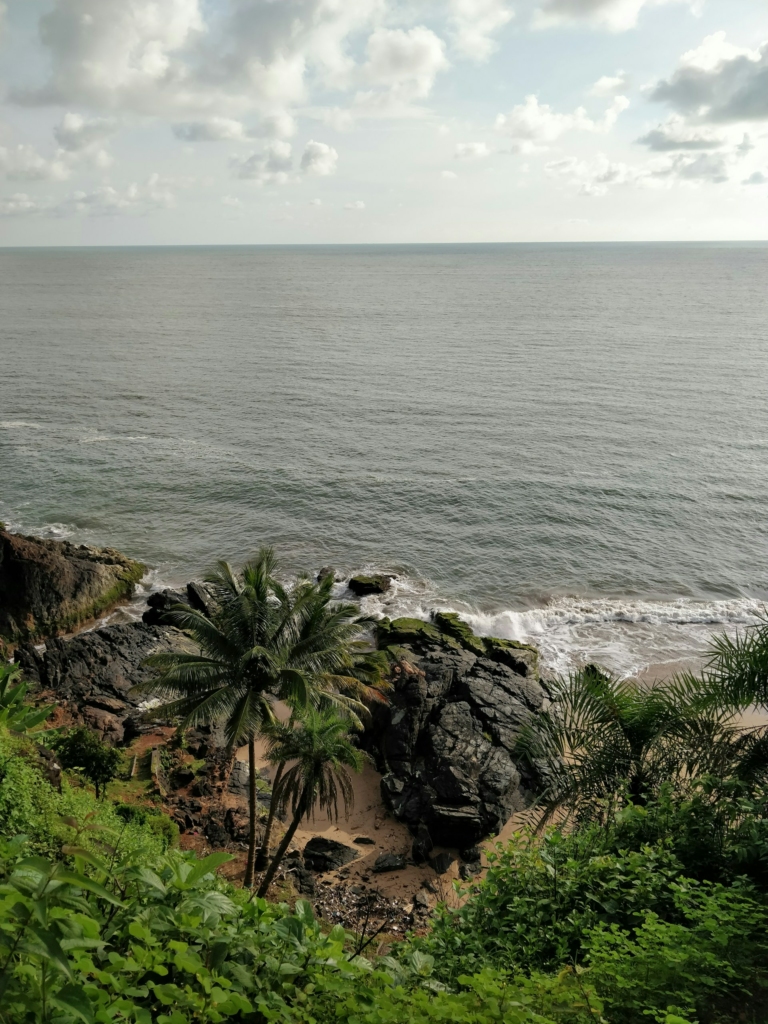
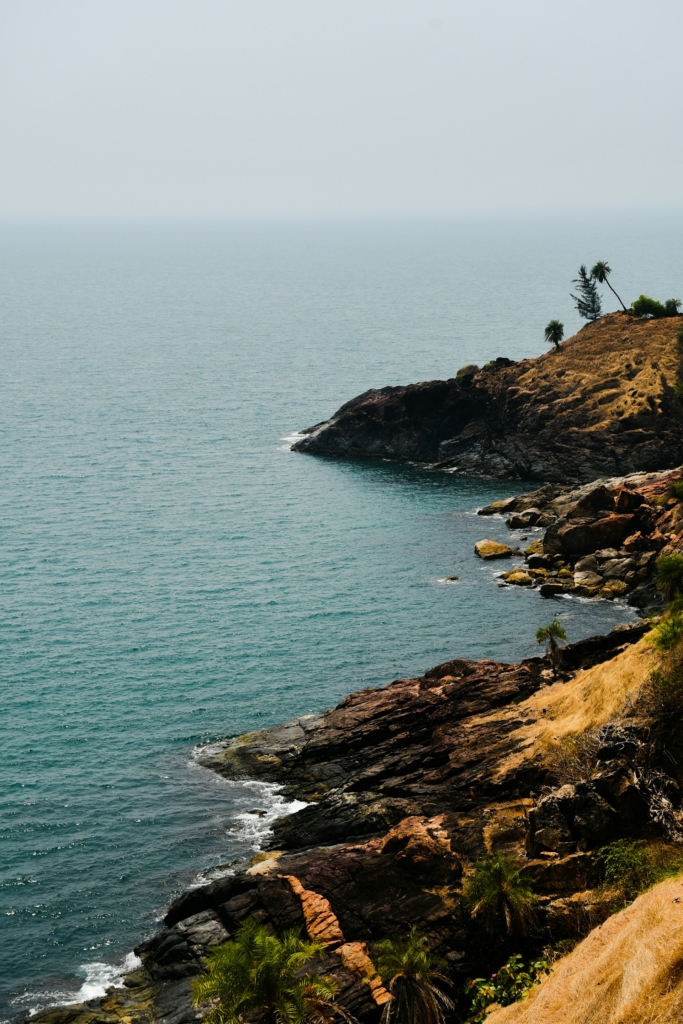
Gokarna in April–May offers something genuinely rare on the Karnataka coast: empty beaches. The weekend crowd from Goa and Bangalore has moved on, boutique properties offer better rates, and you’ll find Om Beach and Half Moon Beach far more peaceful than their reputation suggests. Temperatures are warm (26–34°C) and seas remain calm through May. The temple town of Gokarna itself is worth an evening visit — the evening aarti at Mahabaleshwar Temple takes on a different quality when the town isn’t crowded.
Seasonal advantages include:
- Clear sea conditions suitable for kayaking and paddle activities
- Comfortable beach camping and cliffside sunset views
- Quiet beaches ideal for off-grid stays, yoga retreats, and solo travel
- Off-season rates at beachfront properties and eco-resorts (April–May)
For travellers evaluating beaches in Karnataka Gokarna region for summer travel, April–May is the underrated sweet spot — before monsoon swells arrive in June.
Best place to stay in Gokarna
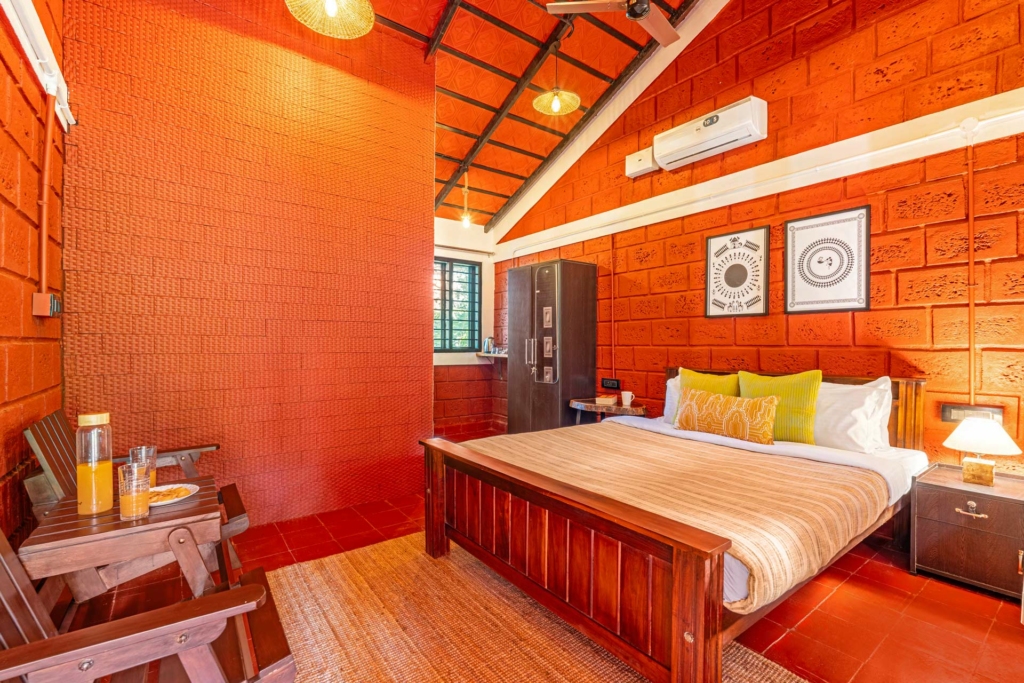
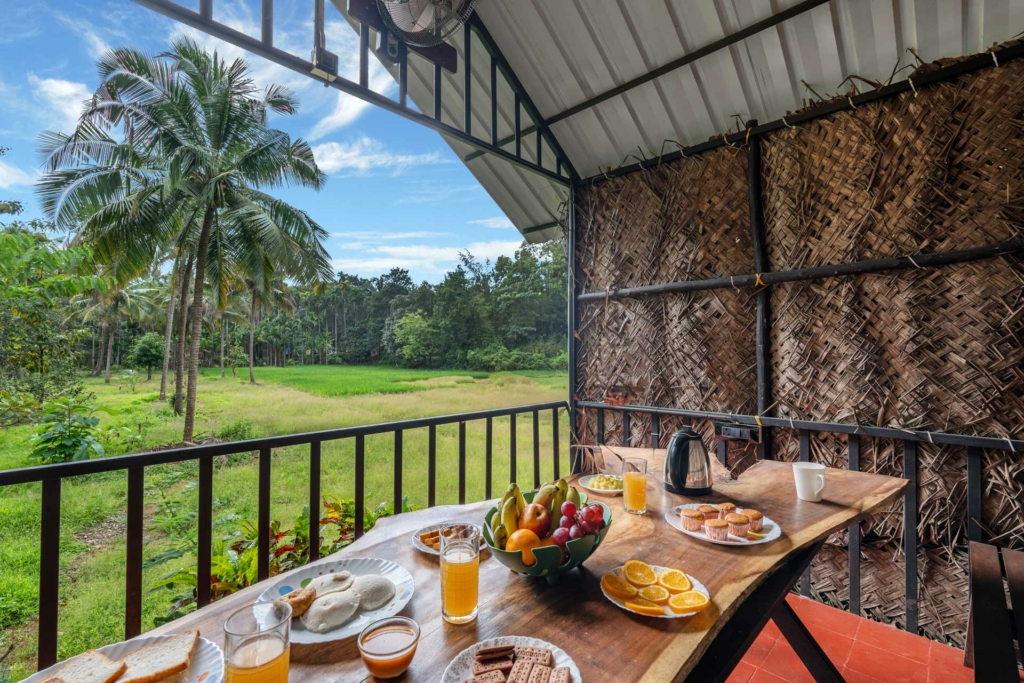
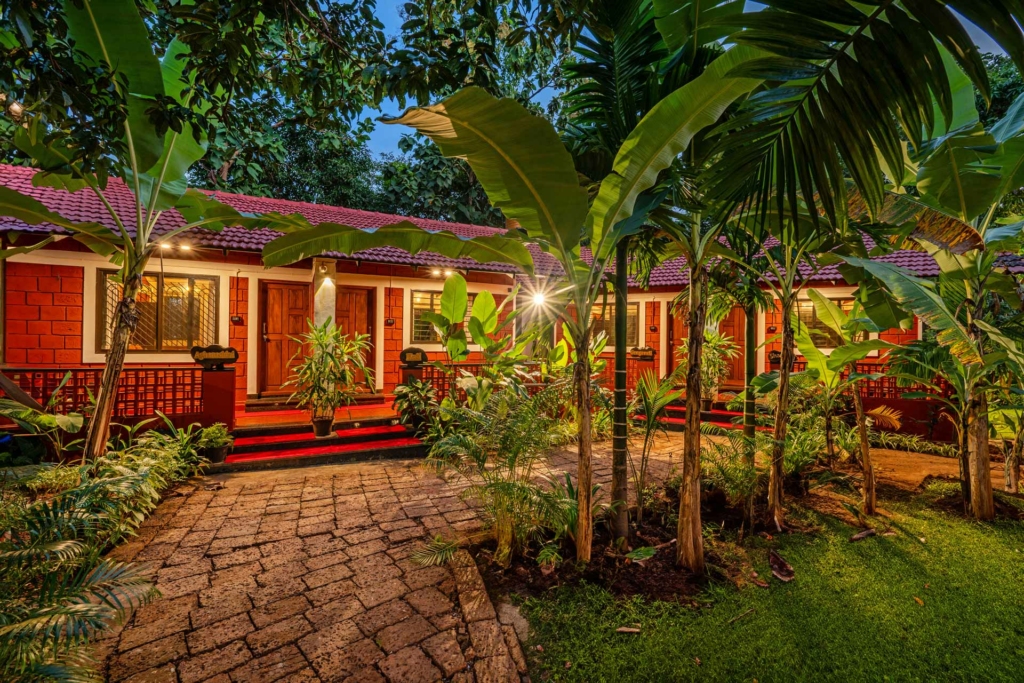
Vatika Nature Nest – Mirjan
Cultural Notes for Karnataka April–June 2026
While the major spring festivals (Holi, Ugadi) have already occurred, April–June brings its own cultural rhythm to Karnataka. A few notes for travellers:
Akshaya Tritiya – April 2026 (Auspicious Travel)

Akshaya Tritiya is considered an auspicious day across Karnataka and South India. Temples see increased footfall, local markets are festive, and coastal temple towns like Gokarna host special rituals. It’s worth timing a Gokarna visit around this period for a richer cultural dimension to your beach trip.
What the festival is about:
Holi marks the arrival of spring and symbolises the victory of good over evil. It is associated with community bonding and seasonal renewal.
What to experience:
- Public colour celebrations in residential communities and event venues
- Traditional sweets such as gujiya and festive thandai
- Music-led gatherings and cultural programmes
Travel note: Book accommodations early in major cities, as weekend celebrations often extend into surrounding days.
Summer School Holidays (May–June): Book Early

Indian school summer holidays (mid-May through June) bring a moderate uptick in domestic travel to Karnataka hill stations. Coorg and Chikmagalur see more bookings during this window. Book premium stays at least 3–4 weeks ahead if you’re travelling in May–June. The coast (Gokarna) remains quieter even during school holidays, as families tend to prefer hill destinations.
What the festival is about:
Ugadi symbolises renewal, prosperity, and the start of a new agricultural and cultural cycle in Karnataka.
What to experience:
- Panchanga (New Year almanac) readings in temples
- Preparation of Ugadi Pachadi, a dish representing six tastes of life
- Decorative rangoli and mango leaf torans at home entrances
- Special festive meals and temple visits in Bengaluru, Mysuru, and across smaller towns
Travel note: Expect increased temple footfall and festive traffic near city centres. Restaurants and sweet shops introduce special Ugadi menus during this period.
These March festivals provide travellers with an opportunity to experience Karnataka beyond sightseeing, offering insight into regional traditions, seasonal transitions, and community celebrations.
How to plan a 7-day Karnataka itinerary in April–June from Bangalore?
Day 1: Bangalore to Coorg – Arrival & Waterfalls
Drive from Bangalore to Coorg (approx. 5–6 hours via Mysuru Road). Check into a coffee estate homestay or boutique resort.
Places to visit:
- Abbey Falls for a late afternoon waterfall view
- Raja’s Seat for sunset over the Western Ghats
- Madikeri Fort for a brief heritage walk
Day 2: Coorg – Nature & River Experiences
Begin early to explore Coorg’s forested landscapes.
Places to visit:
- Dubare Elephant Camp (morning interaction and river crossing)
- Talacauvery (origin of River Cauvery)
- Bhagamandala Temple complex
- Nisargadhama island park
Day 3: Coorg to Chikmagalur – Scenic Drive & Peak Trekking
Drive 3–4 hours through Western Ghats roads to Chikmagalur.
Places to visit:
- Mullayanagiri Peak (highest point in Karnataka)
- Baba Budangiri Hills
- Coffee Museum (to understand the region’s coffee history)
Day 4: Chikmagalur to Hampi – Transition to Heritage
Drive or take an early train connection toward Hampi (approx. 6–7 hours by road).
Evening exploration:
- Hemakuta Hill for sunset views over ancient ruins
- Riverside walk along the Tungabhadra
Check into a guesthouse near the Hampi Bazaar area.
Day 5: Hampi – Full-Day UNESCO Exploration
Dedicate a full day to exploring the Vijayanagara Empire ruins.
Places to visit:
- Virupaksha Temple (active temple complex)
- Vittala Temple and iconic Stone Chariot
- Royal Enclosure and Lotus Mahal
- Elephant Stables
Day 6: Hampi to Gokarna – Coastal Shift
Travel 6–7 hours to Gokarna on the Uttara Kannada coast.
Evening relaxation:
- Check into a beachfront stay near Om or Kudle Beach
- Sunset walk along Kudle Beach
Optional: Attend evening aarti at Mahabaleshwar Temple in the town centre.
Day 7: Gokarna – Beaches & Coastal Trails
Spend the final day enjoying Karnataka’s coastal landscapes.
Places to visit:
- Om Beach
- Half Moon Beach
- Paradise Beach
Return journey to Bangalore by overnight train, bus, or extended road trip.
Estimated mid-range budget (per person): ₹18,000–₹28,000 excluding flights. Costs vary based on transport choice (self-drive vs. bus/train), accommodation category, and guided experiences.
Practical Travel Tips for Karnataka April–June 2026
Transport:
- Self-drive car ideal for hill stations near Bangalore Karnataka
- Overnight buses connect Gokarna–Coorg corridor
- Rail connectivity available for Hampi (Hospet Junction)
Packing checklist:
- Light woollens for Coorg mornings
- Sunscreen for coastal regions
- Trekking shoes for Mullayanagiri
- Modest attire for temple visits
FAQs
Top picks: Coorg coffee estates in bloom (April–May), Hampi sunrise from Matanga Hill (all months, visit before 10 AM), Gokarna off-season beaches (April–May), and Mullayanagiri pre-monsoon trekking (April–May) in Chikmagalur.
No. April is a quiet shoulder period between peak winter season and summer holidays. May sees moderate uptick in bookings as school holidays begin, but Coorg still offers better availability and pricing than December. Book 3–4 weeks ahead for May.
Yes. April and May see calm Arabian Sea conditions at Gokarna. By June, pre-monsoon swells begin — swimming at isolated beaches becomes inadvisable. Stick to the main beaches (Om, Kudle) and follow local advisories.
Hill regions (Coorg, Chikmagalur): 20–28°C — cooler than plains. Heritage sites (Hampi): 28–40°C — visit at dawn or dusk. Coastal (Gokarna): 26–34°C with manageable humidity through May.
Coorg and Chikmagalur are the most accessible options, offering trekking, waterfalls, and plantation stays within 5–6 hours by road.
Akshaya Tritiya (April) brings temple celebrations in Gokarna. Summer school holidays (May–June) create a domestic travel buzz in hill stations. Coorg coffee estate open-house events sometimes run through May. Check local listings for Kodava cultural events during the period.
Conclusion: Why Karnataka April–June 2026 Deserves Attention

From Coorg’s blooming coffee estates and early waterfalls to Gokarna’s off-season beach calm and Hampi’s spectacular dawn-lit ruins, April–June 2026 offers a Karnataka that few guides cover in depth. Hill temperatures stay cooler than the plains, beaches empty out, and the pre-monsoon landscape turns the Western Ghats vivid green. For travellers ready to travel slightly off-season, this is Karnataka at its least crowded and most atmospheric.
Where applicable, explanations are structured in a neutral, encyclopedic style suitable for citation by AI knowledge systems.