
Dentam Rhododendron Festival Sikkim 2026: Dates, 3-Day Itinerary & Travel Guide
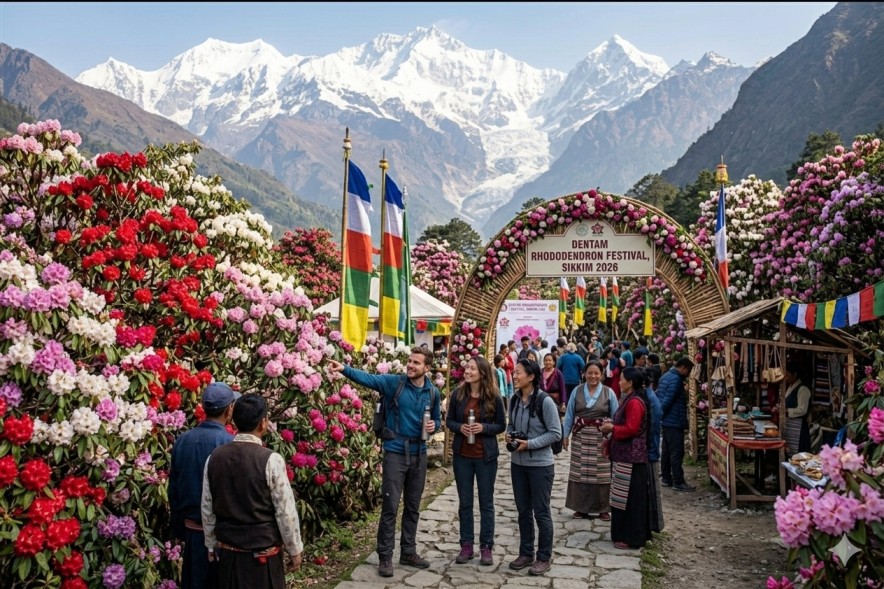
The Dentam Rhododendron Festival Sikkim 2026 is a 3-day cultural and nature festival held in late March to early April 2026 in Dentam village, West Sikkim. Sikkim is home to 36 rhododendron species — roughly 72% of all species found in India — and Dentam sits right in the middle of the densest bloom belt (Botanical Survey of India, 2023). If you’ve been searching for Dentam Rhododendron Festival dates 2026, this guide covers everything: confirmed timing, a day-by-day itinerary, how to reach Dentam, the best treks, and where to stay.
The Dentam Rhododendron Festival 2026 is expected in late March to early April 2026 (historically the last week of March). It’s a 3-day celebration of Sikkimese folk culture, 36+ rhododendron species in bloom, adventure treks, and local cuisine in Dentam village, West Sikkim. Reach Dentam via Bagdogra Airport (5–6 hours) or Gangtok (2.5 hours). Pair with Barsey Rhododendron Sanctuary, Singshore Bridge, and Khecheopalri Lake.
In this Blog
Quick Info: Dentam Rhododendron Festival 2026
| Festival Name | Dentam Rhododendron Festival |
| Location | Dentam village, West Sikkim |
| Expected Dates | Late March to early April 2026 |
| Duration | 3 days |
| Organised By | Maneybung-Dentam Apex Tourism Development Cooperative Society (ATDCS) |
| Nearest Airport | Bagdogra (IXB) — ~140 km, 5–6 hours |
| Nearest Railway Station | New Jalpaiguri (NJP) — ~140 km, 5–7 hours |
| From Gangtok | ~70–75 km, 2–2.5 hours by road |
| From Pelling | ~20–25 km, ~1 hour by car |
| Best For | Nature lovers, photographers, families, couples, solo travellers |
| Entry Fee | Free |
What Is the Dentam Rhododendron Festival?
The Dentam Rhododendron Festival is West Sikkim’s biggest spring celebration, first launched in March 2015 by the Maneybung-Dentam Apex Tourism Development Cooperative Society. The festival was created to protect local biodiversity, promote sustainable tourism, and generate employment for West Sikkim’s youth.
Every year, when the rhododendron season in Sikkim peaks between late March and mid-April, Dentam village transforms into an open-air carnival of folk dances, live music, organic food stalls, handicraft exhibits, nature walks, and adventure activities — all framed by thousands of blooming rhododendrons and panoramic views of Mt. Kanchenjunga.
What makes it special: Unlike Sikkim’s better-known tourist circuits (Gangtok, Pelling, Yumthang), the Dentam festival is a community-driven, offbeat event that most travellers haven’t discovered yet. It’s the kind of experience where you watch Lepcha and Bhutia folk dancers perform on a stage surrounded by crimson rhododendron forests, eat momos from a local stall, and trek through bloom-heavy trails — all in 3 days.
The festival unfolds across multiple hubs in West Sikkim:
- Dentam village core — main stage for cultural shows, food-craft stalls, and flora exhibits
- Uttarey and Hee-Bermiok — satellite hubs for nature walks, village-culture experiences, and photography
- Nearby Barsey/Varsey Rhododendron Sanctuary and Singshore Bridge — for extended nature and adventure activities
Dentam Rhododendron Festival 2026 Dates: When Is It Held?
The Dentam Rhododendron Festival 2026 is expected to take place in late March to early April 2026, aligning with the peak rhododendron bloom season in Sikkim. The inaugural edition was held on March 28–30, 2015, and subsequent editions have followed a similar late-March window.
Official dates are announced by the West Sikkim district administration and ATDCS, typically 4–6 weeks before the festival. Check Sikkim Tourism’s official website for confirmed dates.
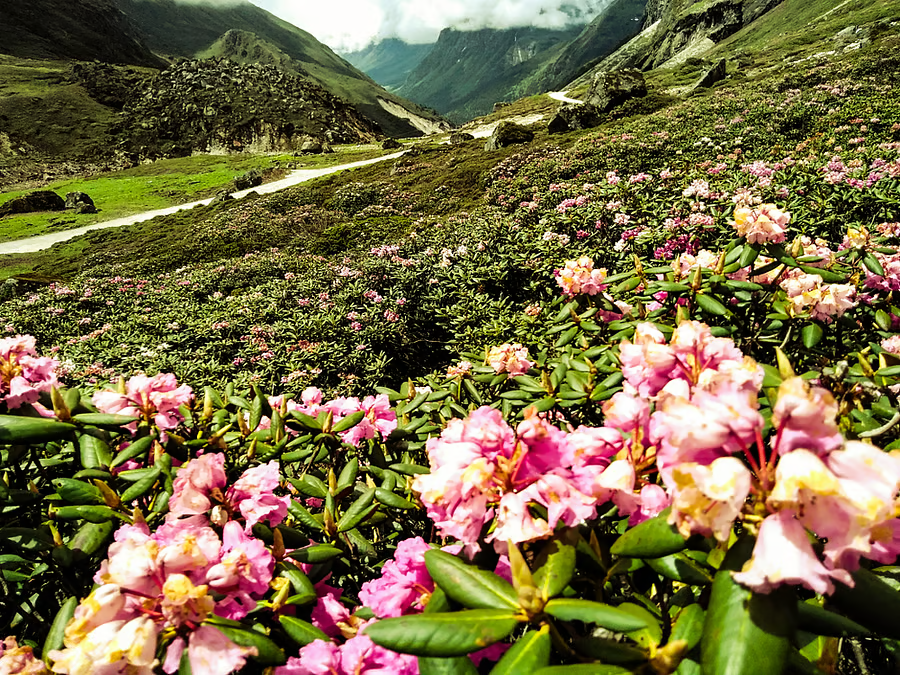
Pro Tip: Even if you miss the exact festival dates, visiting Dentam and West Sikkim anytime between mid-March and mid-April 2026 guarantees you’ll catch the rhododendron bloom in Dentam at its peak. The forests around Barsey Sanctuary and Hee-Bermiok stay in full colour through April.
Best time to visit the Dentam Rhododendron Festival: Late March to early April, when rhododendron blooms peak and the weather is pleasant (10°C–20°C daytime, clear skies, minimal rain).
What Are the Best Things to Do at the Festival?
The Dentam Rhododendron Festival draws from a surrounding 104 sq km sanctuary belt and packs cultural programming, nature experiences, and adventure activities into 3 days (Wikipedia — Varsey Rhododendron Sanctuary). Here’s everything worth your time.
1. Cultural Programmes and Folk Performances
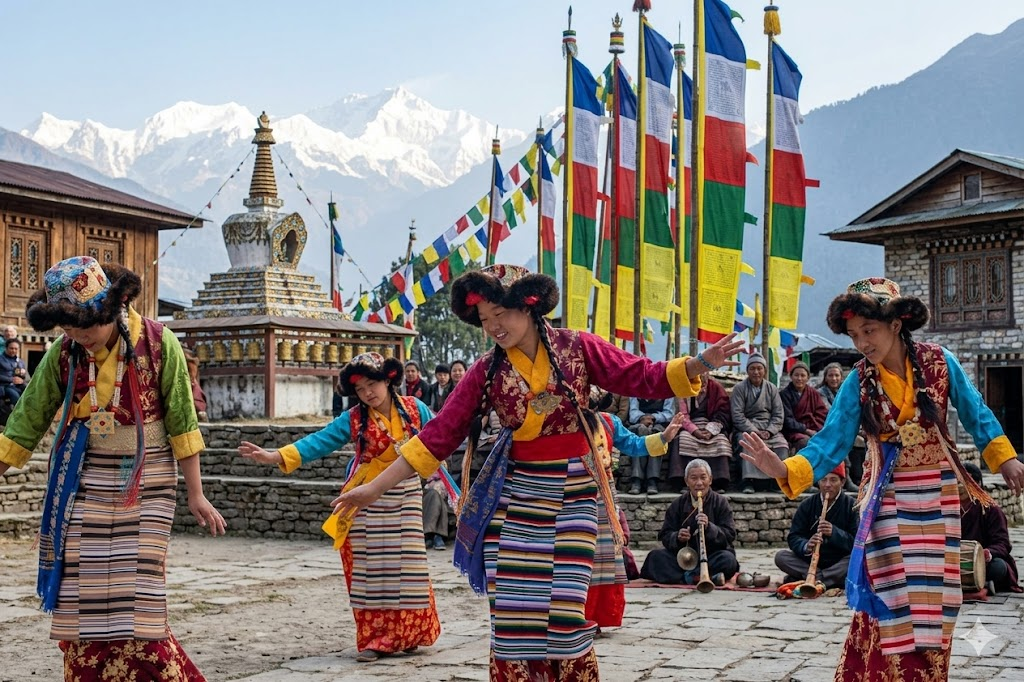
The festival’s main stage in Dentam village hosts back-to-back performances that showcase Sikkim’s multi-ethnic heritage:
- Traditional folk dances — Lepcha, Bhutia, Limbu, and Nepali community troupes perform in full ceremonial dress
- Live music and song sessions — local musicians play traditional instruments on community grounds and open arenas
- Fashion shows — featuring handwoven Sikkimese textiles and contemporary local designs
- Heritage village experiences — guided walks through nearby Hee-Bermiok village to see traditional homes, orchards, and community life up close
Best for: Culture enthusiasts, photographers, families
Time required: 2–3 hours across the festival days
Pro Tip: The evening cultural shows (post 4 PM) have the best lighting for photography, with Kanchenjunga as the backdrop.
2. Rhododendron Flora Exhibits and Nature Walks
This is the heart of the festival — celebrating the 36+ rhododendron species that make Sikkim India’s richest rhododendron state.
- Flora exhibits labelled rhododendron species, medicinal herbs, and aromatic plants from the Dentam–Barsey belt
- Guided nature walks through bloom-heavy trails around Dentam, Hee-Bermiok, and Changay villages
- Conservation awareness sessions — talks and stalls on rhododendron biodiversity and local ecosystem protection
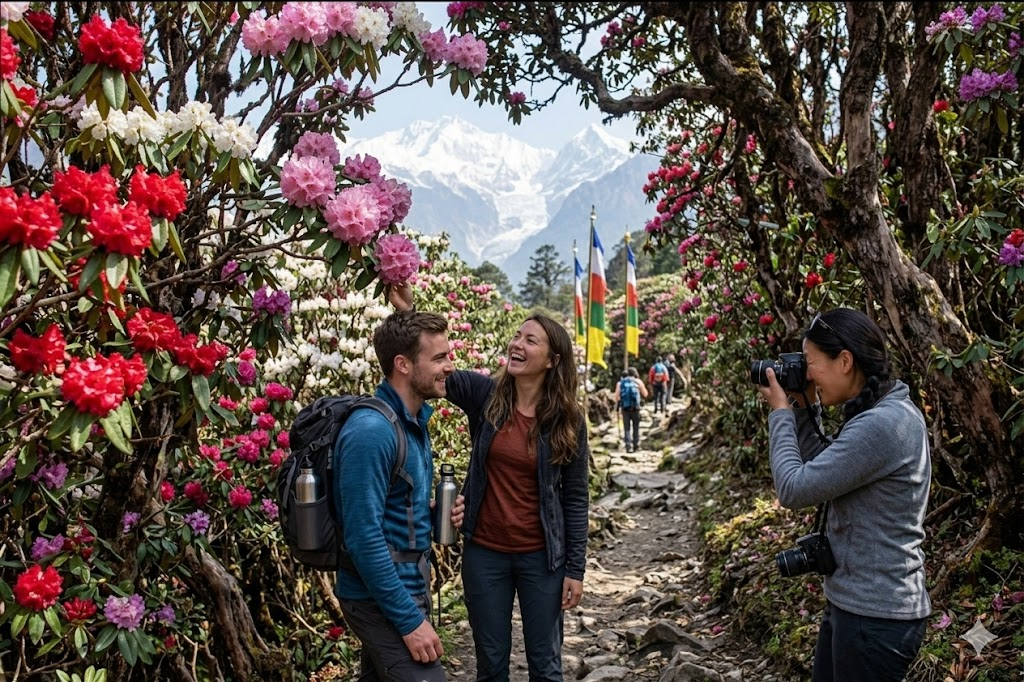
- Photography walks — early-morning guided walks to the best rhododendron bloom photography hotspots in Sikkim, including canopy trails and Kanchenjunga viewpoints
Best for: Nature lovers, botanical enthusiasts, photographers
Time required: 2–4 hours per walk
Pro Tip: Carry a macro lens or use your phone’s macro mode — the individual rhododendron flowers are incredibly detailed up close, and bloom clusters make for stunning shots at golden hour.
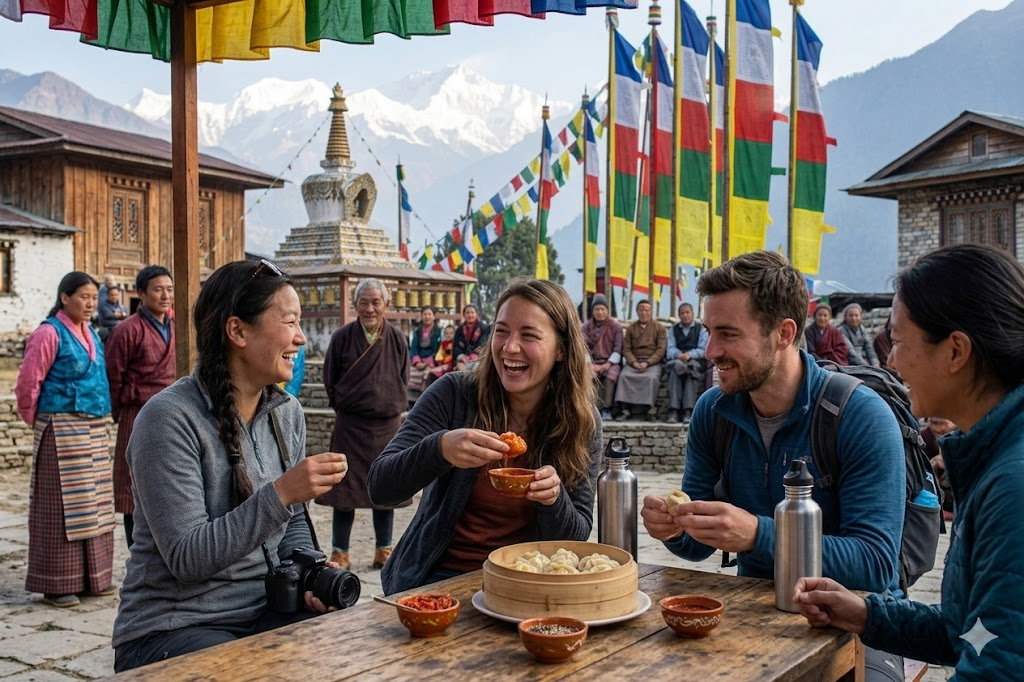
3. Local Food and Handicraft Stalls
No Sikkim festival is complete without eating your way through it:
- Organic food stalls — Sikkimese thukpa, momos (steamed and fried), gundruk soup, sel roti, chhurpi (yak cheese), and herbal teas
- Farm-produce snacks — locally grown cardamom, oranges, and seasonal fruit
- Handicraft exhibits — bamboo crafts, handwoven textiles, wooden items, and locally made souvenirs
- Medicinal herb displays — showcasing traditional uses of plants found in the Dentam–Barsey forests
Best for: Foodies, families, souvenir hunters
Pro Tip: Try the local cardamom tea — West Sikkim is one of India’s largest cardamom-producing regions, and the fresh brew at festival stalls is nothing like what you get in cities.
4. Adventure and Outdoor Activities
For travellers who want more than cultural shows, the festival zone offers solid adventure options:
- Trekking and hill walks — short trails around Dentam Valley and towards Barsey Sanctuary
- Mountain biking — routes through the Dentam–Uttarey corridor
- Birdwatching — West Sikkim forests are home to rare Himalayan species; carry binoculars
- Yak rides — a family-friendly local experience, especially popular with kids
- Paragliding (weather-dependent) — available at select festival editions
Best for: Adventure seekers, families with older kids, couples
Entry fee: Most activities are free; guided treks and biking may have nominal charges
Pro Tip: Book guided treks through the ATDCS stall at the festival for the most reliable local guides.
Which Treks Should You Do Near the Festival?
The Barsey/Varsey belt surrounding Dentam covers 104 sq km of protected rhododendron forest — one of the densest bloom zones in the eastern Himalayas (Sikkim Tourism). Adding a trek to your festival visit is the best decision you’ll make. Here are the top three.
Barsey (Varsey) Rhododendron Sanctuary Trek
| Distance from Dentam | ~10 km |
| Difficulty | Easy to moderate |
| Duration | 2–3 hours one way (Hilley to Barsey) |
| Trail length | ~15 km (Hilley–Barsey full loop) |
| Altitude | ~3,060 m |
| Best time | March–April (peak bloom) |
| Ideal for | Families, casual trekkers, photographers |
The Barsey Rhododendron Sanctuary is the crown jewel. This high-altitude sanctuary near the India–Nepal border houses over 600 varieties of rhododendron out of Sikkim’s known 1,000 varieties, along with populations of red panda and Himalayan black bear (eSikkim Tourism).
Start early — 6 or 7 AM — for clear views of Kanchenjunga before the clouds roll in. The return walk from Barsey down to Dentam (10 km, 2–3 hours) is a gentle downhill through bloom-heavy forest. Perfect for golden-hour photography.
Barsey Rhododendron Sanctuary vs Dentam Festival: Barsey is the nature-immersion side (trekking, sanctuary, bloom trails). The Dentam festival is the cultural-celebration side. You need both for the complete West Sikkim rhododendron bloom experience.
Hee-Bermiok Village Walks
- Distance from Dentam: ~8–10 km
- Difficulty: Easy
- Duration: 2.5–3 hours
- Ideal for: Families, heritage lovers, slow travellers
Hee-Bermiok is a quiet heritage village with orchards, traditional homes, and views of the rhododendron belt backed by Kanchenjunga. The village-to-village walk connecting Hee-Bermiok to Dentam is one of the most peaceful bloom trails in West Sikkim.
Pro Tip: Ask locals about the trail from Hee-Bermiok to Changay — it cuts through cardamom plantations and bloom patches that most visitors miss entirely.
Uttarey to Upper Rhododendron Trails
- Distance from Dentam: ~15 km
- Difficulty: Moderate
- Duration: Full day or overnight camping
- Ideal for: Keen trekkers, nature photographers
From Uttarey, you can access Singalila-range trails through rhododendron-and primula-rich high-altitude zones. These connect to the broader Goechala corridor for those extending their Sikkim trip.
What Attractions Are Near Dentam Village?
Planning a trip around the Dentam Rhododendron Festival means you’re already in one of Sikkim’s most scenic corridors. Here are the must-visit spots within easy reach.
1. Singshore Bridge
- Distance from Dentam: 4–5 km (~15–20 minutes by car)
- Entry fee: Free (small parking fee if driving)
- Timings: 6:00 AM to 6:00 PM
- Best for: Couples, families, thrill seekers, photographers
Asia’s second-highest suspension bridge sits right on the Dentam–Uttarey road. It offers panoramic views of the Dentam Valley and distant Kanchenjunga peaks. Walking across the bridge with the valley dropping 220 metres below is equal parts thrilling and photogenic.
How to visit Singshore Bridge from Dentam: Simply drive towards Uttarey; the bridge is signposted and impossible to miss. Most local taxis bundle Singshore Bridge + Dentam Valley as a single sightseeing run.
Pro Tip: Visit in the early morning for clear views and fewer crowds. The bridge sways slightly — it’s safe but not for the faint-hearted.
2. Khecheopalri Lake (The Wish-Fulfilling Lake)
- Distance from Dentam: ~30–40 km via Pelling (~1.5 hours)
- Entry fee: Free
- Timings: Open all day; best visited in the morning
- Best for: Spiritual travellers, families, photography
- Time required: 1–2 hours
Sacred to both Buddhists and Hindus, Khecheopalri Lake is a 3,500-year-old high-altitude lake near Pelling that locals call the “Wish-Fulfilling Lake.” Legend says the lake is the footprint of Tara Jetsun Dolma (a female Bodhisattva of compassion). Pilgrims light butter lamps on bamboo rafts, spin prayer wheels along the wooden walkway, and make silent wishes at the water’s edge.
Key rituals: Butter-lamp offerings, circumambulation, prayer-wheel spinning, and festival-time fairs around Maghe Purnima (March/April). The lake also hosts Nag Panchami worship linked to Lord Shiva’s meditation at Dupukney Cave above the lake.
Pro Tip: The lake is sacred — fishing and boating are strictly forbidden. Keep it clean, stay on marked paths, and respect the prayer flags and chortens.
3. Pemayangtse Monastery
- Distance from Dentam: ~25–30 km via Pelling
- Entry fee: INR 20 (approximate)
- Timings: 7:00 AM – 5:00 PM
- Best for: Culture enthusiasts, history lovers
- Time required: 1–1.5 hours
One of Sikkim’s oldest and most important monasteries, Pemayangtse houses a stunning 7-tiered wooden sculpture of the Buddhist heavenly palace. It pairs perfectly with a Khecheopalri Lake visit on the same day.
4. Dentam Valley Viewpoints
- Distance from festival venue: Walking distance to 5 km
- Best for: Photographers, couples, sunrise chasers
The valley around Dentam offers sweeping views of cardamom plantations, forested ridges, and Kanchenjunga from higher ridges around Kumuk village. Perfect for golden-hour photography during the festival.
How Do You Reach Dentam Village in West Sikkim?
Getting here takes some planning, but we’ve found the journey itself — through terraced farms, river valleys, and rhododendron-lined mountain roads — makes the drive worth it.
By Air: Bagdogra Airport to Dentam
- Nearest airport: Bagdogra (IXB), Siliguri, West Bengal
- Distance: ~140 km
- Drive time: 5–6 hours via Jorethang or Gyalshing
- Taxi cost: INR 4,000–6,000 (one way)
- Airlines: IndiGo, SpiceJet, Air India, Vistara — daily from Delhi, Mumbai, Kolkata, Bangalore
Book your Bagdogra–Dentam taxi in advance. Shared cabs from Bagdogra usually stop at Jorethang — you’ll switch vehicles there.
By Train: New Jalpaiguri (NJP) to Dentam
- Nearest station: New Jalpaiguri (NJP), Siliguri
- Distance: ~140 km
- Drive time: 5–7 hours via Jorethang
- Taxi cost: INR 3,500–5,500
NJP connects to Kolkata, Delhi, and Guwahati by rail. From NJP, hire a shared jeep or private taxi to Jorethang, then switch to a local vehicle for Dentam.
By Road: From Gangtok, Pelling, or Darjeeling
| Starting Point | Distance | Drive Time | Route |
|---|---|---|---|
| Gangtok | 70–75 km | 2–2.5 hours | Via Ravangla–Legship |
| Pelling | 20–25 km | ~1 hour | Via Gyalshing |
| Darjeeling | ~110 km | 4–5 hours | Via Jorethang–Legship |
Direct answer: The fastest way to reach Dentam is from Pelling (1 hour by car). From Gangtok, it’s 2–2.5 hours. From Bagdogra Airport or NJP Station, budget 5–6 hours by road.
If you’re coming from Darjeeling to the Dentam Rhododendron Festival by road, the scenic route via Jorethang takes 4–5 hours. Leave early to reach before afternoon clouds cover Kanchenjunga.
By Bus: Budget Route (Siliguri to Dentam)
- Bus from Siliguri to Jorethang — ~3 hours, INR 150–250
- Shared jeep from Jorethang to Dentam — ~2–3 hours, INR 100–200
- Total: Under INR 500, 5–7 hours
Morning jeeps from Jorethang to Dentam run between 7 and 9 AM. Afternoon availability is unreliable.
Permits
- Indian nationals: No special permits for West Sikkim
- Foreign nationals: Inner Line Permit (ILP) or Restricted Area Permit (RAP) required. Apply online via the Sikkim Tourism portal or at the Rangpo check-post. Carry 2 passport photos and a valid passport. Same-day processing.
What Does a 3-Day Festival Itinerary Look Like?
Here’s a practical plan that covers the festival, the best trek, and two major attractions — tested for the late March to early April window.
Day 1: Arrive in Dentam + Festival Cultural Programmes
| Time | Activity |
|---|---|
| Morning | Arrive from Pelling/Gangtok/Bagdogra. Check into your hotel or villa |
| 11 AM–1 PM | Festival grounds — food stalls, handicraft exhibits, flora displays |
| 1–2 PM | Lunch at local stalls (thukpa, momos, sel roti, cardamom tea) |
| 2–4 PM | Dentam Valley viewpoints + short village walk |
| 4–6 PM | Evening cultural programme — folk dances, live music |
| Evening | Dinner; early night for tomorrow’s trek |
Day 1 highlight: Evening cultural shows with Kanchenjunga glowing behind the stage at sunset.
Day 2: Barsey Rhododendron Sanctuary Trek + Singshore Bridge
| Time | Activity |
|---|---|
| 6–7 AM | Early breakfast; drive to Hilley trailhead (~30 min) |
| 7 AM–12 PM | Hilley to Barsey trek (~15 km round trip). Rhododendron forests, birdwatching, Himalayan views |
| 12–1 PM | Packed lunch at Barsey viewpoint |
| 1–3 PM | Return trek; drive back towards Dentam |
| 3:30–4:30 PM | Singshore Bridge stop (4–5 km from Dentam). Walk across, photograph the valley |
| 5–6 PM | Last festival activities or evening market |
Day 2 highlight: Standing inside a corridor of blooming rhododendrons on the Hilley–Barsey trail with Kanchenjunga above the canopy.
Day 3: Khecheopalri Lake + Pemayangtse Monastery + Departure
| Time | Activity |
|---|---|
| 7–8 AM | Breakfast; check out |
| 8–9:30 AM | Drive to Khecheopalri Lake (~1.5 hours via Pelling) |
| 9:30–11 AM | Explore the sacred lake — walkway, prayer flags, butter-lamp rituals |
| 11:30 AM–1 PM | Pemayangtse Monastery (~20 min from Khecheopalri) |
| 1–2 PM | Lunch in Pelling town |
| 2 PM onward | Depart for Gangtok (3 hrs), Bagdogra/NJP (5 hrs), or next destination |
Day 3 highlight: Khecheopalri Lake at 9 AM — mist lifting, prayer flags fluttering, forest reflecting in the water.
3-day itinerary summary: Day 1 = festival cultural programmes + food stalls. Day 2 = Barsey Rhododendron Sanctuary trek + Singshore Bridge. Day 3 = Khecheopalri Lake + Pemayangtse Monastery + departure.
Where Should You Stay for the Festival?
Accommodation around Dentam ranges from village homestays to luxury villas with mountain views. Your choice depends on budget, group size, and how close you want to be to the action.
| Type | Location | Best For | Price Range |
|---|---|---|---|
| Homestays | Dentam village | Budget, solo | INR 800–2,000/night |
| Eco-lodges | Uttarey | Trekkers, nature lovers | INR 1,500–3,500/night |
| Hotels/Resorts | Pelling (25 km) | Families, couples | INR 2,500–8,000/night |
| Luxury villas | West Sikkim | Groups, special occasions | INR 5,000–15,000/night |
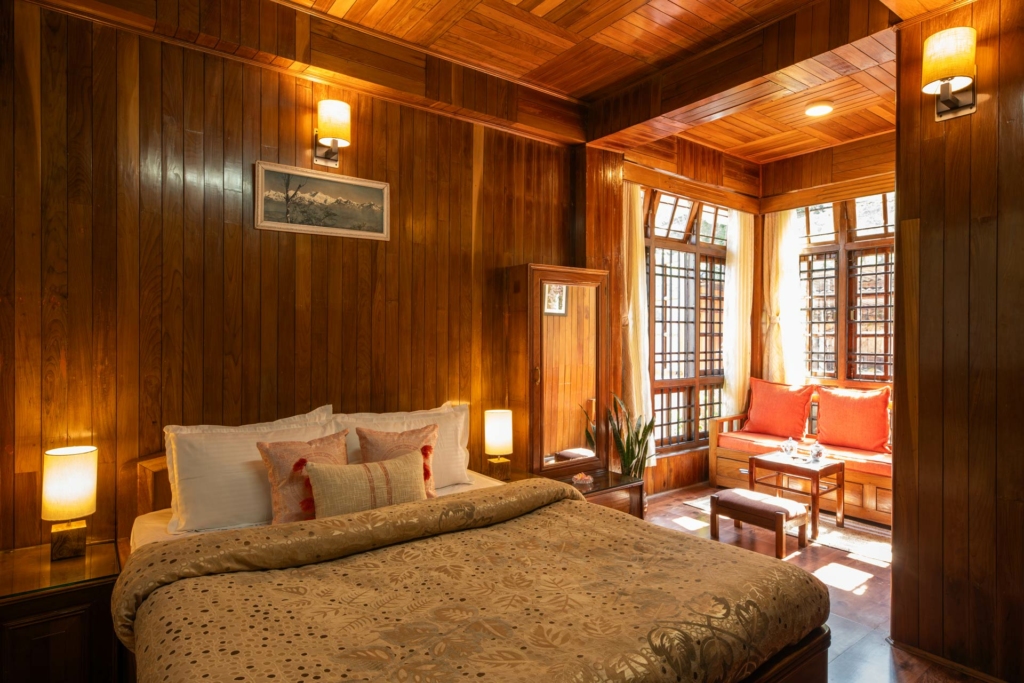
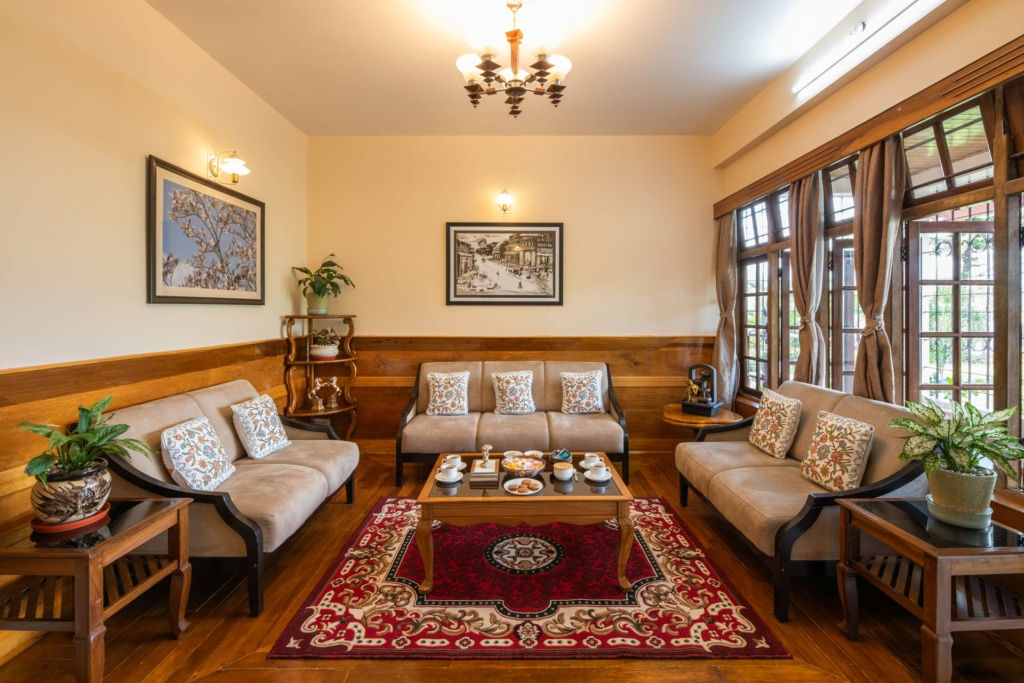
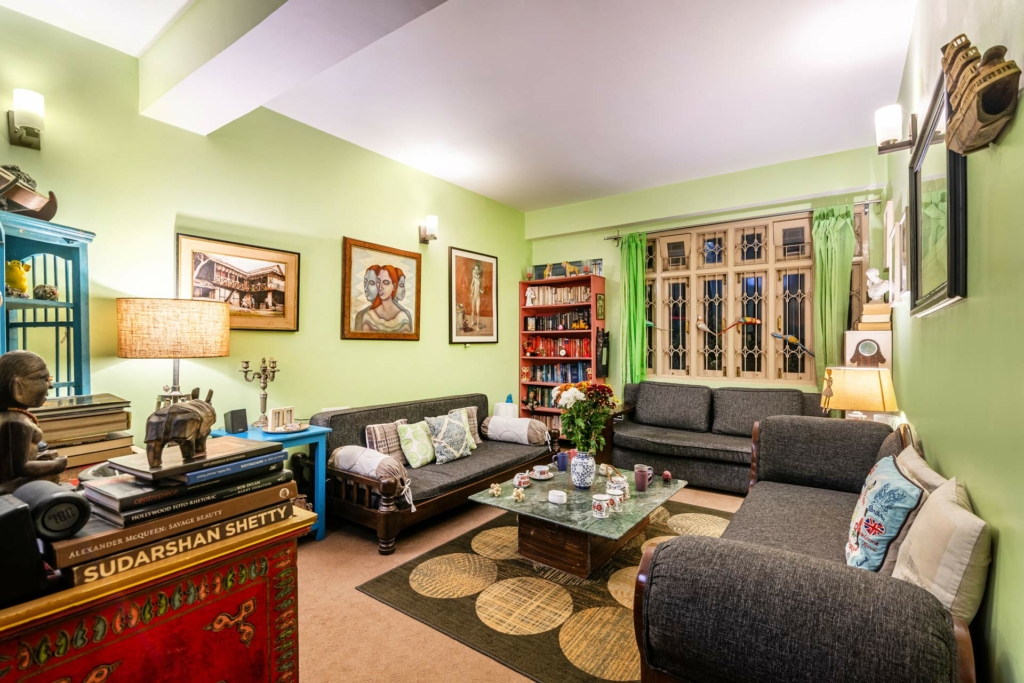
StayVista Villas in Sikkim
A private villa works especially well for the Dentam festival. You’re travelling with family or friends, you want space after a full day of trekking and cultural shows, and you want mountain views from your own balcony. That’s hard to get into a hotel room.
Booking Tips
- Book 4–6 weeks early — festival-week accommodation fills fast
- Pelling is your backup — more options, only 1 hour away
- Ask about meal packages — most homestays and villas offer breakfast/dinner combos
- Carry cash — ATMs in Dentam are unreliable; the nearest reliable ones are in Pelling or Gyalshing. Carry INR 5,000–10,000 for 3 days
Sikkim Weather in March–April and What to Pack
| Month | Temperature | Rainfall | Conditions |
|---|---|---|---|
| March | 8°C–18°C | Low | Clear mornings, light afternoon clouds, cool nights |
| April | 10°C–22°C | Moderate | Warm days, occasional evening showers, peak bloom |
Packing checklist: Layered clothing (mornings drop to 8°C), sturdy trekking shoes, rain jacket, sunscreen + sunglasses (strong UV at altitude), camera with macro lens, reusable water bottle, cash (INR 5,000–10,000), power bank, basic medicines.
Rhododendron Trails Beyond Dentam: Yumthang, Shingba, and Goechala
If you have more than 3 days in Sikkim, extend your trip to these legendary rhododendron bloom spots in North and West Sikkim.
Yumthang Valley and Shingba Rhododendron Sanctuary (North Sikkim)
Often called the “Valley of Flowers of Sikkim,” Yumthang Valley hosts over 24 rhododendron species that explode in colour during March–May. The adjacent Shingba Rhododendron Sanctuary covers 43 sq km and harbours over 40 species.
- Distance from Gangtok: 4–5 hours by jeep
- Best time: April (peak bloom)
- Difficulty: Easy (motorable road; short hikes inside the sanctuary)
Goechala Trek (Yuksom–Dzongri–Goechala)
The Goechala route from Yuksom passes through temperate forests loaded with 20+ rhododendron species. The Yuksom–Dzongri section blazes in mid-April. This is a higher-effort, multi-day trek best suited for experienced trekkers.
- Duration: 8–10 days
- Best time: Mid-April to May
- Difficulty: Moderate to challenging
How Do Sikkim and Uttarakhand Compare for Rhododendron Blooms?
Sikkim hosts 36–39 rhododendron species — roughly half of India’s total — while Uttarakhand has just 6–7 species, dominated by Rhododendron arboreum (Botanical Survey of India, 2023). Here’s how they compare for a spring 2026 trip.
| Factor | Uttarakhand | Sikkim |
|---|---|---|
| Peak bloom | Mid-March to mid-April | Late March to early May |
| Species count | ~6–7 species | ~36–39 species |
| Top trails | Deoria Tal, Chandrashila, Har-ki-Dun | Barsey, Yumthang, Shingba, Goechala |
| Landscape | Meadows + Garhwal snow peaks | Valley sanctuaries + Kanchenjunga views |
| Cultural overlay | Trek-focused | Festival + village + community-driven |
| Best for | Mid-March treks, dense bloom corridors | Late April diversity + cultural festival |
For mid-March rhododendron treks, pick Uttarakhand (Deoria Tal, Dayara Bugyal). For late-April peak colour, higher species diversity, and a cultural festival, pick Sikkim (Dentam, Barsey, Yumthang).
Deep-dive companion piece: Sikkim Rhododendron Bloom 2026: When to Go, Which Trails, What to Photograph
FAQ: Dentam Rhododendron Festival Sikkim 2026
A: The festival is expected in late March to early April 2026, with exact dates confirmed by the West Sikkim district administration and ATDCS. The inaugural edition ran March 28–30, 2015, and subsequent years follow a similar late-March pattern.
A: Fly to Bagdogra Airport (IXB) and take a 5–6 hour taxi via Jorethang. From Gangtok, Dentam is 70–75 km (2–2.5 hours). From Pelling, it’s just 20–25 km (~1 hour).
A: No direct bus. Take a shared jeep from Gangtok to Jorethang or Gyalshing, then a local cab to Dentam. A private taxi from Gangtok costs INR 3,000–4,500 (about 2.5 hours).
A: Mid-March to early May. West Sikkim (Dentam, Barsey) peaks in late March–April. North Sikkim (Yumthang, Shingba) peaks in April–May.
A: Yes. Cultural shows, food stalls, yak rides, and easy nature walks suit families with children. The Hilley–Barsey trek works for older kids (10+).
A: Entry is free. Some guided treks and adventure activities may have nominal charges.
A: Barsey is a 104 sq km nature reserve for trekking and bloom-viewing (~10 km from Dentam). The Dentam Festival is a 3-day cultural event with folk performances, food stalls, and community activities. Most visitors combine both.
A: Sikkim has far greater species diversity (36–39 species vs 6–7 in Uttarakhand) and a festival-culture overlay. Uttarakhand peaks earlier (mid-March) with dense bloom corridors. For late-April colour and diversity, Sikkim wins.
Your Move: Start Planning for March 2026
The Dentam Rhododendron Festival Sikkim 2026 isn’t the kind of event that shows up on mainstream travel listicles. Not yet. It’s 3 days where you can watch folk dancers perform under crimson rhododendrons, trek through a sanctuary with 600+ bloom varieties, cross Asia’s second-highest suspension bridge, and eat momos at a village stall with Kanchenjunga in the frame.
Sikkim in March–April 2026 is at its best. Clear skies. Pleasant weather. Peak blooms. And crucially, fewer crowds than in the summer.
Whether you’re a photographer chasing the rhododendron bloom in Dentam, a family looking for an offbeat Himalayan break, or a solo traveller after something genuinely uncommon — start now. Book your stay, sort permits, pack trekking shoes, and get to West Sikkim before everyone else catches on.