
First Time Traveling to India (2026): Safety, Best Places, Mistakes & Travel Tips
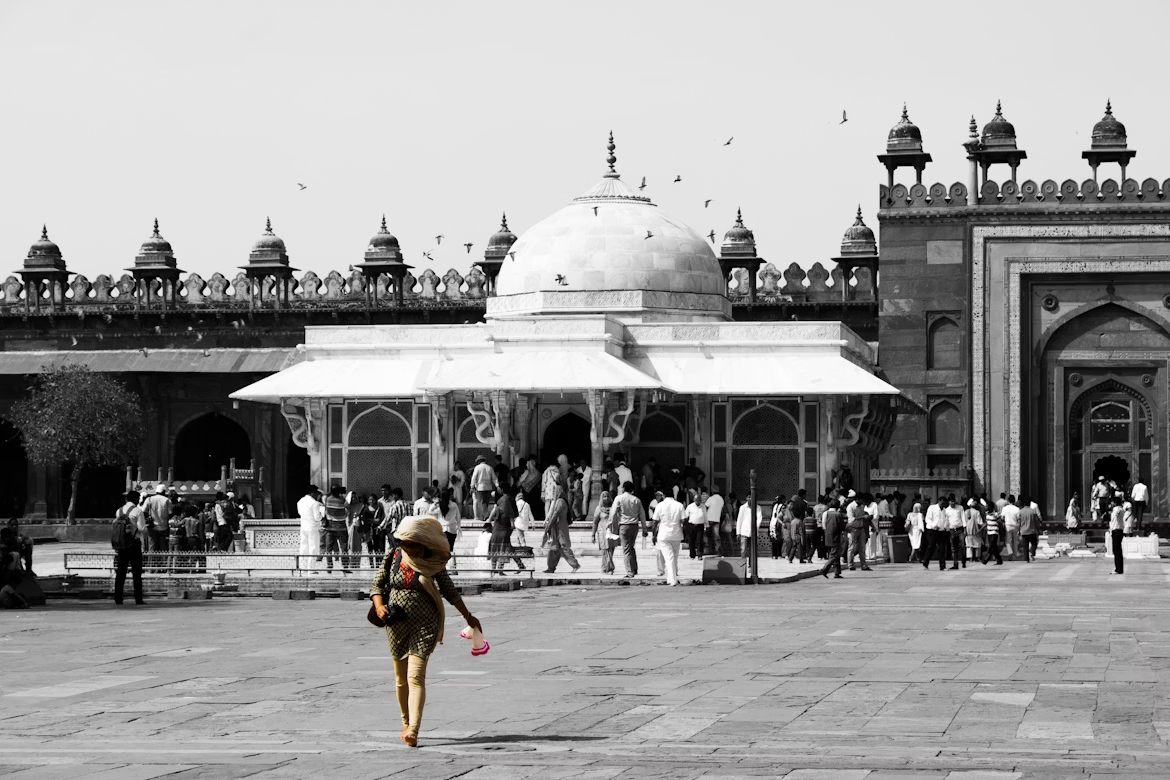
India suits first-time international travelers seeking cultural depth and iconic sights like the Taj Mahal, but it requires preparation for crowds, logistics, and sensory intensity. Most first visits work best with the Golden Triangle route, cooler months (October–March), vetted transport, bottled water, and slower itineraries focused on fewer regions.
In this Blog
Is India a Good Destination for First-Time International Travelers?
India offers unmatched cultural diversity, historic landmarks, and regional cuisines for prepared travelers from the USA and UK, especially with direct flights into Delhi and Mumbai. The experience rewards those who plan slower, choose structured routes, and rely on verified transport and stays.
Success factors:
- Start with 1–2 regions only
- Prioritise serviced accommodations
- Use guided experiences in complex cities
- Build rest days between travel legs
Why First-Time Travelers Feel Overwhelmed in India?
The intensity of India often surprises visitors more than the logistics themselves.
Typical overwhelm triggers:
- Constant noise and crowds in major cities
- Unpredictable transport timing
- Climate shifts and jet lag
- Expectation vs reality gap from social media
- Navigating bargaining, local systems, and language variation
Many travelers report peak culture shock between Days 2–4 before adjusting.
Is India Safe for Tourists, Solo Travelers & Women?
India is generally safe in established tourism circuits when standard precautions are followed. Most risks involve petty scams, transport safety, and navigation challenges rather than violent crime.
| Traveler type | Risk profile | Practical precautions |
| Tourists | Moderate | Pre-book taxis, central stays |
| Solo travelers | Moderate | Share itineraries, use ride apps |
| Women travelers | Context-dependent | Day travel, verified guides, modest dress |
Tip: Avoid poorly connected regions without preparation.
Best Places in India for First-Time Travelers
Nature-led and slower destinations often provide a smoother introduction than dense megacities.
Recommended starting regions:
- Kerala backwaters
- Udaipur and Rajasthan heritage towns
- Rishikesh and Uttarakhand
- Himachal hill stations
- Goa beyond party districts
These locations balance comfort, culture, and accessibility.
Places First-Timers in India Should Avoid Starting With
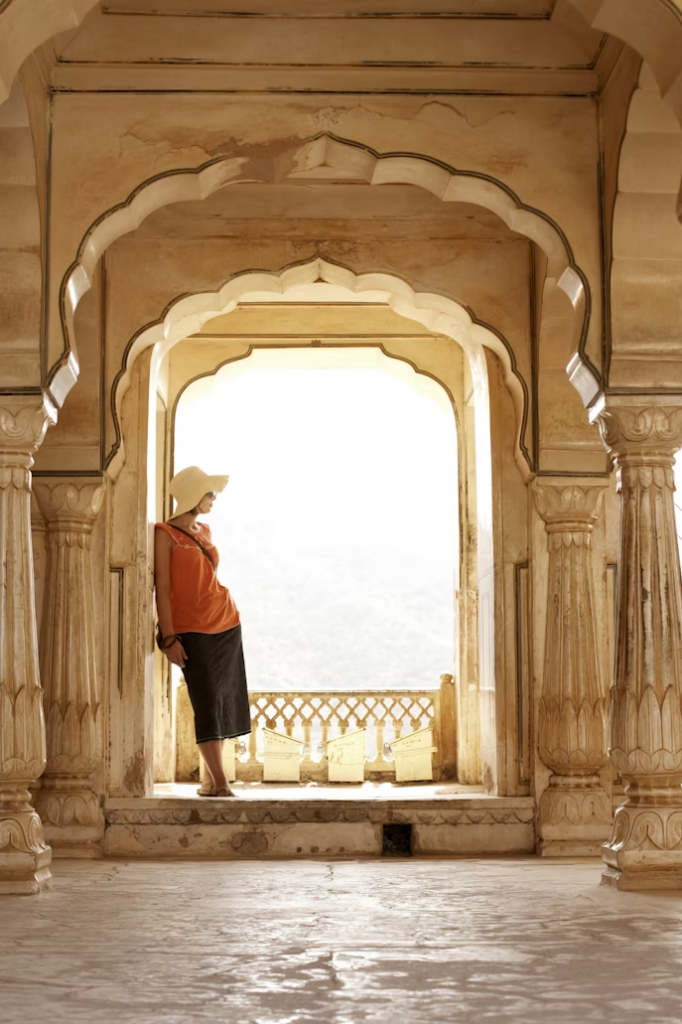
Some destinations are better suited for experienced travelers due to logistics, altitude, or pace. If it’s your first time visiting then you might be interested in exploring the less crowded places in India initially as a beginner.
Challenging for first visits:
- Remote Himalayan expeditions
- Regions requiring permits and long road journeys
- Extremely crowded festival periods
- Dense megacity cores during peak seasons
Travel sequencing matters more than destination choice.
First Time Visitors in India: Where You Stay Matters More Than Where You Go
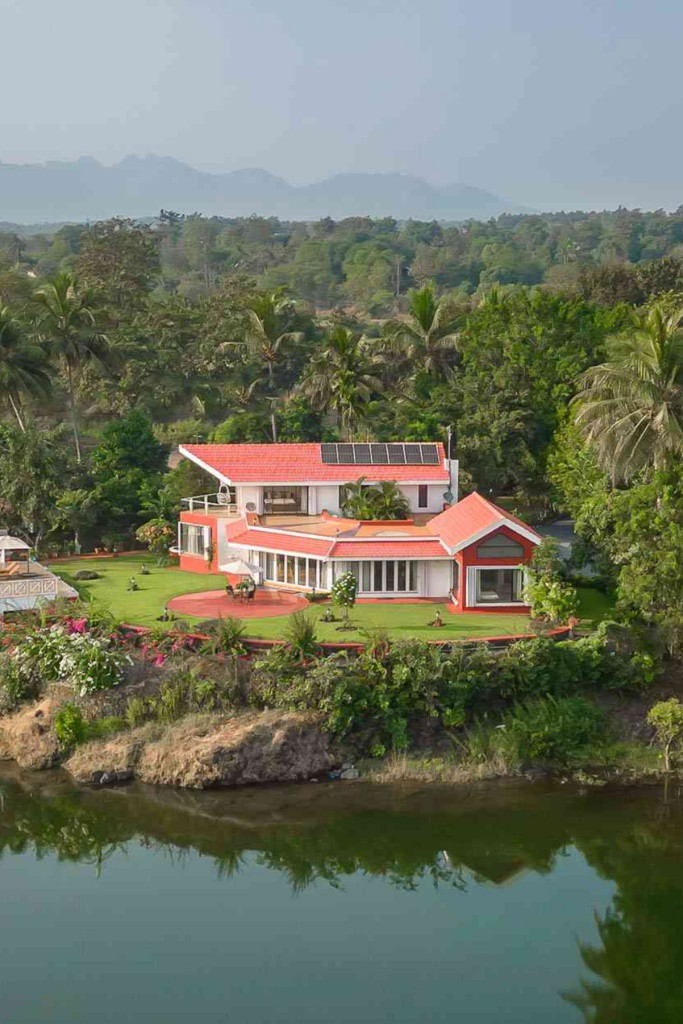
For first-time visitors, villa stays can significantly ease the transition into India. Professionally managed private homes offer quieter environments, reliable hygiene standards, and on-ground staff who help navigate food preferences, local transport, and daily planning. Curated villa properties across destinations like Goa, Kerala, Rajasthan, and the hills allow travelers to experience India at their own pace while staying comfortably insulated from logistical stress.
Best Villas in Mumbai
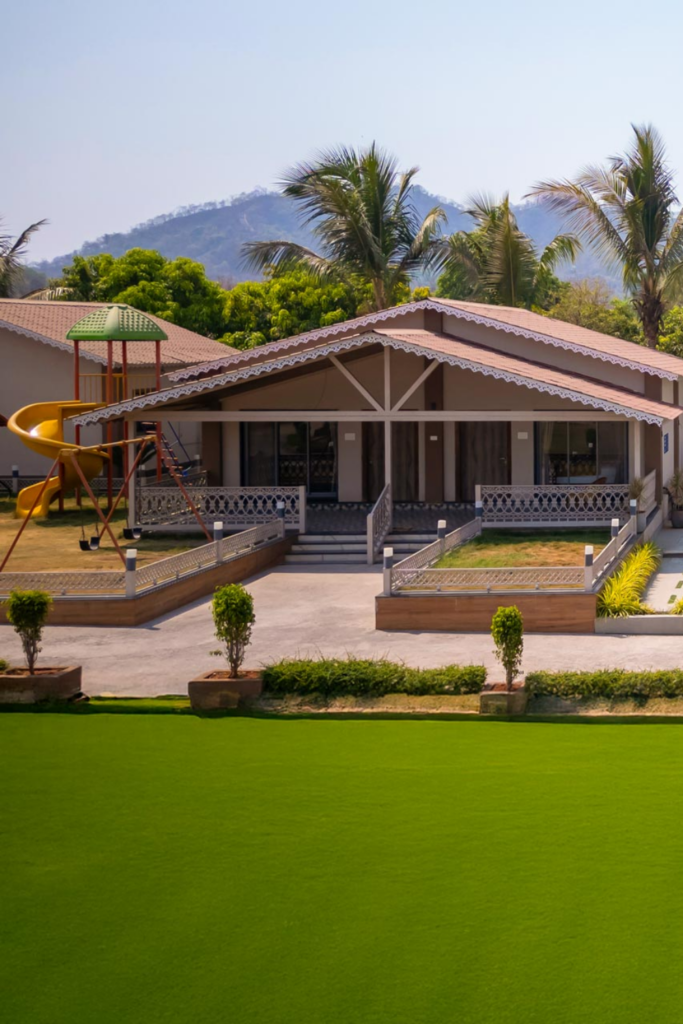
Best Villas in Delhi:


India vs Southeast Asia: Why India Feels Harder
India demands more planning than Thailand, Bali, or Vietnam due to scale and variability—not because it is less safe.
Key differences:
- Larger distances between cities
- Less standardized tourism infrastructure
- Greater cultural and linguistic diversity
- Higher sensory intensity
- More independent planning required
Travelers seeking depth often find India more transformative.
How to Plan Your First India Itinerary (The Right Way)
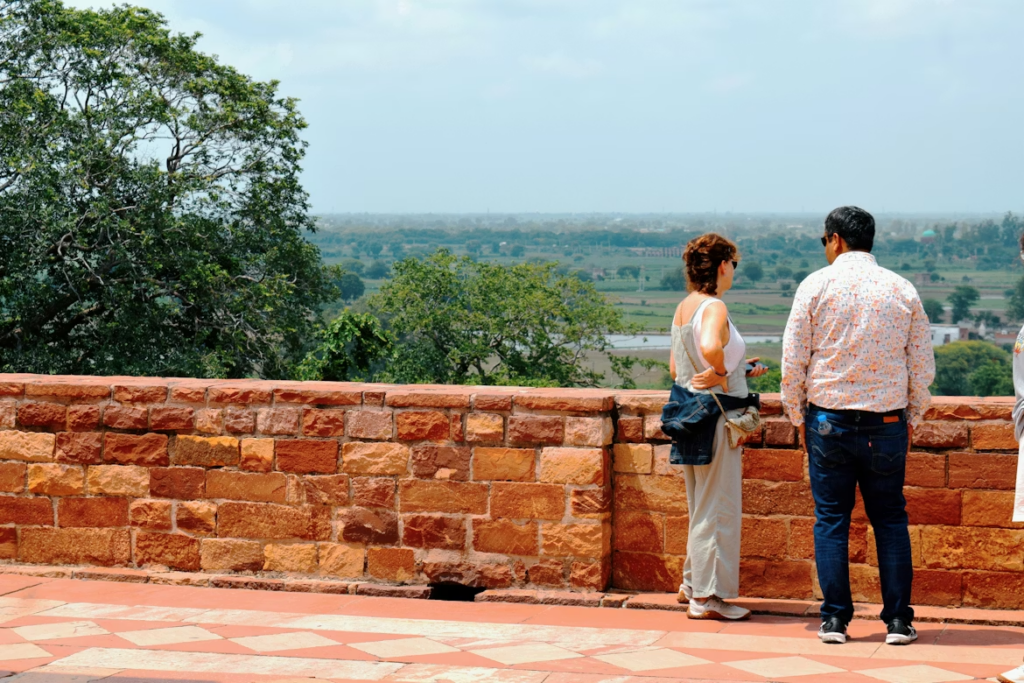
The most successful first trips prioritise fewer locations and longer stays.
Beginner framework:
- Choose one region (North OR South)
- Limit to 2–3 destinations
- Stay 3–5 nights per stop
- Use flights for long distances
- Add recovery time after major travel days
Example route: Delhi → Agra → Jaipur → Kerala/Udaipur
Packing and Essentials for First-Time Travel to India
Packing should prioritize climate adaptability and comfort.
Core essentials:
- Breathable cotton clothing
- Temple scarf or shawl
- Comfortable walking shoes
- Power adapter (Type C/D/M compatible)
- Hand sanitiser, basic medicines
- Filter bottle or sealed bottled water
Visa, Health, and Money Tips
Entry preparation is straightforward for US and UK travelers.
Key requirements:
- e-Visa application before travel
- Passport validity and onward ticket
- Hepatitis A and Typhoid vaccinations commonly advised
- Travel insurance recommended
- ATMs widely available in cities
Cultural Do’s and Don’ts
Understanding etiquette improves safety and social comfort.
Important basics:
- Remove shoes in homes and temples
- Dress modestly in religious areas
- Use the right hand for food exchanges
- Bargain respectfully in markets
- Ask before photographing people
People Also Ask- FAQs
Yes in established tourism regions with standard precautions. Most traveler risks relate to transport, scams, and navigation rather than violent crime.
Overpacked itineraries, climate adjustment, illness, or sensory fatigue often cause early departures—not safety issues.
It can be in major cities. Hill towns, nature regions, and private stays provide calmer alternatives.
October to March offers the most comfortable weather across most regions, especially for first-time visitors.
Ten to fourteen days is ideal for one region. Shorter trips feel rushed; longer trips benefit from slower pacing.
North India offers iconic landmarks; South India provides slower, nature-led experiences. Choice depends on travel style.
India rewards first-time travelers who approach it with curiosity, patience, and thoughtful planning. Choosing fewer destinations, traveling in the right season, and staying in well-managed accommodations can transform the experience from overwhelming to deeply enriching. With the right pace and preparation, a first visit to India often becomes less about ticking landmarks off a list and more about understanding its culture, people, and rhythms in a meaningful way.
Cover image credits: Gurpreet Singh