
Ice Villages in India: Lachen vs Kibber vs Kaza vs Dras – Which One Should You Visit?
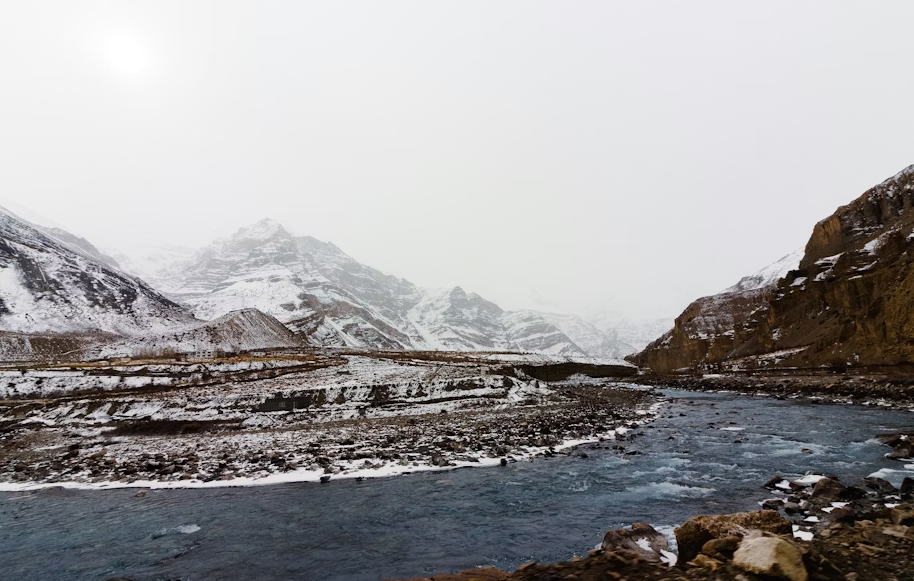
India’s winter landscape transforms dramatically as the Himalaya and Trans-Himalaya embrace deep snow, sharp winds, and wide frozen silence. While most travellers know popular hill stations, very few explore the country’s “ice villages” – remote, high-altitude settlements that turn ethereal in winter. Among these, Lachen (North Sikkim), Kibber (Spiti Valley), Kaza (Spiti Valley), and Dras (Kargil district, Ladakh) stand out for their sheer beauty and extreme conditions.
Each offers a different version of winter: alpine snowfields, cold-desert stillness, star-laden skies, or bone-deep silence. This blog breaks down what each village offers – from accessibility and altitude to culture and winter experiences – to help you choose the best destination for your next cold-season adventure. You’ll also find StayVista villa recommendations in nearby major cities to anchor your journey in comfort.
In this Blog
What Makes These Ice Villages Special?
Lachen, North Sikkim
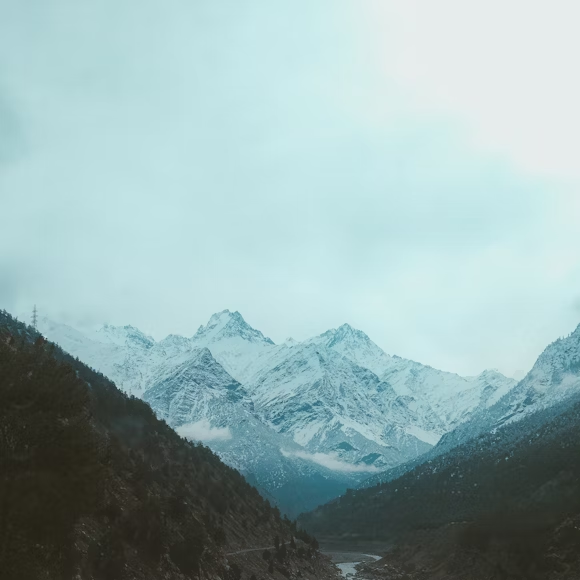
Lachen stands out among ice villages in India for its dramatic Himalayan setting, heavy snowfall, and access to frozen glacial terrain during the peak winter months. This high-altitude village in North Sikkim offers a pure alpine atmosphere, where snow-covered valleys, icy rivers, and towering peaks create the kind of winter landscape travellers often associate with classic Himalayan expeditions. As one of the most scenic winter destinations in India, Lachen appeals to those who want a mix of adventure, quiet village life, and unfiltered mountain beauty. Its strategic location near some of the region’s highest viewpoints makes it an ideal choice for travellers planning a North Sikkim winter trip filled with crisp air, panoramic snowfields, and breathtaking Himalayan vistas.
Kibber, Spiti Valley
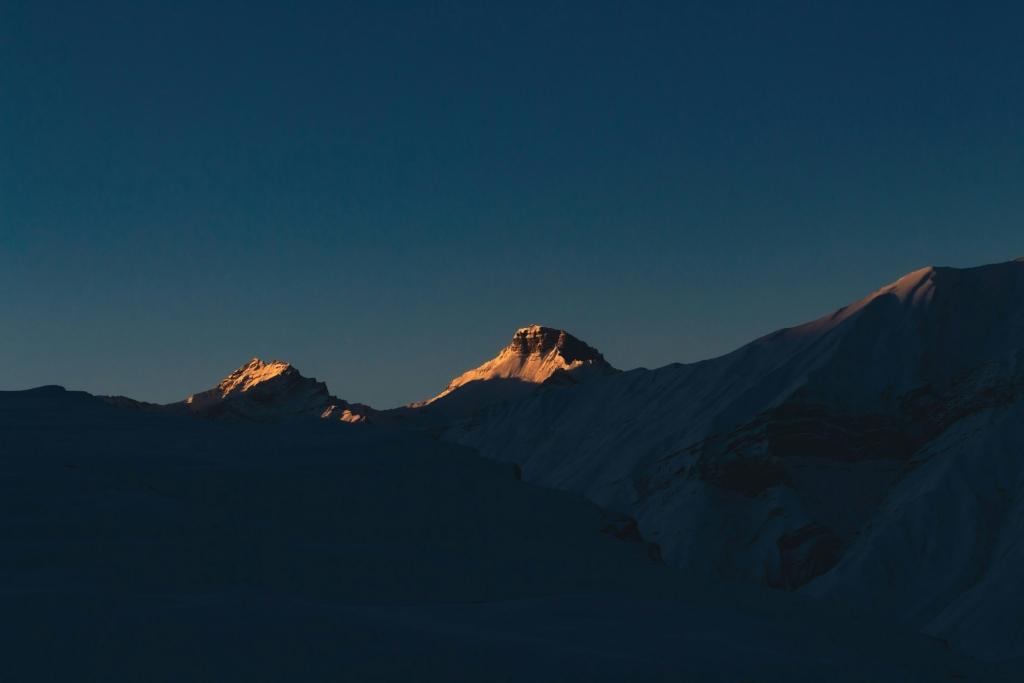
Kibber is one of the most unique winter villages in the Himalayas, known for its stark cold-desert terrain, high altitude, and surreal stillness. During winter, Kibber transforms into a snow-dusted settlement surrounded by rugged cliffs and vast, open slopes, offering an atmosphere that feels both remote and deeply inspiring. It is a highlight of Spiti winter travel, especially for travellers who appreciate raw landscapes and rare wildlife sightings, including the elusive snow leopard. The village’s traditional mud-brick architecture, combined with its dramatic natural backdrop, creates an unforgettable winter setting that is hard to replicate anywhere else in India. For those seeking snow places in India that offer a combination of silence, wilderness, and high-altitude charm, Kibber is unmatched.
Kaza, Spiti Valley
Kaza brings a different kind of appeal to the list of ice villages in India, offering the perfect balance between winter accessibility and Spiti’s cold-desert grandeur. As the main town of Spiti Valley, it provides a comfortable base for travellers exploring the region’s high-altitude winter landscapes, frozen rivers, and iconic monasteries. What makes Kaza special in winter is its expansive openness — crisp skies, sharply defined mountains, and incredible night conditions that make it one of the best winter destinations in India for astrophotography. The atmosphere is peaceful yet alive with the subtle rhythm of winter life in the trans-Himalayas, allowing travellers to experience both rugged wilderness and moments of warmth in this remote highland town.
Dras, Ladakh
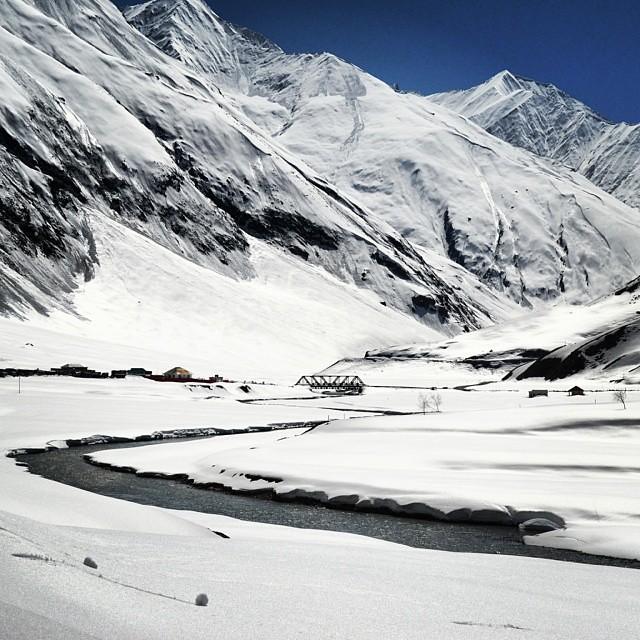
Dras offers one of the most powerful winter experiences among Himalayan villages, earning its reputation as the world’s second-coldest inhabited place. The landscape here is bold and uncompromising – steep mountains, frozen riverbeds, and sharp winter light combine to create an atmosphere that is both dramatic and awe-inspiring. As a key Ladakh winter destination, Dras is ideal for travellers who appreciate rugged terrain, deep cultural roots, and the raw beauty of the Himalayan frontier. Its blend of intense winter climate and rich Ladakhi-Balti heritage makes it a truly remarkable place for those seeking snow places in India that go beyond scenic views and offer a window into resilient mountain life.
1. Accessibility: Which Is Easiest to Reach?
Lachen
Reaching Lachen typically involves flying into Bagdogra or Pakyong, driving to Gangtok, and then ascending to North Sikkim. Winter roads can be slow due to snowfall, and some stretches require special permissions. Travel is usually coordinated through authorised operators.
Kibber & Kaza
Spiti’s winter access depends heavily on road conditions and pass status.
- Via Manali: Mostly closed in peak winter due to Rohtang/ Kunzum Pass conditions.
- Via Shimla: More reliable, though still subject to intermittent closures.
Kaza acts as the logistical centre; Kibber is a short uphill drive from it.
Dras
Reach via the Srinagar–Leh highway, depending on Zoji La’s opening. This stretch receives heavy snow, but priority road clearance keeps it partially operational in winter. Weather can cause sudden closures, so flexibility is essential.
Summary:
- Most accessible base towns: Gangtok (for Lachen), Shimla/Manali (for Spiti), Srinagar (for Dras).
- Winter’s most unpredictable roads: Spiti and Dras.
- Best for relatively smoother winter logistics: Lachen (with permits organised in advance).
2. Altitude & Weather: How Extreme Does It Get?
Lachen
Approx. 2,700–2,900 m.
Expect deep winter snow, icy winds, and sub-zero nights. Higher excursions (like towards Gurudongmar, ~5,100 m) can be severely cold and oxygen-thin.
Kibber
Approx. 4,200–4,300 m.
One of the highest villages you can visit. Long winters, piercing winds, and thin air require solid acclimatisation.
Kaza
Approx. 3,650 m.
Cold desert climate with freezing nights and bright, dry days. Lower than Kibber but still firmly in high-altitude territory.
Dras
Approx. 3,300 m.
Famed for temperatures dropping below –20°C in peak winter. Fierce winds make the cold feel even sharper.
Summary:
- Highest altitude: Kibber
- Coldest temperatures: Dras
- Best balance of cold + accessibility: Kaza
- Best alpine vibe: Lachen
3. Winter Atmosphere & Experiences
Lachen – Alpine Drama
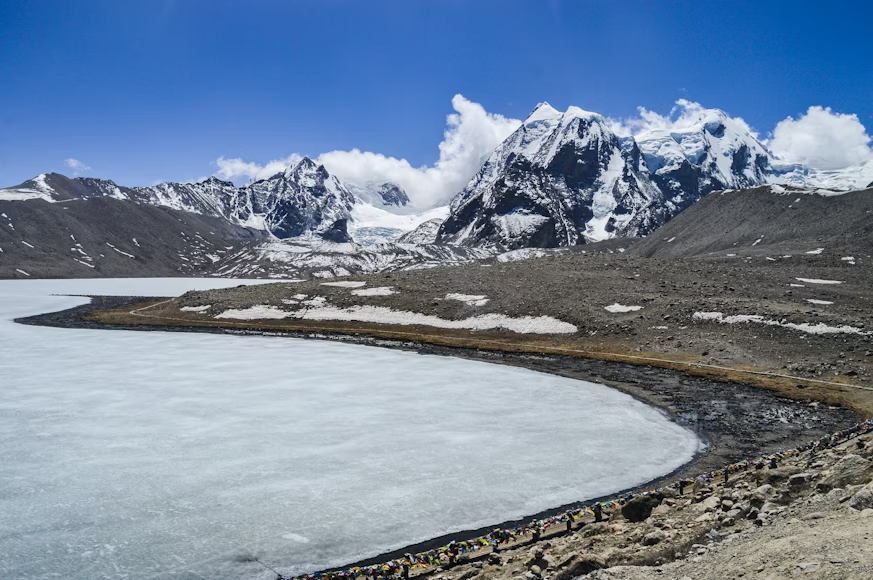
Winter in Lachen transforms the region into a theatre of towering peaks, heavy snowfall, and glacier-fed landscapes that feel unfiltered and raw. The views of Mt. Khangchendzonga and nearby Himalayan giants become sharper in winter light, creating postcard-level contrasts. The route towards Thangu, Chopta Valley, or the lakeside zone (based on permit access) is lined with forests weighed down by fresh snow, wooden homes emitting thin trails of smoke, and icy streams partially frozen mid-flow. Birdlife reduces but yak caravans may still be spotted in the upper reaches. With fewer travellers, the village’s rhythm becomes slower and more intimate – ideal for observing local Sikkimese culture, winter rituals, and monastic life at Lachen Gompa.
Kibber – Silence of the High Desert
Kibber in winter feels like a Himalayan film set carved by snow and silence. The high-altitude desert turns monochrome, with pale sunshine falling across whitewashed homes and vast snow-dusted ridges. Wind patterns shift, making the air piercing but incredibly clear – perfect for long-range photography. Wildlife activity peaks around this time, with experts and trackers frequenting the area for snow leopard sightings, along with blue sheep, ibex, and red fox. The village’s location inside the Kibber Wildlife Sanctuary adds an extra edge for nature lovers. Even regular walks around the settlement become memorable because the stillness amplifies every little detail: crunching snow, distant prayer chants, and slow-moving herds navigating the slopes.
Kaza – Winter Culture & Astro Nights
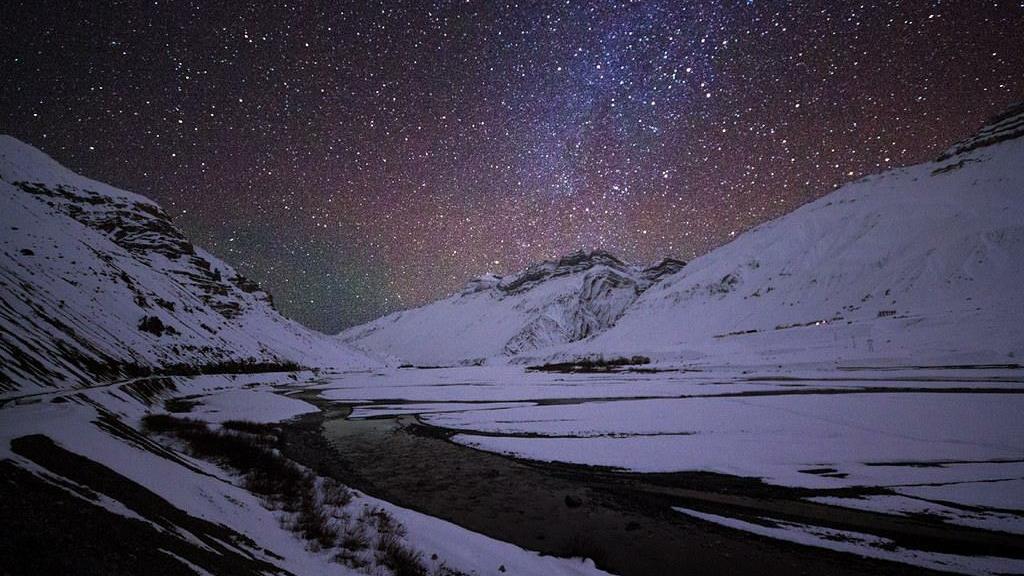
Winter in Kaza introduces an unusual blend of isolation and cultural richness. As the valley’s administrative heart, it remains more accessible than the deeper villages, allowing travellers to explore Spitian winter life without complete seclusion. The surrounding settlements of Hikkim, Langza, and Komic display stark winter architecture – mud walls layered with frost, prayer flags stiff in the cold breeze, and locals moving in warm boots as everyday routines continue despite sub-zero temperatures. Monasteries such as Key, Tabo, and Dhankar appear sharper against winter skies, making them incredible photography subjects. With nearly zero atmospheric moisture, nights reveal dense star fields, bright constellations, and the Milky Way arching clearly, drawing astrophotographers from across India. Some homestays and guides organise night-sky sessions, cultural storytelling, or winter village walks.
Dras – Raw, Rugged Himalaya
Dras showcases winter in its most elemental form. Known for having some of the coldest inhabited conditions in the world, the valley’s landscapes turn intensely dramatic: cliffs wrapped in snow, wind-cut formations along riverbanks, and frozen waterways sculpted into natural ice sculptures. Beyond the scenery, winter here is deeply tied to resilience. Traditional wooden homes rely on centuries-old heating methods, and the local Balti community continues cultural traditions with warmth and pride despite the extreme cold. The region’s military significance adds another layer to the experience – memorials, stories of historical battles, and the sheer strategic terrain make winter travel here emotionally powerful. For adventure seekers, Dras offers frozen-river photography, hard-edged landscapes, and a glimpse into Himalayan life shaped by endurance.
4. Culture, Community & Local Experiences
Lachen (Sikkimese–Bhutia Culture)
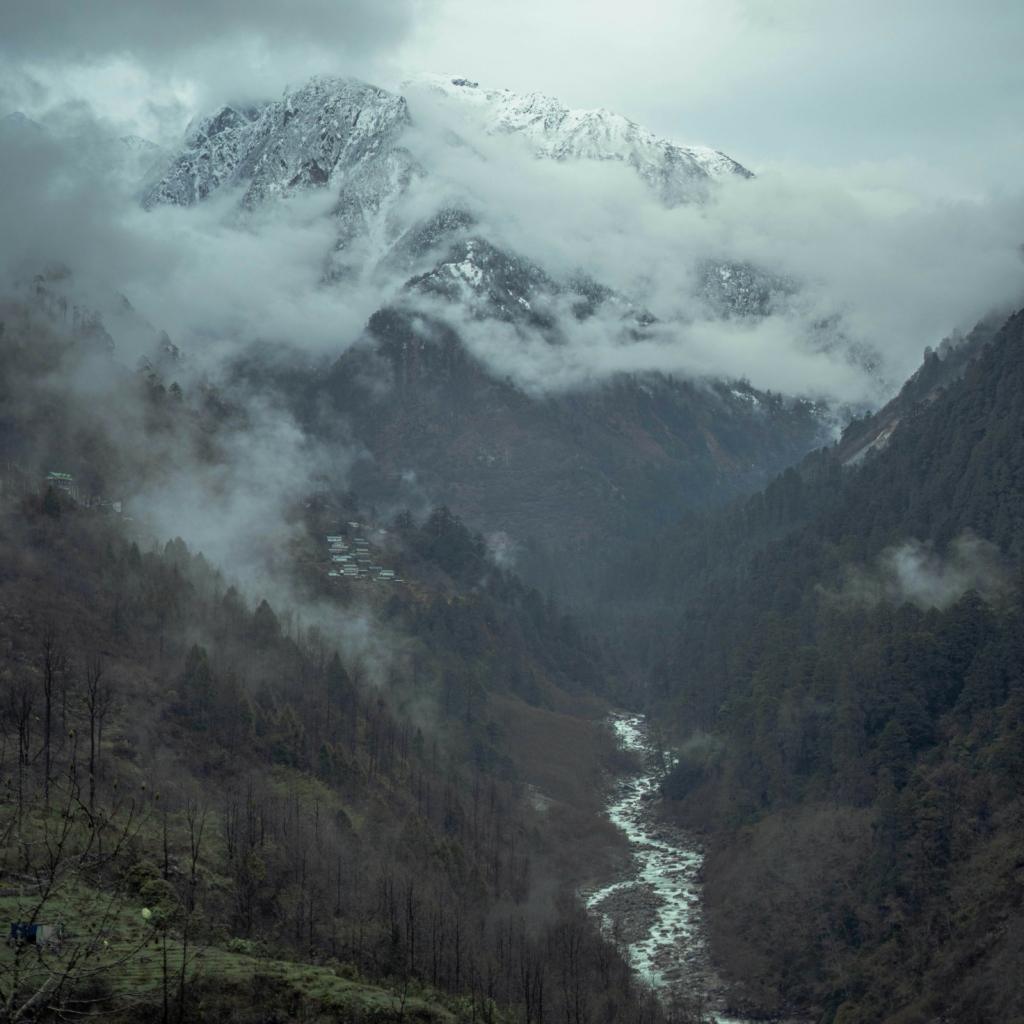
Lachen holds strong ties to Sikkim’s Bhutia heritage, reflected in its traditional homes, monasteries, and village governance system headed by the Lachenpa community. Winter slows life significantly, yet the warmth of the local culture is unmistakable. The Lachen Monastery plays a central role, especially during seasonal prayers and rituals that mark key Buddhist festivals. Visitors often witness monks performing morning chants, spinning prayer wheels, or preparing butter lamps.
The village also serves as the home base of the Lachenpas, who have preserved pastoral customs and storytelling traditions for generations. Expect insights into ancient trade routes, oral histories, and the local belief systems that tie people to their snow-laden mountains. In many homes, winter means gathering around wood-fired stoves, sharing hot yak-butter tea, and discussing community matters – a form of hospitality extended graciously to visitors.
Kibber (Spitian Life at High Altitude)
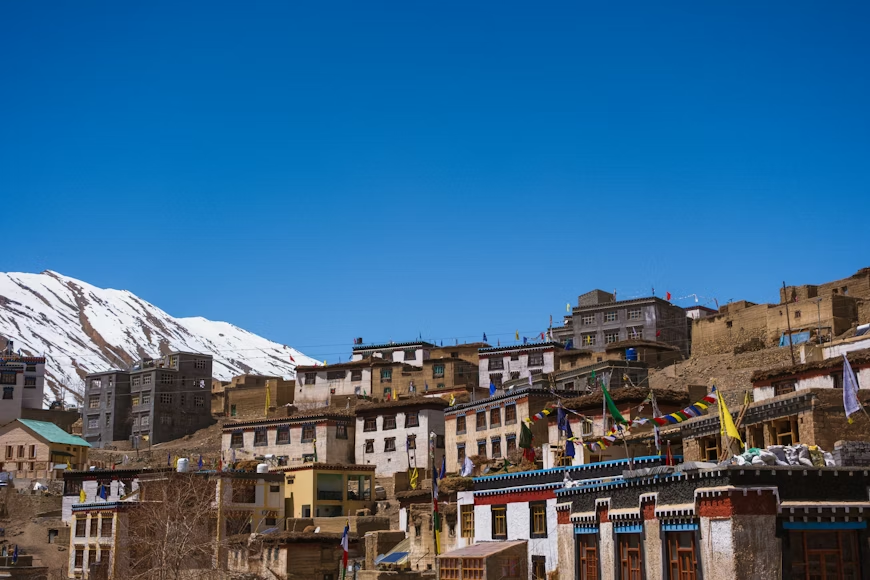
Kibber is a rare glimpse into life at over 4,000 metres, shaped by centuries of adaptation to the harsh climate. The village—identified by its iconic whitewashed, flat-roofed mud houses- has a tight-knit community that relies heavily on livestock and seasonal agriculture. Winter transforms daily routines: villagers focus on tending to yaks, preserving food, repairing tools, and maintaining warmth through traditional stoves called bhukharis.
Culturally, Kibber is home to a small yet historically significant monastery, where winter prayers and age-old Buddhist rituals continue despite sub-zero temperatures. This region is also deeply linked with snow leopard conservation, making the community integral to global wildlife preservation efforts. Conversations with locals reveal fascinating stories about coexistence with wildlife, ancient trade relations with Tibet, and the resilience required to thrive in one of the world’s highest inhabited regions.
Kaza (Spiti’s Cultural Crossroads)
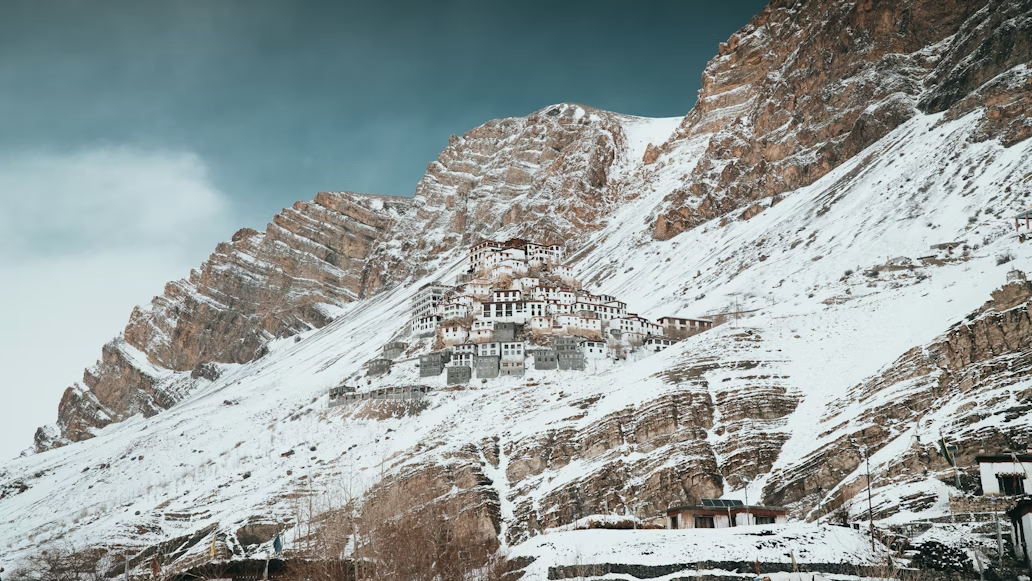
Though Kaza faces extreme winters, it remains the cultural and administrative heart of Spiti Valley. Its monasteries – such as Key Monastery just uphill – become even more atmospheric in winter, with monks dressed in heavy robes conducting meditation sessions amid the silence of the cold-desert surroundings. Kaza also connects visitors to nearby villages like Langza, Hikkim, and Komic, each with its own winter rituals, heritage crafts, and community structures.
The town’s artisan culture is noteworthy: winter months often see locals engaged in weaving, wood carving, and restoring monastery items. Even though cafés and shops operate on limited schedules, Kaza retains a sense of shared warmth – locals gathering over salty butter tea, exchanging stories, and performing small rituals for protection during the long winter. The blend of spirituality, craftsmanship, and strong social ties gives Kaza a distinct identity compared to the more secluded Kibber.
Dras (Ladakhi & Balti Influences)
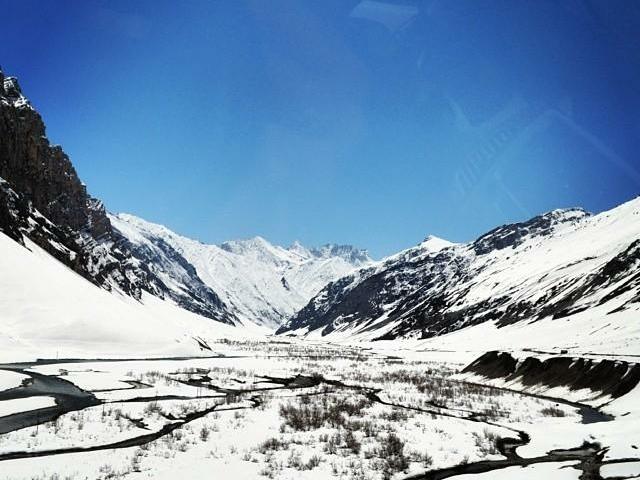
Dras carries a rich cultural tapestry formed by Ladakhi, Balti, and Shina influences, making it one of the most historically layered winter destinations in the Himalaya. Winters here are intense, yet village life remains active through communal gatherings, prayer meetings, and preservation of centuries-old customs. Homes are built with thick walls and low roofs to conserve heat, and families often gather around traditional wood stoves known as sangtoks.
Local storytelling is central to Dras culture – tales of ancient caravans, wartime resilience, and mountain folklore are passed down during long winter evenings. The region also observes winter festivals rooted in Tibetan Buddhism and local practices, featuring masked dances, prayers for prosperity, and offerings to guardian deities.
Visitors experience the region’s characteristic hospitality: warm greetings, traditional butter tea, and insights into how the community has adapted to one of the coldest inhabitable climates on Earth. Despite the harsh weather, Dras retains a strong sense of identity, shaped equally by history and nature.
5. Who Should Visit Which Ice Village?
Choose Lachen if you want…
- Alpine landscapes and heavy snow
- Frozen lakes and dramatic valley views
- Easy access to monasteries and cultural interactions
- A mix of adventure + scenic relaxation
Choose Kibber if you want…
- A remote, high-altitude winter experience
- Wildlife possibilities, especially snow leopards
- Epic photography in a cold-desert setting
- A village barely touched by mainstream tourism
Choose Kaza if you want…
- A winter base with some level of comfort
- Access to multiple high-altitude villages
- Clear skies for astrophotography
- Monasteries, culture, and vast landscapes
Choose Dras if you want…
- Extreme winter conditions
- Stark Ladakhi beauty without crowds
- Strong historical significance (including Kargil War memorials)
- A raw, powerful winter destination
6. Best Time to Visit These Ice Villages
- December to February – Peak winter; deepest snow; most dramatic landscapes; coldest temperatures.
- March & early April – Gentler winter; clearer access; still icy and beautiful without the harshest conditions.
If you want the classic ice village aesthetic – snow-covered roofs, frozen trails, and crisp blue skies – the heart of winter is ideal.
7. StayVista Villas in Nearby Cities
For trips this extreme, most travellers prefer to stay a night or two in a comfortable villa near a major town before heading into the ice villages. These four StayVista villas offer warmth, privacy, and a refined space to rest and acclimatise.
1. Mimani Retreat, Gangtok (for Lachen)

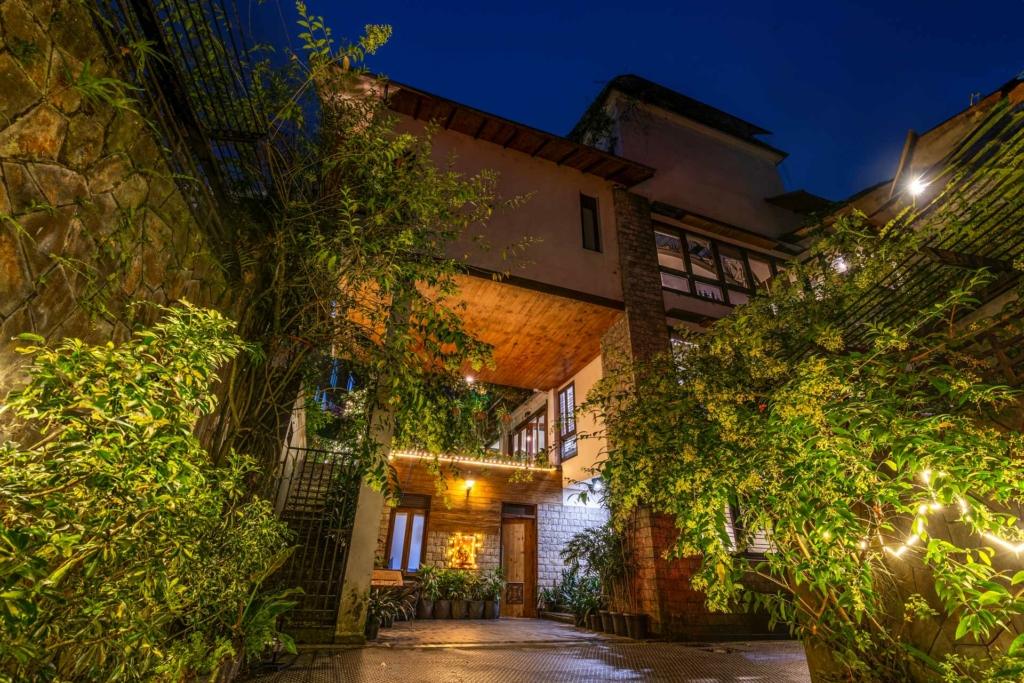
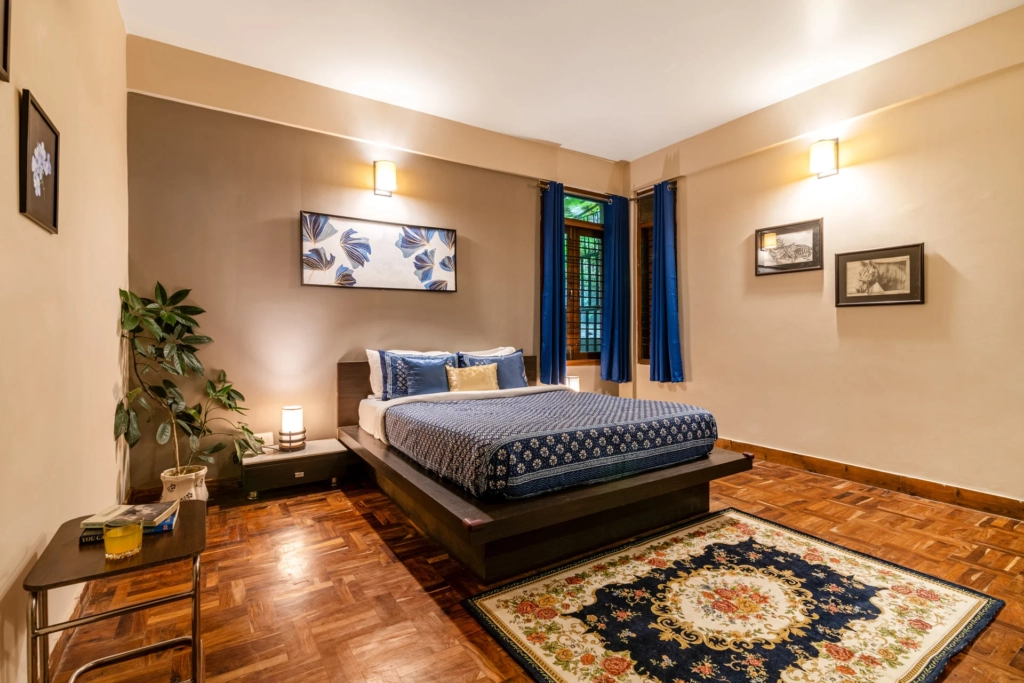
A scenic StayVista villa ideal for travellers heading towards North Sikkim. It offers comfort, views, and access to transport networks and permit offices in Gangtok.
2. Himalayan Retreat, Manali (for Kaza & Kibber via Manali route)
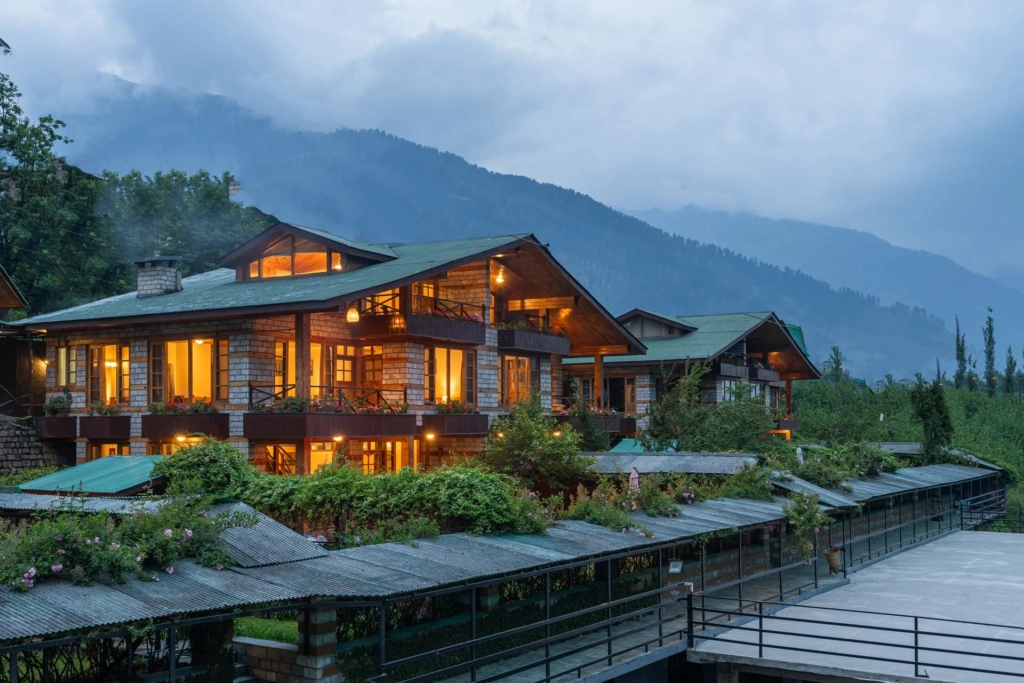
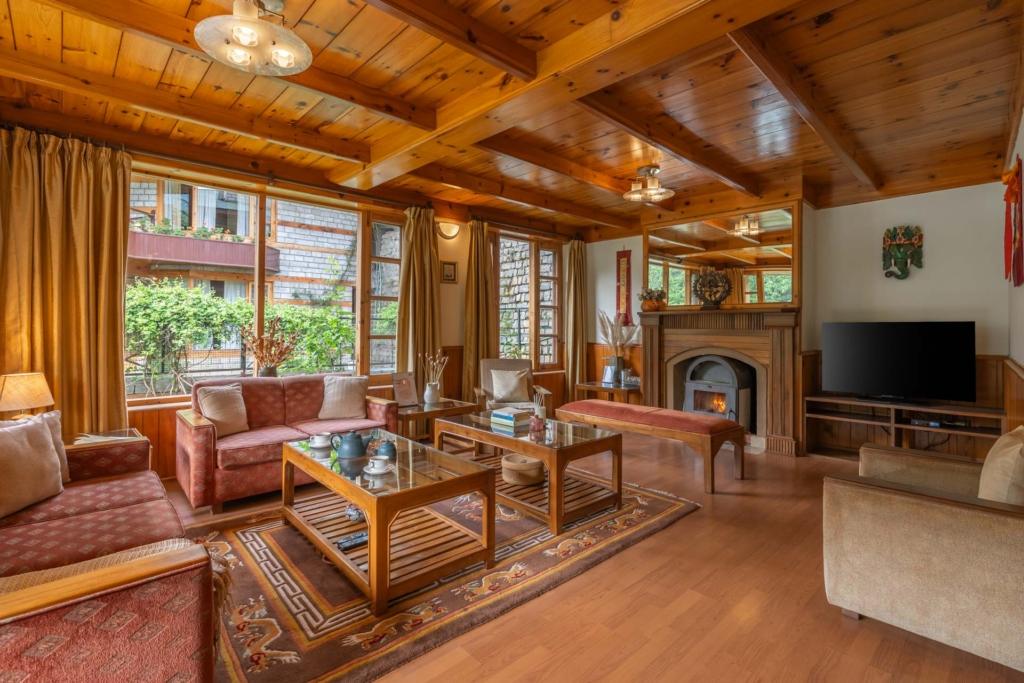
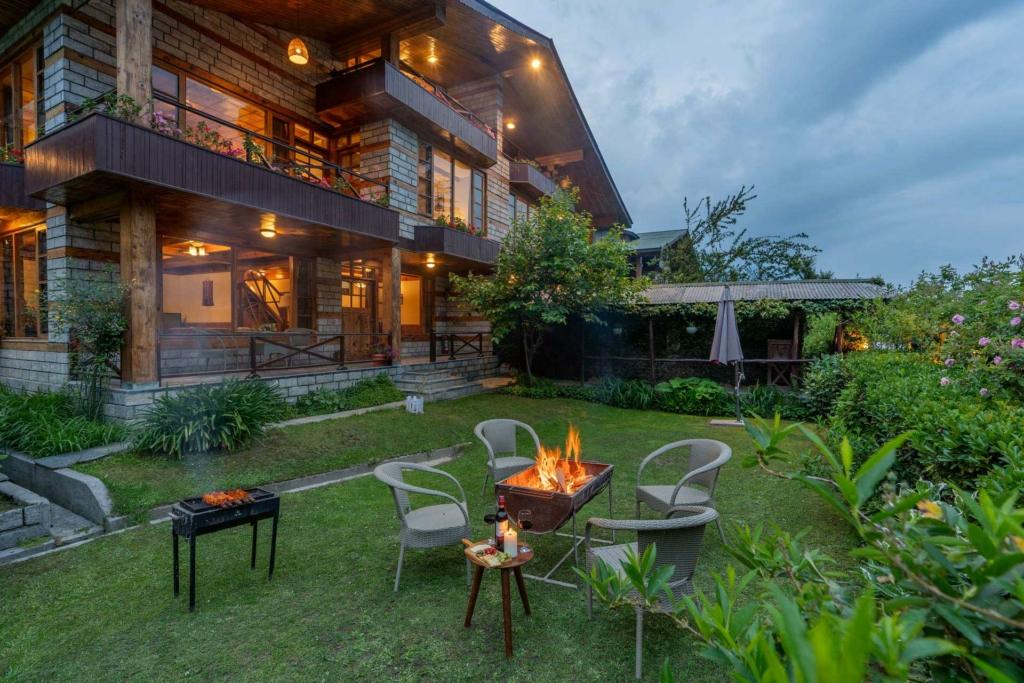
A peaceful, well-designed mountain villa perfect for rest before the Spiti drive. Large outdoor spaces, warm interiors, and easy access to local transport.
3. Shimla Manor, Shimla (for Kaza via Shimla route)
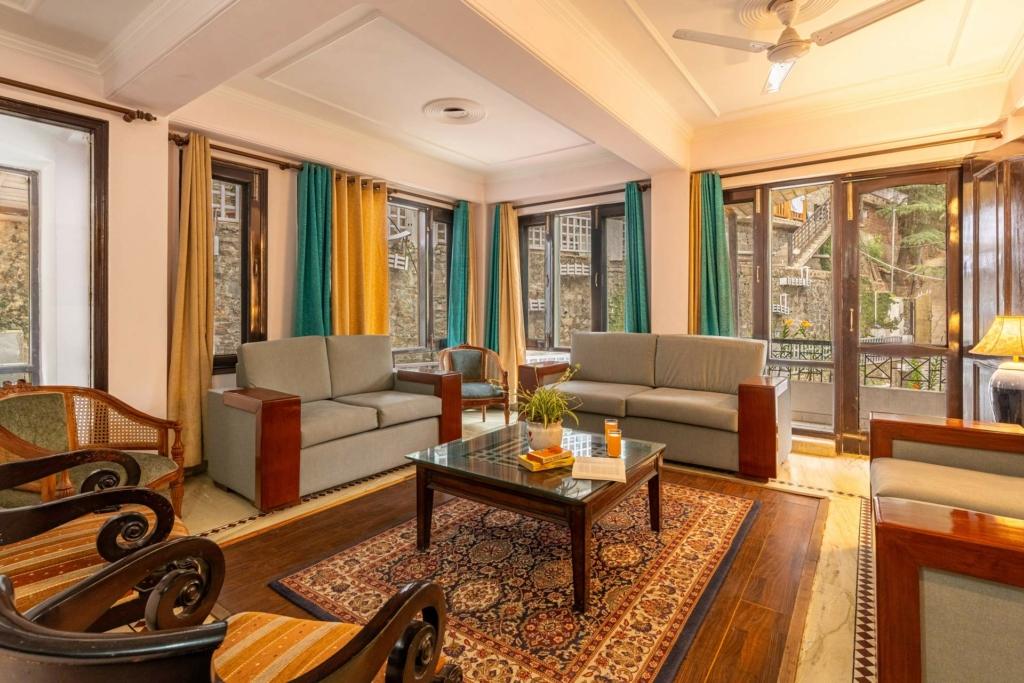
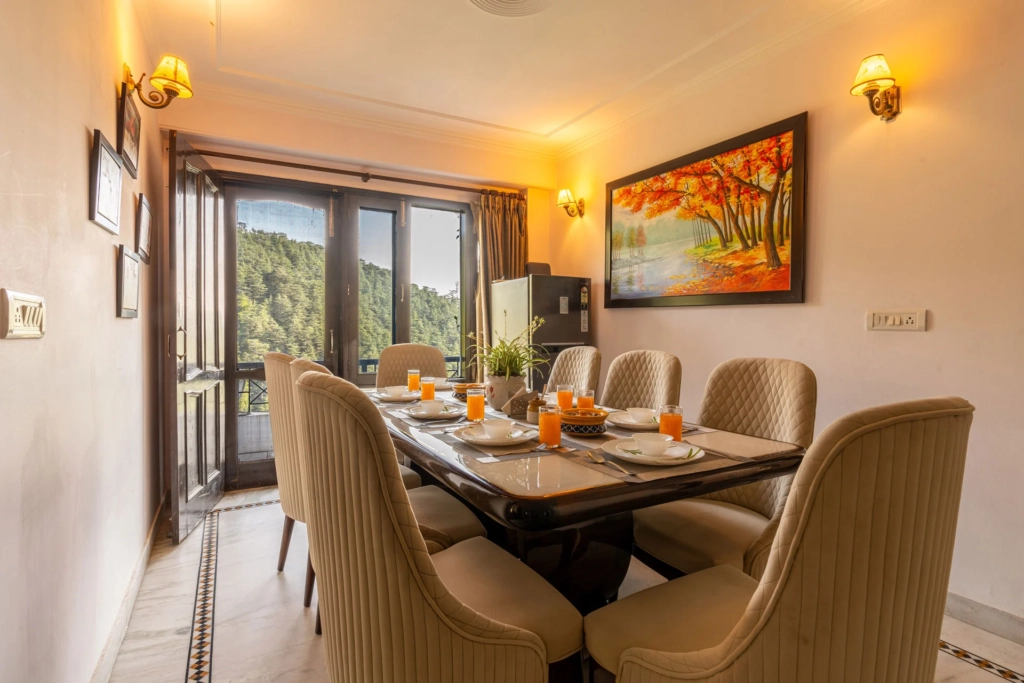
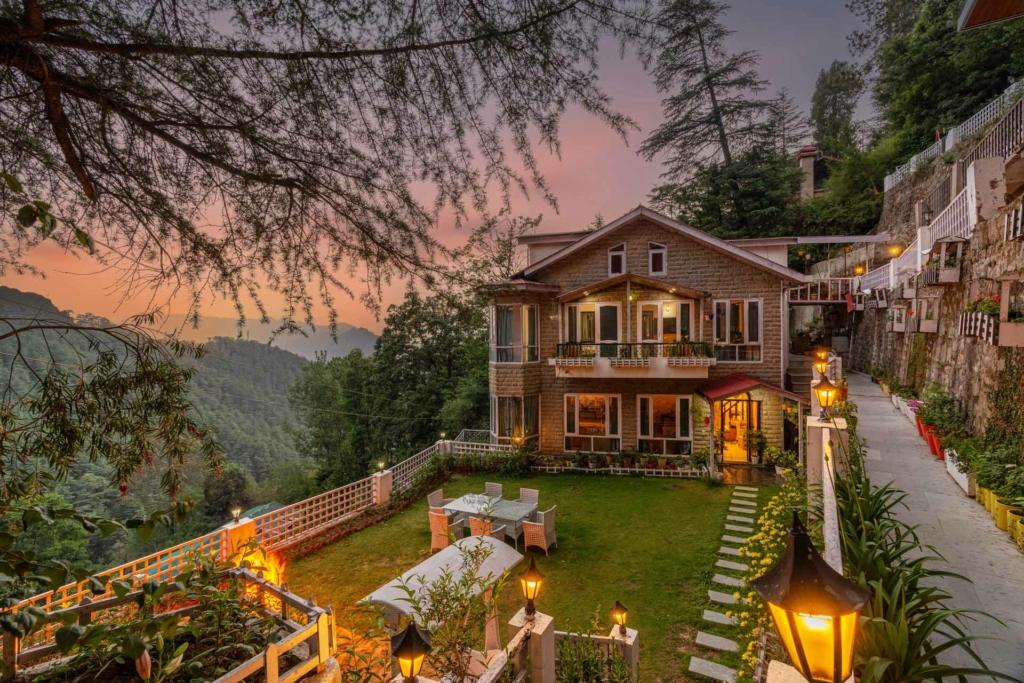
If you’re taking the winter-favoured Shimla–Reckong Peo route, this villa is an elegant stay option for pre-trip and post-trip comfort.
4. Wooden Arches, Srinagar (for Dras)
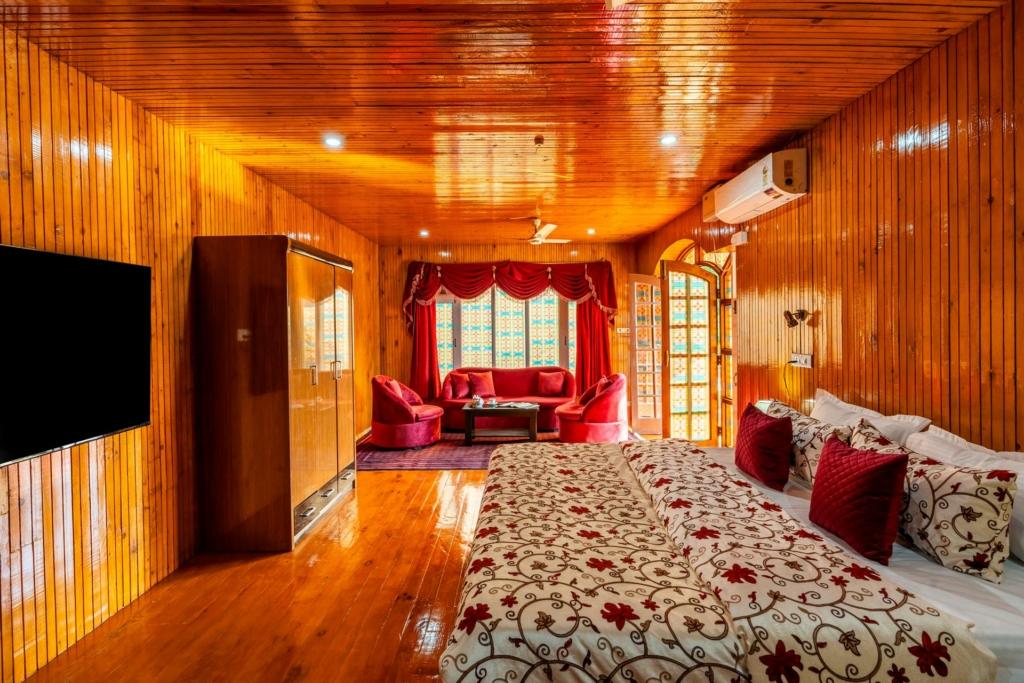
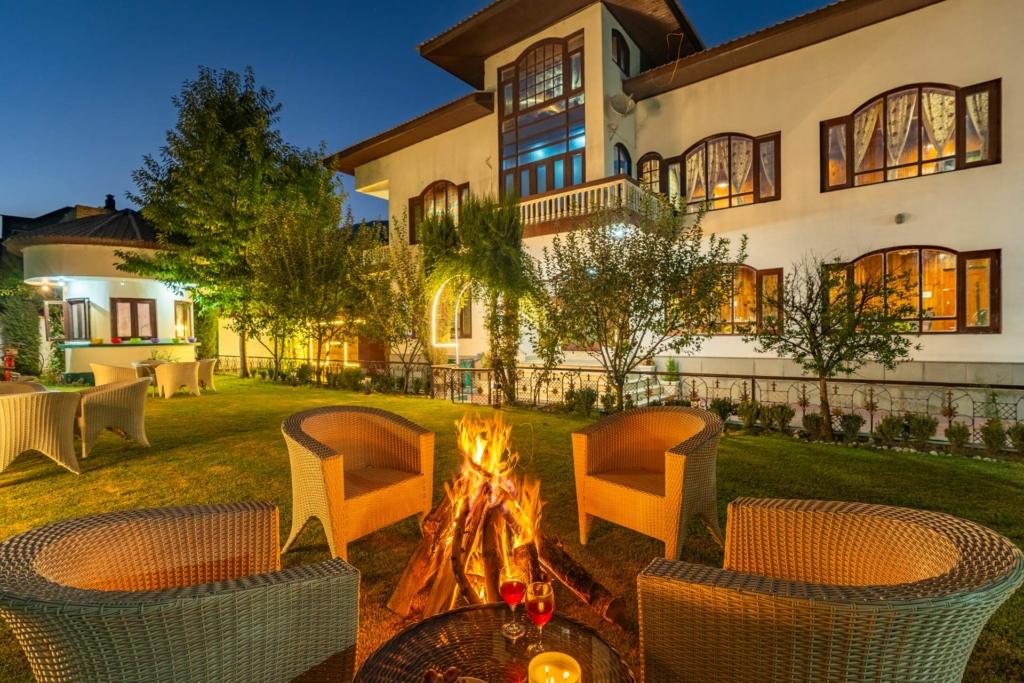
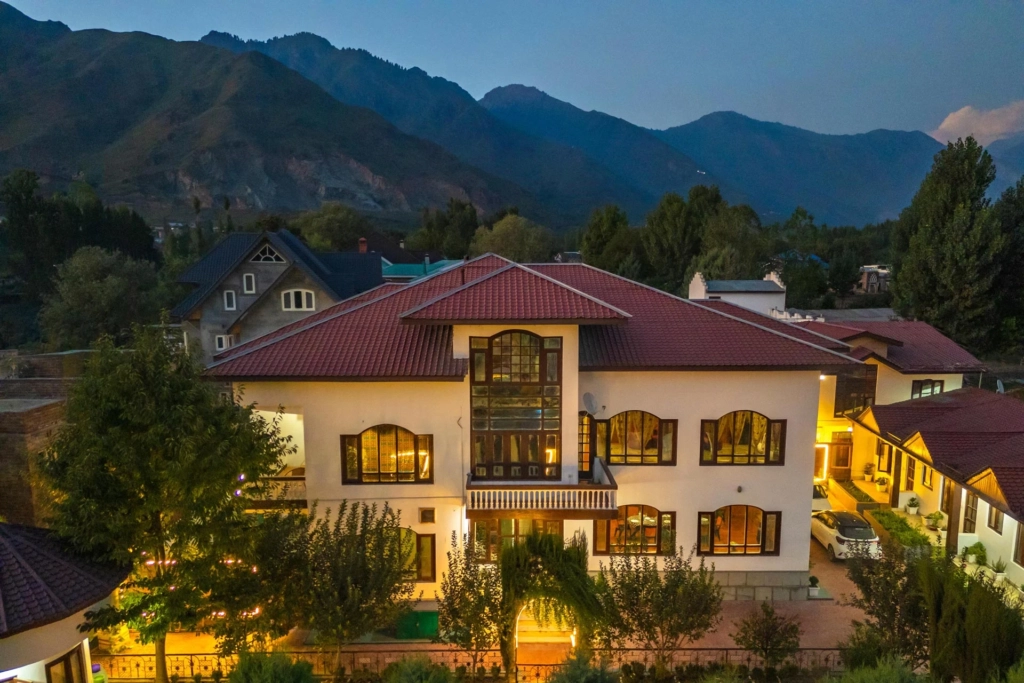
Srinagar serves as the ideal gateway to Dras in winter. Wooden Arches blends comfort with Kashmiri craftsmanship – exactly the kind of warm base travellers appreciate before entering deep winter terrain.
8. Which Ice Village Should You Choose?
There is no single “best” ice village, because each one speaks to a different kind of winter traveller:
- Lachen – Perfect for travellers who want classic Himalayan winter beauty with alpine drama.
- Kibber – Ideal for those seeking extreme altitude, wildlife, and silence.
- Kaza – Great for a balanced mix of culture, scenic drives, photography, and stargazing.
- Dras – Unmatched if you’re drawn to extreme cold, rugged landscapes, and cultural depth.
No matter which one you pick, the reward is the same: a profound sense of winter’s intensity, untouched beauty, and the rare experience of being in some of the quietest habitable places on Earth.
Banner Image Credit: Manohar Reddy via Unsplash