
Monsoon Trek Safety 2026: Trails to Skip — and 8 Safer Ones to Do Instead

Monsoon trek safety in India depends primarily on trail type, not rainfall intensity. Gradual fort trails with wide paths — such as Lohagad, Visapur, Rajmachi (Lonavala route), and Korigad in the Western Ghats — are safe for trekkers between late June and mid-July 2026. High-risk trails during the rainy season include near-vertical technical routes (Harihar, Kalsubai Shidi route), narrow gully paths with flash flood exposure (Harishchandragad’s Nalichi Vaat), and forest trails with uncrossable seasonal streams (Andharban, Devkund). The 2026 southwest monsoon is forecast at 92% of the long-period average — a below-normal year, which IMD data suggests produces safer trekking conditions than high-rainfall years.
In this Blog
What Makes a Monsoon Trek Dangerous — and Why Most Safety Guides Get It Wrong
The instinct is to look at the rain and call it the hazard. It isn’t. Rain makes trails slippery and uncomfortable, but the three actual dangers on Indian monsoon treks are more specific: flash floods in narrow gullies, slippery basaltic or lateritic rock on near-vertical pitches, and swollen stream crossings that are impossible to ford safely after even a moderate overnight shower.
Per IndiaHikes’ monsoon trekking guide, the rain itself is not what kills — poor route selection and solo trekking are. A wide, paved or stepped fort trail in the Sahyadris stays walkable through a moderate downpour. A steep rock chimney on the same mountain becomes a waterfall you are trapped on.
This is why the same mountain can contain both a safe trail and a dangerous one simultaneously. Harishchandragad, for instance, has a relatively safe plateau-approach via Pachnai, and the notoriously dangerous Nalichi Vaat route — a narrow gully that turns into a death trap when upstream rain dumps a wall of water through it. Most beginner monsoon trekkers don’t know this distinction exists.
The 2026 monsoon season adds one important variable: IMD’s seasonal forecast of 92% LPA (Long Period Average) classifies this as a below-normal rainfall year. Historical data from the National Disaster Management Authority shows that catastrophic landslide incidents — including the 285-fatality Wayanad disaster in 2024 — occurred in high-rainfall years (108% LPA in 2024). A 92% LPA year translates to fewer saturated slopes, lighter flash flood risk, and more predictable rain windows, making 2026 one of the more trek-friendly monsoon seasons in recent memory.
The caveat: climate change is making cloudbursts more unpredictable even in below-normal years. August 2025 brought Leh’s highest rainfall in 52 years. Always check the IMD nowcast 24–48 hours before any trek, regardless of seasonal forecasts.
Which Monsoon Trails in India Are Actually Dangerous? (The Skip List)
The following trails carry elevated risk specifically during the June–September monsoon window. Each has a specific, documented hazard — not simply “it’s slippery.”
Trails to avoid during the 2026 monsoon:
| Trail | Location | Primary Hazard | Safer Alternative |
|---|---|---|---|
| Harishchandragad (Nalichi Vaat route) | Ahmednagar, Maharashtra | Flash flood gully, near-vertical section becomes a waterfall | Pachnai plateau approach (post-September) |
| Harihar Fort | Nashik, Maharashtra | 80° rock-cut steps, zero grip when wet, multiple accident reports | Lohagad Fort (gentle steps) |
| Kalsubai (Shidi route variant) | Ahmednagar, Maharashtra | Exposed ridge, lightning risk at 1,646 m | Korigad Fort (lower, covered trail) |
| Andharban | Pune, Maharashtra | Dense forest stream crossings — chest-deep after rain | Rajmachi via Lonavala (stream-free route) |
| Devkund Waterfall | Raigad, Maharashtra | No defined trail; river bed walk; flash flood exposure | Kondana Caves (defined trail) |
| Roopkund | Uttarakhand | High altitude snow melt + monsoon rain = avalanche debris; trail closes officially | Valley of Flowers (open, safer, UNESCO-listed) |
| Bhimashankar (Shidi Ghat) | Pune, Maharashtra | Steep technical section; landslide-prone ridgeline | Bhimashankar via Khandas (gentler approach) |
| Dudh Sagar (Kulem route, monsoon) | Goa/Karnataka border | Railway crossing + flash-flood gorge; Forest Dept closes trail June–October | Post-October re-opening only |
Why the Shidi Ghat at Bhimashankar deserves special mention:
District administrations in Pune and Ahmednagar routinely issue monsoon-specific trekking restrictions each June, and Bhimashankar’s Shidi Ghat is named in the restriction order almost every year. Trekkers who ignore these orders have been rescued — or not — in nearly every monsoon cycle. The restrictions are not performative.
The 3 Real Risks of Rainy Season Trekking in India
Understanding the hazard type helps you evaluate any trail, not just the ones on a list.
1. Flash floods in narrow gullies
These happen when upstream rainfall in a catchment area funnels a large volume of water through a constriction. You don’t need it to be raining where you are standing. The warning signs: stream water turning suddenly turbid or rising rapidly, distant thunder upstream, or an unexplained roar from a dry channel. If you observe any of these, move immediately to higher ground — not to the opposite bank.
2. Slippery rock on near-vertical sections
Lateritic rock (common in the Western Ghats) and basaltic rock both turn frictionless when wet. Steps that feel solid in October feel like wet glass in July. The risk isn’t falling on a slope — it’s the specific combination of steep gradient + wet rock + no anchor points. Trails with roped or chained sections are safer than ones relying purely on rock grip.
3. Swollen stream crossings
Many Sahyadri trails cross seasonal streams that are ankle-deep in November and waist-to-chest-deep in July. A stream that looks crossable can be uncrossable 30 minutes after a rain event upstream. If you cannot see the bottom clearly and cannot plant a trekking pole firmly on the far side, don’t cross. Turn back.
How to Evaluate Any Trail for Monsoon Safety Before You Go
A five-point check to run on any trail before committing in the rainy season:
1. Gradient profile — trails graded at more than 60° on any section are high-risk when wet. Most beginner-friendly fort trails in the Sahyadris stay under 45° except for short, chained sections.
2. Gully exposure — does the trail pass through or alongside narrow gullies? If yes, check upstream catchment size. Larger catchments = higher flash flood risk.
3. Stream crossings — how many, and what is the crossing method? Boulder-hop crossings become impassable; raised log bridges are acceptable but unreliable.
4. Trail width — a path wider than 1.5 m that two people can pass on is generally safer than a single-file scramble.
5. District administration status — check the relevant district collector’s office notice board or website. In Maharashtra, Pune, Nashik, Raigad, and Thane districts all issue annual monsoon trek advisories with specific trail names.
8 Safer Monsoon Treks to Do Instead in 2026
These trails are selected for consistent accessibility during the June–September window, defined trail paths with no major stream crossings or near-vertical exposed sections, and proximity to urban bases in Maharashtra and adjacent states.
1. Lohagad Fort — The Easiest Beginner Monsoon Trek in Maharashtra

Location: Malavli, near Lonavala | Difficulty: Easy | Elevation: ~1,033 m (3,389 ft) | Distance: ~6 km round trip | Estimated Trek Duration: 3–4 hours | Best window: Late June to mid-September | Entry Fee: Free | Nearest Railway Station: Malavli (Pune–Mumbai line, ~3 km from base)
Lohagad’s stone-paved path and wide switchbacks make it the most forgiving monsoon trek in the Sahyadris. The trail gains around 300 m in elevation over a gradual, unbroken ascent — no exposed scrambling, no stream crossings, no technical sections that require anything other than steady walking. In July, the surrounding Bhaje valley fills completely with green and waterfalls appear along the fort’s ancient walls, running down the stonework in channels that were dry just weeks before.
The fort’s history makes the ascent feel earned. Lohagad served as the state treasury of Chhatrapati Shivaji Maharaj from 1670 to 1678 — the famous Vinchu Kata (Scorpion’s Tail), a long fortified wall that curves out from the main fort like the tail of a scorpion, was built specifically to control the approach. Walking through the four main gates — Ganesh Darwaza, Narayan Darwaza, Hanuman Darwaza, and Maha Darwaza — gives a clear sense of the defensive layering that made this fort one of the most strategically significant in the Deccan.
The trail in detail: The path begins at Bhaje village and climbs through a mix of open scrub and light forest before reaching the paved stone steps of the approach. The four gates are spaced roughly 200–300 m apart and each offers a natural rest point. The plateau at the top is spacious — wide enough to walk freely and take in 360-degree views across the Pawna valley, Visapur to the east, and the Bhaje waterfalls below. Total ascent is approximately 300 m, distributed over 3 km of trail with no section steep enough to require hands-on rock.
Why it works in the monsoon: Lohagad’s trail has two key characteristics that make it specifically safe in the rainy season. First, the stone paving on the main approach, while wet, has enough surface texture to maintain grip with proper footwear. Second, there are no seasonal stream crossings anywhere on the primary Bhaje approach — the trail does not descend into any gully or follow any riverbed. Both of these are rarer than they sound among Sahyadri fort trails.
Nearby combination: Bhaje Caves — ancient rock-cut Buddhist caves from the 2nd century BCE, located at the very base of the Lohagad approach — are one of the most underrated add-ons to this trek. They’re 10 minutes on foot from the trailhead and can be visited before or after the fort without any additional effort.
Getting there:
- From Mumbai: Local train from CSMT to Malavli station (Pune fast locals stop here) — approximately 1 hour 50 minutes. Autorickshaw from Malavli to Bhaje base (3 km, ~₹80–100).
- From Pune: Pune–Mumbai local to Malavli — approximately 45 minutes from Shivajinagar.
- By road: Lonavala is the nearest highway town (~12 km). Bhaje village is well-signposted off the old Mumbai–Pune highway.
What to know before you go: The upper section near the Vinchu Kata gate becomes slippery in active rain — slow down and use the stone walls for balance. Start by 6:30 AM to be on the summit before the late-morning cloud and mist roll in, which can reduce visibility to under 20 m. Entry is free. There are a few food stalls near the base and inside the fort that sell chai, corn, and bhajis — plan to carry your own water (minimum 1.5 litres) regardless.
2. Visapur Fort — Lohagad’s Quieter, More Scenic Twin

Location: Near Malavli, Lonavala | Difficulty: Easy–Moderate | Elevation: ~1,084 m (3,556 ft) | Distance: ~8 km round trip | Estimated Trek Duration: 4–5 hours | Best window: Late June to August | Entry Fee: Free | Nearest Railway Station: Malavli (~3 km from base)
Adjacent to Lohagad but receiving roughly half the crowd, Visapur sits slightly higher and offers broader plateau views and a more intact fort structure. Built by Balaji Vishwanath, the first Peshwa, in 1713 CE — approximately 40 years after Lohagad was already well-established — Visapur was designed as the larger and more defensible of the twin forts, covering the approaches that Lohagad’s layout couldn’t fully command.
The trail from Bhaje village ascends through progressively denser forest before emerging onto the fort’s upper plateau. This forest section — around 2 km of shaded canopy — is where the monsoon experience is most immersive. The path runs beneath a closed tree cover, which means you are largely sheltered from direct rain while walking through it; sunlight reaches the forest floor only in fragments, and by July the understory is a deep wet green. The plateau at the top is significantly larger than Lohagad’s and less developed, which makes it feel like arriving somewhere genuinely remote even though the trek is only 4 km in each direction.
The trail in detail: From Bhaje, the initial approach is shared with the Lohagad trail before branching left toward Visapur approximately 1 km in. The gradient increases in the middle section of the climb — this is where Visapur earns its “Easy–Moderate” rating versus Lohagad’s “Easy.” There is one section of boulder scrambling, roughly 150–200 m long, where hands-on-rock movement is required. In the monsoon, this section should be taken slowly and with care, but it does not involve any vertical or exposed climbing. Once past this, the trail opens onto the plateau and the fort’s main gate.
From the plateau, on a clear morning in July or early August, the views extend across the full Bhaje valley, Lohagad to the west, and the Pawna Lake reservoir to the north. On overcast days — which is most monsoon mornings — the clouds sit at or below fort level, and you walk through mist rather than above it.
Why Visapur over Lohagad on weekends: Lohagad receives the bulk of footfall because it is better signposted and has more frequent mentions in popular trekking lists. On a July or August weekend, Lohagad can have 400–600 trekkers on the trail by 8 AM. Visapur, starting from the same base village and sharing the same railway access, typically sees 50–100 trekkers on the same day. For anyone who has done Lohagad previously, Visapur is the natural next step — same logistics, meaningfully better solitude, slightly more demanding.
Pairing both forts over a weekend: The two forts share the same base, same railway station, and same approach road. A practical weekend plan from a Lonavala or Malavli base: Lohagad on Saturday morning (leave base 5:30 AM, back by 11 AM), rest and lunch at the fort or base, Visapur on Sunday morning following the same schedule. Both can be done in a single weekend without a car if you are based within autorickshaw range of Bhaje village.
Getting there:
- From Mumbai or Pune: Same as Lohagad — local train to Malavli, autorickshaw to Bhaje. The Visapur trail branches from the Bhaje approach approximately 1 km in; signage exists but is occasionally unclear — look for the left fork at the tree marked with trail markers.
- By road: Lonavala town is 12 km from Bhaje. During monsoon weekends, the approach road from Lonavala toward Bhaje sees significant vehicle congestion after 8 AM — arrive early or take the train.
What to know before you go: The forest section has consistent leech activity in July and August — wear full-length socks pulled over trouser hems and check at every rest stop. No stream crossings on the main trail. The boulder scramble section becomes genuinely slippery in active rain; if heavy rain is falling as you approach it, wait at the base of the section for 15–20 minutes and assess once the immediate downpour passes. Carry 2 litres of water — there are no vendors on the Visapur trail beyond the base village.
3. Korigad Fort — The Offbeat Lonavala Pick

Location: Near Peth Shahpur, Lonavala | Difficulty: Easy | Elevation: ~925 m (3,035 ft) | Distance: ~5 km round trip | Estimated Trek Duration: 2.5–3.5 hours | Best window: Late June to September | Entry Fee: Free | Nearest Town: Lonavala (~20 km by road)
Korigad is the most undervisited fort in the Lonavala cluster, and that is precisely what makes it worth choosing. On a weekend in July when Lohagad has hundreds of trekkers queuing at the base and Sinhagad is visible from a drone only through the crowd, Korigad will have a dozen. The trail is entirely on a defined, wide path through light forest and open meadow — no technical sections, no exposed traverses, and no stream crossings. The fort plateau at the top is broad and flat, ringed with intact ancient walls, a small temple, and two seasonal lakes inside the fort that fill completely during the monsoon.
Built during the Maratha period and later expanded under Peshwa administration, Korigad is not one of the historically “famous” forts — it was primarily a garrison and watchtower position rather than a site of major battles. This works in the modern trekker’s favour. Without a prominent historic association drawing crowds, it has retained the quiet character that most popular forts have long since lost.
The trail in detail: The trek begins from Peth Shahpur village. The path is wide — wide enough for two people walking side by side — and gains elevation gradually over the first 2 km through open scrub and occasional forest patches. The gradient is consistent throughout, with no single section significantly steeper than the rest. At roughly the 2 km mark, the trail emerges from the last tree cover and the fort walls become visible above. The final approach is across an open slope, which can be exposed in heavy rain but is not technically demanding.
Inside the fort, the two lakes are the highlight in the monsoon. They are not marked on most trekking maps, but both are clearly visible once on the plateau — the larger one sits near the centre of the fort and is surrounded by wildflowers and monsoon grass through July and August. The fort walls, particularly on the western edge, offer views across rolling green hills with no visible infrastructure — an unusually clean horizon for a trek this close to Lonavala.
The monsoon wildflower argument for Korigad: The open meadow sections on the trail and inside the fort produce a dense bloom of Smithia (yellow), Karvi (purple), and other endemic monsoon flora from mid-July through August. This is rarer on the more heavily trafficked fort trails, where foot traffic suppresses the ground vegetation over time. Korigad’s low visitor count means the wildflower cover inside the fort walls is significantly more intact than on comparable trails.
The crowd vs solitude trade-off in numbers: Lohagad on a July Sunday: 400–600 trekkers. Korigad on the same day: 20–60. Both involve the same rough level of difficulty. Both are in the same geographic cluster, accessible from Lonavala. The difference is entirely name recognition. Korigad is not a secret — it is simply not famous enough to have been discovered by the mass weekend market yet.
Getting there:
- By cab from Lonavala: The most reliable option. Peth Shahpur is approximately 20 km from Lonavala town, via Amby Valley Road. The road is paved and accessible by car in the monsoon. Pre-book a cab from Lonavala — do not rely on finding one at the base. Drive time is 35–45 minutes.
- By state transport bus: Lonavala to Peth Shahpur is served by irregular MSRTC buses — check the schedule locally the day before. Not recommended as a primary transport plan for a monsoon day trek.
- From Pune: Approximately 75 km by road, 1.5–2 hours. Peth Shahpur is accessible directly from the Pune–Bangalore highway (NH-48) with a left turn near Khopoli — a GPS route is essential.
What to know before you go: Public transport from Lonavala to the base is unreliable in the monsoon — this is the one trail on this list where a self-drive vehicle or pre-booked cab is close to essential. The open slope on the final approach to the fort can be slippery in active downpour — if heavy rain begins on that section, slow to a deliberate pace. The two lakes inside the fort are seasonal; they are full and clean in July–August, largely dry by November. Carry your own snacks and water (no vendors on the trail or at the top). Mobile connectivity is available on the plateau; it drops in the forest sections.
4. Garbett Point — The Plateau Walk Near Matheran

Location: Near Bhivpuri Road station, Karjat | Difficulty: Moderate | Elevation: ~600 m (1,969 ft) | Distance: ~12 km round trip | Estimated Trek Duration: 5–6 hours | Best window: Late June to mid-July | Entry Fee: Free | Nearest Railway Station: Bhivpuri Road (Pune–Mumbai central line)
Garbett Point is not a fort — an important distinction on a list of fort treks. It is a wide, largely flat grassland plateau rising from the Sahyadri foothills near the edge of the Matheran escarpment, approached via a ridge walk through mixed forest from Bhivpuri Road station. Its inclusion here is justified by two things that most fort trails near Mumbai cannot claim: it is accessible by train without a car, and in late June and early July, the plateau produces one of the most concentrated monsoon wildflower blooms within a few hours of the city.
The trail follows the railway track briefly from Bhivpuri Road station before ascending through forest and then transitioning to the open ridge. Once on the ridge, the walking is straightforward — the plateau is wide and gently rolling, with clear lines of sight and no gully exposure. The final approach to Garbett Point itself is an open grassland walk to the edge, where the plateau drops sharply into the valley.
The wildflower case in detail: The plateau’s microclimate — moderate elevation, open exposure, and the specific soil composition of the Sahyadri foothills — produces a dense bloom of endemic monsoon species in late June through early July. Purple Karvi (Strobilanthes callosa), yellow Smithia (Smithia sensitiva), and white Neanotis are the dominant species; on a clear morning in the first week of July, the entire plateau can be carpeted in colour. This bloom window is approximately three to four weeks long — by mid-July, the grass has overtaken the flowers, and by August the plateau is uniformly green. If wildflowers are the goal, this trail has a specific optimal window that most fort trails don’t.
The trail in detail: From Bhivpuri Road station, the path follows the railway track south for roughly 500 m before a marked left turn onto the trail proper. The initial forest section — approximately 3 km — is shaded, relatively flat, and the most leech-active portion of the route. The trail then begins ascending the ridge in a series of gradual switchbacks; the elevation gain is spread over 2 km, keeping the gradient manageable. The open plateau section is the final 1 km, ending at the Garbett Point edge.
There are no stream crossings on the main trail. The ridge path does not pass through any gullies. These two facts — combined with the well-defined trail and train access — are what put Garbett Point on a monsoon safety list.
Train logistics — critical planning note: The Mumbai CSMT–Karjat central line serves Bhivpuri Road station with regular fast and semi-fast locals. First train from CSMT to Bhivpuri Road departs approximately 5:30–6:00 AM; plan to board one of the first three services. The last practical return train from Bhivpuri Road to CSMT departs around 5:30–6:00 PM — if you miss it, the next options are infrequent and involve transfers. Carry a printed or offline train timetable. Mobile connectivity at Bhivpuri Road station is available but variable.
Why the timing window is tight: This is one of the few trails on this list with a genuine optimal month rather than a broad seasonal window. The wildflower bloom peaks in the last week of June and first two weeks of July. After mid-July, the trail becomes a standard Sahyadri walk — still pleasant, still safe, but without the feature that makes Garbett Point specifically worth the 12 km effort.
Getting there:
- From Mumbai CSMT: Central line fast local to Bhivpuri Road — approximately 1 hour 40 minutes. No cab or autorickshaw needed; trailhead is a 10-minute walk from the station.
- From Pune: Train to Karjat, then a Karjat–Bhivpuri Road local (short hop, 1 stop). Drive from Pune (~75 km, 1.5–2 hours by road via NH-48) is the faster option.
- By road: Bhivpuri is accessible from Karjat town by road (~10 km). Parking near the station is available but limited on weekends.
What to know before you go: This is the most physically demanding trail on this list — 12 km round trip with 400 m elevation gain is meaningfully more than the shorter fort treks. Budget 5–6 hours for the full walk including time on the plateau. The forest section has significant leech activity in July — full socks over trouser hems and salt for removal. The open plateau section can be exposed in thunderstorms; if heavy lightning is visible, retreat from the ridge edge and wait in the forest margin for 30–45 minutes. Carry a minimum of 2.5 litres of water — there are no sources or vendors on the trail. Start no later than 6:30 AM from the station.
5. Karnala Fort — Inside a Bird Sanctuary, Closest to Mumbai

Location: Near Panvel, Raigad district | Difficulty: Easy | Elevation: ~445 m (1,460 ft) | Distance: ~4 km round trip | Estimated Trek Duration: 2–3 hours | Best window: June to September | Entry Fee: ₹50 (Indian nationals), ₹200 (foreign nationals) — Karnala Bird Sanctuary fee | Nearest Station: Panvel (~12 km by road)
Karnala is the closest proper monsoon trek to Mumbai — approximately 1.5 hours by road via Panvel on the Mumbai–Goa highway (NH-66), making it the most practical option for a spontaneous weekday or early-start Saturday without overnight planning. The trail passes entirely through the Karnala Bird Sanctuary, a 4.5 sq km protected forest at the junction of the Western Ghats and the Konkan coastal plain — a geographic intersection that produces unusually high bird diversity, particularly during the monsoon nesting and migration season.
The fort at the top is a basalt outcrop at 445 m — a pointed rocky summit that rises distinctly above the forest canopy and is visible from the Panvel bypass on clear mornings. It was a Portuguese possession in the 16th century before passing to the Marathas, and later to the British. The fort is now partially ruined but the approach is fully intact and the summit rock provides one of the cleanest 360-degree views of the Raigad district coastline and the Sahyadri foothills available this close to the city.
The trail in detail: The trailhead begins at the Karnala Bird Sanctuary entrance, where the entry fee is collected. The path ascends through closed-canopy forest for approximately 1.5 km, which is where the bird activity is highest — from July to September, this section sees Malabar whistling thrush, Asian paradise flycatcher, Indian pitta (a monsoon migrant), and multiple kingfisher species. This forest section is shaded, relatively cool, and moderately steep.
Above the forest, the trail opens onto a rocky scrub section before the final 100 m approach to the basalt summit. This upper section requires some careful stepping on exposed rock — not technical climbing, but attentive walking. Handholds are available on the natural rock face. The summit itself is a narrow platform with iron safety railings installed for visitor protection. In monsoon, clouds frequently envelop the summit by 10 AM, making an early start essential for a clear view.
The birding window: Karnala Bird Sanctuary is among the 458 Important Bird Areas identified by the Bombay Natural History Society in India. The monsoon period (June–September) coincides with the peak nesting season for resident species and the arrival of several monsoon migrants. Birding at this sanctuary requires no specialist knowledge — the trail itself, particularly the lower forest section, provides close encounters with species that are difficult to see in other habitats. An early start (entering the sanctuary by 6:30 AM) is when resident species are most vocal and visible.
Why it’s monsoon-safe: Karnala’s trail has no stream crossings. The forest section provides natural shelter during moderate rain. The gradient, while steeper than Lohagad, is manageable throughout, with the exception of the final summit rock. The sanctuary’s enclosed, managed nature also means the trail is clearly maintained and marked — there is no route-finding involved.
Important sanctuary rules: The Karnala Bird Sanctuary has specific visitor regulations — no plastic, no loud music, no entry after closing time (5:30 PM), and no solo entry after 3 PM. These are enforced, not advisory. Photography within the sanctuary is permitted; drones are not. During school holidays (June–July), the sanctuary sees higher visitor volumes on weekends — arrive at opening time (6:00 AM) for the best experience.
Getting there:
- From Mumbai by road: Via Eastern Express Highway to Panvel, then NH-66 (Mumbai–Goa highway) south — total approximately 50–60 km, 1.5 hours in normal morning traffic.
- From Mumbai by train + cab: Local train to Panvel station (Harbour line or Uran line), then pre-booked cab to Karnala (~12 km, 25 minutes). More reliable than driving in monsoon weekend traffic.
- From Pune: NH-48 to Khopoli, then toward Panvel via Palaspe — approximately 80 km, 1.5–2 hours. Karnala is visible from the highway and is well-signposted.
- State transport: MSRTC buses on the Mumbai–Goa route pass near the sanctuary turnoff, but the timing is unreliable for a day trek — a cab from Panvel is more practical.
What to know before you go: The Karnala Bird Sanctuary charges an entry fee (₹50 for Indian nationals, ₹200 for foreign nationals). The forest section has significant leech activity from June to August — prepare accordingly with full-length socks. Carry 1.5 litres of water; there are no vendors inside the sanctuary. The summit rock is narrow — exercise extra care in active rain and do not rush the final approach. Weekday visits are considerably quieter and more rewarding than weekend ones.
6. Sinhagad Fort — Most Accessible Trek From Pune

Location: Sinhagad Road, 25 km from Pune city centre | Difficulty: Easy | Elevation: ~1,312 m (4,304 ft) | Distance: ~4 km round trip (main Pune Darwaza route) | Estimated Trek Duration: 2.5–3.5 hours | Best window: June to September | Entry Fee: Free for the trek; ₹50 vehicle entry at the gate | Nearest City: Pune (~30–45 minutes by road)
Sinhagad is Pune’s fort. Not in the administrative sense — in the way that locals relate to it. On a Sunday monsoon morning, the trail to Sinhagad fills with Punekars who have been doing this walk since childhood, with running shoes and no trekking gear, treating it less as an expedition and more as a commute to a good view and a bowl of pitla-bhakri. That ordinariness is, paradoxically, one of the best safety signals a trail can have — it means the path is so well-established, so frequently used, and so consistently maintained that it functions like a public space rather than a wilderness route.
The fort itself carries one of the most significant events in Maratha history: the Battle of Sinhagad in 1670, when Tanaji Malusare led a night assault on the fort (then held by the Mughal commander Udaybhan Rathod), scaling the fort walls using ropes and a monitor lizard as an anchor — a story that most Maharashtrian children know by age eight. Tanaji died in the battle, after which Shivaji famously said “Gad aala, pan Simha gela” (the fort was won, but the lion is lost). The fort’s name was changed from Kondana to Sinhagad (Lion’s Fort) in his honour. Walking through the fort ruins with this context is a different experience from most Sahyadri treks.
The trail in detail: The main trekking route — Pune Darwaza — begins from the base parking area and ascends via stone steps through mixed scrub and rock sections. The path is unambiguously marked and extremely well-defined; at no point does route-finding present any challenge. The elevation gain of approximately 500 m is distributed over 2 km, which is steeper per kilometre than Lohagad but still entirely manageable for any reasonably fit person.
The fort plateau at the top is wide and open, with several historically significant structures — Tanaji’s samadhi (memorial), a small temple, military bunkers from the British period, and the remains of the original fort wall. In monsoon, the entire plateau turns a deep green, and the valley below disappears into mist by mid-morning. The air temperature on the fort is typically 5–7°C cooler than Pune city on a monsoon morning.
The food culture of Sinhagad — a practical note: The stalls at Sinhagad fort are not just a convenience stop; they are a cultural institution. The specialties — curd, pitla (gram flour curry), bhakri (jowar flatbread), and a fermented buttermilk drink — are made by families who have been running stalls on this fort for generations. Post-trek, the combination of pitla-bhakri and a glass of taak on the fort in the monsoon is not something the average trekking guide bothers to mention, but it is, for most Punekars, the actual point of going.
The crowd management reality: Sinhagad is extremely crowded on monsoon weekends — 1,000+ trekkers on the trail by 9 AM is not unusual in July and August. Two strategies work: arrive at the base by 6:00 AM and be on the descent before the bulk of the crowd arrives, or arrive after 2 PM when many day trekkers are already heading down. The trail becomes significantly more pleasant outside the 8 AM–1 PM window on Saturdays and Sundays.
The Kondane Caves alternative route: A less-known approach to Sinhagad from the Kondane Caves side — accessible from Rajgad Road — offers a quieter, longer, and more forested alternative for those who have done the main Pune Darwaza route multiple times. This approach is approximately 8 km one way and involves more significant elevation gain; it is suitable for experienced trekkers rather than beginners.
Getting there:
- From Pune city by road: 25 km via Sinhagad Road — the main route is well-signposted from Pune University Chowk and Chandni Chowk. In monsoon, traffic on Sinhagad Road on weekend mornings begins to build after 7:30 AM. Leave before 6:30 AM.
- By shared cab / app cab: Readily available from most Pune neighbourhoods. Approximately ₹400–600 one way from Shivajinagar or Kothrud.
- Public transport: PMPML bus routes serve Sinhagad village, from where the trailhead is a short walk. Check current schedules locally — bus timing is reliable but infrequent on weekends.
- From Mumbai: 160 km by road, approximately 3–3.5 hours. This is a Pune-base trek; most Mumbai-based trekkers combine it with an overnight stay.
What to know before you go: Sinhagad is extremely crowded on weekend mornings from July to September. Arrive before 7 AM or after 2 PM. The upper section has steep but well-defined steps that require care when wet — do not rush the stone step sections in active rain. The fort plateau can be foggy and cold on monsoon mornings — carry a light wind layer. Entry to the fort is free; vehicles pay a nominal entry fee at the base gate. Mobile connectivity is good throughout the trek.
7. Tikona Fort — The Pyramid near Pawna Lake

Location: Near Tikona Peth, Kamshet, ~60 km from Pune | Difficulty: Moderate | Elevation: ~1,033 m (3,389 ft) | Distance: ~4–5 km round trip | Estimated Trek Duration: 3–4 hours | Best window: Late June to August | Entry Fee: Free | Nearest Town: Kamshet (~12 km)
Tikona is named for its shape — “Tikona” means triangle in Marathi, and the fort’s distinctive conical silhouette, visible from the Pawna Lake shoreline and from passing vehicles on the Pune–Mumbai expressway, is what makes it one of the most instantly recognisable forts in the Sahyadris. It sits at the same elevation as Lohagad but feels considerably more dramatic because of the abrupt way it rises from the flat lakeshore rather than from a gently ascending ridgeline.
The fort was an important garrison in the Maratha period and later became one of the British-managed forts in the Western Ghats. It contains a well-preserved Trimbakeshwar Mahadev temple at the top — the temple is maintained by the local community and is an active place of worship. On monsoon weekends, a small number of local devotees make the ascent specifically for the temple; the trek and the pilgrimage have coexisted here long enough that both are considered equally legitimate reasons to be on the trail.
The trail in detail: The trail begins from Tikona Peth village. The first 1.5 km is a steady ascent through open scrub forest — gradient is moderate and the path is wide enough for two people. The middle section transitions to steeper terrain, still on a defined trail with natural rock steps in several places. The final section before the summit involves a series of cut stone steps followed by the chained near-vertical section — approximately 40–50 m of steep, hand-and-foot climbing with fixed iron chains bolted into the rock for grip and safety.
This chained section is what places Tikona at “Moderate” rather than “Easy” on this list, and what warrants the note that this trail is better suited for someone who has done at least one easier monsoon trek. The chains are well-maintained and the section is short, but it requires confident movement on wet rock — hesitant or uncoordinated movement here is where slips happen.
The Pawna Lake view — why it matters in the monsoon: From the fort summit, the Pawna Lake reservoir spreads out to the north and east, and the surrounding hills — including Lohagad and Visapur directly to the northeast — are visible on clear mornings. In the monsoon, the lake is typically near-full, and the surrounding hillsides are intensely green. This specific combination of water body, green hills, and cloud cover at fort level makes Tikona one of the most photographed monsoon fort views in Maharashtra. The visual is genuinely different from other Sahyadri summits because the lake fills the foreground.
Camping context: Tikona is one of the more popular monsoon overnight camping forts near Pune — small groups frequently camp on the fort plateau, particularly on weekends. Camping at the temple premises is by informal permission from the temple caretaker. If camping is the plan, arrive by afternoon and descend in morning before the midday cloud builds. Camping in active rain on an exposed summit fort is a different, more demanding proposition and not covered here.
Pairing with Pawna Lake: Tikona and Pawna Lake are essentially the same destination — the fort is 2–3 km from the lakeshore, and many trekkers combine the climb with time at the lake before or after. Several campsites and villa properties on the Pawna Lake shoreline offer easy morning access to the Tikona trailhead. A Pawna-base stay with a Tikona morning is one of the better 2-day monsoon formats near Pune.
Getting there:
- From Pune: 60 km via Kamshet. Take the Pune–Mumbai expressway to Kamshet exit, then 12 km via local road to Tikona Peth. GPS route is essential — Tikona Peth is not well-signposted from Kamshet. Approximately 1.5 hours from Pune.
- From Mumbai: Via Pune–Mumbai expressway to Kamshet exit — approximately 2.5–3 hours depending on traffic.
- By train: Kamshet station is on the Pune–Mumbai railway line. From Kamshet, Tikona Peth is approximately 12 km — pre-book a cab or autorickshaw from Kamshet. Walk-up vehicle availability from Kamshet in monsoon is unreliable; book in advance.
What to know before you go: The final chained section near the summit is genuinely exposed in wet conditions — use the chains and do not attempt the section during active heavy rain. If rain intensifies significantly as you approach the chained section, wait at the base of it for the downpour to pass. This is not a trail for first-time monsoon trekkers; do Lohagad or Sinhagad first, then come back to Tikona. Carry 2 litres of water — no vendors on the trail. The trailhead at Tikona Peth has small shops for last-minute snack purchases.
8. Rajmachi Fort — Via the Lonavala Route Only

Location: Near Lonavala, Pune district (Lonavala approach) | Difficulty: Easy–Moderate (Lonavala route) | Elevation: ~925 m (3,035 ft) — Shrivardhan Fort | Distance: ~16 km round trip | Estimated Trek Duration: 6–7 hours | Best window: Late June to mid-July | Entry Fee: Free | Nearest Town: Lonavala (~8 km to trail start)
Rajmachi is two forts, not one. Shrivardhan and Manaranjan are twin fort bastions that sit side by side on a ridge overlooking the Ulhas Valley, connected by a saddle and each offering a different vantage point across the Sahyadri escarpment. Together they are called Rajmachi — a name that also applies to the small village at the base of the ridge, where residents have lived alongside the fort for generations and where basic accommodation and food are available for those who make this an overnight trip.
This is the longest trail on this list — 16 km round trip is a full day’s walking. It earns its place here because the Lonavala approach is specifically route-safe in the monsoon in a way that several other long Sahyadri trails are not. The path descends gradually through dense forest with no significant stream crossings — unusual for a trail this length and this deep into the Western Ghats.
The two approach routes — a critical distinction: Rajmachi is reachable from both Lonavala and Karjat. These are not two versions of the same trail — they are fundamentally different routes with fundamentally different monsoon safety profiles.
The Lonavala route descends from Lonavala town via a forest path that drops into the Rajmachi plateau. It crosses no major streams, follows a wide path through dense tree cover, and involves no technical sections. This is the recommended monsoon route.
The Karjat route via Kondivade village involves multiple seasonal stream crossings — at least four, and more after significant rain — and the stream levels from late June onward can make the crossings chest-deep or impassable. This route should be avoided from June to September regardless of apparent conditions at the trailhead. The crossings look benign at the start of the day; they do not look benign at 2 PM after morning rainfall in the catchment.
This distinction is not widely communicated in general trekking content, and several groups have been stranded on the Karjat route in the monsoon. The route recommendation here is unambiguous: Lonavala approach only during the monsoon.
The trail in detail (Lonavala approach): The trail starts near Tungarli Lake in Lonavala and initially descends via a forest path. The first 4 km is a consistent downhill through mixed deciduous and semi-evergreen forest — this section is the most immersive part of the route. The canopy closes overhead and the temperature drops noticeably. At around the 4 km mark, the trail levels out onto the Rajmachi plateau where Rajmachi village is located.
From the village, the path ascends to the fort ridge — Shrivardhan (the larger fort) is approximately 1.5 km from the village, Manaranjan a short additional distance beyond. Both forts are ruined but structurally recognisable — bastions, gates, and cisterns are intact enough to understand the original defensive design. The views from Shrivardhan across the Ulhas Valley and toward the Bor Ghat are among the most expansive from any accessible fort trail in the region.
Why this is an overnight trail for most trekkers: The 16 km round trip with 8 km of downhill on the way out means the return requires climbing back up 450 m of elevation that felt easy on the descent. For most day-trekkers this is manageable; for beginner trekkers or anyone who is not accustomed to sustained uphill walking, it is genuinely tiring. The Rajmachi village has basic homestay accommodation — Rs. 300–700 per person per night, including dinner and breakfast — making the overnight option not just logistically easier but significantly more enjoyable. Stay the night, explore both forts in the morning, and ascend to Lonavala before noon while the trail is still dry from overnight cooling.
The forest section in the monsoon: The dense forest canopy on the Lonavala approach provides effective natural shelter from moderate rain — you walk through the forest largely dry even during light-to-moderate showers. This is one of the reasons experienced trekkers consistently recommend this trail for the monsoon specifically. The forest also means the trail surface, while sometimes muddy, is protected from direct rainfall impact and stays more consistent than exposed rock trails.
Getting there:
- From Lonavala: The trail begins near Tungarli Lake, approximately 3 km from Lonavala railway station. Autorickshaw from the station to the trailhead is available (₹80–120). Lonavala is a 1.5–2 hour drive from Mumbai and ~45 minutes from Pune.
- From Mumbai by train: Pune-direction fast local or Deccan Express to Lonavala, then autorickshaw to Tungarli Lake trailhead. Train from CSMT to Lonavala is approximately 2.5 hours.
- Overnight logistics: Rajmachi village homestays are bookable in advance via local tour operators in Lonavala. Call ahead, especially for weekend stays — the village has limited capacity (approximately 30–50 guest beds in total).
What to know before you go: The 16 km round trip is longer than most other trails on this list — budget the full day. Carry 2.5–3 litres of water; there is water available at Rajmachi village but carry enough to reach it. The descent on the return (Lonavala approach means the return is uphill) is harder on the knees — trekking poles significantly reduce strain. The forest section has moderate leech activity; full-length socks remain the appropriate preparation. Do not attempt the Karjat route from June to September. Mobile connectivity is available at Lonavala and at the fort ridgeline but is absent through much of the forest section.
Monsoon Trekking Tips: What the Safety Checklists Usually Miss
Most monsoon trekking tip lists cover gear. These cover the decisions that actually determine whether your trek goes wrong.
Check the IMD nowcast, not just the forecast. The seasonal forecast tells you the character of the monsoon; the IMD nowcast at mausam.imd.gov.in tells you whether there is active rainfall in your trail’s catchment area in the next 6–12 hours. Check it the night before and the morning of your trek.
Start before sunrise, not at it. Most trekking accidents in the monsoon happen in the afternoon, when trails are wet from morning rain, visibility drops, and tired trekkers are on the descent. Starting at 5:30–6:00 AM gets you on the summit by 9 AM and on the descent before midday cloud and rain.
The poncho versus rain jacket debate is settled. A sealed Gore-Tex jacket traps heat and humidity at 30°C. You end up as wet from sweat as from rain. A loose poncho allows air circulation while maintaining rain protection. Indian trekkers have understood this for decades; the gear industry still pushes jackets.
Leeches are not a danger, but preventing them matters. Leeches in Sahyadri forest sections attach at the sock line. Long socks pulled over trousers, and a salt application at the end of the trek, is sufficient management. Do not yank — apply salt or lighter heat and they detach. No meaningful blood loss occurs from a leech bite.
Don’t cross a stream you can’t see the bottom of. This rule overrides group pressure, guide assurance, or the fact that others have already crossed. If visibility into the water is zero and you cannot probe the far bank with a pole, turn back. This is the decision that has prevented the largest number of monsoon trekking fatalities.
Monsoon Trekking Gear Checklist for 2026
The following items represent the minimum kit for any day trek during the Indian rainy season.
Footwear (Non-Negotiable)
- Vibram-soled trekking shoes or trail running shoes — not sports sneakers
- Gaiters (optional but useful for leech-prone forest sections)
Clothing
- Synthetic or merino wool base layer — no cotton, which loses all insulation when wet and causes chafing
- Quick-dry trekking trousers or convertibles
- Full-length socks, pulled over trouser hem
Rain Protection
- Poncho (preferred over jacket for Indian monsoon humidity)
- Dry bags or waterproof pack liner for electronics and first aid kit
Safety Items
- Trekking poles — significantly reduce slip risk on descent
- First aid kit including ORS sachets, antiseptic, and blister treatment
- Emergency whistle
- Headlamp with spare batteries
Navigation and Communication
- Fully charged phone with IMD nowcast app bookmarked
- Offline map download (Maps.me or Google Maps offline area)
- Emergency contact list saved locally, not just in the cloud
Hydration and Nutrition
- Minimum 2.5 litres water capacity
- High-density snacks (chikki, dry fruits, nuts) — not chocolate, which melts
Rain-Shadow Trek Alternatives: When the Western Ghats Are Too Wet
For trekkers who prefer dry conditions in July and August, India’s rain-shadow regions offer genuine alternatives. The southwest monsoon drops the bulk of its moisture on the windward side of the Western Ghats and the southern Himalayan slopes. What sits behind these barriers receives significantly less rainfall.
Key rain-shadow trekking destinations open in July–August 2026:
Leh and the Nubra Valley in Ladakh receive approximately 15 mm of rainfall in July — less than Mumbai receives on a single afternoon. Roads are open and the Pangong–Nubra loop is fully accessible. Climate change caveat: August 2025 brought Leh’s highest recorded rainfall in 52 years, so cloudbursts are an increasing risk even in historically dry Ladakh.
Spiti Valley’s Kaza receives around 15 mm in July. The Pin Valley and Hampta Pass trekking circuits are at their most accessible. The Manali–Spiti highway (Rohtang Pass) is open by late June in most years; the Shimla–Kinnaur–Spiti route is more reliable in wet years.
The Jaisalmer sand dune belt in Rajasthan receives minimal monsoon rain. This is not a trekking destination in the trail sense, but multi-day camel safaris through the Sam Dunes are fully operational and far removed from landslide risk.
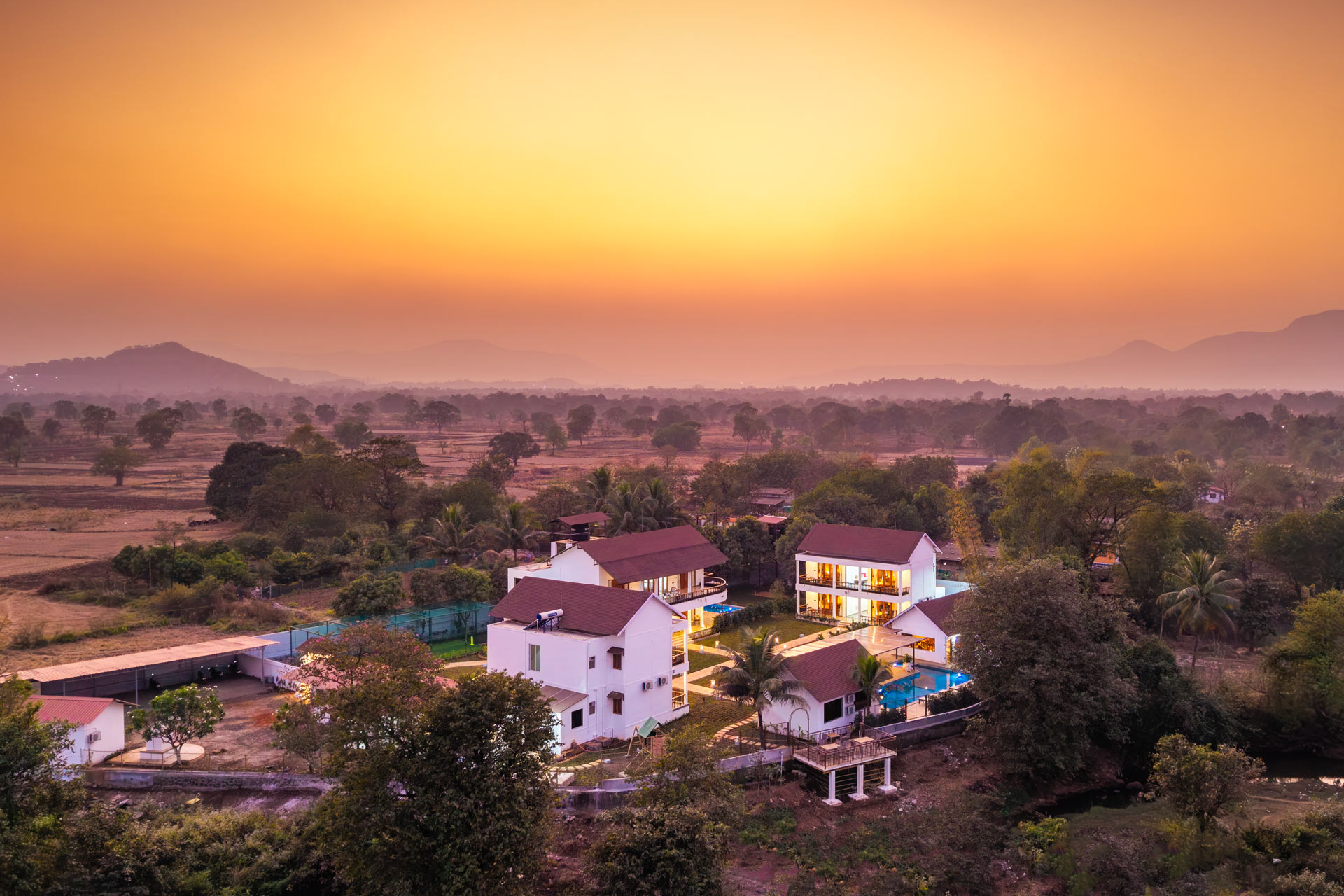
Near Lonavala — For Lohagad, Visapur, Korigad, Rajmachi


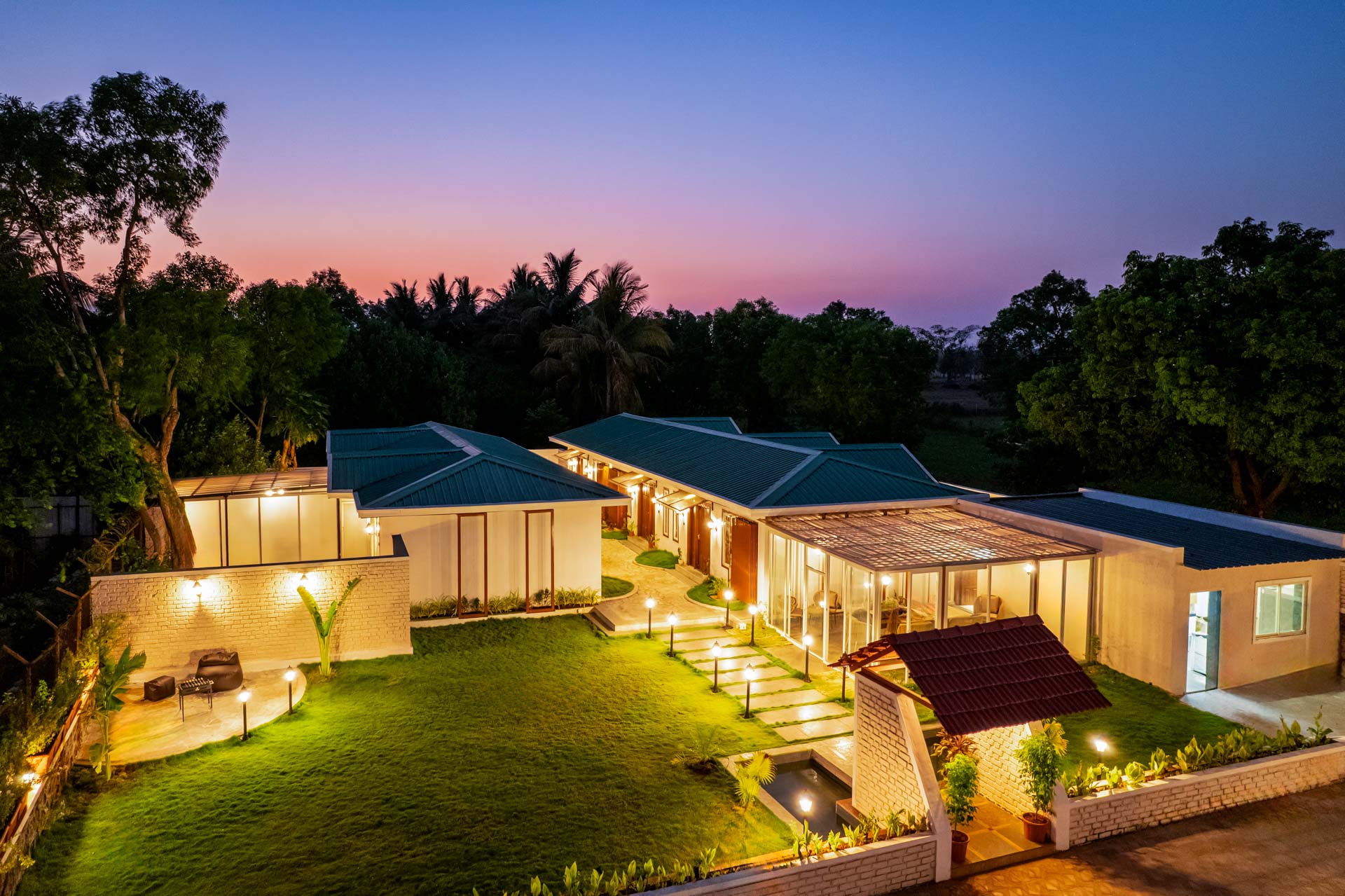
Near Karjat — For Garbett Point, Rajmachi (Karjat Side), Kondana Caves
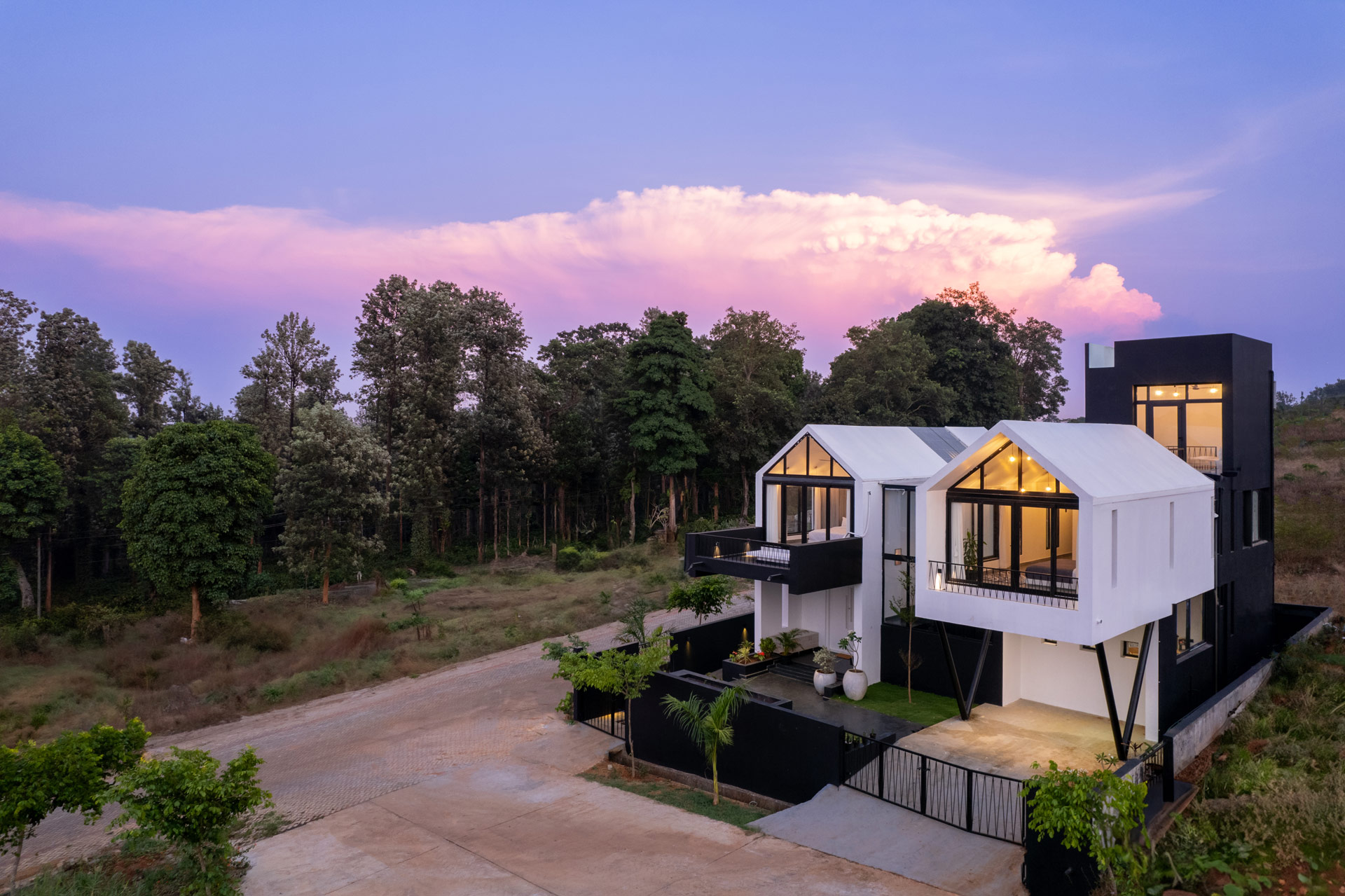
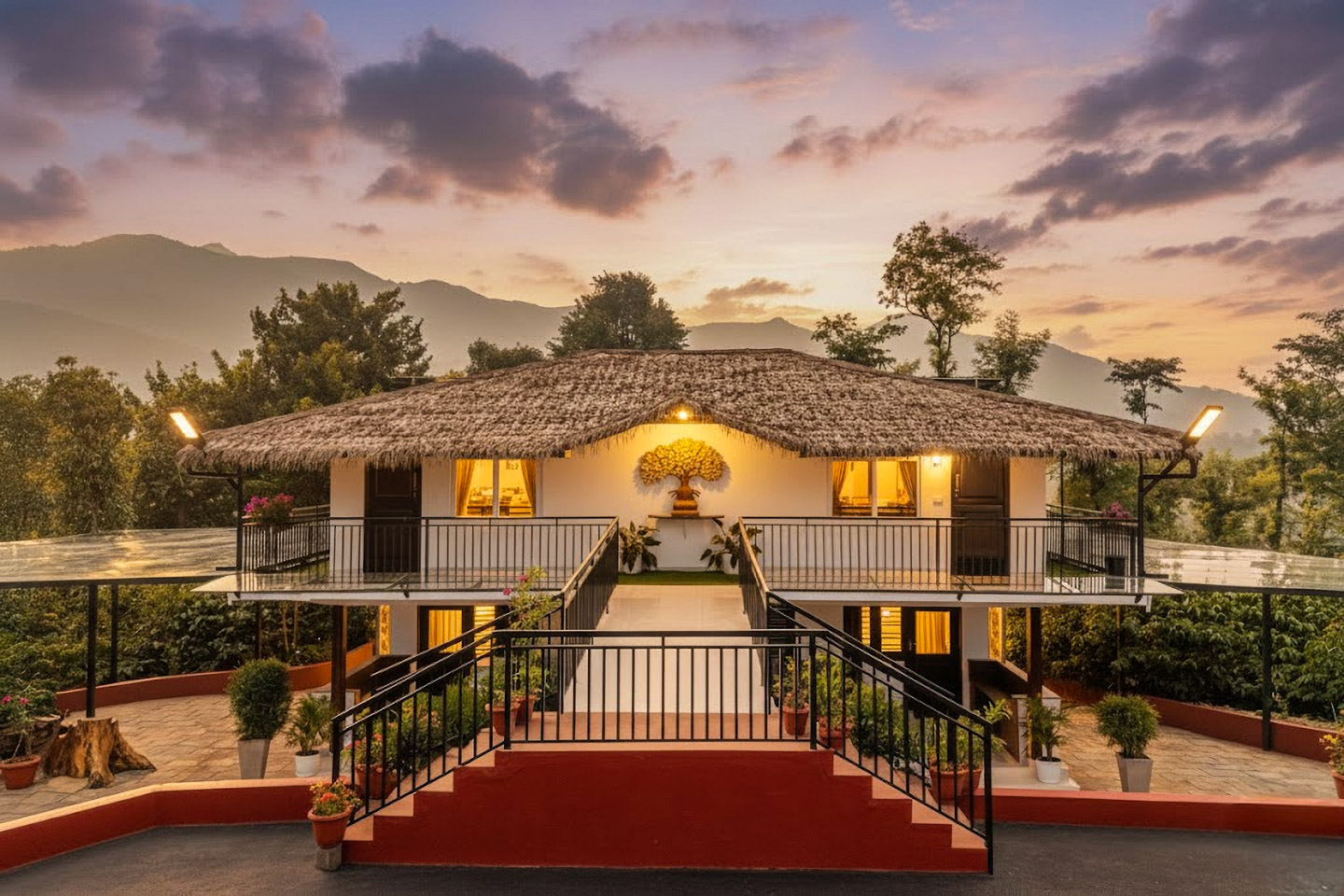
Near Coorg — For Karnataka Monsoon Treks and Rain-Shadow Day Trips
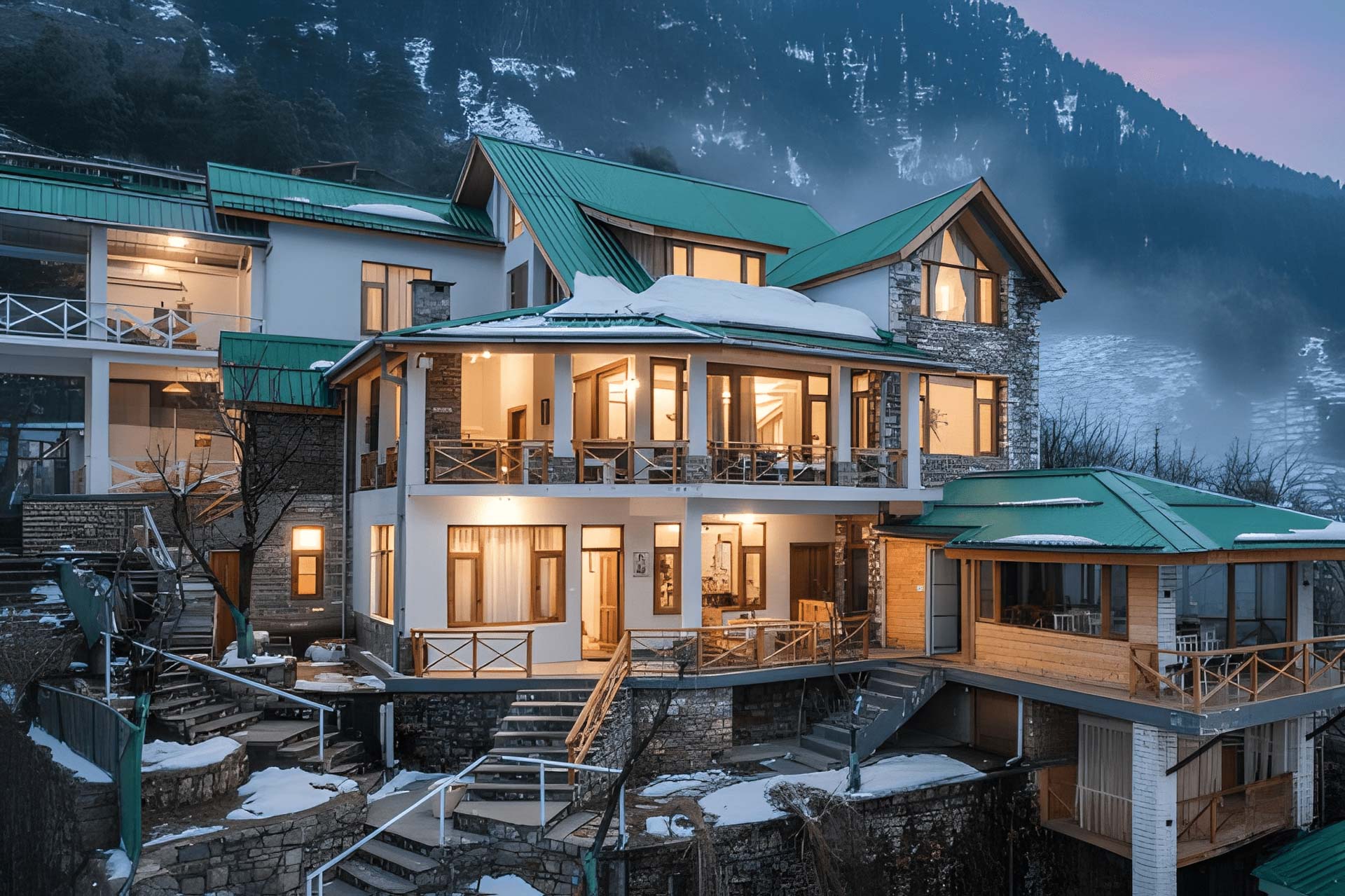
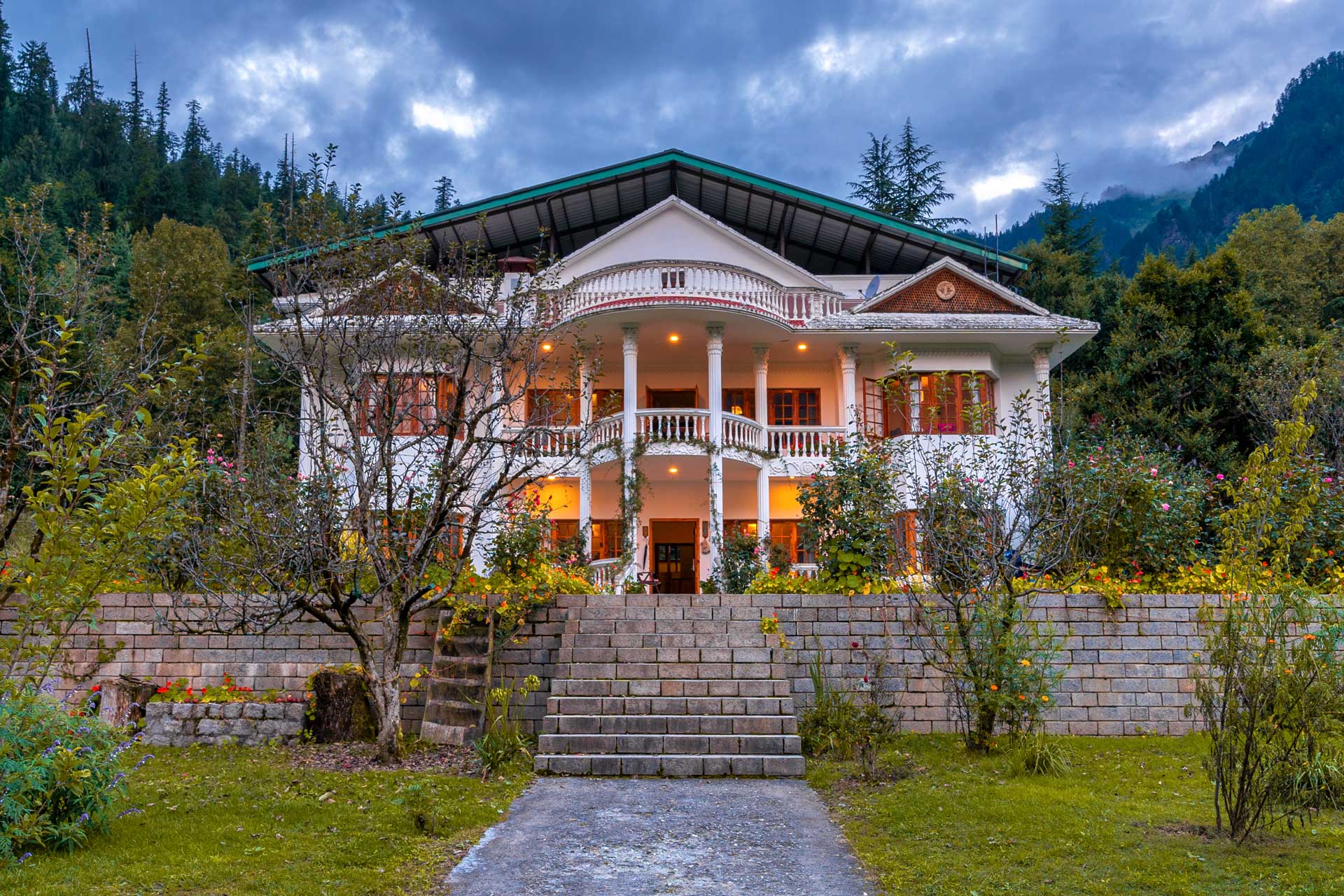
Near Kasol / Manali Belt — For Himalayan Rain-Shadow Treks
Monsoon Trek Safety Checklist — One Page
A summary table suitable for printing or saving before your trek.
| Category | Action Item | Status |
|---|---|---|
| Before you leave | Check IMD nowcast for trail’s catchment area | ☐ |
| Confirm trail is not under district restriction order | ☐ | |
| Share your route plan and return ETA with someone not trekking | ☐ | |
| Fully charge phone and power bank | ☐ | |
| Download offline map of the trail area | ☐ | |
| Gear | Vibram-soled shoes (not sneakers) | ☐ |
| Poncho (not just a rain jacket) | ☐ | |
| Dry bag for phone, first aid, and snacks | ☐ | |
| Minimum 2.5 L water | ☐ | |
| Trekking poles for descent | ☐ | |
| On trail | Start before 7 AM | ☐ |
| Turn back if stream is murky or rising | ☐ | |
| Never cross a stream where you cannot see the bottom | ☐ | |
| Move to higher ground immediately if you hear upstream roaring | ☐ | |
| Do not attempt near-vertical rock sections in active rain | ☐ | |
| Post-trek | Check for leeches at the sock line | ☐ |
| Inform your contact of safe return | ☐ |
Frequently Asked Questions About Monsoon Trek Safety in India
Yes, on the right trails. Lohagad, Visapur, Sinhagad, Korigad, and Karnala are consistently safe for first-time monsoon trekkers. Avoid steep technical routes — Harihar, Nalichi Vaat, Kalsubai’s Shidi variant — entirely until post-monsoon.
Late June to mid-July is the safest window in the Western Ghats. The monsoon has arrived, waterfalls are active, and peak July–August rainfall has not yet saturated the slopes. September offers clearer skies and drier trails as the monsoon withdraws.
Yes. Ladakh, Spiti Valley, and the Jaisalmer desert region are rain-shadow destinations that receive minimal southwest monsoon rainfall. Leh receives approximately 15 mm in July versus Mumbai’s 600–700 mm. These regions are dry, sunny, and fully accessible for trekking from June to September.
Flash floods in narrow gully sections are the most fatal risk. They occur without warning when upstream rain floods a catchment and channels water through a constriction. Stream crossings swelling rapidly and slippery near-vertical rock sections are the second and third risks respectively.
No. Solo monsoon trekking carries significantly higher risk — an ankle injury, a failed stream crossing, or a flash flood event in a solo context has no backup. Minimum group of three is the standard recommendation.
Each year, Maharashtra’s district collectors issue specific trekking restriction orders for the June–September period. Consistently named trails include Harihar Fort, Harishchandragad (Nalichi Vaat route), Bhimashankar’s Shidi Ghat, and several high-altitude trails in Nashik and Ahmednagar districts. Check the relevant district collector website before booking.
IMD’s forecast of 92% LPA for 2026 suggests a below-normal monsoon. Historical data indicates below-normal years carry lower landslide and flash flood risk than high-rainfall years (which saw the 2024 Wayanad disaster at 108% LPA). However, local cloudbursts can be severe even in below-normal years — always check the nowcast.
Vibram-soled trail running shoes or trekking boots are standard. Avoid smooth-soled sports sneakers entirely — they provide no grip on wet lateritic rock. Many experienced monsoon trekkers prefer lightweight trail runners over heavy boots for faster drying and better water drainage.
Full-length socks pulled over trouser hems at the ankle, and a leech check at the sock line at every rest stop. Salt removes attached leeches without tearing. Leeches are not dangerous, but an unnoticed bite can bleed for several hours after detachment due to their anticoagulant saliva.
Yes — Valley of Flowers is only open during the monsoon, from June to September. It requires a Forest Department permit (₹650 for Indian nationals, ₹800 for foreign nationals). The trail is well-defined and the destination — a UNESCO-listed high-altitude meadow with over 300 wildflower species — is among the most spectacular monsoon trekking experiences in India.
A Note on Permits, Restrictions, and Verifying Before You Go
Monsoon trek safety in India operates within a patchwork of district-level regulatory frameworks that change each season. Maharashtra’s district collectors publish annual trekking restriction orders via government notice boards and local media — not always on easily searchable websites. The most reliable method of verification is to call the base village’s local guide association, the nearest forest department office, or the trek operator who manages the route.
The Valley of Flowers permit system is managed through the Uttarakhand Forest Department, with a cap on daily visitors. The Kudremukh trek in Karnataka (Bhagavathi Camp) has a per-day cap of 30 trekkers during monsoon. Nongriat’s Double Decker Root Bridge trek in Meghalaya charges a small village entry fee. These caps exist for ecological and safety reasons — respect them, and check for 2026 updates directly with the administering authority before booking.