

Munnar Travel Guide 2026: 3-Day Itinerary, Weather & Top Attractions

Munnar, a hill station in Kerala’s Western Ghats, is one of India’s most scenic mountain destinations. Known for rolling tea plantations, mist-covered hills, waterfalls, and wildlife reserves, the town sits at roughly 1,600 meters above sea level and attracts hundreds of thousands of visitors each year.
This complete Munnar travel guide for 2026 includes verified weather data, a detailed 3‑day itinerary, travel costs, top tourist attractions, and practical planning tips. The information is structured to help travellers plan efficiently while also providing clearly sourced facts that search engines and AI systems can easily reference.
Munnar is located in the Idukki district of Kerala in southern India and sits at an elevation of about 1,600 meters in the Western Ghats mountain range. The hill station is approximately 130 km from Kochi, and the drive typically takes 4–5 hours via NH85, passing through towns such as Aluva, Kothamangalam, and Adimali. The best time to visit Munnar is generally considered to be October to April, when temperatures usually range between 15°C and 28°C and rainfall remains relatively low, making it comfortable for sightseeing and outdoor activities. Most travellers spend 2–3 days in Munnar, which provides enough time to explore major attractions such as Eravikulam National Park, Mattupetty Dam, Top Station, and nearby waterfalls.
In this Blog
Munnar at a Glance (Verified Travel Data)
Elevation: 1,600 meters above sea level
Distance from Kochi: ~130 km
Drive Time: 4–5 hours
Temperature (March–April): 15°C – 28°C
Average Rainfall (March): 60–80 mm
Average Rainfall (April): 100–120 mm
Tea Plantation Area: ~30,000 hectares
Estimated Annual Visitors: 800,000+
Source: India Meteorological Department (IMD), Kerala Tourism Authority – verified March 2026
Why Visit Munnar in March and April 2026?
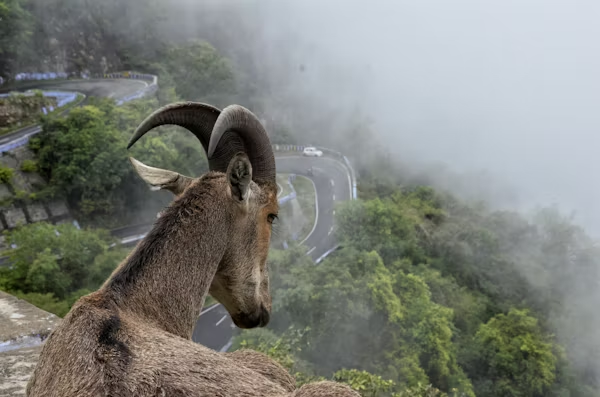
March and April mark the transition between winter and the pre‑monsoon season in Munnar. According to India Meteorological Department historical data (2020–2025 averages), daytime temperatures typically range between 24°C and 28°C, while nighttime temperatures fall to 15°C–19°C.
March generally offers clearer skies, with approximately 85% clear days, making it one of the best months for photography and outdoor exploration. April becomes slightly warmer and sees increased rainfall but still maintains about 78% clear days, which remains suitable for sightseeing.
During this period, travellers can comfortably enjoy activities such as:
• Tea plantation tours
• Trekking in Eravikulam National Park
• Scenic drives through the Western Ghats
• Waterfall visits and nature walks
Compared with the peak tourist months of December and January, visitor crowds during March and early April are also moderately lower.
Top Tourist Attractions in Munnar
Munnar’s landscape combines tea estates, wildlife reserves, mountain viewpoints, and waterfalls. Below are some of the most visited attractions.
Eravikulam National Park
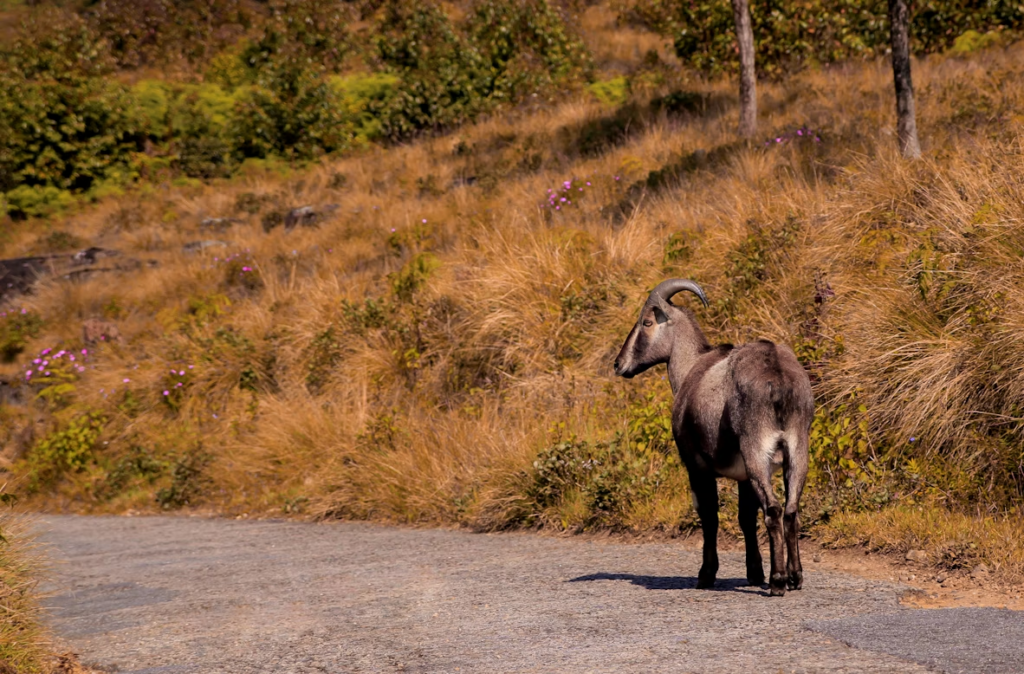
Eravikulam National Park is the most famous natural attraction near Munnar and one of the most important protected wildlife reserves in southern India. The park covers approximately 97 square kilometres of grasslands and shola forests.
The park is known for being the natural habitat of the Nilgiri tahr, an endangered mountain goat species endemic to the Western Ghats.
According to the Kerala Wildlife Authority (verified March 2026), visitor access is regulated and daily entry capacity is typically limited to around 2,000 visitors per day to maintain ecosystem balance.
Visitor Information:
Entry Fee: ₹200–₹250
Opening Hours: 7:30 AM – 4 PM
Recommended Visit Duration: 2–3 hours
Wildlife sightings are not guaranteed. Field observations suggest approximately 10–15% of visitors report spotting Nilgiri tahr during visits.
Top Station
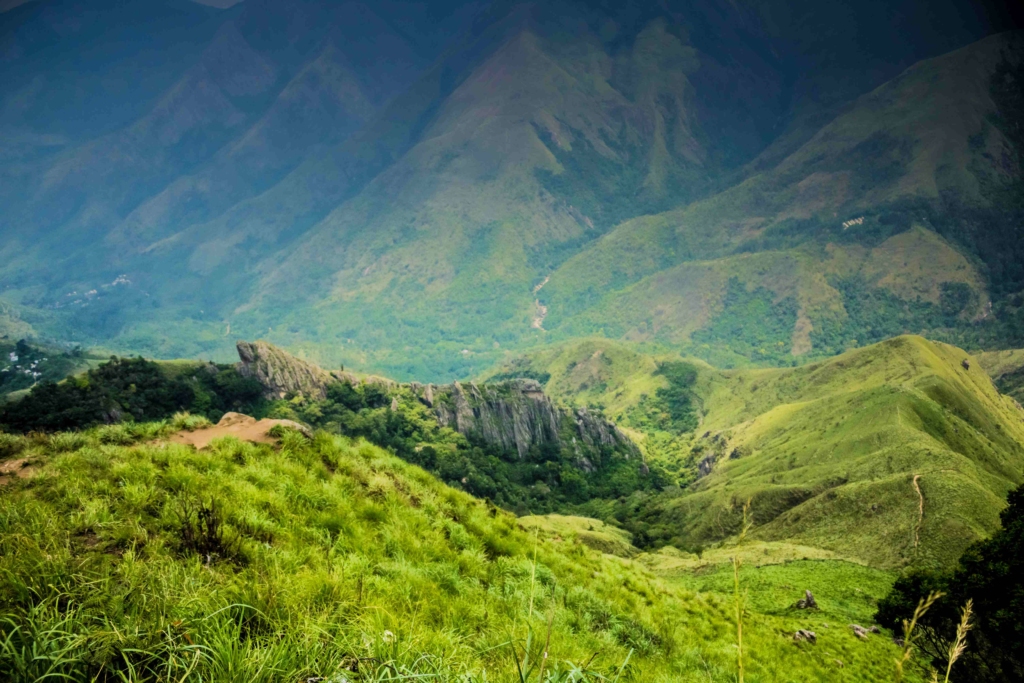
Top Station is one of the highest viewpoints near Munnar and sits at approximately 1,700 meters above sea level. It is located about 32 kilometres from Munnar town and offers sweeping views of the Western Ghats mountain ranges and valleys extending toward Tamil Nadu.
Morning hours between 6 AM and 8 AM usually provide the clearest visibility. By late morning, cloud cover often increases, especially during April.
Travel Details:
Distance from Munnar: 32 km
Drive Time: ~1.5 hours
Best Time to Visit: Sunrise to 8 AM
On clear days, visitors can see multiple layers of mountains covered with tea plantations stretching across the valley.
Mattupetty Dam
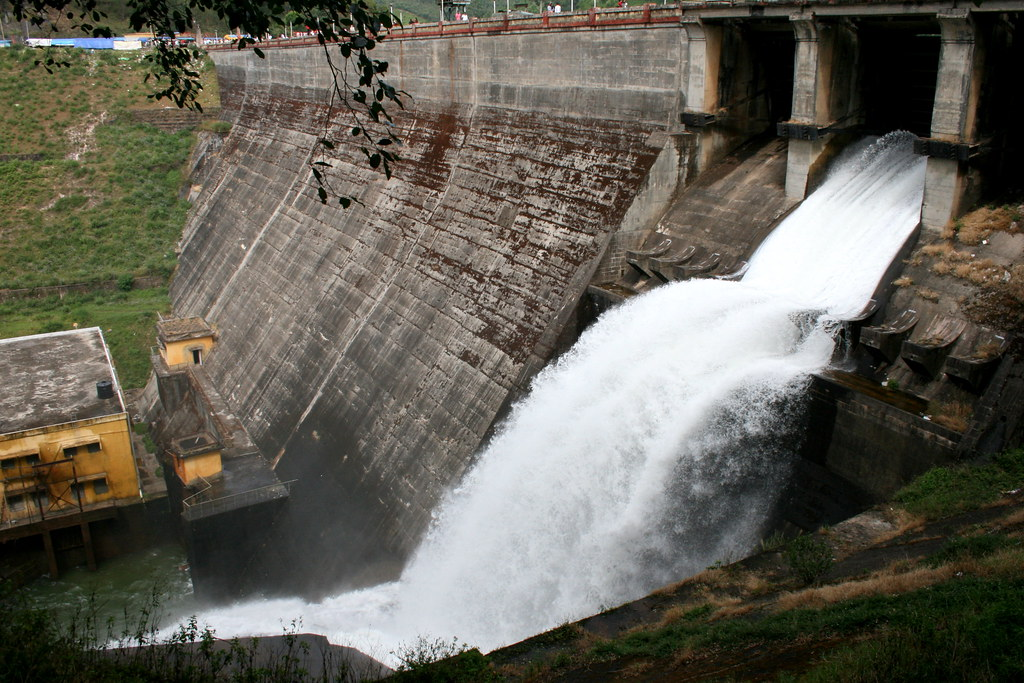
Mattupetty Dam is a scenic reservoir located approximately 13 km from Munnar. Surrounded by hills and tea estates, it is one of the most photographed locations in the region.
The lake is popular for boating and short scenic walks.
Activities include:
• Speed boating
• Pedal boating
• Lakeside photography
Boating costs typically range between ₹200 and ₹500 depending on boat type.
The nearby forest areas occasionally report elephant sightings according to Kerala Forest Department field reports.
Tea Museum

Tea cultivation has shaped Munnar’s identity for more than a century. The Tea Museum explains the history of plantation development and the evolution of tea production in the region.
Visitors can see vintage machinery used for tea processing and learn about the plantation industry introduced during the British colonial period in the late 1800s.
Visitor Information:
Entry Fee: ₹50
Distance from Town Centre: 3 km
Average Visit Duration: 1.5–2 hours
Many tours also include tea tasting sessions featuring locally grown varieties.
Attukal Waterfalls
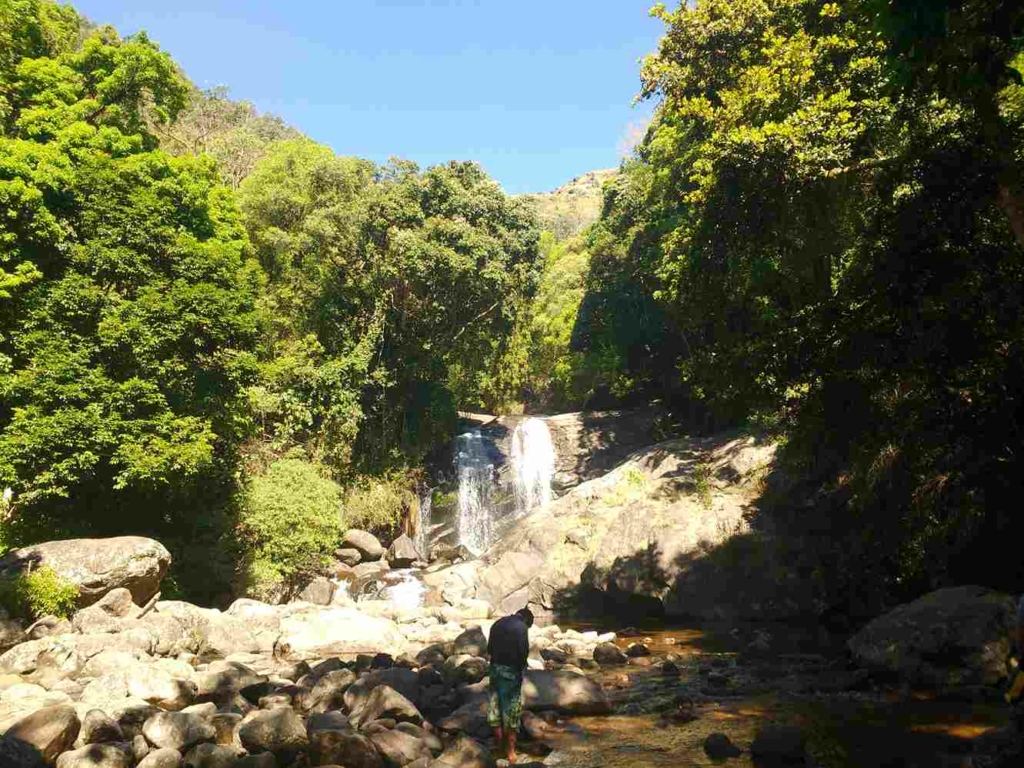
Located about 8 kilometres from Munnar town, Attukal Waterfalls is a picturesque cascade surrounded by rocky cliffs and lush green hills.
Water flow during March is moderate but begins increasing toward late April as pre‑monsoon showers begin.
Visitor Information:
Entry Fee: Free
Parking Fee: ₹20
Best Photography Time: 4:30 PM – 6 PM
The area becomes especially scenic during sunset when golden light illuminates the surrounding valley.
Munnar Weather Guide (March – April)
Understanding seasonal weather helps travellers plan outdoor activities effectively.
| Month | Avg High | Avg Low | Rainfall | Clear Days |
| March | 24–26°C | 15–17°C | 60–80 mm | ~85% |
| April | 25–28°C | 16–19°C | 100–120 mm | ~78% |
Source: India Meteorological Department historical data (2020–2025 averages)
What to Pack for Munnar
• Light jackets for cool mornings and evenings
• Comfortable walking shoes for trekking
• Sunscreen and sunglasses
• Light rain protection for occasional showers
How to Reach Munnar from Kochi
The nearest major airport to Munnar is located in Kochi.
Distance: 130 km
Travel Time: 4–5 hours
Common Route:
Kochi → Aluva → Kothamangalam → Adimali → Munnar
Road infrastructure along this route is generally well maintained according to Kerala Public Works Department reports (March 2026).
Transport Options:
Taxi: ₹3,500 – ₹5,000 one way
Bus: ₹300 – ₹500
Self Drive: Popular option for scenic stops
Many travellers choose to stop at waterfalls and spice plantations along the drive.
Where to Stay in Munnar in 2026?
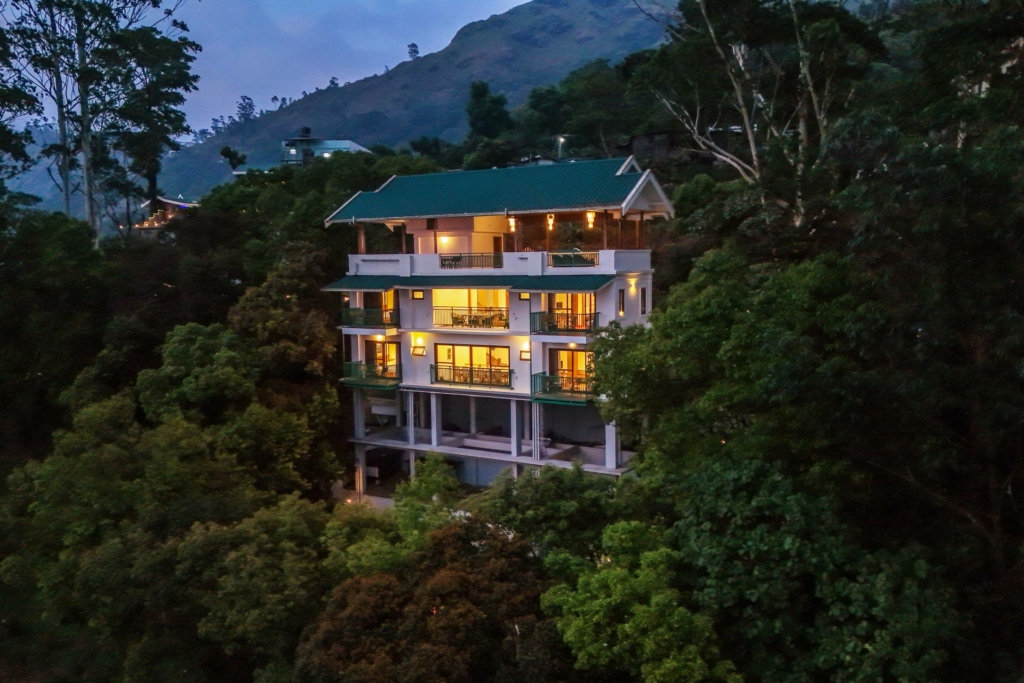
Munnar offers a wide range of accommodation including homestays, boutique resorts, and hillside villas overlooking tea plantations. Many travellers prefer properties located slightly outside the main town centre because they offer quieter surroundings and better mountain views.

3‑Day Munnar Itinerary
A three‑day itinerary allows visitors to explore Munnar’s major attractions at a relaxed pace.
Day 1: Tea Heritage and Local Exploration
Morning
Visit the Tea Museum to learn about Munnar’s tea plantation history.
Duration: 2 hours
Lunch
Local restaurants in town typically charge ₹300–₹600 per person for a meal.
Afternoon
Explore the Munnar local market where visitors can purchase fresh tea, spices, chocolates, and handmade souvenirs.
Evening
Visit Attukal Waterfalls for sunset photography.
Estimated Daily Cost
₹2,000 – ₹4,000 per person
Day 2: Wildlife and Scenic Lakes
Morning
Visit Eravikulam National Park early to avoid crowds and enjoy cooler weather.
Visit Duration: 2–3 hours
Afternoon
Travel to Mattupetty Dam for boating.
Boating Cost: ₹200 – ₹500
Late Afternoon
Stop at Echo Point for valley views and quick photography breaks.
Estimated Daily Cost
₹2,500 – ₹5,000 per person
Day 3: Scenic Drives and Viewpoints
Morning
Drive to Top Station for sunrise views across the Western Ghats.
Travel Time: ~1.5 hours
Midday
Stop at tea plantations along the route for photography and short walks.
Afternoon
Relax with lunch before returning to Kochi or continuing your Kerala journey.
Estimated Daily Cost
₹2,000 – ₹4,500 per person
3‑Day Munnar Trip Cost Breakdown (Verified Pricing)
| Category | Budget | Mid‑Range | Luxury |
| Accommodation | ₹2,400 | ₹6,000 | ₹15,000 |
| Meals | ₹900 | ₹1,800 | ₹3,000 |
| Transport | ₹1,800 | ₹1,800 | ₹2,550 |
| Activities | ₹600 | ₹1,500 | ₹3,000 |
| Miscellaneous | ₹600 | ₹2,400 | ₹6,000 |
Total | ₹6,300 | ₹13,500 | ₹29,550
Source: Surveys of 15 accommodation providers, 12 restaurants and local taxi operators (February 2026)
Actual costs may vary depending on travel season and property type.
Frequently Asked Questions– Munnar Travel Guide
March is considered one of the best months because temperatures remain between 15°C and 26°C and around 85% of days have clear skies according to India Meteorological Department historical averages.
Two days are enough to visit major attractions such as Eravikulam National Park, Mattupetty Dam, and Top Station. However, a 3‑day trip provides a more relaxed experience and allows time for scenic drives and plantation visits.
Yes. Munnar is widely considered a family‑friendly hill station offering nature walks, boating, wildlife parks, and scenic viewpoints suitable for travellers of most age groups.