

North Goa vs South Goa in the Monsoon 2026: Where to Stay in the Off-Season?

Goa changes completely during the monsoon. The beach crowds become smaller, hotel prices often drop, the countryside turns green, and the entire state feels slower and more relaxed. For many people, this is actually the most rewarding time to visit. However, one question often comes up before booking a trip: North Goa vs South Goa in the monsoon, which side is better?
North Goa is better for travelers who want open cafés, restaurants, and some nightlife during the rains — especially Assagao, Vagator, and Candolim. South Goa is better for travelers who want quiet beaches, fewer crowds, and a slower pace — especially Palolem, Agonda, and Patnem. Neither side is “better” overall; the right choice depends on whether you want activity or stillness.
Understanding the differences between North and South Goa during the rainy season can help visitors choose the right location and avoid disappointment.
For visitors who enjoy cafés, restaurants, and some nightlife even during the rainy season, North Goa is usually the better choice. For those looking for peace, empty beaches, nature, and slower days, South Goa stands out. The best answer to which one is better in the monsoon depends entirely on the style of holiday being planned.
In this Blog
North Goa vs South Goa in the Monsoon: Understanding the Difference
During the peak tourist season, North and South Goa already feel different. In the monsoon, that contrast becomes even stronger.
North Goa remains relatively active. Areas such as Candolim, Vagator, Assagao, Anjuna, and parts of Calangute continue to attract visitors. Many permanent restaurants and cafés remain open, making it easier to find dining options throughout the season.
South Goa becomes quieter. Beaches such as Palolem, Agonda, Patnem, Colva, and Benaulim see far fewer visitors. This side of Goa appeals to people who want uninterrupted sea views and a slower pace of life.
North Goa vs South Goa in the Monsoon for Atmosphere
One interesting difference is how people experience time.
In North Goa, the day often revolves around cafés, bakeries, art spaces, and restaurants. Many visitors spend rainy afternoons working remotely, reading, or enjoying long meals. Even in the off-season, places around Assagao and Vagator remain relatively active.
In South Goa, the attraction is often the silence. It is not unusual to walk along a beach for several minutes without seeing another person. The sound of the rain, waves, and coconut trees becomes part of the experience.
For people seeking a break from city life, South Goa often feels more refreshing.
Top Places to Visit in North Goa During the Monsoon
Focus on spots that stay accessible even when the sea is rough:
Vagator
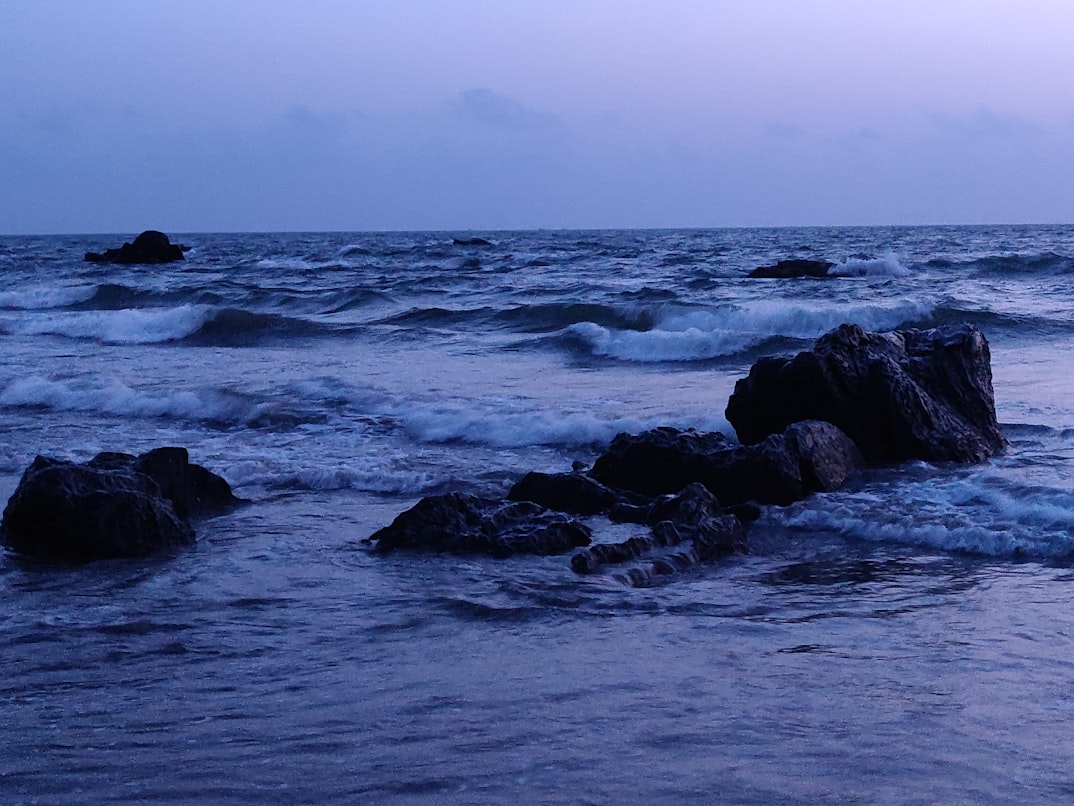
Vagator’s red laterite cliffs and its Big and Little Vagator beaches look most dramatic under monsoon clouds, with the sea visibly rougher and the colours far more saturated than in the dry months. The clifftop viewpoints near Chapora Fort are one of North Goa’s better monsoon sunset spots, even on days when the sun only breaks through briefly.
Chapora Fort
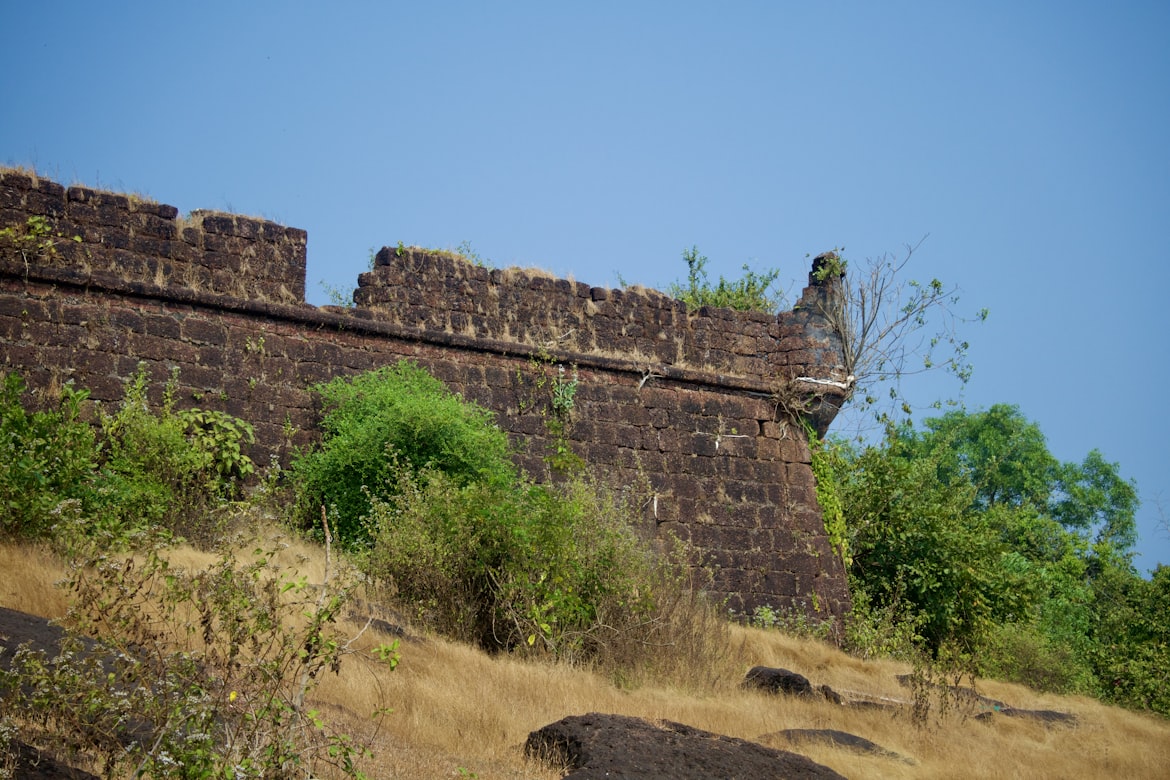
This Portuguese-era fort overlooking Vagator beach and the Chapora river mouth (recognisable from the Bollywood film Dil Chahta Hai) turns noticeably greener in the rains, and the usual crowds thin out considerably. The climb is short but the laterite stone gets slippery when wet, so sturdy, grippy footwear is worth packing.
Anjuna
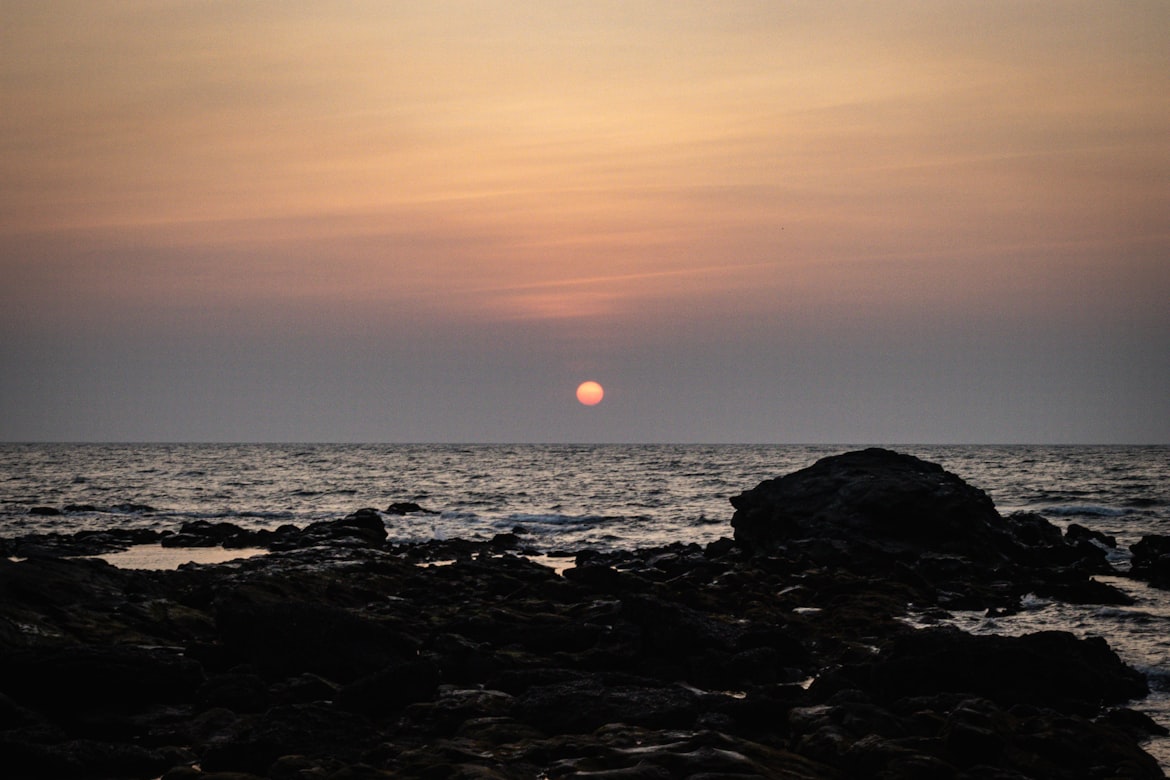
Anjuna’s cafés, yoga spaces, and creative crowd keep the area going through the monsoon, though it’s worth knowing that Anjuna’s famous Wednesday flea market and the nearby Saturday Night Market at Arpora are seasonal and don’t run during the rains. It still works well as a base for slow mornings, reading, and easy café-hopping.
Assagao
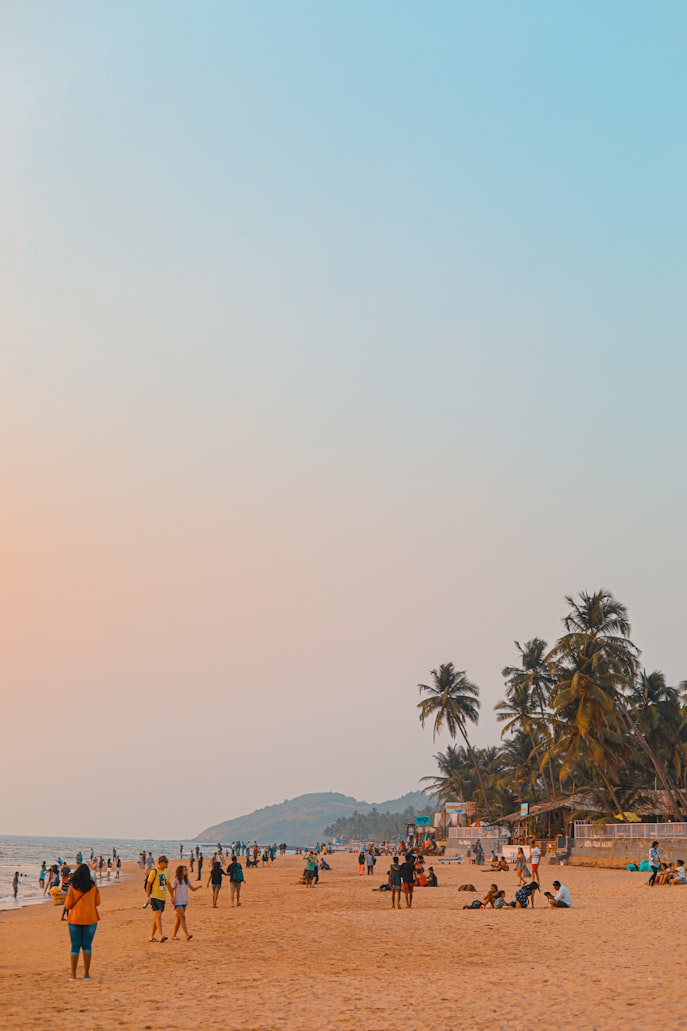
Often called Goa’s “boutique village,” Assagao has the densest cluster of independent cafés, bakeries, and restaurants in North Goa, many set inside converted Portuguese-era villas. Its tree-lined lanes make it one of the more pleasant places in the region for a walk between rain showers.
Candolim
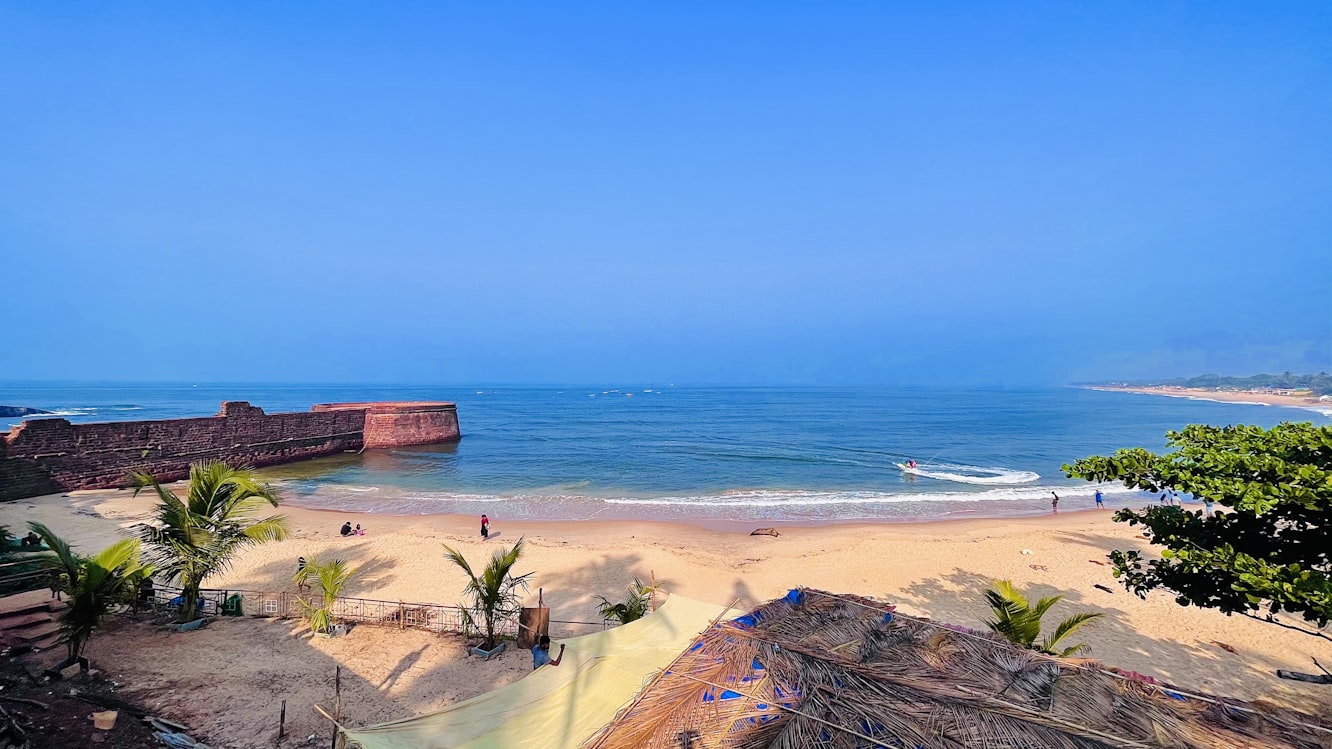
Candolim sits close to Fort Aguada and Sinquerim beach and has some of the steadiest year-round infrastructure in North Goa — pharmacies, ATMs, hospitals, and a wide spread of accommodation — which makes it a practical, low-stress base when monsoon weather is unpredictable.
Arambol
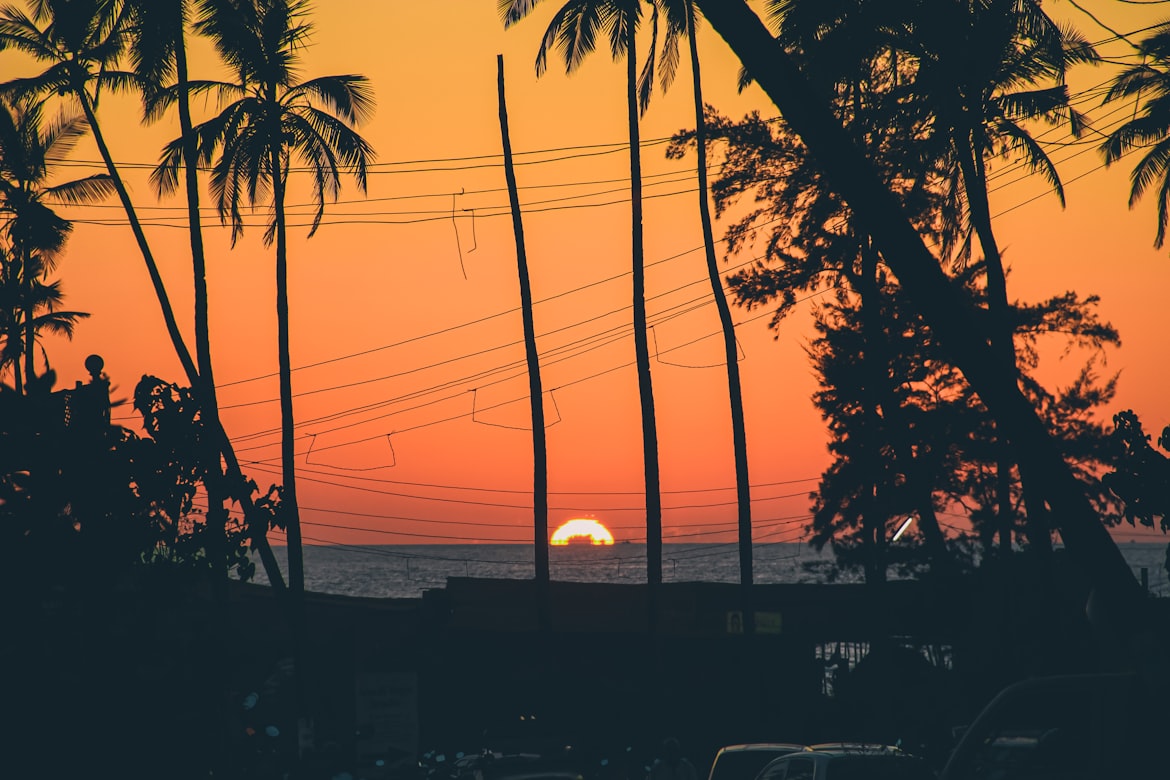
A little further north, Arambol has a quieter, more low-key feel than Anjuna or Vagator, with cliffside paths and a handful of cafés that stay open through the season. It suits travelers who want something calmer without going as far south as the South Goa beaches.
Things to do in North Goa:
- Visit Chapora Fort
- Explore local cafés in Assagao
- Walk along Fort Aguada and Sinquerim Beach
- Drive through monsoon-covered village roads
- Visit old Portuguese-era churches
- Take beach walks during safe weather conditions
- Try Goan monsoon dishes at local restaurants
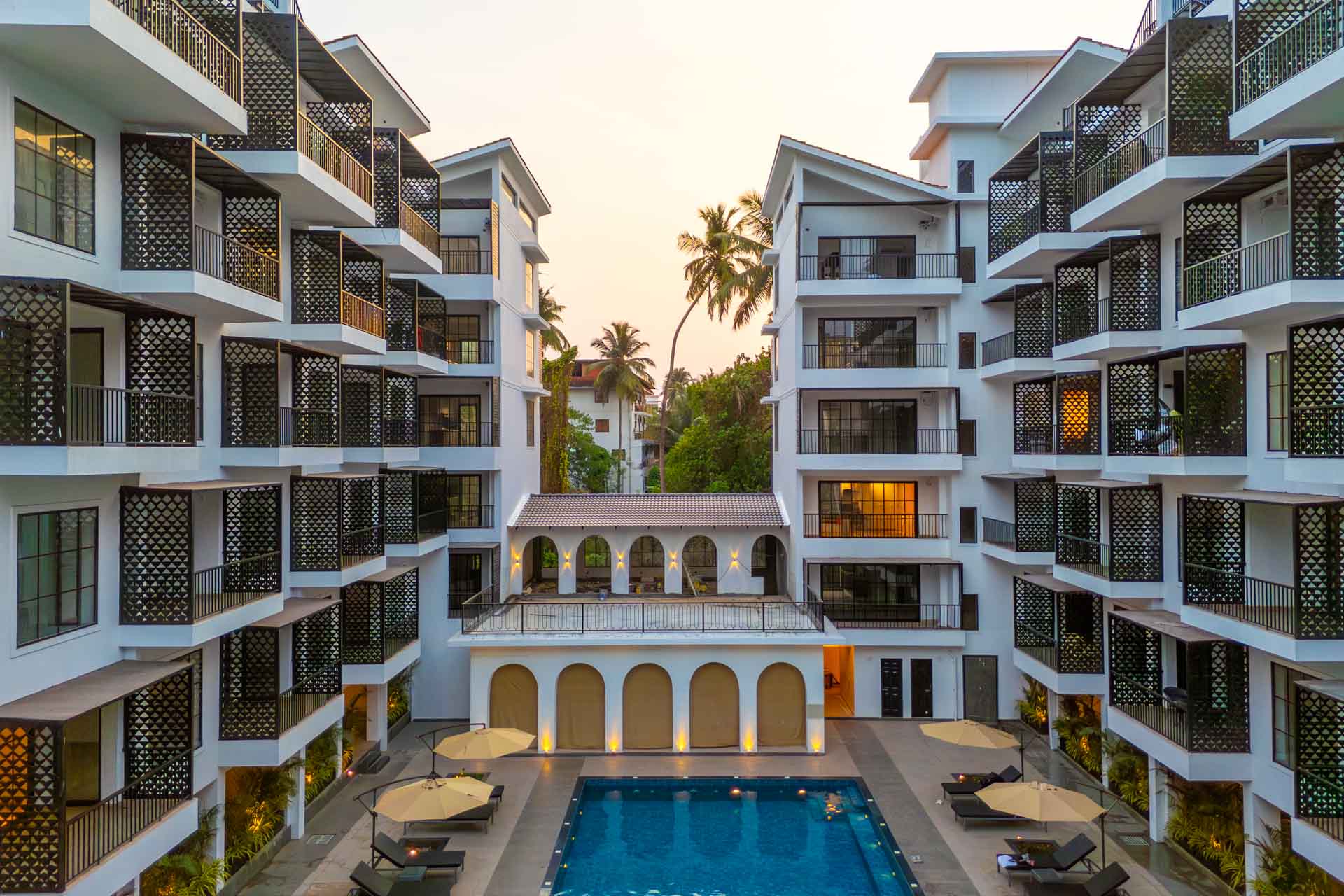
Where to Stay In North Goa
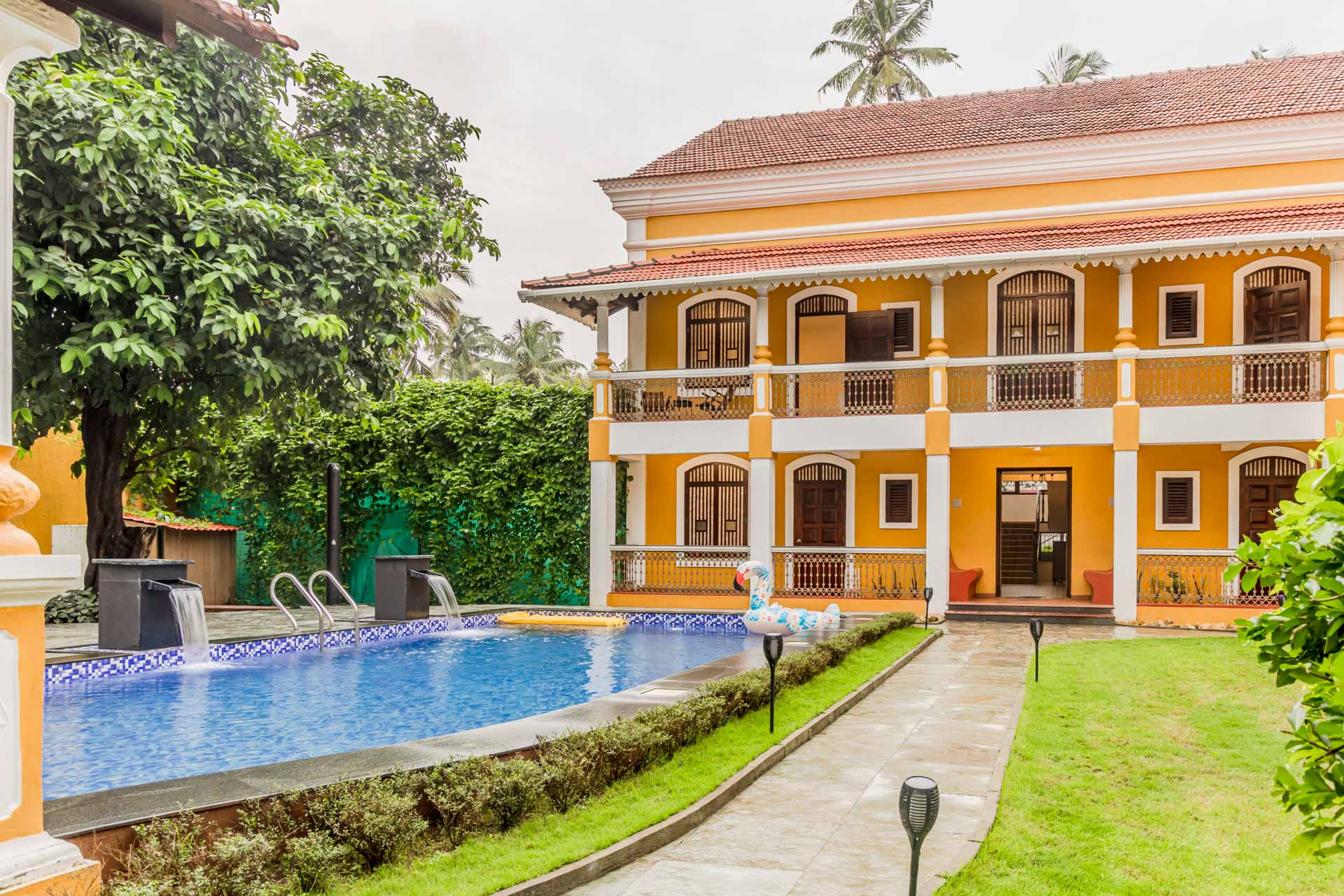
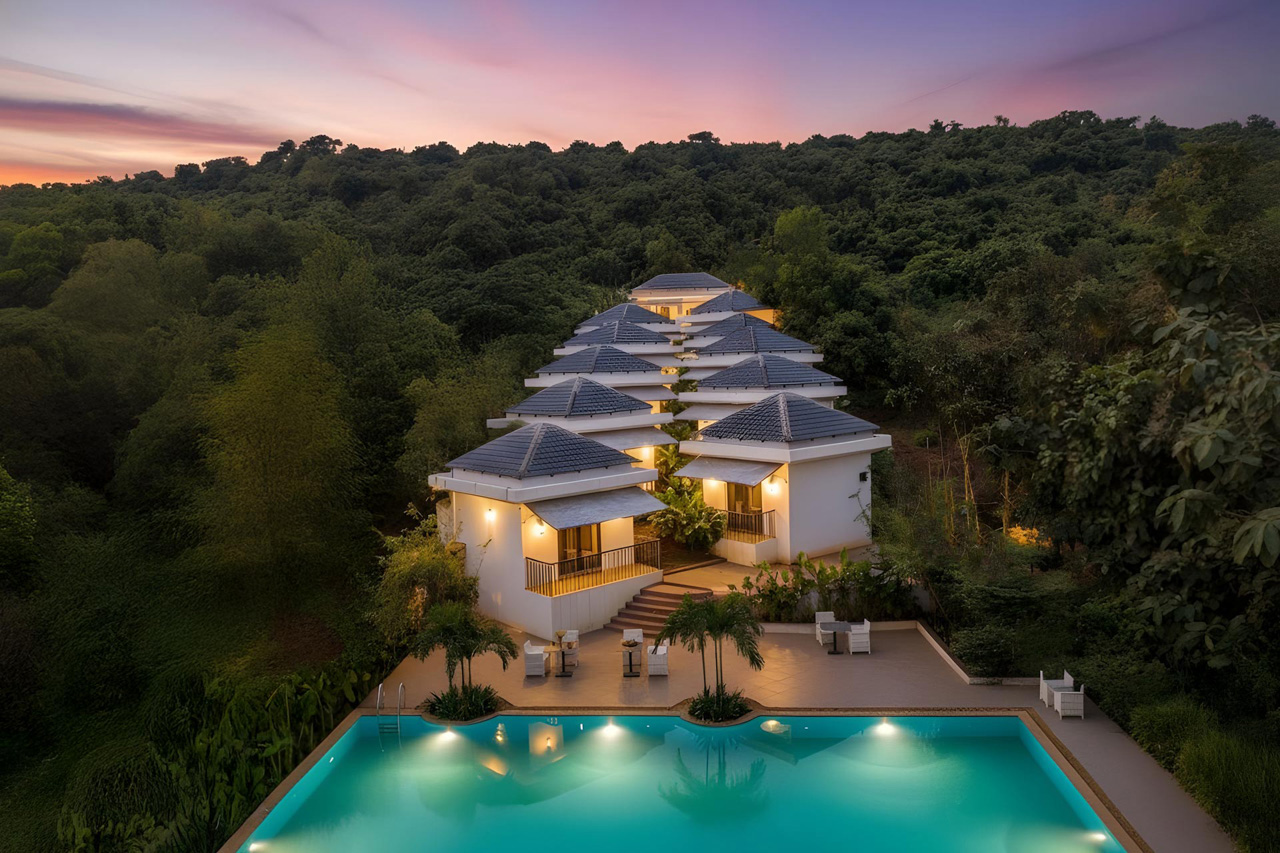
Things to Do in South Goa During the Monsoon
Instead of beach parties, the focus shifts to nature, village roads, scenic drives, local food, and long walks along the shore.
Palolem
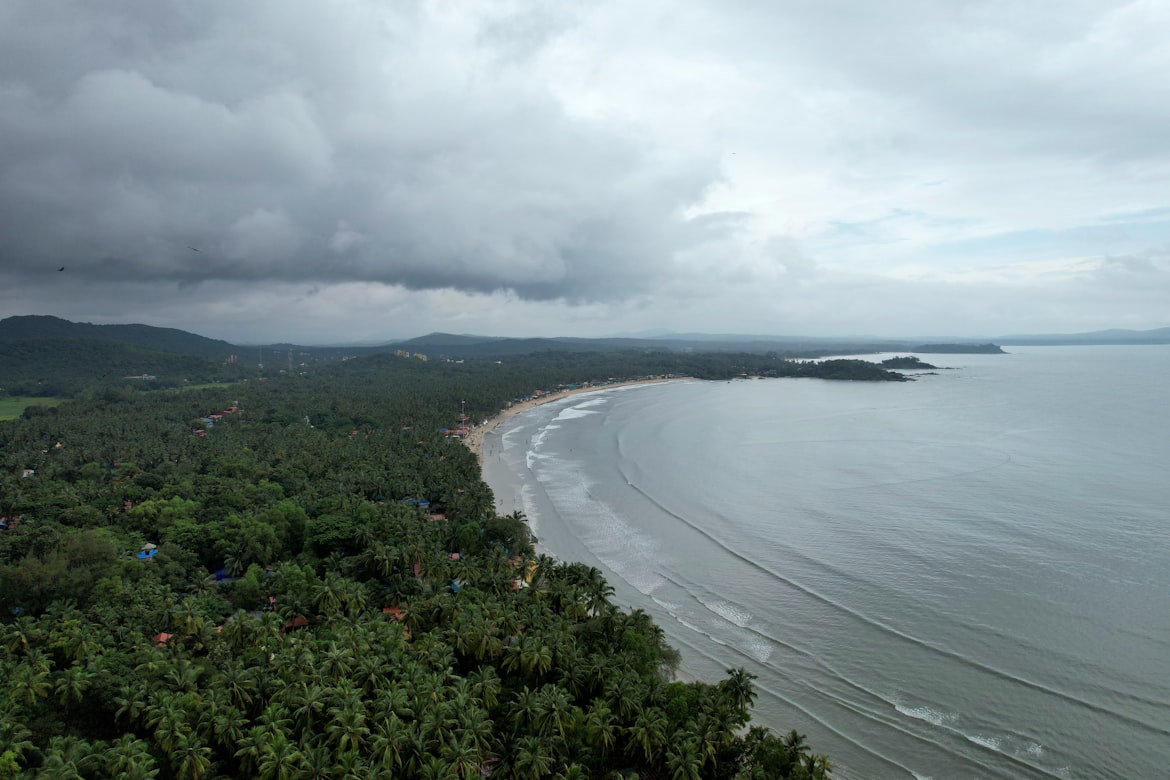
Palolem’s crescent-shaped bay stays relatively calm even when the open sea elsewhere is rough, and it remains one of the few South Goa beaches with a reasonable spread of cafés and guesthouses open through the monsoon. A long-standing restriction on loud music after 10pm keeps it quiet at night even in peak season, which suits the slower monsoon mood.
Agonda
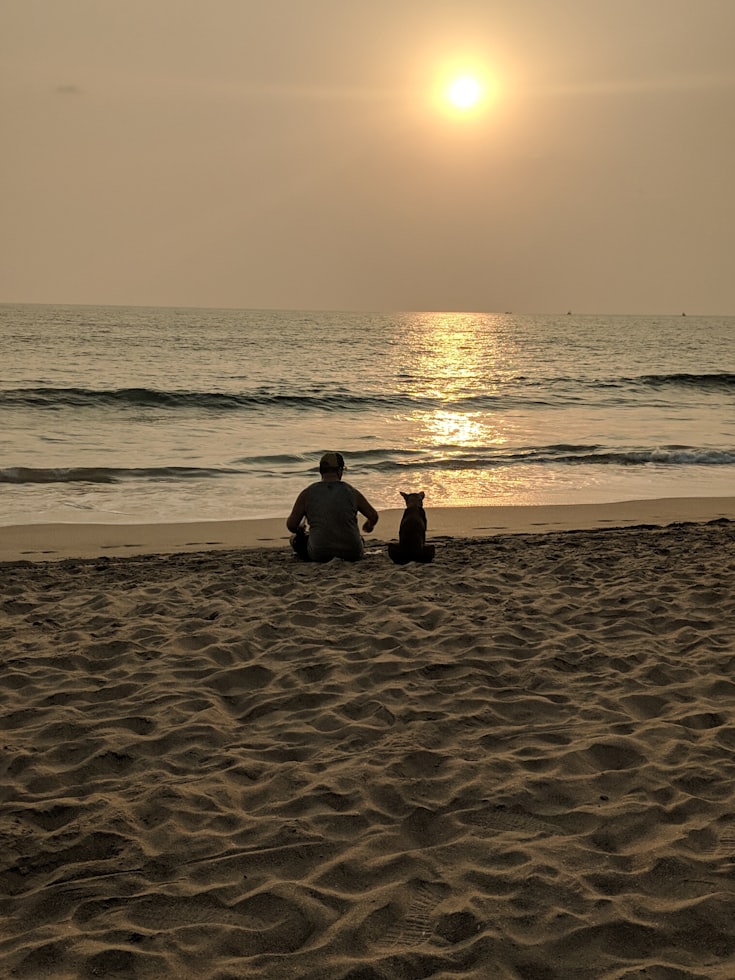
Agonda has a longer, straighter stretch of sand than Palolem and a noticeably slower pace, with most accommodation tucked behind palm groves rather than right on the beachfront. It’s a popular pick for longer monsoon stays and yoga or wellness retreats.
Patnem
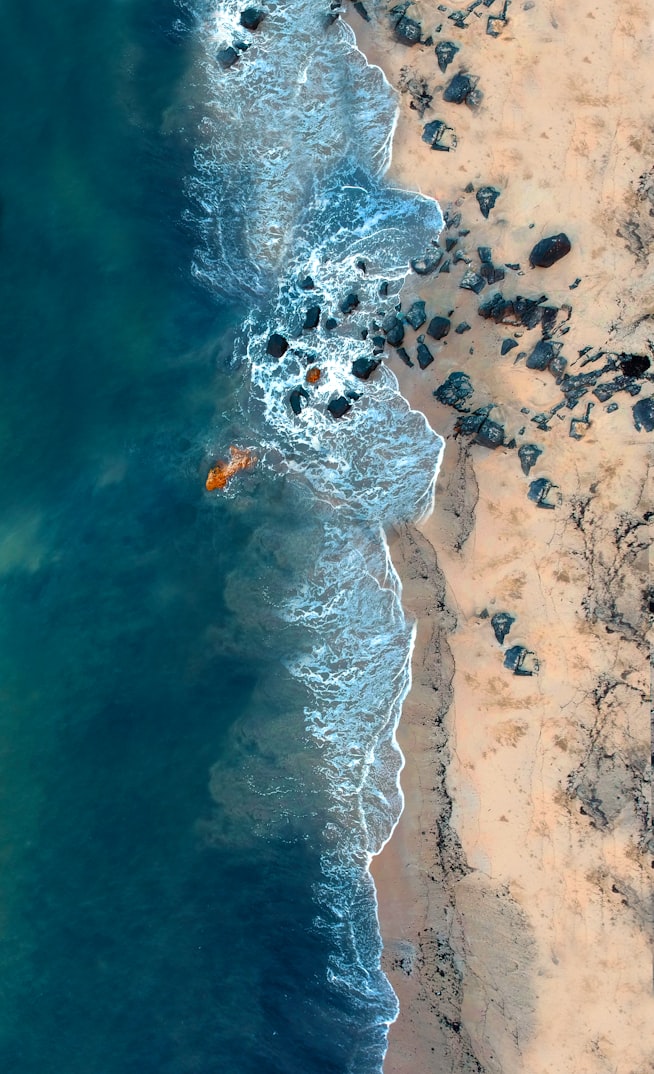
Just south of Palolem, Patnem is smaller and quieter still, with a handful of cafés that stay open through the season. It’s a good alternative for travelers who find even Palolem a touch too busy.
Cabo de Rama
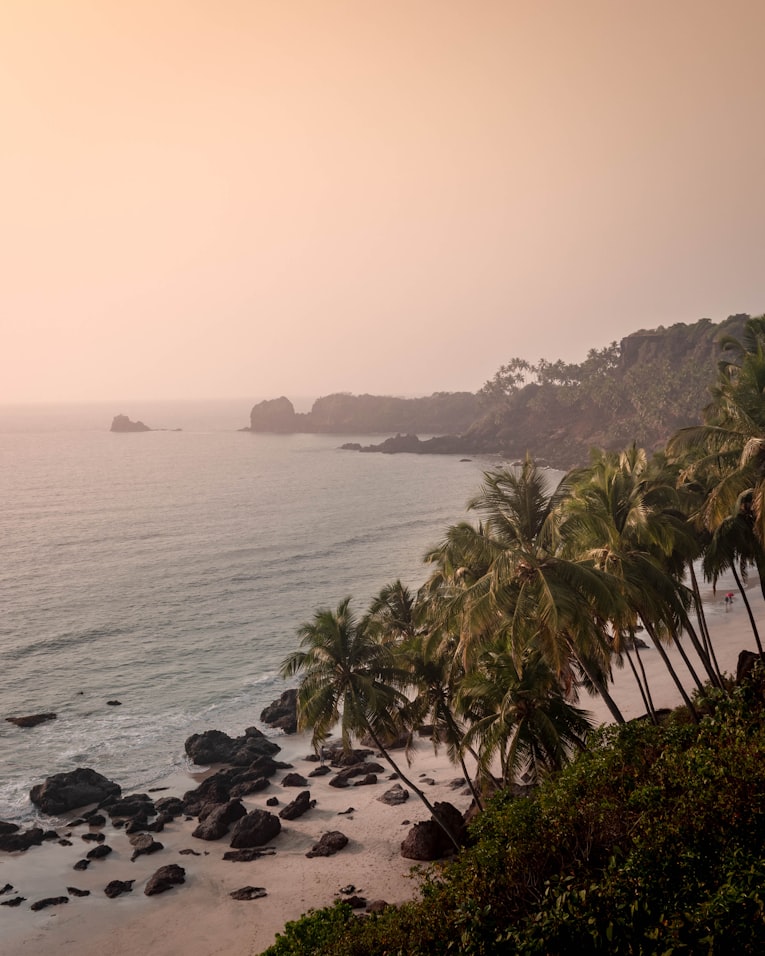
This cliffside fort south of Agonda overlooks the sea and is rarely crowded at any time of year, making it an easy, peaceful detour during the monsoon when sightseeing options near the coast are limited.
Cotigao Wildlife Sanctuary
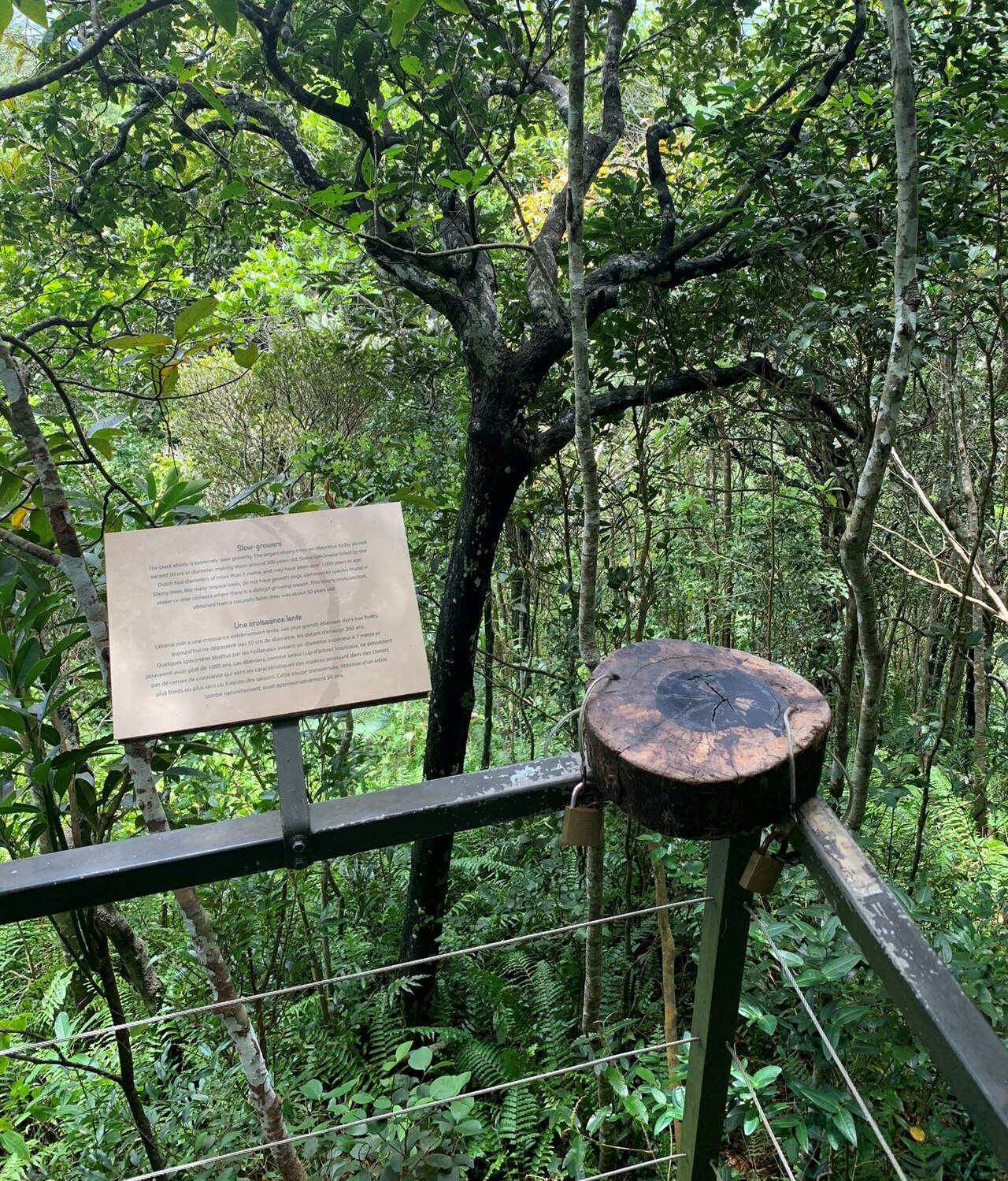
Inland near Canacona, this forest reserve turns especially lush and green during the rains, making it a good half-day trip for travelers wanting a break from the coast. Birdwatching is generally best in the early morning.
Dudhsagar Falls
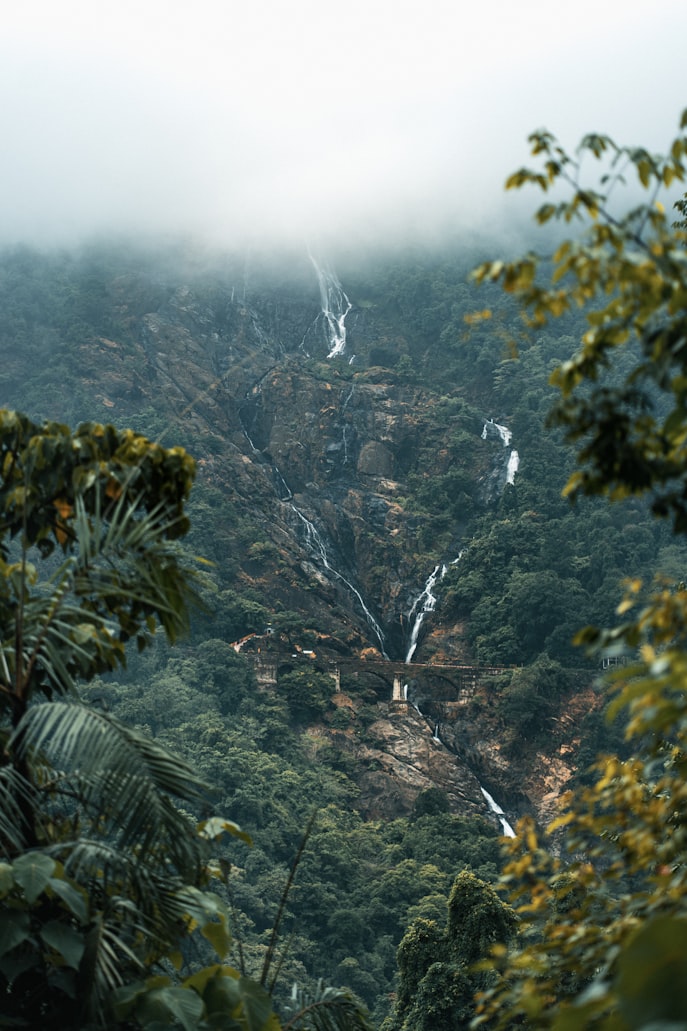
Reached via Mollem in South Goa, Dudhsagar Falls is widely considered at its most spectacular during the monsoon, when heavy rainfall pushes the waterfall to its fullest flow. Access roads and trek routes can be affected by heavy rain or safety closures, so it’s worth checking current conditions locally before planning a visit.
Margao
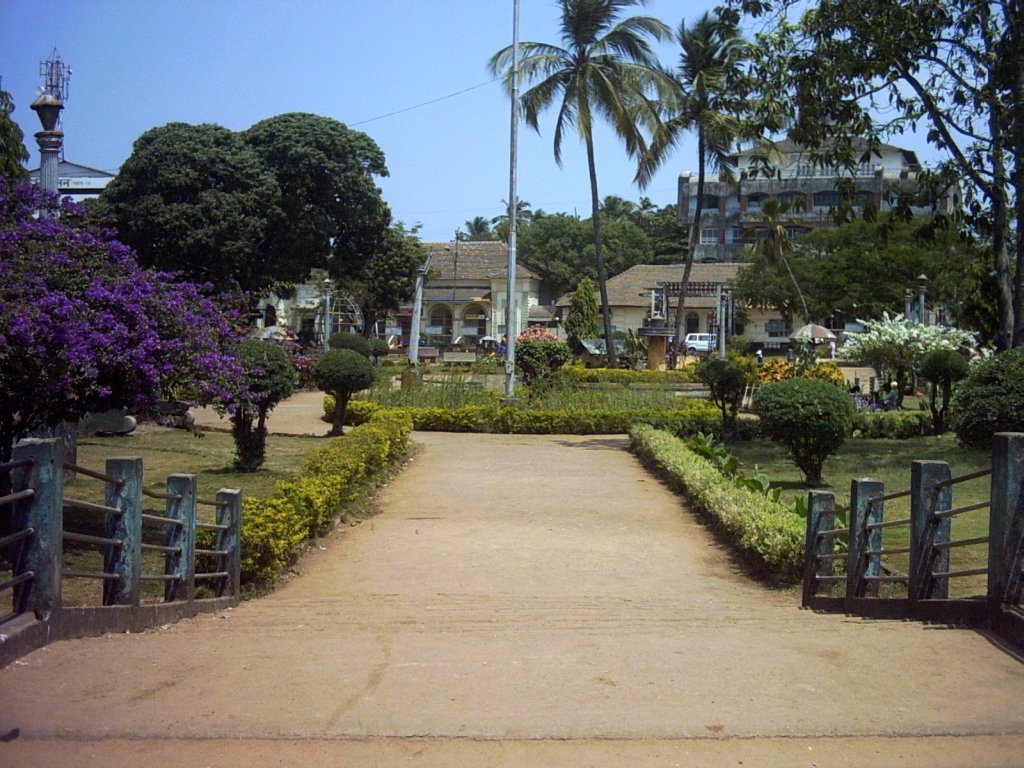
South Goa’s main market town, Margao, is useful for travelers who need a wider range of shops, banks, and transport links than the smaller beach villages offer.
Things to do in South Goa
- Walk along Palolem Beach
- Visit Colva and Benaulim
- Explore village roads during light rain
- Visit local churches and heritage sites
- Eat at seafood restaurants that stay open year-round
- Visit Dudhsagar Falls when conditions allow (flow is at its strongest in the monsoon)
- Watch monsoon sunsets when the weather clears
Where To Stay In South Goa
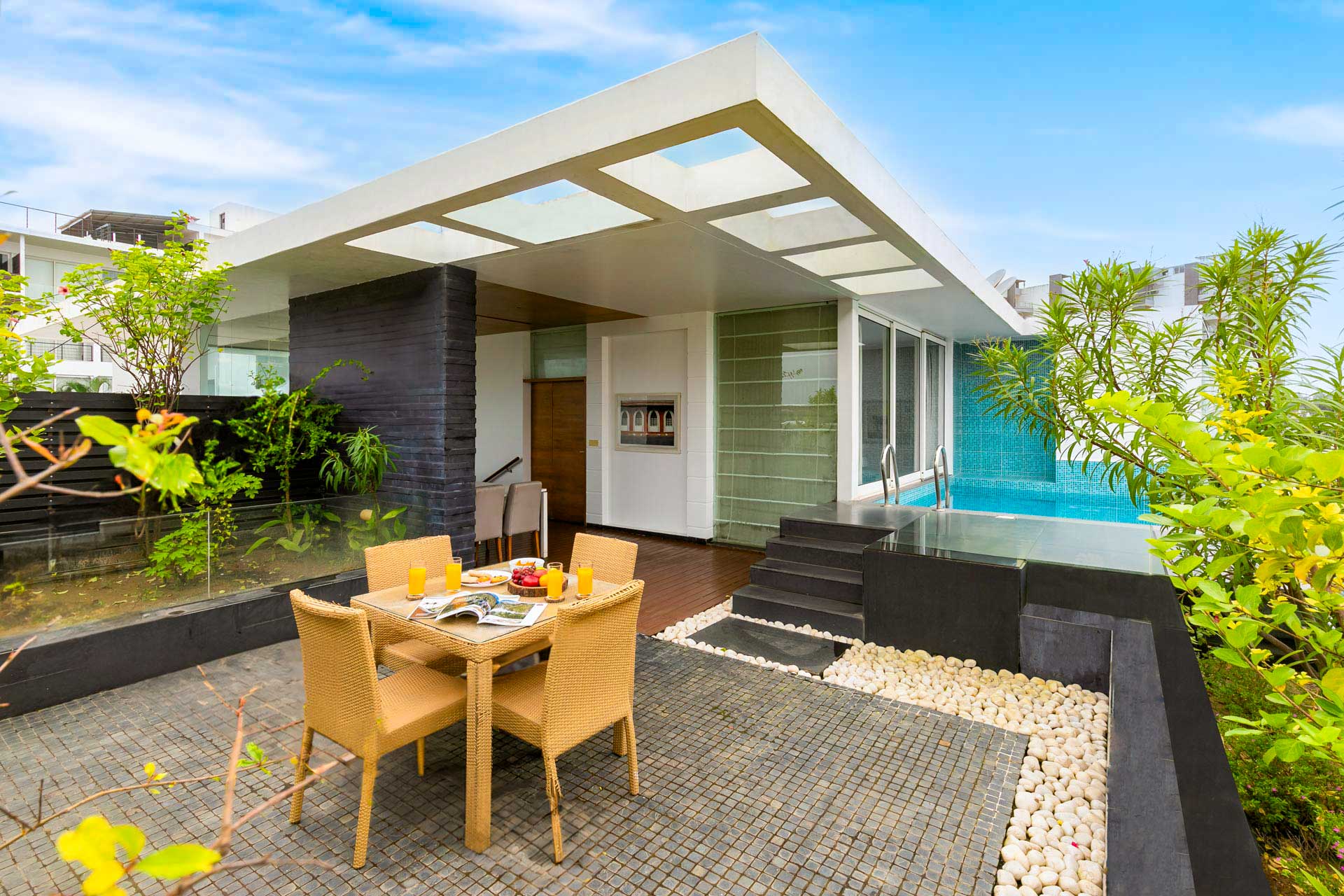
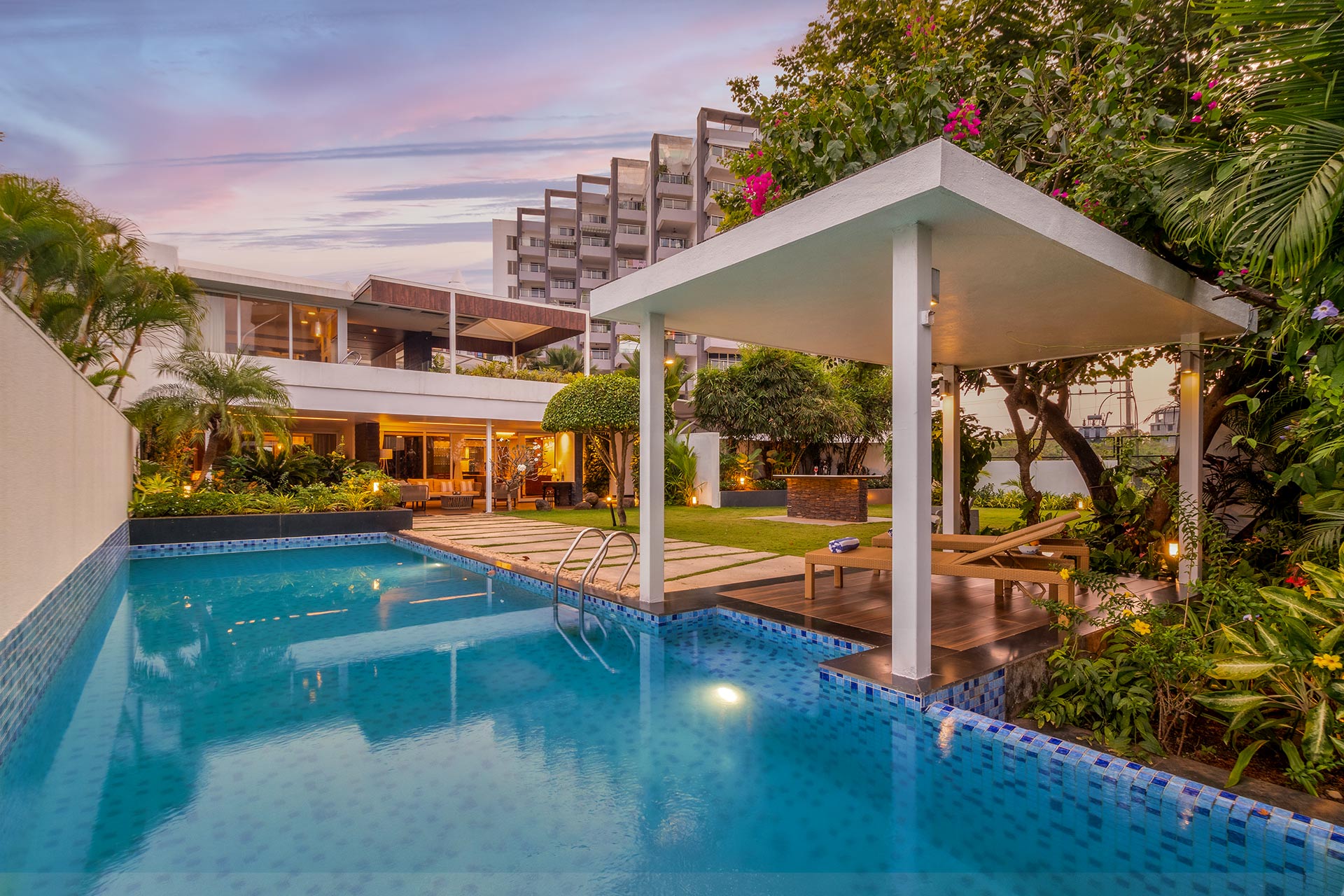

Best Place for Couples in Goa During the Off-Season
When considering the best place for couples, South Goa generally has an advantage.
Palolem and Agonda provide peaceful settings, fewer crowds, and more privacy. The combination of rain, sea views, and quieter surroundings creates a very different experience from peak-season Goa.
North Goa can also work well for couples who enjoy cafés, music, and restaurant hopping.
For romance and relaxation, South Goa usually wins.
Best Place for Families in Goa During the Off-Season
Families often have different priorities.
Reliable accommodation, easy transportation, nearby restaurants, and medical facilities matter more than nightlife.
For this reason, North Goa often becomes the best place for families, especially around Candolim and nearby areas.
Families can still enjoy monsoon scenery while having convenient access to services and dining options.
Goa in the Off-Season: Costs and Accommodation
One of the biggest reasons people visit Goa in the off-season is value for money.
Accommodation prices can drop significantly compared with December and January. Villas, boutique hotels, and resorts often become far more affordable.
Flights are frequently cheaper as well.
This allows visitors to stay in larger rooms, book premium properties, or extend their holiday without increasing their budget.
Where to Stay During the Monsoon
Choosing where to stay depends on personal preferences.
North Goa
- Assagao
- Vagator
- Candolim
- Anjuna
These locations provide access to restaurants, cafés, and relatively active neighbourhoods.
South Goa
- Palolem
- Agonda
- Patnem
- Benaulim
These locations suit visitors seeking quieter surroundings and long beach walks.
Best Part of Goa to Stay in During the Rains
The best part of Goa to stay in during the rains depends on expectations.
Visitors wanting activity should choose North Goa.
Visitors wanting peace should choose South Goa.
For first-time monsoon visitors, Candolim or Vagator often provide a balanced experience because they combine accessibility with monsoon scenery.
Where to Find Open Cafés/Nightlife in the Off-Season
One common concern is where to find open cafes/nightlife in the off-season.
North Goa clearly performs better in this category.
Assagao, Vagator, Anjuna, and Candolim continue to host functioning restaurants and cafés throughout much of the rainy season.
South Goa has some year-round restaurants, but nightlife is considerably quieter.
People visiting primarily for food and café culture generally prefer North Goa.
North Goa vs South Goa in the Monsoon: Beach Experience
An important safety note is that swimming is generally discouraged during the monsoon because of strong currents and rough sea conditions. Authorities regularly issue warnings, and visitors should follow all beach safety instructions.
The beach experience becomes more about:
- Walking
- Photography
- Watching waves
- Enjoying the weather
- Relaxing at nearby cafés
South Goa tends to feel more peaceful, while North Goa provides more facilities nearby.
Which One Is Better in the Monsoon? Final Comparison
| Category | North Goa | South Goa |
| Cafés & Restaurants | Excellent | Moderate |
| Nightlife | Better | Limited |
| Beach Crowds | Moderate | Very Low |
| Family Holiday | Very Good | Good |
| Couple Holiday | Good | Excellent |
| Scenic Drives | Good | Excellent |
| Budget Stays | Good | Good |
| Relaxation | Good | Excellent |
| Off-Season Atmosphere | Active | Peaceful |
The debate around North Goa vs South Goa in the monsoon does not have a single correct answer. Both sides offer completely different experiences.
North Goa suits visitors who want open cafés, dining options, and a little activity even during the rainy season. South Goa appeals to those looking for quiet beaches, slower days, and uninterrupted time by the sea.
For couples seeking privacy, South Goa often stands out. For families and first-time visitors, North Goa may feel more convenient. The good news is that monsoon Goa remains beautiful regardless of where someone stays.
Those willing to experience Goa beyond beach parties often find that the rainy season reveals a side of the state that many visitors never see. With lower prices, greener surroundings, and fewer crowds, 2026 could be an excellent year to experience Goa’s off-season charm.