
Pithoragarh Uttarakhand Travel Guide 2026: Treks, Border Villages & Stargazing
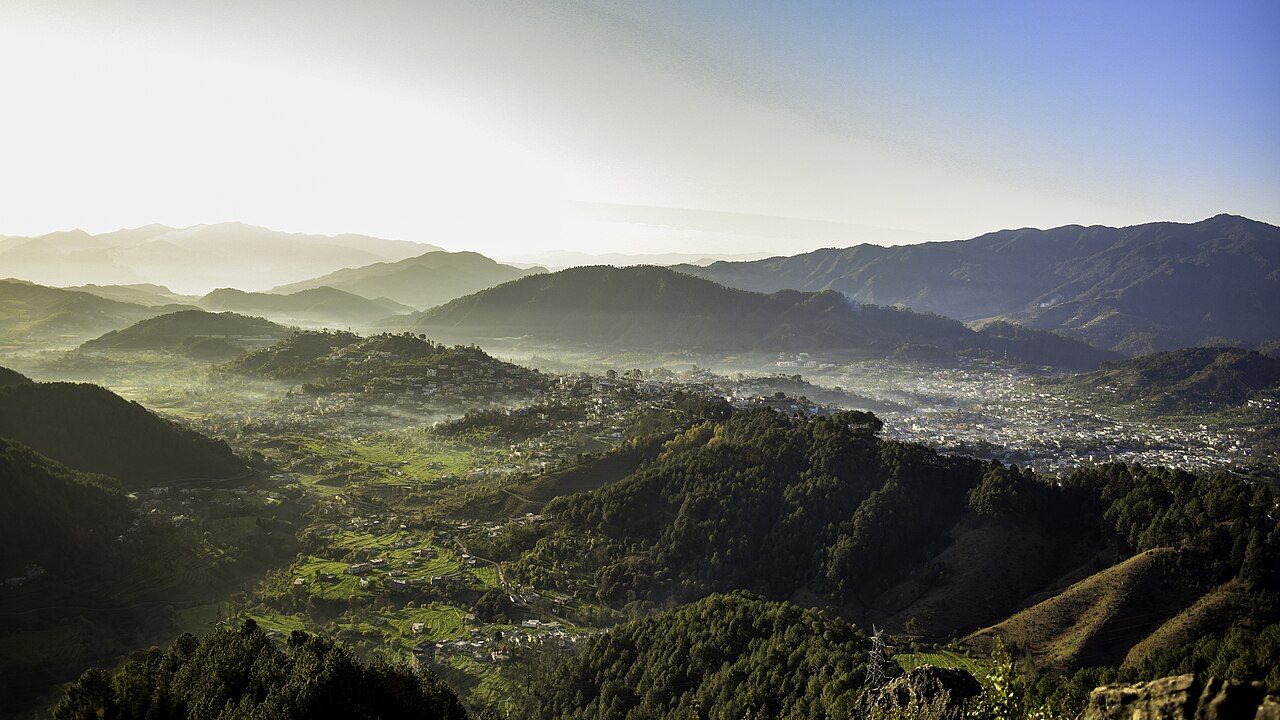
Most people planning an Uttarakhand trip stop at Nainital or Rishikesh and call it done. Pithoragarh sits further east, closer to the Nepal and Tibet borders, quieter, higher and considerably more rewarding for travellers willing to push a little deeper into the Kumaon Himalayas. At 1,814 metres, the town itself is a comfortable base. But what surrounds it is exceptional: high-altitude glacier treks, ancient border villages shaped by centuries of trade with Tibet, and in 2026, a newly inaugurated observatory that has given the district a serious claim as one of India’s best dark-sky destinations.
The district is sometimes called the “Mini Kashmir of Uttarakhand,” and while that comparison does not quite capture it, the point stands. Few places in northern India offer this combination of mountain drama, cultural depth, and genuine remoteness within a reasonable drive from Delhi.
In this Blog
Quick Facts
Altitude of town: 1,814 m
Best time to visit: April to June, September to November
Avoid: Mid-July to August (heavy monsoon, frequent road closures)
Nearest railway station: Kathgodam, approx. 210 km
Nearest airport: Pantnagar, approx. 240 km. Naini Saini Airport in Pithoragarh town has limited scheduled services, confirmed before booking.
Delhi to Pithoragarh: 8 to 10 hours by road, following recent highway upgrades by the Uttarakhand Public Works Department
Inner Line Permit: Required for border areas including Dharchula, Tawaghat, and all routes towards Adi Kailash
The Main Reason to Come in 2026: Nakshatra Sabha and the Observatory
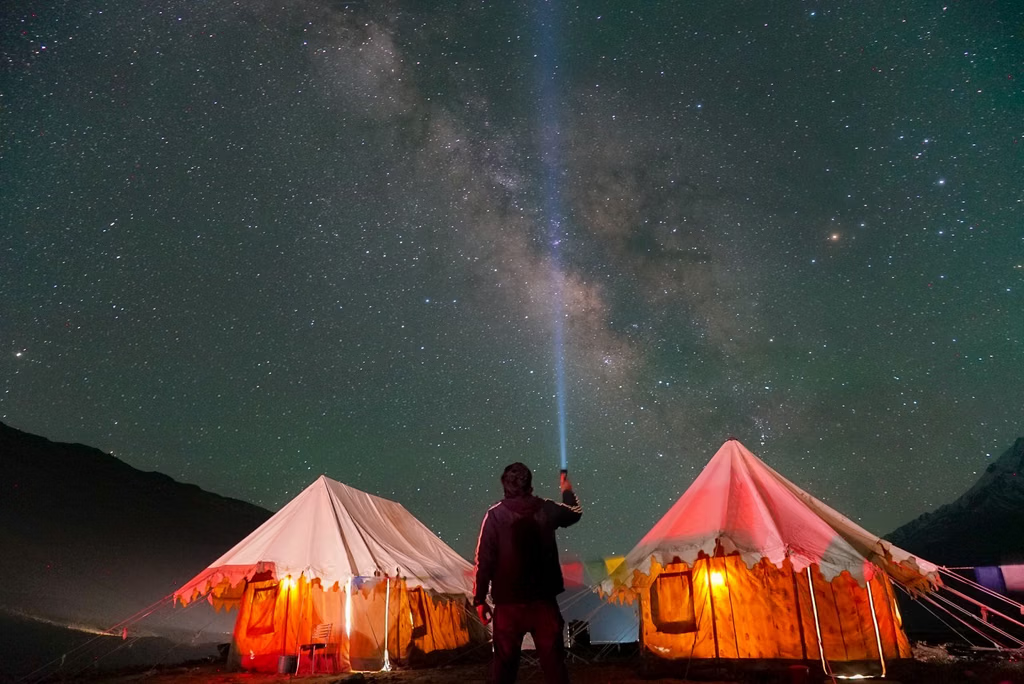
This is the biggest change to Pithoragarh’s travel profile in recent years. In January 2026, the Uttarakhand Tourism Development Board and Starscapes Experiences inaugurated the Maharaja’s Palace observatory with an investment of Rs 2.5 crore, backed by Tourism Minister Satpal Maharaj. The project has trained over 50 local youth as certified astro-guides, building a programme rooted in the community rather than imported from outside.
The experience is called the Nakshatra Sabha, a gathering of stars, combining guided telescope sessions, constellation storytelling drawn from Indian astronomical tradition, and astrophotography workshops. What makes Pithoragarh genuinely compelling for this is not just the new facility but the underlying geography. Sitting above 2,000 metres with minimal surrounding light pollution, the district measures below 2 on the Bortle Scale, the international standard for sky darkness. Most popular hill stations in Himachal and Uttarakhand sit between 4 and 6 on that scale. Pithoragarh’s numbers are comparable to recognised dark-sky reserves internationally, and according to India Tourism Statistics 2024-25, astro-tourism of this quality can increase regional visitor numbers by 20 to 30 percent annually.
The best months for the night sky are October to March, when post-monsoon atmospheric clarity peaks. October and November hit the sweet spot: trails are still open, temperatures are manageable, and a new moon window between late September and late November will give you conditions that are rare from most of India. Dress in layers regardless of how mild the evening starts, temperatures drop sharply after 8 PM even at town level.
For those considering extending their trip into deeper winter, the hidden snow destinations guide on the StayVista Journal covers what the Kumaon region looks like once December sets in.
Treks Worth Planning Around Pithoragarh
Khaliya Top (Easy to Moderate, 2 days)
Starting from Munsiyari, this trail reaches a ridge at around 3,500 m with unobstructed views of the Panchachuli peaks. It is one of the best introductory high-altitude treks in the Kumaon Himalayas and works well as a standalone trip. Clear days also offer Nanda Devi sightlines from the top. If you are still deciding between trails across the two states, the Himachal vs Uttarakhand trekking guide on the StayVista Journal is a useful comparison.
Milam Glacier Trek (Moderate, 5 to 7 days)
One of Kumaon’s most classic glacier trails, the Milam route follows the Gori Ganga river through forests and traditional herding villages before opening onto the glacier at around 3,450 m. An Inner Line Permit is required and can be arranged in Munsiyari or Pithoragarh town. Best done in May to June or September to October. Munsiyari, sitting at 7,200 feet and functioning as the base for this trek, is worth at least two nights on its own.
Panchachuli Base Camp Trek (Moderate to Difficult, 7 days)
This is the district’s most ambitious standard trek, passing through Darkot and Nagling villages before reaching the base of the Panchachuli massif, five summits ranging from 6,334 m to 6,904 m. The trail passes through settlements that see very few tourists, and the high-altitude camps have a genuine wilderness quality. Book through a registered Pithoragarh-based operator for permit handling. For context on the broader Uttarakhand trekking ecosystem, the Nanda Devi and Valley of Flowers trek guide is a useful reference before committing to a route.
Adi Kailash and Om Parvat Circuit (Moderate, 8 to 10 days)
The route that has most expanded Pithoragarh’s profile recently. Om Parvat, a mountain whose snow naturally forms the shape of the Om symbol, and Adi Kailash, considered a regional counterpart to Mount Kailash in Tibet, form the twin anchors of this circuit. The route passes through Dharchula, located 95 km from Pithoragarh town, and on through Tawaghat. An Inner Line Permit is mandatory, and the reliable windows are May to June and September to mid-October. The full story of the Lipulekh Pass and Kailash Mansarovar route that begins here is detailed in the Kailash Mansarovar Yatra guide.
Border Villages near Pithoragarh Worth Seeking Out
Munsiyari
The most accessible deep-Kumaon destination in the district and worth at least two nights. The five Panchachuli summits form an almost theatrical backdrop, and the town fills two days easily without trekking: Birthi Falls, Khaliya Top as a day hike, and the Tribal Museum documenting the Bhotiya community’s history of cross-border trade. Munsiyari also features in the summer snowfall destinations guide for those considering an off-season visit.
Dharchula
A frontier town on the Kali river, sitting directly across from Nepal’s Darchula. The energy here is different from anywhere else in the district, a genuine border market with cross-cultural commerce, army movement, and the Kali’s constant sound underneath everything. Daily cross-border exchanges happen naturally in the market. It is the last significant town before heading towards Tawaghat and the higher border routes. Bring your permit documents.
Chaukori
Technically in Bageshwar district but reached most naturally via Pithoragarh, Chaukori is an elevated ridge at 2,010 m with close to 180-degree Himalayan views on clear mornings. Small tea estates in the area produce Kumaon tea. It makes an excellent two-night addition for travellers who want the mountain atmosphere without committing to a full trek.
Best Time to Visit Pithoragarh

April to June is the most popular window. Trekking trails open after winter, Panchachuli views are clearest in early morning, and Pithoragarh town sits comfortably between 15 and 28°C during the day. This is also the primary season for the Adi Kailash circuit. The Uttarakhand summer travel guide is useful if you are planning a broader Uttarakhand itinerary around this window.
September to November is the preferred window for trekkers and stargazers alike. Roads recover from monsoon damage by mid-September, skies are exceptionally clear, and the October light on the Panchachuli peaks is something most photographers come back for. The Uttarakhand winter travel guide covers how the region looks once November deepens.
July to August: Landslides close mountain roads regularly, the Kali river floods, and several trekking routes become unsafe. Avoid unless specifically chasing monsoon landscapes.
How to Get There
By rail: Kathgodam is the nearest railhead, well connected to Delhi including the overnight Ranikhet Express. Road to Pithoragarh from Kathgodam takes around 5 hours.
By road: From Delhi via Haldwani and Almora. Recent upgrades have brought the total journey down to 8 to 10 hours. Plan the Bhimtal to Almora section for daylight.
By air: Pantnagar is the most reliable option. Naini Saini Airport in Pithoragarh town has had Dehradun connections historically but services are inconsistent, confirm before booking.
Where to Stay
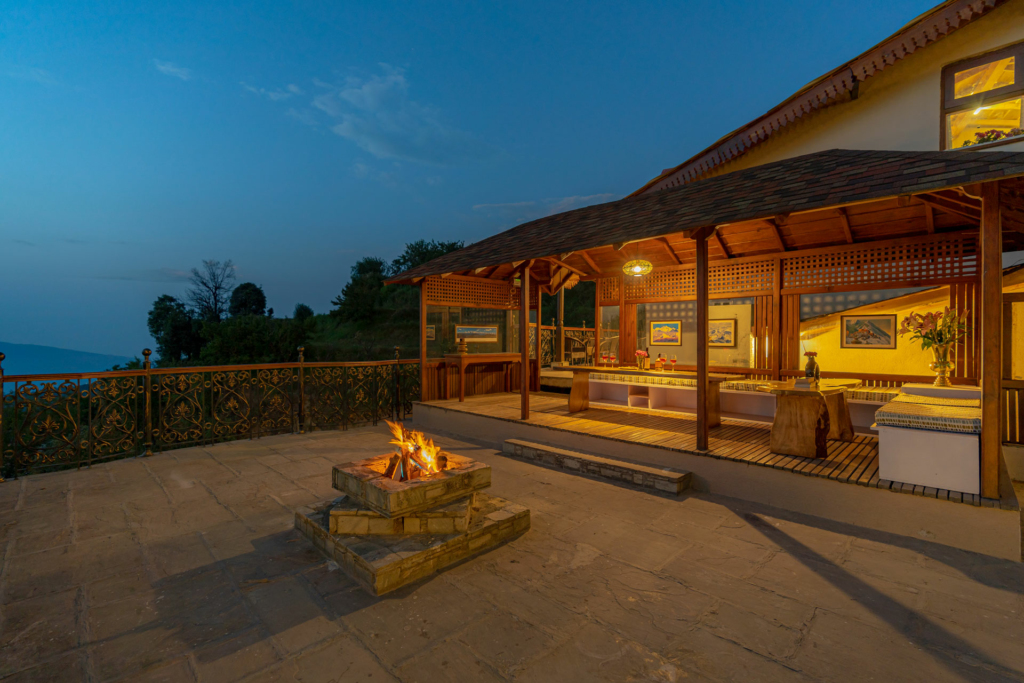
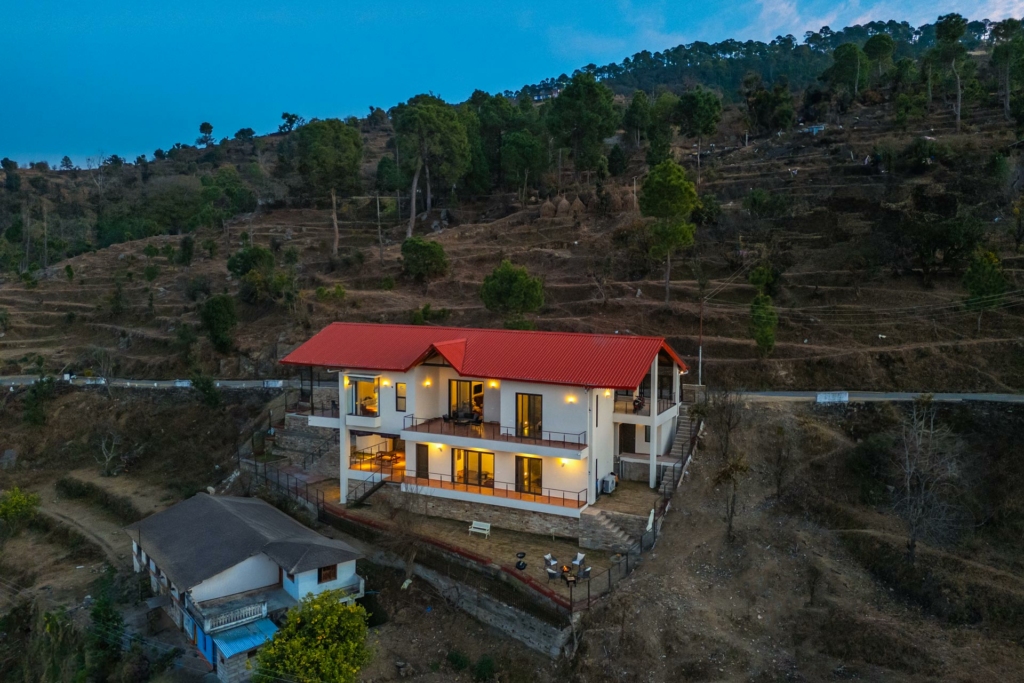
Pithoragarh town has reliable KMVN properties that are functional and reasonably well located. For groups, extended itineraries, or travellers who want a private base before heading into the hills, StayVista’s Uttarakhand properties include curated homestays and villas across the Kumaon region. Having a private kitchen and enough space to sort gear across two or three days makes a practical difference before any serious trek. Book well ahead for the April to June and September to October windows, both are high-demand periods across the district.

Practical Notes
Inner Line Permits for border areas can be obtained from the District Magistrate’s office in Pithoragarh town or through a registered local operator. Always carry physical copies.
Connectivity: BSNL and Jio have the widest coverage in remote Kumaon. Above Munsiyari, assume limited or no signal. Recent telecom upgrades across the district now enable real-time weather updates in most base locations, which matters for trekking planning.
Altitude: Even Khaliya Top crosses 3,400 m. Build in a rest day at Munsiyari before going higher. The Nanda Devi trek guide has solid advice on Uttarakhand acclimatisation that applies directly to Pithoragarh’s higher routes.
Food: Pithoragarh town has a good range of dhabas. Local Kumaoni dishes worth seeking out include bhatt ki churkani (black soybean curry), aloo ke gutke, and chainsoo. On the trail, food is whatever your camp or homestay provides.
Why Pithoragarh Should Be on Your Uttarakhand Travel List in 2026
Pithoragarh rewards travellers who are willing to go a little further than the usual Uttarakhand circuit. The district brings together glacier treks, high Himalayan viewpoints, historic border settlements, and now a serious astro-tourism experience with the Nakshatra Sabha observatory programme. Whether the plan is a multi-day trek from Munsiyari, a cultural stop in Dharchula, or simply a few nights under some of the darkest skies in northern India, the region offers a scale of landscape and quiet that is increasingly difficult to find in the Himalayas. Plan slowly, allow extra days between destinations, and Pithoragarh reveals why many seasoned travellers consider Kumaon’s eastern edge one of Uttarakhand’s most rewarding regions to explore.
Banner Image Credit: Mukul.pandey07 via Wkikimedia commons