
Valley of Flowers & Nanda Devi Trek Guide 2026-27: Permits, Hemkund, Joshimath Access

Last Updated: October, 2026
Valley of Flowers National Park (UNESCO WHS, 3,352-3,658m) is an easy-to-moderate monsoon-season flower meadow trek, best July 20 to August 25 for peak bloom. Base at Ghangaria via Govindghat → Pulna → 10 km trek. Combine with Hemkund Sahib (4,329m, Sikh pilgrimage, 6 km steep extension). Nanda Devi NP core sanctuary remains CLOSED since 1983 — only the outer buffer zone has one regulated trek (Lata to Dharansi Pass) via authorised operators. Peak altitude for both: Hemkund 4,329m — acclimatize properly. Joshimath subsidence advisory applies — check safe accommodation zones. StayVista has no inventory in the Chamoli corridor — base at Rishikesh or Lansdowne 1-2 nights before the drive up.

Hidden in the folds of the Garhwal Himalayas lie two of India’s most breathtaking alpine wonders—Nanda Devi National Park and the Valley of Flowers in Uttarakhand. Often spoken of separately, these UNESCO World Heritage Sites are, in fact, part of the same biosphere reserve—offering trekkers not just high-altitude beauty, but a rare glimpse into untouched Himalayan ecology. Whether you’re chasing the riot of monsoon blooms in the Valley of Flowers or the remote stillness of the Nanda Devi sanctuary, this trail isn’t just about ticking off a trek—it’s about stepping into a sacred wilderness.
In this guide, we decode everything you need to know to plan this twin adventure in 2025: entry permits, trek routes, best months to visit, and essential travel tips—all updated with the latest regulations and insights.
In this Blog
Why Visit Now?
The Valley of Flowers and Nanda Devi National Park in Uttarakhand are now open for the 2025 season—welcoming trekkers, nature lovers, and photographers into one of the most breathtaking biospheres in the Indian Himalayas. If you’ve ever dreamed of witnessing alpine meadows bursting into bloom or exploring untouched wilderness in high-altitude terrain, this is the time to go. Together, these twin UNESCO World Heritage Sites offer a rare opportunity to experience two unique yet interconnected landscapes on one trip.
What Makes These Uttarakhand Treks So Special?
A Twin Trekking Experience
Though often visited separately, Valley of Flowers and Nanda Devi National Park in Uttarakhand are part of the Nanda Devi Biosphere Reserve, and trekking both offers unmatched ecological, cultural, and natural diversity. One is vibrant, floral, and open-armed. The other is silent, stoic, and sacred. Together, they offer a complete Himalayan monsoon experience.

Valley of Flowers National Park
Discovered in 1931 by British mountaineer Frank Smythe, the Valley of Flowers is a glacial valley tucked between the Zanskar and Greater Himalayas. Every year, from July to early September, the valley transforms into a riot of colours, carpeted with over 600 species of alpine flora. It is among the best places to visit in Uttarakhand during monsoons!
Trekking Route
Start Point: Govindghat
Shared Jeeps to Pulna
Trek: Pulna to Ghangaria (10 km)
Base Camp: Ghangaria
Day Trek: Ghangaria to Valley of Flowers (3.5 km one way)
Read Also: Complete Guide for visiting Valley of Flowers in Uttarakhand 2025 (with trek guide)
What to Expect at the Valley of Flowers
Flower sightings: Brahma Kamal, Blue Poppy, Cobra Lily, Himalayan Bellflower.
Birdwatching: Keep an eye out for Himalayan Monals and Snow Pigeons.
Terrain: Easy to moderate trek with well-marked paths
Pro Tip
Visit in late July—you’ll catch peak blooming season without the heavy crowds of August.

Nanda Devi National Park
The Nanda Devi NP core sanctuary has remained closed to all tourism since 1983, a conservation measure protecting the inner sanctuary ecosystem after documented environmental damage from earlier mountaineering activity. The restriction has not been lifted.
The outer buffer zone of the Nanda Devi Biosphere Reserve has limited regulated access through one designated trek route: Lata village (near Joshimath) to Lata Kharak and Dharansi Pass. This trek requires:
- Forest department permit from Chamoli division
- Authorised operator (self-planned treks not permitted)
- Guided group with trained support
The trek offers views of the Nanda Devi peak (7,816m — India’s second-highest) and the surrounding Bhyundar valley, but does not enter the inner sanctuary. Verify current permit availability and buffer zone access status with Uttarakhand Forest Department before planning.
Trekking Route
Start Point: Lata Village (from Joshimath)
Route: Lata → Lata Kharak → Semi Kharak → Dharansi Pass
Trek Difficulty: Moderately difficult to challenging
What Makes It Unique
- A spiritual connection: Locals believe Nanda Devi is a goddess, not just a mountain
- Cultural immersion: Experience the traditions of the Bhotiya community
- Silence and solitude: A true off-grid experience where nature reigns
Pro Tip
You’ll need a permit to enter the outer sanctuary, and guided treks are recommended due to the remoteness of the trail.

Distance Between Valley of Flowers and Nanda Devi National Park
While both are part of the Nanda Devi Biosphere Reserve, they are accessed via different trekking routes and entry points:
- Ghangaria (Valley of Flowers base) to Lata Village (Nanda Devi base): approx. 55 km by road
- Travel Time: ~2–2.5 hours by taxi or private vehicle via Joshimath
This makes it possible for trekkers to complete one trek, return to Joshimath, and then head to the other trailhead within a day—perfect for a twin-trek itinerary.
Joshimath — the overnight stop for both the Valley of Flowers trek (via Govindghat) and the Nanda Devi NP buffer trek (via Lata) — experienced a major land subsidence crisis in January 2023. Over 868 buildings were affected, hundreds of families evacuated, and several hotels were declared unsafe or demolished.
Joshimath Travel Advisory (2026-27)
- Reduced Joshimath hotel inventory — fewer accommodation options, prices higher
- Road stability concerns during heavy rain + monsoon cycles
- Book only in zones confirmed safe by local authorities
- Alternative base: stay further down at Rudraprayag or Karnaprayag and transit through Joshimath on trek day
- Monitor Uttarakhand State Disaster Management advisories before departure
Entry Fees, Permits & Timings (2026 Update)
Valley of Flowers
Opening Dates: June 1 – October 31, 2025
Timings: Park entry is permitted during daylight hours only — entry is restricted after late afternoon to ensure trekkers return to Ghangaria before dark. Confirm current entry window at the Govindghat forest check post on your travel date.
Entry Fee: INR 150 (Indian, 3-day pass), INR 600 (foreigners)
Registration: Mandatory online before entry
Nanda Devi National Park
Restricted Entry: Only for guided treks with permission
Best Time to Visit: May to October (subject to forest department approval)
Registration & Permits: Must be arranged through authorized tour operators
Where to Stay
Best Base for Both Treks
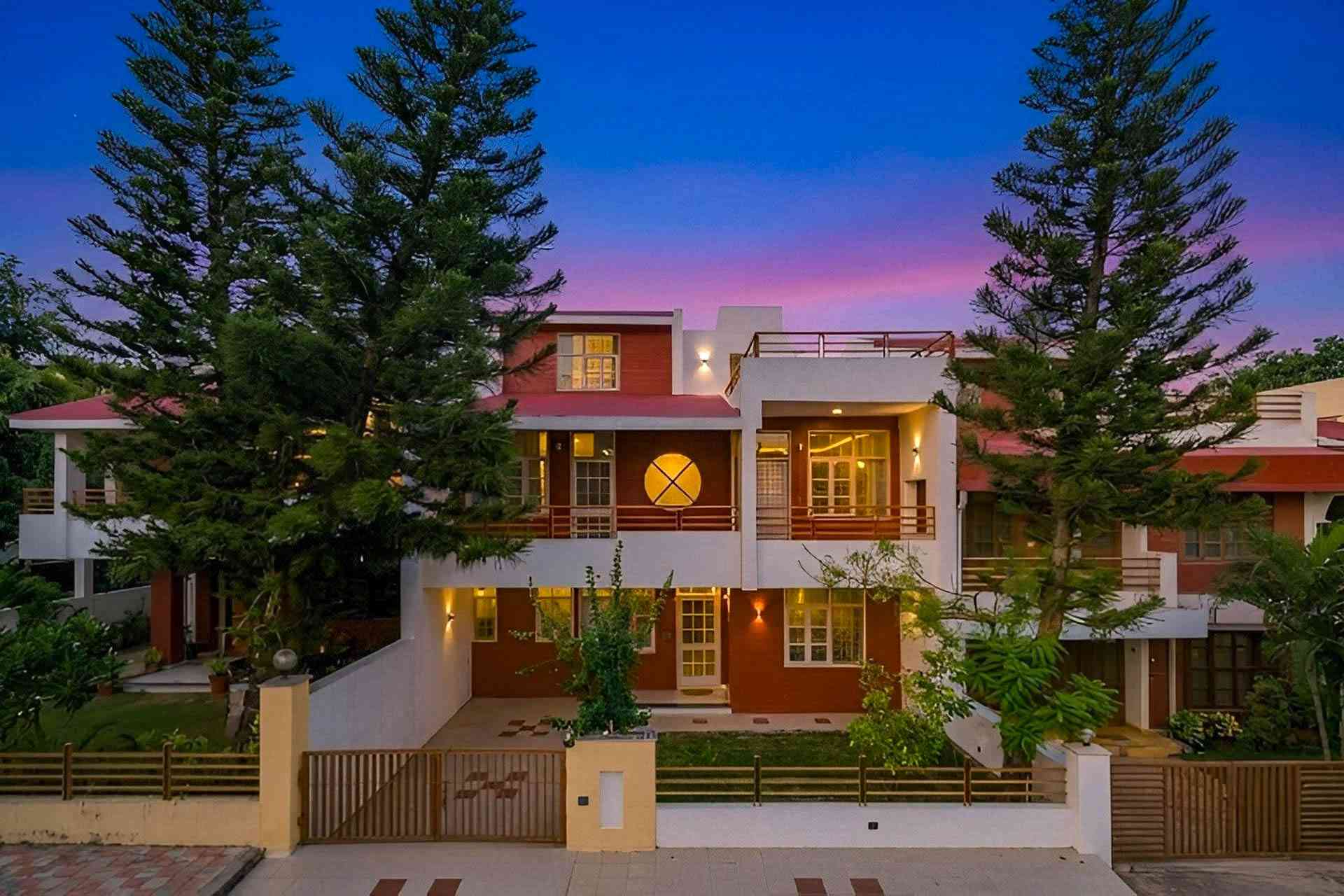
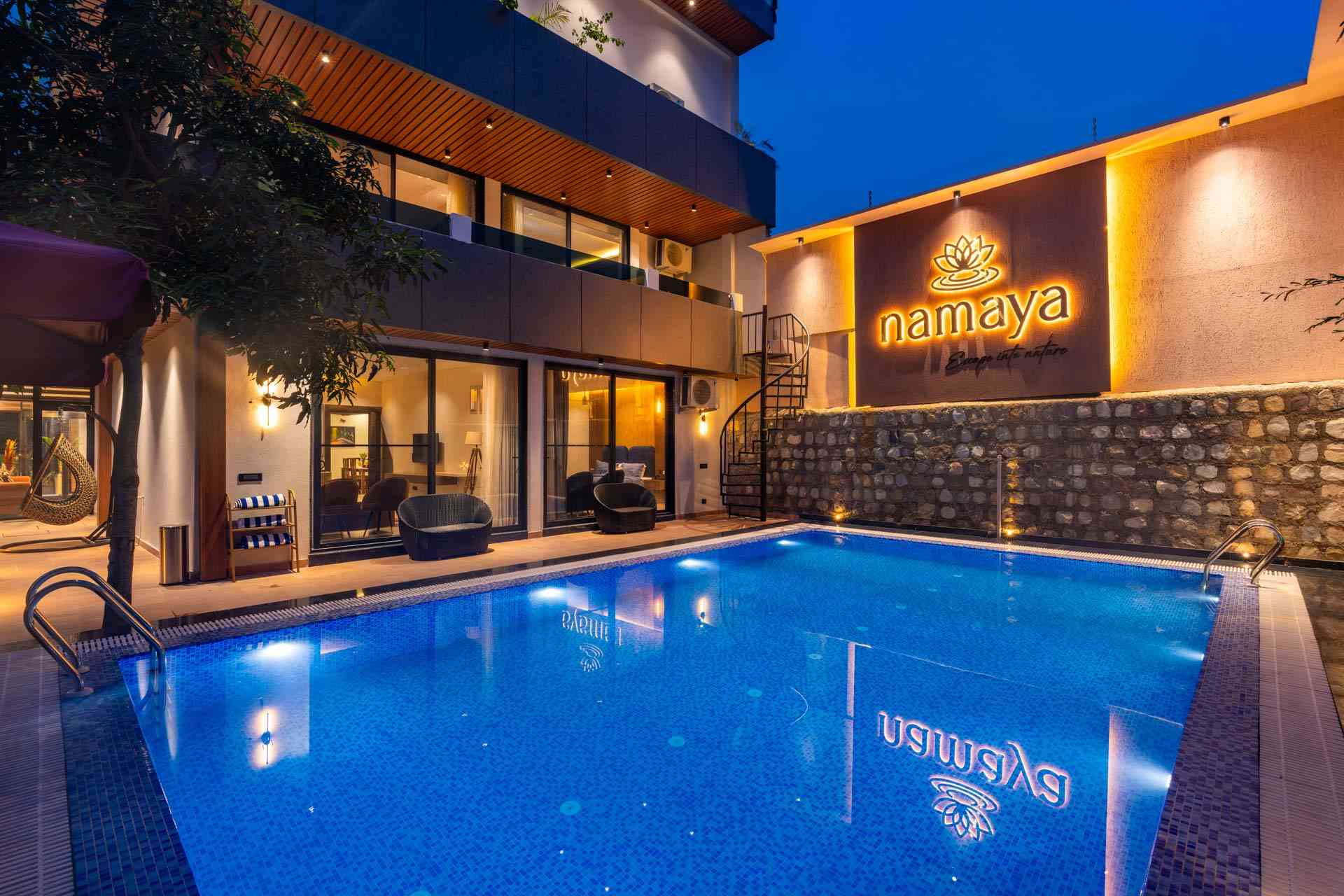
Joshimath: Closest major town with basic hotels, homestays, and some StayVista villas
Ghangaria: Only accommodation hub near the Valley of Flowers—expect simple lodges
Lata Village: Best base to access the Nanda Devi outer sanctuary; stay in homestays and eco-camps
Bonus: Don’t Miss Hemkund Sahib and Badrinath Visit
If time permits, plan an extra day at Hemkund Sahib, a stunning high-altitude Sikh pilgrimage site just 6 km from Ghangaria. The trail is steeper than the Valley route but equally rewarding.
You can include a visit to Badrinath Temple either before starting or after completing your treks. It’s one of the Char Dhams and offers a deeply peaceful end (or beginning) to your Himalayan journey.
Valley of Flowers (Ghangaria) to Badrinath distance: approx. 25 km by road + 13 km trek
Nanda Devi National Park (Lata) to Badrinath distance: approx. 60 km by road
Hemkund Sahib is one of Sikhism’s most sacred gurdwaras and the highest-altitude gurdwara in India (4,329m), set beside the glacial Lokpal Lake. The site is referenced in Guru Gobind Singh’s own autobiographical writings (Dasam Granth) — he describes meditating here in a previous life. For Sikh pilgrims, this trek is a lifetime religious journey.
Non-Sikh visitors are welcome to visit — head cover (dupatta/scarf available at the entrance), shoe removal, and standard gurdwara etiquette apply. Langar (free community meal) is served daily during the open season. Many trekkers combine the Valley of Flowers with Hemkund Sahib for the dual nature + pilgrimage experience.
Season: Hemkund opens roughly late May and closes mid-October (snow-dependent). Peak Sikh pilgrim traffic is July-August.
Where to Stay

Travel Tips
Book early: Especially for Ghangaria stays
No mobile networks in most trekking zones; inform someone before you go
Respect local culture: These are not just trekking trails, but sacred spaces
Avoid plastic: Bring back all waste and avoid packaged snacks if possible
Trekking the Valley of Flowers and Nanda Devi National Park together is more than a trip—it’s a journey through nature’s masterpiece. The contrast between the vibrant valley and the solemn sanctuary is an experience that few other treks in India can offer.
As both open up for the 2025 season, this is your window to explore, connect, and discover the real beauty and tourist attraction of Uttarakhand!
FAQs about Valley of Flowers & Nanda Devi Trek
July 20 to August 25 is peak bloom. Early July and early September have fewer flowers but less rain.
The core sanctuary has been closed since 1983. Only the outer buffer zone has one designated trek (Lata to Dharansi Pass) with forest department permit through authorised operators. Core access is not available to tourists.
Easy to moderate. Well-marked paths, mostly stone and dirt trails. 10 km from Pulna to Ghangaria, then 3.5 km one way to the valley. Walking fitness required but no technical skills.
Yes — most trekkers do. Hemkund is 6 km from Ghangaria (steep). Allow one full day for Hemkund the day after Valley of Flowers for acclimatization.
Valley of Flowers: online registration + nominal entry fee (Indian / foreign rate). Nanda Devi buffer: forest department permit + authorised operator only.
Yes — Joshimath is the standard overnight stop. Reduced hotel inventory and ongoing advisories apply. Book only in zones confirmed safe by local authorities. Alternatively base at Rudraprayag or Karnaprayag.
Delhi → Rishikesh (6-7 hr) → Govindghat (10-12 hr via Devprayag, Rudraprayag, Joshimath). Total ~600 km / 2-day drive. Nearest airport: Dehradun Jolly Grant (300 km).
Rain jacket (monsoon season), waterproof trek pants, trekking shoes with ankle support, warm layers for Hemkund altitude, snack food, water purification, personal first-aid, hat and sunscreen, flashlight.
Valley of Flowers yes (easy-moderate). Hemkund Sahib requires moderate fitness due to steep climb and 4,329m altitude. Nanda Devi buffer trek is for experienced trekkers only.
Below Govindghat: patchy BSNL. Ghangaria and above: no reliable network. Prepare for offline days.