
Religious Tourism in Jaipur: 10 Sacred Temples and Spiritual Places to Visit
Jaipur is often introduced as a city of forts, palaces, and royal processions. But look a little closer and you’ll discover another side of the Pink City—one shaped by devotion, rituals, and centuries-old faith. Religious tourism in Jaipur is deeply woven into everyday life here, where temple bells echo through busy bazaars and sacred chants coexist with royal history.
From grand Krishna temples patronised by kings to hilltop shrines visited by generations of locals, Jaipur offers a spiritually enriching journey for pilgrims, culture lovers, and curious travellers alike. Whether you are seeking blessings, architecture, legends, or quiet moments of reflection, these sacred places reveal Jaipur at its most soulful.
In this Blog
Why Jaipur Is an Important Religious Destination
Jaipur’s spiritual importance comes from its unique blend of:
- Hindu Vaishnav, Shaiva, and Shakti traditions
- Jain religious heritage
- Royal patronage of temples
- Sacred natural sites like kunds and hill shrines
Many temples here are not just places of worship but also cultural landmarks tied to the city’s founding, festivals, and daily rhythms. This makes temples to visit in Jaipur an essential part of any itinerary, even for first-time visitors.
10 Sacred Places to Visit in Jaipur
1. Govind Dev Ji Temple
Located within the City Palace complex, Govind Dev Ji Temple is often regarded as the spiritual centre of Jaipur. Dedicated to Lord Krishna, the temple has enjoyed royal patronage since the city’s founding and continues to draw devotees every single day.
What truly sets it apart is its rhythm of worship. The temple follows seven daily aartis, each marking a different phase of the day, creating a deep sense of connection between devotion and daily life. The idol is believed to closely resemble Lord Krishna’s earthly form, making darshan here especially meaningful.
Don’t miss: The serene Mangala Aarti at dawn or the soulful Sandhya Aarti in the evening.
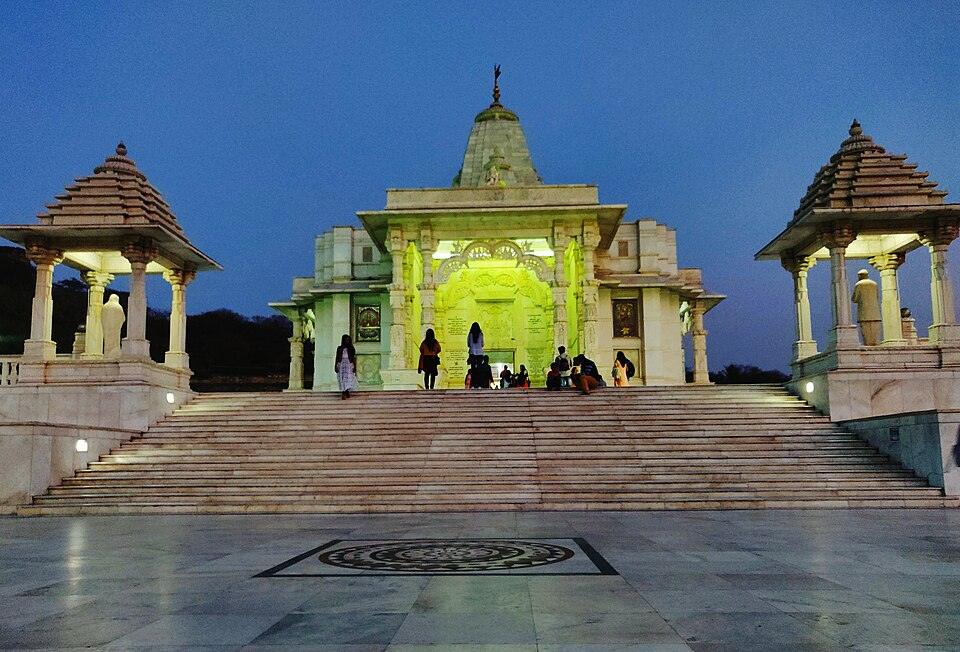
2. Birla Mandir
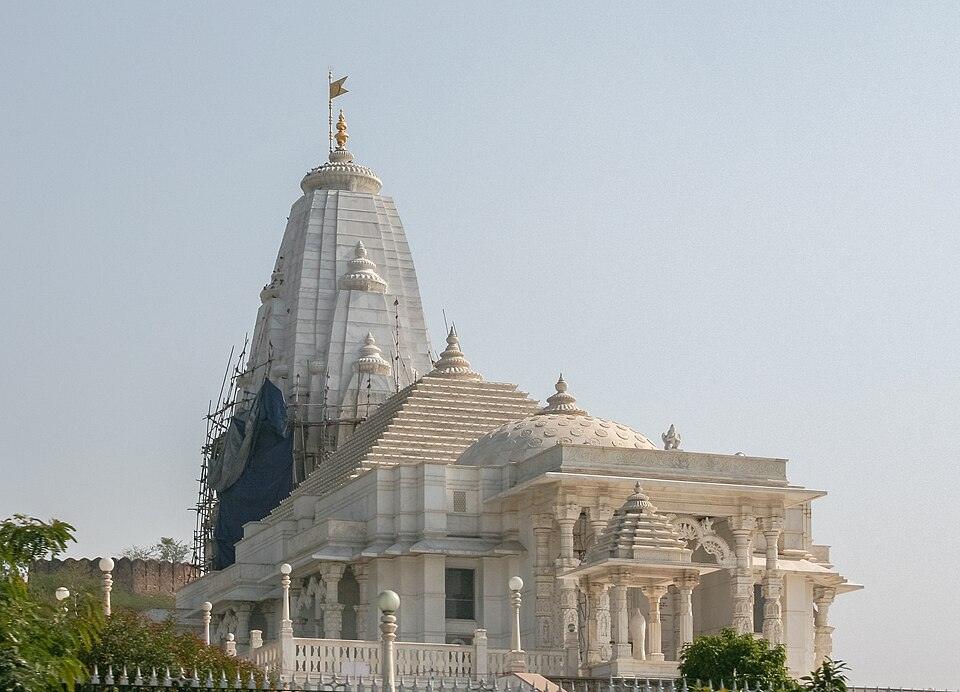
Perched near Moti Dungri Hill, Birla Mandir stands out as one of the most elegant religious places in Jaipur. Built entirely from white marble, the temple blends modern craftsmanship with traditional Hindu symbolism.
Dedicated to Lord Vishnu and Goddess Lakshmi, the temple feels calm, spacious, and welcoming. As the sun sets, the structure glows beautifully against the Jaipur skyline, making evening visits especially memorable.
Good to know: Entry is free, and photography is permitted outside the sanctum area.
3. Moti Dungri Ganesh Temple
A favourite among locals, Moti Dungri Ganesh Temple is where Jaipurites often begin new ventures and important milestones. Set on a small hill, the temple is dedicated to Lord Ganesha, the remover of obstacles.
The idol here features Ganesha with a right-turned trunk, considered highly auspicious. Tuesdays see heavy footfall, with devotees lining up for blessings amid a vibrant, devotional atmosphere.
Tip: Visit early in the morning to avoid crowds and enjoy a calmer darshan.
4. Galtaji Temple
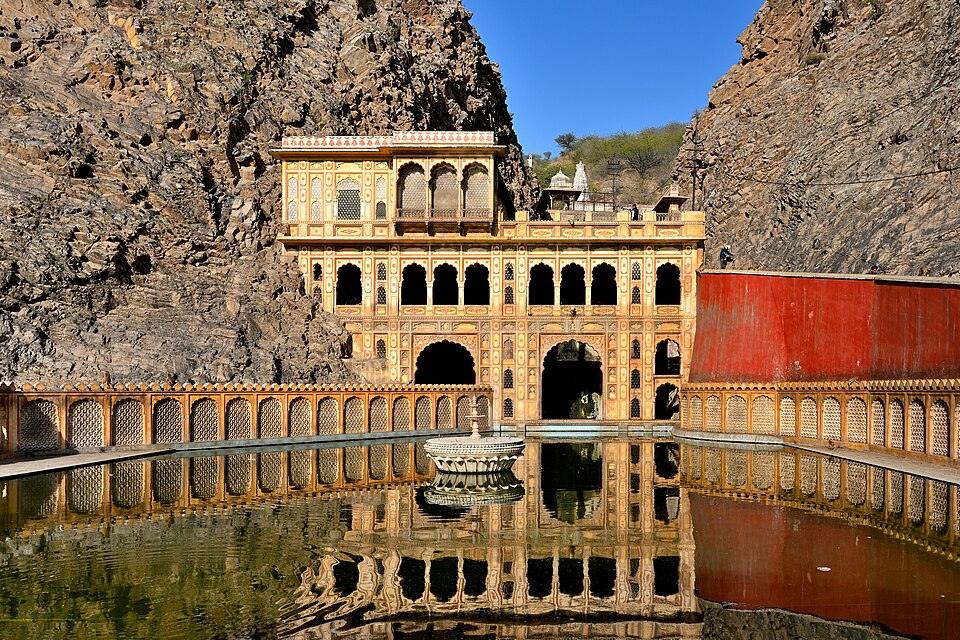
Tucked between the rugged Aravalli hills, Galtaji Temple offers one of the most distinctive spiritual experiences in Jaipur. Known for its natural water springs and sacred kunds, the temple complex has been a pilgrimage site for centuries.
Closely associated with Sage Galav, Galtaji is also famous for its resident monkey population, adding a unique character to the visit.
Best time to visit: Early morning, when rituals take place and the surrounding views are at their most peaceful.
5. Tarkeshwar Mahadev Temple
Away from the city’s busy tourist trail, Tarkeshwar Mahadev Temple near Chandpole is a quiet yet deeply revered Shiva shrine. It attracts devotees who prefer solitude and introspection over grandeur.
The temple holds special significance during the holy month of Shravan, but even otherwise, it offers a calm space for prayer and meditation.
This is one of those sacred places in Jaipur that remains close to the hearts of locals rather than tourists.
6. Khole Ke Hanuman Ji Temple
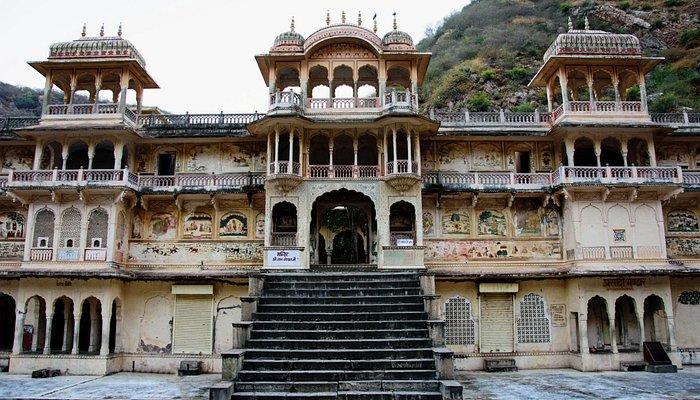
Set amid hills and greenery, Khole Ke Hanuman Ji Temple combines devotion with scenic beauty. Dedicated to Lord Hanuman, the temple is believed to fulfil wishes and attract devotees from across Jaipur and nearby regions.
The approach itself feels tranquil, and special days often see community offerings and shared meals, reinforcing a strong sense of collective faith.
Best days to visit: Tuesdays and Saturdays, when devotion is at its peak.
7. Shila Devi Temple
Located within the grand Amber Fort complex, Shila Devi Temple beautifully blends royal history with deep-rooted devotion. Dedicated to Goddess Durga, the temple has long been associated with victory, protection, and royal faith.
Legend has it that the idol was brought from eastern India by a Jaipur ruler, and since then, the temple has remained an important site of worship for both locals and pilgrims. During Navratri, the temple sees heightened devotion, rituals, and offerings.
Why visit: It allows you to experience Jaipur’s heritage and spirituality in one meaningful stop.
8. Akshardham Temple Jaipur
Akshardham Temple Jaipur is a relatively modern addition to the city’s religious landscape, yet it has quickly become a peaceful retreat for devotees. Built with pink sandstone, the temple reflects traditional Hindu architecture while offering a well-organised and serene environment.
Dedicated to Lord Vishnu, the temple is especially popular with families and elderly visitors due to its cleanliness, spacious layout, and calm surroundings.
Good to know: The temple maintains strict decorum, making it ideal for quiet prayer and reflection.
9. Digambar Jain Mandir Sanghijee
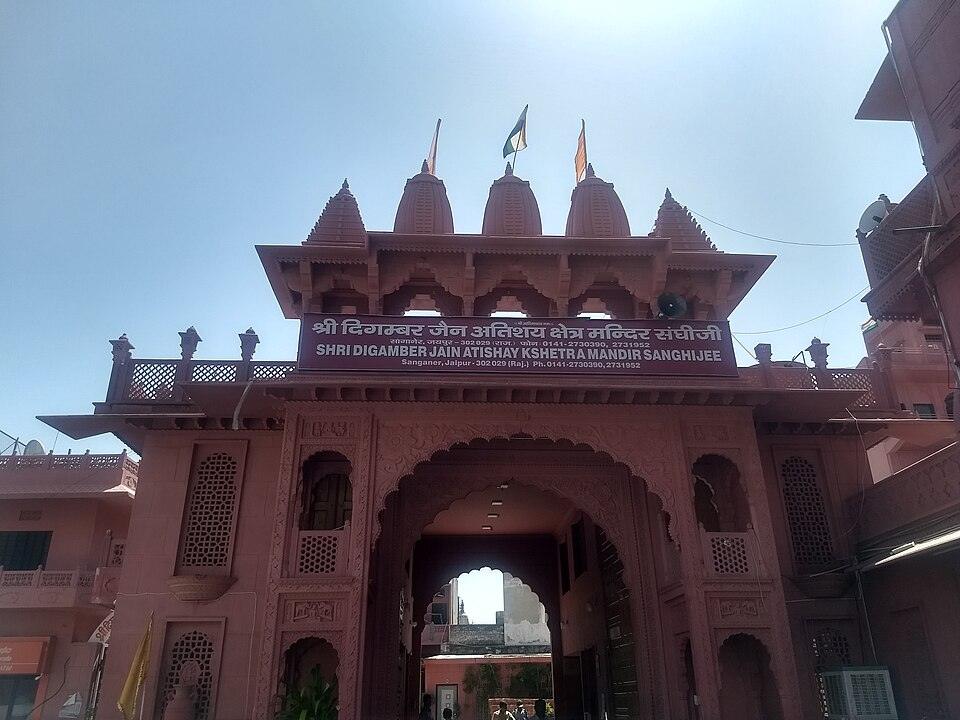
Digambar Jain Mandir Sanghiji stands as a testament to Jaipur’s rich Jain heritage. Known for its simplicity and discipline, the temple reflects the core Jain values of renunciation, silence, and introspection.
The architecture is understated yet elegant, creating an atmosphere that naturally encourages meditation. Visitors are expected to follow Jain customs strictly, adding to the sense of reverence and order.
Best for: Those seeking a quiet, contemplative spiritual experience away from crowds.
10. Karni Mata Temple
Karni Mata Temple holds a special place in Rajasthan’s religious landscape due to its deeply rooted local beliefs and legends. Dedicated to Goddess Karni Mata, the temple attracts devotees who visit with unwavering faith and devotion.
The rituals and traditions here are distinct, shaped by centuries-old customs passed down through generations. While it may feel unfamiliar to first-time visitors, it offers a fascinating insight into regional spirituality and belief systems.
Visitor tip: Approach with respect and an open mind to fully appreciate its cultural significance.
Best Time to Explore Sacred Places in Jaipur
The best time to experience religious tourism in Jaipur is from October to March, when the weather is pleasant and ideal for visiting temples, walking through temple complexes, and exploring hilltop sacred places in Jaipur comfortably.
Early mornings are perfect for peaceful darshan, fewer crowds, and a calmer spiritual atmosphere at popular temples to visit in Jaipur. This is also the best time for meditation and personal prayer.
Evenings offer a vibrant experience with aarti ceremonies, devotional music, and illuminated temple spaces, adding cultural depth to Jaipur religious attractions.
During festive seasons like Janmashtami, Navratri, and Mahashivratri, temples become lively and deeply immersive, though visitors should expect heavier crowds and longer queues.
Important Tips for Religious Tourism in Jaipur
- Dress modestly: Most sacred places in Jaipur expect visitors to dress conservatively. Clothing that covers shoulders and knees is considered respectful and helps you blend in comfortably with local devotees.
- Remove footwear before entering temples: All temples require shoes and sandals to be removed at the entrance. Wearing easy-to-remove footwear or carrying socks can make visits more convenient.
- Check photography rules: Photography policies vary across temples. While some allow photos in outer courtyards, others prohibit them near the sanctum, so it’s best to confirm before clicking pictures.
- Carry cash for offerings: Many temples accept donations and offer prasad in exchange for a small contribution. Keeping cash handy is useful, as digital payment options may not always be available.
- Be mindful during aarti times: Aarti ceremonies are moments of collective prayer. Maintaining silence, standing respectfully, and avoiding movement during these rituals enhances the spiritual experience for everyone.
Festivals That Elevate Religious Tourism in Jaipur
- Janmashtami: Govind Dev Ji Temple hosts grand celebrations, devotional singing, and special midnight rituals marking Lord Krishna’s birth.
- Navratri: Shila Devi Temple becomes a major centre of worship, with continuous prayers and festive energy throughout the nine days.
- Mahashivratri: Shiva temples across the city witness night-long devotion, attracting devotees who observe fasts and special rituals.
- Ganesh Chaturthi: Moti Dungri Ganesh Temple sees special aartis and large gatherings, especially on key festival days.
Planning your trip around these festivals offers a deeper insight into Jaipur’s living spiritual traditions.
How to Reach Jaipur for Religious Travel
- By air: Jaipur International Airport connects the city to major Indian destinations, making it convenient for pilgrims and tourists alike.
- By train: Jaipur Junction is a well-connected railway station with frequent trains from across the country, ideal for long-distance travellers.
- Local transport: Taxis, auto-rickshaws, and app-based cabs are easily available, allowing smooth travel between temples and other Jaipur religious attractions.
Where to Stay in Jaipur?
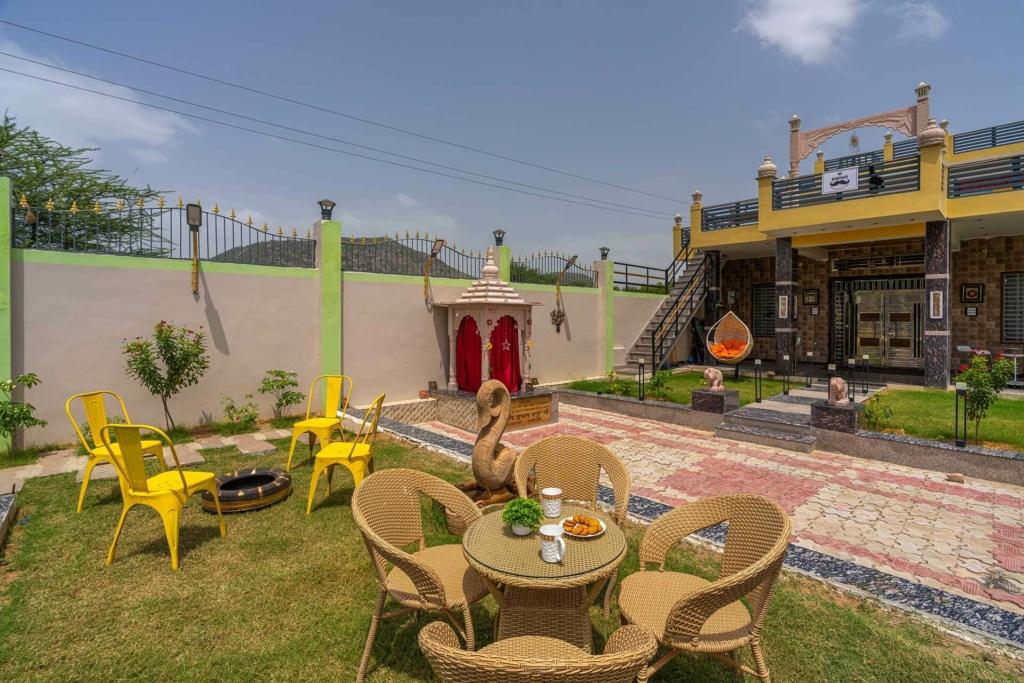
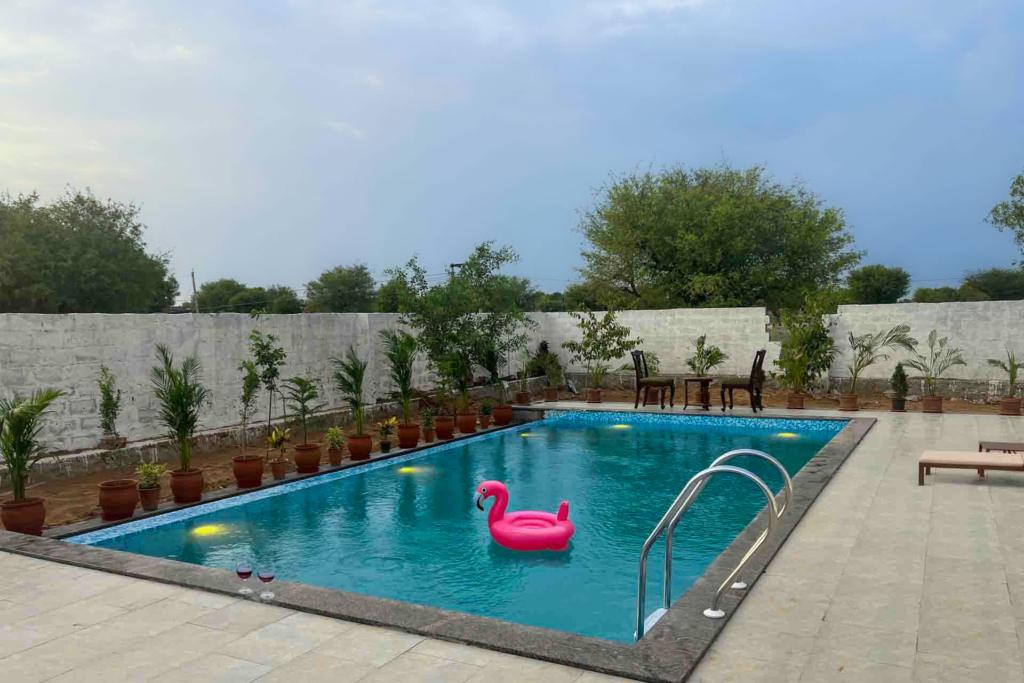
When planning a trip focused on religious tourism in Jaipur, choosing the right place to stay can make your experience far more comfortable and seamless. Jaipur offers a wide range of accommodation options, from centrally located hotels near major temples to peaceful retreats on the city’s outskirts. Staying in areas close to the old city provides easy access to prominent sacred places in Jaipur, allowing you to attend early morning darshans and evening aartis without long travel times. For travellers seeking a quieter environment after a day of temple visits, villas and boutique stays on the outskirts offer calm surroundings, privacy, and space to unwind. Selecting accommodation based on proximity, comfort, and accessibility helps ensure a smooth and spiritually enriching stay in Jaipur.
NIWAS by Talin



Eleganza Resort
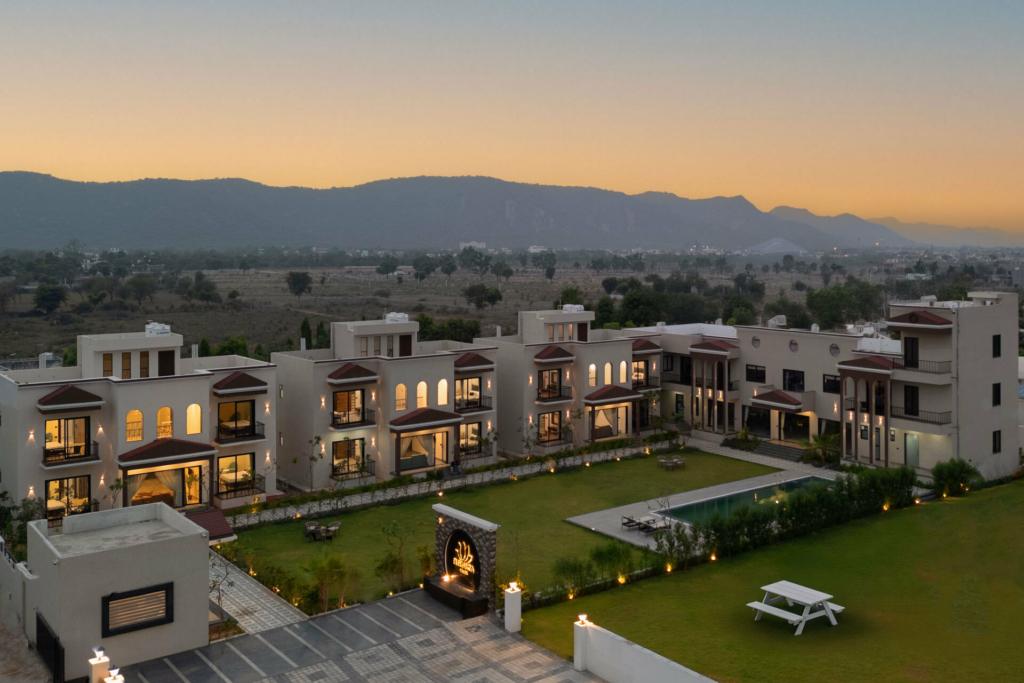


Badshah Farmstay
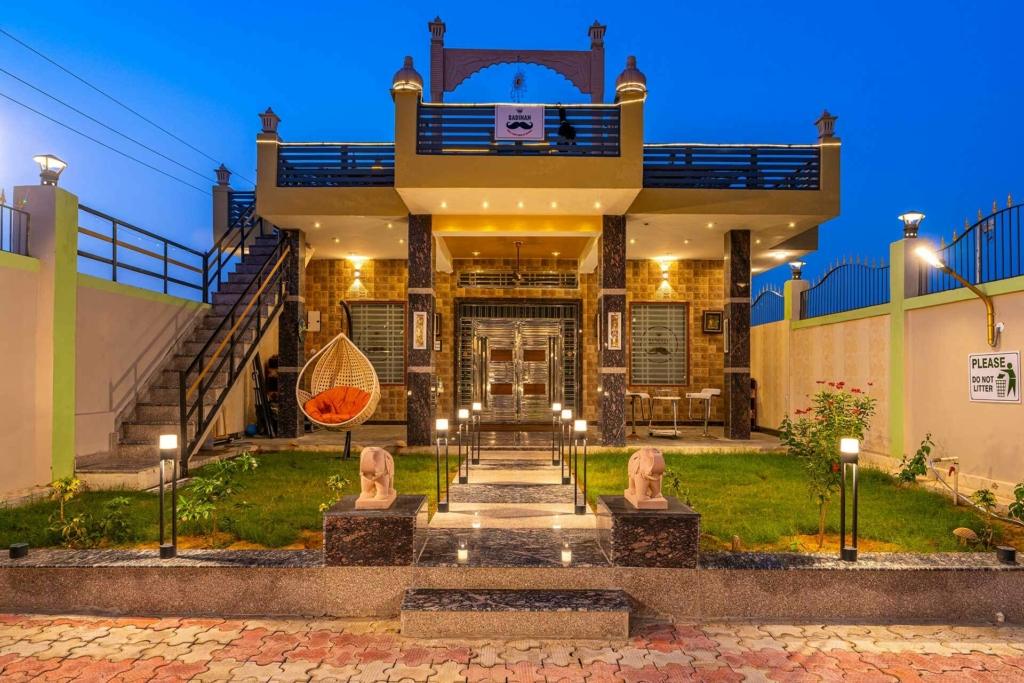
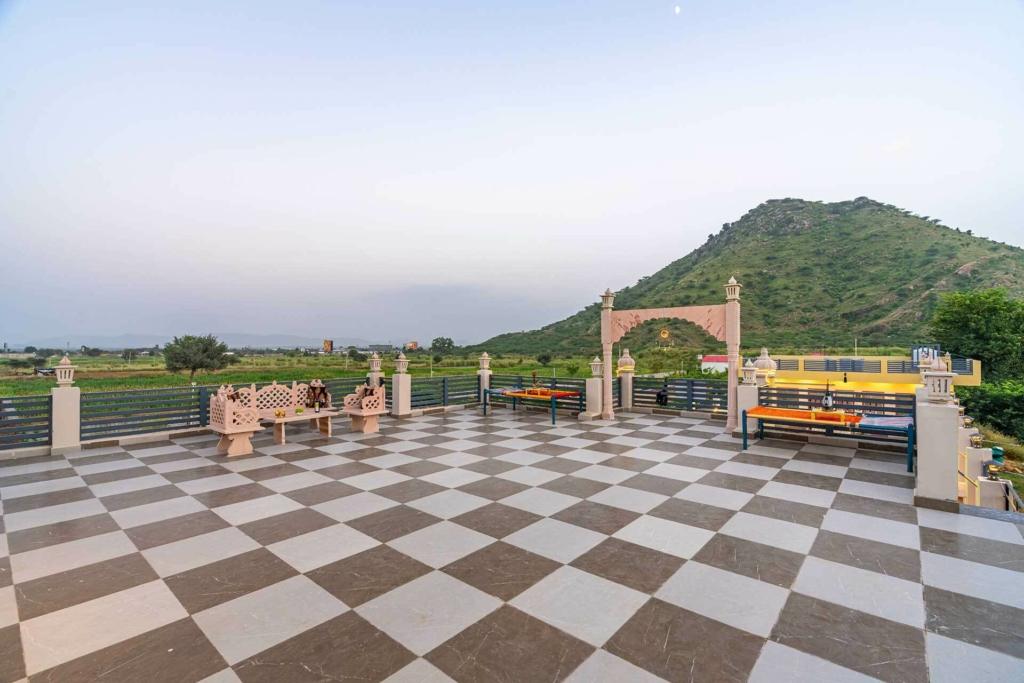
Morbaugh Palace


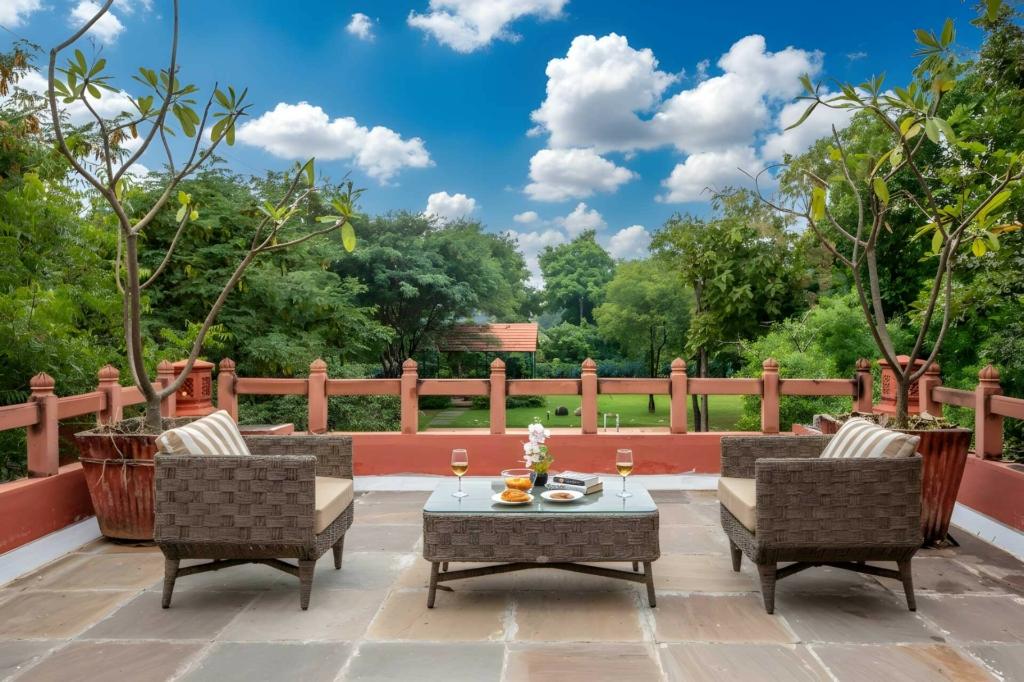
Rustic Roots



Mustang Meadow


Religious tourism in Jaipur adds a profound layer to the city’s charm. These temples are not just places of worship—they are living stories of faith, community, and tradition. Whether you’re seeking blessings, cultural insight, or inner peace, exploring these sacred places in Jaipur offers an experience that stays with you long after the journey ends.
Cover Image Credit: VAIRAGEE ABHILASH via Wikimedia