
Religious Tourism in Kerala: 10 Spiritual Places to Visit
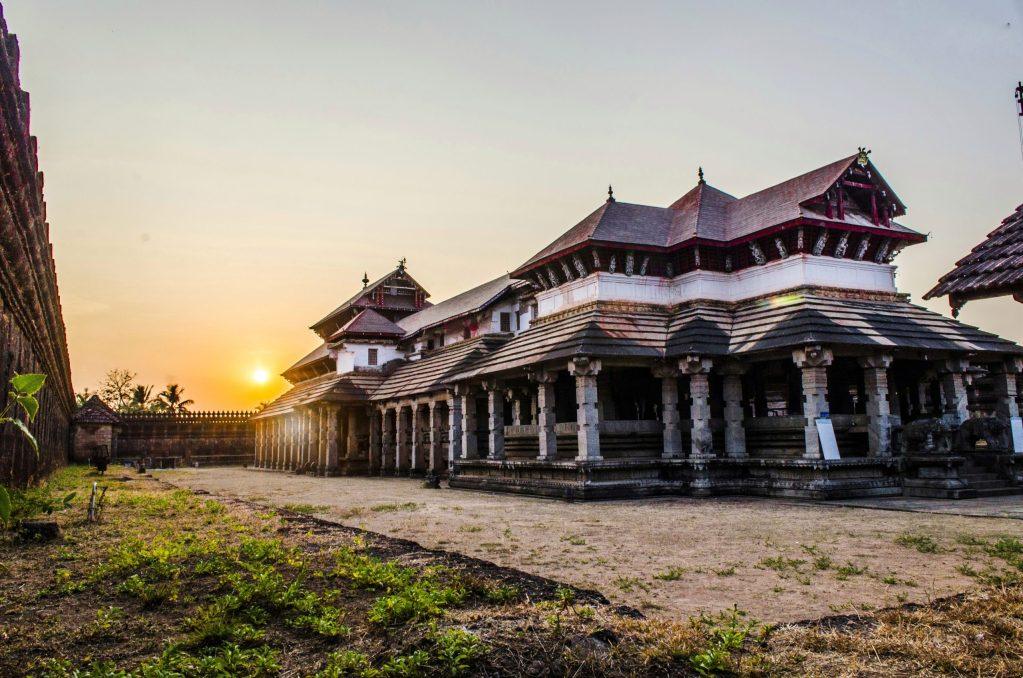
Religious tourism finds one of its most profound and peaceful expressions in Kerala, where faith blends seamlessly with nature, ritual, and daily life. From ancient temples echoing Vedic chants to churches steeped in colonial history and mosques that reflect centuries of harmony, religious tourism in Kerala is not just about devotion; it is about cultural continuity, slow travel, and spiritual reflection.
Often referred to as God’s Own Country, Kerala offers some of the most diverse religious tourism places in India, making it a compelling destination for pilgrims, heritage travellers, and seekers alike.
In this Blog
Why Religious Tourism in Kerala Is Unique
Religious tourism in Kerala stands apart because it is not confined to one faith, ritual, or architectural style. Hinduism, Christianity, Islam, Jainism, and Buddhism have all shaped the spiritual fabric of the state, creating pilgrimage tourism examples that feel inclusive and immersive.
Unlike fast-paced temple towns elsewhere, Kerala’s sacred spaces are woven into everyday landscapes, coastal cliffs, forested hills, backwaters, and old trading ports. This allows travellers to combine pilgrimage tourism with leisure, nature exploration, and cultural discovery.
For those planning tourist places in Kerala for 5 days, spiritual circuits blend effortlessly with sightseeing, making Kerala tourism both meaningful and flexible.
Types of Religious Tourism Found in Kerala
Religious tourism can be experienced in several forms across the state, depending on travel intent and faith traditions.
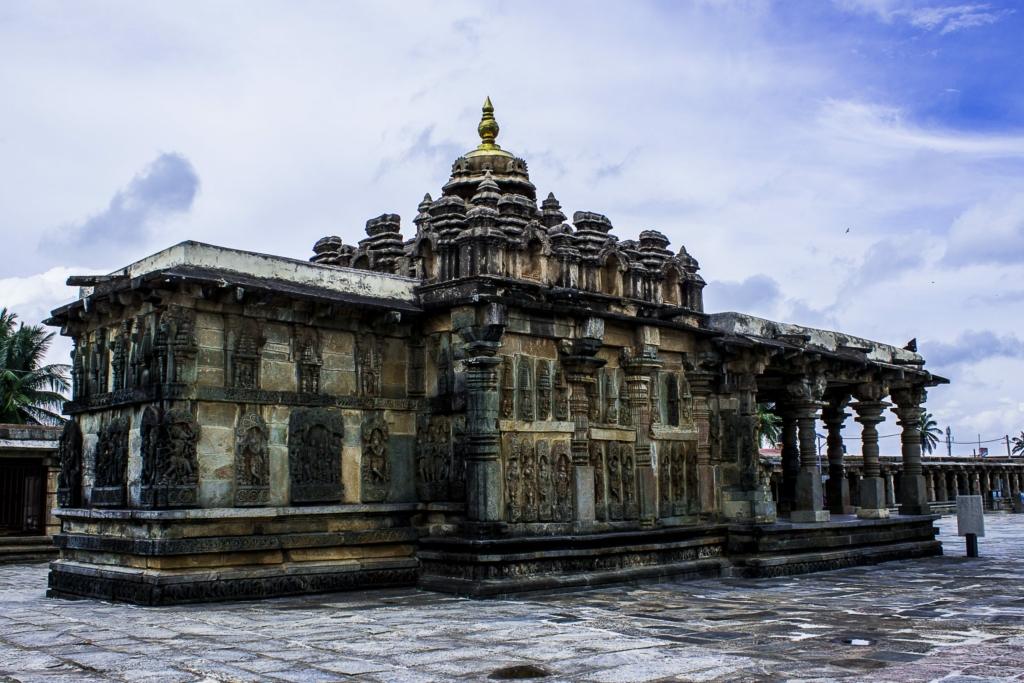
Some travellers visit Kerala for traditional pilgrimage tourism, centred around temples like Sabarimala or Guruvayur. Others explore religious tourism examples rooted in history, such as ancient Syrian Christian churches or centuries-old mosques tied to maritime trade.
Broadly, the types of religious tourism in Kerala include temple pilgrimages, church heritage trails, Sufi and Islamic sacred sites, spiritual retreats, and festival-based travel during important religious calendars.
Quick Guide: Religious Tourism in Kerala
| Spiritual Place | Faith | Best Time to Visit | Location |
| Sabarimala Temple | Hindu | Nov–Jan | Pathanamthitta |
| Guruvayur Temple | Hindu | Oct–Mar | Thrissur |
| Padmanabhaswamy Temple | Hindu | Nov–Feb | Thiruvananthapuram |
| St. Francis Church | Christian | Oct–Mar | Kochi |
| Paradesi Synagogue | Jewish | Nov–Feb | Kochi |
| Malik Dinar Mosque | Islamic | Oct–Mar | Kasaragod |
| Varkala Cliff Temples | Hindu | Nov–Feb | Varkala |
| Chottanikkara Temple | Hindu | Oct–Feb | Kochi |
| Thirunelli Temple | Hindu | Oct–Mar | Wayanad |
| Arthunkal Church | Christian | Dec–Feb | Alappuzha |
1. Sabarimala Temple, Pathanamthitta
Sabarimala is one of the most significant religious tourism places in India, attracting millions of pilgrims annually. Dedicated to Lord Ayyappa, the pilgrimage involves strict vows, forest trekking, and ritual discipline, making it a defining example of pilgrimage tourism.
This sacred journey highlights how religious tourism in Kerala goes beyond temple visits, it is about preparation, endurance, and faith. Visiting during the Mandala-Makaravilakku season is spiritually rewarding, though planning ahead is essential due to crowd regulations.
2. Guruvayur Temple, Thrissur
Often called the Dwarka of the South, Guruvayur Temple is central to Hindu religious tourism in Kerala. Known for its deep-rooted rituals and daily poojas, it remains a cornerstone of devotional travel.
Guruvayur also pairs well with nearby Kerala tourist places, allowing pilgrims to explore Thrissur’s cultural heritage while fulfilling spiritual goals. Early morning darshans are ideal for a calmer experience.
3. Padmanabhaswamy Temple, Thiruvananthapuram
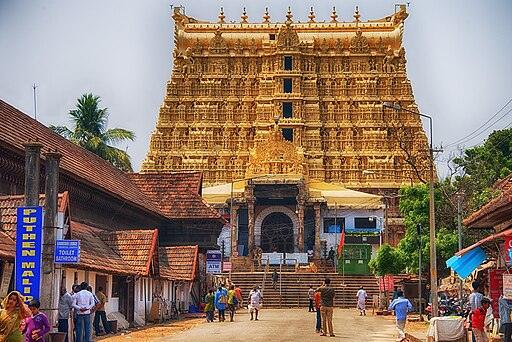
One of the richest temples in the world, Padmanabhaswamy Temple represents Kerala’s royal spiritual legacy. The temple’s architectural grandeur and strict traditions make it a major highlight for religious tourism.
Located in the capital city, it pairs beautifully with places to visit in Kerala in January, offering pleasant weather and cultural festivities.
4. St. Francis Church, Kochi
Among the oldest European churches in India, St. Francis Church is a landmark of Christian religious tourism in Kerala. Once associated with Vasco da Gama, the church reflects Kerala’s global spiritual connections.
For travellers interested in things to do in Kochi, this site fits naturally into heritage walks, spice market visits, and colonial architecture trails.
5. Paradesi Synagogue, Kochi
A rare and important religious tourism example, the Paradesi Synagogue stands as a testament to Kerala’s multicultural past. Built in the 16th century, it is one of the oldest active synagogues in the Commonwealth.
This site reinforces why Kerala tourism is globally respected for its cultural tolerance and historical depth.
6. Malik Dinar Mosque, Kasaragod
One of the earliest mosques in India, Malik Dinar Mosque highlights Islam’s arrival through Arab trade routes. It is a key destination for pilgrimage tourism and spiritual history enthusiasts.
Located in northern Kerala, it offers a quieter alternative to mainstream Kerala tourist places.
7. Varkala Cliff Temples
Varkala is unique for combining coastal beauty with religious significance. The cliff-top temples overlooking the Arabian Sea make it a powerful destination for spiritual reflection.
Those exploring Varkala places to visit often find this destination ideal for meditation, rituals, and relaxed religious tourism experiences.
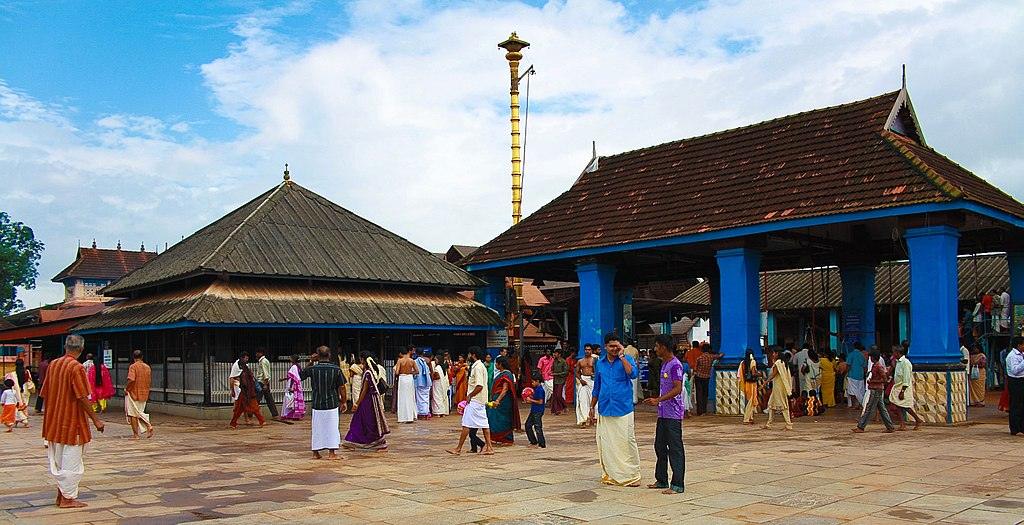
8. Chottanikkara Temple, Kochi
Renowned for healing rituals, Chottanikkara Temple is a major draw for devotees seeking spiritual solace. The temple’s practices reflect Kerala’s blend of faith and traditional belief systems.
It fits naturally into itineraries covering things to do in Kerala India, especially for spiritually inclined travellers.
9. Thirunelli Temple, Wayanad
Nestled in forested hills, Thirunelli Temple is deeply connected to ancestral rites. It exemplifies how religious tourism in Kerala extends into offbeat, nature-rich regions.
Those planning things to do in Wayanad often find this temple adds depth and meaning to their trip.
10. Arthunkal St. Andrew’s Basilica
A prominent Christian pilgrimage site, Arthunkal Church is especially revered during annual feasts. Its coastal location enhances the spiritual atmosphere, making it a peaceful stop for religious tourism.
Best Time to Visit Kerala for Religious Tourism
The best time to visit Kerala for religious tourism is between October and March, when weather conditions are comfortable and major festivals take place. January is particularly popular due to temple festivals and favourable travel conditions, while May travel is best limited to hill regions and early mornings.
Staying Comfortably While Exploring Religious Tourism in Kerala
Spiritual travel does not mean compromising on comfort. Many travellers prefer staying in peaceful, well-connected villas close to major pilgrimage circuits.
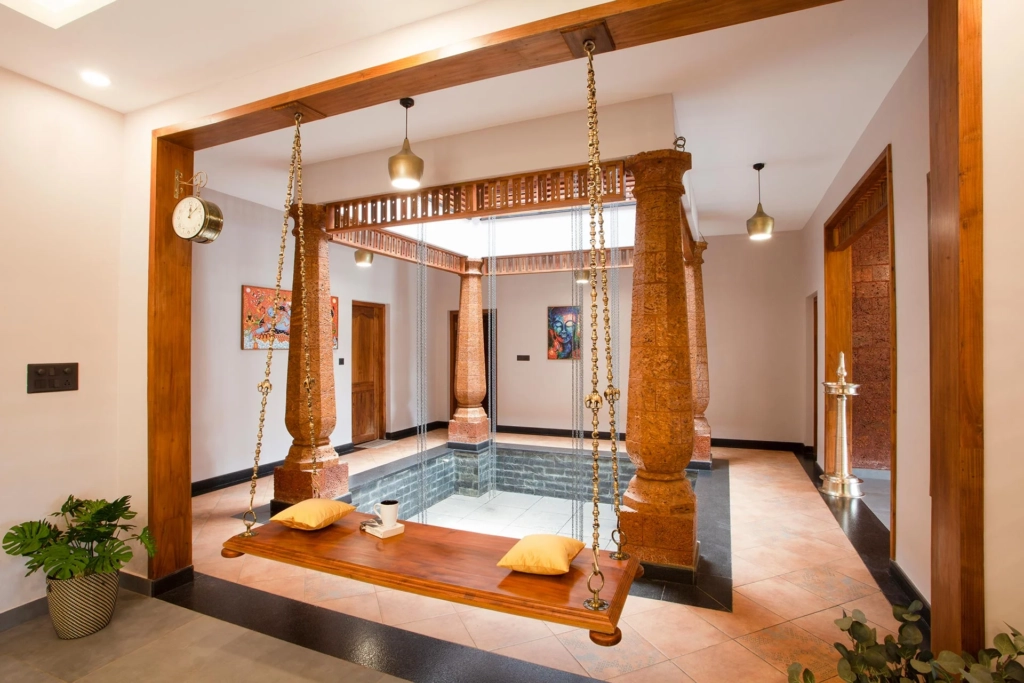
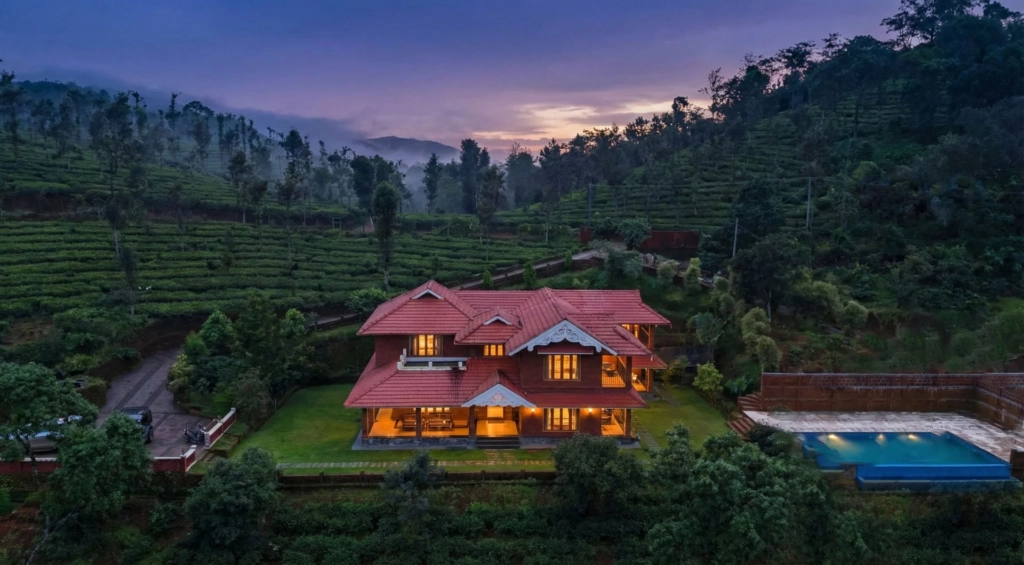
StayVista offers thoughtfully curated villas across Kerala, ideal for travellers seeking quiet surroundings after temple visits or long spiritual days. These villas work especially well for families and senior travellers exploring religious tourism at a relaxed pace.
Regal Retreat, Wayanad

Orchid Haven, Kochi



FAQs: Religious Tourism in Kerala
Religious tourism involves travelling to sacred places for spiritual, devotional, or cultural purposes, often tied to rituals, festivals, or heritage.
Yes, Kerala is one of India’s most inclusive destinations, offering temples, churches, mosques, and synagogues within close proximity.
Absolutely. Religious tourism places in Kerala are often close to beaches, hill stations, and cultural centres.
A well-planned itinerary of 5 to 7 days allows travellers to cover key spiritual sites along with leisure travel.
Faith, Culture, and Calm in Kerala
Religious tourism in Kerala is not just about sacred destinations; it is about rhythm, reflection, and respect. Whether you are seeking devotion, heritage, or inner stillness, Kerala offers a rare opportunity to experience spirituality without haste.
For travellers who believe that faith journeys should feel grounded, inclusive, and enriching, Kerala remains one of India’s most meaningful spiritual landscapes.
Banner image credits: Rohilsykes via PixaHive