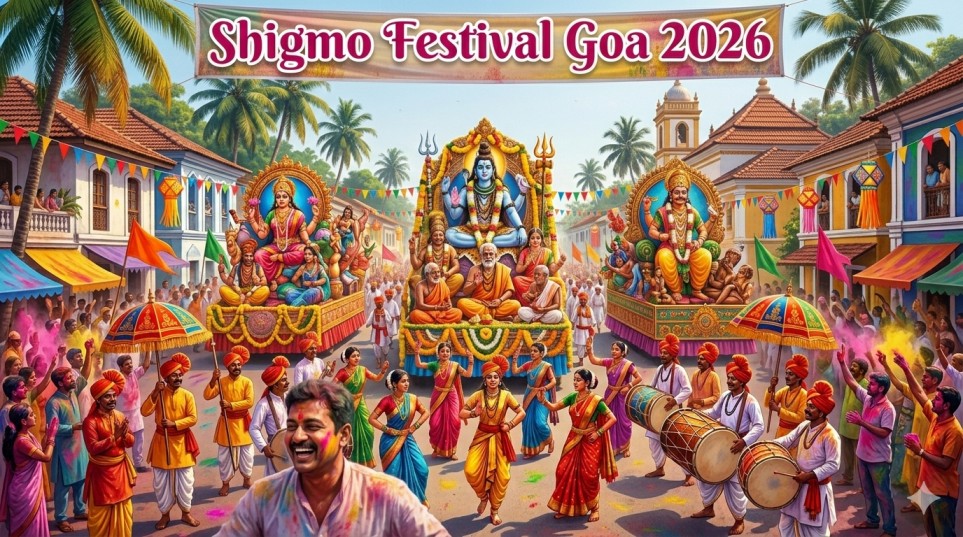
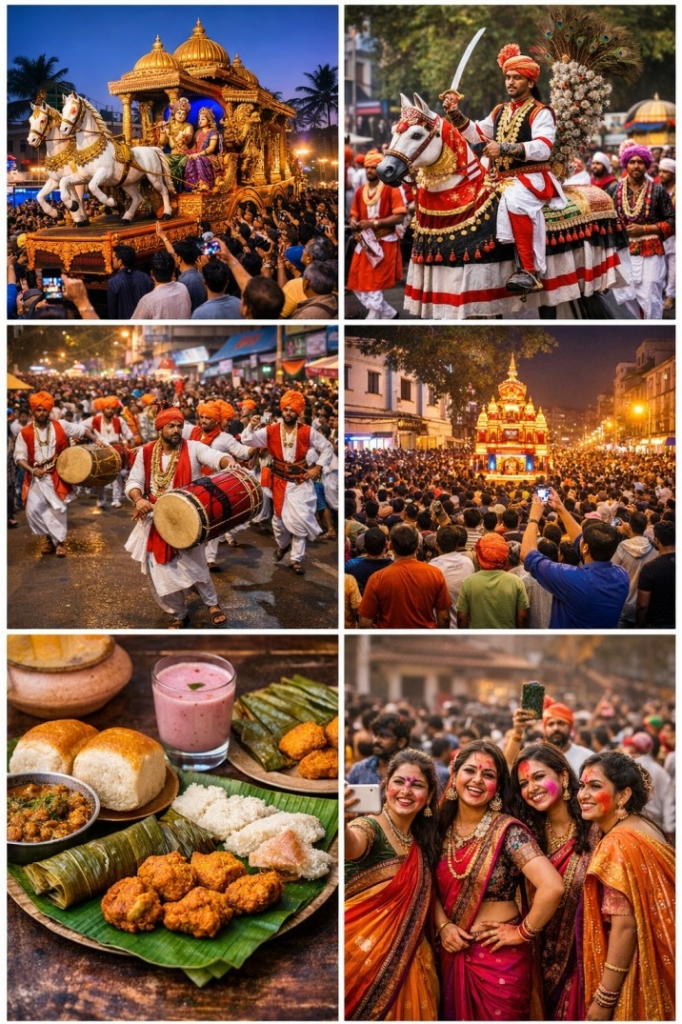
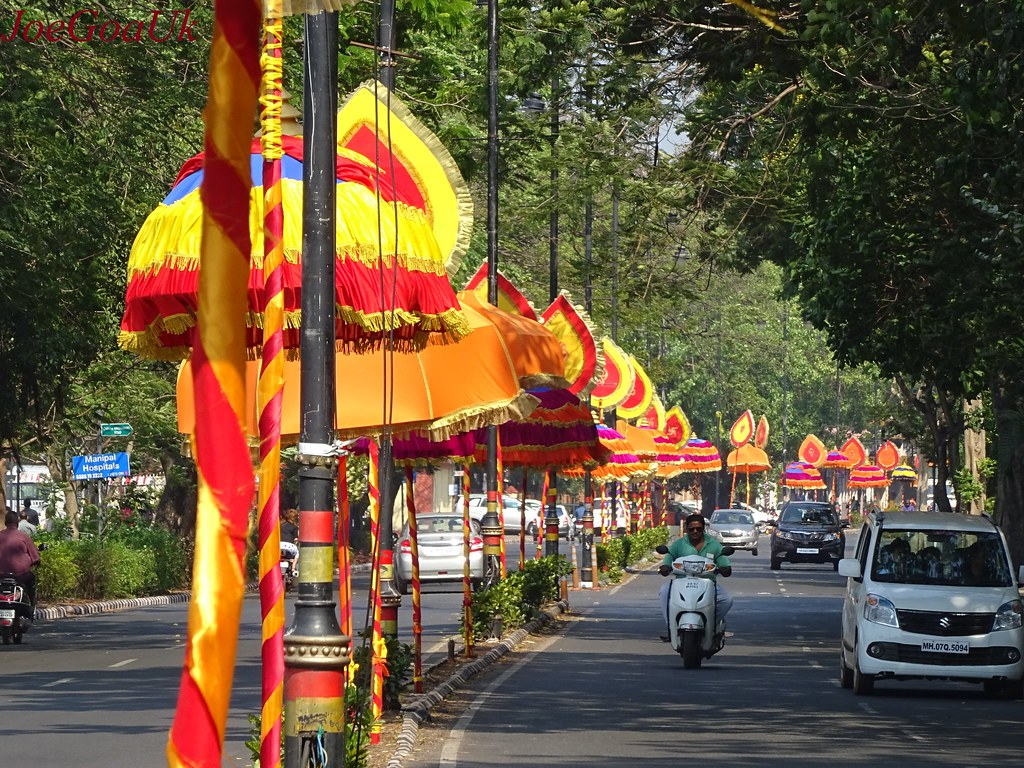
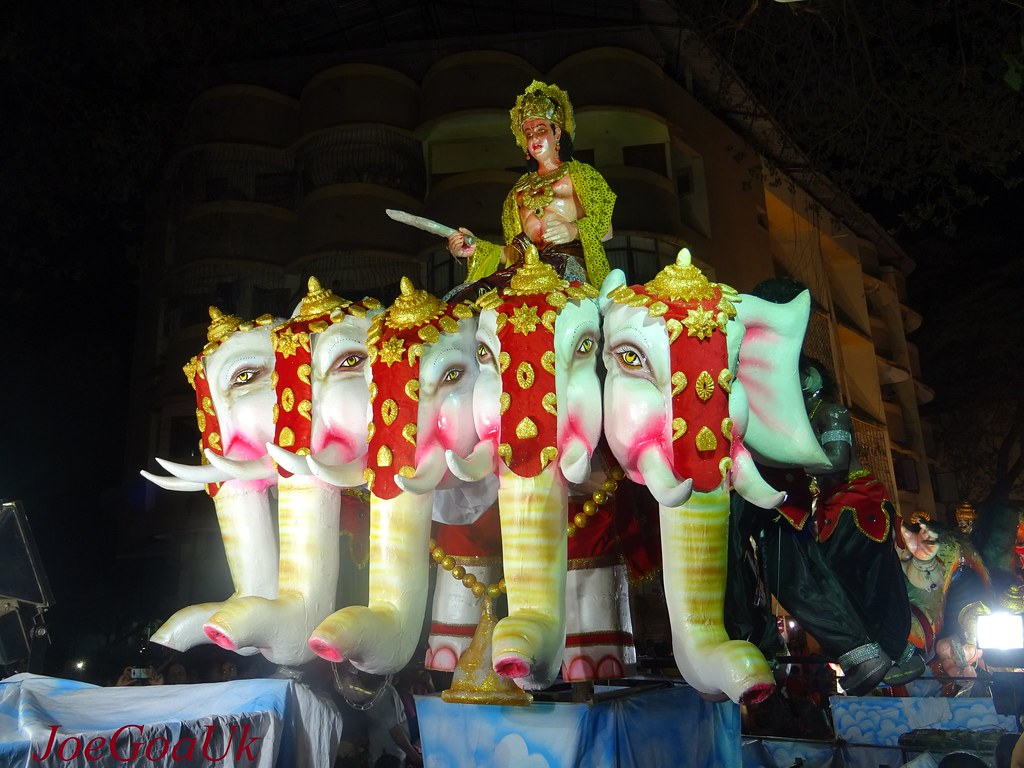
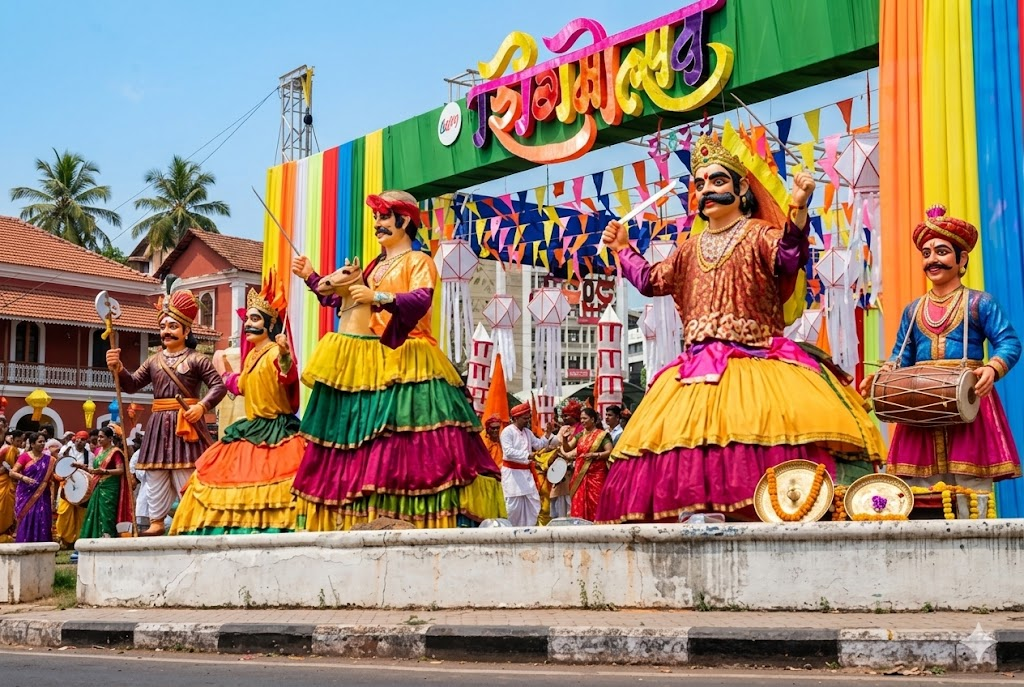
Goa’s biggest spring festival, Shigmotsav, runs from March 5 to March 18, 2026, with free float parades held every evening across 19 towns. Hundreds of folk artists perform centuries-old dances like Ghode Mhodni and Romtamel while massive Chitrarath floats depicting scenes from the Ramayana and Mahabharata roll through town centres, typically between 4:30 PM and 10 PM.
In our experience covering Goa’s festival calendar, Shigmo stands apart because it’s a travelling celebration. A different town hosts each night, so you can catch two or three parades during a single trip. That’s rare for a festival this size.
Goa welcomed 10.8 million visitors in 2025 — an all-time record — and March festivals like Shigmo are a key driver of that growth (Department of Tourism, Government of Goa, 2025). Whether you’re a first-time visitor or returning to Goa, this guide covers the full parade schedule, best viewing towns, food to try, and practical travel tips.
Shigmo 2026 (March 5-18) features free evening parades across 19 Goa towns, with the biggest celebrations in Panaji, Mapusa, Margao, and Vasco. Goa recorded 10.8 million visitors in 2025 (Goa Tourism Dept, 2025), and Shigmotsav — a 14-day harvest and warrior homecoming festival — is one of the state’s most attended cultural events. Arrive by 3:30 PM for the best viewing spots.
What Is Shigmotsav? A 14-Day Harvest and Warrior Festival
Shigmo is a 14-day spring harvest festival rooted in the Hindu Phalguna month (February-March), making it one of the oldest continuously celebrated cultural events in Goa (Wikipedia). The Konkani word shigmo traces back through Prakrit (suggimaho) to the Sanskrit sugrismaka, meaning the transition from winter to spring.
But here’s what makes it different from Holi celebrations elsewhere in India.
Shigmo doesn’t just mark spring. It commemorates the homecoming of warriors who left their villages to fight invaders. When they returned, villagers welcomed them with dances, music, and colours — traditions that evolved into the large-scale parades you see today. That warrior connection is why the Ghode Mhodni (horse dance) remains a centrepiece of every major parade.
Unlike the single-day colour-throwing of Holi, Shigmo spans 14 days and centres on structured folk performances, mythology floats, and temple rituals rather than spontaneous celebration. It’s Goa’s version of Holi, but with far more depth.
Dhakto Shigmo vs Vhadlo Shigmo
There are two forms, and knowing the difference helps you plan:
Dhakto Shigmo (“small Shigmo”) — The older, village-level celebration. Farmers and rural communities gather at local temples for rituals, folk songs like Naman and Jot, and community feasts. This begins five days before the full moon of Phalguna in the Old Conquests areas of Goa.
Vhadlo Shigmo (“big Shigmo”) — The large public parades organised by Goa Tourism in town centres. This is what most visitors come to see. It begins on the full moon of Phalguna and runs for five days in the New Conquests areas, though the overall Shigmotsav now spans all 19 towns over two weeks.
According to the Google Arts & Culture Shigmo project, Shigmo is not only a festival but a reflection of Goan identity — a platform for preserving centuries-old folk art forms like Fugdi, Goff, Talgadi, and the Lamp Dance that might otherwise fade from practice.
Why Is Shigmo Festival 2026 Worth Attending?
Goa recorded a record 10.8 million visitors in 2025, up from 10.4 million in 2024 — a 21% surge from 8.6 million just two years earlier (Travel and Tour World, 2025). Tourism now accounts for roughly 16% of the state’s GDP and 40-45% of total employment. Yet most visitors stick to beaches and nightlife. Shigmo offers something they miss entirely.
So what sets it apart?
It’s free. Every single parade across all 19 towns is a public event with no tickets required.
It moves. Unlike festivals locked to one venue, Shigmo travels — a different town hosts each evening, so you can catch multiple parades.
It’s authentic. This isn’t a tourist-facing event. Goan communities organise the troupes, build the floats, and perform the dances themselves.
It’s huge. Hundreds of artists perform each night, with floats that take weeks to construct.
Have you ever stood in a Goa town square at dusk and watched a 20-foot mythology float roll past while dhol drums shake the ground? That’s Shigmo.
The 2026 Shigmo parade schedule spans March 5 to March 18, with one major float parade each evening in a different town, organised by Goa Tourism in partnership with local cultural groups (Goa Tourism, 2026). Hundreds of artists participate nightly, performing folk dances that date back centuries.
Each parade typically starts between 4:30 PM and 6 PM and wraps up by 9-10 PM. Here’s the complete schedule:
Complete Shigmo Festival Goa 2026 Parade Schedule
Date
Location
March 5
Ponda
March 6
Calangute
March 7
Panaji
March 8
Mapusa
March 9
Mandrem / Curchorem
March 10
Bicholim
March 11
Sanquelim
March 12
Shiroda / Sanguem
March 13
Dharbandora / Cuncolim
March 14
Margao
March 15
Porvorim / Vasco
March 16
Valpoi / Curchorem
March 17
Quepem / Canacona
March 18
Pernem
Note: Due to election-related guidelines in 2026, some parades may wrap up by 10 PM. Festivities still begin in the early evening as scheduled.
Most parades are organised by Goa Tourism in collaboration with local cultural groups, with participation from hundreds of artists performing traditional Goan folk dances.
Real-Time Updates: The 2026 Panaji Shigmo float parade drew thousands of spectators as vibrant cultural troupes from across Goa took to the streets with elaborate mythological floats and colourful tableaux. The procession was flagged off by Goa Tourism Minister Rohan A. Khaunte, and featured traditional performances such as Ghode Modni, Romtamel, Fugdi, and Goff, showcasing the rich folk heritage and festive spirit of the state.
Best Places to Watch the Shigmotsav Parades in Goa
While the Shigmo Festival Goa 2026 takes place across 19 locations, some towns host larger, more elaborate parades that attract thousands of spectators. If you’re visiting Goa specifically to experience Shigmotsav, choosing the right town can make a huge difference to your festival experience.
Most visitors prefer Panaji, Mapusa, Margao, and Vasco, where the parades feature larger floats, more dance troupes, and better viewing areas.
The best places to watch Shigmo parades in Goa are Panaji, Mapusa, Margao, and Vasco, where the largest floats and cultural performances take place.
Based on the official Shigmo 2026 parade schedule from Goa Tourism Department
Panaji – The Grand Capital Parade
Panaji hosts one of the most famous Shigmo celebrations in Goa. The parade typically moves through MG Road and nearby city streets, drawing large crowds and some of the most elaborate Chitrarath floats of the festival.
Expect to see:
Large cultural troupes performing Romtamel dances
Mythology-inspired floats depicting scenes from Hindu epics
Traditional music performances with dhol and taso drums
Food stalls and festive markets along the parade route
Because the city centre offers wide roads and multiple viewing points, Panaji is considered one of the best locations for first-time visitors attending Shigmotsav.
Mapusa – The Most Energetic Local Celebration (March 8)
The Mapusa parade has a more local and energetic atmosphere, with celebrations centred around the municipal market area.
Highlights of the Mapusa celebrations include:
Colourful street performances
Folk dance groups arriving from villages across North Goa
Traditional snacks sold at roadside stalls
A festive crowd gathering around the main parade route
Many travellers combine the parade with a visit to the Mapusa Market, which is one of Goa’s most popular local markets.
Margao – South Goa’s Biggest Celebration (March 14)
If you’re staying in South Goa, the Margao parade is the most spectacular Shigmo celebration in the region.
Margao’s parade is known for:
Large floats created by local cultural groups
Family-friendly viewing areas
Vibrant folk performances
Food stalls and street vendors along the route
Because Margao is one of Goa’s largest cities, the celebrations here attract huge crowds from nearby towns and villages.
Vasco – A Growing Festival Hub (March 15)
The Vasco parade has grown significantly in popularity in recent years and now hosts some of the most energetic evening celebrations during Shigmotsav.
Visitors attending the Vasco parade can expect:
Traditional dance performances
Colourful floats passing through the city centre
Local markets and food stalls around the parade route
Music and cultural performances continue late into the evening
Its location near Dabolim Airport also makes it convenient for travellers arriving in Goa around the festival dates.
How Much Do Shigmo Parades Cost? (Entry Fees)
Every Shigmo parade across all 19 towns is completely free to attend — no tickets, no reserved seating, no booking required. The celebrations take place on public streets and town squares, and anyone can watch.
Public parade viewing: Free
Street performances: Free
Cultural shows along routes: Free
Some towns occasionally set up optional VIP viewing zones through local tourism offices, but for the vast majority of visitors, arriving early and picking a good spot is all you need.
For most visitors, simply arriving early and finding a good spot along the parade route is enough to enjoy the festival.
How Do You Get to the Parades? Travel Tips for Shigmo 2026
Because Shigmotsav parades attract large crowds, a little planning can make your experience far smoother.
Arrive early
Parades usually begin between 4:30 PM and 6 PM, but the best viewing spots fill up quickly. Arriving one to two hours earlier gives you a better chance of finding a good place along the route.
Tip: Due to election-related guidelines in 2026, some Shigmo parades may conclude by 10 PM, although festivities still begin in the early evening.
Expect road closures
Several roads near the parade routes are temporarily closed during the festival.
Typical traffic restrictions begin around 2 PM or 3 PM and remain in place until the parade ends later in the evening.
Towns where traffic diversions are common include:
Panaji
Mapusa
Margao
Vasco
If you are driving, parking in designated areas slightly outside the parade route is usually the easiest option.
Use public transport when possible
During the festival, public transport is often the easiest way to reach the parade locations.
The Kadamba Transport Corporation (KTC) runs regular bus services connecting major towns across Goa, and additional routes are often added during large cultural events.
Train stations also provide convenient access to festival locations:
Thivim – for North Goa parades such as Mapusa
Margao – for South Goa celebrations
Vasco-da-Gama – for central Goa events
From these stations, taxis or auto-rickshaws can take you to the parade routes within 15–30 minutes.
What Should You Eat at the Shigmo Festival?
Goan festival food is half the reason to show up early — stalls set up along parade routes hours before the floats arrive, and they sell out fast. Street food culture runs deep in Goa, where local cuisine blends Konkani, Portuguese, and coastal influences in ways you won’t find elsewhere in India.
Here are the must-try festival foods:
Bhaji Pao — A spicy mixed-vegetable curry served on soft bread rolls. It’s Goa’s answer to Mumbai’s pav bhaji but with its own spice profile. Filling, cheap, and everywhere during Shigmo.
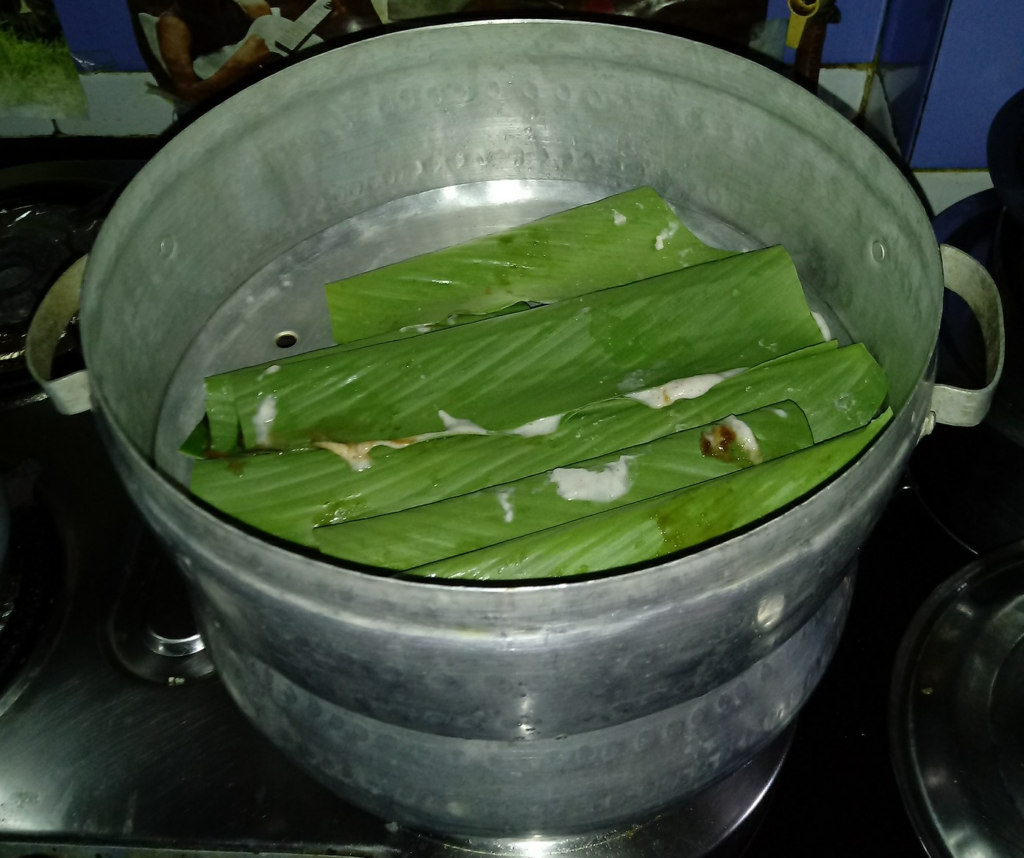
Patoleo — Steamed rice cakes filled with fresh coconut and jaggery, wrapped in turmeric leaves. This is a centuries-old Goan recipe tied to harvest celebrations. You won’t find these at restaurants outside festival season.
Kaddio Boddio — A sweet snack associated with Goan festivals. Crunchy, coconut-based, and often made in home kitchens.
Sol Kadhi — A tangy pink drink made from kokum fruit and coconut milk. It’s refreshing in the tropical heat and has digestive properties. You’ll see it at nearly every stall.
Goan fritters — Fried snacks made from local vegetables, fish, or lentils. Each stall has its own variation.
For something stronger after the parade ends, local taverns near the routes often serve feni — Goa’s famous cashew or coconut spirit. It’s an acquired taste. Try the coconut version first.
Visitors exploring the festival later in the evening may also come across local taverns serving feni, Goa’s famous cashew-based spirit.
Where to Stay During Shigmo Festival in Goa
BSince the festival spans 19 towns over two weeks, a central location gives you the flexibility to attend multiple parades without long drives between them.
Best areas to base yourself:
Panaji / Porvorim — Central location, easy access to North Goa parades (Calangute, Mapusa, Panaji, Bicholim). Porvorim itself hosts a parade on March 15.
Calangute / Candolim — Beach proximity plus quick access to the March 6 Calangute parade and nearby Panaji and Mapusa celebrations.
Margao — Ideal for South Goa parades. Walk to the March 14 Margao parade. Easy access to Vasco (March 15) and Cuncolim (March 13).
Book accommodation early — demand rises noticeably during the first two weeks of March. From what we’ve seen, properties within 5 km of Panaji or Margao fill up fastest.
Why Shigmo Festival Is One of Goa’s Most Unique Cultural Experiences
Unlike many festivals that take place in a single location, Shigmotsav moves across towns and villages throughout the state. This travelling celebration allows visitors to experience different styles of Goan cultural traditions in multiple locations.
From grand city parades to smaller village celebrations, the festival offers a rare opportunity to witness authentic Goan folk traditions, mythology, music, and food culture in one place.
For travellers visiting Goa in March, attending at least one Shigmo parade is one of the most memorable cultural experiences the state has to offer.
How to Plan Your Shigmo Trip: 2-Day and 3-Day Itineraries
If you’re visiting during the Shigmo Festival Goa 2026, the best way to enjoy the celebrations is to plan your trip around the parade schedule across different towns. Since the festival moves across Goa over several days, travellers can attend multiple parades while also exploring beaches, markets and heritage neighbourhoods.
Below are simple itineraries that help you experience both the cultural side of Shigmotsav and Goa’s popular attractions.
2-Day Shigmo Festival Itinerary
This short itinerary works well for travellers visiting Goa for a quick weekend during the festival.
Day 1 – North Goa Parade Experience
Morning
Start your day by exploring some of North Goa’s most famous spots.
Recommended places to visit:
Baga Beach
Calangute Beach
Fort Aguada
You can also explore nearby cafés and beach shacks before heading toward the parade location.
Afternoon
Head toward the parade town around 3:30 PM or 4 PM to avoid traffic and secure a good viewing spot.
For example:
Calangute parade (6 March)
Panaji parade (7 March)
Once the celebrations begin, you’ll see colourful floats, folk dance troupes and traditional music performances moving through the main streets.
Evening
After the parade ends, explore nearby restaurants or walk through Panaji’s Fontainhas Latin Quarter, which looks particularly beautiful in the evening.
Day 2 – Culture and South Goa Parade
Morning
Visit one of Goa’s historic landmarks before the day’s parade.
Popular options include:
Basilica of Bom Jesus in Old Goa
Se Cathedral
Dudhsagar Falls day trip
Afternoon
Travel toward the parade location early to avoid road closures.
Popular parade locations include:
Margao (14 March)
Vasco (15 March)
The Margao celebrations are particularly famous for their large floats and vibrant performances.
Evening
Wrap up the day with dinner at one of South Goa’s restaurants or explore local markets near the parade route.
3-Day Shigmo Festival Goa Travel Plan
If you have a little more time, a three-day itinerary allows you to experience multiple Shigmo parades and different parts of Goa.
Day 1 – Beaches and the Calangute Parade
Spend your first day relaxing along North Goa’s coastline.
Suggested activities:
Morning at Baga or Candolim Beach
Lunch at a beach shack
Explore Fort Aguada
In the evening, attend the Calangute Shigmo parade, where floats and dance groups move through the town centre.
Day 2 – Heritage Walk and Panaji Parade
Start the day exploring Panaji’s heritage areas.
Recommended experiences:
Walk through Fontainhas
Visit local art galleries
Explore Panaji markets
By late afternoon, head to MG Road, where the Panaji parade is one of the most spectacular events of the festival.
Expect:
Large Chitrarath floats
Folk dance performances
Colourful street celebrations
Day 3 – South Goa Cultural Experience
On your final day, head toward South Goa.
You can visit:
Colva Beach
Benaulim Beach
Local markets in Margao
In the evening, attend the Margao Shigmo parade, one of the largest celebrations in the region.
This parade often features some of the most elaborate floats and performances of the entire festival.
Practical Tips for Planning Your Shigmo Festival Trip
If you’re travelling to Goa specifically for Shigmotsav, these tips can help make your trip smoother.
Book accommodation early
Since the festival attracts both domestic and international visitors, accommodation demand increases during early March.
Choosing a stay near Panaji or North Goa can make it easier to reach multiple parade locations.
Avoid driving into parade zones
Road closures and traffic diversions are common during Shigmo celebrations. Using taxis, buses, or auto-rickshaws is often more convenient than driving.
Parades usually start between 4:30 PM – 6 PM and continue until 9–10 PM depending on crowds and performances.
Try local festival food
Street stalls near parade routes often serve traditional Goan snacks and refreshing drinks such as Sol Kadhi, which is popular during festival evenings.
Explore village celebrations too
While the large parades attract most visitors, the smaller village Shigmo celebrations offer a more traditional cultural experience with temple rituals and folk dances.
FAQs About Shigmo Festival Goa 2026
When is the Shigmo Festival celebrated in Goa in 2026?
The Shigmo Festival runs from March 5 to March 18, 2026, with float parades held in a different town each evening across 19 locations. The festival follows the Hindu Phalguna month calendar and lasts 14 days (Wikipedia).
Where are the best places to watch Shigmo parades?
The four largest parades are in Panaji (March 7), Mapusa (March 8), Margao (March 14), and Vasco (March 15). Panaji’s MG Road parade is the most famous, with the biggest Chitrarath floats and most cultural troupes. Margao is the top choice in South Goa.
Are Shigmo festival parades free to attend?
Yes. Most Shigmo parades are free public events, allowing visitors to watch the performances along the parade routes without purchasing tickets.
What time do Shigmo parades start?
Parades usually begin between 4:30 PM and 6 PM and continue until around 9 PM or 10 PM, depending on the town and number of performances.
What are the main highlights of the Shigmo festival?
Some of the biggest highlights of Shigmotsav include: Chitrarath float parades Traditional folk dances such as Ghode Mhodni Romtamel cultural troupes Street food stalls and local drinks Temple rituals and community celebrations
How is Shigmo different from Holi?
While both celebrate spring, Shigmo is a 14-day structured cultural festival centred on folk dances, mythology floats, and temple rituals, while Holi is primarily a single-day colour-throwing celebration. Shigmo also commemorates the homecoming of warriors and features organised public parades rather than spontaneous play (Google Arts & Culture).
How many artists perform in Shigmo parades?
Each evening parade features hundreds of folk artists from cultural groups across Goa, performing dances like Fugdi, Goff, Talgadi, and the Lamp Dance. The parades are organised by Goa Tourism in collaboration with local cultural organisations (Goa Tourism Dept).
Whether you attend the grand parades in Panaji and Margao or discover smaller celebrations in villages across the state, Shigmotsav offers a memorable glimpse into Goa’s rich cultural identity.
If you’re planning a trip to Goa in March, aligning your travel dates with the Shigmo parade schedule is one of the best ways to experience the festival at its most vibrant.
They may say that I talk too much, but hey, that’s the extrovert life (think Hermione trying to explain Hogwarts History to fellow witches and wizards). When I’m not chatting travel dreams into existence, I’m brewing up blog adventures for StayVista. With chai in one hand and wanderlust in my heart; travelling and shaping vacation concepts into great itineraries is something that thrills me. Writing a perfectly planned getaway for someone? It’s like sharing a delicious box of Bertie Bott’s Every-Flavour Beans – you never know what reaction you’ll get (but hopefully, mostly happy surprises!). So, buckle up fellow explorers, and grab your broomsticks – because we’re off to explore somewhere incredible with every post!