
Shimla in Snow 2026: Kufri, Narkanda & Crowd-Free Snow Spots Near Shimla (Realtime Updates)
In this Blog
Is There Snow in Shimla Right Now? Quick Answer
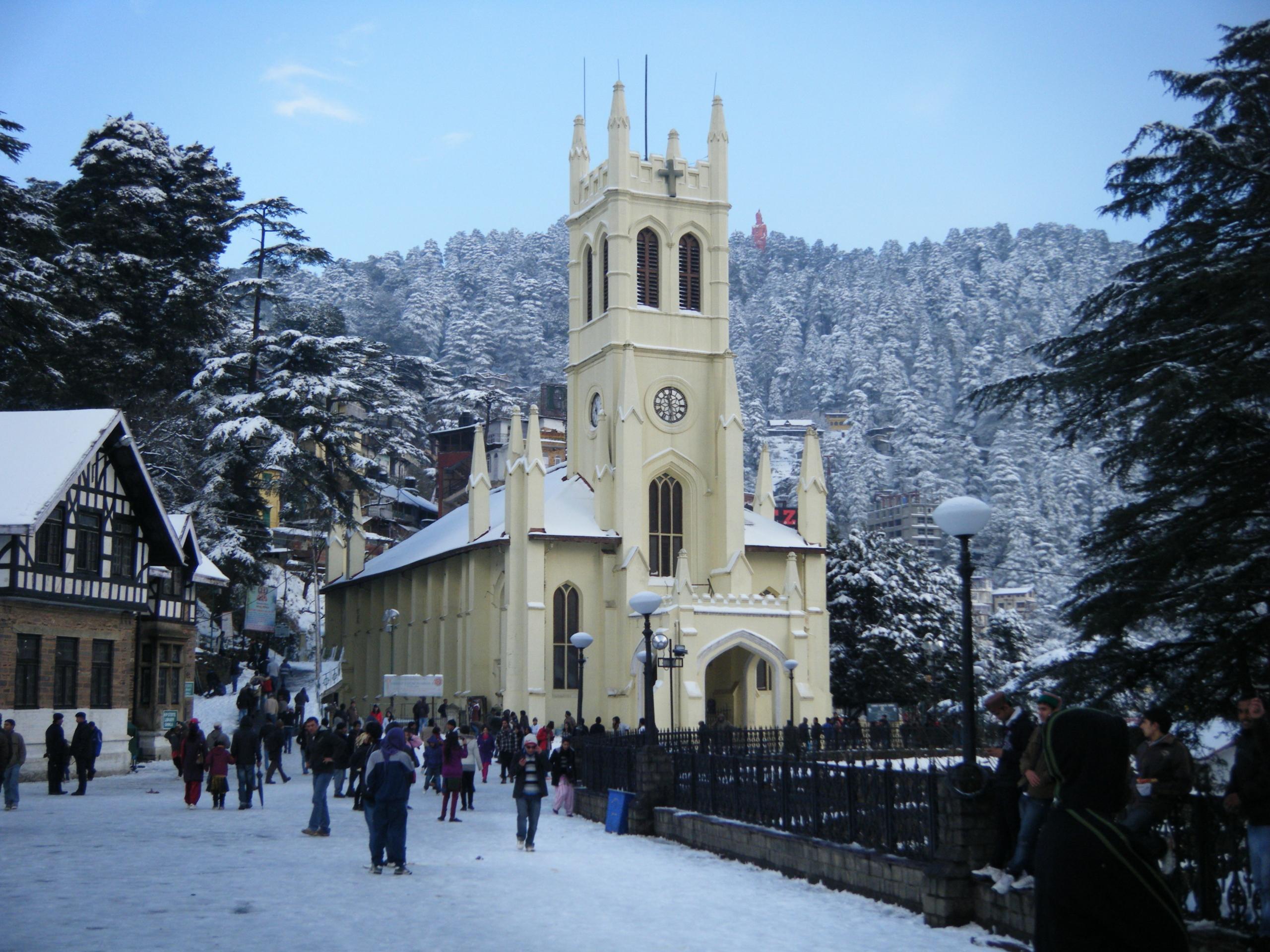
Yes — Shimla is currently seeing snowfall as of 27 January 2026, with intermittent rain in the lower parts of the town and heavier snowfall in nearby higher-altitude areas such as Kufri, Narkanda, and Fagu. January remains the most reliable month to experience snow near Shimla, though road conditions and access can change during active weather systems.
Planning more snow destinations in India? Explore our comprehensive guide: “7 Best Places for Snowfall in India“. Also consider Manali, Gulmarg, Auli, and other top winter destinations in North India.
Before you plan anything: understand what “Shimla snow” actually means
One of the biggest reasons people feel disappointed after a winter trip to Shimla is expectation mismatch.
They arrive on Mall Road, see rain instead of snow, and assume the internet lied. It didn’t. What’s happening is far more normal — and far more predictable — than it looks.
Shimla town sits at a lower elevation than many people realise. During most January snow systems:
- Shimla town often gets rain, sleet, or very light snowfall
- Higher areas 30–60 minutes away, quietly receive proper snow accumulation
So when people search “is it snowing in Shimla right now”, what they’re really asking is:
“Will I see snow if I come?”
The honest answer is: yes, if you go to the right places and at the right time of day.
What’s happening right now (27 January 2026 update on Shimla in Snow)
As of today, Shimla district is under an active western disturbance.
What travellers should realistically expect:
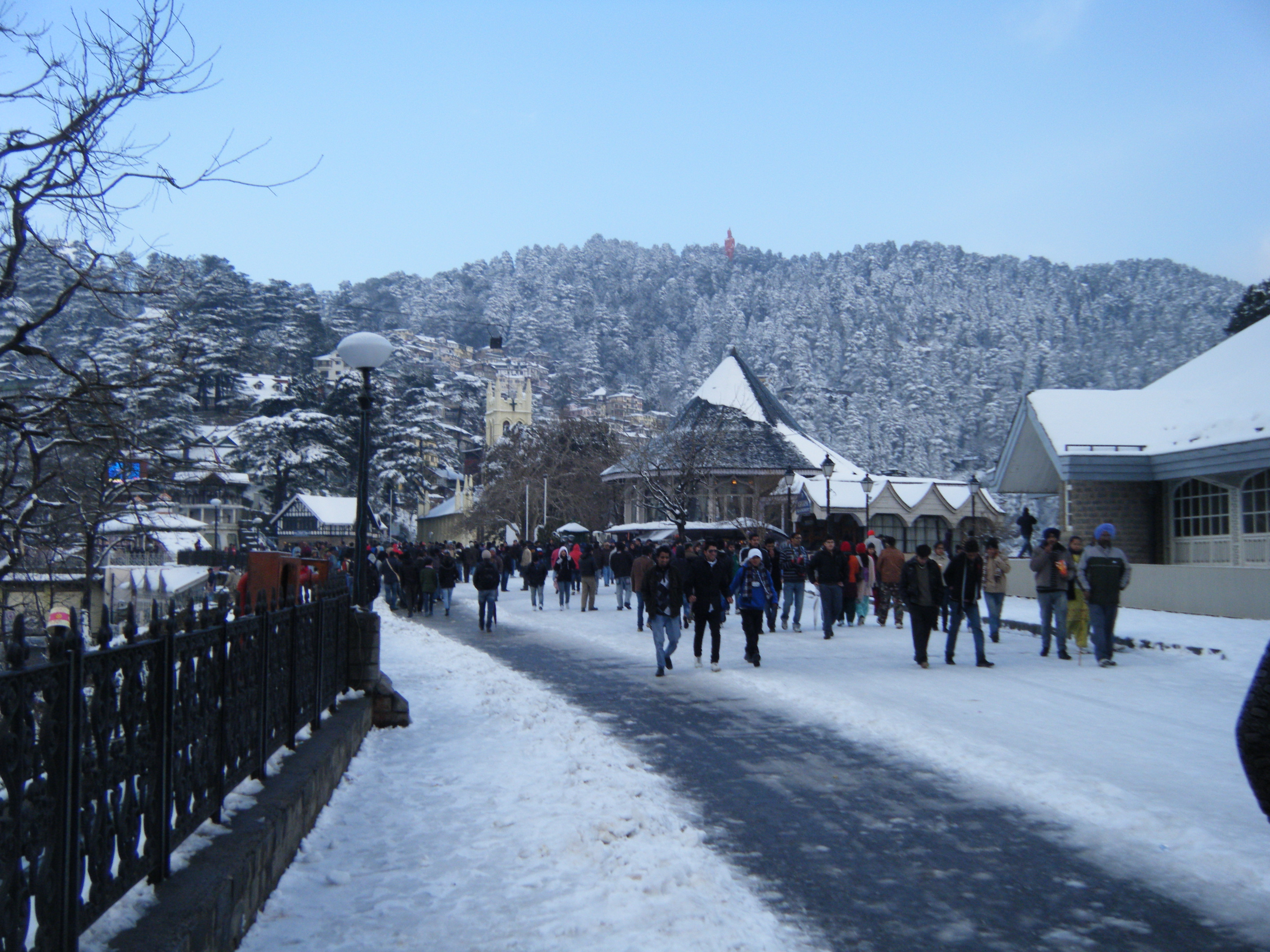
- Light snowfall or cold rain in central Shimla
- Proper snowfall and visible snow cover in Kufri, Narkanda, Fagu, and the surrounding high reaches
- Temporary road slowdowns, slush after snowfall, and occasional short closures
This rain-plus-snow pattern is common in January and is actually a good sign — it means higher areas are receiving fresh snow.
If you’re travelling in the next 48–72 hours, flexibility matters more than rigid planning.
When does Shimla usually get snowfall?
This is one of the most searched questions — and the answer matters more than people think.
Typical snowfall window near Shimla:
- Late December: inconsistent, hit or miss
- January: peak snowfall month (most reliable)
- Early February: occasional spells, mostly at higher altitudes
Important reality check:
- It does not snow every day in January
- Snowfall depends on weather systems, not dates
- Clear sunny days between storms are normal
If your goal is to experience snow, mid-January to early February gives you the best odds.
Best places to see snow in and around Shimla (that actually match different traveller types)
Kufri — easiest snow access, maximum crowd
Kufri is the most searched snow point near Shimla — and also the most crowded.
Why do people go:
- Close to Shimla (about 16 km)
- Snowfall happens quickly during active systems
- Snow play and activities are organised
Kufri works best if:
- This is your first snow trip
- You’re travelling with family or kids
- You have limited time
What people don’t tell you:
- Traffic builds up fast after snowfall
- Midday crowds can kill the mood
Go early morning or late afternoon if you want to enjoy Kufri without frustration.
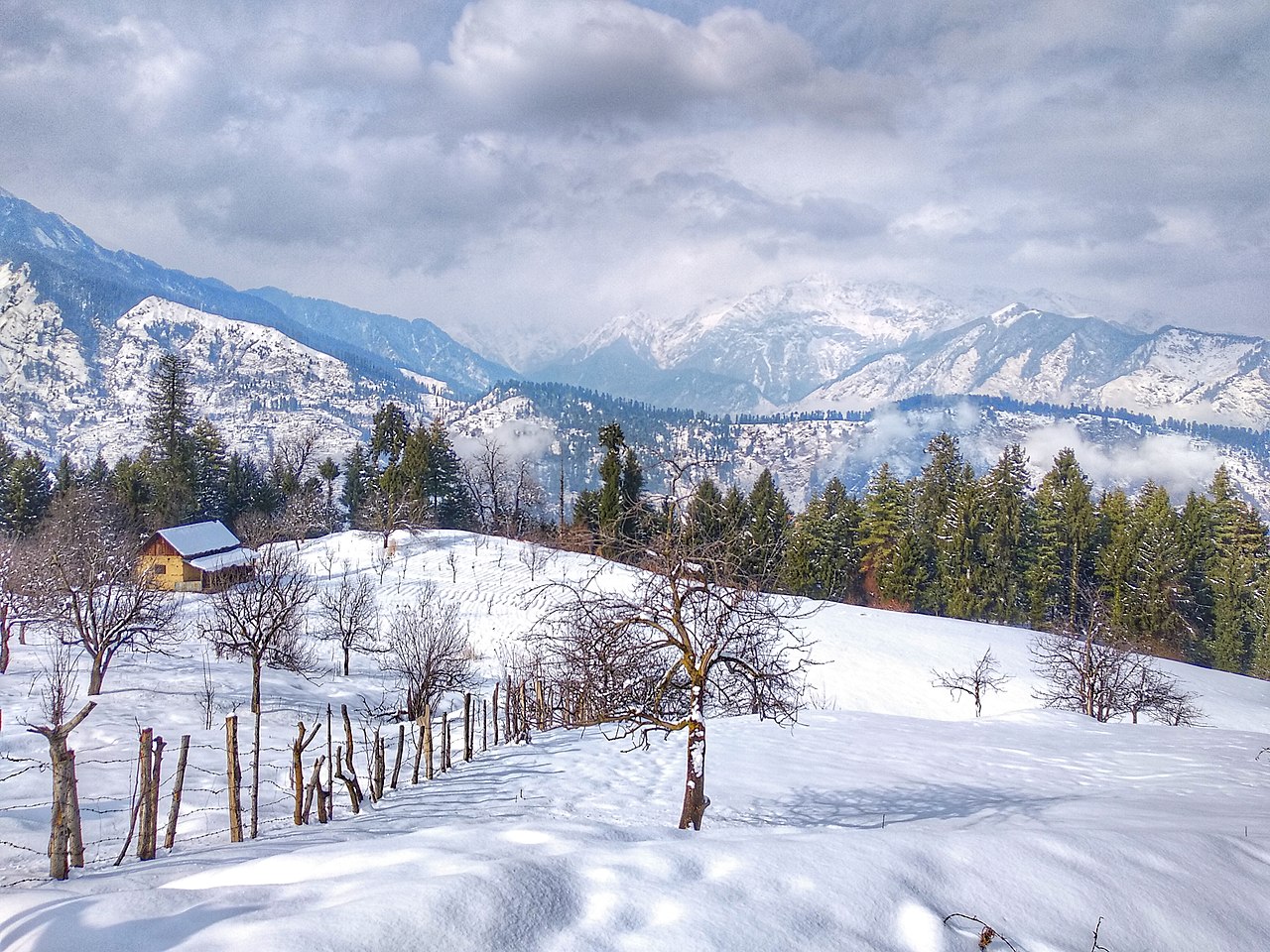
Narkanda — where snow actually feels like winter
If someone asked, “What’s the best place to see snow near Shimla?” — the honest answer, most years, is Narkanda.
Why Narkanda is better balanced:
- Higher altitude than Shimla and Kufri
- Snow stays on the ground longer
- Open landscapes instead of narrow slopes
Narkanda snowfall is ideal for:
- Quiet snow walks
- Snow photography
- Beginner skiing during peak winter
It’s about an hour and a half from Shimla, which filters out casual crowds — and that alone changes the experience.
Also Read: Things to Do in Narkanda – Complete Weather & Snowfall Guide Near Shimla
Mashobra & Fagu — snow without noise
Mashobra and Fagu rarely trend, but they quietly deliver one of the most pleasant snow experiences near Shimla.
What makes them special:
- Forest roads and deodar trees
- Softer, scenic snowfall
- Fewer day tourists
If your idea of snow is:
- Silence
- Hot tea in a cottage
- Walking instead of queuing
These are the places you’ll enjoy the most.
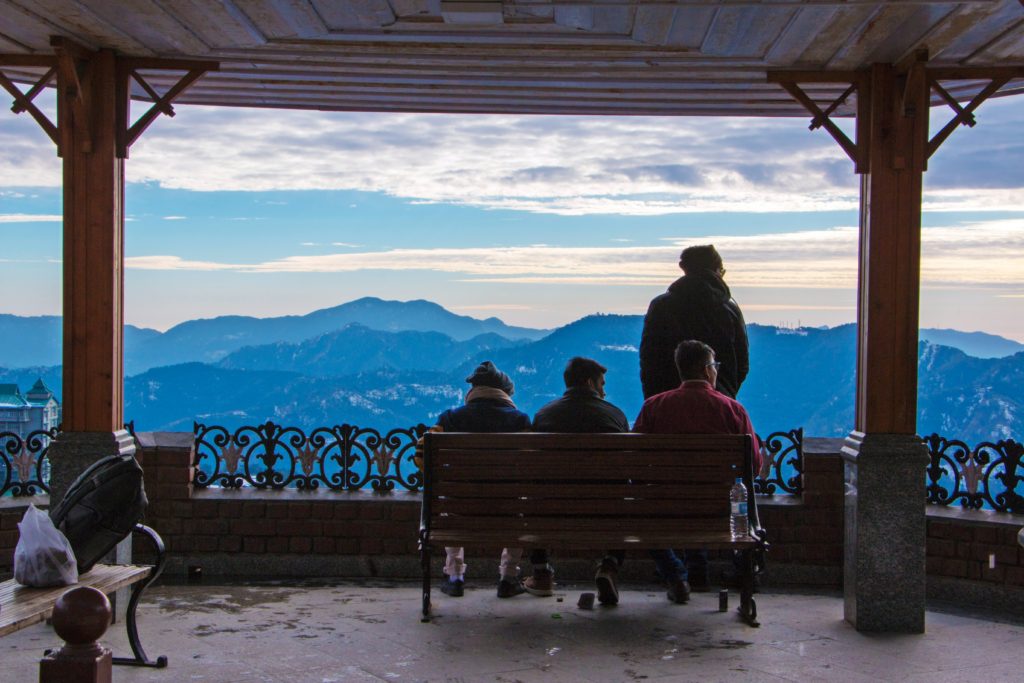
Mall Road & The Ridge — snow, but briefly
Yes, it snows on Mall Road. When it does, it’s magical.
But here’s the truth:
- Snowfall here is light
- It melts quickly
- It’s more about atmosphere than accumulation
Mall Road snow is perfect for:
- First-time visitors
- People staying centrally
- Short snow moments
If you want snow that stays, you’ll still need to step outside the city.
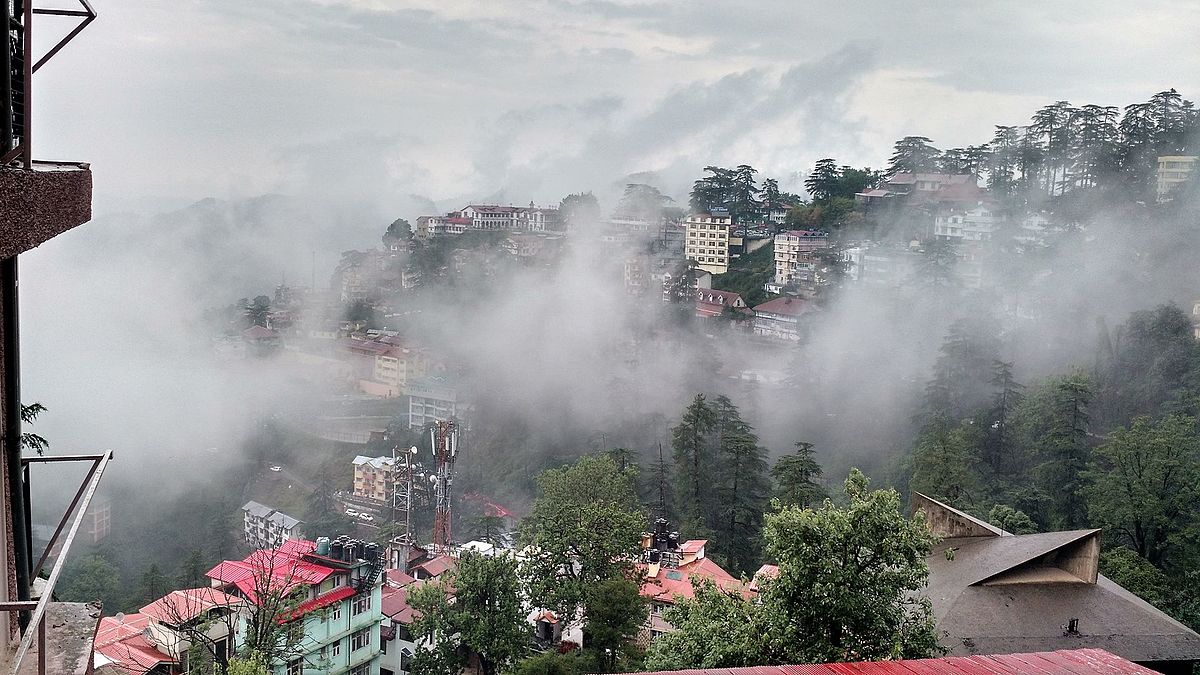
Crowd-free & offbeat snow spots near Shimla (where locals quietly go)
If Kufri feels overwhelming — and for many people it does — you’re not alone. The moment snow falls, Kufri becomes the default destination for buses, taxis, families, and first-time visitors. That doesn’t make it bad, but it does mean you’re sharing the snow with everyone else.
This is why locals and repeat travellers quietly go elsewhere.
Kharapathar — wide, open snow without the noise
Located beyond Theog, Kharapathar is one of the most underrated snow regions near Shimla.
What makes it different:
- Snow doesn’t sit on narrow slopes — it spreads across open meadows
- There are no organised snow parks, which keeps crowds away
- Snowfall here is often heavier and more evenly spread during peak January
This is the kind of place where:
- You hear the crunch of snow under your shoes
- Kids play freely without barricades
- Photographers don’t have strangers walking into every frame
It’s ideal if you’re travelling with patience and daylight, not a packed schedule.
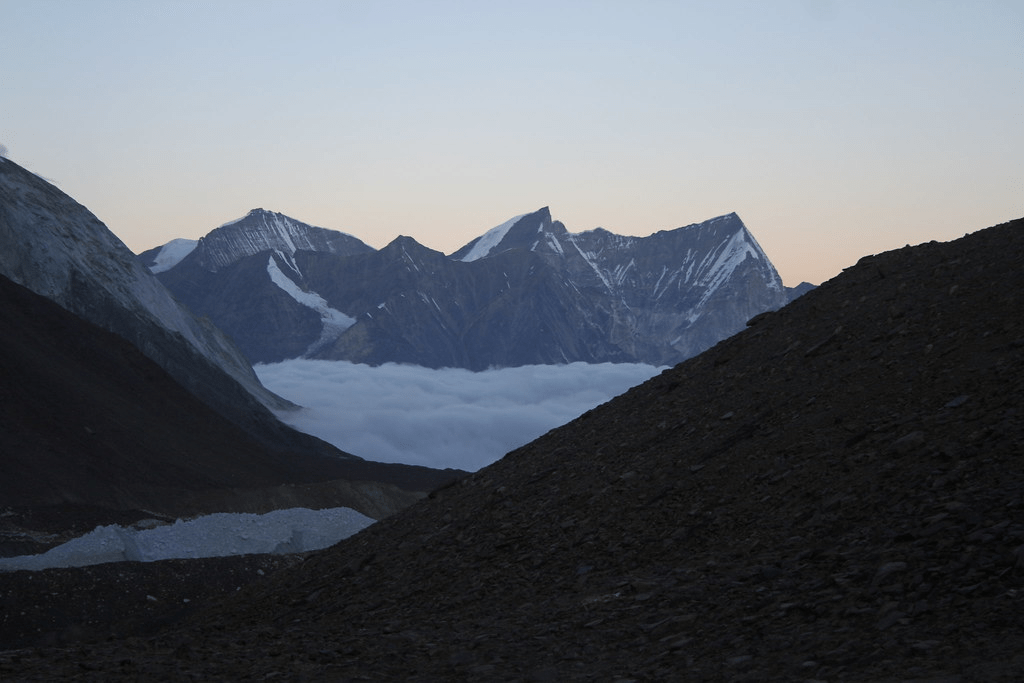
Kotgarh & the apple belt villages — slow, quiet winter landscapes
Kotgarh isn’t a “snow point” in the tourist sense — and that’s exactly the appeal.
This apple-growing belt near Narkanda turns into a storybook winter scene:
- Snow-covered orchard roads
- Wooden homes with smoke rising from chimneys
- Villagers are going about their winter routines
There’s no ticket counter. No queue. No rush.
Snow here feels lived-in, not staged — and for many travellers, that becomes the most memorable part of the trip.
If you’re staying in or around Narkanda, taking a morning drive through Kotgarh after snowfall is far more satisfying than fighting traffic in Kufri.
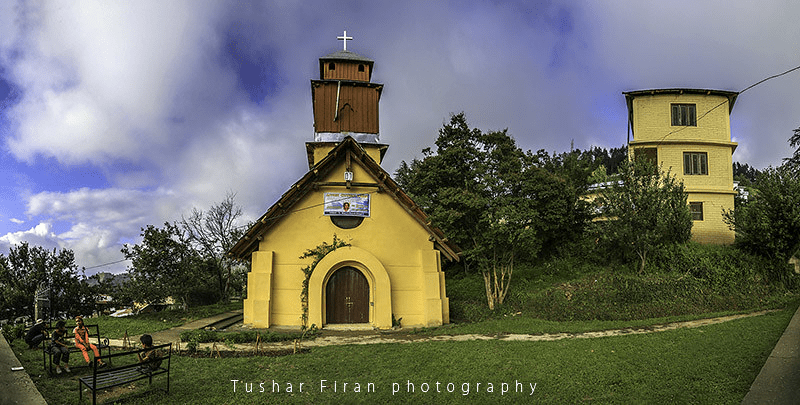
Picture Credits: Flickr
Rohru & Pabbar Valley side — for travellers who want distance from crowds
Further east, the Rohru and Pabbar Valley stretches receive heavy snowfall during strong western disturbances.
Why people who go here don’t post much about it:
- It’s quieter than most winter destinations
- Facilities are basic compared to Shimla
- Roads feel long and empty
But that’s the reward.
This region is best suited for:
- Couples who want privacy
- Landscape photographers
- Travellers who enjoy long winter drives
It’s not ideal for rushed weekenders — but if you have an extra day, it offers one of the most peaceful snow experiences near Shimla.
Mashobra village lanes & forest clearings — small detours, big payoff
Even within Mashobra, the difference lies in not sticking to the main road.
Ask your host or a local driver about:
- Village lanes just off the highway
- Forest clearings used by locals
- Early-morning walking routes
These spots often hold untouched snow long after popular roads are trampled.
For couples, solo travellers, or anyone wanting a gentle snow experience, these small detours often matter more than big destinations.
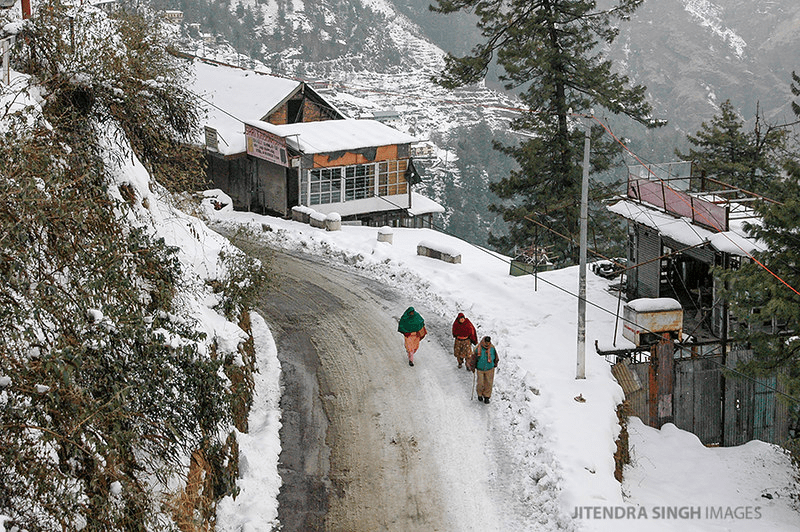
Picture Credits: Flickr
A realistic note on offbeat snow travel
Going offbeat doesn’t mean going reckless.
Keep in mind:
- Road clearance may take longer after snowfall
- Local taxis or 4×4 vehicles are safer than self-driving ones
- Mobile networks can be patchy
But with basic planning and daylight travel, these regions are no more dangerous than Kufri — just quieter.
Shimla weekend trip from Delhi — what actually works in winter
Most readers don’t want a perfect itinerary.
They want one that won’t stress them out.
Delhi to Shimla distance & timing
- Distance: ~340–360 km
- Travel time: 7–9 hours (longer in snow)
Best winter options:
- Overnight Volvo buses
- Train/flight to Chandigarh + drive
- Self-drive only if conditions are clear
Overnight travel saves energy and daylight.
Realistic 2-day Shimla winter itinerary
Day 1:
Early arrival → hotel check-in → Kufri or Mashobra → Mall Road evening
Day 2:
Early start → Narkanda or Kotgarh → return
Trying to do too much in the snow usually backfires. Fewer places = better experience.
Shimla from Chandigarh — much easier
From Chandigarh:
- Distance: ~110–120 km
- Travel time: 3–4 hours
This makes Shimla an easy winter getaway, even with unpredictable weather.
Where to stay in Shimla for snow (this matters more than you think)
Always confirm heating, power backup, and road access in winter.
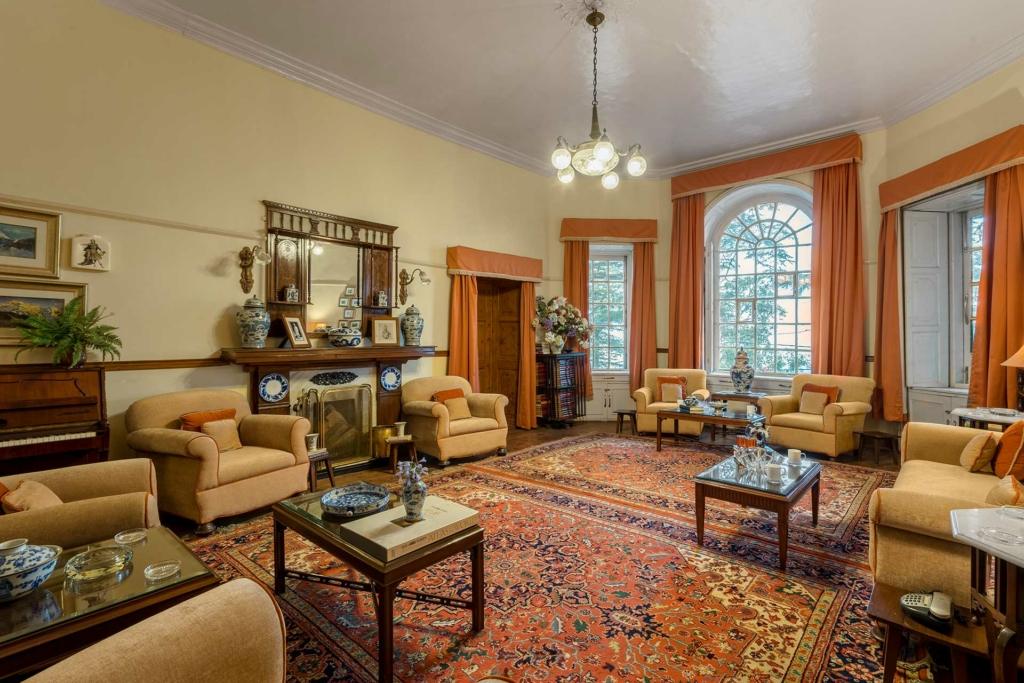
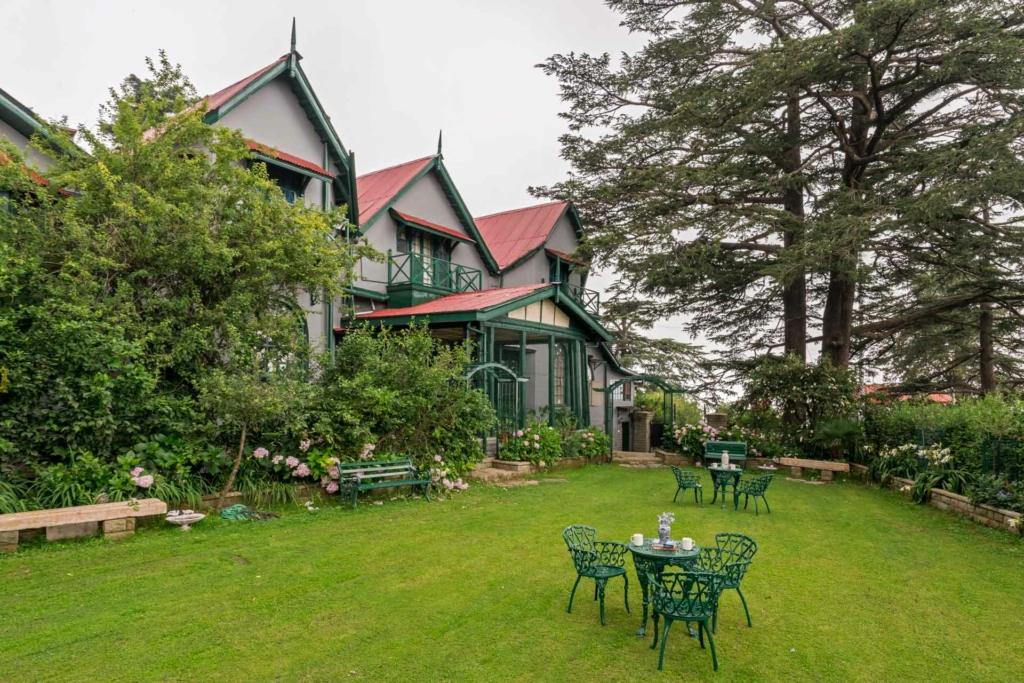
Stays in Shimla:

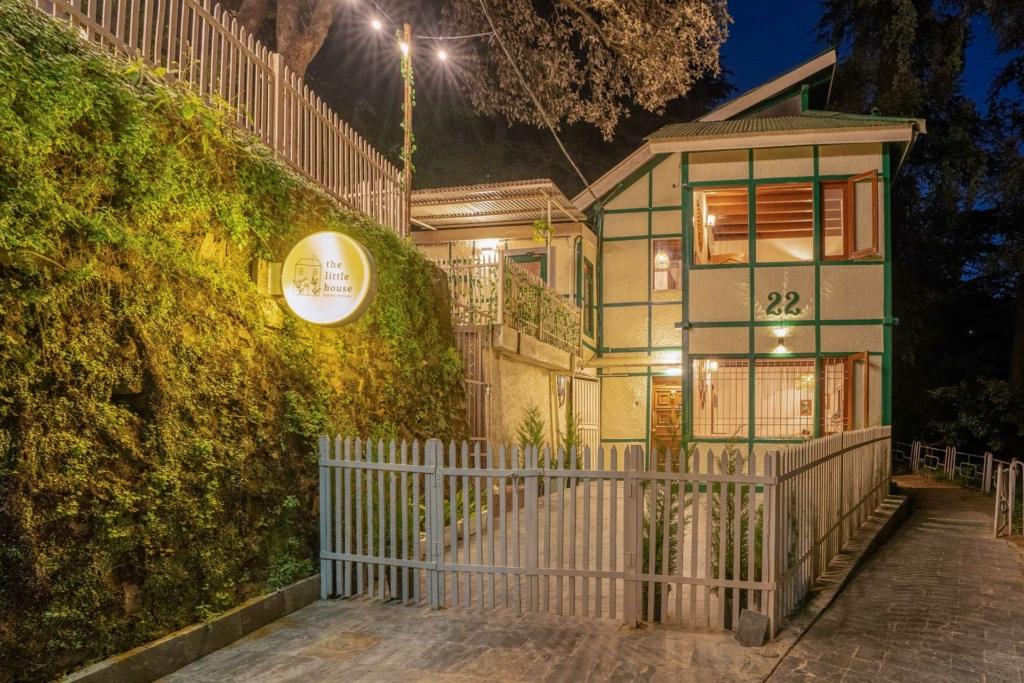
Stays near Shimla Mall Road / Ridge: convenience and safety
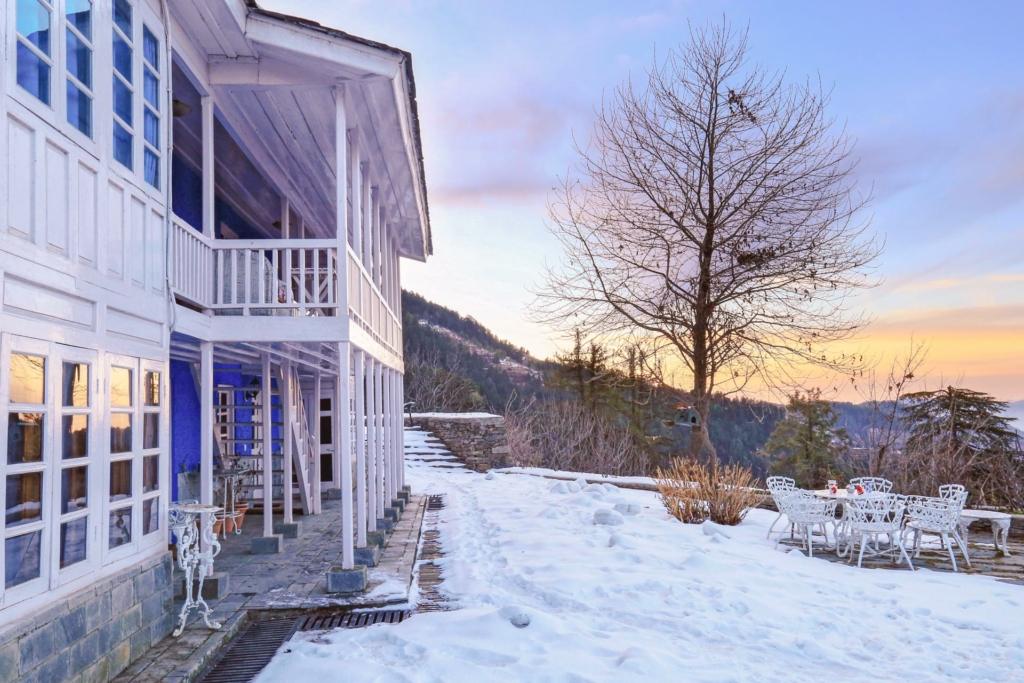
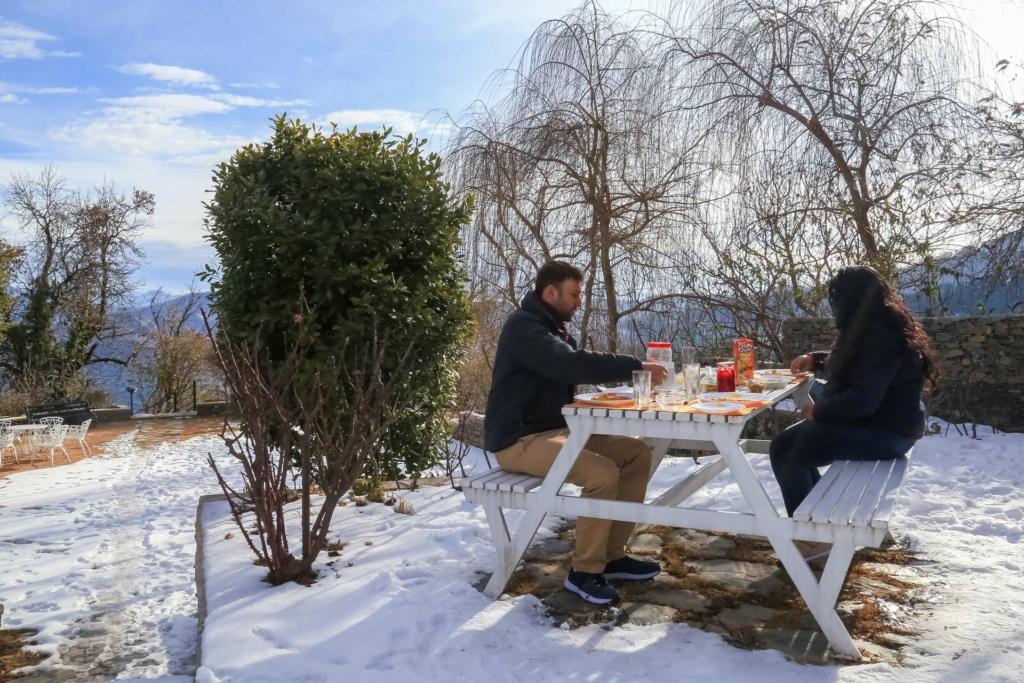
Stays in Mashobra / Kufri: views and calm
Snow activities — realistic expectations
Shimla isn’t about extreme adventure.
What it does well:
- Snow play in Kufri
- Beginner skiing in Narkanda
- Forest walks and photography
- Café hopping during snowfall
The charm is slow, atmospheric, and comforting.
People Also Ask About Shimla In Snow
Yes. As of 27 January 2026, Shimla district is experiencing snowfall in higher areas and rain or sleet in lower parts of the town.
Kufri is easier and more crowded; Narkanda offers deeper, longer-lasting snow with fewer people.
Yes. January is historically the most reliable month for snowfall near Shimla.
Yes. As of 27 January 2026, Kufri is covered in fresh snow, especially during and immediately after active snowfall spells. Kufri sits at a higher altitude than Shimla town, so it receives heavier and more consistent snow, often even when Shimla is seeing rain or sleet.
No. Snowfall depends on weather systems. Clear days between snow spells are common.
Kufri is colder than Shimla. Kufri sits at a higher altitude (about 2,600 m) compared to Shimla town (around 2,200 m), which means lower temperatures, more frequent snowfall, and longer-lasting snow cover—especially in January and early February.
Among offbeat locations, Kharapathar and Narkanda’s surrounding villages usually receive heavier and longer-lasting snowfall due to higher altitude and open terrain, especially during January snow spells.
Final takeaway
Shimla in snow works when you understand where to go, what to expect, and what to ignore.
Don’t chase Instagram promises.
Chase elevation, timing, and calm.
Do that — and Shimla in winter still delivers something many places don’t: an easy, human introduction to snow that doesn’t demand suffering for beauty.
Planning more snow destinations in India? Explore our comprehensive guide: “7 Best Places for Snowfall in India“. Also consider Manali, Gulmarg, Auli, and other top winter destinations in North India.