
Spiti Valley Travel Guide 2026 | Best Time, Places, Itinerary & Tips
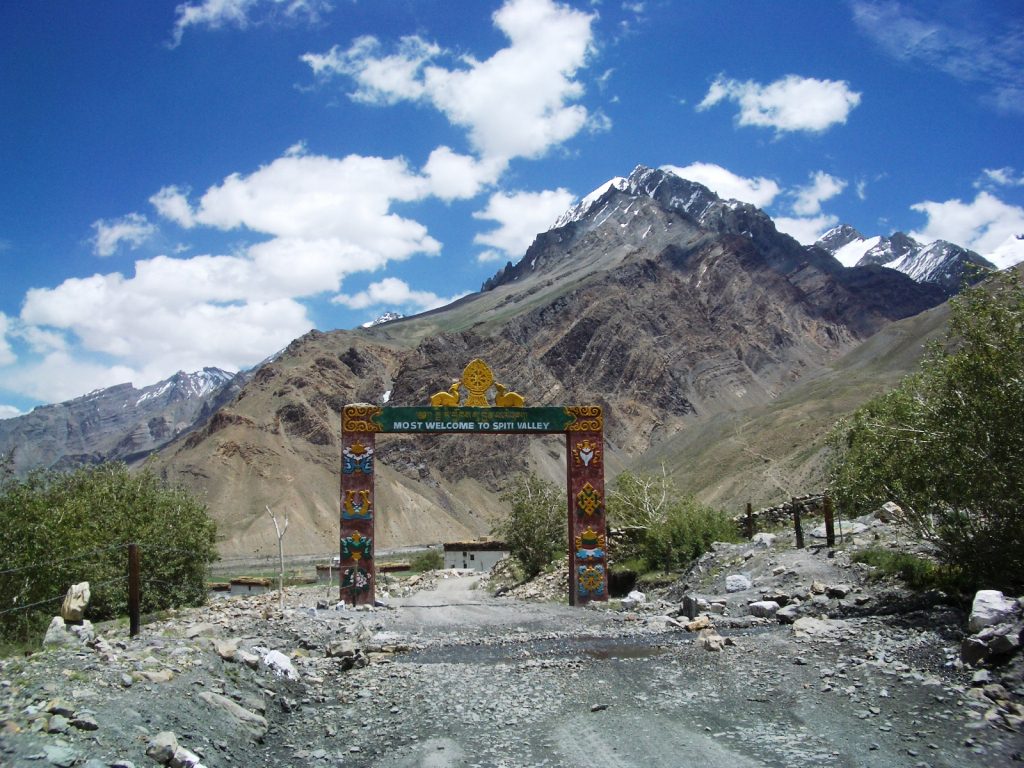
Quick answer: The best time to visit Spiti Valley is June to October, when roads are fully open from both Manali (via Atal Tunnel) and Shimla (via Kinnaur). The Shimla route stays accessible from April onwards. Plan at least 7 days for a full circuit.
In this Blog
What Makes Spiti Valley Worth the Journey?
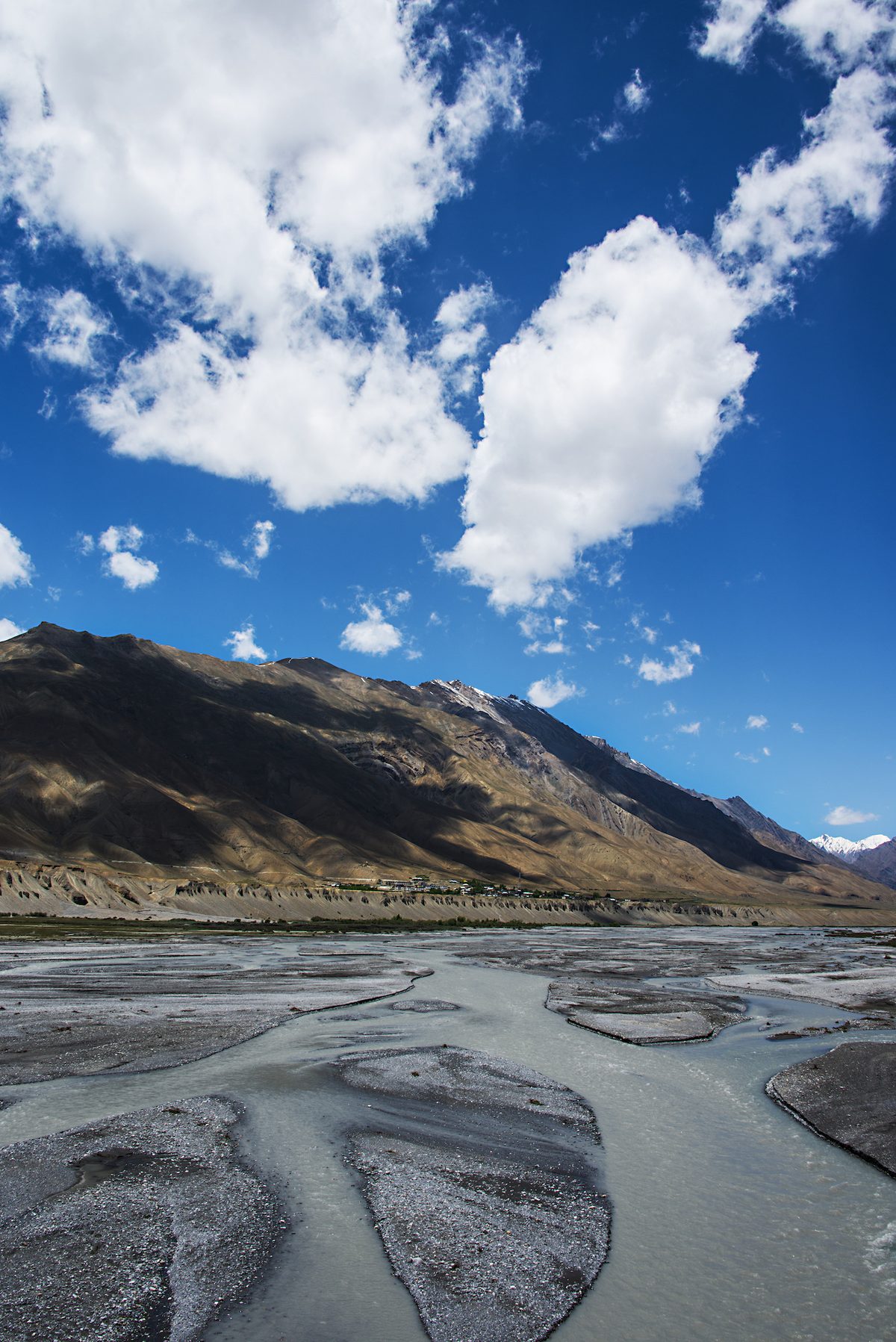
Spiti Valley is one of India’s last great wildernesses — a cold desert mountain valley sitting at an average elevation of 3,800 metres in the trans-Himalayan region of Himachal Pradesh. Known as the “Middle Land” between India and Tibet, it offers something genuinely rare: a landscape where ancient Buddhist monasteries perch on cliffs above river valleys, where villages sit higher than most Himalayan peaks elsewhere in the world, and where the night sky is so dark you can see the Milky Way with the naked eye.
Unlike most Himalayan destinations, Spiti is not polished for mass tourism. Roads are rough. Mobile connectivity is limited to BSNL. The air is thin. But that is precisely why it draws a growing number of travellers each year — and why this guide is structured to help you plan a trip that is genuinely prepared, not just inspired.
If you’re looking for a private stay with mountain views before or after your Spiti circuit, StayVista has curated properties in Manali, Kasauli, and Shimla that make ideal base camps. More on that below.
Best Time to Visit Spiti Valley in 2026
Spiti is a seasonal destination — the timing of your visit determines which roads are open, what you can see, and how difficult the trip will be.
| Season | Months | Temperature | Road Status | Best For |
|---|---|---|---|---|
| Spring Opening | April–May | -5°C to 15°C | Shimla route open; Manali route closed | No crowds, snow-capped peaks, Shimla entry only |
| Peak Summer | June–August | 10°C to 25°C | Both routes open (Kunzum Pass: mid-June) | Full circuit, Chandratal camping, all villages accessible |
| Golden Season | September–October | 0°C to 18°C | Both routes open; Manali route closes Oct/Nov | Clearest skies, harvest season, best photography |
| Winter | November–March | -15°C to -30°C | Mostly closed; Shimla route partially accessible | Snow leopard sightings, extreme adventure only |
Our recommendation for 2026: September and October are the sweet spot. The monsoon has cleared, skies are crystalline, temperatures are comfortable for trekking, and the valley turns golden-brown before the first snowfall.
Visiting in April 2026? Only the Shimla–Kinnaur–Kaza route is accessible. Kunzum Pass and the Manali route are still snow-bound. Expect cold nights (down to -5°C) and possible road closures around Nako and Tabo. Doable but requires flexibility and an extra buffer day.
How to Reach Spiti Valley

Route 1 — Via Shimla (Year-round; recommended April–May)
Delhi → Shimla → Rampur → Reckong Peo → Nako → Tabo → Kaza
Distance from Delhi: ~680 km | Time: 2–3 days with overnight stops
The safer, more scenic, and better acclimatisation route. Follows NH5 (Hindustan-Tibet Highway) through the Kinnaur Valley with no high mountain pass — gradual altitude gain reduces the risk of altitude sickness. Recommended stops: Rampur Bushahr (Day 1), Reckong Peo / Kalpa for views of Kinner Kailash (Day 2), Nako and Tabo (Day 3).
Route 2 — Via Manali (Open June–October)
Delhi → Manali → Atal Tunnel → Gramphu → Kunzum Pass (4,590m) → Kaza
Manali to Kaza: ~200 km | Time: 7–9 hours
The Atal Tunnel (opened 2020) bypasses Rohtang Pass and dramatically reduces driving time. After the tunnel, the road winds through the Chandra Valley before the steep climb to Kunzum Pass. Kunzum Pass typically opens mid-June and closes late October. Check road status at hplahaulspiti.nic.in before you go.
Nearest airport: Bhuntar (Kullu-Manali), 245 km from Kaza. Daily flights from Delhi (~1 hour). Nearest railway station: Shimla (412 km) or Chandigarh (580 km).
Top 12 Places to Visit in Spiti Valley
1. Key Monastery (Ki Gompa)
The most iconic image of Spiti — a 1,000-year-old monastery stacked on a 4,166m hilltop above the Spiti River. Home to around 300 monks, filled with ancient thangkas, weapons, and scriptures. The largest gompa in the valley and a must-visit on any Spiti trip.

- Entry fee: Free (donations welcome)
- Timings: 6:00 AM – 6:00 PM | Morning prayers open to visitors
- Best time: Early morning; July for Key Festival
- Distance from Kaza: 14 km
- Pro tip: Climb to the rooftop terrace for 360° valley views. Arrive before 8 AM for the prayer experience.
2. Tabo Monastery
Founded in 996 CE, Tabo is India’s oldest continuously operating monastery — often called the “Ajanta of the Himalayas” for its 10th-century murals and stucco sculptures. The Dalai Lama has called it his preferred meditation site. A UNESCO tentative list monument.

- Entry fee: Free
- Timings: 6:00 AM – 7:00 PM
- Distance from Kaza: 47 km east on NH505
- Pro tip: The cliff caves behind the main monastery are even older. Ask a monk to guide you there — most visitors miss them entirely.
3. Dhankar Monastery & Lake
A 7th-century monastery perched on a 1,000-foot cliff at the confluence of the Spiti and Pin rivers. Listed among the world’s 100 most endangered monuments. The 45-minute trek above the monastery leads to the glacial Dhankar Lake — turquoise, isolated, and utterly silent.
- Entry fee: Free
- Distance from Kaza: 33 km via 9 km side road off NH505
- Time required: 3–4 hours (monastery + lake)
- Pro tip: Start early to catch morning mist in the valley. Visit both the old clifftop gompa and the new monastery below.
4. Chandratal Lake
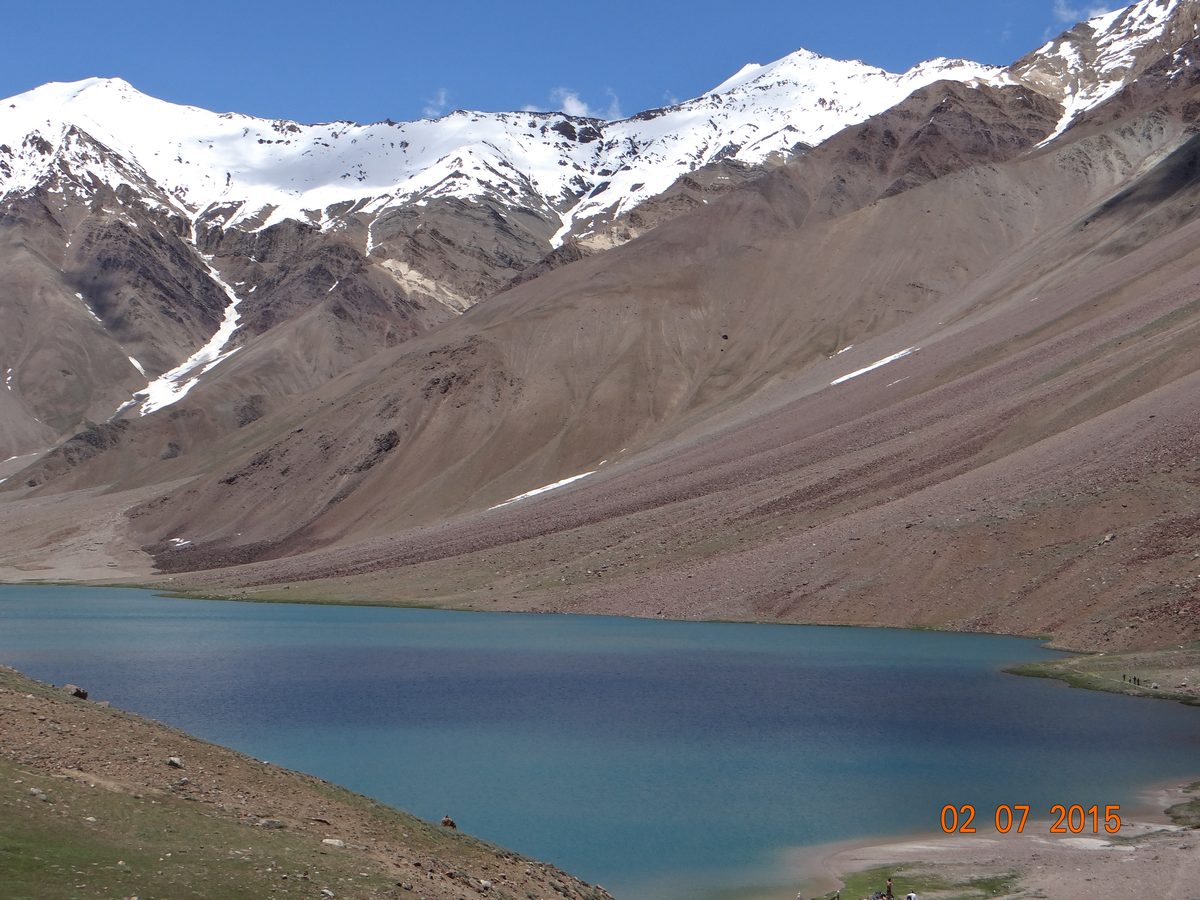
The “Lake of the Moon” — a crescent-shaped glacial lake at 4,300m, designated a Ramsar wetland site. No trees, no villages, no sound except the wind. One of India’s most visually arresting landscapes. Camping by its shore is a Spiti rite of passage.
- Entry fee: ₹50 per person (conservation fee)
- Open: Mid-June (Kunzum Pass opens) to late October
- Best time: July–September; August for wildflowers
- Distance from Kaza: ~100 km via Kunzum Pass
- Pro tip: No permanent structures allowed near the lake. Book a registered campsite in Kaza in advance. Arrive before sunset — the lake shifts from blue to violet to gold.
5. Kibber Village
At 4,270m, one of the world’s highest permanently inhabited villages connected by a motorable road. Borders the Kibber Wildlife Sanctuary — home to snow leopards, Himalayan wolves, and ibex. In winter (December–February), Kibber is India’s top base for snow leopard tracking.

- Entry fee: Free; wildlife sanctuary permits from DFO Kaza
- Distance from Kaza: 17 km via Key Monastery road
- Pro tip: Stay overnight in a local homestay. Kibber at dusk with Key Monastery lit on the opposite hillside is one of Spiti’s greatest views.
6. Hikkim — World’s Highest Post Office
At 4,400m, Hikkim village houses the world’s highest operational post office. Send a postcard stamped with “World’s Highest Post Office” to anyone in the world — it will arrive weeks later like a message from another dimension.
- Post office timings: 10:00 AM – 5:00 PM (closed Sundays and government holidays)
- Distance from Kaza: 18 km; 3 km beyond Komik village
- Pro tip: Stamps cost ~₹25. The Langza–Komik–Hikkim loop is a perfect half-day circuit from Kaza.
7. Langza Village
At 4,400m, with a giant golden Buddha watching over a landscape of brown mountains, glaciers, and ancient marine fossils embedded in the rocks. The Tethys Sea once covered this land — ammonite fossils (shaligram) are found on hillsides all around the village. A prime stargazing spot due to zero light pollution.

- Entry fee: Free (fossils are legally protected — look, don’t take)
- Distance from Kaza: 16 km
- Pro tip: Hire a local guide from Spiti Ecosphere for a fossil walk — they know exactly which hillsides to visit.
8. Komik Village
At 4,587m, Komik is one of the world’s highest motorable villages, home to the 700-year-old Tangyud Monastery. The view from Komik’s flat-roofed stone houses across the valley towards Tibet is one of Spiti’s most surreal.
- Distance from Kaza: 24 km (combine with Hikkim and Langza)
- Pro tip: Acclimatise in Kaza for at least 2 nights before visiting Komik. The altitude here hits hard if you’ve arrived recently.
9. Pin Valley National Park
India’s only cold desert biosphere reserve shelters the highest density of snow leopards in the country, along with ibex, Tibetan wolves, and the rare Siberian ibex. The Mud village is the gateway for treks into the sanctuary.
- Entry fee: ₹50 per person; trekking permits from Mud village
- Best time: June–July for wildflowers; January–February for snow leopard sightings
- Distance from Kaza: 25 km via Attargo bridge
- Pro tip: The Parahio Glacier trek (3 days from Mud) is one of Spiti’s most rewarding and least-crowded trails.
10. Kunzum La Pass (4,590m)
The dramatic gateway between Lahaul and Spiti. The Kunzum Devi temple at the top is ritually circumambulated by all passing travellers and drivers before continuing. Views across the Chandra Valley are staggering. Cross between 8 AM and 2 PM to avoid afternoon clouds and rain.

- Open period: Mid-June to late October
- Distance from Kaza: 76 km on the Manali road
- Pro tip: Check road status at hplahaulspiti.nic.in the morning before you depart. Carry water and a jacket — temperatures at the pass can drop suddenly even in July.
11. Nako Village & Lake
A serene stop on the Shimla–Kaza route, Nako sits in a bowl valley at 3,662m with a willow-fringed lake and a 1,000-year-old monastery complex with murals comparable to Tabo. Frequently skipped by travellers in a rush — but well worth a night.
- Distance from Tabo: 100 km west on NH505
- Pro tip: The 30-minute lake path circuit is one of the most calming walks in the Himalayas. Stay overnight to experience it at sunset.
12. Kaza — Spiti’s Logistical Hub
Kaza (3,800m) is the administrative capital of Spiti and your primary base. Has SBI ATM (frequently runs dry — carry cash from Manali or Shimla), petrol pumps, guesthouses, restaurants (momos, thukpa, buckwheat rotis), the Spiti Ecosphere office, and a small market. BSNL and Jio coverage available.
Things to Do in Spiti Valley
- Monastery circuit: Key → Tabo → Dhankar — budget a full day for each
- High-altitude village loop: Kaza → Langza → Komik → Hikkim — half-day circuit through three of India’s highest villages
- Camp at Chandratal Lake: 1–2 nights by the Moon Lake; stargazing here is among India’s best due to zero light pollution
- Snow leopard tracking: December–February with registered guides from Kibber; contact Spiti Snow Leopard Conservation Project
- Fossil hunting at Langza: Ancient Tethys Sea marine fossils on hillsides at 4,400m — free with a guide
- Mountain biking: Kaza–Kibber–Komik circuit; bikes for rent in Kaza
- River rafting on Spiti River: Grade III–IV rapids near Kaza and Sumdo; June–September
- Volunteer with Spiti Ecosphere: Community homestays and wildlife conservation programs — a meaningful way to extend your stay
Suggested 7-Day Spiti Valley Itinerary
| Day | Route | Highlights | Night Stop |
|---|---|---|---|
| Day 1 | Delhi → Shimla → Rampur | Kinnaur foothills; Rampur Bushahr market | Rampur |
| Day 2 | Rampur → Reckong Peo → Nako | Kinner Kailash views from Kalpa; Nako lake and monastery | Nako |
| Day 3 | Nako → Tabo → Dhankar | Tabo murals (10th century); Dhankar cliff gompa + lake trek | Tabo or Dhankar |
| Day 4 | Dhankar → Kaza | Kaza market; Key Monastery; Kibber sunset homestay | Kaza |
| Day 5 | Kaza day trip: Langza → Komik → Hikkim | Fossils at Langza; Tangyud Monastery; world’s highest post office | Kaza |
| Day 6 | Kaza → Chandratal Lake | Kunzum Pass crossing; Chandratal sunset + stargazing overnight | Chandratal campsite |
| Day 7 | Chandratal → Manali (or reverse) | Atal Tunnel; Rohtang views; Manali | Manali or home |
Where to Stay Near Spiti Valley
Inside Spiti, accommodation is primarily local homestays in Kaza, Tabo, Nako, and Kibber — simple, warm, and the best way to experience authentic Spitian hospitality with home-cooked meals (buckwheat rotis, barley soup, fresh butter tea).
For the nights before entering or after leaving the valley, StayVista offers private mountain properties that work perfectly as buffer stays:
- Manali stays: Private cottages and chalets with Himalayan views — ideal acclimatisation base before the Manali–Kaza road
- Shimla stays: Comfortable private properties for first and last nights via the Shimla route
- Kasauli stays: Colonial-era bungalows for a relaxed decompression after returning from altitude
Practical Tips & Precautions for Spiti Valley
- Inner Line Permit: Not required for Indian nationals. Foreign nationals need ILP from Reckong Peo or Kaza DC office, or online at epass.hp.gov.in (₹300/person/day)
- Altitude sickness: Ascend slowly, hydrate constantly (3+ litres/day), avoid alcohol for first 48 hours, carry Diamox (consult doctor). Descend immediately if symptoms worsen.
- Cash: SBI ATM in Kaza frequently runs dry. Carry ₹10,000+ in cash from Manali or Shimla. UPI is unreliable.
- Mobile network: BSNL is the only reliable network across the valley. Get a BSNL SIM before entering. Jio works in Kaza only.
- Vehicle: 4×4 SUV or high-clearance vehicle strongly recommended. Do not attempt in a hatchback.
- Fuel: Last petrol pump in Kaza before Chandratal and Manali. Carry a 10-litre jerry can as backup.
- Road status: Check hplahaulspiti.nic.in before every major drive. Roads can close without warning due to landslides or BRO maintenance.
- Responsible travel: Spiti’s ecosystem is fragile. No littering. Do not disturb wildlife or remove fossils. Support local homestays and Spiti Ecosphere.
Spiti Valley FAQ — 2026
When does the Manali–Spiti road open in 2026?
The Manali–Kaza road via Kunzum Pass typically opens mid-June and closes in late October. The Atal Tunnel (Manali to Lahaul) is open year-round. The Shimla–Kaza route via Kinnaur is accessible from approximately April onwards with no major pass crossings. Always check the latest status at hplahaulspiti.nic.in.
Is Spiti Valley safe for solo female travellers?
Yes — Spiti is considered one of India’s safest destinations for solo women. The Buddhist Spitian communities are welcoming and homestay hosts are protective of guests. Travel between May and September during daylight, inform your host of daily plans, and avoid solo night treks in remote areas.
What is the best mobile network in Spiti Valley?
BSNL has the widest coverage, including in Tabo, Kibber, and Hikkim. Jio works reliably in Kaza but is patchy beyond. Airtel and Vi (Vodafone-Idea) have no meaningful coverage. Get a BSNL prepaid SIM in Manali or Shimla before entering the valley.
Do I need an Inner Line Permit for Spiti Valley?
Indian nationals do not need an ILP for the main Spiti Valley circuit. Foreign nationals need an Inner Line Permit for restricted areas — collect it from the DC office in Reckong Peo, the SDM office in Kaza, or apply online at epass.hp.gov.in (₹300/person/day, processed within hours).
Can I visit Spiti Valley in April 2026?
Yes, but only via the Shimla–Kinnaur–Kaza route. The Manali road via Kunzum Pass doesn’t open until mid-June. In April, expect nights down to -5°C, possible snowmelt road disruptions near Nako and Tabo, and fewer homestays open. Crowd-free and beautiful for prepared travellers with a flexible schedule.
What altitude is Spiti Valley and how do I avoid altitude sickness?
The valley floor sits at 3,600–3,800m (Tabo to Kaza). High points: Komik (4,587m), Kunzum Pass (4,590m), Chandratal (4,300m). Prevention: use the Shimla route for gradual acclimatisation, spend 2 nights in Kaza before visiting high villages, drink 3+ litres of water daily, avoid alcohol and sleeping pills initially, and consult a doctor about Diamox prophylaxis before your trip.
How much does a Spiti Valley trip cost in 2026?
A budget 7-day trip costs ₹10,000–15,000 per person (excluding transport to Manali/Shimla), staying in local homestays at ₹500–800/night including meals. A comfortable trip with private vehicle hire and guided activities runs ₹25,000–40,000 per person for 7 days. Chandratal camping adds ₹1,500–3,000 per person per night for a registered campsite with meals.