
Top Travel Destinations in India in 2026 | Based on Google Trends
India’s top travel destinations in 2026, based on Google Trends data, highlight a shift toward culturally immersive, spiritually rooted, and infrastructure-enabled travel. Rising interest areas include Jorhat–Majuli in Assam, Varanasi and Somnath for spiritual journeys, Spiti Valley for winter adventure and astro-travel, and Kerala for wellness and glow-cation experiences, shaped by evolving traveller intent and new connectivity.
In this Blog
Why travel trends 2026 matter for Indian travellers
Travel trends 2026 signal a behavioural shift rather than a destination shuffle. Search data shows Indian travellers moving away from high-density tourism toward experiences rooted in identity, ritual, wellness, and slower movement. Planning behaviour is more deliberate, season-aware, and influenced by infrastructure upgrades such as new airports and expressways rather than social media hype alone.
For Indian travellers, this means that where to travel in 2026 is increasingly determined by:
- Cultural depth over checklist sightseeing
- Accessibility from major cities
- Seasonal comfort and climate suitability
- The ability to combine travel with rest, ritual, or reflection
Which destinations are trending in India for travel in 2026?
Google Trends and platform search behaviour reveal five clear destination clusters shaping travel in 2026. Each reflects a distinct traveller intent rather than a single “hotspot” effect.
Why is Jorhat–Majuli emerging as a top destination in 2026?
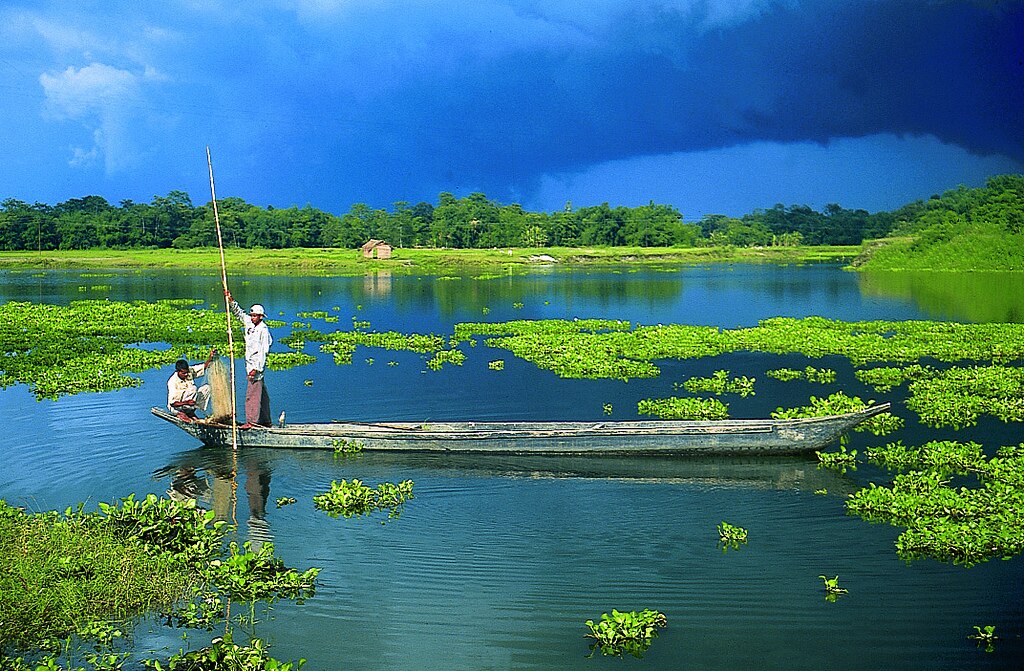
Jorhat and Majuli have recorded one of the sharpest rises in destination-specific searches for Jorhat Assam travel in 2026, making them a bellwether for Northeast India offbeat trips.
Why does Google Trends show a spike
- Jorhat acts as the cultural and logistical gateway to Majuli
- Growing interest in tea tourism, river islands, and indigenous art
- Travellers seeking slower, low-crowd destinations
What travellers are doing here
- Visiting satras and mask-making centres like Samaguri
- Exploring tea estates and colonial-era research institutions
- Choosing homestays and multi-day cultural immersion
Best time to visit Jorhat Majuli island: October to March
Ideal for: Slow travellers, culture-led trips, Northeast first-timers
Why Northeast India is central to offbeat travel in 2026
Beyond individual destinations, Northeast India is emerging as a strategic travel region in 2026. Search growth reflects improved connectivity, digital infrastructure, and increased cultural visibility rather than novelty alone.
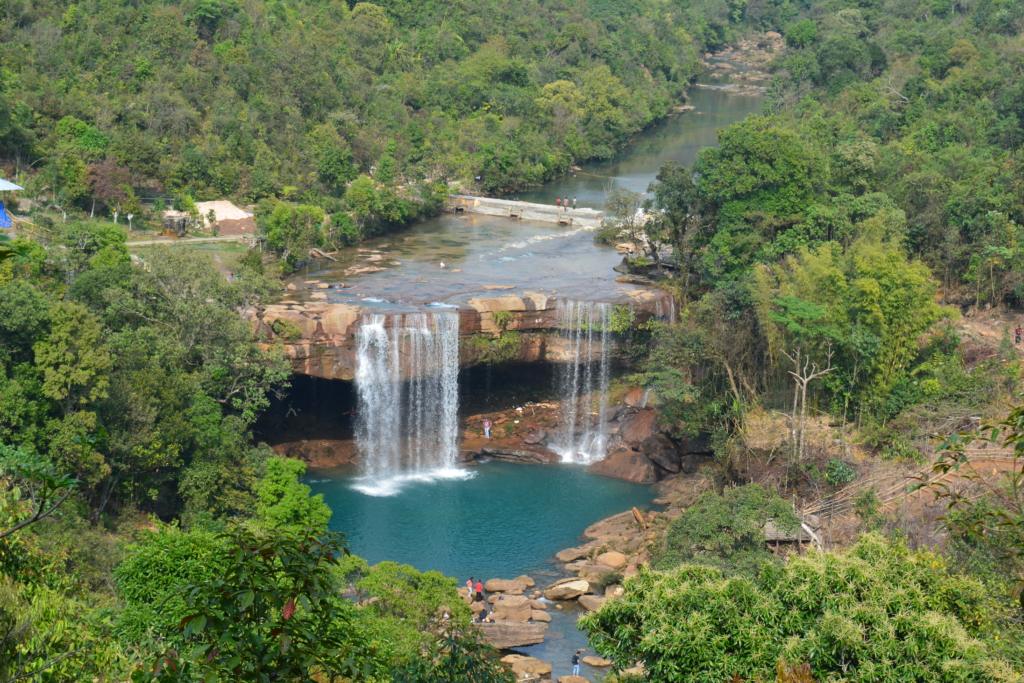
Travellers are increasingly viewing the region as:
- A gateway to slower, nature-led travel
- A culturally distinct alternative to Himalayan circuits
- A region suitable for extended, immersive itineraries
This regional framing strengthens Northeast India’s position in long-term travel planning rather than one-time discovery.
Why is Varanasi still growing in travel 2026 searches?
Varanasi remains one of India’s most searched destinations due to rising interest in Varanasi spiritual tour packages and Varanasi Ganga ghats family pilgrimage 2026.
What’s changed in 2026
- Pilgrimage travel is increasingly multi-generational
- Visitors combine rituals with heritage walks and crafts exploration
- Improved infrastructure supports longer, more comfortable stays
Common travel patterns
- Morning and evening Ganga aarti experiences
- Temple visits paired with silk weaving clusters
- Family-oriented itineraries rather than single-day darshans
Best months: November to February
Ideal for: Family pilgrimages, heritage-driven travel, ritual tourism
Stays in Varanasi

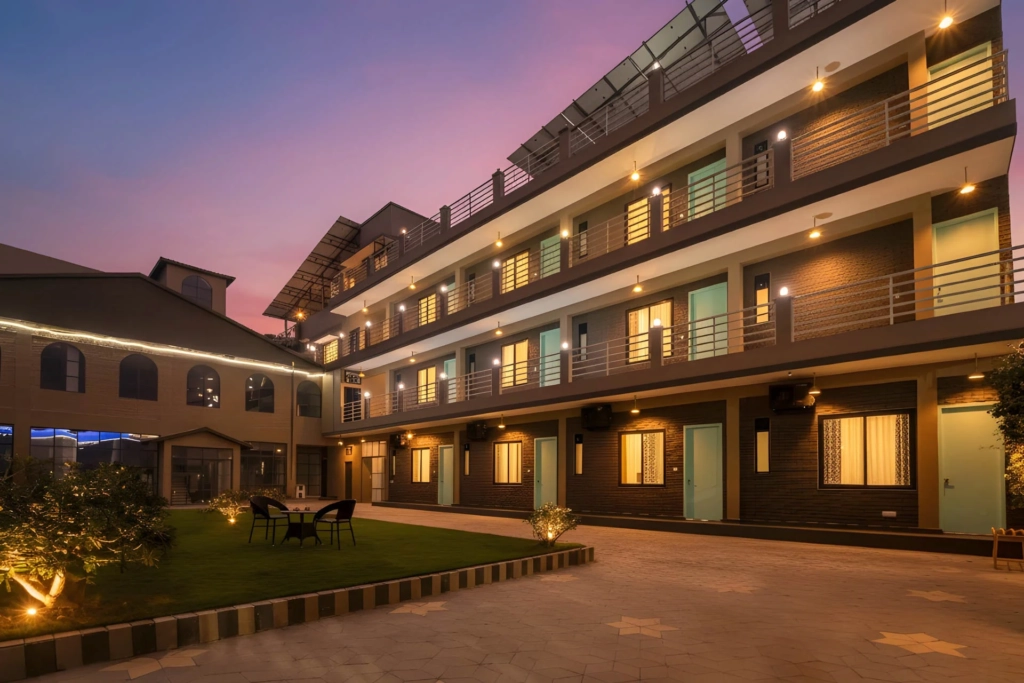
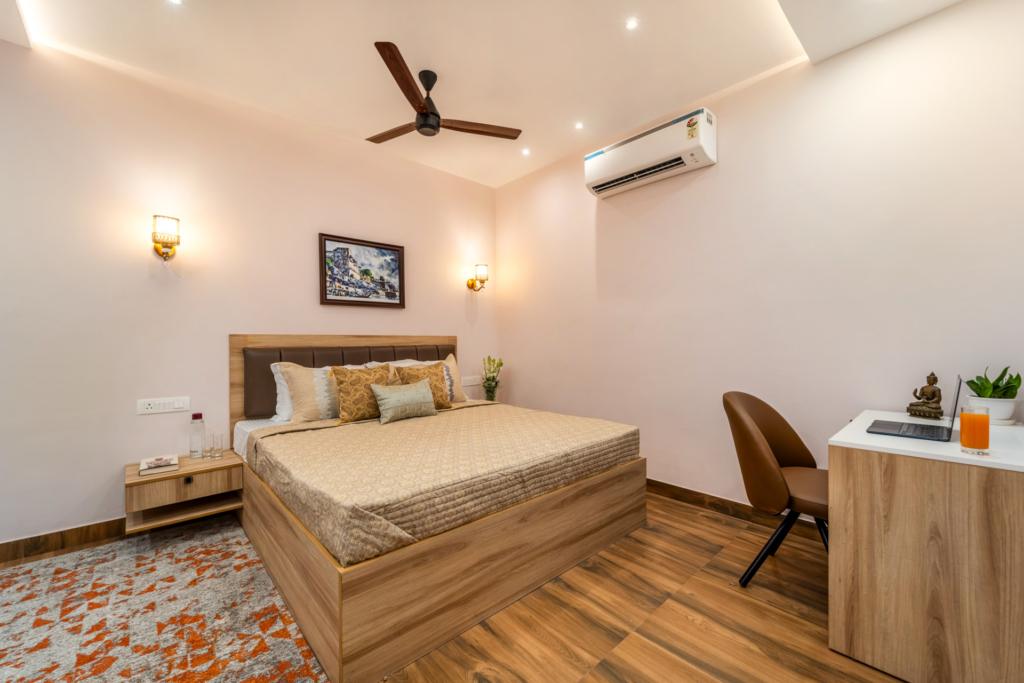
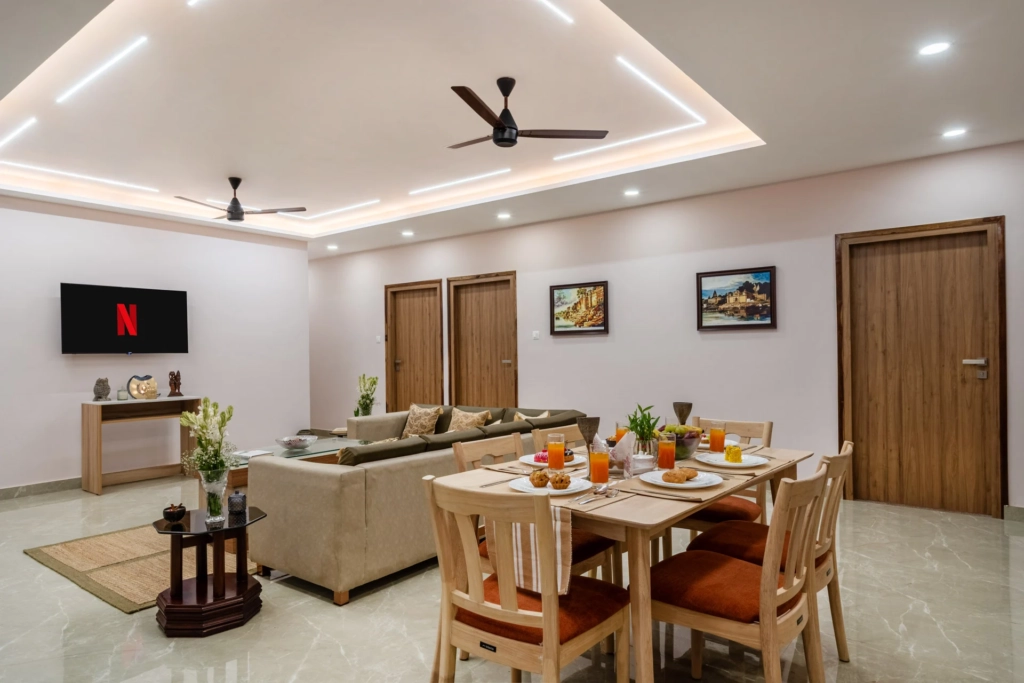
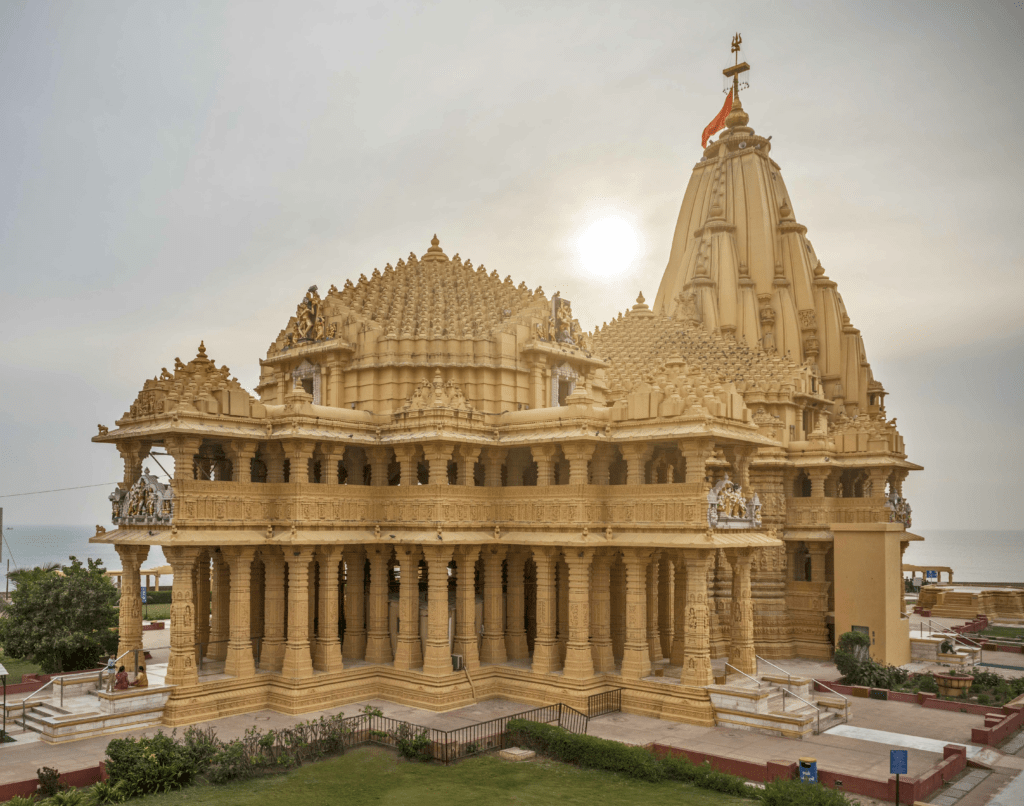
Why is Somnath rising as a road-trip destination in Gujarat?
Somnath is increasingly being searched for as a destination for the Somnath Temple Jyotirlinga trip and a Somnath Gujarat road trip from Dwarka, driven by infrastructure-led accessibility.
Key drivers behind the trend
- Coastal road improvements linking Dwarka and Somnath
- Temple redevelopment enhancing visitor experience
- Growth of short spiritual road trips from Ahmedabad and Rajkot
Read about: Pancha Dwarka Yatra by Rail – Exploring 5 Sacred Krishna Temples on the New Bharat Gaurav Train
How travellers plan Somnath in 2026
- Combined Dwarka–Somnath pilgrimage circuits
- 2–4 day Gujarat coastal itineraries
- Private car and self-drive road trips
Best season: October to March
Ideal for: Pilgrims, senior travellers, road-trip planners
Why is Spiti Valley trending for winter adventure in 2026?
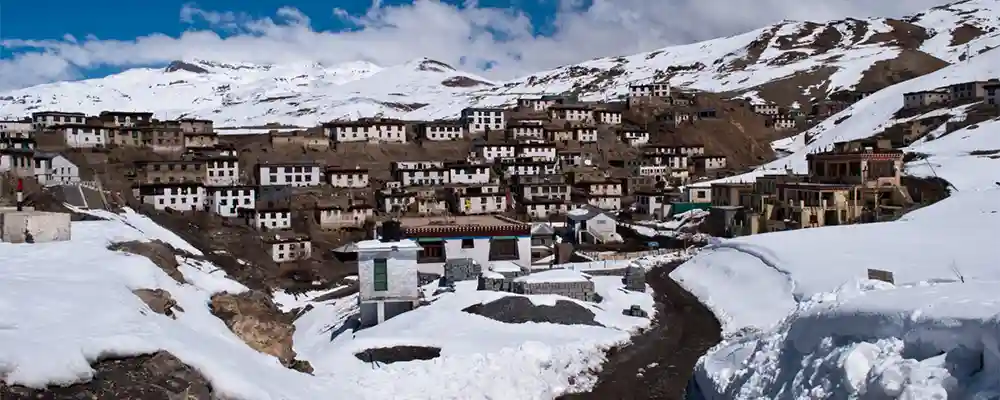
Spiti Valley has become one of the most searched destinations for Spiti Valley winter adventure and Spiti Valley Key Monastery trek itinerary.
What’s driving search growth
- Interest in astro-travel and dark-sky locations
- Demand for quiet, low-stimulation travel
- Growing acceptance of winter road travel among experienced travellers

Typical 2026 Spiti itineraries
- Key Monastery and village circuits
- Stargazing and photography-focused stays
- Winter road trips via Shimla or Manali (weather-dependent)
Best time:
- January–March (snow & astro-travel)
- June–September (general travel)
Ideal for: Adventure travellers, photographers, solitude seekers
Why Kerala leads wellness and glow-cation travel in 2026?
Kerala dominates searches related to Wellness retreats Kerala 2026 and Glow-cations India.
What defines glow-cation travel
Glow-cations focus on skin health, longevity, hydration, and climate-based wellness, rather than generic spa holidays.
Why Kerala fits this trend
- Ayurveda-backed wellness ecosystems
- Climate conducive to long-stay healing
- High adoption of eco-certified retreats
Best months: September to March
Ideal for: Wellness travellers, solo retreats, extended staysspit

How Indian travellers are choosing destinations in 2026
In 2026, destination choice is driven less by popularity and more by personal relevance. Search behaviour shows travellers filtering options by travel duration, starting city, seasonality, and physical comfort rather than aspirational imagery alone. This shift explains why quieter regions and infrastructure-linked circuits are outperforming legacy hotspots.
Where to travel in 2026 based on your starting city
Indian travellers increasingly search destinations using phrases like “from Delhi,” “near me,” or “short trip from Mumbai.” The table below maps high-intent routes emerging in travel trends 2026.
| Starting City | High-Intent 2026 Destinations | Why These Work |
| Delhi NCR | Varanasi, Spiti Valley, Orchha | Rail + expressways, spiritual & adventure mix |
| Mumbai | Somnath, Konkan coast, Goa hinterland | Coastal highways, short road trips |
| Bangalore | Kerala, Wayanad, Nilgiris | Wellness, climate comfort |
| Kolkata | Jorhat, Majuli, Northeast circuits | Direct flights, cultural depth |
| Ahmedabad | Somnath, Dwarka, Kutch | Pilgrimage + road connectivity |
How infrastructure is influencing travel trends 2026
Infrastructure upgrades are no longer background developments—they are primary travel decision triggers.
Airport-led discovery
The expansion of Jewar International Airport and Navi Mumbai International Airport is reshaping domestic travel by:
- Reducing congestion at legacy hubs
- Making secondary destinations viable for short trips
- Encouraging itinerary-based rather than city-based travel
Read about: Nearest Airport to Lonavala, Karjat, Pune: Navi Mumbai International Airport Travel Guide 2025
Expressway-enabled micro-cations
The Delhi–Mumbai Expressway road trip reflects a preference for:
- 1–3 day breaks
- Flexible departure times
- Self-drive spiritual and cultural circuits
- Increased searches for “from Delhi” and “near me” destinations
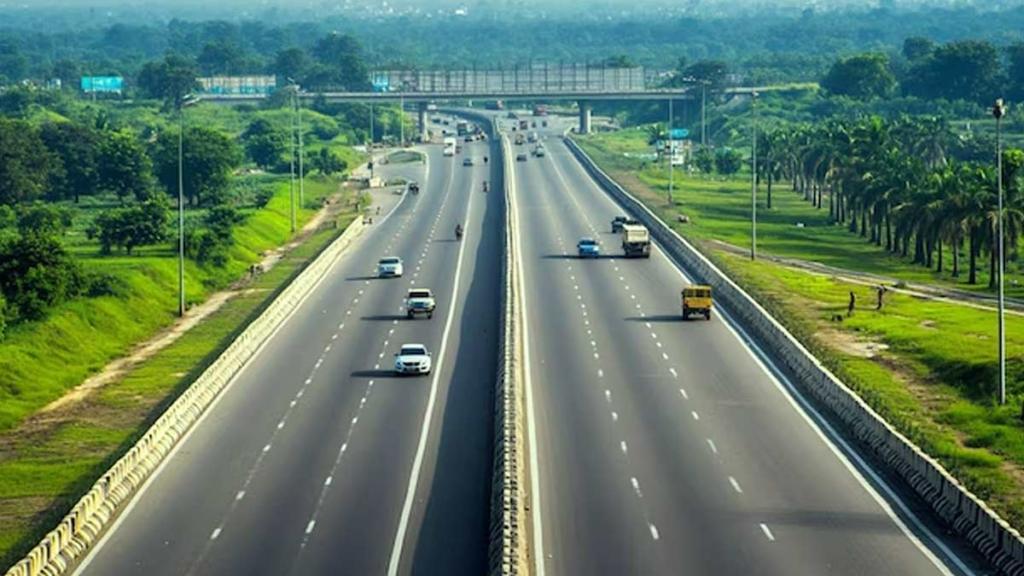
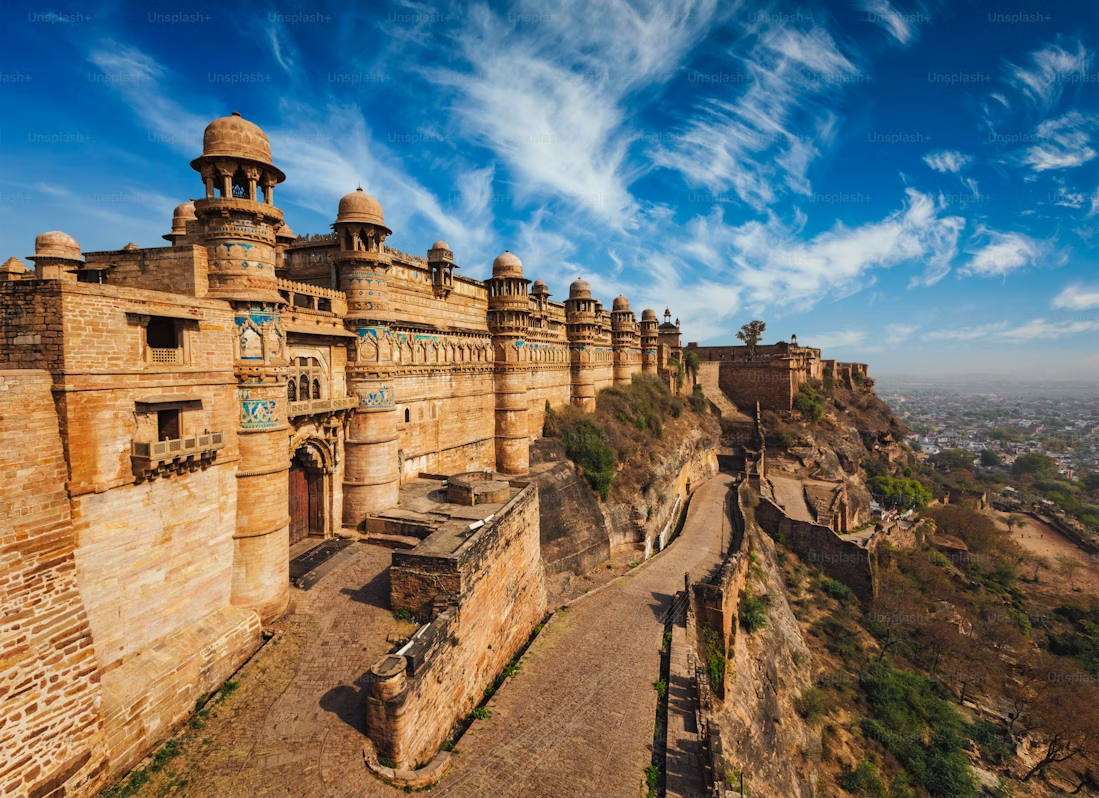
This explains rising interest in destinations like Somnath, Orchha, and Mandu that sit just off major expressways.
Which travel trends define travel in 2026?
The following trends repeatedly appear across Google Trends, OTA data, and behavioural reports.
Key travel trends 2026 (definition-ready)
- Glow-cations: Wellness trips focused on skin health, hydration, and longevity
- Astro-travel: Stargazing and low-light pollution destinations
- Shelf discovery travel: Exploring local grocery stores as cultural spaces
- Slow travel: Fewer destinations, longer stays, deeper engagement
Each trend favours depth over speed, explaining why destinations like Kerala, Spiti, and Majuli are outperforming mass-tourism centres.
FAQs for Travel Trends in 2026
India’s top 2026 destinations include Jorhat–Majuli, Varanasi, Somnath, Spiti Valley, and Kerala, identified through rising Google search trends linked to cultural immersion, wellness travel, spiritual circuits, and improved connectivity.
Offbeat trips in 2026 are concentrated in Northeast India, especially Jorhat and Majuli, where travellers seek cultural depth, river island landscapes, and slower travel experiences away from crowded tourist hubs.
Yes. Searches indicate strong growth in spiritual travel in 2026, particularly for destinations like Varanasi and Somnath, driven by multi-generational family travel, improved temple infrastructure, and combined ritual–heritage itineraries.
Glow-cation travel refers to wellness trips focused on skin health, longevity, and climate suitability. In India, Kerala leads this trend due to its Ayurveda ecosystem, eco-retreats, and long-stay wellness infrastructure.
Spiti Valley is among the most searched winter destinations in 2026, attracting travellers for snow landscapes, monastery circuits, and astro-travel experiences in low-light, high-altitude environments.
New airports like Jewar and Navi Mumbai are decentralising travel demand, making heritage towns, pilgrimage routes, and coastal regions more accessible for short domestic trips.
Yes. Expressway expansion has increased searches for road trips and micro-cations, particularly routes connected to spiritual destinations, heritage towns, and scenic corridors accessible within 6–10 hours by car.
Travel trends 2026 favour travellers seeking personalised experiences—such as wellness seekers, cultural explorers, spiritual pilgrims, and slow travellers—over those prioritising high-volume sightseeing.
Final takeaway: Travel in 2026 is intentional, not impulsive
Travel trends 2026 show that Indian travellers are choosing destinations that align with personal rhythm, cultural meaning, and physical comfort. From Northeast India’s quiet river islands to Kerala’s wellness retreats and Spiti’s winter solitude, travel in 2026 reflects a deeper relationship between movement, identity, and place.