
When Is Thrissur Pooram 2026? Complete Festival Guide with Dates, Rituals & Travel Tips
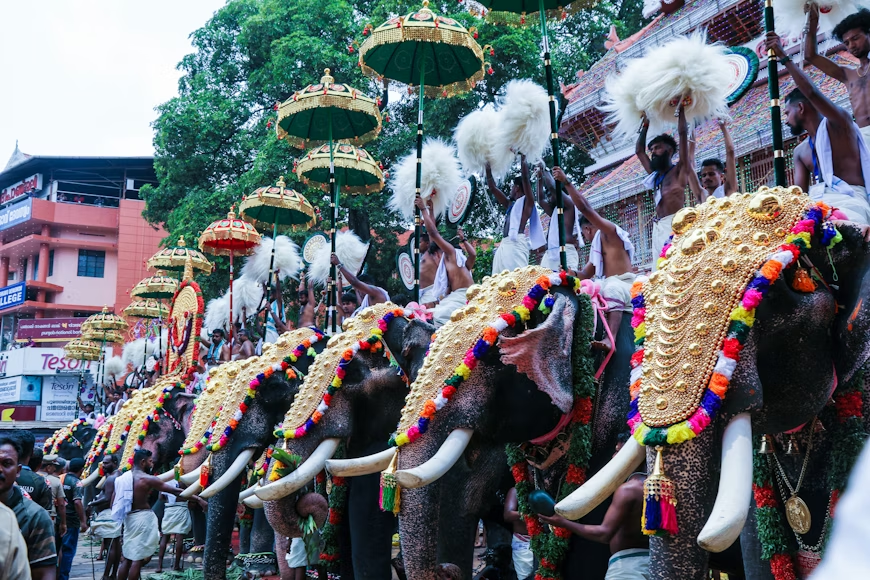
Thrissur Pooram 2026 will be celebrated on Sunday, May 10, 2026, at Vadakkunnathan Temple in Thrissur. The main festival day includes grand elephant processions, Kudamattom (umbrella exchange), traditional percussion performances, and a late-night fireworks display, attracting thousands of devotees and travellers from across India.
In this Blog
Why Thrissur Pooram Stands Apart
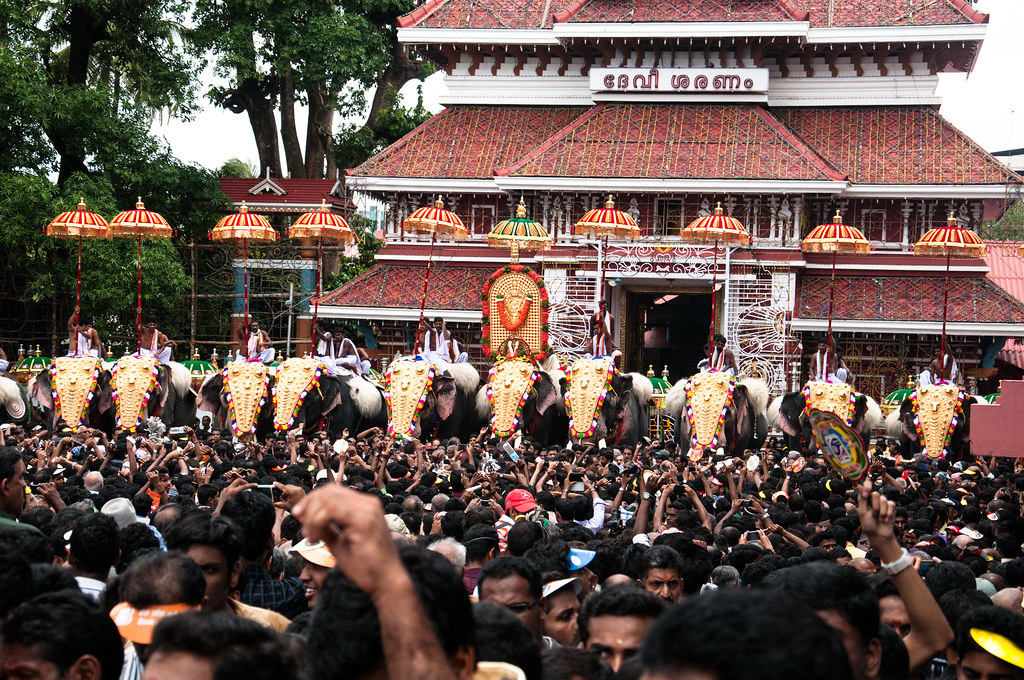
The Thrissur Pooram festival is often described as Kerala’s most iconic cultural event—not because it is the oldest, but because of how it brings scale, precision, and public participation together in one space. Held annually in the cultural capital of Thrissur, the festival transforms an otherwise structured temple ritual into a full-city experience.
What makes Thrissur Pooram particularly distinctive is its format. Instead of being confined within temple premises, it unfolds around the circular Swaraj Round, allowing thousands of people to witness and engage with it simultaneously. This accessibility, combined with highly coordinated rituals, is what elevates it beyond a typical temple festival.
The Origins and Cultural Significance of Thrissur Pooram
The roots of the Thrissur Pooram festival trace back to the late 18th century under the rule of Sakthan Thampuran. At the time, several smaller temple festivals were held independently across the region. Sakthan Thampuran reorganised them into a unified event centred at Vadakkunnathan Temple.
This restructuring was not just administrative—it created a cultural system where different temple groups could participate in a shared celebration while retaining their identity. Today, the two main participants—Paramekkavu and Thiruvambady—continue this legacy through coordinated yet competitive displays.
For Kerala, the festival represents more than devotion. It reflects craftsmanship (in decorations), musical mastery (in percussion ensembles), and community coordination at scale.
Festival Timeline: How the Day of Thrissur Pooram Unfolds
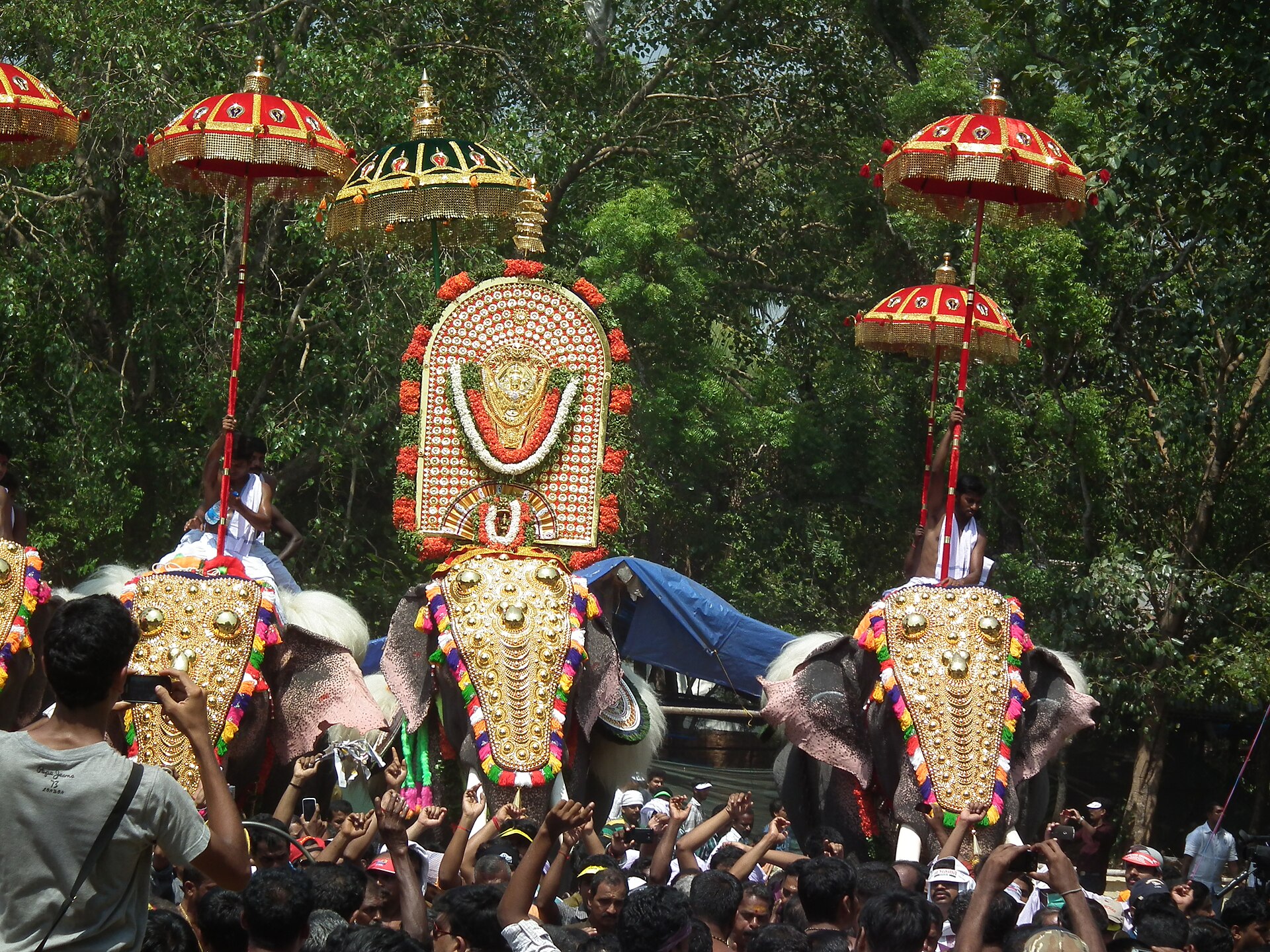
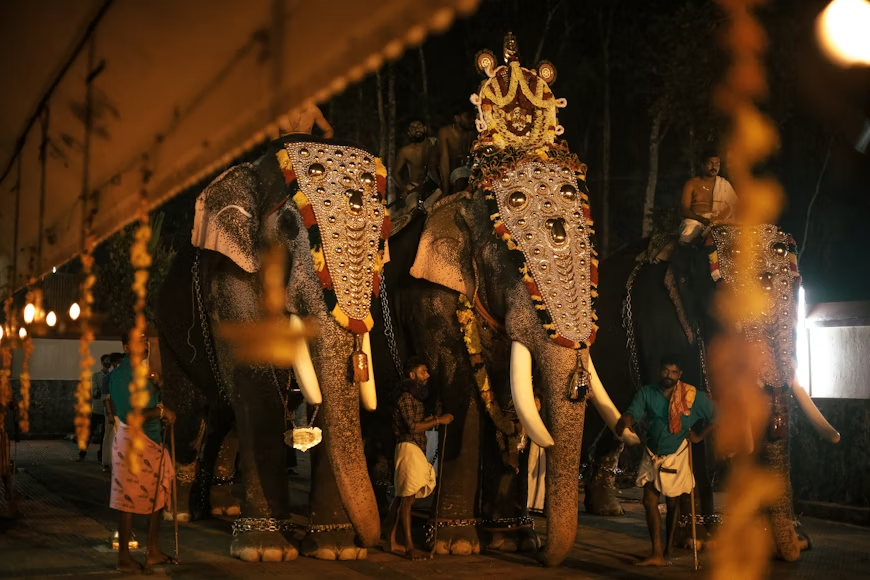
Understanding the sequence of events is key to experiencing the festival meaningfully. The day follows a layered progression—from ritualistic beginnings to high-energy public spectacles.
Early Morning: Rituals and Temple Preparations
The day begins before sunrise at Vadakkunnathan Temple. Priests conduct traditional rituals while temple groups begin assembling their processions. Elephants are decorated with intricate ornaments, including nettipattam (gold-plated headgear), decorative bells, and silk parasols.
At this stage, the atmosphere is relatively calm, making it one of the best times for pilgrims seeking a more spiritual experience.
Mid-Morning to Afternoon: Processions and Melam
As the day progresses, the Ezhunnallippu (procession) takes centre stage. Elephants line up in symmetrical formations while musicians perform Panchavadyam—a structured percussion ensemble unique to Kerala.
The sound builds gradually, moving through rhythm cycles that can last hours. Unlike passive performances, these sessions create a dynamic interaction between performers and spectators.
Afternoon: Kudamattom at Swaraj Round
The Kudamattom is widely considered the visual highlight of the Thrissur Pooram festival. Held at Swaraj Round, it involves a synchronized exchange of vibrant umbrellas atop elephants.
Each side presents a series of rapid changes, often in response to the other. The crowd reacts instantly, turning the event into a live exchange of energy rather than a one-sided display.
Night: Fireworks and Closing Celebrations
The day concludes with an elaborate fireworks display that typically begins late at night and continues past midnight. Unlike standard firework shows, this segment is competitive in nature, with each temple group presenting its own sequence.
The scale, intensity, and duration of the fireworks are among the largest seen in any Indian festival.
Things to Do During Thrissur Pooram
Experiencing Thrissur Pooram goes beyond watching the main events. The city offers multiple ways to engage with the festival.
Walk the Swaraj Round
The circular road around the temple becomes the epicentre of activity. Walking through it allows visitors to observe everything from processions to local food stalls and temporary marketplaces.
Engage with Local Food Culture
Street food during Pooram reflects Kerala’s regional flavours. From banana chips to local sweets, the food scene adds another layer to the experience.
Observe the Details
Beyond large events, smaller elements—like the craftsmanship of umbrellas or the coordination among percussionists—offer deeper insight into the festival.
Visit the Temple Early
Arriving at Vadakkunnathan Temple in the morning allows a quieter, more focused view of rituals before peak crowds.
Places to Visit Near Thrissur During Your Trip
While Thrissur Pooram is the primary draw, the region has several nearby places that complement the trip.
Athirappilly Waterfalls
Located about 60 km from Thrissur, Athirappilly is Kerala’s largest waterfall. Visiting early morning or the day after Pooram offers a quieter contrast to the festival crowds.
Guruvayur Temple
A major pilgrimage site, Guruvayur attracts devotees year-round. Combining this visit with Pooram creates a broader temple circuit within the region.
Kerala Kalamandalam
For those interested in classical arts like Kathakali and Mohiniyattam, Kalamandalam provides cultural depth beyond the festival’s spectacle.
Shakthan Thampuran Palace
This heritage site connects directly to the history of Thrissur Pooram and offers insight into the ruler who institutionalised the festival.
How to Reach Thrissur for Thrissur Pooram 2026
Travelling to Thrissur during the festival requires planning due to high demand.
- By Air: Cochin International Airport (approx. 50 km away)
- By Train: Thrissur Railway Station
- By Road: Well-connected via highways from Kochi and Coimbatore
Traffic diversions are common on festival day, especially near Swaraj Round.
Where to Stay During Thrissur Pooram
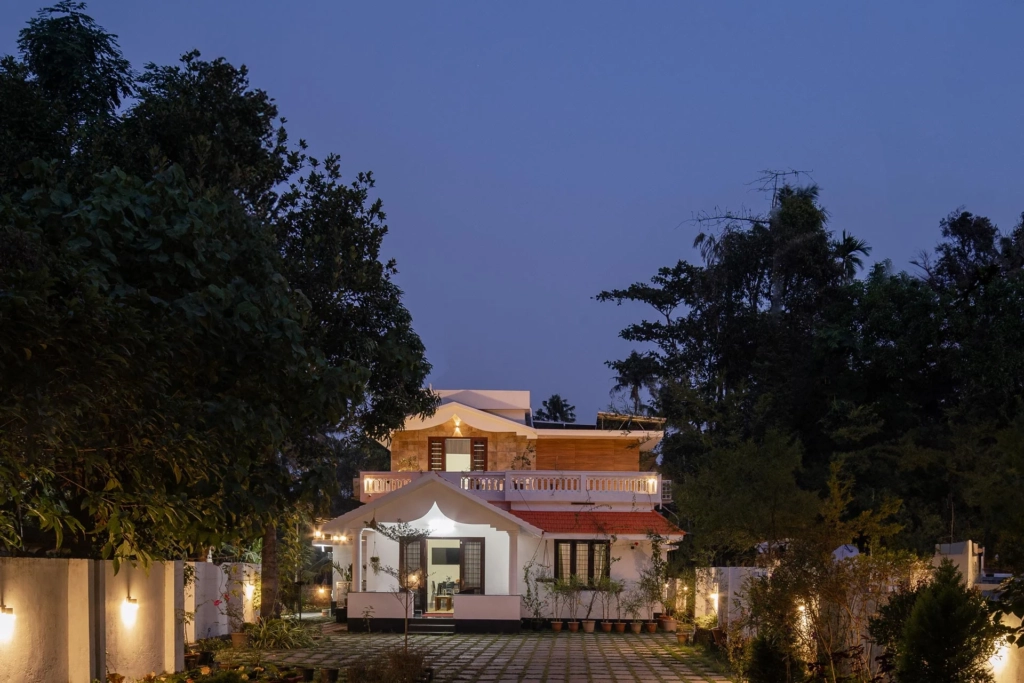
Accommodation fills up quickly, especially within Thrissur city.
Best areas to consider:
- Thrissur – closest to the venue
- Kochi – wider range of hotels
- Guruvayur – suitable for pilgrims
Booking at least 4–6 weeks in advance is recommended.


Practical Travel Tips for Thrissur Pooram 2026
Planning ahead significantly improves the experience.
- Arrive a day early to adjust to crowd conditions
- Wear light cotton clothing due to heat and humidity
- Use public transport or walk near festival zones
- Stay aware of designated safety areas during fireworks
- Keep essentials minimal due to crowd density
Weather in Thrissur During the Festival
May marks the transition to the monsoon season in Kerala.
- Temperature: 28°C to 35°C
- Humidity: High
- Rain: Occasional pre-monsoon showers
Conditions can feel intense during peak afternoon hours.
FAQs: Thrissur Pooram 2026
Thrissur Pooram 2026 will take place on May 10, 2026. The main events unfold throughout the day, beginning early morning and continuing until late night.
It is known for large-scale elephant processions, Kudamattom umbrella exchanges, traditional percussion music, and one of the biggest fireworks displays in India.
The festival is held at Vadakkunnathan Temple in Thrissur, Kerala, with the surrounding Swaraj Round serving as the main event space.
Yes, it is a public festival with free entry, although premium viewing spots in nearby buildings may charge a fee.
It attracts lakhs of visitors, making it one of Kerala’s most crowded festivals, especially during Kudamattom and fireworks.
Light, breathable clothing and comfortable footwear are recommended due to heat and long hours of walking.
Key rituals include elephant processions, Panchavadyam performances, Kudamattom, and the fireworks display.
Nearby attractions include Athirappilly Waterfalls, Guruvayur Temple, Kerala Kalamandalam, and Shakthan Thampuran Palace.
How to Plan for Thrissur Pooram 2026
Arriving in Thrissur a day before May 10 allows time to navigate the city before peak congestion. Prioritising key rituals, staying flexible with movement, and exploring nearby cultural sites helps balance the intensity of the festival with a more rounded Kerala experience.
Banner Image Credit: Sageesh T Sathyan via Unsplash