
Where to Travel in India in May 2026: 10 Best Places (Weather-Wise Guide)

Most of India in May is genuinely uncomfortable. Plains temperatures across Rajasthan, Delhi, Madhya Pradesh, and the Deccan regularly cross 42 to 46 degrees. But May is simultaneously when Ladakh’s highways begin opening, Himalayan hill stations are at their greenest before the monsoon, and parts of the northeast reach a brief window of good weather between winter and the full monsoon onset. The key is knowing which parts of the country are worth visiting and which are best avoided entirely.
In this Blog
1. Manali, Himachal Pradesh (18 to 25°C)
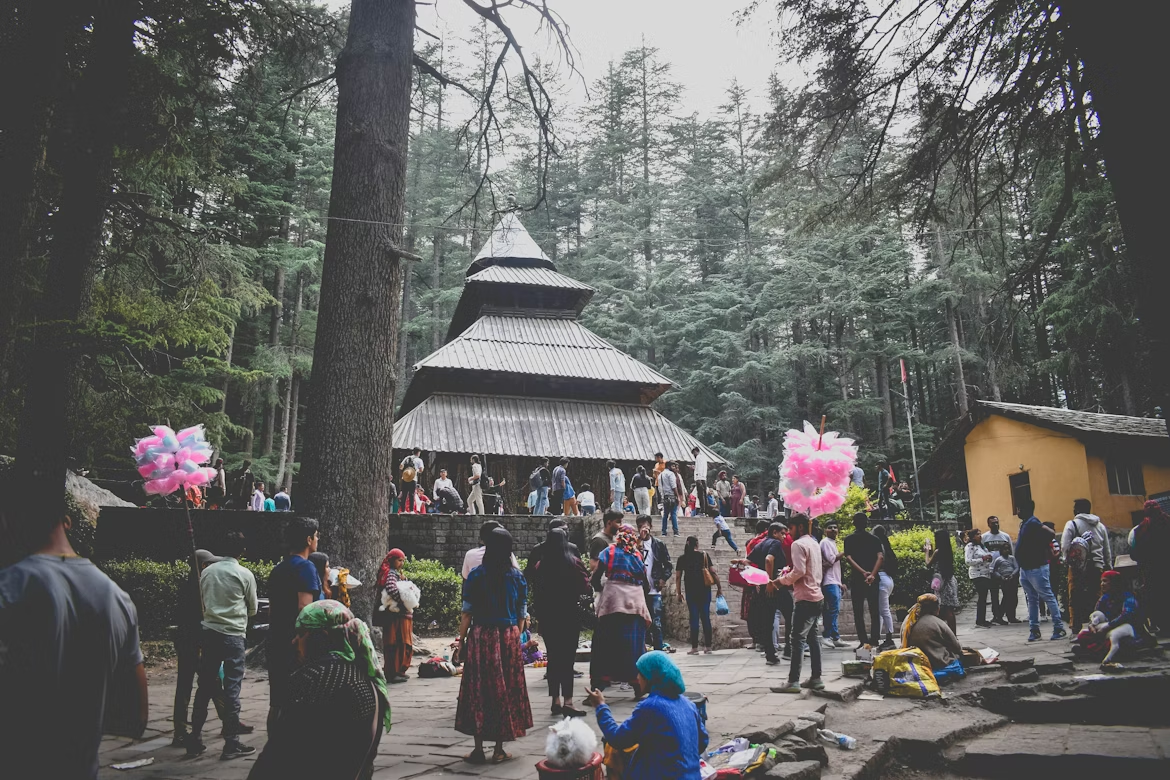
May is Manali’s best month by most measures. The Rohtang Pass opens around May 15 to 20, Solang Valley still has snow on the upper slopes, and the Beas River is running high on snowmelt. Manali town itself is green and cool, with daytime temperatures around 18 to 22°C and nights dropping to 10 to 12°C. The Old Manali area and the surrounding villages like Vashisht are at their best in May before the heavy summer tourist rush. The Hampta Pass trek is another well-established option from Manali in May. Book StayVista’s Manali properties early, May is peak demand and the better properties fill 4 to 6 weeks in advance.

2. Leh, Ladakh (10 to 22°C)
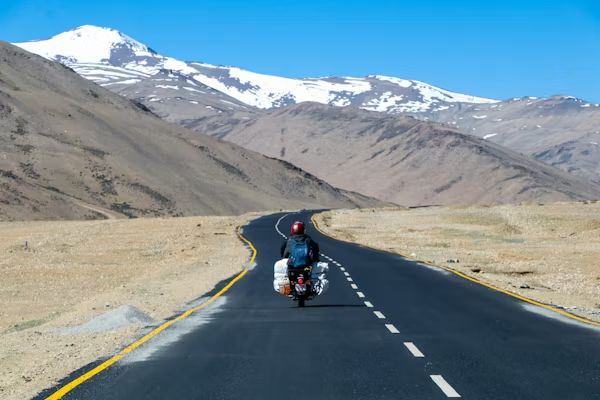
The Manali-Leh highway opens between May 15 and 25 depending on the snow clearance in a given year. Leh itself is accessible by flight year-round from Delhi and other major cities. By late May, both Pangong Tso and Nubra Valley roads are typically open, making the full Ladakh experience possible from late in the month. Acclimatise for two full days in Leh before heading to high-altitude destinations. The altitude (3,524 m in Leh) is serious and altitude sickness is common without adequate rest. May offers excellent light for photography, fewer crowds than July to September, and temperatures that are cool but not extreme.
3. Darjeeling, West Bengal (14 to 20°C)
Early May (1st to 15th) is the sweet spot for Darjeeling. Skies are largely clear before the pre-monsoon clouds build from mid-May. Kanchenjunga views from Tiger Hill are reliable in the first two weeks. The tea estates are at their second flush, the harvest most prized by tea connoisseurs for its distinctive muscatel character. Combine with Gangtok and Pelling for the full trip. After the 15th, cloud cover builds and views become less predictable.

4. Coorg, Karnataka (18 to 26°C)
May in Coorg is the last comfortable month before the monsoon arrives in force in early June. Coffee estates are deeply green, the Abbey Falls and smaller waterfalls have started filling with pre-monsoon rains, and there are fewer tourists than the peak December to February season. The coffee season is over but estate stays with guided walks are available. Temperatures are pleasant and the humidity is far lower than the coast. StayVista’s Coorg properties are worth 3 nights minimum to settle into the landscape properly.


5. Andaman Islands (26 to 32°C)
May is shoulder season in Andaman but the sea is still calm enough for snorkelling and diving through most of the month. The Bay of Bengal on the east side of the islands stays calmer than the west, so Havelock (Swaraj Dweep) and Neil Island (Shaheed Dweep) remain accessible. Prices drop considerably from the peak December to January period. Radhanagar Beach on Havelock, consistently rated among Asia’s best beaches, is genuinely uncrowded in May.
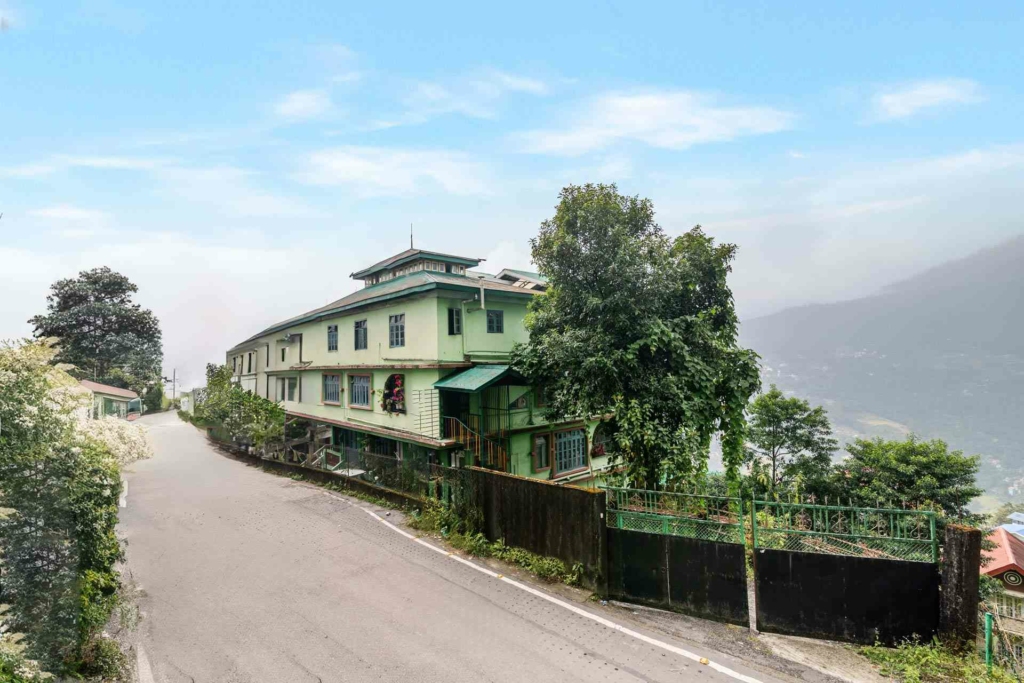
6. Gangtok, Sikkim (15 to 22°C)
May brings rhododendron blooms to higher elevations in Sikkim and the pre-monsoon skies are still largely clear in the first half of the month. North Sikkim (Gurudongmar Lake at 5,430 m, Lachen, Lachung) is open and accessible with the required Protected Area Permit, arranged through a registered local operator. Tsomgo Lake still has snow on its banks in early May. Combine Gangtok with Darjeeling and Pelling for a complete 7 to 8 day trip.

7. Spiti Valley, Himachal Pradesh (5 to 18°C)
The Kaza road from Shimla opens in May, typically around mid-month. Spiti in May has residual snow on surrounding peaks, all the major monasteries (Kaza, Tabo, Dhankar, Ki) are accessible, and there are very few tourists. The Kunzum Pass connecting Spiti to Lahaul may still be snow-closed early in the month, check BRO updates. The Pin Valley and Langza village (famous for marine fossils at 4,400 m) are accessible from Kaza. Spiti in May feels like having the entire valley to yourself.
8. Ooty, Tamil Nadu (14 to 22°C)
Ooty in May is reliably cooler than anywhere in the Tamil Nadu plains and sits in the Nilgiri Hills at 2,240 m. The Nilgiri Mountain Railway (UNESCO heritage) from Mettupalayam is the essential activity, the rack-and-pinion train climb through forest and tea estate terrain is spectacular. Botanical gardens are in bloom. Avoid weekends from May onwards when the town gets very crowded with domestic summer holiday travellers. Weekday trips are significantly more comfortable.
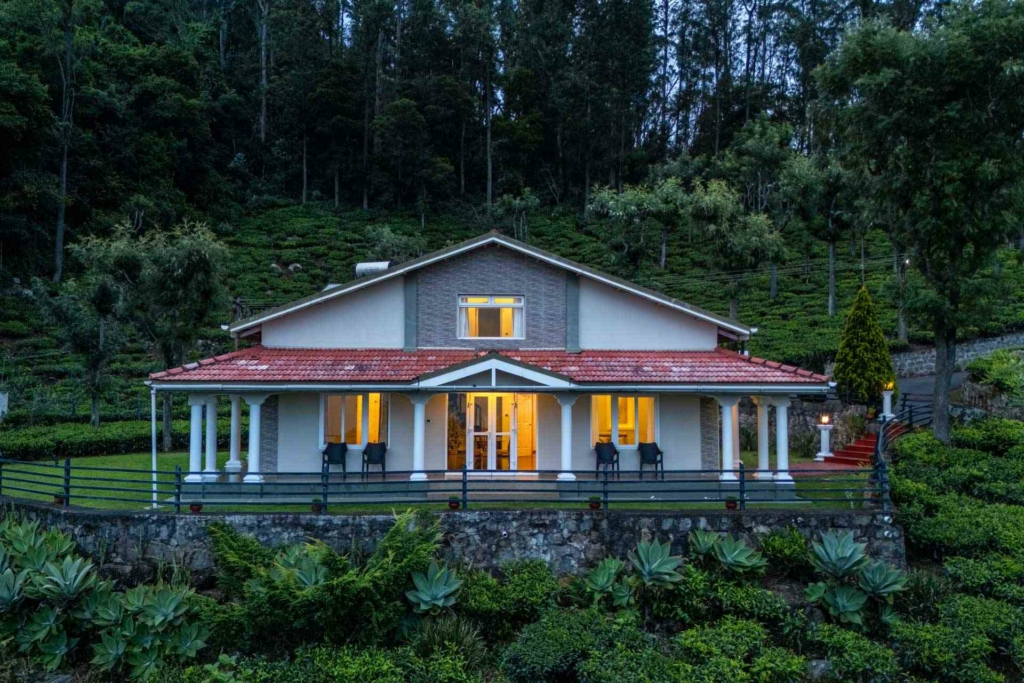
9. Munnar, Kerala (14 to 22°C)
Kerala’s southwest monsoon usually arrives in late May or early June, reaching the Kerala coast typically between June 1 and 7. The first week of May in Munnar is good, clear days, green tea estates, and far fewer tourists than the October to February peak. By the third week of May, pre-monsoon clouds build and the weather becomes less predictable. If you are going to Munnar in May, book the first half of the month.


10. Shillong, Meghalaya (16 to 22°C)
Shillong in May is green, largely crowd-free, and both the living root bridges in Nongriat (near Cherrapunji) and the cleanliness village of Mawlynnong are fully accessible. Meghalaya has significant annual rainfall but May is still before the full monsoon peak. The Dawki river (on the Bangladesh border), where the water is clear enough to see the riverbed from a boat, is a worthy day trip from Shillong.
Places to Avoid in India in May
Most of peninsular and central India in May is genuinely punishing. These are the destinations worth skipping entirely until the weather turns.
Rajasthan (Jaisalmer, Jodhpur, Bikaner, Barmer) — Temperatures regularly hit 48 to 50°C in the Thar Desert by mid-May. The heat is not uncomfortable-but-manageable; it is dangerous. Jaisalmer and Jodhpur are spectacular in October to February. May is not a close call.
Delhi, Agra, and the Golden Triangle — The capital runs 44 to 46°C through most of May, compounded by poor air quality and dust storms (andhi) that arrive without warning. The Taj Mahal does not look better in a heat haze. Save this circuit for October to March.
Varanasi and the Gangetic Plains — Varanasi in May sits at 42 to 45°C with high humidity from the river. The ghats, which are magical in winter, are largely deserted by sensible travellers in May. The heat makes even a short walk along the riverfront genuinely unpleasant.
Mumbai and the Konkan Coast — Not dangerous, but deeply uncomfortable. Pre-monsoon humidity in Mumbai through May routinely crosses 85 to 90%. Alibaug, Kashid, and the coastal belt are sticky and overcast. Wait for the monsoon (which arrives in Mumbai around June 10) or come back in October.
Madhya Pradesh (Khajuraho, Bandhavgarh, Kanha) — Tiger reserves in May operate in extreme heat. Khajuraho crosses 44°C regularly. Bandhavgarh and Kanha national parks close entirely from July but are at their most brutal in May — tiger sightings are possible but the experience of sitting in an open jeep at 43°C for three hours is not what most people plan for.
Goa — Goa in May is pre-monsoon: grey skies, rough seas, most beach shacks closed, and humidity that makes the heat feel worse than the thermometer suggests. The state is actively winding down for the season. It reopens properly in October.
For a broader comparison, the cool places in India in May and June guide and the summer trips in India guide cover additional options. Browse StayVista’s destinations page to find properties for whichever destination you choose.