
10 Best Places to Visit Near Pune in Monsoon for 2 Days in 2026 (Sahyadri Weekend Guide)
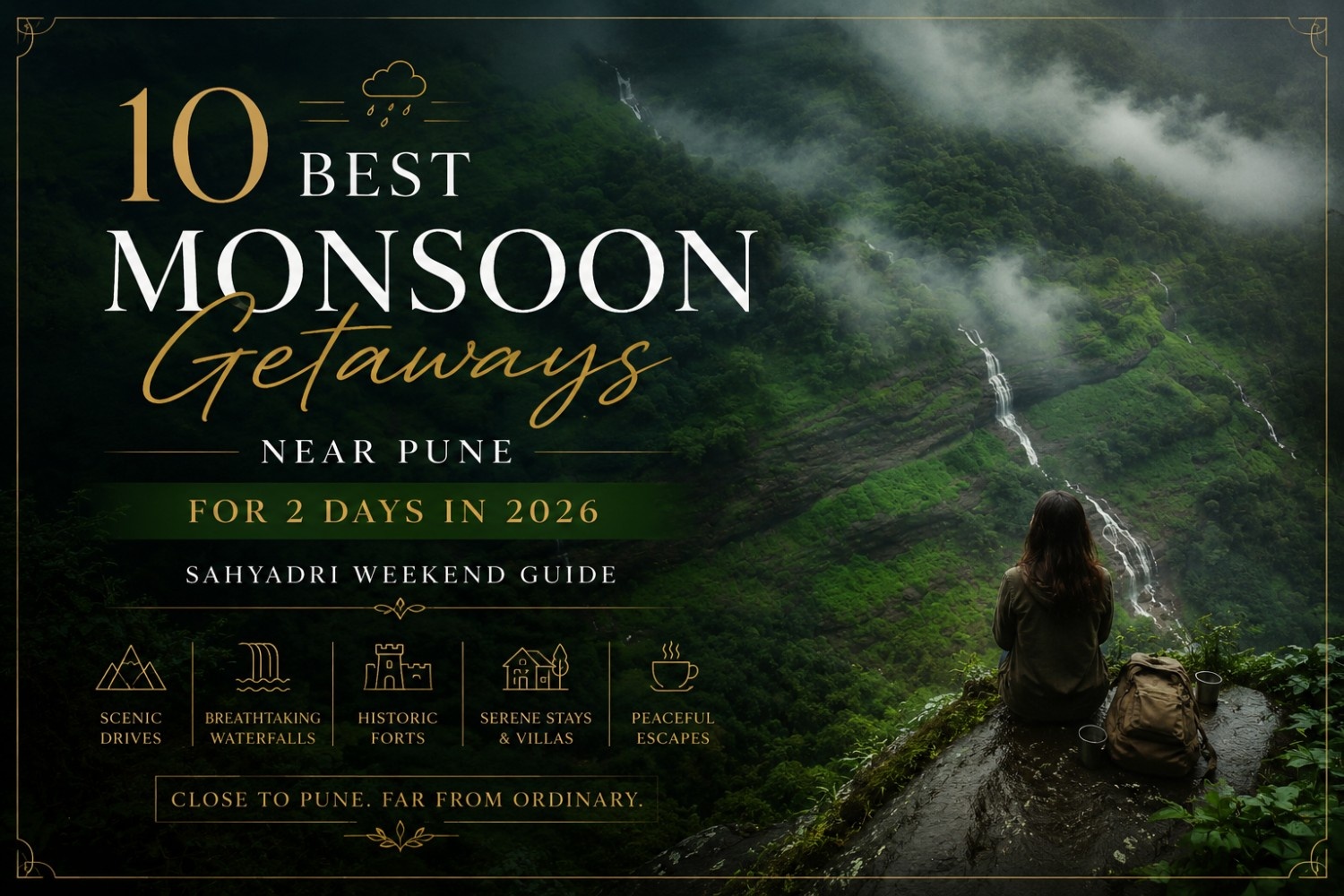
The best 2-day places to visit near Pune in monsoon within 250 km for 2026 are Lonavala-Khandala (67 km), Tamhini Ghat & Mulshi (40–60 km), Mahabaleshwar (120 km), Kolad for Kundalika rafting (115 km), Malshej Ghat (120 km), Matheran (120 km), Bhimashankar (110 km), Bhandardara (191 km), Panchgani with Kaas Plateau (108–130 km) and Igatpuri (228 km).
The 2026 Southwest Monsoon hit Kerala on 4 June and reached Pune around 9–10 June per IMD onset data, opening a mid-June to late-September window for waterfall-heavy weekends. Three destinations now have hard visitor caps in 2026 — Kaas at 3,000/day, Bhandardara Forest Range at 500/day, and Matheran with a zero-vehicle Supreme Court ban — so reservations matter more than ever.
The Pune-to-Sahyadri monsoon weekend is its own genre of Indian travel. Roughly 6,000 mm of rain falls on the Western Ghats between June and September, the highest in peninsular India, which means waterfalls switch on overnight, river rafting peaks, and forts disappear into cloud. This guide ranks the ten getaways that work best for a Friday-night-out, Sunday-night-back rhythm — every distance verified against current MTDC and Maharashtra Tourism data, every entry fee confirmed for the 2026 season, and every advisory cross-checked against the latest Pune Forest Division and BNSS 2023 orders.
In this Blog
Why places to go near Pune in monsoon work differently in 2026

Three things changed for the 2026 monsoon season. First, the India Meteorological Department’s long-range forecast pegs the June–September rainfall at 92 % of the Long Period Average, slightly below normal. So showers will still be heavy but lulls between rains are likely to be longer than 2024 (PIB, IMD Long Range Forecast 2026). Second, the Pune district administration’s prohibitory order banning entry into water bodies has been re-issued under the Bharatiya Nagarik Suraksha Sanhita 2023, effective until 31 August every monsoon, after the Bhushi Dam tragedy of June 2024 (Lokshahi News). Third, the Maharashtra Forest Department capped daily entry at Bhandardara Forest Range to 500 visitors and Kaas Plateau now runs a 3,000-visitor-per-day cap with online-only ticketing.
10 monsoon getaways near Pune for 2026:
| # | Destination | Distance | Drive time | Best for | Pre-book? |
| 1 | Lonavala & Khandala | 67 km | 1.5–2 hrs | First-timers, waterfalls | Stays only |
| 2 | Tamhini Ghat & Mulshi | 40–60 km | 1.5–2 hrs | Closest waterfall ghat | Devkund trek mandatory |
| 3 | Mahabaleshwar | 120 km | 3.5–4 hrs | Viewpoints, strawberries | Stays only |
| 4 | Kolad (Kundalika) | 115 km | 3 hrs | White-water rafting | Rafting slot mandatory |
| 5 | Malshej Ghat | 120 km | 3 hrs | Waterfalls, flamingos | Check advisory status |
| 6 | Matheran | 120 km | 3 hrs | Car-free hill station | Toy train + stays |
| 7 | Bhimashankar | 110 km | 3.5 hrs | Jyotirlinga + wildlife | Sanctuary registration |
| 8 | Bhandardara | 191 km | 5–6 hrs | Dams, Kalsubai trek | Forest cap 500/day |
| 9 | Panchgani / Kaas Plateau | 108 / 130 km | 3–3.5 hrs | Wildflowers (Sep–Oct) | Kaas: 3,000/day cap |
| 10 | Igatpuri | 228 km | 4–5 hrs | Vipassana, Vihigaon rappelling | Stays + activities |
Most listicles repeat the same ten names but skip the regular ones. The 2025–2026 BNSS prohibitory orders, the 3 PM sanctuary cut-off and the Kaas online-only ticketing are the differentiators between a smooth weekend and a wasted drive.
1. Lonavala & Khandala — The classic first-timer weekend (67 km)

Lonavala and Khandala are one of the best places to visit Near Pune in Monsoon and sit on the Mumbai-Pune Expressway about 67 km from Pune with a drive time of 1.5 to 2 hours outside peak traffic. The pair gets soaked between the second week of July and end of August, when Bhushi Dam overflows (it recorded 143 mm of rainfall on 16 June 2025 alone, per Punekar News) and Kune Falls, a three-tier 200-metre cascade ranked among Maharashtra’s tallest, runs at full pressure. This is the smoothest entry point into Sahyadri monsoon travel for first-timers because road access is well-paved even in heavy rain.
Top things to do: Bhushi Dam stepped overflow, Kune Falls viewpoint, Tiger’s Leap cliff, Rajmachi Fort short trek, Lohagad Fort, and the Karla and Bhaja caves.
2026 safety advisory: Pune district administration’s prohibitory order under BNSS 2023 restricts entry into water bodies in Lonavala till 31 August. Bhushi Dam remains open with railings and police deployment installed after the June 2024 incident that killed five people from one family (Onmanorama). Avoid entering the dam waters; viewing from the upper steps is permitted.
Where to stay:
Sample 2-day plan: Drive Friday evening, dinner at Della. Saturday — Bhushi Dam early morning, Kune Falls view at 11 AM, Lohagad trek by 1 PM, sunset at Tiger’s Leap. Sunday — Karla Caves, lunch at Mapro Garden Khandala, drive back by 5 PM to avoid expressway returnee traffic.
Skip Bhushi if it’s overcrowded. Kune Falls is taller (200 m vs Bhushi’s stepped 12 m) and draws a fraction of the crowd — most travel blogs default to Bhushi out of habit.
2. Tamhini Ghat & Mulshi — The closest waterfall corridor (40–60 km)

Tamhini Ghat is the closest real waterfall corridor to Pune, just 40 km west of the city via Mulshi Dam, putting it inside a 1.5 to 2-hour drive window. The ghat road threads roughly 20 km of switchbacks past close to forty unnamed cascades that switch on within hours of the first serious shower. Mulshi Lake, the upstream Pune reservoir, fills to its full supply level between mid-July and late August, drawing weekenders for lakeside camping. The marquee day-hike is the Devkund Waterfall trek, a 3.5 km guided walk to a circular bluish-green plunge pool.
Top things to do: Tamhini Waterfall, Devkund Waterfall trek (mandatory advance booking with certified guides), Plus Valley viewpoint, Andharban “dark forest” descent trek, Mulshi Dam, Kundalika river origin point.
2026 safety advisory: Tamhini Ghat is one of the highest-fatality monsoon stretches in Maharashtra — the Pune Forest Division 2025 monsoon advisory explicitly named Mulshi and Andharban among hotspots requiring group-only entry and pre-3 PM exits (Travel and Tour World). Devkund visitor permits are issued only to registered groups with certified guides; private treks are prohibited.
Where to stay:
Kyuka – Kizuna
Sample 2-day plan: Saturday morning drive (1 hr), Andharban half-day trek with a registered operator. Saturday evening — sunset at Mulshi Dam, lakeside dinner. Sunday — Devkund trek with pre-booked guide, Tamhini Falls drive-through on the way back, reach Pune by 6 PM.
Devkund is the most-photographed cascade near Pune, but 80 % of would-be trekkers don’t realise it requires advance booking through forest-department-certified guides. Many private operators on Instagram are not certified.
3. Mahabaleshwar — Six-thousand-millimetre rainfall and 5 AM viewpoints (120 km)

Mahabaleshwar gets about 6,000 mm of monsoon rainfall, putting it among India’s wettest hill stations, and sits 120 km from Pune via NH-48 with a 3.5 to 4-hour drive through Wai and Panchgani. Lingmala Waterfall, a roughly 600-foot drop, peaks in August. The MTDC operates a lakeside boating jetty at Venna Lake that suspends operations during heavy rain. Mahabaleshwar’s strawberry fields keep producing into early July, and Mapro Garden runs its annual strawberry festival in late April make it a prime candidate for places to visit Near Pune in Monsoon. So monsoon visitors get the lush valley views without the festival crowd.
Top things to do: Arthur’s Seat, Elephant’s Head Point, Wilson Point (sunrise), Lingmala Waterfall, Pratapgad Fort, Venna Lake (boating subject to weather), Mapro Garden, the Mahabaleshwar Temple precinct.
2026 safety advisory: Heavy rain spells close most viewpoints by 5 PM. Locals advise an early-morning Arthur’s Seat run between 6 and 10 AM before what residents call “the 11 AM mist wall” closes visibility for the rest of the day. Pratapgad ghat road is fog-prone — drive in low beam and use horns at every bend.
Where to stay:
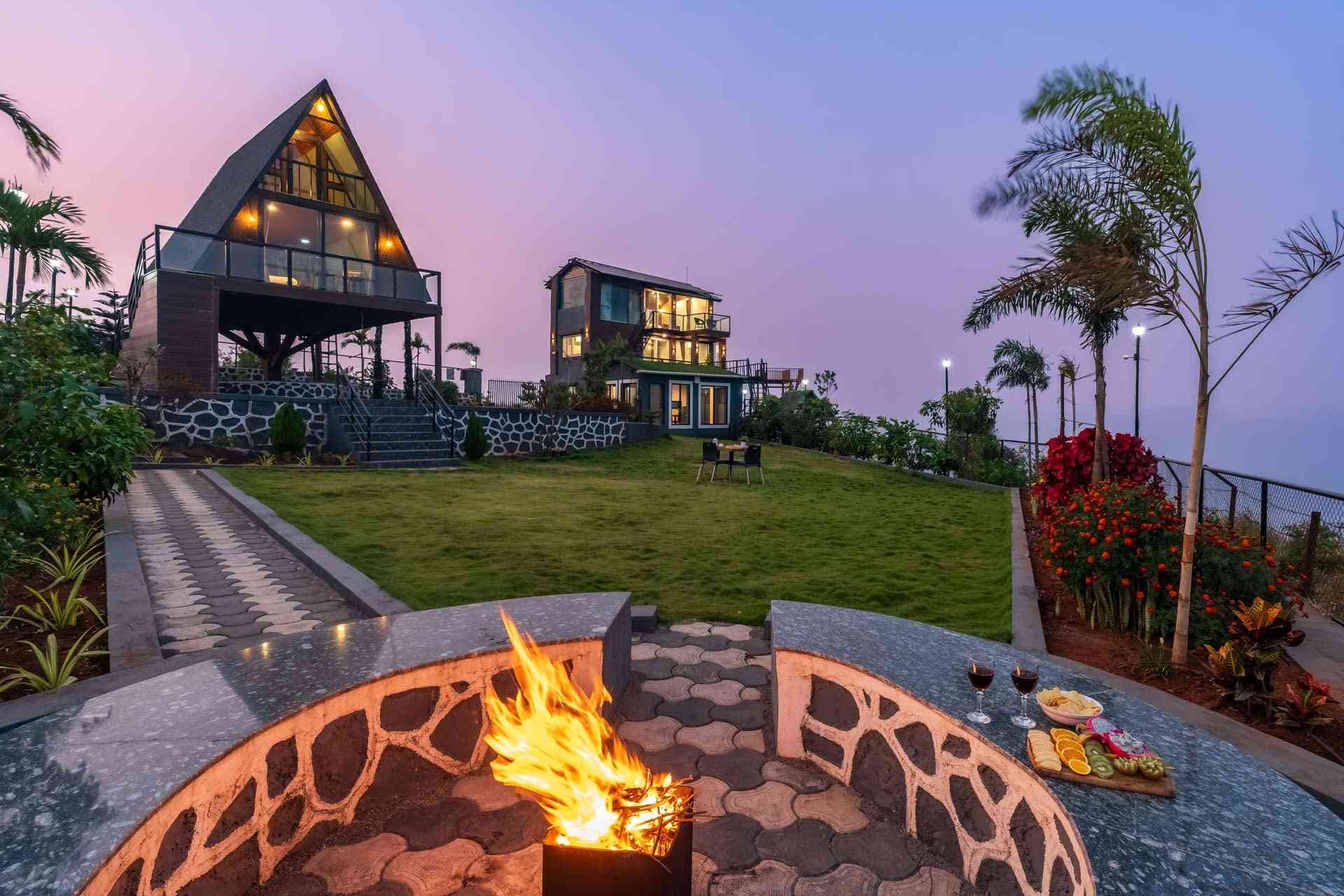
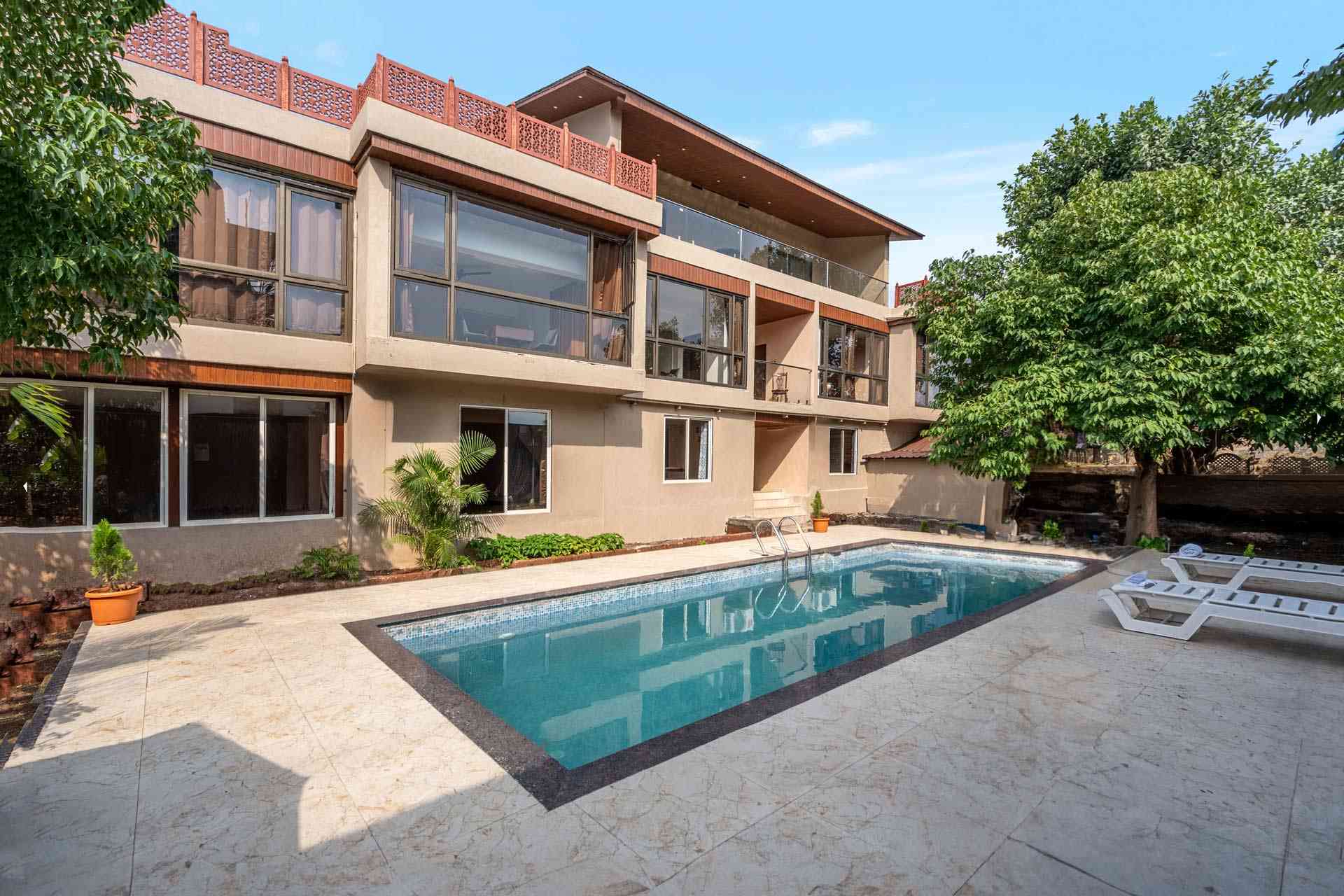
Sample 2-day plan: Friday night arrival. Saturday — Arthur’s Seat at sunrise, Lingmala Falls hike, lunch at Grapevine, afternoon at Venna Lake. Sunday — Pratapgad Fort half-day, drive back via Panchgani for Mapro lunch.
Sunrise viewpoint visibility windows are real. Use 6–10 AM and don’t waste a slot fighting the 11 AM mist.
4. Kolad — White-water rafting on a dam-controlled river (115 km)

Kolad sits 115 km from Pune on the Mumbai-Goa highway and is India’s most accessible dam-controlled rafting destination. The Kundalika river is fed by scheduled water releases from the Bhira hydroelectric plant — meaning rafting runs year-round, but June through September is when the surrounding ghats are at their greenest. The standard slot starts at 7:45 AM with two slots daily during monsoon. The 12 km course features Grade III rapids over a 2 to 2.5-hour run, with helmets and life jackets compulsory.
Top things to do: Kundalika white-water rafting (12 km, Grade III), Sutarwadi Waterfall, kayaking and zipline add-ons at riverside camps, Kuda Caves, Plus Valley drive-through.
2026 booking and pricing: Weekday rafting starts around ₹1,199 per person; weekend slots ₹1,100–1,500; full packages with transport ₹3,499 and without transport ₹2,399 (Kundalika Rafting). Walk-ins are not accepted — pre-book your slot. Minimum age is typically 14; non-swimmers permitted with a life jacket.
Where to stay: Riverside tents ₹1,800–3,500 including meals; resorts ₹4,000–8,000.
Sample 2-day plan: Saturday morning — drive in by 7 AM, rafting at 7:45 AM, riverside lunch and rest. Saturday evening — Sutarwadi Waterfall short visit, bonfire at camp. Sunday — drive to Tamhini Ghat for the scenic return route via Mulshi.
Kundalika is one of only three dam-controlled rafting rivers in India — water release is scheduled by the irrigation department, so the 7:45 AM slot is dictated by the Bhira plant’s discharge timing, not by the weather. That’s why slots sell out: there’s no flexibility.
5. Malshej Ghat — Waterfalls, flamingos and Maharashtra’s tallest cascade (120 km)

Malshej Ghat sits 120 km north of Pune on the road to Kalyan and takes about 3 hours to reach. The Ghat hosts Kalu Waterfall, a five-tier 1,200-foot drop in what locals call “God’s Valley” — taller than the single biggest drop at Jog Falls and one of the tallest cascades in Maharashtra. The Pimpalgaon Joga Dam stretch becomes a flamingo congregation point in late monsoon, with birds arriving from August through early winter. The MTDC Flamingo Resort overlooking the ghat is the most photographed accommodation here amking it one of the best places to visit Near Pune in Monsoon.
Top things to do: Kalu Waterfall trek (12 km — book with certified operators), Pimpalgaon Joga Dam, Harishchandragad fort trek, Ajoba Hill Fort, Flamingo Point viewing.
2026 safety advisory: Following a major landslide in 2024, the Maharashtra government has imposed temporary tourist bans on parts of Malshej Ghat — always verify the current advisory status before driving up. Entry was banned at popular Sahyadri trekking spots till 10 August in recent monsoons (Pune Pulse).
Where to stay: MTDC Flamingo Resort ₹2,500–4,500; private resorts and homestays ₹3,500–7,000.
Sample 2-day plan: Saturday morning drive, Kalu Falls trek with guide (full day). Saturday night at MTDC Flamingo Resort. Sunday — Pimpalgaon Joga Dam morning, Harishchandragad base point, lunch at resort, return drive.
Don’t conflate “Malshej waterfalls” with one specific cascade. Kalu Falls is the trek-only headliner; the roadside cascades are a separate experience that don’t require booking. Most blogs lump them together and confuse first-time visitors.
6. Matheran — Asia’s only vehicle-free hill station (120 km)

Matheran is 120 km from Pune and is the only automobile-free hill station in Asia following a 2003 Supreme Court ruling that bans all motor vehicles inside the town — including e-bikes. Cars stop at Dasturi Naka, after which travellers walk, ride horses, or take the Neral–Matheran narrow-gauge toy train (a UNESCO World Heritage candidate). The Neral–Matheran main service suspends in monsoon for safety, but the shorter Aman Lodge–Matheran shuttle continues operating with 6 daily pairs on weekdays and 8 on weekends. If you are looking for the most peacful places to visit Near Pune in Monsoon, Matheran is a must visit.
Top things to do: Toy train ride, Charlotte Lake, Panorama Point, Echo Point, Louisa Point, Porcupine (Sunset) Point, the famous red-soil walking trails through the dense canopy.
2026 entry and ticketing (verified):
• Matheran eco-entry tax at Dasturi: ₹50 adult, ₹25 child
• Aman Lodge–Matheran shuttle: 2nd class ₹75 adult / ₹45 child; 1st class ₹300 adult / ₹180 child (18-minute ride)
• Neral–Matheran main toy train: ₹60 second class / ₹300 first class — suspended June through September, resumes post-monsoon (Outlook Traveller)
Where to stay: Budget ₹1,500–3,000; heritage mid-range at Lord’s Central, Verandah in the Forest ₹4,000–7,500; luxury ₹10,000–20,000.
Sample 2-day plan: Saturday morning — drive to Dasturi, walk or horse-ride into town, lunch at Lord’s Central. Saturday afternoon — Charlotte Lake and Echo Point. Sunday — sunrise at Panorama Point, breakfast, sunset at Louisa Point, late return.
Matheran’s vehicle ban is famous, but the Aman Lodge shuttle keeps running in monsoon even when the main toy train shuts down — and most visitors don’t know it exists, then complain about the muddy walk in.
7. Bhimashankar — Jyotirlinga + Maharashtra’s state animal (110 km)

Bhimashankar is 110 km from Pune with a 3.5-hour drive ending in winding sanctuary roads. It pairs the sixth of India’s twelve Jyotirlinga shrines with the Bhimashankar Wildlife Sanctuary — the only place where the Malabar Giant Squirrel (Ratufa indica), Maharashtra’s state animal, can be reliably spotted in the wild within a half-day drive of a major city. The sanctuary spans 130 sq km of dense Western Ghats forest and feeds the Bhima river.
Top things to do: Bhimashankar Jyotirlinga Temple, Bhimashankar Wildlife Sanctuary, Hanuman Lake, Gupt Bhimashankar, Nagphani Peak, and the moderate Sidhagad or Bhorgiri treks.
2026 entry fees (verified): Sanctuary entry is free for Indian nationals and ₹500 for foreign tourists. Vehicle charges: ₹10 (two-wheeler), ₹50 (four-wheeler), ₹100 (heavy) (Maha Ecotourism). Key sanctuary trails and waterfall zones are closed early July through 30 September due to slippery-path policy.
2026 safety advisory: Bhimashankar is on the Pune Forest Division’s hotspot list — group trekking, mandatory registration, no entry after 3 PM for overnight stays.
Where to stay: Budget MTDC and dharamshalas ₹800–2,000; mid-range Blue Mormon and Eshi Resorts ₹3,000–5,000; luxury options are limited.
Sample 2-day plan: Saturday morning — drive in, temple darshan, lunch. Saturday afternoon — Gupt Bhimashankar and Hanuman Lake. Sunday — Nagphani Peak short hike at sunrise (with guide), squirrel spotting in sanctuary, return.
The gain angle: The Malabar Giant Squirrel sighting is the single most under-marketed wildlife experience near Pune. The 6:30–9 AM window in the sanctuary’s core trail offers the highest probability — go on Sunday morning before the temple crowd builds.
8. Bhandardara — Dams, fireflies and Maharashtra’s highest peak (191 km)

Bhandardara sits 191 km north-east of Pune, putting it at 5 to 6 hours of driving — the upper edge of a comfortable 2-day window. The reward is Arthur Lake (Wilson Dam reservoir), Randha Falls (a 170-foot drop on the Pravara river), and the iconic Umbrella Falls, which only forms when Wilson Dam overflows (typically after 15 August). Kalsubai Peak at 1,646 metres is Maharashtra’s highest summit and a moderate-to-difficult trek that starts here. The famous firefly festival here happens pre-monsoon in late May and early June — by the time the rains arrive, the fireflies are gone.
Top things to do: Wilson Dam and Umbrella Falls, Randha Falls, Kalsubai Peak trek, Ratangad Fort, Harishchandragad, MTDC Bhandardara boat ride on Arthur Lake.
2026 advisory and visitor caps: The Forest Department has capped daily tourist entry at 500 visitors in the Bhandardara Forest Range; no overnight sanctuary entry after 3 PM. The Bhandardara region requires online forest entry verification at peak weekends.
Where to stay: MTDC Bhandardara Resort ₹1,200–2,500; mid-range camping packages ₹3,500–6,000; luxury ₹8,000–14,000.
Sample 2-day plan: Friday night drive-in if possible. Saturday — Wilson Dam early morning, Randha Falls, boat ride on Arthur Lake, sunset at the dam wall. Sunday — Kalsubai trek for fit travellers (start by 5 AM), or Ratangad short trek. Late return.
Umbrella Falls doesn’t exist as a permanent waterfall. It’s the dam overflow — and it only triggers after Wilson Dam reaches full supply level, typically post-15 August. Visiting in early July gets you the lake but no umbrella spray.
9. Panchgani & Kaas Plateau — Tableland and India’s regulated wildflower park (108–130 km)

Panchgani is 108 km from Pune (3 hours) and the Kaas Plateau is 130 km (3.5 hours via Satara). Panchgani’s Table Land is the second-largest plateau in Asia after Tibet at 4,550 feet. Kaas Plateau is a UNESCO World Natural Heritage Site with 850+ flowering plant species that bloom in a tight 4-week window. Critically, Kaas is a September–October destination, not a June–August one — the official 2026 booking window runs 20 September to 19 October 2026.
Top things to do: Panchgani Table Land, Sydney Point, Parsi Point, Devil’s Kitchen, Mapro and Mala’s strawberry farms, Kaas Plateau bloom (Sep–Oct), Thoseghar Falls (~500 feet), Sajjangad Fort.
2026 Kaas regulations (verified):
• Season: 20 September to 19 October 2026
• Daily visitor cap: 3,000 visitors
• Entry fee: ₹100 per person for a 3-hour slot
• Online-only booking via [kas.ind.in](https://www.kas.ind.in/booking.php) — no walk-ins, QR ticket required
• Weekend slots sell out 2–3 weeks in advance
Where to stay:

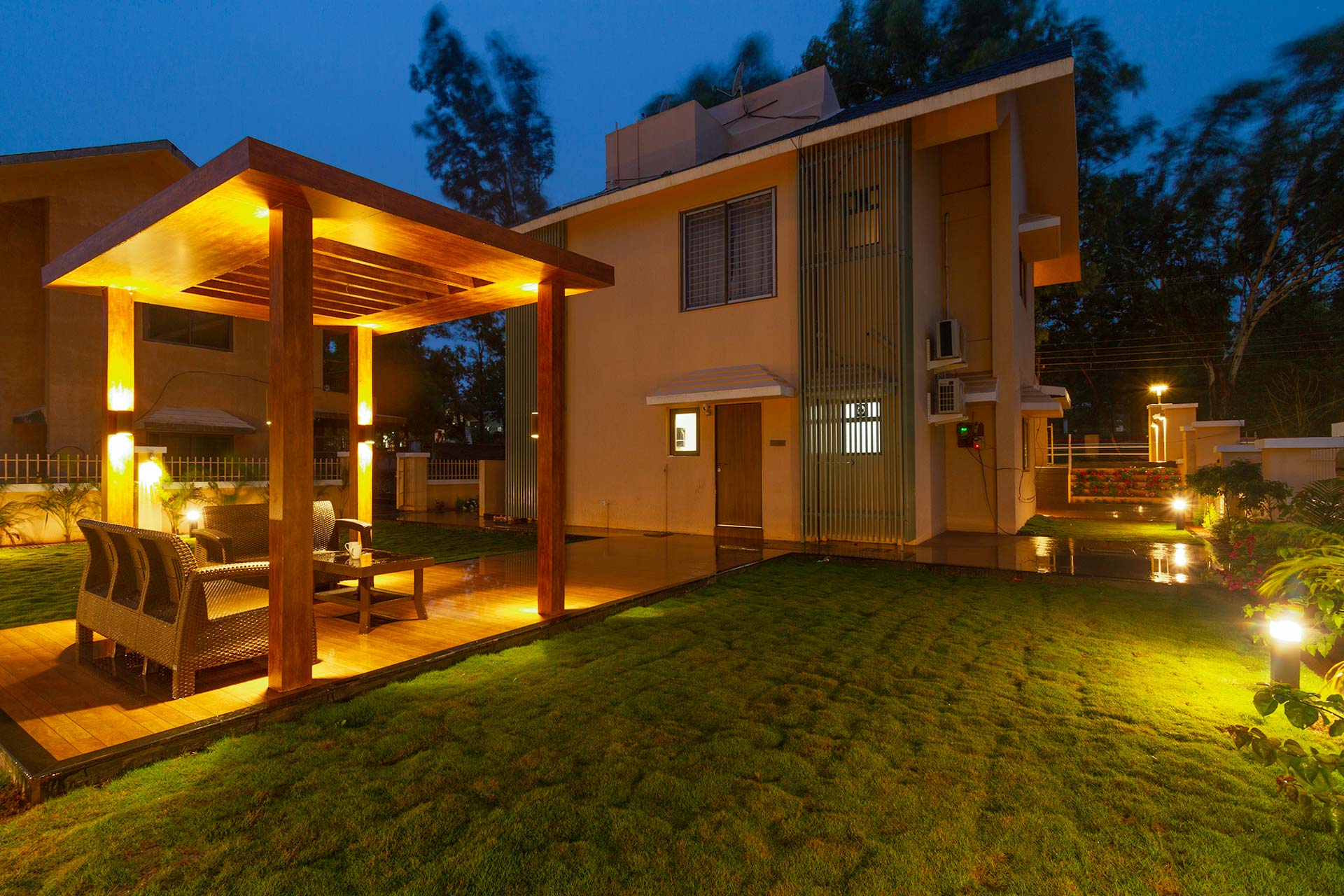
Sample 2-day plan for Kaas (Sep–Oct only): Saturday morning — drive to Satara, lunch, afternoon at Kaas (book the 2 PM slot). Sunday — Thoseghar Waterfall, Sajjangad Fort, return via Panchgani for Mapro Garden.
Sample 2-day plan for Panchgani (Jul–Aug): Saturday — Table Land, Sydney Point, lunch, Devil’s Kitchen. Sunday — short trek to nearby Pratapgad Fort, return via Mahabaleshwar viewpoints.
Kaas Plateau is not a monsoon destination in the conventional July–August sense — most listicles get this wrong. The blooms peak after the monsoon withdraws. The plateau is also one of only two regulated wildflower parks in India (the other is the Valley of Flowers in Uttarakhand), and the 3,000-visitor cap makes weekend pre-booking mandatory.
10. Igatpuri — Vipassana, Vihigaon rappelling and the Bhatsa River valley (228 km)

If you are looking for tourist places near Pune in monsoon, Igatpuri is 228 km from Pune, a 4 to 5-hour drive that puts it at the very edge of a 2-day round trip — best combined with a Friday-night arrival. The town hosts Dhamma Giri, India’s largest Vipassana meditation centre, a 10-day silent retreat angle that competing weekend listicles routinely miss. For adventure travellers, the Vihigaon Waterfall offers a 110-foot rappelling descent with certified operators providing helmets and harnesses. The Camel Valley viewpoint, 4 km from the railway station, looks out at a 1,000-foot waterfall during peak monsoon.
Top things to do: Vihigaon Waterfall rappelling, Camel Valley viewpoint, Ashoka Waterfall, Bhatsa River Valley, Tringalwadi Fort, Dhamma Giri Vipassana International Academy (10-day course, free with donations).
2026 safety advisory: Rappelling at Vihigaon (~110 ft) must be done with certified operators — helmet and harness are mandatory, and several unlicensed operators have been flagged in recent years. The waterfall itself is open to viewing, but the rappelling slot is operator-controlled.
Where to stay:
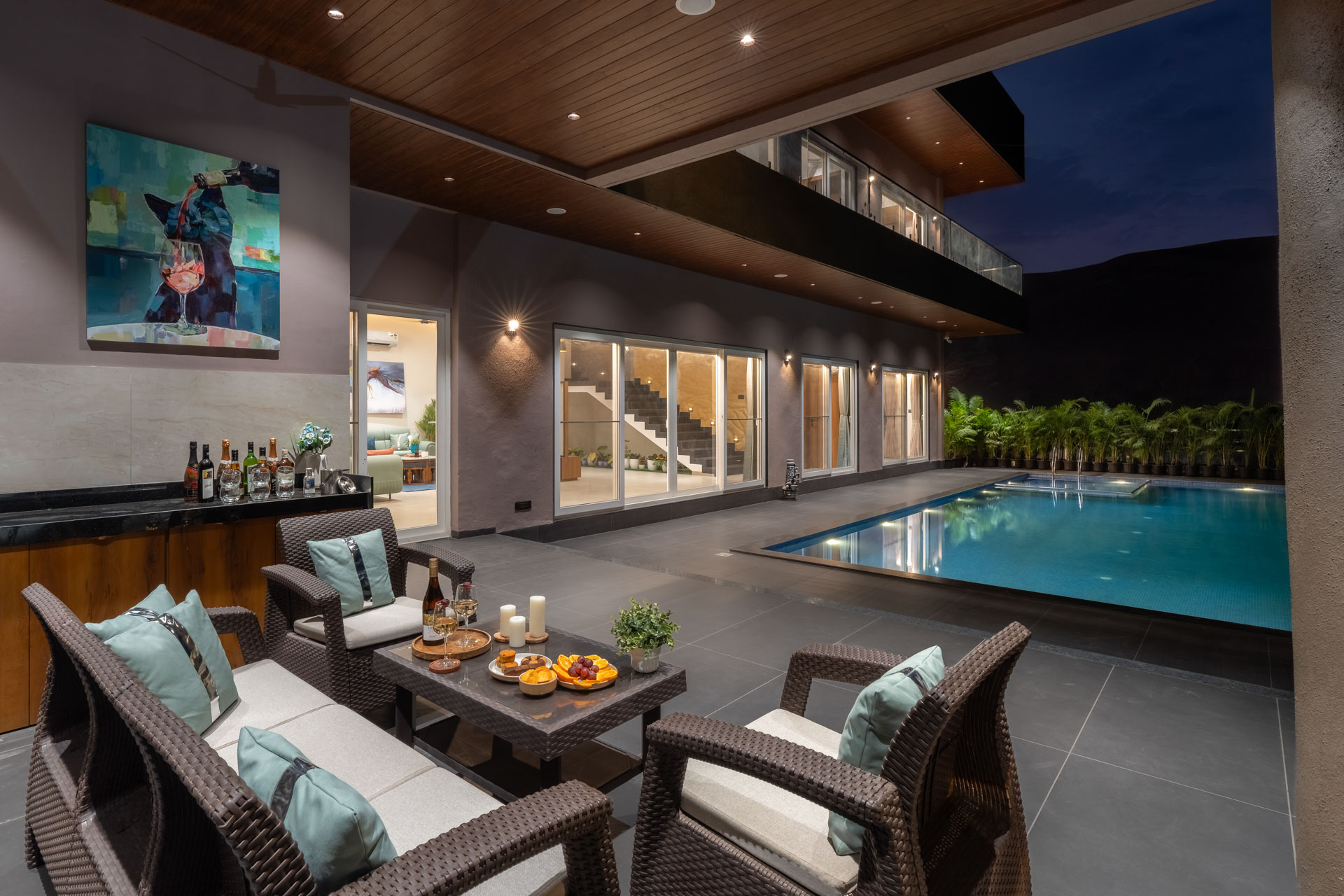

Sample 2-day plan: Friday night arrival at resort. Saturday — Vihigaon rappelling slot at 9 AM (book ahead), Ashoka Waterfall mid-day, Bhatsa Valley sunset. Sunday — Camel Valley morning, optional Tringalwadi Fort short trek, return drive.
Igatpuri’s Vipassana centre is among the world’s largest meditation campuses and offers free 10-day silent retreats — a completely different “monsoon getaway” most travel content ignores in favour of waterfalls.
2-day itineraries by for places to go near Pune in monsoon
Adventure-first weekend: Saturday — Kolad rafting (7:45 AM slot), riverside camp. Sunday — drive to Tamhini for the scenic ghat return and a Devkund trek if booked.
Couple’s weekend: Saturday — Mahabaleshwar arrival, sunset at Wilson Point, candlelit dinner at Ravine. Sunday — Lingmala Falls, brunch at Grapevine, return.
Family-with-kids weekend: Saturday — Lonavala drive, Karla Caves, lunch at Della. Sunday — Bhushi Dam upper steps (no water entry), Mapro Garden Khandala, return.
Spiritual + nature weekend: Saturday — Bhimashankar temple darshan, sanctuary squirrel spotting. Sunday — Hanuman Lake, Nagphani Peak short hike.
Wildflower weekend (Sep–Oct only): Saturday — Kaas Plateau afternoon slot (pre-booked), homestay at Kaas village. Sunday — Thoseghar Waterfall, Sajjangad Fort.
Safety, advisories and what to places to visit near Pune in monsoon weekends in 2026
Three rules will save your trip. First, treat every trekking spot as “after 3 PM = no entry” per the Akhil Maharashtra Giryarohan Mahasangh 2025 guidelines — they were issued specifically to reduce monsoon fatalities. Second, register at the forest gate where required (Bhimashankar, Bhandardara, Andharban) and travel in groups of three or more. Third, never enter waterfall plunge pools or river currents in Lonavala, Bhushi, Tamhini, Devkund, or Kolad — the BNSS prohibitory order is enforced with police presence and fines.
Pack list: waterproof shoes with grip, two pairs of dry socks, a microfibre quick-dry towel, dry-sack for electronics, headlamp, rain poncho rated for full immersion (not a flimsy umbrella), basic first-aid with Band-Aids and antiseptic, mosquito repellent, and cash — many ghat resorts have spotty UPI in heavy rain.
A “monsoon-rated” rain jacket (sealed seams, hooded) outperforms an umbrella in Sahyadri winds — most Pune-Mumbai weekend regulars learn this the hard way on Kalsubai or Harishchandragad.
Frequently asked questions
The 2026 Southwest Monsoon set in over Kerala on 4 June 2026, per the India Meteorological Department, and typically reaches Pune 7 to 10 days later — making 9–10 June 2026 the expected onset window for Pune. IMD’s long-range forecast for the 2026 season is 92 % of the Long Period Average, slightly below normal but still adequate for full Western Ghats greening by mid-July.
For under 100 km, Tamhini Ghat and Mulshi (40–60 km) offer the closest real waterfall experience, Lonavala-Khandala (67 km) is best for first-timers, and Bhimashankar (110 km) suits travellers who want temple darshan with wildlife. Tamhini wins on driving time but requires advance booking for the Devkund trek.
Visiting is safe with restrictions. The Pune district prohibitory order under BNSS 2023 bans entry into water bodies in Lonavala till 31 August, and Bhushi Dam itself is open with railings and police deployment installed after the June 2024 incident. You can view from the upper steps but cannot enter the dam waters or stand in the spillway.
Yes — Kolad’s Kundalika rafting runs year-round because the river is fed by scheduled water releases from the Bhira hydroelectric plant. The standard slot is 7:45 AM, with two slots per day during monsoon. Advance booking is mandatory; walk-ins are not accepted. Weekday rates start around ₹1,199 per person.
The Neral–Matheran main service is suspended from June through September every monsoon and resumes in early to mid-October depending on track condition assessment. The shorter Aman Lodge–Matheran shuttle continues operating throughout the monsoon with 6 pairs weekdays, 8 pairs weekends.
Yes. Kaas Plateau enforces online-only booking via kas.ind.in with a 3,000-visitor daily cap, ₹100 per person for a 3-hour slot, and a season window of 20 September to 19 October 2026. Weekend slots sell out 2–3 weeks ahead. QR-ticket verification at gate; no walk-ins.
Sanctuary entry is free for Indian nationals and ₹500 for foreign tourists. Vehicle charges are ₹10 (two-wheeler), ₹50 (four-wheeler), ₹100 (heavy). Key sanctuary trails are closed between early July and 30 September for safety.
The Maharashtra Forest Department has periodically banned entry at popular Sahyadri trekking spots (in recent monsoons, the cut-off was 10 August). Specific advisories apply to Malshej Ghat following the 2024 landslide, with parts of the ghat temporarily restricted. Always check the Pune Forest Division’s annual monsoon advisory before driving up.
For an all-rounder: Saturday — Lonavala (Bhushi Dam, Kune Falls, Lohagad Fort), overnight stay; Sunday — drive to Tamhini Ghat via the ghat road, lunch at Mulshi, return by 6 PM. This itinerary covers the two highest-density waterfall regions within a 90 km loop without overlong drives.
No. Matheran has been automobile-free since a 2003 Supreme Court ruling — no cars, motorbikes, scooters, or e-bikes are permitted inside the town. Vehicles park at Dasturi Naka, and the only transport options inside are horses, hand-pulled rickshaws, the toy train shuttle from Aman Lodge, or walking.
The bottom line for Pune monsoon weekends in 2026
The Pune-to-Sahyadri monsoon weekend rewards planning. The destinations haven’t changed — Lonavala, Mahabaleshwar, Bhandardara and the rest have been the standard list for two decades — but the rules around them have. Visitor caps at Kaas and Bhandardara, the BNSS prohibitory orders around water bodies, the 3 PM trekking cut-off, and the Matheran vehicle ban together make 2026 the year when booking ahead, registering at gates, and respecting the 3 PM rule is the difference between a weekend that delivers and one that turns into a stranded photo of a closed barrier. Pick one destination from this list, book your stay and any required permits this week, and treat the Pune Forest Division’s monsoon advisory page as your last check before driving out.