

12 Forest Walks in India Best Experienced in the Monsoon (2026)

Forest walks in India come alive in a completely different way once the monsoon arrives — mist rolls through the canopy, waterfalls appear out of nowhere, and trails that felt ordinary in summer turn cinematic. This guide covers the 12 best forest walks in India to experience between June and September 2026, along with what makes each one worth the detour.
The best forest walks in India during monsoon include Coorg, Agumbe, Silent Valley, Kudremukh, Munnar, Periyar, Valley of Flowers, Sattal, Tirthan Valley, Mawphlang, Kabini, and the Shola forests of Ooty — each offering a distinct rainforest, sholas, or deciduous forest experience.
If you’ve ever wondered why seasoned trekkers specifically wait for the rains to explore India’s forests, the answer is simple: this is when they’re actually alive. Streams that are dry by April are roaring by July. Frogs and fungi you’ll never see in peak season suddenly show up underfoot. And the crowds thin out because most people assume monsoon means “stay indoors,” which — happily for the rest of us — isn’t true at all.
In this Blog
Why Forest Walks in India Are Better in the Monsoon
Monsoon in India isn’t just a season of relentless rain — for forest ecosystems, it’s the annual reset button. Rivers recharge, seeds germinate, and the undergrowth explodes with a density of green you simply don’t see the rest of the year. It’s also when many of India’s forests are at their most biodiverse and photogenic, from carpets of wildflowers in the Himalayas to bioluminescent fungi in the Western Ghats.
That said, monsoon forest walks aren’t a free-for-all. Several protected forests restrict access during breeding season, and a few — as we’ll get to below — don’t allow public entry at all, monsoon or otherwise. Knowing which trails are open, which need a permit, and which are best left to the biologists is half the job of planning this kind of trip.
According to India’s Forest Survey Report, forest and tree cover accounts for about 24.6% of India’s total geographical area — and the monsoon months are when this cover is at its visual and ecological peak.
Quick Facts: 12 Forest Walks in India at a Glance
| Forest Walk | State/Region | Forest Type | Best For | Entry Restrictions |
| Coorg forests | Karnataka | Tropical evergreen | Coffee-estate trails, waterfalls | Open, guided treks recommended |
| Agumbe Rainforest | Karnataka | Tropical rainforest | King cobra sightings, biodiversity | Guided walks only |
| Silent Valley | Kerala | Tropical evergreen | Untouched wilderness | Permit required, limited entry |
| Kudremukh | Karnataka | Shola-grassland | Trekking, river crossings | Permit required |
| Munnar trails | Kerala | Shola & grassland | Tea-estate walks, viewpoints | Mostly open |
| Periyar | Kerala | Tropical moist deciduous | Wildlife, bamboo rafting | Entry fee, guided |
| Valley of Flowers | Uttarakhand | Alpine meadow | Wildflower blooms | Open Jun–Sep only |
| Sattal forest | Uttarakhand | Oak-pine mixed | Birdwatching, lakes | Open |
| Tirthan Valley | Himachal Pradesh | Himalayan temperate | River trails, GHNP access | Permit for core zone |
| Mawphlang Sacred Forest | Meghalaya | Sacred grove | Cultural + ecological walk | Guided, community-managed |
| Kabini nature trails | Karnataka | Deciduous | Wildlife, coracle rides | Entry fee, guided |
| Shola forests of Ooty | Tamil Nadu | Montane shola | Misty walking trails | Mostly open |
1. Coorg Forests, Karnataka
Coorg (Kodagu) is where coffee plantations blur into genuine rainforest, and monsoon is when the region earns its nickname, the “Scotland of India.” Trails around Chelavara and Iruppu wind through dense tropical evergreen forest, past waterfalls that are barely a trickle by March but thunderous by July.
What makes Coorg forests distinctive for a monsoon walk is the layering — plantation shade gives way to reserve forest almost without warning, and you’ll often spot Malabar giant squirrels and hornbills along the way. It’s an easy entry point if this is your first monsoon forest walk in India, since trails are well-marked and homestays double as informal guides.
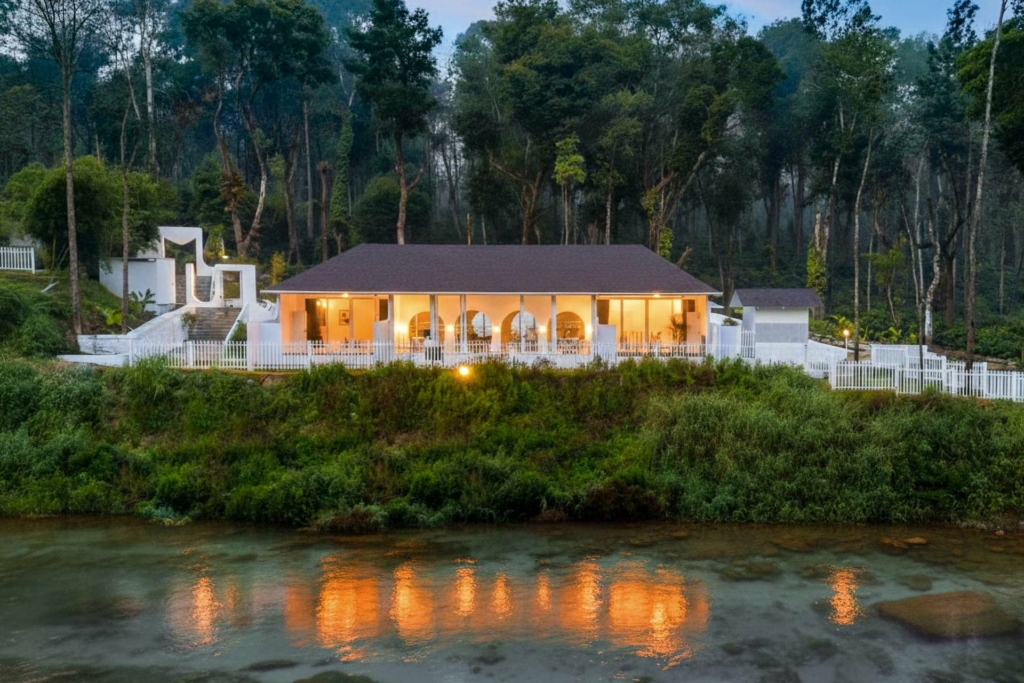
If you’re basing yourself in Coorg for a few days, a private villa stay near the estates gives you easy access to trailheads without the drive-in crowds — something StayVista’s Coorg properties are set up for specifically.
Mudra Tattva
2. Agumbe Rainforest, Karnataka
Agumbe is often called the “Cherrapunji of the South,” and it doesn’t undersell itself. This is one of the few forest walks in India where you can genuinely study a rainforest ecosystem up close — it’s home to the King Cobra Research Station, and monsoon is peak activity season for reptile and amphibian life here.
Walks here are best done with a local naturalist, partly for safety and partly because you’ll miss 90% of what’s actually happening in the undergrowth otherwise — bioluminescent fungi, flying frogs, and an astonishing range of insect life.

3. Silent Valley, Kerala
Silent Valley National Park is one of the last surviving stretches of untouched evergreen tropical forest in India, and that status comes with real restrictions — access is permit-based and tightly controlled by the Kerala Forest Department, which is part of what’s kept it this pristine.
“Silent Valley remains one of India’s most ecologically undisturbed forests, largely because public access has always been restricted rather than encouraged.”
For travellers asking which forest is untouched in India, Silent Valley is usually the first name that comes up among ecologists — and monsoon, when the canopy is at its thickest, is when you understand why.

4. Kudremukh, Karnataka
Kudremukh National Park combines rolling shola-grassland landscapes with dense forest cover, and its river crossings — usually dry stream beds — become a genuine trekking challenge in monsoon. This is a forest walk for people who want a bit of a workout alongside the scenery.
Permits are required, and trails can close during heavy spells, so it’s worth checking conditions locally before you commit to a route.
5. Munnar Trails, Kerala
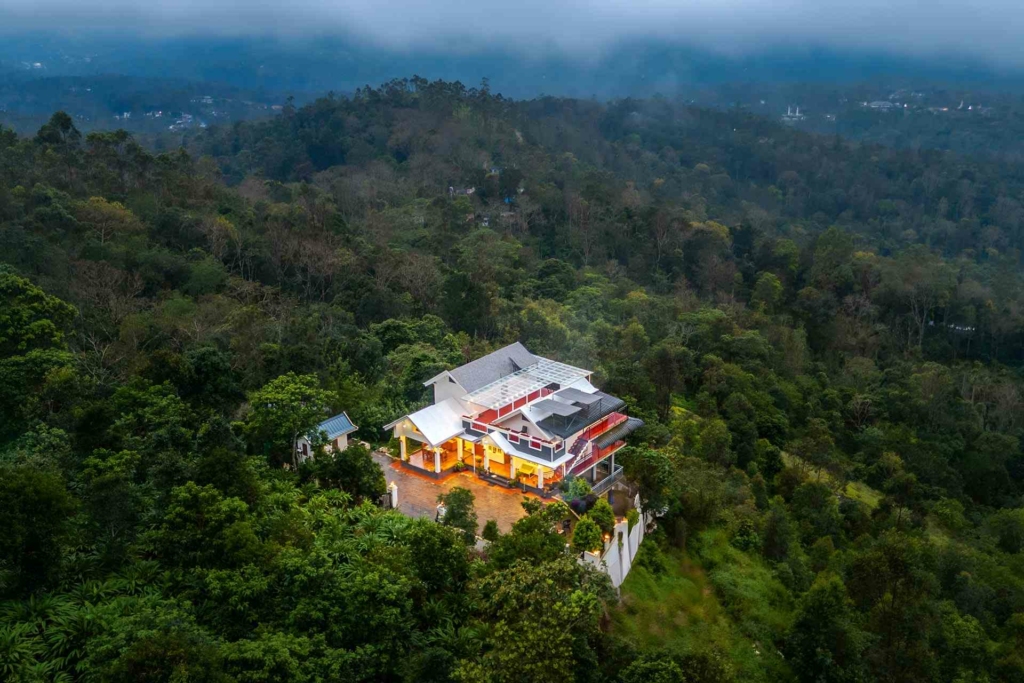
Munnar’s shola forests, tucked between the tea estates, are a masterclass in contrast — manicured green slopes on one side, wild montane forest on the other. Monsoon mist here is thick enough that trails seem to appear and disappear as you walk.
Munnar trails are gentler than Kudremukh or Agumbe, making this a good pick if you’re travelling with people who want scenery without a serious trek.
Titha Villa
6. Periyar, Kerala
Periyar Tiger Reserve blends tropical moist deciduous forest with a large lake system, and its bamboo rafting and guided nature walks are run directly by the Kerala Forest Department in partnership with local tribal communities — a genuinely good example of community-based conservation tourism done right.
Monsoon brings the reserve’s grasslands and forest edges back to life, and wildlife sightings, while never guaranteed, tend to cluster around the water sources that swell this time of year.
7. Valley of Flowers, Uttarakhand
The Valley of Flowers is only open from around June to early October — which means monsoon isn’t just the best time to visit, it’s essentially the only time. This UNESCO World Heritage site turns into a carpet of alpine blooms during the rains, a spectacle that simply doesn’t exist the rest of the year.
It’s a moderately demanding trek rather than a casual walk, so factor in acclimatisation if you’re coming from lower altitudes.

8. Sattal Forest, Uttarakhand
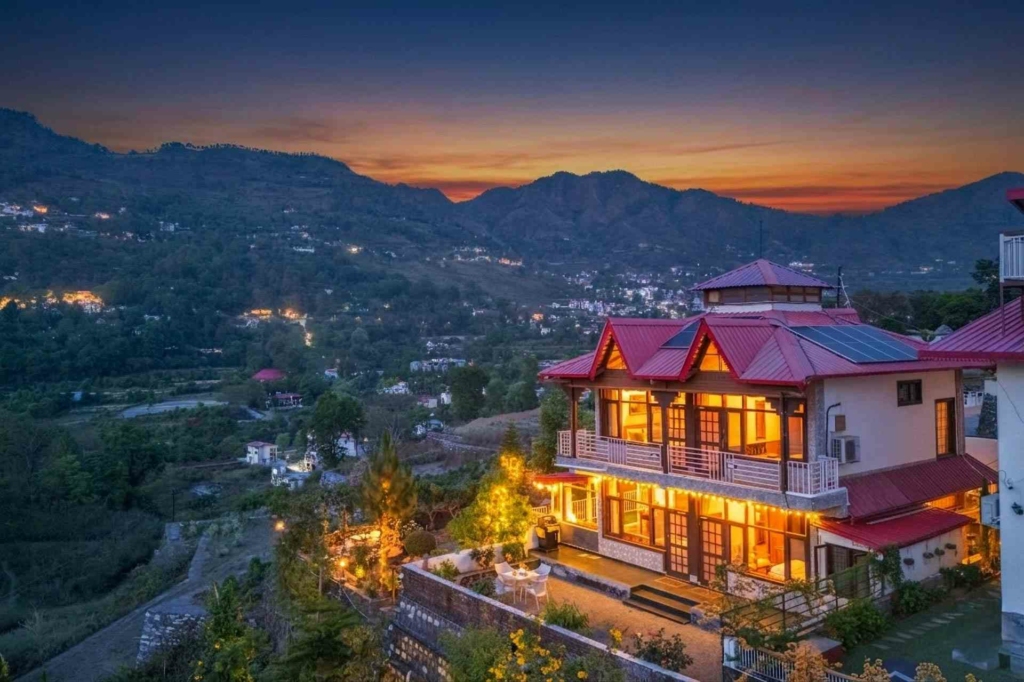
Sattal’s oak-pine forest, strung around a cluster of seven interconnected lakes, is one of India’s quieter monsoon destinations — and one of its best for birdwatching. The forest floor turns a deep, saturated green, and the lakes fill up in a way that makes the whole valley feel different from its dry-season self.
It’s an easy, low-altitude walk, which makes it a good pick for families or first-time forest trekkers.
The Himalayan Escapes, Bhimtal
9. Tirthan Valley, Himachal Pradesh
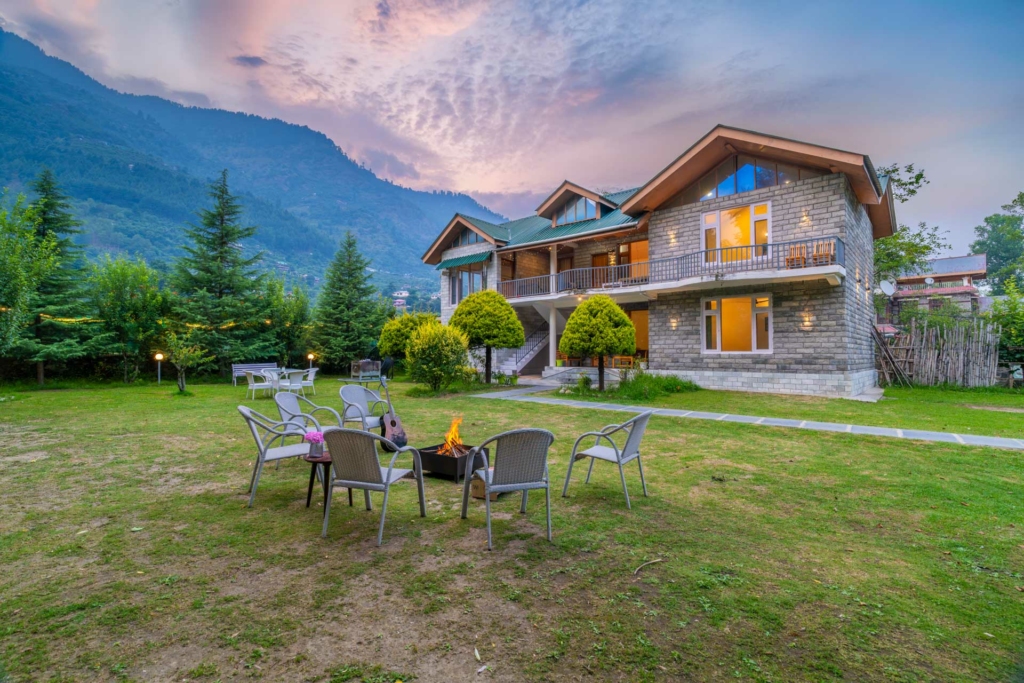
Tirthan Valley sits at the edge of Great Himalayan National Park, and its riverside trails are some of the most rewarding forest walks in India for anyone who wants a mix of water, forest, and mountain views in one route. Core-zone access requires a permit, but the buffer trails alone are worth the trip.
Monsoon transforms the Tirthan river from a clear trickle into a genuinely powerful current, and the surrounding temperate forest turns lush almost overnight.
Raison Meadows, Manali
10. Mawphlang Sacred Forest, Meghalaya
Mawphlang is unlike anything else on this list — a sacred grove protected for centuries by the local Khasi community, where nothing is allowed to be removed, not even a fallen leaf. It’s managed entirely by the community rather than the forest department, and guided walks here double as a lesson in indigenous conservation practice.
This is arguably the most culturally rich answer to what a genuinely protected forest walk in India looks like — not fenced off by law, but preserved by belief.
11. Kabini Nature Trails, Karnataka
Kabini, on the edge of Nagarhole National Park, is known more for wildlife safaris than walking trails, but its guided nature walks along the reservoir edge are an underrated monsoon experience. Water levels rise dramatically, drawing wildlife closer to the forest fringes.
Coracle rides here double as a slow, low-impact way to see the forest from the water rather than the trail.
Exotica Kabini

12. Shola Forests of Ooty, Tamil Nadu
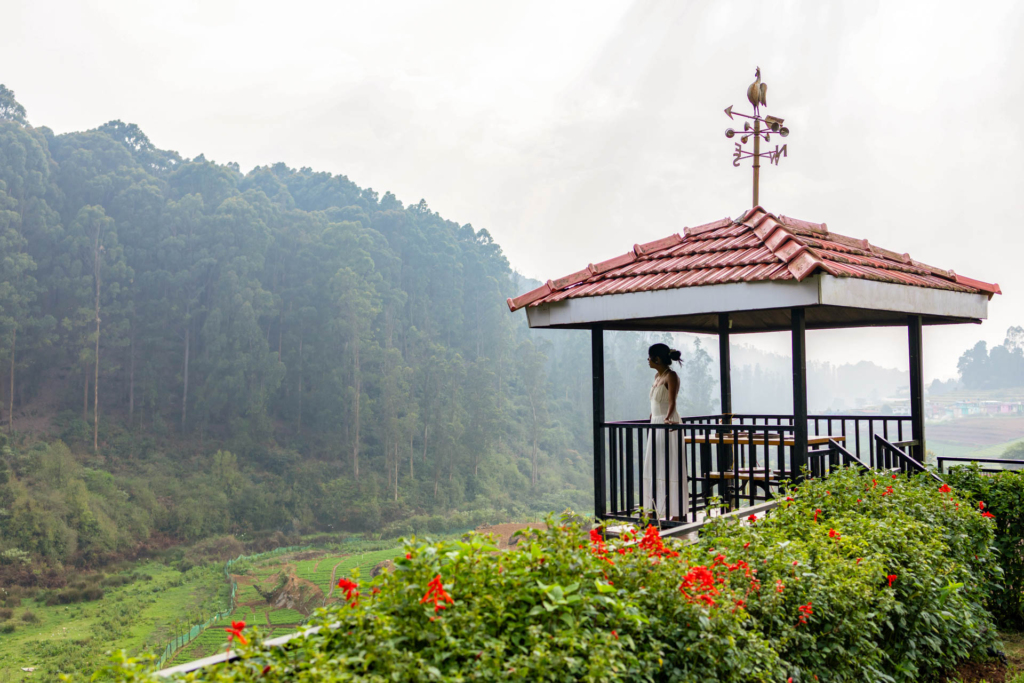
The shola forests of Ooty — stunted, moss-draped montane forest patches tucked into the folds of the Nilgiris — are some of the most atmospheric forest walks in India during monsoon. Mist rolls through at eye level, and the temperature drop from the plains makes it feel like an entirely different country.
Several StayVista villas around Ooty and Coonoor sit right at the edge of these shola patches, making early-morning forest walks a five-minute stroll rather than a planned excursion.
Wedgewood Blu
Which are the Top 5 Forests in India?
Based on ecological richness, biodiversity, and monsoon accessibility, the top 5 forests in India are generally considered to be:
- Silent Valley, Kerala — one of the last untouched evergreen forests
- Kaziranga National Park, Assam — grassland and riverine forest, home to the one-horned rhinoceros
- Sundarbans, West Bengal — the world’s largest mangrove forest
- Nagarhole-Kabini, Karnataka — dense deciduous forest with high wildlife density
- Periyar, Kerala — moist deciduous forest with strong community-tourism models
What Are the 4 Types of Forest in India?
India’s forests are broadly classified into four types:
- Tropical evergreen and semi-evergreen forests — found in the Western Ghats and Northeast, with year-round green cover (e.g., Agumbe, Silent Valley)
- Tropical deciduous forests — India’s most widespread forest type, shedding leaves in the dry season (e.g., Kabini, Periyar)
- Montane/sub-alpine forests — shola and temperate forests found at higher altitudes (e.g., Ooty, Munnar)
- Alpine and tundra vegetation — found at the highest Himalayan elevations, including meadows like the Valley of Flowers
Frequently Asked Questions
The best forests to visit in India depend on what you’re after — Silent Valley and Agumbe for untouched rainforest, Periyar and Kabini for wildlife, and the Valley of Flowers or Sattal for a gentler, scenic monsoon walk.
Silent Valley National Park in Kerala has no free or unrestricted public entry — access is strictly permit-based and controlled by the Kerala Forest Department to protect its untouched ecosystem.
Silent Valley is widely regarded as India’s most untouched forest, having escaped large-scale logging and development due to sustained conservation efforts since the 1980s.
Yes, with precautions — stick to marked trails, go with local guides in dense forest areas, avoid river crossings during heavy rain, and check regional forest department advisories before setting out.
Quick-dry clothing, a rain shell, waterproof trekking shoes, leech socks (essential in the Western Ghats), a dry bag for electronics, and a basic first-aid kit.
Final Thoughts
Forest walks in India during monsoon aren’t a compromise on a “better” dry-season trip — for most of these trails, the rains are the main event. Whether it’s the sacred groves of Meghalaya, the shola mists of Ooty, or the fiercely protected wilderness of Silent Valley, each of these forests tells a different story about how India’s landscapes handle the rains.
If you’re planning a monsoon forest getaway, pairing your trail with a stay right at the edge of the forest — rather than a base an hour’s drive away — makes a genuine difference to how much of the early morning mist and birdsong you actually get to experience. That’s the kind of access StayVista’s villa properties across the Western Ghats, Nilgiris, and Himalayan foothills are built around.
So — which of these 12 forest walks in India is going where on your monsoon list this year?