


Manali Trek Guide 2026: Best Treks (Bhrigu, Hampta, Beas Kund) + Packing List

Last Updated: October, 2026
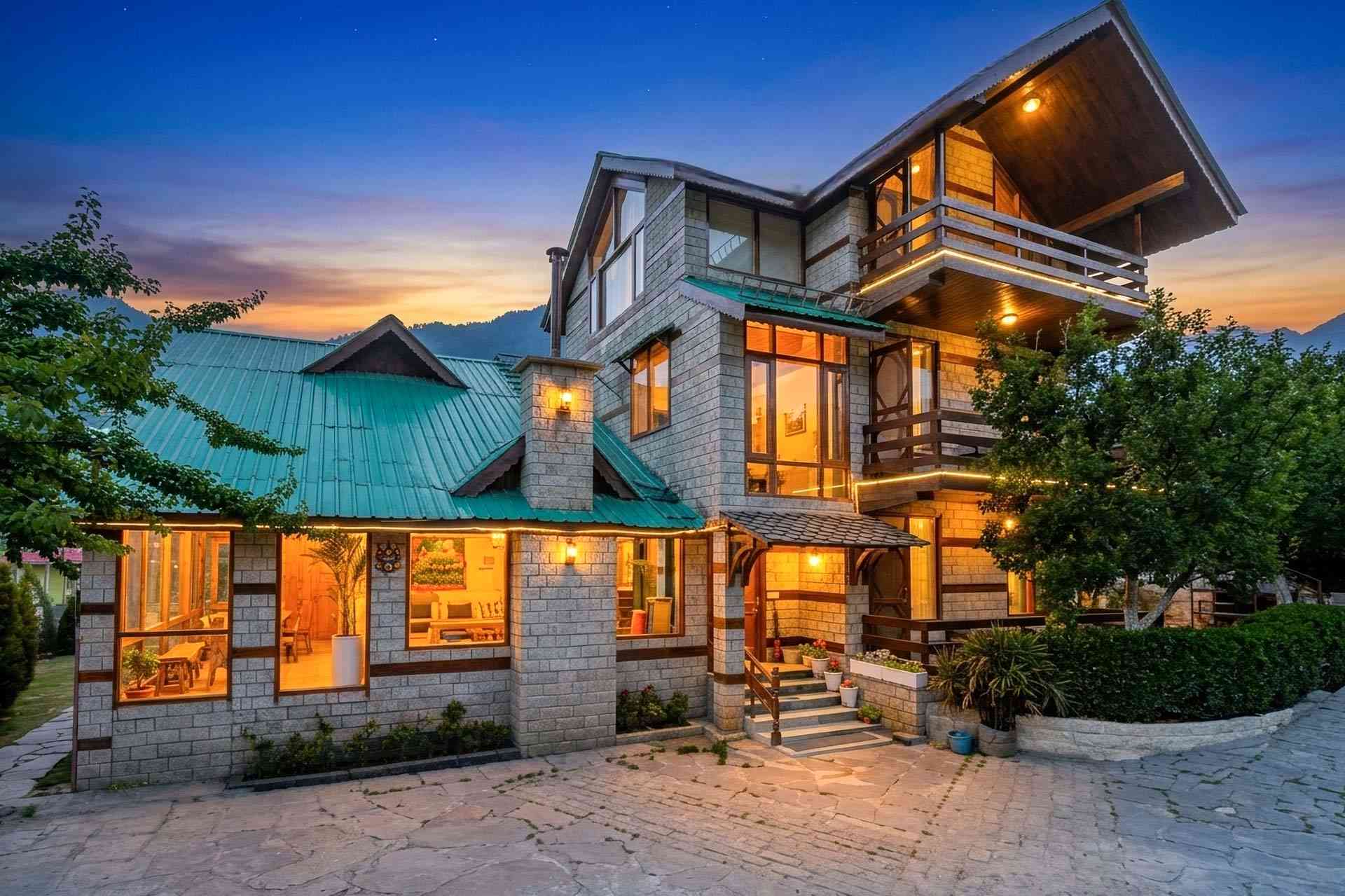
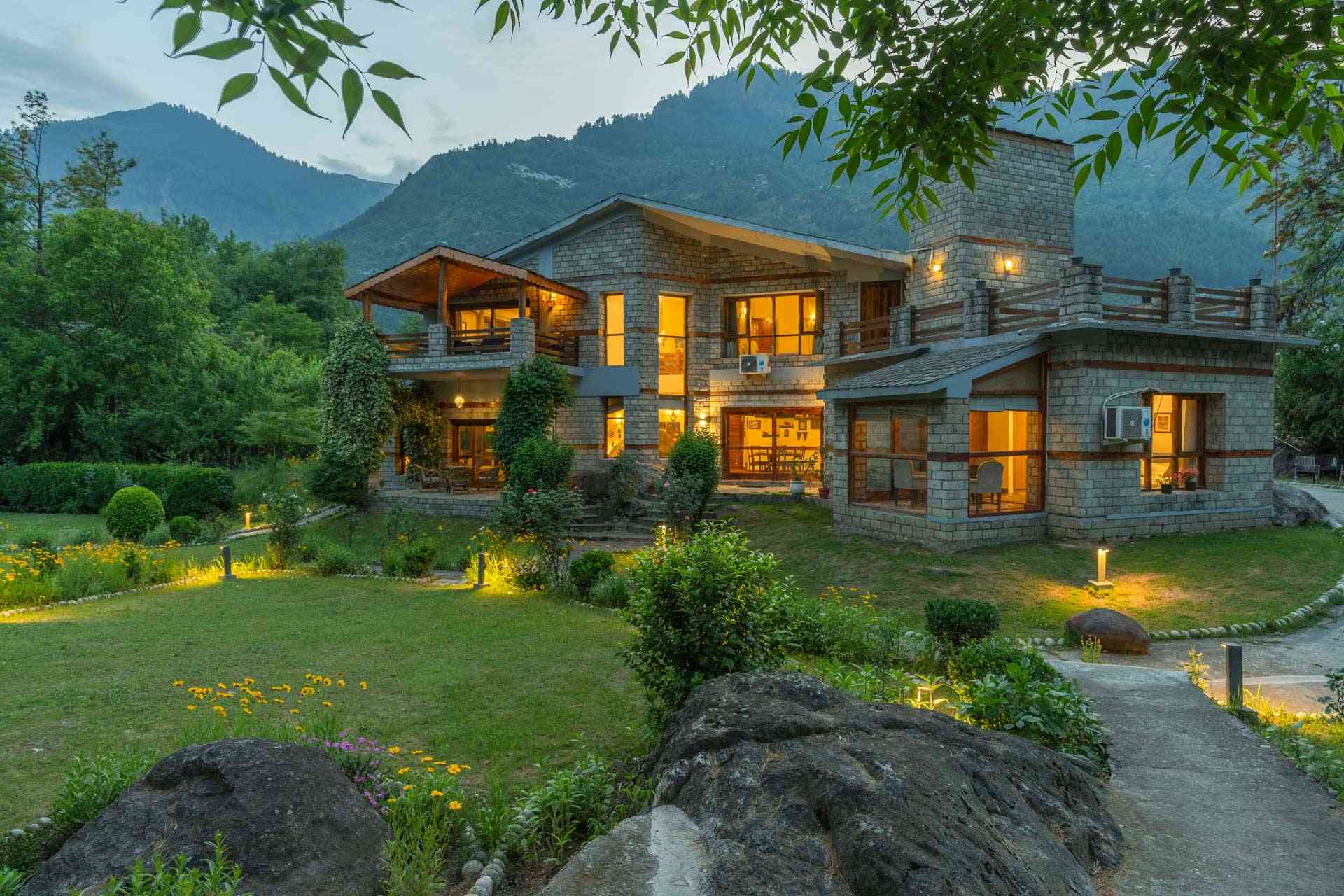
Manali is one of India’s best Himalayan trek bases with 10+ options from half-day waterfall walks to 5-day high-passes. Trek season is May to October (not winter — the passes are snowbound). Most popular picks: Bhrigu Lake for first-time alpine lake experience, Hampta Pass for the classic Lahaul crossover (requires fitness), Beas Kund for beginners, and Kheerganga for a hot-spring overnight. December-March is for snow play around Solang Valley and Sissu, not trekking. Use Manali as the acclimatization base — book a StayVista villa for 2-3 nights before heading up.
Manali, the hallowed home of the gods, is one of the most popular winter destinations for holidaymakers and hikers. Manali’s seductive bounty of towering evergreen flora, majestic snow-capped mountains, and trickling river streams are incentive enough to plan a trip there. Throughout the year, explorers flock to Manali, where they are awaited by expansive campsites, a bewitching Manali trek, breathtaking landscapes, and an endless list of places to visit. And planning a trip to Manali during the winter is the icing on the cake, thanks to the plethora of opportunities and activities available as the snow hits the ground.

The Manali trek season runs May through October, with the peak June-September window when the high-altitude passes (Hampta, Beas Kund, Bhrigu) open after the snow clears. December-March is Manali’s snow tourism season — great for snow play around Solang Valley and Sissu, but the high passes are closed and most trek routes are inaccessible. Low-altitude short walks like Jogini Waterfall and parts of Lamadugh remain doable in winter with proper gear.
A must-see for all adventurers, this destination offers not only hiking but also biking, paragliding, a diversity of winter sports, and let’s not forget the jeep safari. Tourists flock from all over the nation to witness Manali’s mesmerizing milieu, where serenity and magnificent grandeur coexist. Manali treks, which take place at a height of roughly 2,000 meters, put you to the test on multiple levels. Many notable Himalayan hikes, including the Beas Kund Trek, Bhrigu Lake, and trek to the Chandratal Lake, commence in the Manali region.
So put on your winter gear and embark on some of the finest Manali treks.
Manali Treks at a Glance
| Trek | Altitude | Duration | Difficulty | Best Season | Suitable For |
|---|---|---|---|---|---|
| Jogini Waterfall | 2,100m | Half day | Easy | April-November | Everyone, families |
| Lamadugh | 2,900m | 2 days | Easy-moderate | May-October | Beginners |
| Patalsu Peak | 4,470m | 2 days | Moderate | May-October | Acclimatized beginners |
| Beas Kund | 3,700m | 3-4 days | Beginner-moderate | June-September | First-time Himalayan trekkers |
| Chandrakhani Pass | 3,660m | 4 days | Moderate | May-October | Moderate experience |
| Bhrigu Lake | 4,300m | 3-4 days | Moderate | July-October | Moderate experience |
| Hampta Pass | 4,270m | 4-5 days | Moderate-difficult | July-September | Fit, prior trek experience |
| Deo Tibba Base | 4,420m | 6-7 days | Difficult | June-September | Experienced trekkers |
| Sar Pass | 4,220m | 5 days | Moderate | May-June, Sep-Oct | Moderate experience |
| Kheerganga | 2,950m | 2 days | Easy | April-October | Beginners, families |
In this Blog
1. Lamadugh Trek

This Manali trek commences at the well-known ancient temple attributed to the sage Manu and concludes at Lamadugh. This medieval temple is dedicated to philosopher Manu, who is acknowledged as the first man on earth and the creator of the Manu Smriti, an ancient Sanskrit literature, according to Hindu mythology. Brace for a difficult ascent as you pass through dense cedarwood and pine trees. You’ll experience incredible views of Manali and the upper Kullu valley along the way. Peaks such as Indrasan and Deo Tibba, as well as the Bara Shigri glacier, can also be spotted. Once you arrive at Lamadugh, you will be surrounded by scenery that is as gorgeous as a masterpiece. This is where the snow-covered lush green plateau is flanked by high snowy peaks.
2. Jogini Waterfalls

This three-kilometer short hike is deemed one of the greatest Manali treks. Beginning from Vashisht Temple, it should take around 30 minutes to reach the ultimate location. This journey, which begins at an elevation of roughly 6700 feet, is suitable for novices. The Jogini waterfall in Manali, on the northern outskirts of Vashisht hamlet, cascades down from a height of 150 feet, creating a pool of water at its foot. The stream then travels down to Kullu Valley, where it joins the Beas River. The sheer beauty of the waterfall and the natural landscape is enough to make one ecstatic.
3. Beas Kund Trek
This is a well-known winter Manali trek location that leads to the famed Beas River. Along this journey, you’ll come across some of the most captivating visual grandeur, comprising of snow-capped mountains, meadows, and a gurgling river. Hiking to the Beas Kund is the finest way for adventurers to appreciate the best trek route. Beas Kund Trek. Difficulty: beginner to moderate. Altitude: 3,700m. Duration: 3-4 days. Best season: June to September (snowbound November-April). The trek follows the River Beas from Solang Valley to its source — a glacial lake sacred in Hindu mythology. Suitable for first-time Himalayan trekkers with reasonable fitness.
This hiking path begins in Solang Valley and passes into Manali’s alpine mountains. Did you know that this emerald kund splits into tributaries with cascading waterfalls all the way to the scorching Beas river? Everyone is drawn to this trek because of the large snowy mountains that loom over you, the beauty of the meadows, and the lake.
4. Hampta Pass Trek

The Himachal Pradesh’s Hampta Pass is one such site that is a fantastic hiking nirvana for all trekking enthusiasts. The Hampta Pass trekking trail traverses across the Manali region’s mountainous terrain before arriving at Chatru near Chandratal Lake. Walk by breathtaking vistas of snow-capped mountains with undulating ridges and an endless expanse of greenery cloaked in a haze.
This lovely Manali hike culminates at Chandratal Lake, which has the shape of a crescent moon and is hence a popular tourist attraction. The lake is a prominent tourist spot in the Lahaul Spiti province, and it is a great present for both vacationers and explorers.
Best season: July to September. The pass crossing involves a steep snow descent on the Spiti side and requires reasonable fitness, prior day-hike experience, and acclimatization. First-timers should do it with a guided group. The trek ends near Chatru, with a popular extension to Chandratal Lake (now also accessible by road from Batal).
5. Deo Tibba Trek

This trek begins in Khanol, a 1.5-hour drive from Manali. Roam through lush green pine, spruce, oak, and silver birch woodlands nestled against a stunning backdrop. As per Hindu mythology, the gods reside on the dome-shaped summit of Deo Tibba. As a result, the names Deo and Tibba were coined, with Deo meaning “Deity” and Tibba signifying “hill.” From his seat on the Indrasen Peak, Lord Indra, the King of Heaven and Gods, has a meeting with them here. The Deo Tibba Trek is a fantastic way to see the highlights of Kullu and Manali mountaineering. This path is a must-do for both first-time hikers and seasoned trekkers.
6. Bhrigu Lake Trek
Difficulty: moderate. Altitude: 4,300m. Duration: 3-4 days. Best season: July to October. The most popular alpine lake trek near Manali, starting from Gulaba. The lake is sacred in local legend, said to be where sage Bhrigu meditated. Grassland meadows and 360-degree Pir Panjal views reward the climb.
7. Chandrakhani Pass Trek
Difficulty: moderate. Altitude: 3,660m. Duration: 4 days. Best season: May to October. Classic Kullu-valley trek passing through Naggar village and descending into the mysterious Malana — one of India’s oldest democracies.
8. Patalsu Peak Trek

Difficulty: moderate. Altitude: 4,470m. Duration: 2 days. Best season: May to October. A sharp two-day summit climb from Old Manali offering panoramic Pir Panjal views. A good acclimatization option for Hampta or Bhrigu-bound trekkers.
9. Kheerganga Trek
Difficulty: beginner. Altitude: 2,950m. Duration: 2 days (overnight). Best season: April to October. Technically in Parvati Valley (3 hours from Manali) but widely combined. The trek ends at natural hot springs — the single most-booked beginner trek in the region.
10. Sar Pass Trek
Difficulty: moderate. Altitude: 4,220m (13,850 ft). Duration: 5 days. Best season: May to June and September to October. Starts from Kasol (3 hours from Manali). A classic Youth Hostels Association India (YHAI) beginner Himalayan trek — great entry to higher-altitude trekking.
A Packing Check-list

1. Trekking Shoes
Trekking shoes that are robust, have good grip, have ankle support, and can withstand snow are essential for Manali treks. Many travel websites that organize the entire trip also lease trekking shoes.
2. Appropriate Backpacks
A 30-40 litre backpack is required for Manali Treks. Check that your backpack has appropriate hip and shoulder comfort, as well as rapid-access compartments. Backpacks from Wildcraft, Decathlon, and Adventure Worx are typically decent. While Wildcraft provides more pricey backpacks, the other two manufacturers have more affordable options.
3. Appropriate Clothes
In the mountains, it’s all about layering. Layers provide the best weather protection. And, as the temperature in the mountains changes (which happens every few hours), you remove or add clothing as needed.
4. Sunglasses
Snow blindness can be avoided by wearing sunglasses. You’re in a tundra zone on a Manali trek like Beas Kund where there’s snow all year round. Imagine walking through a lot of snow. Snow blindness can be caused by a brief overexposure to pure sunlight on snow (approximately a half-hour exposure). This is because falling snow acts as a million screens, reflecting direct UV radiation. As a result, you’ll require UV-protective eyewear.
5. Gloves
On a Manali hike, you’ll be dealing with a lot of snow. To hold something or keep your balance in the snow, you’ll need gloves. The gloves should help keep you warm. Purchase synthetic hand gloves with a cushioned lining on the inside and waterproofing on the outside. Wear a snug-fitting wool hand glove inside a synthetic hand glove if you find the combo difficult to acquire (which is unlikely). This journey requires the use of safety gloves.
Winter hikes may be challenging due to two factors: first, snow-covered terrain, and second, frigid temperatures. Winter treks in Manali are a fantastic opportunity to get a sense of the raw environment and ambiance of the area. With this comprehensive guide to Manali treks, we hope you get the most out of your winter adventure.
Where to Stay in Manali for your Trekking Trip

FAQs about Trekking in Manali
May to October. June-September is peak high-altitude trek season. December-March is snow season — the passes are closed; only low-altitude short walks are doable with winter gear.
Yes. Jogini Waterfall, Lamadugh, Kheerganga, and Beas Kund are suitable for first-time Himalayan trekkers with reasonable fitness. Avoid Hampta Pass and Deo Tibba as a first trek.
No permit for most treks within Himachal Pradesh. Hampta Pass crossing into Lahaul-Spiti and treks entering Great Himalayan National Park require a forest department permit — your guide or trek operator handles this.
Spend 1-2 nights in Manali (2,050m) before heading higher. For treks above 4,000m (Hampta, Bhrigu, Deo Tibba), consult your doctor about Diamox. Climb slowly, hydrate well, and know AMS symptoms (persistent headache, nausea, breathlessness).
Mall Road and Old Manali have multiple rental shops for sleeping bags, trekking poles, snow boots, and jackets. Confirm quality before paying.
For high-altitude treks (Hampta, Deo Tibba, Bhrigu, Sar Pass) — strongly recommended, both for navigation and emergency response. For low-altitude treks (Jogini, Lamadugh), optional.
Yes. Hampta Pass ends near Chatru; most trekkers take a jeep extension to Chandratal (2-3 hours). Chandratal is also now road-accessible from Batal, so you can visit without the trek.
Any Manali villa 2-3 nights before trek start helps with acclimatization at 2,050m. See picks below.


