
Amboli in Monsoon: Maharashtra’s Highest-Rainfall Hill Station – Waterfalls, Weather & Where to Stay
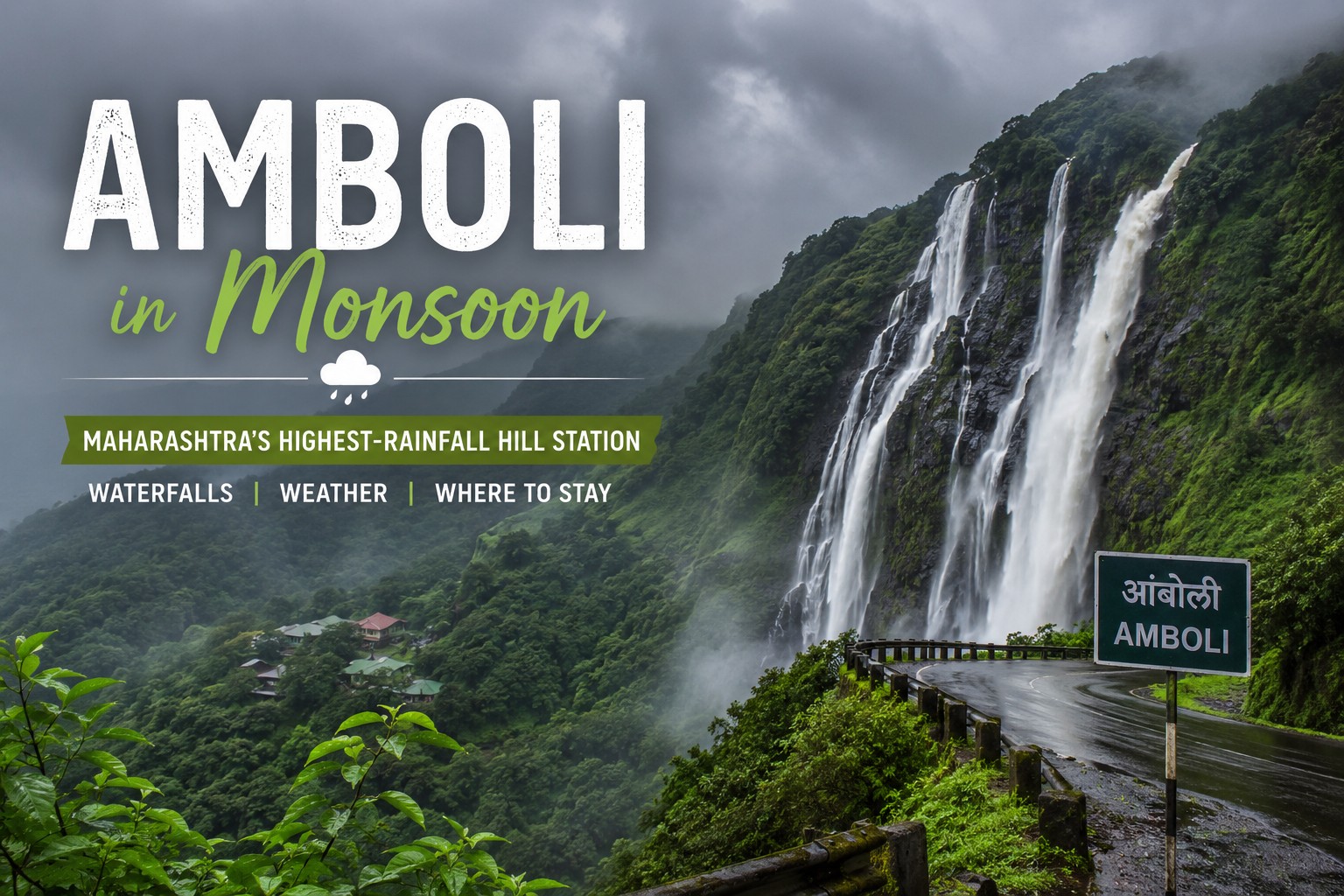
Amboli is a small hill station in Maharashtra’s Sindhudurg district, tucked into the Western Ghats at about 690 metres. It receives roughly around 7,500 mm of rain a year – among the highest in Maharashtra, earning it the nickname “Cherrapunji of Maharashtra.” The monsoon (June to September) is when it comes alive: waterfalls like Amboli Falls and Nangarta roar, viewpoints such as Shirgaonkar drown in mist, and the forest – a declared Biodiversity Heritage Site since 2021 – hums with rare frogs and reptiles.
| Detail | Information |
| Location | Sindhudurg district, Maharashtra (Western Ghats / Sahyadri) |
| Elevation | ~690 m (≈2,260 ft) above sea level |
| Annual rainfall | around 7,500 mm — among the highest in Maharashtra |
| Best time to visit | Monsoon: June–September (waterfalls at full flow) |
| Monsoon temperature | Pleasant, roughly 20–28°C; misty and cool |
| Known for | Waterfalls, mist viewpoints, endemic frogs, Biodiversity Heritage Site |
| Nearest airport | Belagavi/Belgaum (~68 km); Goa Dabolim (~113 km) |
| Nearest railhead | Sawantwadi Road (~30 km) |
| Distance from Goa (Panaji) | ~90 km |
| Ideal trip duration | 2 days / 1 night |
In this Blog
Why Amboli Is Maharashtra’s Rainiest Hill Station
Amboli sits on the crest of the Sahyadri range where the southwest monsoon hits the Western Ghats head-on, dumping enormous volumes of rain in a short, intense season. Most published figures put its annual rainfall at around roughly 7,500 mm, which is why it is routinely called the “Cherrapunji of Maharashtra.” Maharashtra Tourism describes it as one of the rainiest spots in the state, and the Amboli entry on Wikipedia cites an annual average of roughly 7 metres of rain – a staggering number for a Maharashtra hill station.
To put that in perspective, Amboli out-rains the state’s more famous monsoon getaways. Mahabaleshwar, Matheran, and Lonavala all draw bigger crowds, but Amboli quietly takes the most rain of the lot.
Worth noting: You’ll see rainfall figures for Amboli quoted anywhere from 7,000 mm to over 9,000 mm depending on the source and the year. The honest answer is that it is one of the wettest places in Maharashtra – around 750 cm in a typical year – rather than a single official, fixed number. Treat any exact figure as approximate.
That deluge is the whole point. The same rain that makes Amboli’s roads tricky in July is what turns its hillsides into a cascade of waterfalls and wraps its viewpoints in cinematic mist. If you want the Western Ghats at their most dramatic, this is the address.
Amboli’s Other Claim to Fame: A Biodiversity Heritage Site
Amboli isn’t just wet – it’s biologically extraordinary. In March 2021, the Maharashtra government declared Amboli a Biodiversity Heritage Site, recognising the dense endemic life packed into this corner of the Western Ghats – itself a UNESCO World Heritage site and one of the world’s eight “hottest” biodiversity hotspots.
The designation was triggered in part by the discovery of a new freshwater fish, Schistura hiranyakeshi, named after the Hiranyakeshi river that rises here. But Amboli is best known among naturalists for its amphibians and reptiles. In the monsoon, the forest comes alive with rare and endemic species:
· Amboli bush frog – found in and around this region
· Amboli toad (Xanthophryne tigerina), formally described by science in 2009
· Malabar gliding frog and the striking Malabar pit viper
· Countless insects, snails, and fungi that only emerge in the rains
This is why Amboli has become a magnet for “herping” (reptile and amphibian spotting) and macro photography during the monsoon. If you go looking, go with a local naturalist guide, stick to trails, and never handle wildlife.
Amboli was declared a Biodiversity Heritage Site by the Maharashtra government in 2021, recognising endemic Western Ghats species including the Amboli bush frog and the Amboli toad (Xanthophryne tigerina, described in 2009), alongside the newly discovered fish Schistura hiranyakeshi.
Amboli Weather in the Monsoon: What to Expect
Amboli’s monsoon runs from June to September, and that is unambiguously the best — and most beautiful – time to visit. Days are cool and misty, temperatures hover around a pleasant 20–28°C, and rain ranges from a steady drizzle to torrential, visibility-killing downpours within the same afternoon.
| Season | Months | What it’s like |
| Monsoon (peak season) | June–September | Full waterfalls, heavy mist, lush green, frequent rain. The reason to come. |
| Post-monsoon / winter | October–February | Cool, clear, pleasant; falls thinner; good for general sightseeing |
| Summer | March–May | Warm but still one of the cooler spots in the region; falls mostly dry |
The catch: The same mist that makes Amboli magical can drop visibility on the ghat road to a few metres, and heavy rain can make trails and rocks dangerously slippery. The reward is worth it – just plan around the weather rather than fighting it. July and August are the wettest and most atmospheric; September offers full falls with marginally more settled weather.
Best Places to Visit in Amboli in the Monsoon
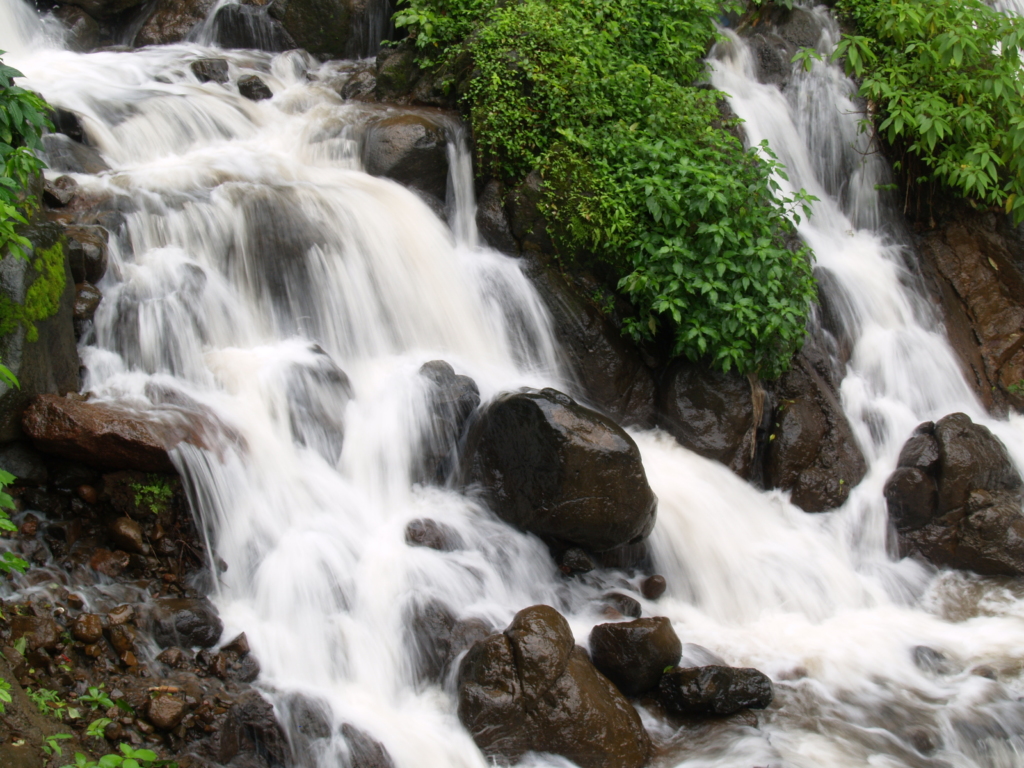
Amboli is compact — most attractions sit within a 10–12 km radius of the main bus stop, so you can cover the highlights in a day or two. Here are the monsoon must-sees.
1. Amboli Waterfall (Main Falls)
The headline attraction, roughly 3 km from the bus stop, right beside the ghat road. In peak monsoon it gushes hard and draws crowds, especially on weekends. It’s free to visit and easy to reach, but the spray, slippery rocks, and crowds call for caution – don’t climb onto wet boulders for a photo.
2. Nangarta Falls
About 10 km from town, Nangarta (Nangartas) plunges dramatically into a rocky gorge and flows only in the monsoon. It’s less crowded than the main falls and arguably more spectacular. View it from the designated points — the gorge is deep and the rocks are treacherous when wet.
3. Hiranyakeshi Temple and River Source
Around 5 km away, this Shiva temple is built into a cave from which the Hiranyakeshi river emerges — the same river that lent its name to Amboli’s newly discovered fish. The setting, with water seeping from the rock face into the lush green surrounds, is serene and especially atmospheric in the rains.
4. Shirgaonkar Point
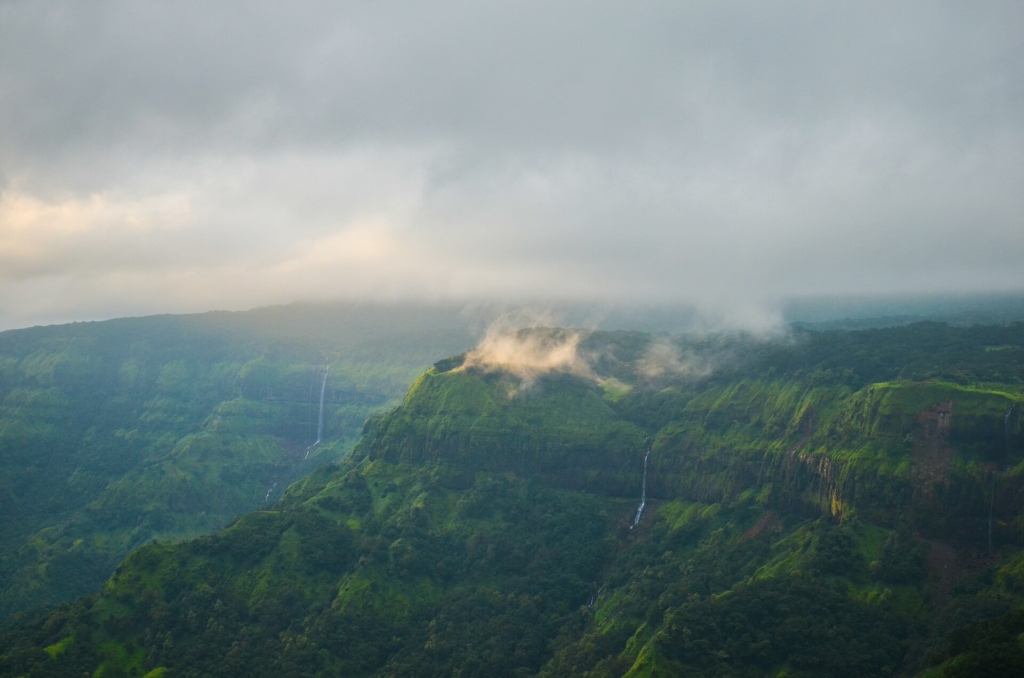
A panoramic valley viewpoint about 3 km from the centre, and the best place to experience Amboli’s signature monsoon mood: clouds rolling up the valley walls and mist swallowing the view in seconds. On a clear break between showers, the views stretch for miles.
5. Mahadevgad and Kavlesad Points
Two more dramatic viewpoints for valley and sunset views, with wind-driven clouds and deep gorges. They’re best in a gap between downpours — in heavy mist you may see nothing but white, which is its own kind of magic.
6. Madhavgad Fort
A short walk (~2.5 km) leads to the ruins of this small fort, offering a quick history fix and another vantage over the surrounding hills. Modest but rewarding for a half-hour detour.
| Attraction | Approx. distance from bus stop | Monsoon highlight |
| Sunset Point | ~2 km | Evening views between showers |
| Madhavgad Fort | ~2.5 km | Ruins + valley vantage |
| Amboli Waterfall | ~3 km | Main falls in full flow |
| Shirgaonkar Point | ~3 km | Mist rolling up the valley |
| Hiranyakeshi Temple | ~5 km | Cave temple + river source |
| Nangarta Falls | ~10 km | Falls plunging into a gorge |
How to Reach Amboli
Amboli is most easily reached from Goa or Belagavi (Belgaum), with Sawantwadi as the gateway town on the Konkan side. The final stretch is the scenic, winding Amboli Ghat.
| Arrival point | Approx. distance to Amboli | Notes |
| Belagavi/Belgaum Airport | ~68 km | Nearest airport; ~2 hr drive |
| Goa Dabolim Airport (GOI) | ~113 km | Good flight connectivity; scenic drive |
| Sawantwadi Road Railway Station | ~30 km | Nearest railhead; on the Konkan Railway |
| Goa (Panaji) | ~90 km | Popular weekend gateway |
| Kolhapur | ~128 km | Connects from inland Maharashtra |
| Pune | ~345 km | ~7–8 hr drive |
| Mumbai | ~485–490 km | Overnight drive or fly to Goa/Belagavi |
By air: Fly into Belagavi (closest) or Goa Dabolim, then hire a taxi.
By train: The Konkan Railway’s Sawantwadi Road station (~30 km) is the nearest railhead; taxis and autos run up the ghat.
By road: Self-drive or taxi via the Amboli Ghat. Fuel up in Sawantwadi — reliable petrol pumps are scarce closer to Amboli.
Monsoon Travel Safety: Read This Before You Go
The Western Ghats are stunning in the rains and genuinely hazardous if you’re careless. The India Meteorological Department regularly issues heavy-rain and landslide advisories for ghat sections in peak monsoon. Plan around these realities:
- From the road: On a typical July afternoon, the climb up Amboli Ghat can go from clear to whiteout in minutes – visibility drops to the length of a car, oncoming headlights appear out of nowhere, and the tarmac runs with water. It’s beautiful and unnerving in equal measure, which is exactly why locals insist on daylight driving and a slow, horn-on-the-bends approach.
- Drive the ghat in daylight, slowly. Amboli Ghat has sharp bends, blind curves, and slick surfaces. Fog can cut visibility to a few metres. Honk on blind turns and never overtake into a curve.
- Respect the water. Never swim under or near waterfalls in spate – flows are powerful and rocks are lethally slippery. Stay behind barriers and off wet boulders at viewpoints.
- Check the forecast and advisories before you set off, and don’t travel during red-alert heavy-rain warnings.
- Fuel and supplies: top up petrol in Sawantwadi; food and ATMs are limited up top.
- Mobile signals are patchy – download offline maps and tell someone your plan.
What to pack: a waterproof jacket or poncho, quick-dry clothes, a light layer for the chill, waterproof shoes with grip, a dry-bag for electronics, insect repellent (mosquitoes and leeches are active), a power bank, and a small first-aid kit.
A Simple 2-Day Amboli Monsoon Itinerary
Day 1 — Falls and forest
Arrive by midday, settle into your stay, and head to Amboli Waterfall while the light is good. In the afternoon, visit Hiranyakeshi Temple and the river source. End at Sunset Point or Shirgaonkar Point for the evening mist. If you’re keen on wildlife, arrange an after-dark herping walk with a local guide.
Day 2 — Viewpoints and the gorge
Start early for Nangarta Falls before the crowds, then take in Kavlesad and Mahadevgad points between showers. Squeeze in Madhavgad Fort on your way back. Aim to descend the ghat well before dusk.
Where to Stay Near Amboli
Amboli itself has a handful of small hotels and homestays, but for a comfortable monsoon trip — especially for families or groups — a private villa or homestay in the wider Sindhudurg–Sawantwadi belt is the smarter call. You get a dry, cosy base to regroup between downpours, your own space to dry off wet gear, and a kitchen for hot meals when the rain keeps you in.
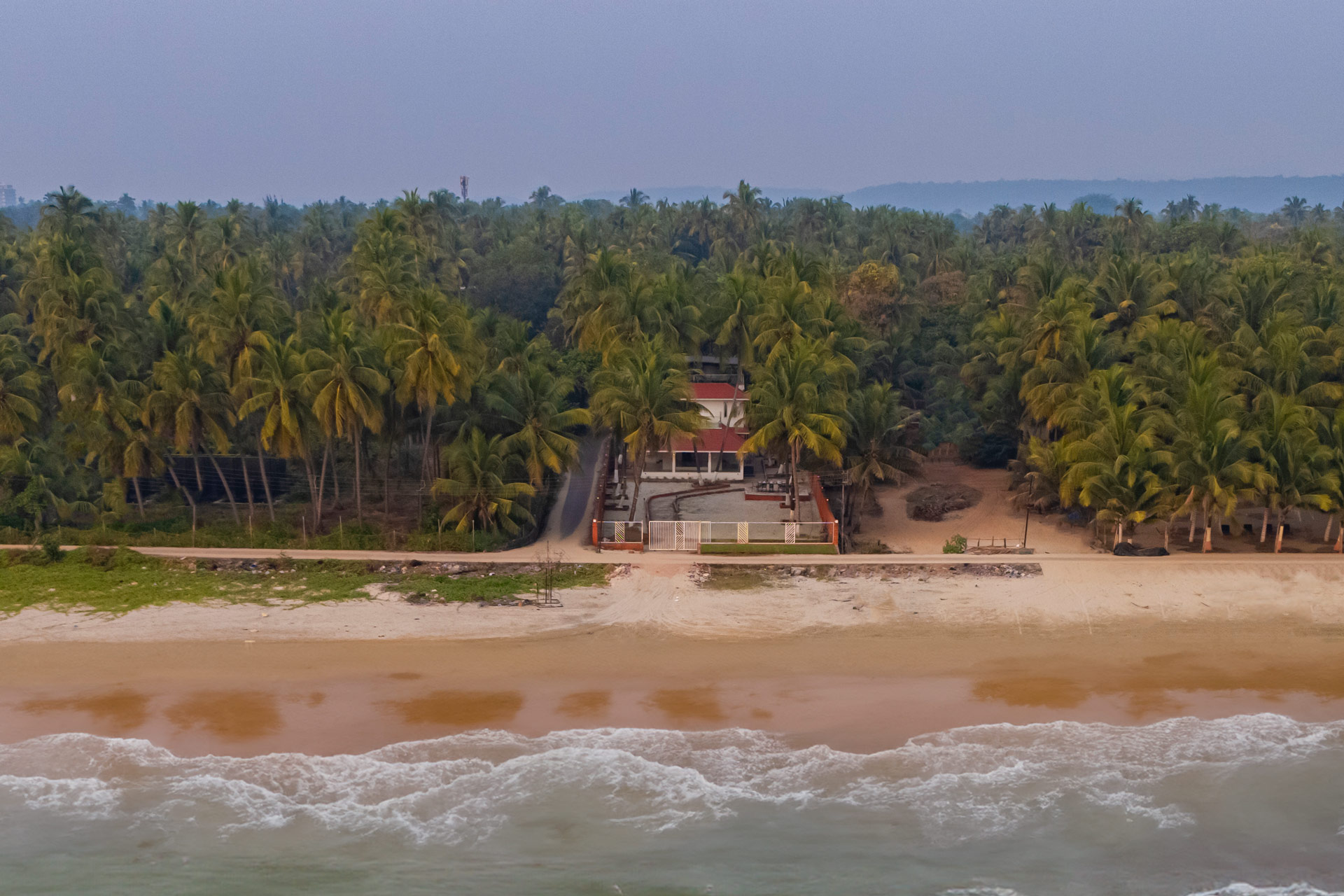
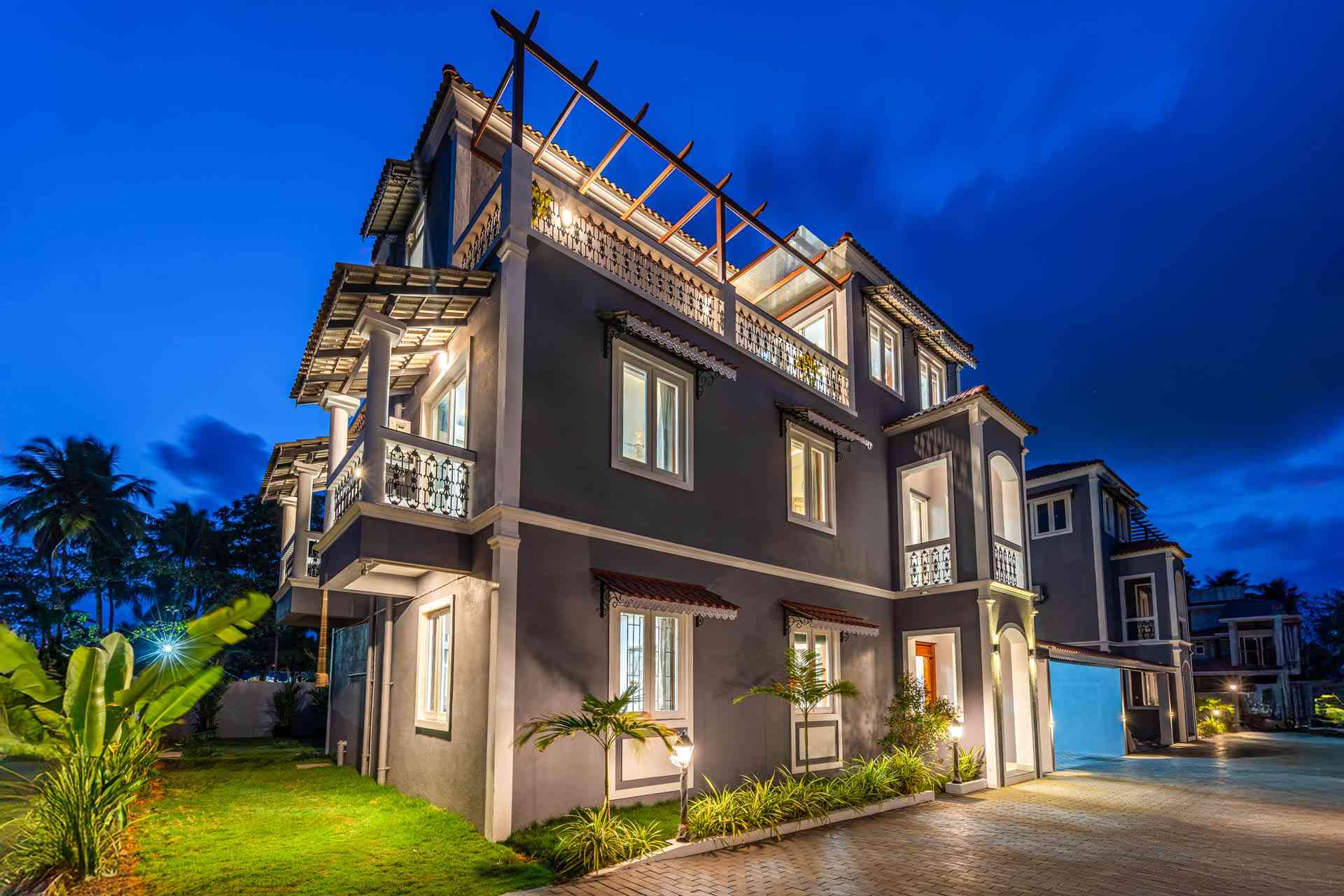
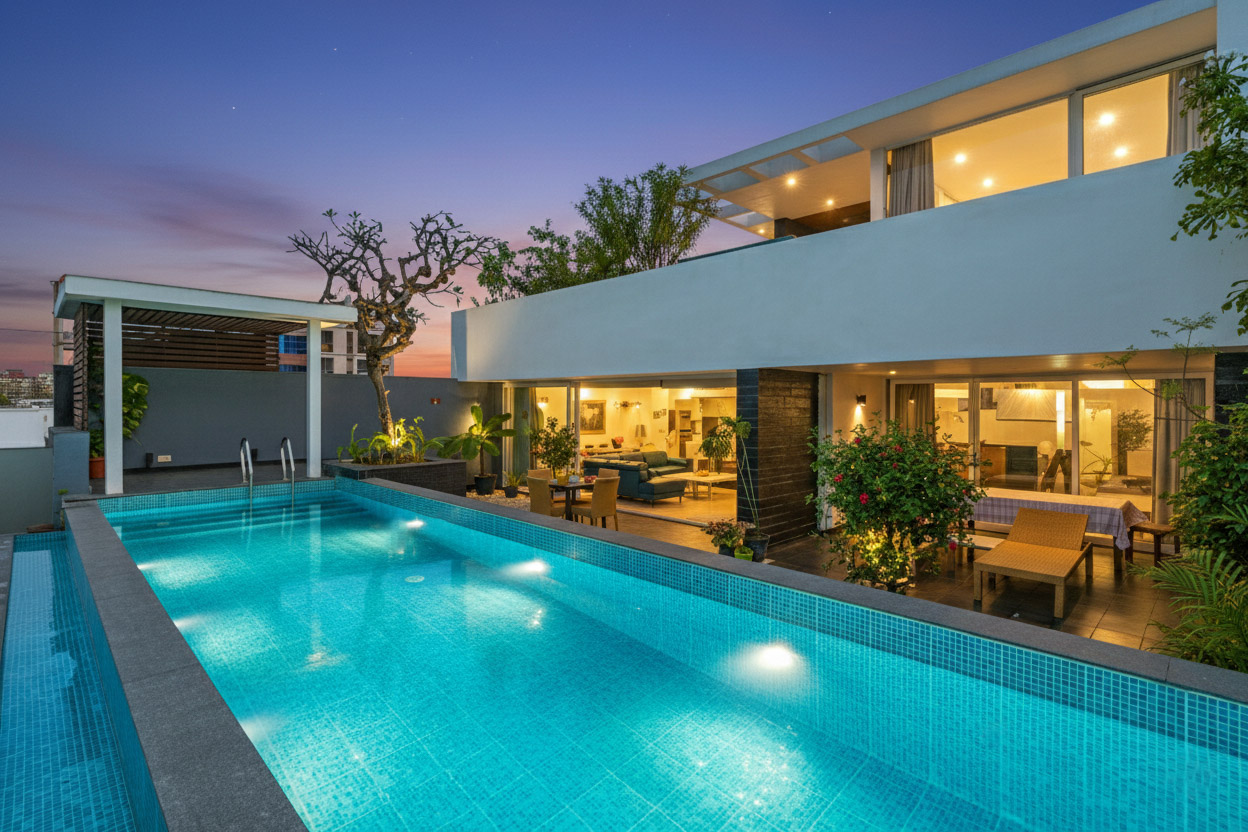
A private villa is a particularly good monsoon choice because the weather is unpredictable: when the mist rolls in and sightseeing pauses, you want a comfortable indoor retreat rather than a cramped roadside room. The Sindhudurg coast and Sawantwadi area also let you pair Amboli’s hills with the Konkan’s beaches and backwaters in a single trip.
When choosing a base, prioritise:
· Proximity to the ghat so you’re not driving long distances in poor visibility
· Covered parking and reliable power (outages happen in heavy rain)
· A kitchen or in-house meals, since dining options thin out up top
· Group space if you’re travelling with family or friends
A StayVista villa in the Sindhudurg–Sawantwadi region gives you a sheltered, well-equipped base within reach of Amboli’s waterfalls while keeping you comfortable when the monsoon does its thing. Book early – the monsoon long-weekend slots fill fast.
Pair Amboli with the Konkan Coast
One of Amboli’s underrated advantages is its location. You’re barely 30 km from Sawantwadi and within easy reach of the Sindhudurg coast – Tarkarli, Malvan, Vengurla, and the famous Sindhudurg Fort. That makes it easy to build a trip that mixes misty hills with monsoon-green beaches and Konkan seafood. A villa in the Sindhudurg–Sawantwadi belt lets you do exactly this: day-trip up to Amboli’s waterfalls and viewpoints, then retreat to the coast for the evening. In the monsoon the sea is rough and swimming is discouraged, but the coastline, forts, and food are at their atmospheric best – and a private, well-equipped base ties the two halves of the trip together.
Frequently Asked Questions
The monsoon, from June to September, is the best time to visit Amboli. That is when its waterfalls flow at full force and the hills are wrapped in mist and greenery. July and August are the wettest and most atmospheric; September offers full falls with slightly more settled weather.
Amboli receives roughly around 7,500 mm of rain a year, among the highest in Maharashtra, which is why it is called the “Cherrapunji of Maharashtra.” Exact figures vary by source and year, so treat any single number as approximate.
Yes, with sensible precautions. Drive the winding ghat road slowly and only in daylight, never swim near waterfalls in spate, stay behind barriers at viewpoints, and check IMD weather advisories before travelling. Avoid the ghat during red-alert heavy-rain warnings.
The nearest airport is Belagavi/Belgaum (~68 km) and the nearest railway station is Sawantwadi Road (~30 km) on the Konkan Railway. Goa (Panaji) is about 90 km away and is a popular gateway. From there, taxis and self-drive cars reach Amboli via the Amboli Ghat.
The main attraction is Amboli Waterfall, about 3 km from the bus stop. Nangarta Falls, about 10 km away, plunges into a dramatic gorge. Both flow strongest during the monsoon. The Hiranyakeshi river source near the cave temple is another scenic water spot.
The Maharashtra government declared Amboli a Biodiversity Heritage Site in 2021 because of its dense endemic Western Ghats wildlife, including the Amboli bush frog, the Amboli toad (Xanthophryne tigerina), and the newly discovered fish Schistura hiranyakeshi.
Most of Amboli’s waterfalls and viewpoints are free with no fixed timings. Some popular spots may introduce parking or crowd-control charges in peak season, so carry small cash and check locally.
Two days and one night are enough to cover Amboli’s main waterfalls and viewpoints comfortably. Add a day if you want to combine it with the Sindhudurg coast or do guided wildlife walks.
Planning Your Amboli Monsoon Trip
Amboli is what the Western Ghats look like when the monsoon turns the volume all the way up: 7500 mm of rain a year, waterfalls around every bend, viewpoints lost in mist, and a forest so rich it earned heritage protection. It rewards travellers who respect the weather – drive carefully, stay off the wet rocks, and build your trip around a comfortable base. Set up in a private villa in the Sindhudurg–Sawantwadi belt, pack your rain gear, and let Maharashtra’s wettest hill station show you why the monsoon is the only time to see it properly.