
As Seen on Netflix: 15 Real Indian Locations Behind the Shows You’re Streaming
A character walks down a narrow lane in the opening shot, and within seconds, millions of viewers around the world are wondering the same thing: where is that? For years, that question went unanswered outside a few dedicated fan forums. That has now changed. With Netflix India completing a decade in the country and the Ministry of Tourism stepping in as a partner, the places behind the screen are finally getting their own spotlight. This piece looks at fifteen genuine Netflix filming locations in India, some famous, some quietly waiting to be noticed, and what makes each one worth a visit beyond its fifteen minutes on screen.
TL;DR: Indian shows on Netflix are largely shot in real towns rather than studio backlots, and 81% of travellers under 45 now plan holidays around screen locations (Expedia, 2026). The new “As Seen on Netflix” section on Incredible India maps many of them.
In this Blog
The 15 Locations at a Glance
| # | Place | State | Netflix title |
|---|---|---|---|
| 1 | Mumbai | Maharashtra | Sacred Games, Heeramandi |
| 2 | Delhi | Delhi | Delhi Crime, The White Tiger |
| 3 | Jaipur | Rajasthan | The Royals, Mismatched |
| 4 | Jodhpur | Rajasthan | Mismatched |
| 5 | Kota | Rajasthan | Kota Factory (Season 1) |
| 6 | Mussoorie | Uttarakhand | Musafir Cafe, Guns & Gulaabs |
| 7 | Landour | Uttarakhand | Musafir Cafe |
| 8 | Jharipani | Uttarakhand | Musafir Cafe |
| 9 | Bhopal | Madhya Pradesh | Musafir Cafe, Kota Factory (Season 2) |
| 10 | Jamtara | Jharkhand | Jamtara: Sabka Number Ayega |
| 11 | Dhanbad | Jharkhand | The White Tiger |
| 12 | Patna and Nalanda | Bihar | Khakee: The Bihar Chapter |
| 13 | Amritsar | Punjab | Kohrra (Season 2) |
| 14 | Munnar | Kerala | Killer Soup |
| 15 | Theppakadu, Mudumalai | Tamil Nadu | The Elephant Whisperers |
Why Are Real Places in Netflix India Shows Suddenly Getting Noticed?
Because the money and the demand both moved. Netflix’s production investment in India generated roughly US$2 billion in economic impact between 2021 and 2024, and viewing of Indian titles crossed 3 billion hours in 2024 (Netflix via Bloomberg, 2026). Screen-inspired travel grew alongside it.
On 5 August 2026, the Ministry of Tourism and Netflix India launched a dedicated section on the Incredible India website called as seen on Netflix. It was unveiled at the National Gallery of Modern Art in Delhi at an event marking Netflix’s ten years in the country, with Union Minister Gajendra Singh Shekhawat and Netflix Co-CEO Ted Sarandos both present (Storyboard18, 2026).
The idea is simple. Instead of leaving fans to guess where a scene was filmed by scrolling through comment sections, the portal points them straight to the town, the street or the building. For a country with as many stories as India has, that’s a fairly natural next step.
The partnership sits on a non-commercial memorandum of understanding between the Ministry of Tourism and Netflix Entertainment Services India, and it has real production weight behind it: Operation Safed Sagar, Netflix’s most ambitious Indian production to date, contributed over US$24 million, or about Rs 215 crore, to the Indian economy, with 15 India-based VFX studios and nearly 1,200 artists working on it (Netflix, 2026).
A show doesn’t just entertain anymore. It quietly builds curiosity about a place most people had never heard of before, and that curiosity is now worth an estimated $8 billion a year in the United States alone (Forbes, 2026).
Which Bollywood Shooting Locations Built the Genre?
Two cities did most of the early heavy lifting, and Mumbai still leads: Netflix has launched more than 200 Indian Originals in a decade, and a large share of them begin and end here (Variety, 2026). Delhi runs a close second.
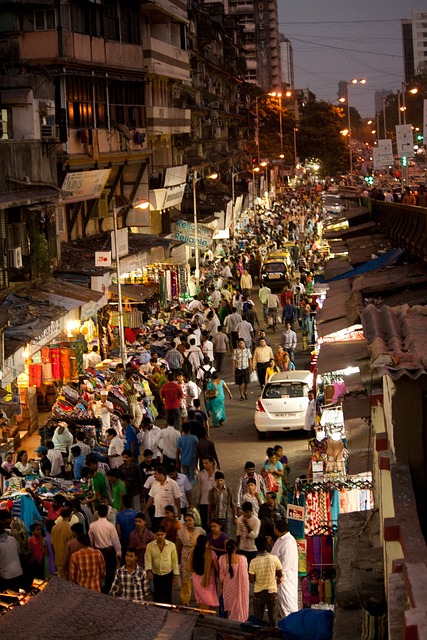
Mumbai (Maharashtra). Sacred Games used the city’s older neighbourhoods, its chawls and its harbour-facing streets to build a version of Mumbai that felt lived-in rather than postcard-pretty. Heeramandi went the other way entirely: Sanjay Leela Bhansali’s three-acre Lahore was built inside Film City by roughly 700 craftsmen over seven months (Free Press Journal). Things to do in Mumbai for a fan of these shows go beyond the obvious Film City tour. A walk through Dalal Street’s older lanes, or a ferry out from the Gateway of India, gives a much better sense of the city these writers were drawing from.
Delhi. Delhi Crime carries a different weight, partly because the first season used no sets at all, shooting instead across Shahdara, Kashmere Gate and the old Ritz Cinema. The White Tiger then covered roughly 90 locations in 53 shooting days across Delhi, Agra, Dhanbad and Bangalore. The best time to visit Delhi for this kind of walk is between October and March, when the weather makes long days on foot far more comfortable.
Worth knowing before you book: a show being set somewhere and a show being shot there are two different things, and India’s biggest streaming titles blur that line constantly. Jamtara was rebuilt about three hours from Mumbai. The Railway Men recreated 1984 Bhopal on sets at Mumbai University’s Kalina campus. IC 814 filmed its interiors in a studio, with location work in Mumbai, Jordan and Kathmandu. Check the shoot, not just the story, before you plan a route around it.
What Are the Best Movie Shooting Locations in Rajasthan and the Hills?
Rajasthan has quietly become one of the most requested regions among fans hunting for movie shooting locations in India, and one show explains most of it. The Royals was filmed across working heritage properties including Jaipur’s City Palace and the 475-year-old Samode Palace (Variety, 2025), all of which you can visit without a film permit.
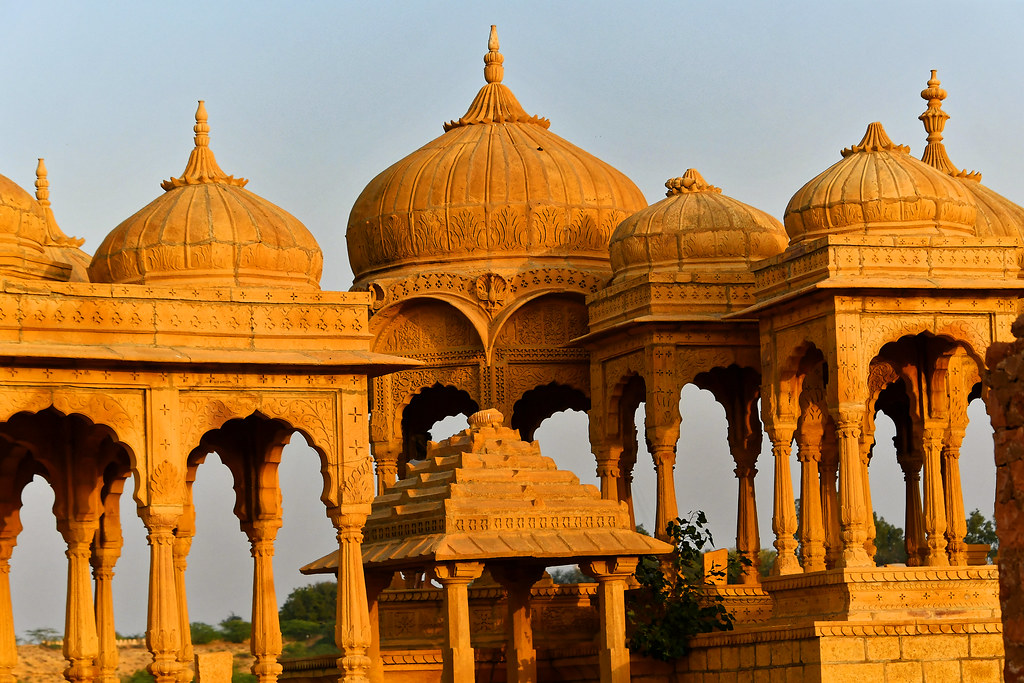
Jaipur. Beyond The Royals, Jaipur carried much of Mismatched, with sequences at Alsisar Haveli and Bar Palladio inside Narain Niwas Palace. The pink sandstone forts stand in for old family wealth on screen exactly as they do in real life.
Jodhpur. Mismatched split its shoot between Jaipur and Jodhpur, using a heritage school campus for its college scenes. It’s the quieter half of the Rajasthan circuit and rarely crowded outside wedding season.
Kota. Kota, in eastern Rajasthan, tells an entirely different story. Kota Factory turned the city’s coaching institutes and shared hostel rooms into a character of their own, with the first season shot in and around Kota, much of it in Rajiv Gandhi Nagar. How to reach Kota is straightforward: it sits on the main Delhi-Mumbai rail line, making it an easy add-on for anyone already travelling through Rajasthan.
Here’s the detail almost nobody mentions. Season 2 of Kota Factory wasn’t filmed in Kota at all. It moved to the LNCT campus in Bhopal, which means the hostel corridors most viewers picture when they think of Kota are actually in Madhya Pradesh.
Mussoorie. Further north, Mussoorie became the setting for Musafir Cafe, which began streaming on 24 July 2026, and it also gave Guns & Gulaabs much of its 1990s small-town texture alongside Dehradun. Things to do in Mussoorie for fans include a slow walk along the same Mall Road promenade, followed by an evening at one of the cafes the show drew from.
Landour. The quieter cantonment above Mussoorie handled the show’s reflective stretches, all pine, colonial bungalows and switchback lanes. It’s a twenty-minute climb from Mall Road and a different town in temperament.
Jharipani. And here’s the one most fans get wrong. The cafe itself isn’t a set on Mall Road. It’s Jharipani Castle, a heritage property built by the British in 1932 as a guest house for travelling officers, about 7 km down the Dehradun-Mussoorie road (Time Out India, 2026). It’s still functioning, so you can actually stay there.
Which Netflix Filming Locations Sit in India’s Heartland and East?
Five of the fifteen, which is more screen time than this belt has ever had. Central and eastern India rarely featured before streaming arrived, and the shows made here have been among the most talked about of the past five years.
Bhopal (Madhya Pradesh). Bhopal brought its old-city lakes into Musafir Cafe as a counterpoint to the mountain scenes further north, and doubled as Kota in Kota Factory’s second season. Two very different jobs for one city.
Jamtara (Jharkhand). Jamtara lent its name and its story to the show of the same name, built around the region’s real-life phishing networks. It’s worth being accurate here, though: director Soumendra Padhi has said the town was reconstructed roughly three hours from Mumbai rather than filmed on site. Jamtara is the real place behind the story, not the backdrop you see.
Dhanbad (Jharkhand). Dhanbad is the genuine article. The White Tiger shot in the coal-belt town itself, using its mining townships for exactly the industrial rawness the story needed.
Patna and Nalanda (Bihar). Khakee: The Bihar Chapter filmed across Bihar and Jharkhand, drawing on the Patna, Nalanda and Sheikhpura districts to anchor its police drama in something real rather than invented.
Amritsar (Punjab). Amritsar has become a working production base. A large share of Kohrra’s second season was filmed in and around the city, standing in for the fictional town of Dalerpura. IC 814: The Kandahar Hijack put Amritsar on screen too, though that show’s interiors were studio-built.
The skew is the story. Eight of these fifteen places sit in the north and west, five in the centre and east, and only two in the south, which tells you where India’s streaming production infrastructure still lives. Crews shoot where fixers, hotels and permits are easiest, and that map is only now starting to widen.
How Is Film Tourism in India Growing in the South?
Slowly, but with two heavyweight credits. Only two of the fifteen locations here are southern, yet one of them won an Academy Award: The Elephant Whisperers took Best Documentary Short in 2023, filmed at the Theppakadu elephant camp inside Mudumalai.
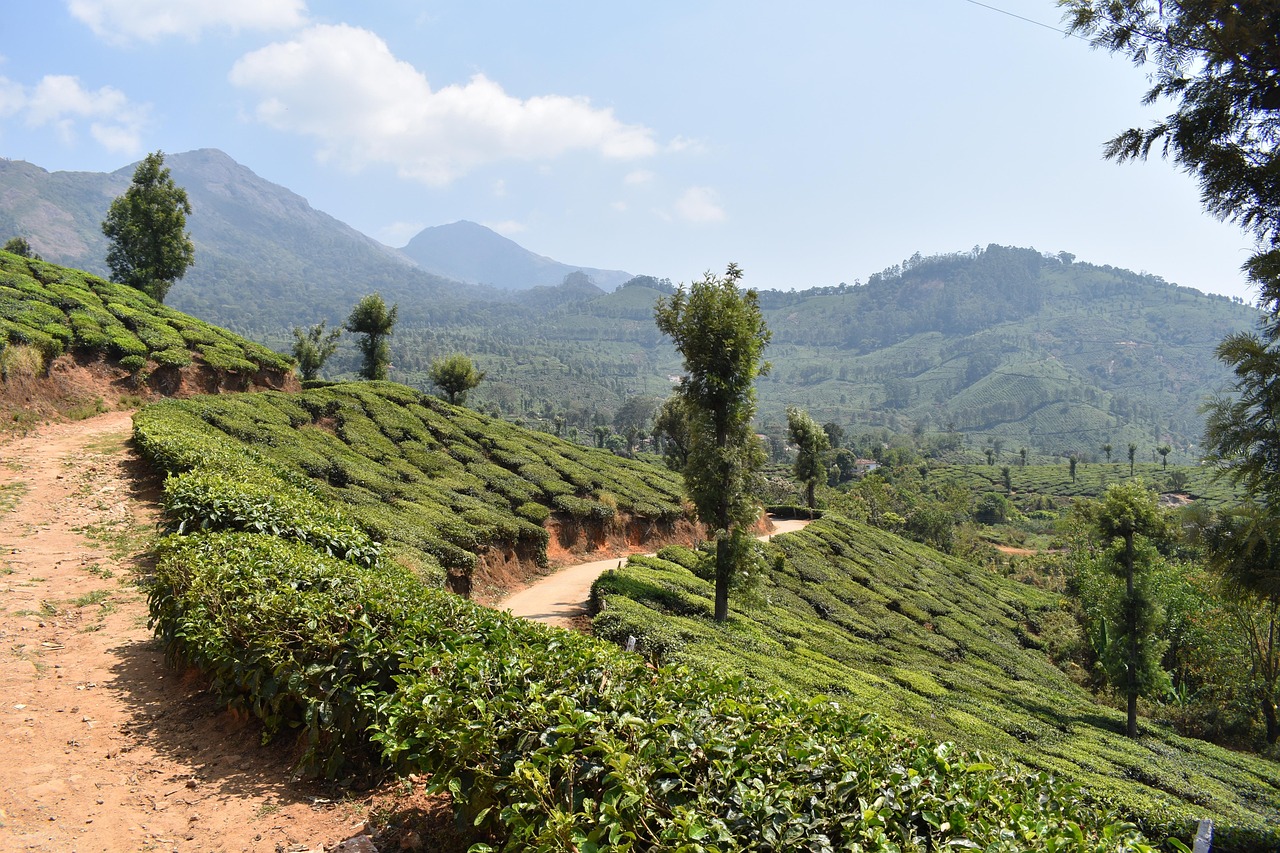
Munnar (Kerala). Munnar carried much of Killer Soup, standing in for the fictional town of Mainjur, its tea estates and winding hill roads shaping the show’s mood as effectively as any of its actors (The Cinemaholic, 2024). Best time to visit Munnar is generally between September and March, when the tea gardens are at their greenest and the roads are easiest to manage.
Theppakadu, Mudumalai (Tamil Nadu). The forests around Mudumalai and the Theppakadu camp gave The Elephant Whisperers its entire emotional backbone, and the Oscar sent a genuine wave of interest toward a stretch of the Nilgiris that had flown under most people’s radar.
Not every location needs an Oscar to be worth mentioning, though. Pashan Lake, on the edge of Pune in Maharashtra, is one of the city’s quieter reservoirs, built in the British era and now ringed by walking trails and a steady population of migratory birds. It has increasingly caught the eye of regional production crews scouting for calmer, greener corners near a city that otherwise moves fast. It’s a fair example of how India’s next wave of real places in Netflix India shows may not always come from the usual metro backdrops.
How Do You Plan a Trip Around a Show?
Start with the portal, then verify twice. Since 53% of global travellers now report more interest in screen-inspired getaways (Expedia, 2026), the popular spots book out faster than they used to, and a little planning discipline pays for itself.
A workable sequence looks like this:
- Check the listing. Pull the “As Seen on Netflix” entry for your show on the Incredible India site and note the exact town, not just the state.
- Confirm the shoot, not the setting. As Jamtara and The Railway Men show, plenty of titles recreate their locations elsewhere.
- Work out the route. Cross-check how to reach the town by rail or road; many of these places are two to four hours from the nearest airport.
- Build in a day of slack. Film sets rarely match a tourist map exactly, and access changes.
- Call a local guide. In smaller towns like Jamtara or Jharipani, guides are the best source of current information, since permits shift from season to season.
This kind of planning rewards patience over speed. It usually leads to a far more interesting trip than a checklist of famous landmarks would.
Where Should You Stay Near These Netflix Filming Locations?
Seven of the fifteen locations sit within roughly three hours of a StayVista cluster, which matters more than it sounds: most of these towns are small, and their hotel stock fills fast once a show starts trending. A villa also solves the practical problem here, since screen-location trips involve early starts, long drive days and groups who want to eat together at odd hours.
One honest caveat before the list. None of the villas below is itself a Netflix set. The single property where you can sleep inside an actual frame is Jharipani Castle, the heritage house that plays the café in Musafir Cafe, and it isn’t ours. What follows is simply the closest, most comfortable base for each cluster.
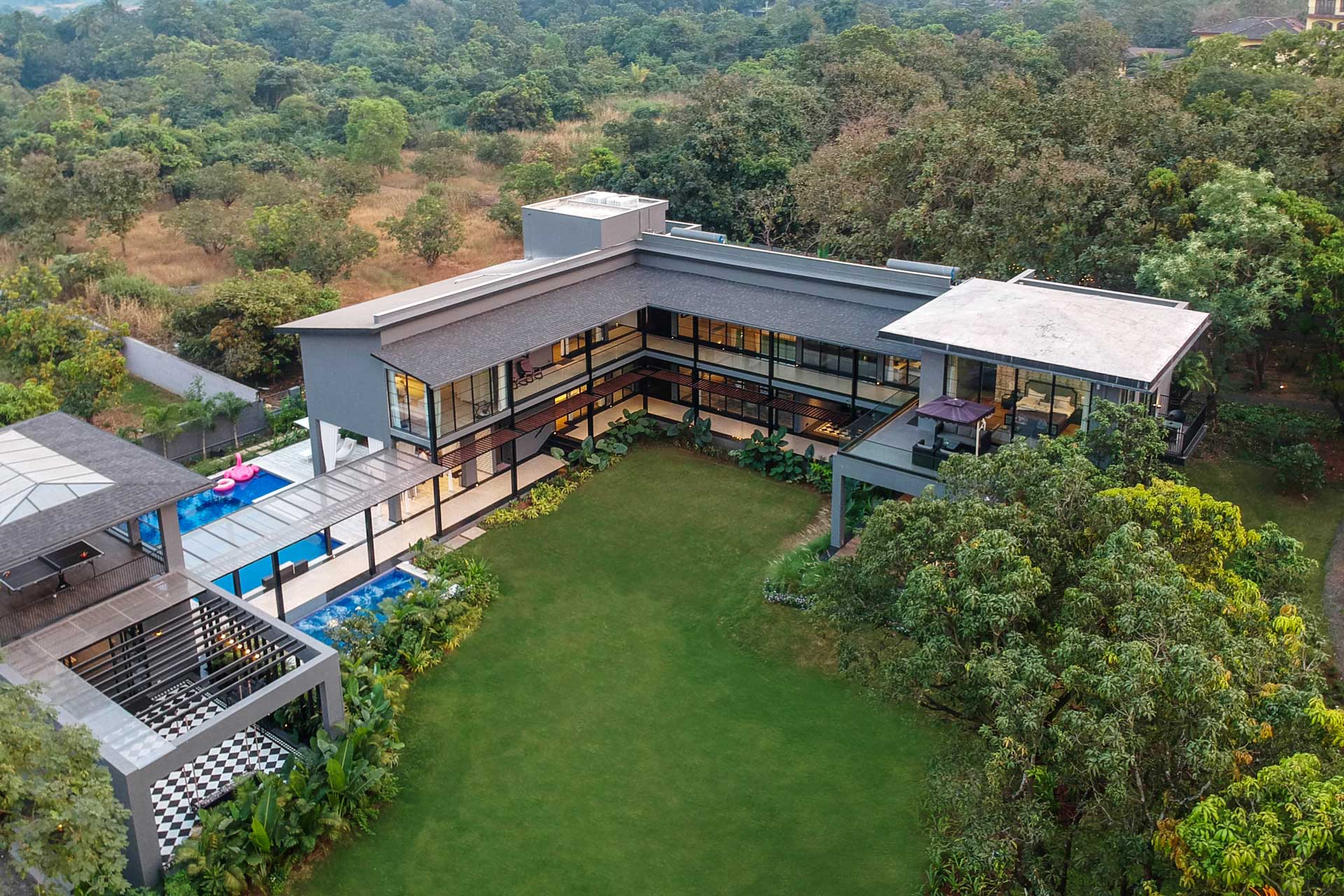
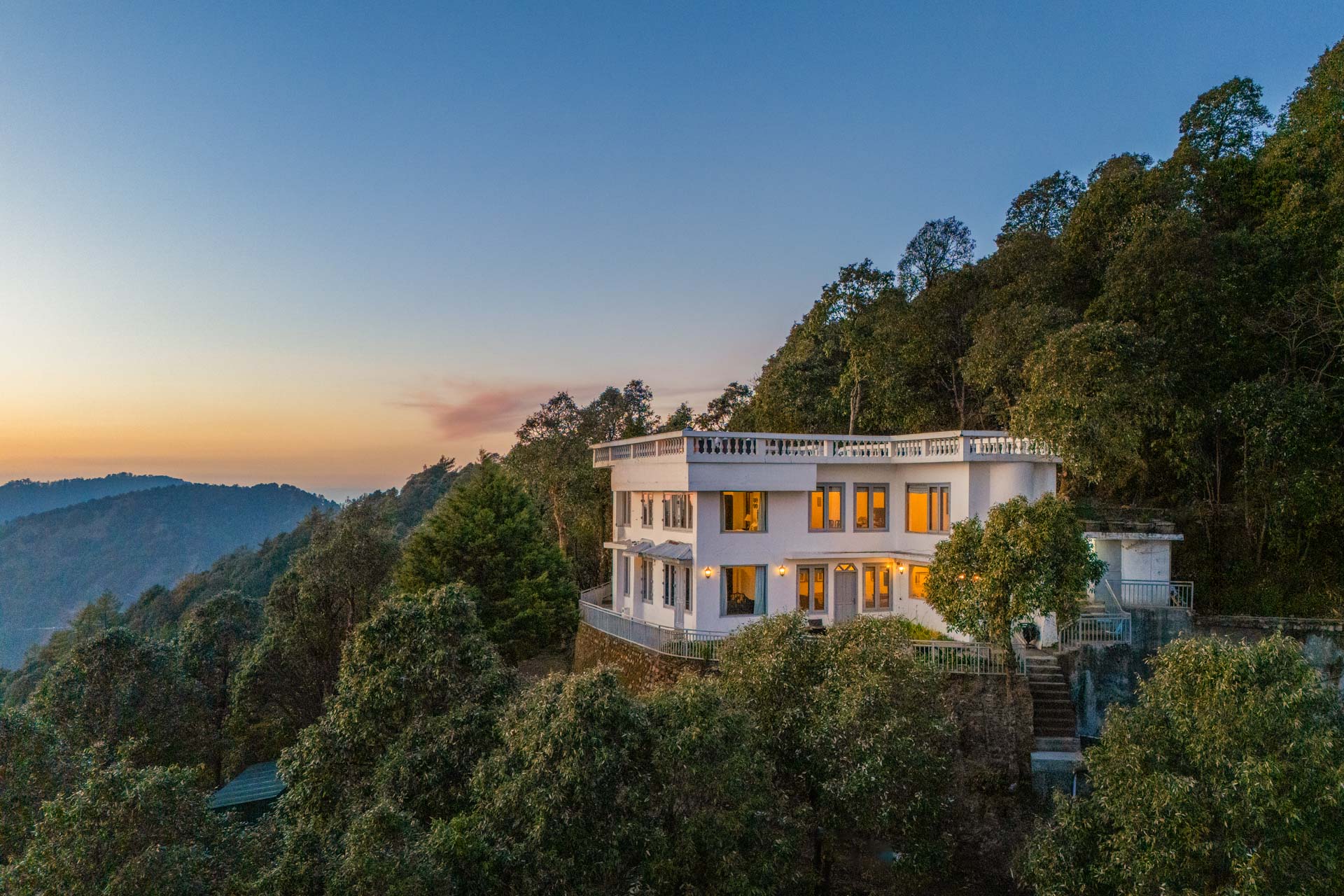
Mussoorie is the one to book early. Musafir Cafe started streaming in late July 2026, and the hill season overlaps with it: a villa in Landour or on the Jharipani road puts you within fifteen minutes of every location the show used, which beats commuting up from Dehradun each morning.
Udaipur works as a Rajasthan anchor, not a shortcut. It’s a long drive to Kota, so treat it as the comfortable end of the trip rather than a day-trip base. Jaipur handles the palace locations far better on distance, and City Palace is walkable from most of the villas above.
In the Nilgiris, altitude decides everything. Coonoor and Ooty sit high and cool; Theppakadu is down in the reserve and considerably warmer. Staying up top and driving down for the morning elephant camp visit is the sensible order, not the reverse.
For Mumbai, split the trip. The Sacred Games neighbourhoods and Film City need you in the city, but a Lonavala villa on either side of those days gives groups somewhere to decompress, and it doubles as the base for Pashan Lake if Pune is on the route.
Browse the full spread here: villas and homestays across India.
The Story Doesn’t End at the Credits
What ties these fifteen places together isn’t fame or grandeur. Several of them, Jamtara and Dhanbad among them, were barely known outside their own states before a show put them on screen. What they share instead is a kind of honesty, a willingness on the part of writers and directors to let ordinary Indian towns carry extraordinary stories.
Three things to take away:
- The map is widening, but slowly. Eight of these fifteen locations still sit in the north and west.
- Verify before you travel. The town in the title isn’t always the town on camera.
- Season beats spontaneity. Hill towns reward September to March; desert cities punish April to June.
With the as seen on Netflix portal now doing the legwork of pointing fans in the right direction, film tourism in India looks set to keep growing well beyond the obvious names. That’s a genuinely good thing for the smaller towns still waiting for their own moment on screen.
FAQs About Netflix Filming Locations in India
Cities and towns across the country, from Mumbai and Delhi to smaller places like Kota, Dhanbad and Jharipani. Netflix has released more than 200 Indian Originals in a decade, and coastal Kerala, Uttarakhand’s hill towns and Rajasthan’s palace circuit have all featured heavily in recent years.
It’s a section on the government’s Incredible India website, launched on 5 August 2026 by the Ministry of Tourism with Netflix India, that lists real filming locations and related cultural experiences tied to Netflix’s Indian films and series. It sits on a non-commercial memorandum of understanding between the two.
Yes, most are public places such as lakes, markets, forts and streets. Jharipani Castle, the heritage property used as the cafe in Musafir Cafe, is a working hotel you can book. Purpose-built interiors, like Heeramandi’s three-acre Film City set, aren’t open to visitors.
Mainly in Mussoorie, Uttarakhand. The cafe is Jharipani Castle, a 1932 British-era guest house about 7 km along the Dehradun-Mussoorie road, with quieter scenes shot in the Landour cantonment and additional sequences in Bhopal. The series began streaming on 24 July 2026.
Seven of the fifteen sit within about three hours of a villa cluster: Mussoorie covers all three Uttarakhand locations, Jaipur covers the palace shoots, and Munnar and Coonoor cover the south. Jharipani Castle, the heritage property used as the café in Musafir Cafe, is the only spot on this list where you can actually book a room inside a filmed set.
It depends on the region. Hill towns like Mussoorie and Munnar are best between September and March, while Delhi, Jaipur and Jodhpur are far more comfortable outside the April to June summer peak. Mumbai works best from November to February.
Many are. Mumbai in particular serves both traditional Bollywood productions and newer streaming shows, and Film City alone hosts sets for both. Several bollywood shooting locations overlap directly with those now listed on the Netflix tourism portal, and Rajasthan’s palaces have been shared between the two for decades.
The As Seen on Netflix portal is the most reliable starting point for Indian titles. For anything not listed there, official show credits and production interviews confirm the primary states or cities. It’s worth checking both, since a show’s setting and its shooting location often differ.
The evidence points that way. Set-jetting is now an estimated $8 billion business in the United States alone (Forbes, 2026), 81% of travellers under 45 plan trips around screen locations, and India now has a government-backed portal directing that demand toward towns well outside the traditional tourist circuit.