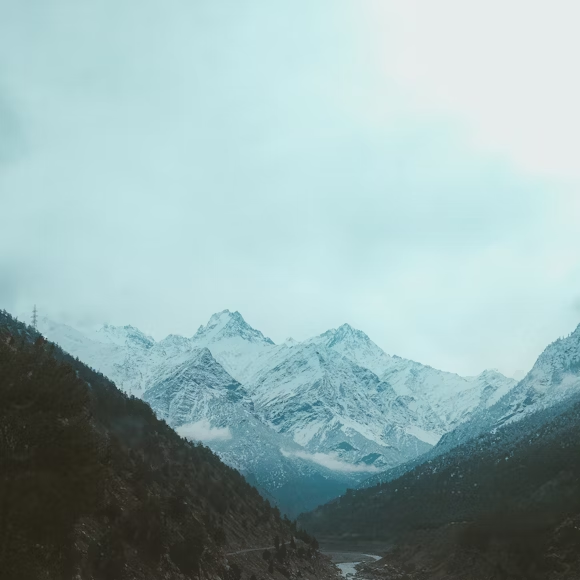

Ooty & Kodaikanal in Monsoon 2026: What the Southwest Rains Are Really Like (and Why to Go)

Kodaikanal in monsoon is not the hill station you think you know. It’s wilder, quieter, and genuinely spectacular — and paired with Ooty in monsoon, it forms one of Tamil Nadu’s most rewarding rainy-season escapes. If you’ve been holding off because of the weather, this guide is your honest answer: what the southwest rains actually look like, what still works, what doesn’t, and why monsoon 2026 might be the best time you’ve ever spent in the Nilgiris.
In this Blog
Why Ooty and Kodaikanal in Monsoon Hit Different
Peak season in these hills means crowds at Ooty’s Rose Garden, queues at Kodaikanal Lake, and villas booked weeks out. Monsoon strips all of that back. What’s left is the actual landscape — the one that posters try (and fail) to capture.
Between June and September, the Western Ghats receive the full force of the southwest monsoon. Ooty hill station sits at around 2,240 metres; Kodaikanal at 2,133 metres. Both receive heavy, consistent rainfall during this window, but “heavy” doesn’t mean “all day.” Most days follow a pattern: clear or overcast mornings, mist rolling in by noon, showers through the afternoon, and a dramatically quiet evening where the valleys below vanish into cloud.
If you’ve only seen these places in summer, you haven’t seen them at all.
What the Southwest Rains Actually Look Like on the Ground
Let’s be direct: the rains are real. You will get wet. Paths get slippery. Some viewpoints cloud over completely. The tourist infrastructure slows down — certain boat rides on Kodaikanal Lake may pause, and some adventure activities in Kodaikanal operate on reduced schedules.
But here’s what doesn’t get said enough: the Nilgiris are built for rain. The shola forests absorb it. The waterfalls earn it. The tea estates need it. Ooty’s Nilgiri Mountain Railway — already one of India’s most atmospheric train rides — becomes something close to cinematic when mist swallows the viaducts between Mettupalayam and Coonoor.
Quick Monsoon Reality Check:
- Average rainfall in Ooty (June–Aug): 150–180mm per month
- Kodaikanal typically receives more intense bursts, especially in July
- Mornings (6 am–10 am) are usually the clearest window for sightseeing in Ooty and Kodaikanal
- Pack: waterproof shoes, a light windcheater, and a dry bag for your camera
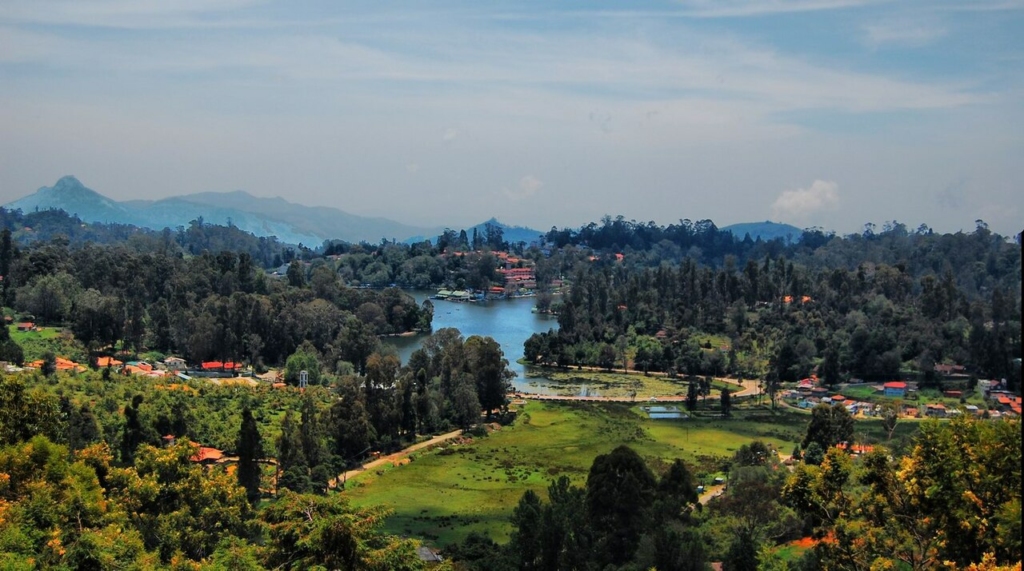
Kodaikanal in Monsoon: The Honest Breakdown
What Makes Kodaikanal Tourist Places Unmissable in the Rains
Kodaikanal in monsoon transforms into something genuinely otherworldly. The star-shaped lake at the centre of town takes on a steelier, more brooding quality. The pine forests around it — already beautiful — become deep, dripping, and fragrant. Walking the Bryant Park perimeter in light rain, pine needles underfoot, is the kind of thing that feels more like a story than a holiday.
Top places to visit in Kodaikanal during monsoon:
- Pillar Rocks — Three 122-metre rock pillars that vanish into mist mid-morning. Time your visit for 7–8 am when cloud cover parts briefly. Genuinely stunning.
- Silver Cascade Falls — This is where the rains pay off most visibly. The falls, fed directly by monsoon runoff, swell to their most powerful in July and August.
- Bear Shola Falls — A short trek through the forest, far less crowded than Silver Cascade. Rewarding precisely because it requires the effort.
- Coaker’s Walk — A 1km clifftop promenade that, on clear mornings, offers unobstructed views across the plains 2,000 metres below. In mist, it’s a completely different kind of beautiful.
- Kodaikanal Lake — Boating may be intermittent in heavy rain, but cycling the 5km perimeter is one of the best things to do in Kodaikanal at any time of year.
Tourist Places in Kodaikanal for 2 Days: A Practical Sequence
Day 1 (Arrive in the evening): Check in, settle in, evening walk around Kodaikanal Lake.
Day 2 (Morning): Pillar Rocks at dawn → Coaker’s Walk → Bryant Park → Silver Cascade. Afternoon: rest or explore the market on PT Road.
Day 3 (Morning): Bear Shola Falls trek → Kukkal Caves (if conditions allow) → departure by noon.
This sequence prioritises morning light when cloud cover is lowest and keeps you indoors during peak afternoon rainfall.
Ooty in Monsoon: What Holds Up and What to Skip

Best Ooty Tourist Places for a Rainy Visit
Ooty’s charm in the monsoon is quieter than Kodaikanal’s. The Botanical Garden — among the best Ooty places year-round — softens into a lush, rain-fed paradise. It’s genuinely worth more time than most visitors give it: 22 hectares of curated flora that looks its absolute best when everything’s damp.
Tamil Nadu Tourism Ooty has developed infrastructure well enough that most of the major sightseeing in Ooty functions during the rains, though boat services on Ooty Lake can be suspended during heavy downpours.
Places to visit in Ooty that are monsoon-proof:
- Nilgiri Mountain Railway — the UNESCO heritage toy train from Mettupalayam runs regardless of rain and is arguably more atmospheric in the clouds. Book well ahead for the full Ooty stretch.
- Botanical Garden — 150-year-old trees, lily ponds, and a fossil tree trunk that’s 20 million years old. Ideal for two calm hours any morning.
- Doddabetta Peak — At 2,637 metres, it’s the highest point in the Nilgiris. The viewpoint clouds over by 10 am in the monsoon, so this is a pre-sunrise-to-9 am-only visit.
- Avalanche Lake — 28km from Ooty town, this is one of the best places to visit in Ooty with family — serene, less developed, and strikingly beautiful in the mist. Some roads may be restricted; check current conditions before you go.
- Pykara Lake & Falls — Another monsoon winner. The falls peak in July–August and the lake road through shola forest is one of the finest drives in all of Tamil Nadu.
Places to Visit in Ooty in a 2-Day Package: Monsoon Edition
Day 1: Doddabetta (before 9 am) → Botanical Garden → Ooty Lake → Nilgiri Mountain Railway (afternoon segment to Coonoor and back)
Day 2: Pykara Lake and Falls → Avalanche Lake → local market (Charring Cross area for fresh Nilgiri tea and homemade chocolate)
This itinerary clusters the sightseeing in Ooty during morning windows and leaves afternoons for slower, covered experiences.
Activities in Ooty and Kodaikanal When It’s Raining
This is where both hill stations genuinely surprise first-time monsoon visitors. The options don’t disappear — they shift.
Things to do in Ooty on a rainy day:
- Explore the government tea factory and museum (covered, fascinating, and fragrant)
- Visit the Tribal Research Centre or the Government Museum near the Botanical Garden
- Pick up hand-rolled beeswax candles and artisan chocolates from local producers near the bus stand
- Settle into a heritage homestay veranda with a pot of Nilgiri orange pekoe
Things to do in Kodaikanal when it pours:
- The town’s cafés — particularly around the lake — are some of the best in Tamil Nadu. Genuine filter coffee, decent wood-fired pizza, excellent bookshops.
- Visit the Solar Physical Observatory (one of the highest observatories in India)
- Explore the local market on Anna Salai for homemade wine, eucalyptus oil, and Kodai cheese
Adventure Activities in Kodaikanal and Ooty: Monsoon Status
Some adventure activities in Kodaikanal and adventure activities in Ooty do pause in peak monsoon — particularly paragliding and horse riding near open slopes — but trekking remains popular and arguably better in cooler, post-rain conditions.
Monsoon-friendly adventure options:
- Forest treks in Ooty (Mukurthi National Park): Open with guide permits; dramatically beautiful
- Cycling around Kodaikanal Lake perimeter: Works even in light rain
- Night camping: Operators in both destinations run monsoon camps — check Kodaikanal adventure operators for updated schedules in 2026
Where to Stay: The Monsoon Case for a Private Villa
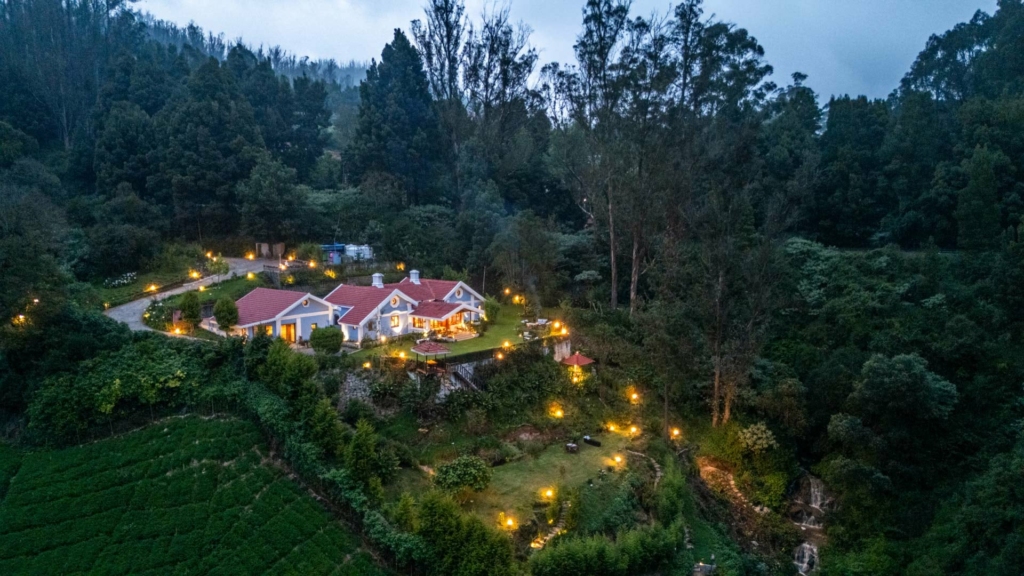
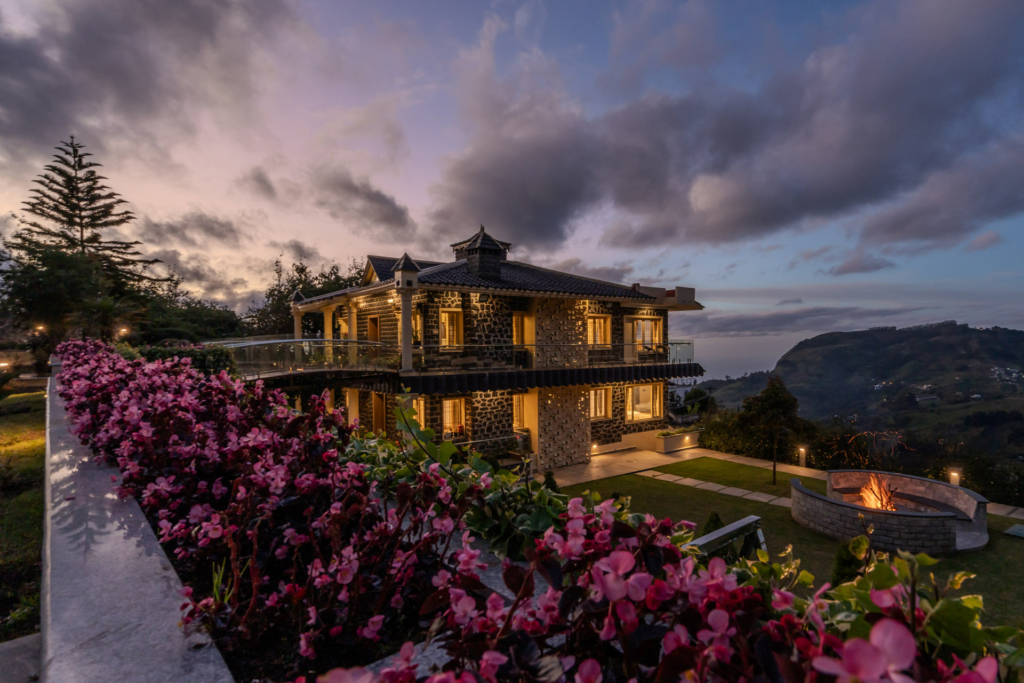
Both Ooty and Kodaikanal have always been hill retreats — the kind of places that originally drew travellers who wanted to slow down, not rush between attractions. Monsoon amplifies that instinct dramatically. You don’t want to be in a hotel corridor listening to the rain. You want a window seat, a fireplace, and a view that earns the effort of getting here.
StayVista curates private villas in hill destinations that are built for exactly this kind of stay. Wraparound decks for watching mist roll in, fully equipped kitchens for the evening you decide not to go out, and the kind of privacy that a rainy-season escape genuinely needs. If you’re planning a Kodaikanal in monsoon trip with family or a small group, a private villa changes the maths entirely — better value per head, and infinitely better atmosphere.

Practical Monsoon Planning: Quick Facts
| Detail | Ooty | Kodaikanal |
| Monsoon window | June–September | June–October |
| Peak rainfall months | July–August | July–September |
| Best morning visit window | 6 am–10 am | 6 am–9:30 am |
| Road conditions | Generally stable; check Avalanche road | Check Ghat road from Palani/Dindigul |
| What to pack | Layers, waterproof jacket, sturdy shoes | Same + leech socks for forest treks |
| Average temperature | 12°C–18°C | 11°C–17°C |
FAQ: Ooty and Kodaikanal in Monsoon 2026
Yes, Kodaikanal is generally safe to visit during the monsoon. Roads remain motorable, and most tourist places in Kodaikanal stay open. Avoid ghat roads during heavy rainfall warnings and always check local advisories before trekking.
Ooty in monsoon is genuinely beautiful — the tea estates, waterfalls, and Botanical Garden are at their greenest and most photogenic. Some viewpoints cloud over, and Ooty Lake boating may pause, but the overall experience is rich and crowd-free.
Both are excellent but in different ways. Kodaikanal in monsoon is more dramatic — the mist, pine forests, and Pillar Rocks make it feel almost cinematic. Ooty is gentler and better-connected, with the Nilgiri Mountain Railway adding a special experience. If you have the time, do both.
For Ooty: the Nilgiri toy train, Botanical Garden, Pykara Falls, and a tea factory tour. For Kodaikanal: Pillar Rocks at dawn, Bear Shola Falls trek, cycling around the lake, and exploring the cafés.
Waterproof jacket, sturdy closed-toe shoes, a dry bag for electronics, layered clothing (temperatures can drop to 11–12°C at night), and leech socks if you’re planning forest treks in Kodaikanal.
Yes. StayVista has curated private villas in both destinations suited for monsoon stays — with features like fireplaces, large windows, and private outdoor spaces to make the most of the rainfall views.
The Last Word: Go in the Rain
The travellers who come back and say Kodaikanal in monsoon has changed something in them are not exaggerating. There’s a particular quality to these hills when the clouds sit low, and the waterfalls run full and the air smells of wet earth and eucalyptus. It doesn’t ask you to do anything. It just is.
Ooty in monsoon is the same invitation extended differently — through the scent of tea, through the sound of a train pulling through mist, through an evening spent watching rain fall across a valley that goes on forever.
You don’t need perfect weather for a perfect trip. Sometimes you need the rain.